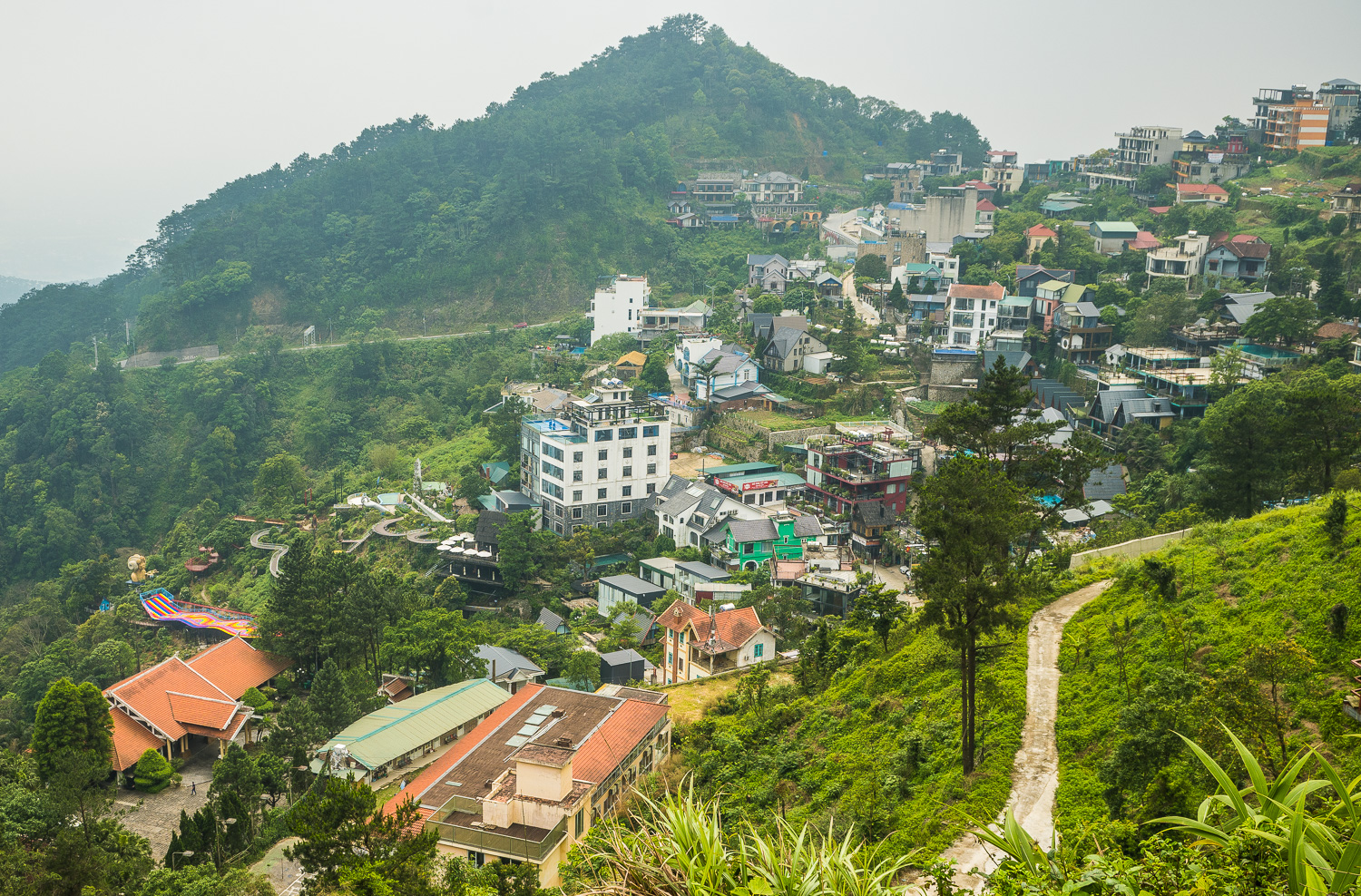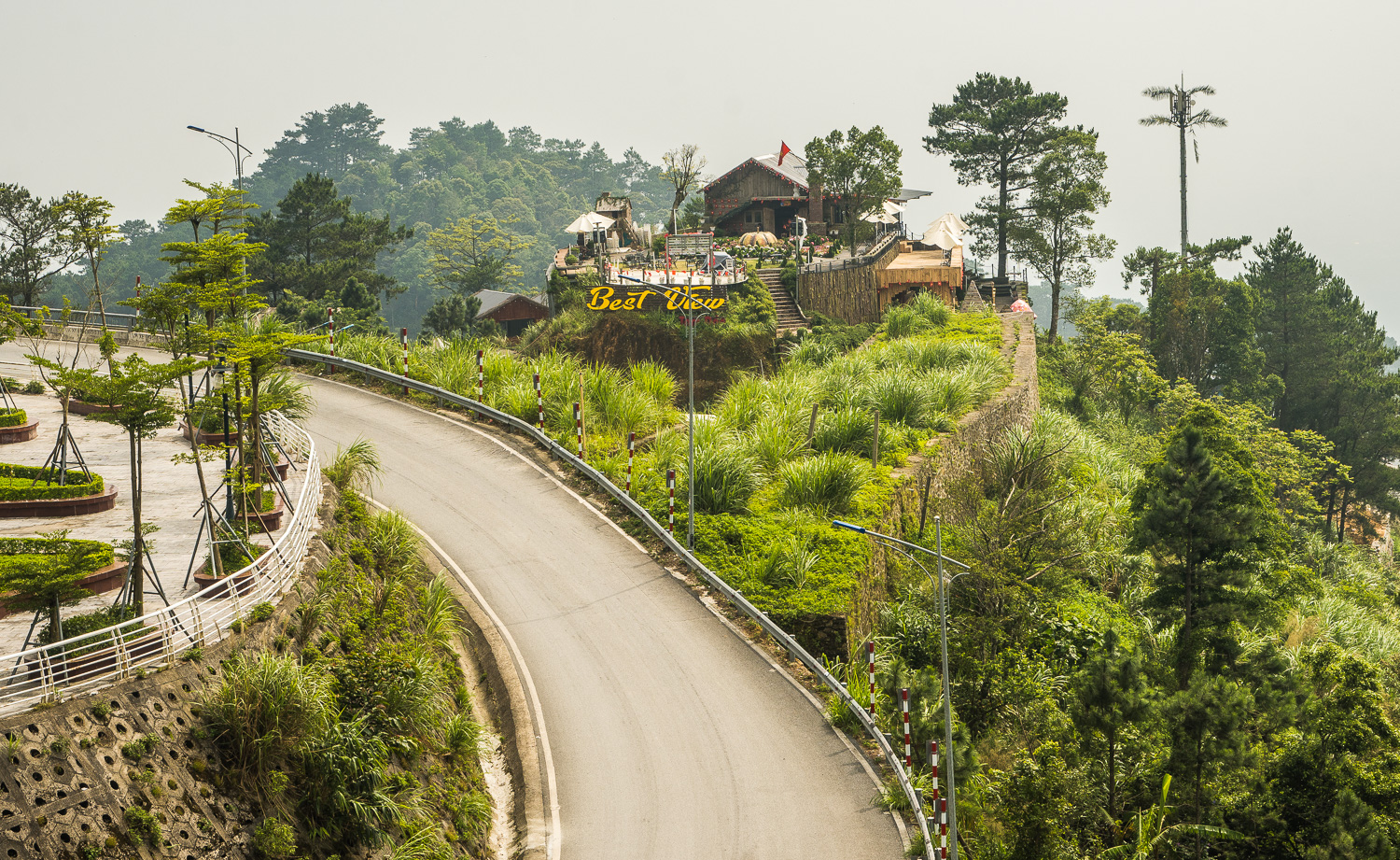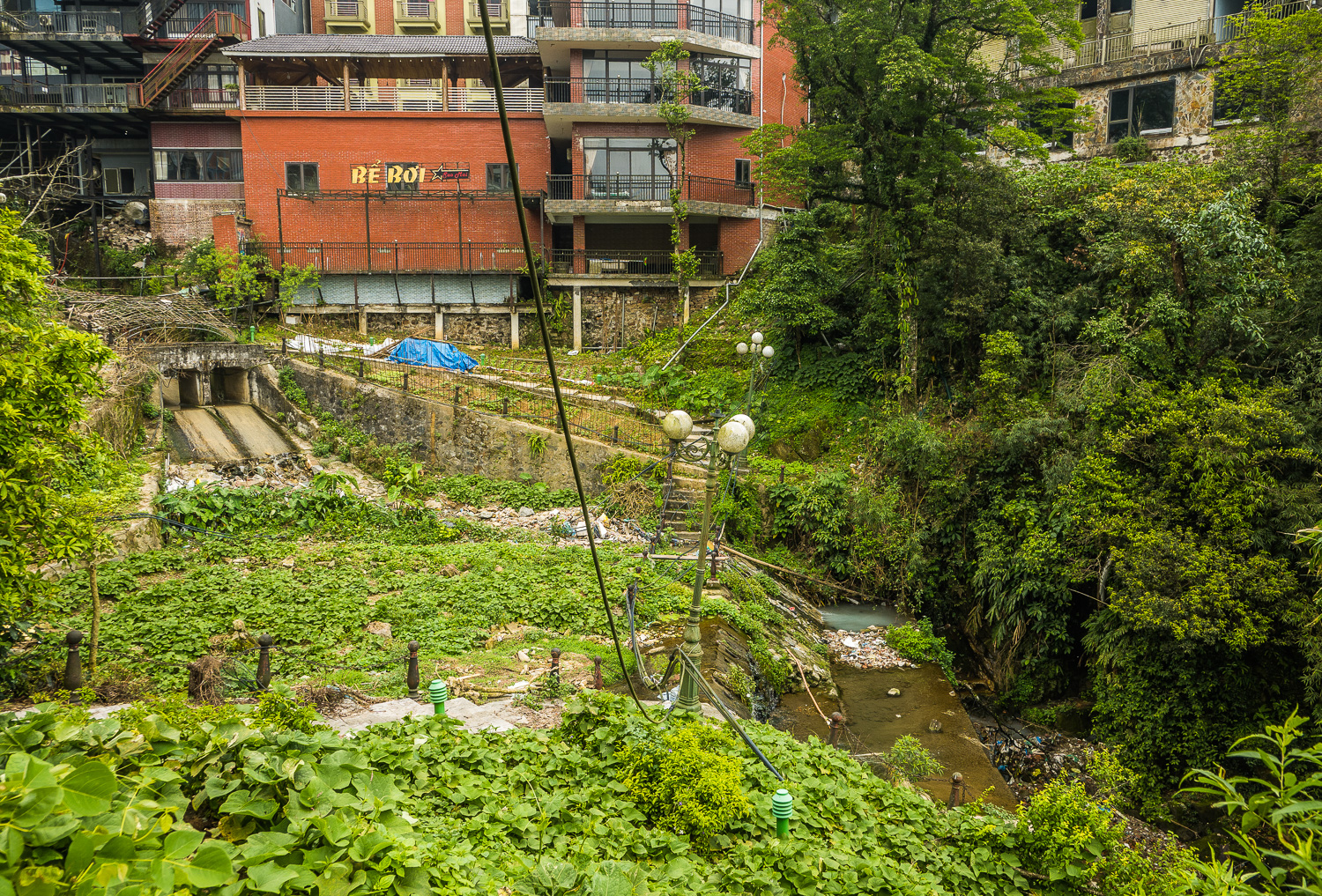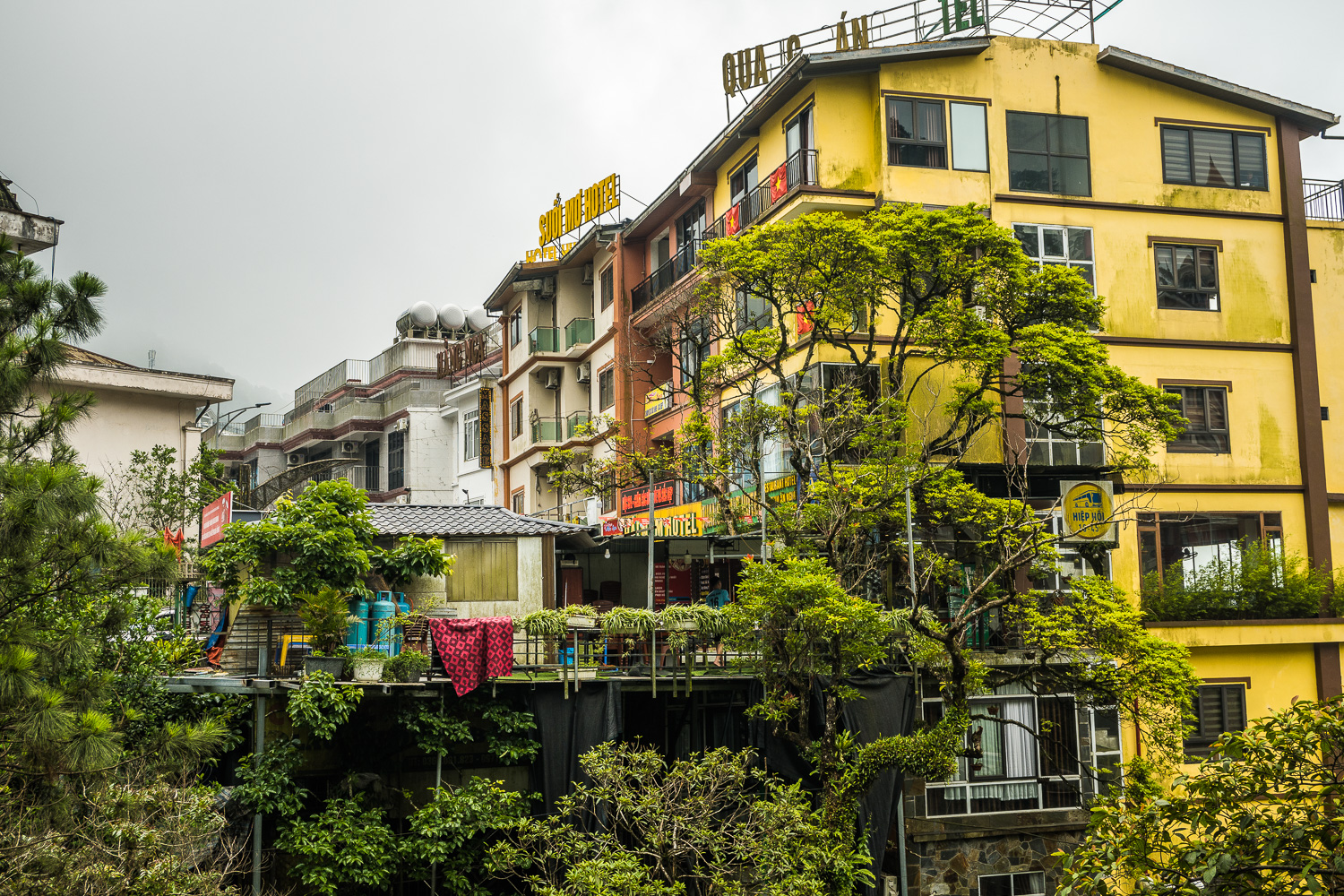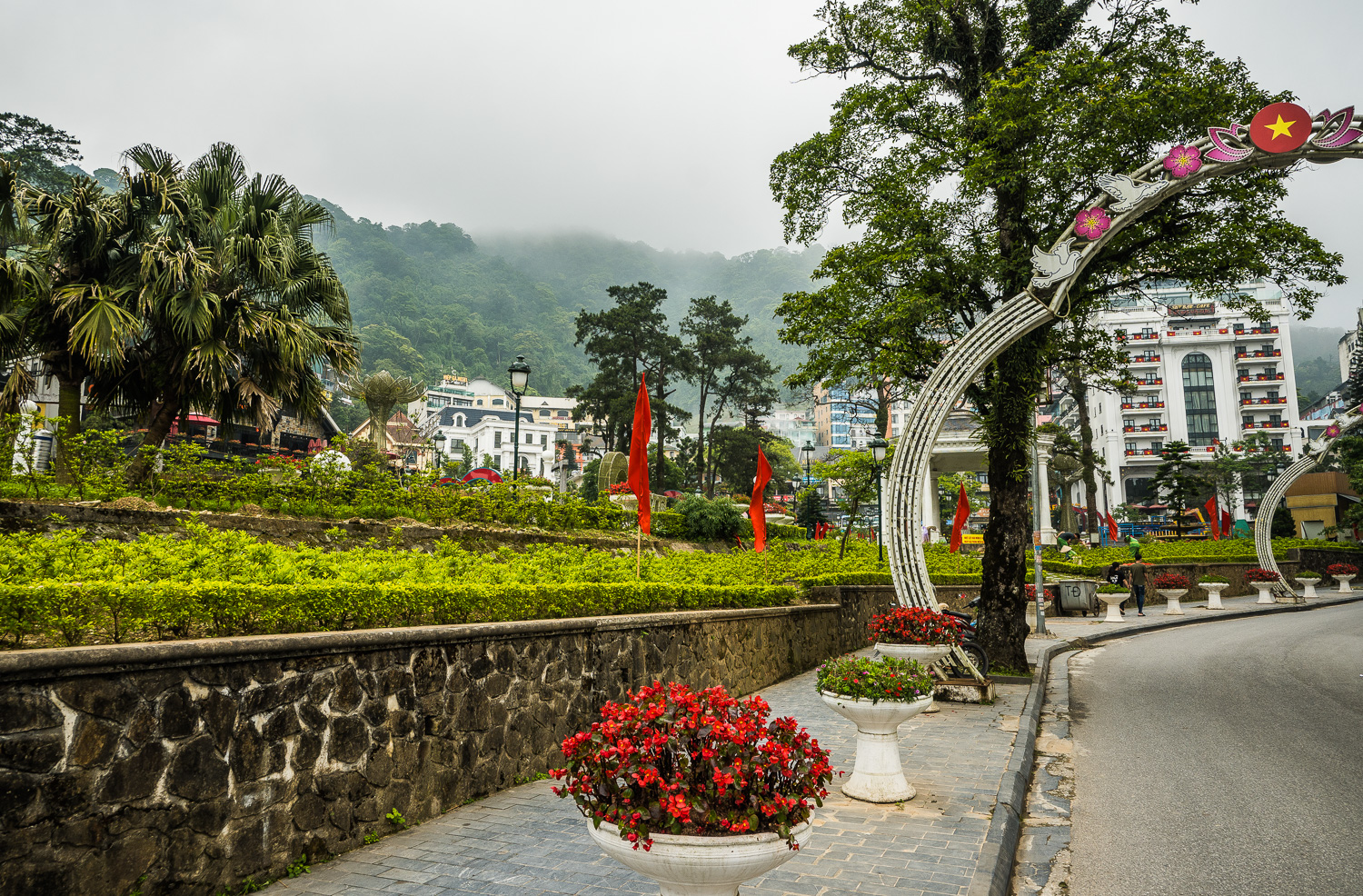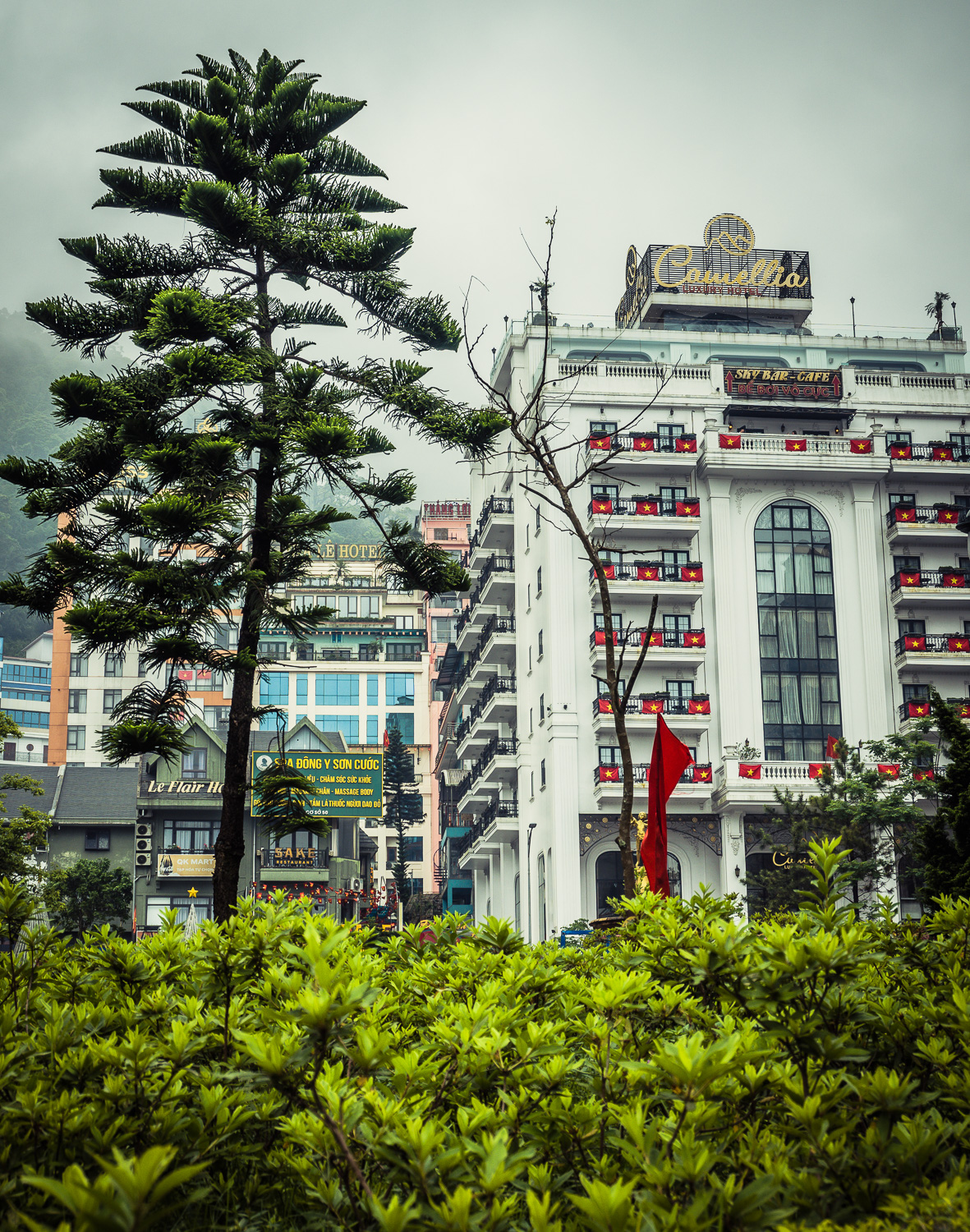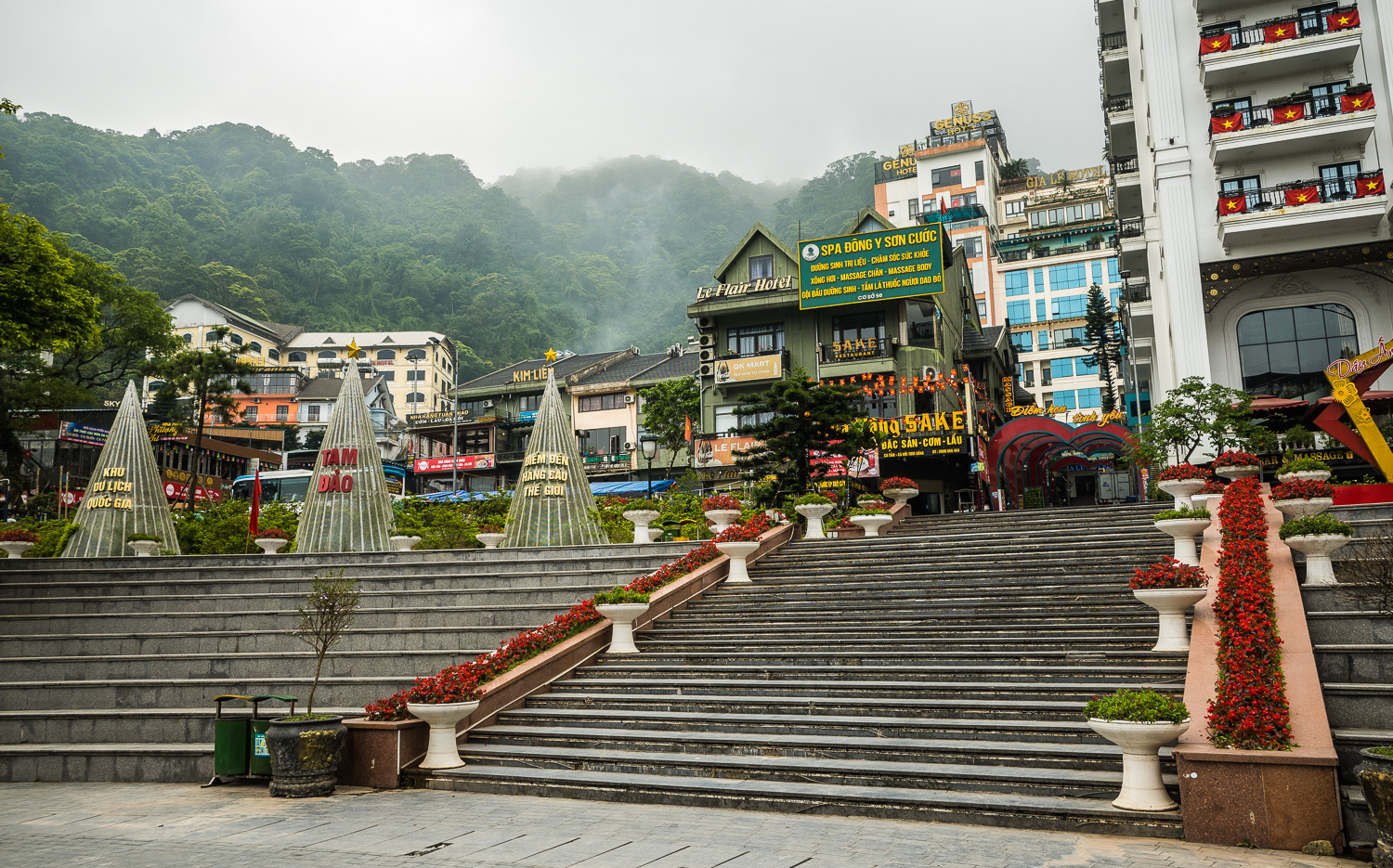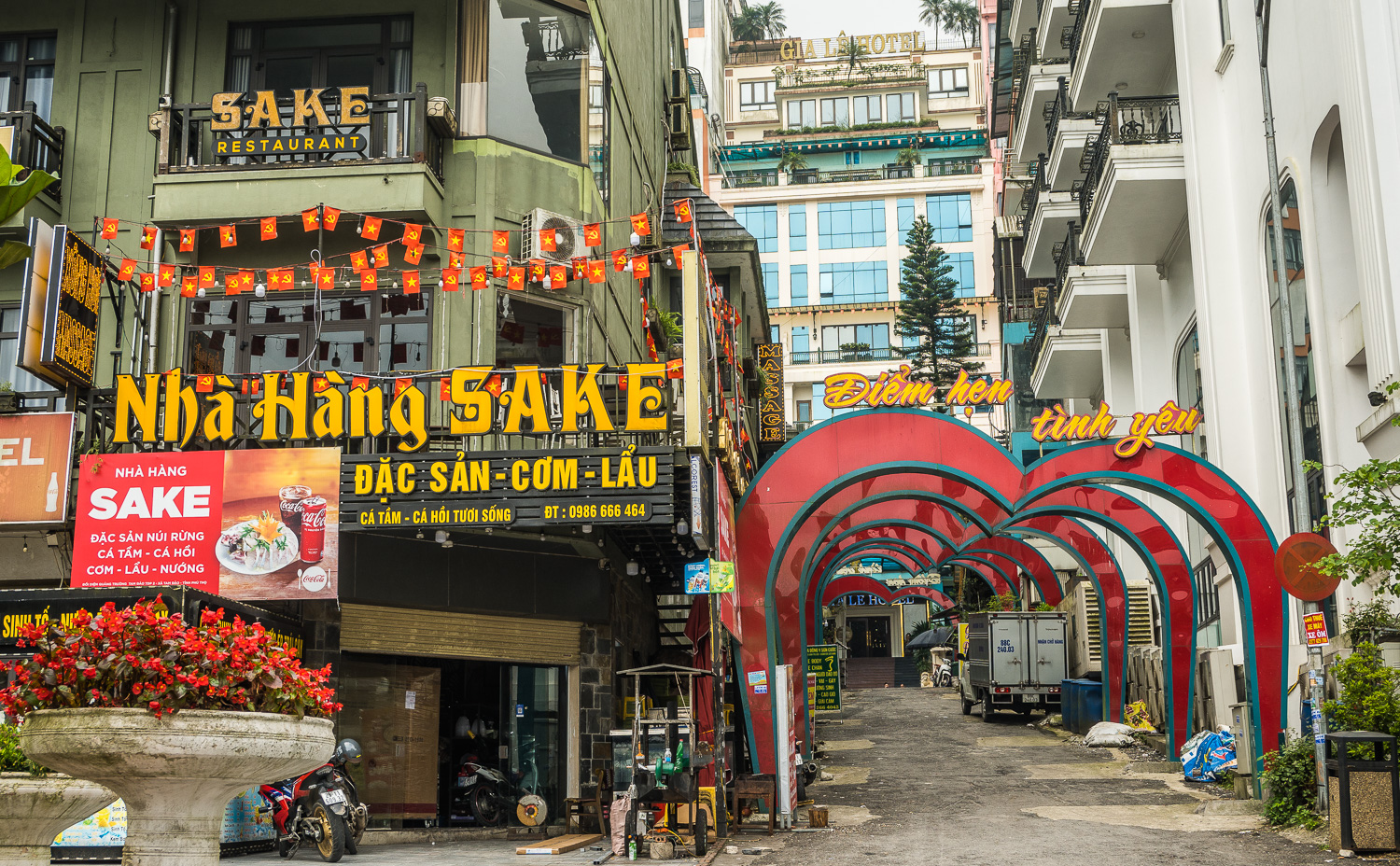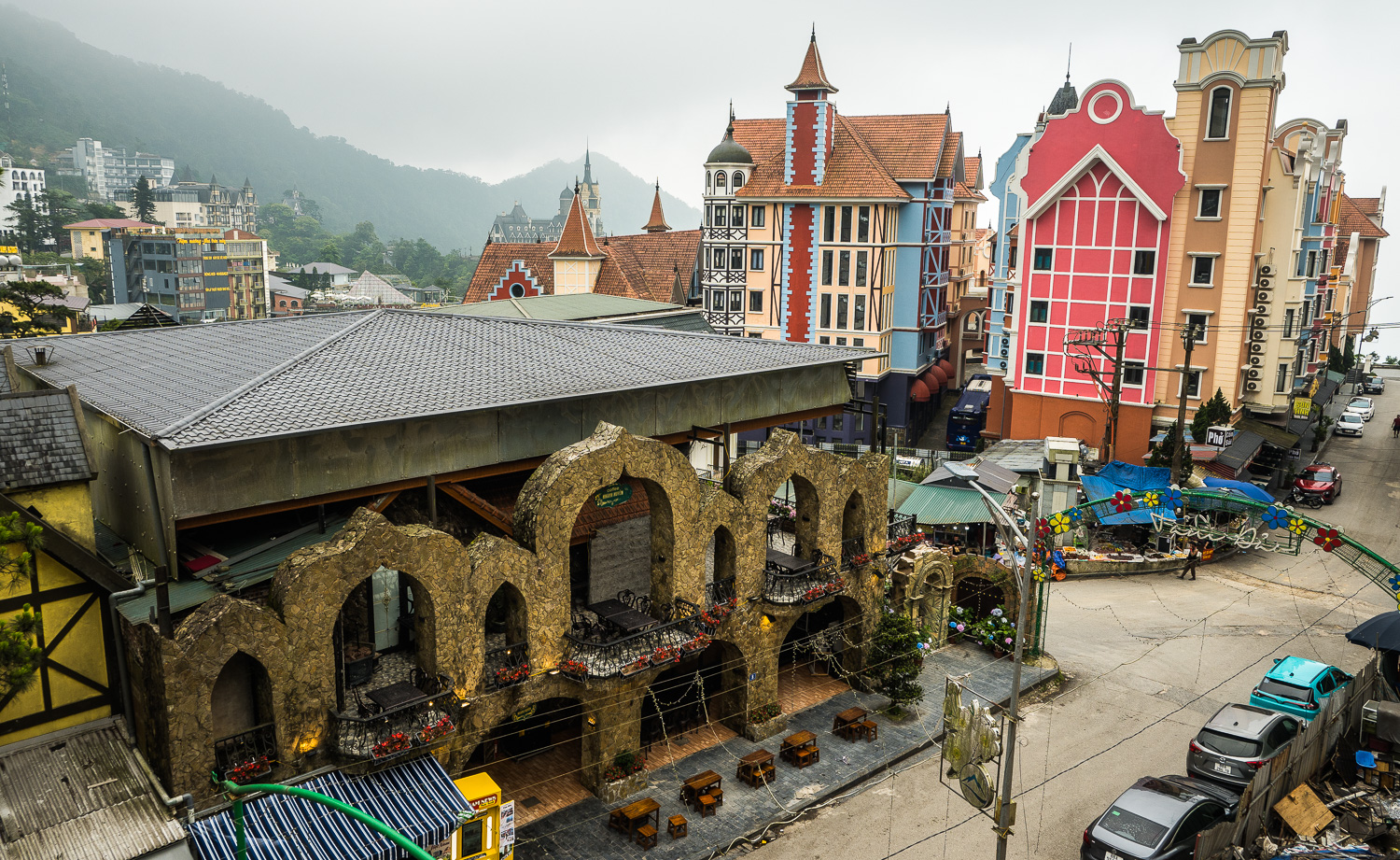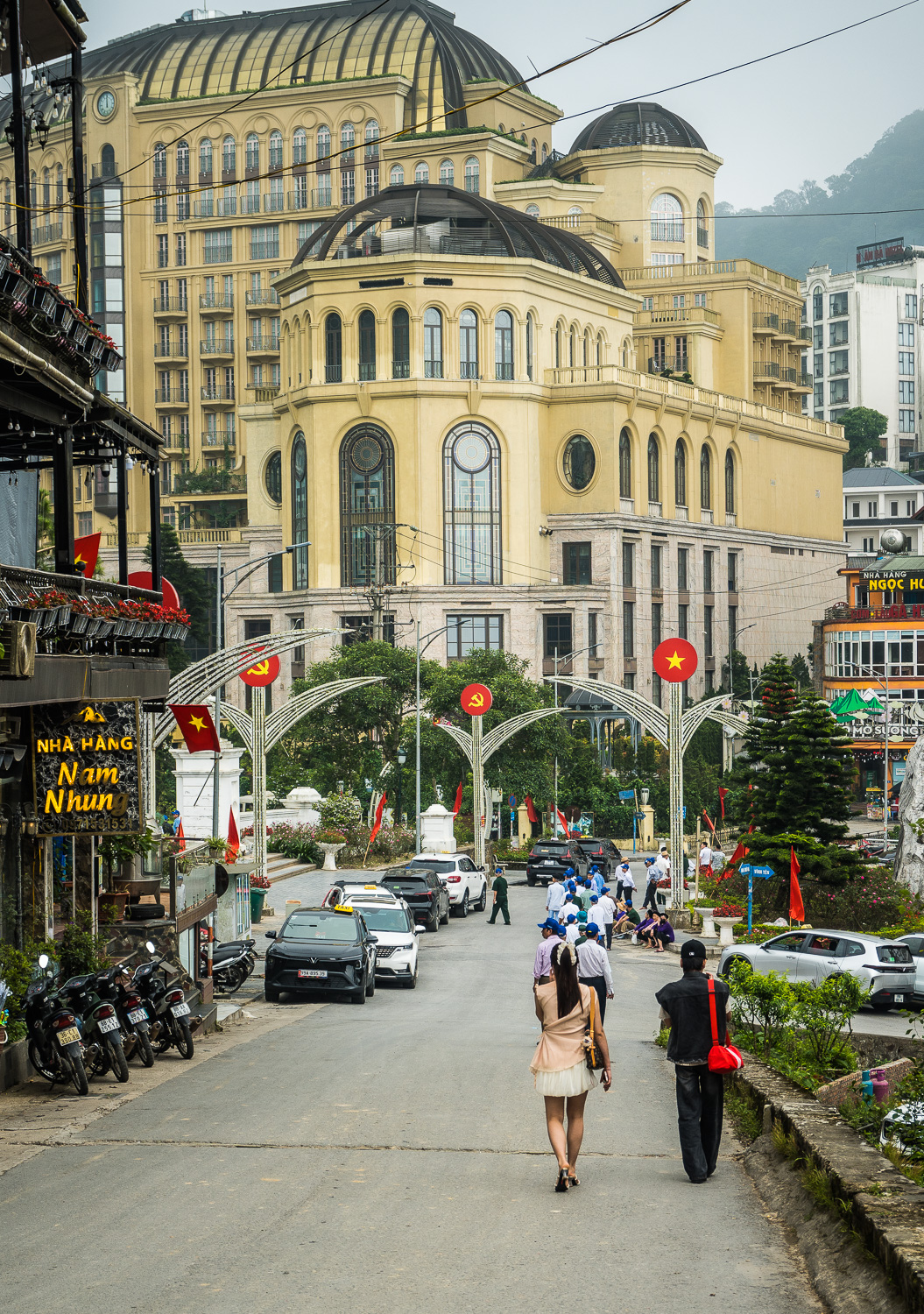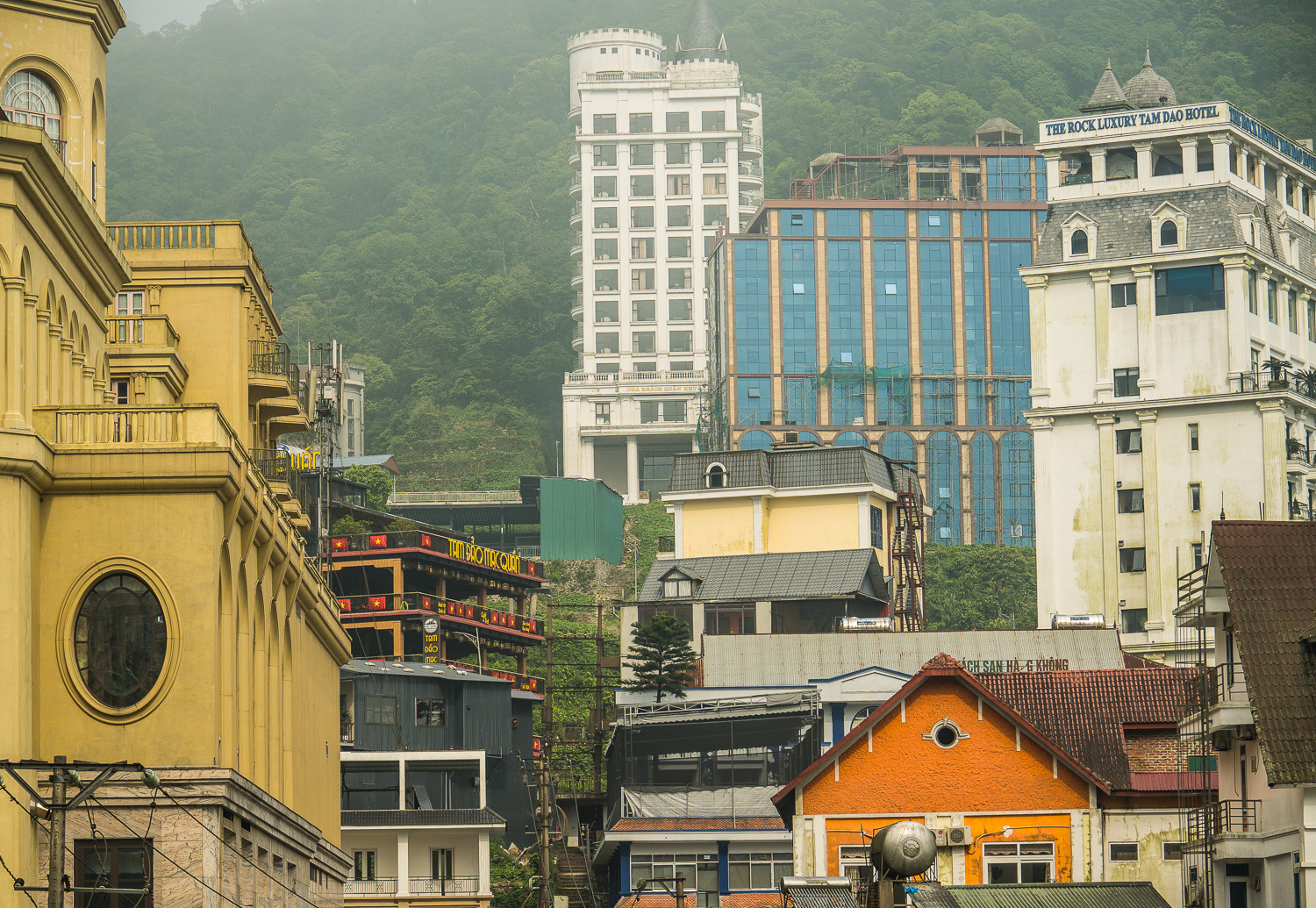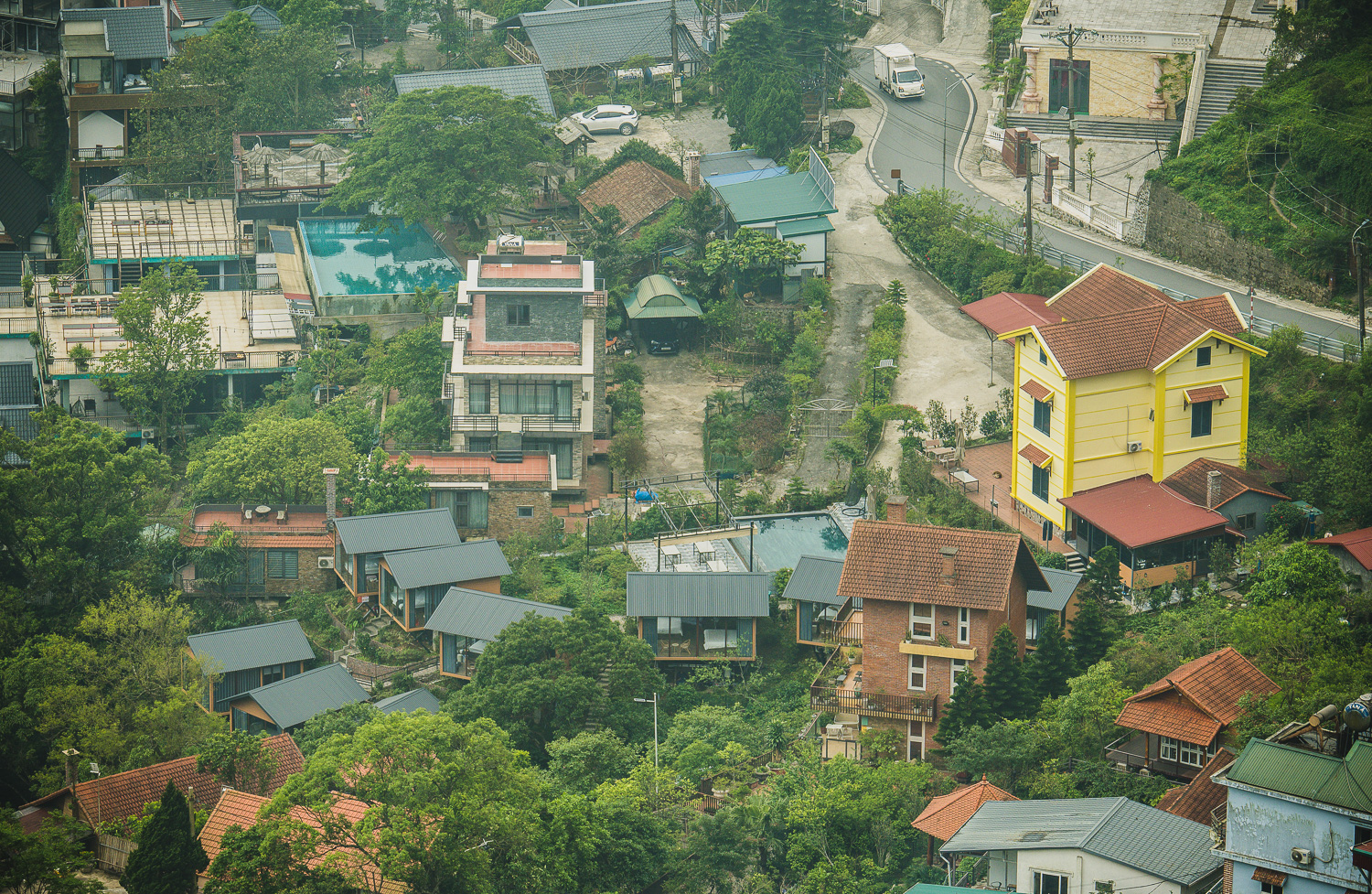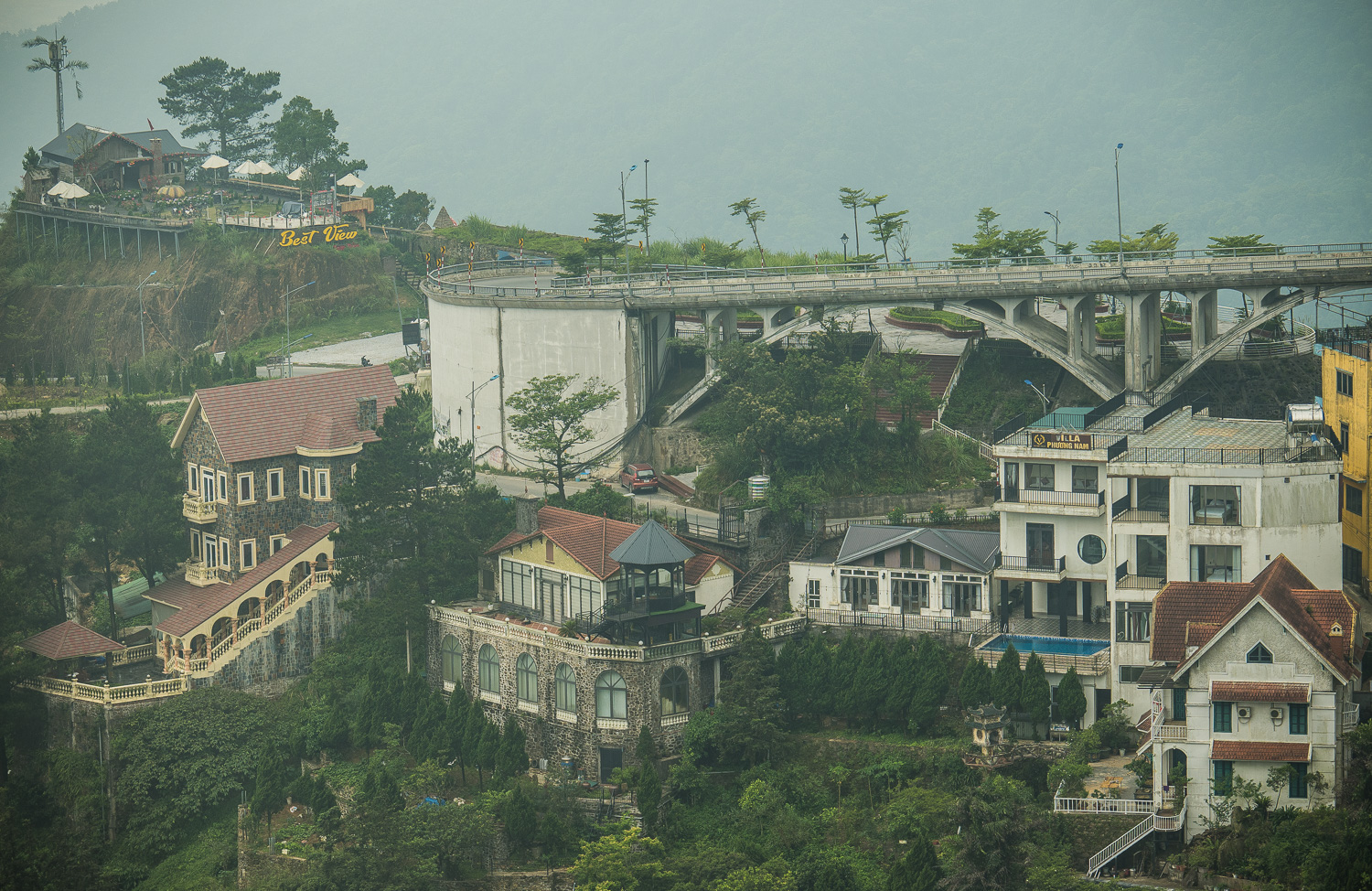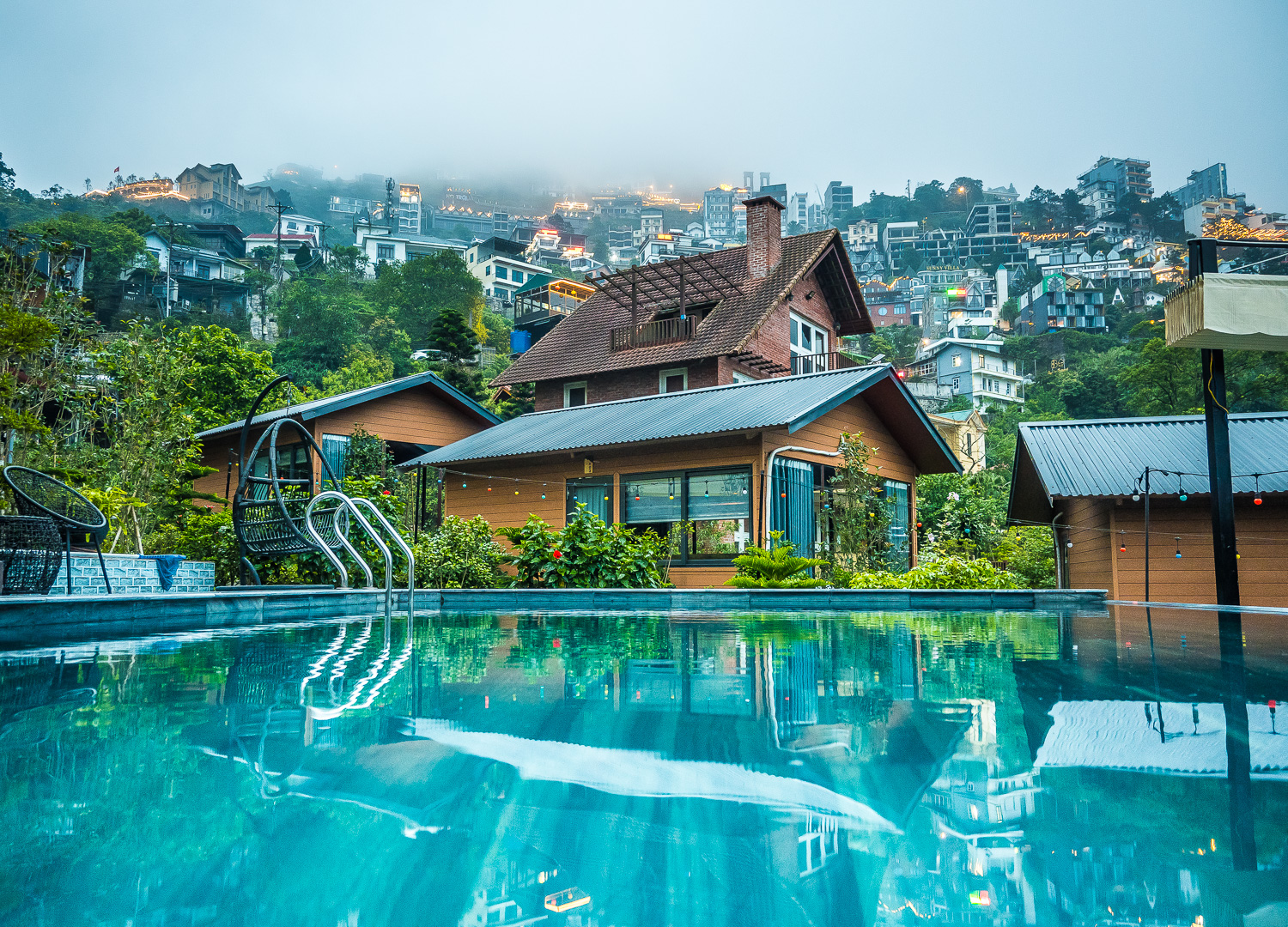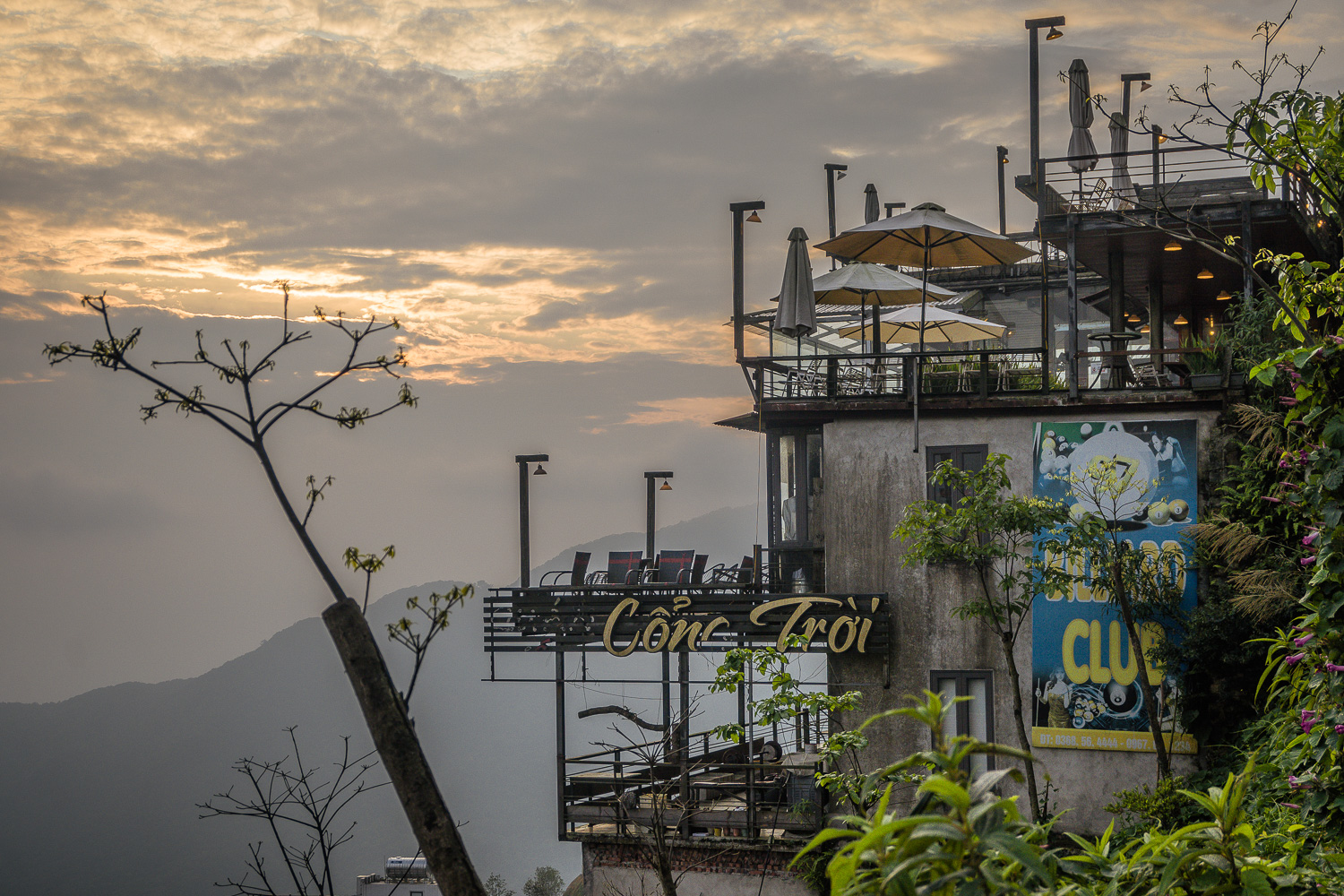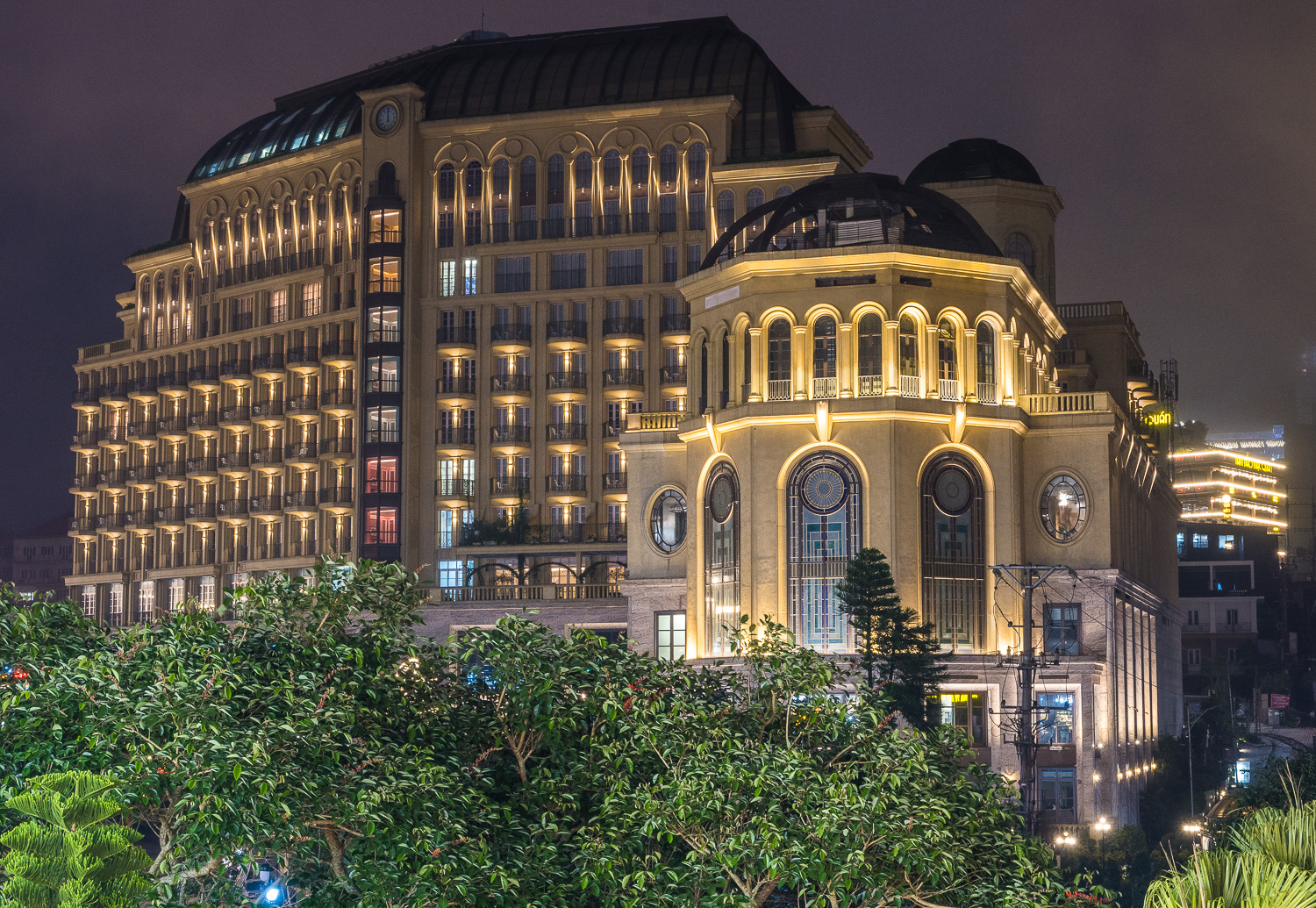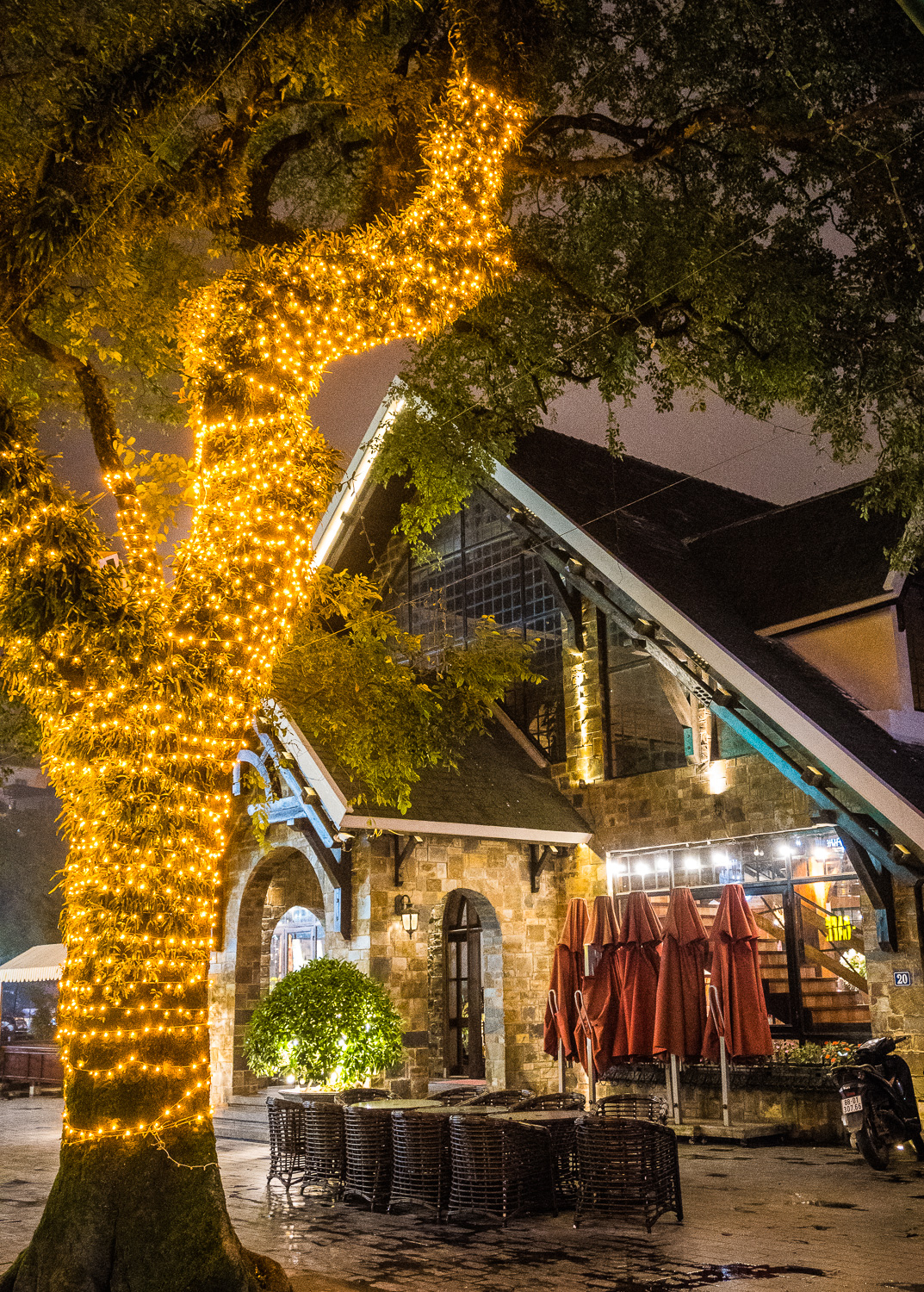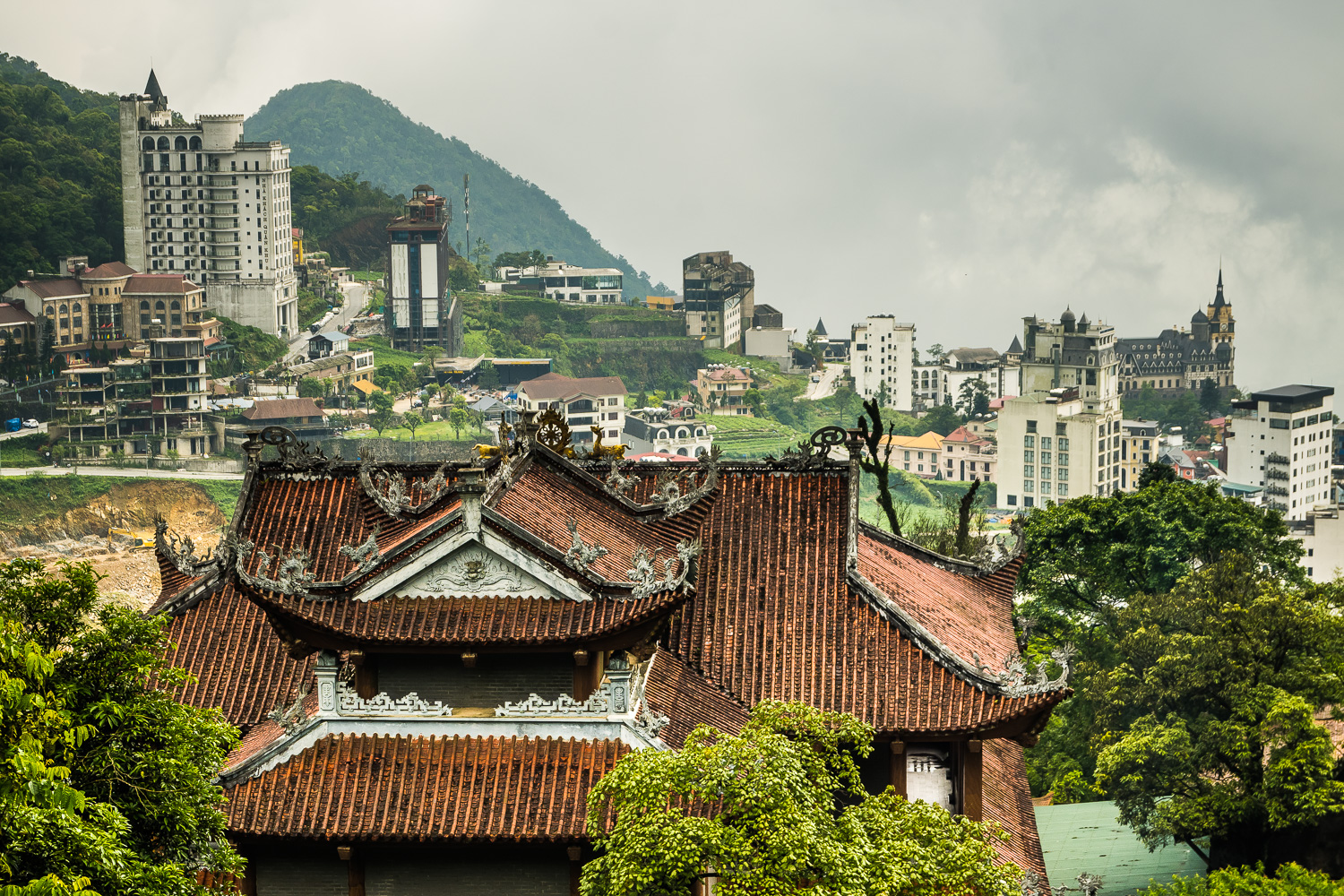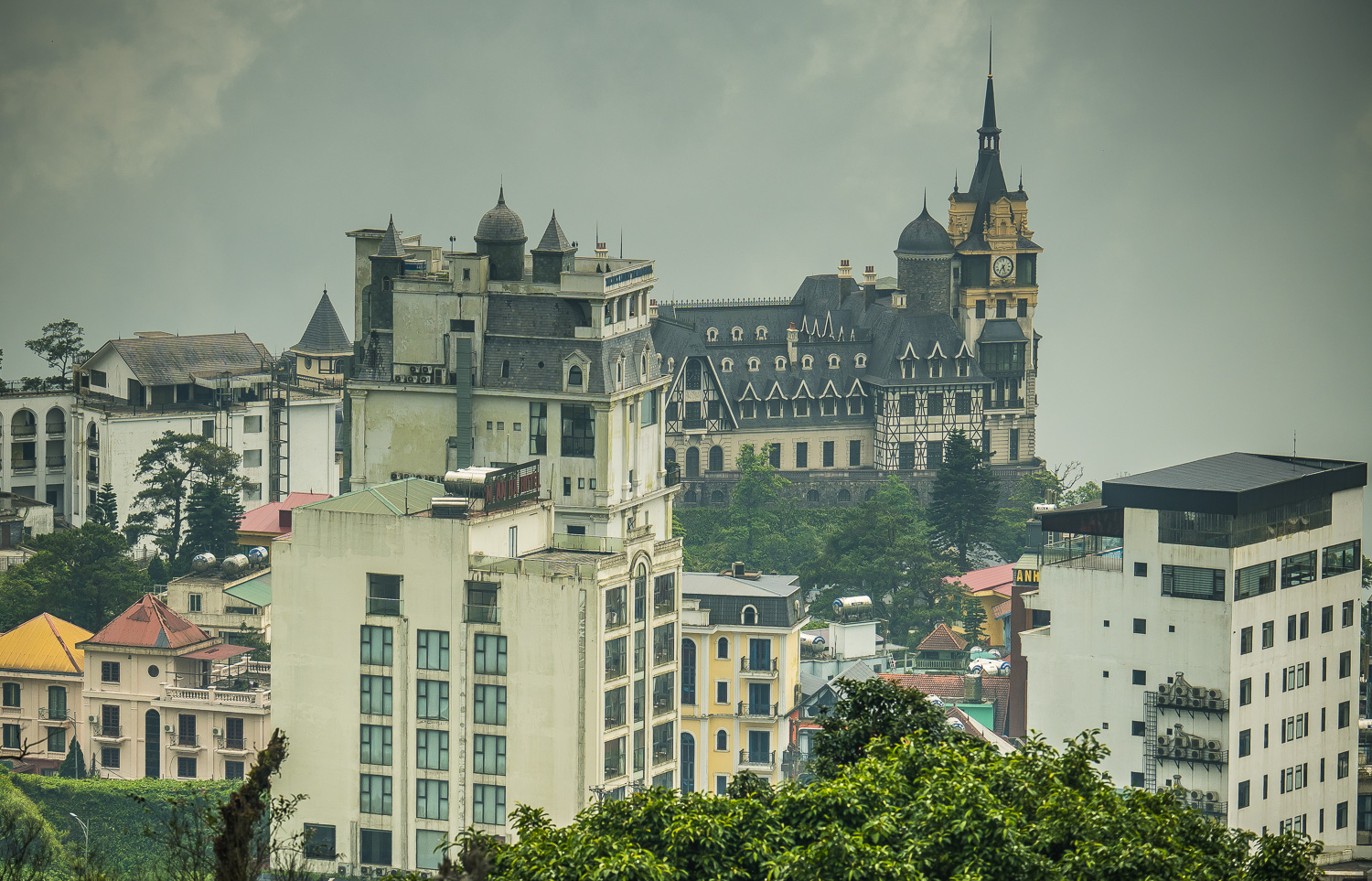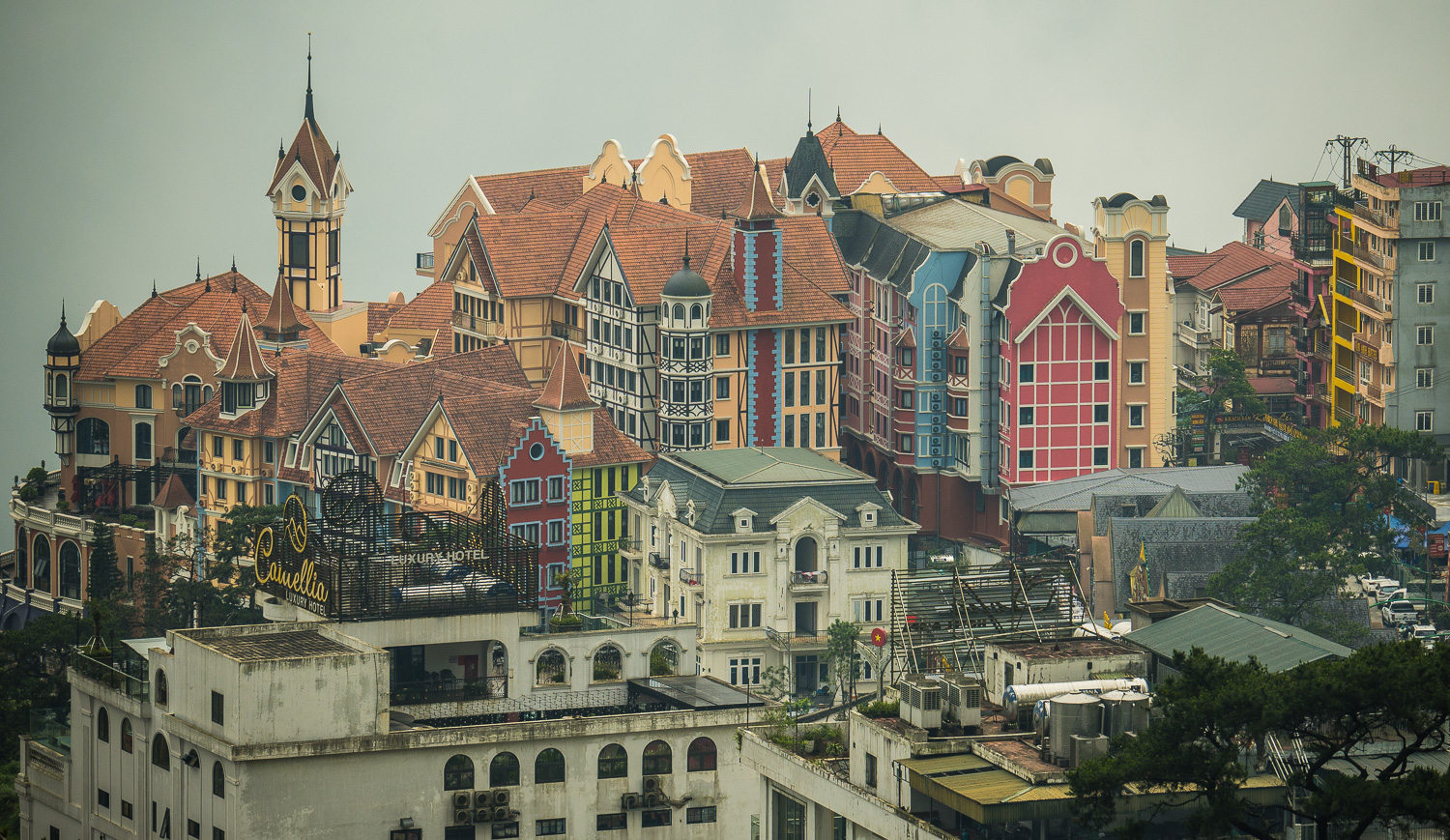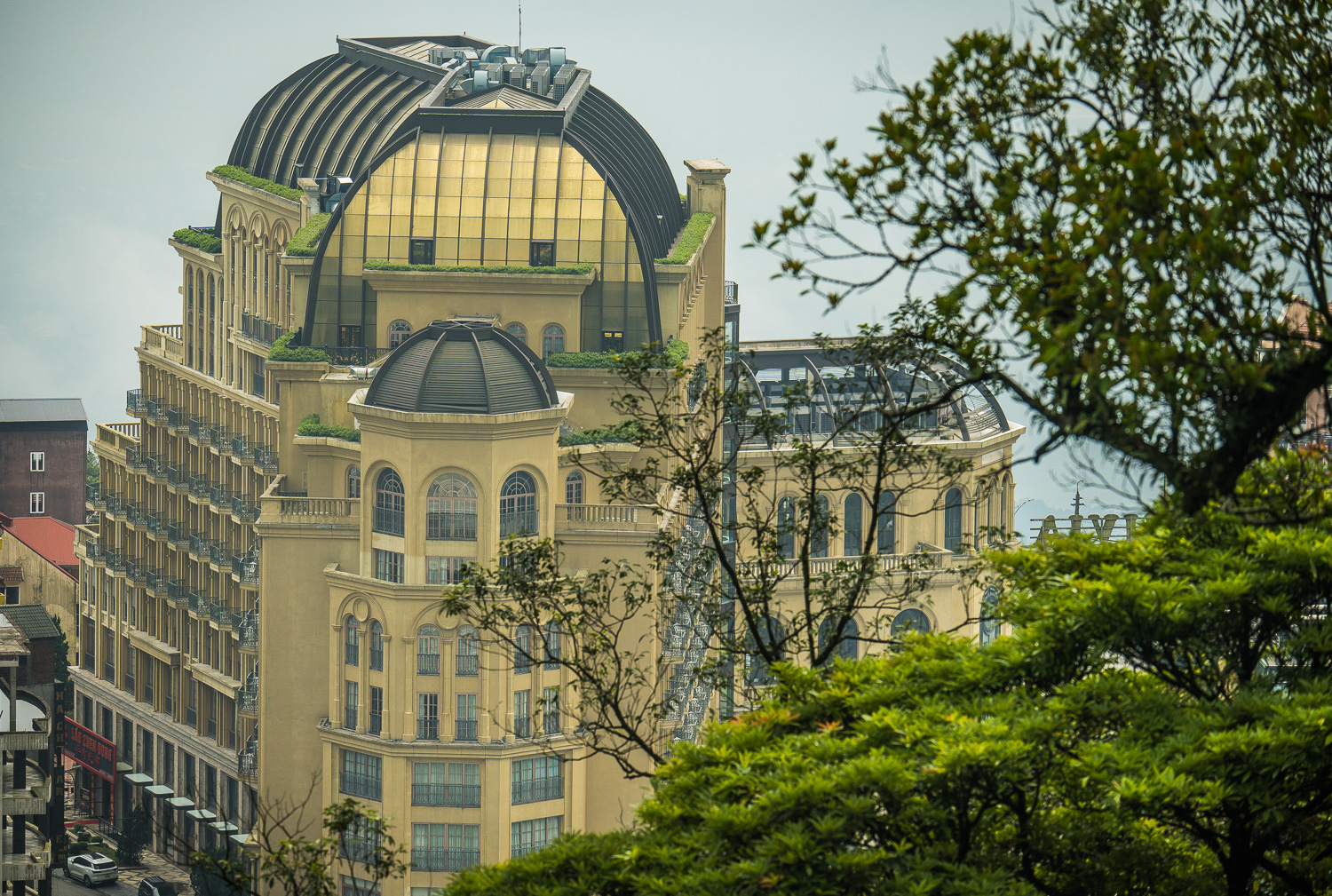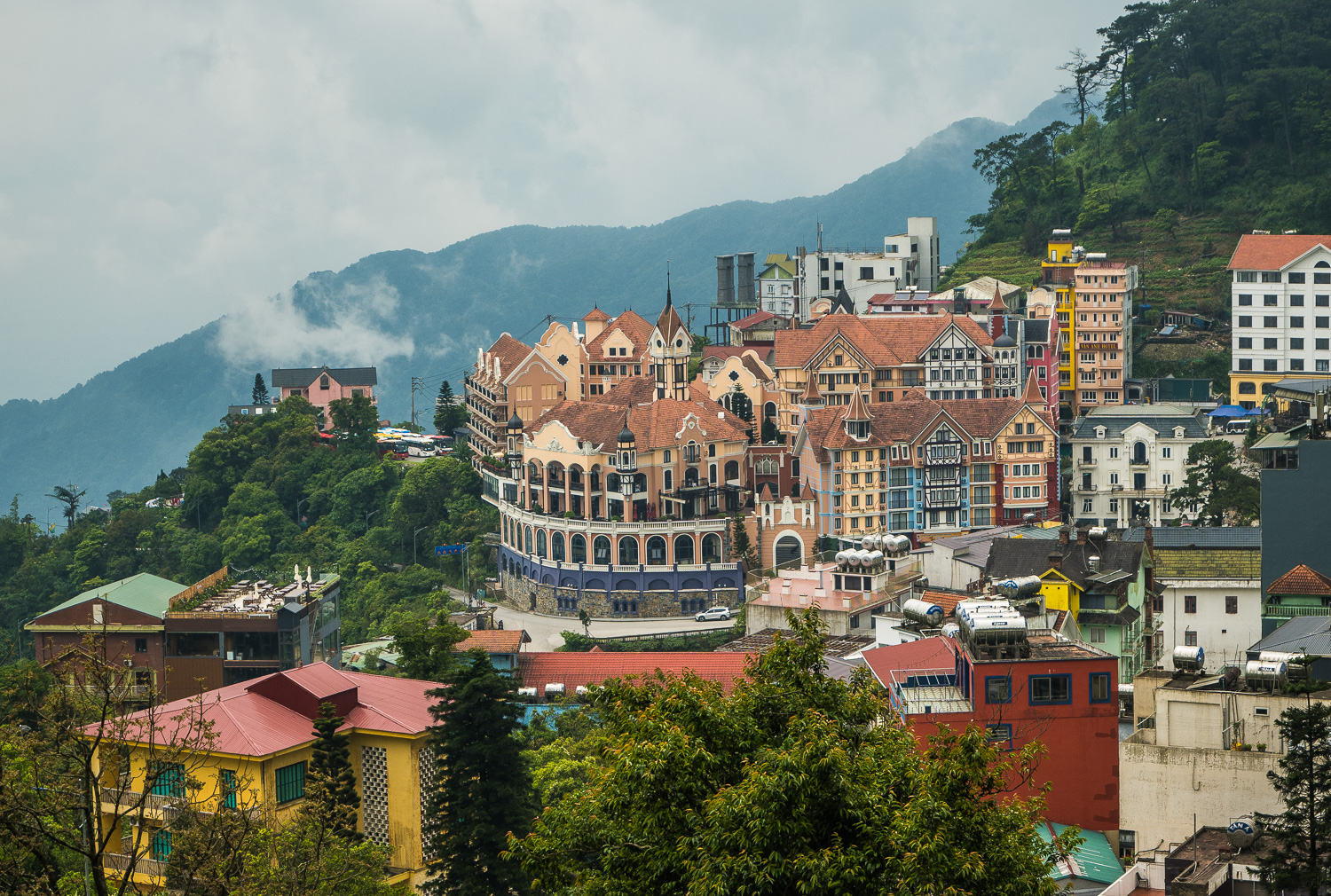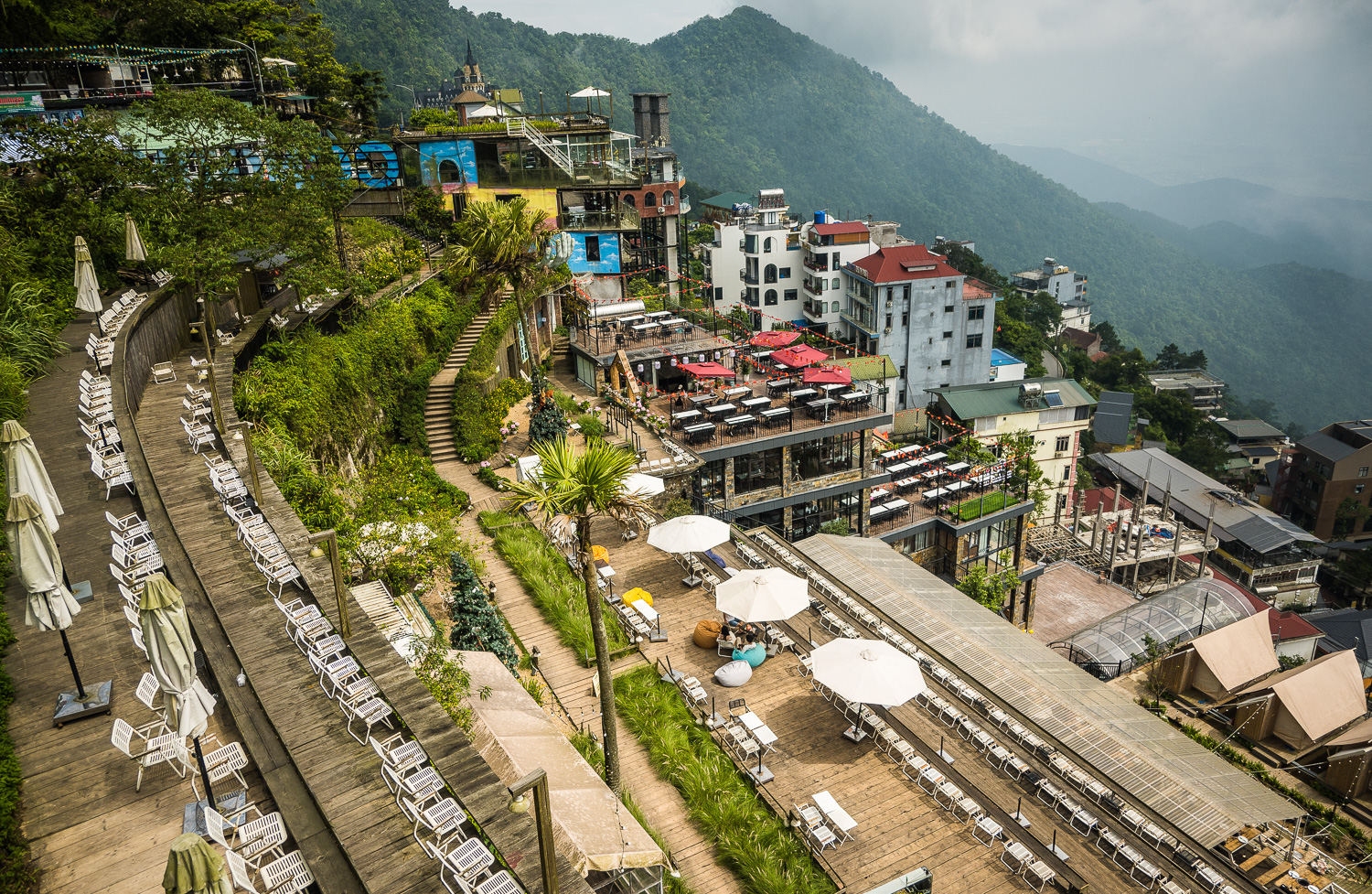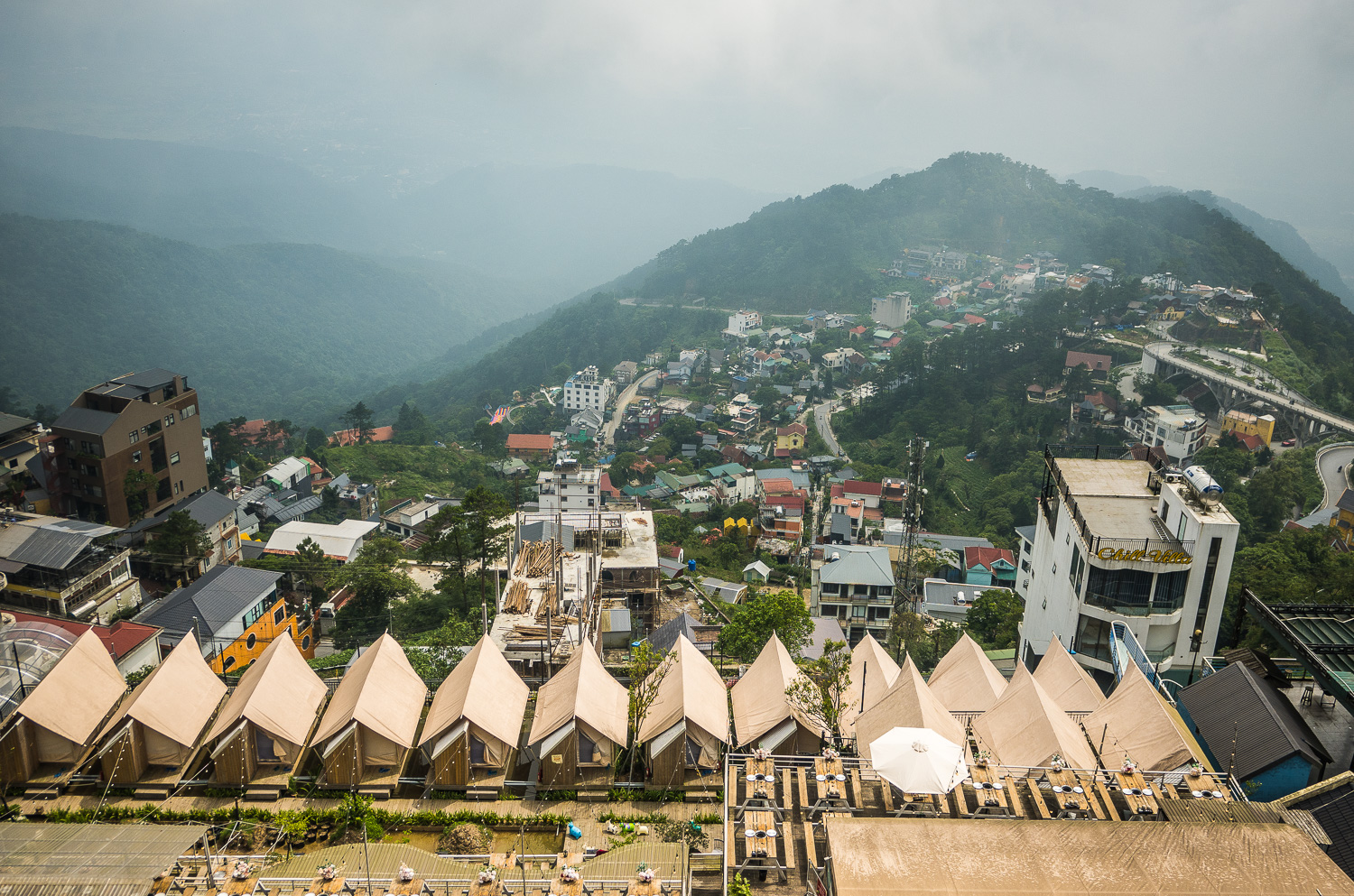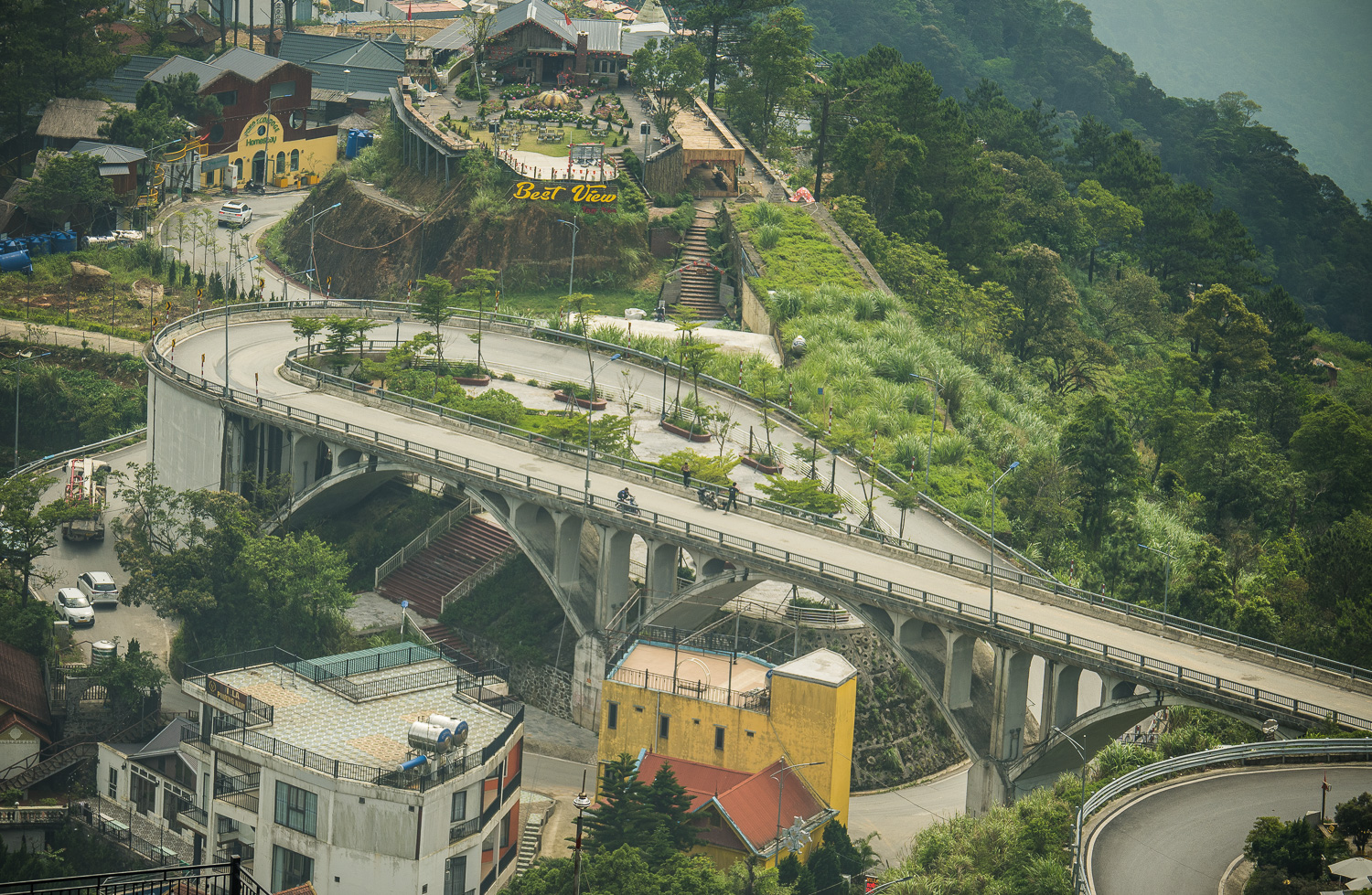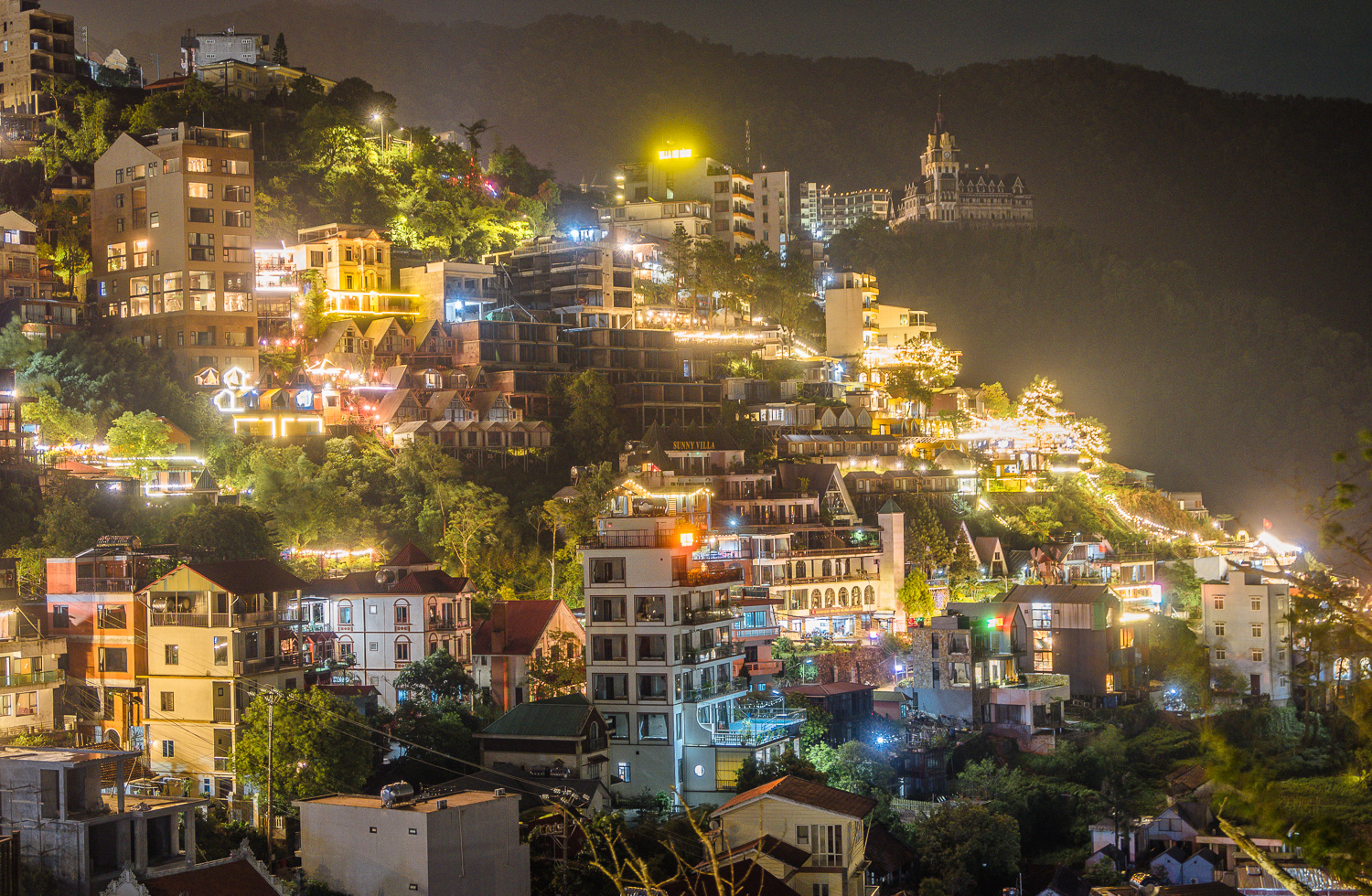
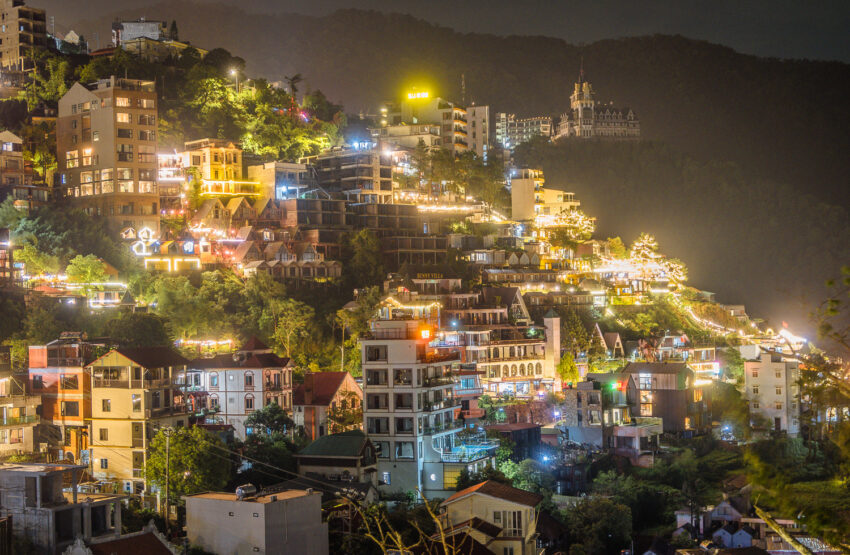
We didn’t have to wait long for a Grab taxi to take us out of Vinh Yen and up the mountain road to the old French hill station getaway of Tam Dao. From a distance, Tam Dao looks like a bunch of tacky hotels, apartment blocks, and restaurants clinging to the side of the hills like Lego thrown from a child’s bucket.
Our accommodation at the Hola Homestay was cosy to say the least, but the view and hospitality made up for the room, which was like living in a shed after the decadence of the Modena. It did have a pool, but it was too cold to take a dip!
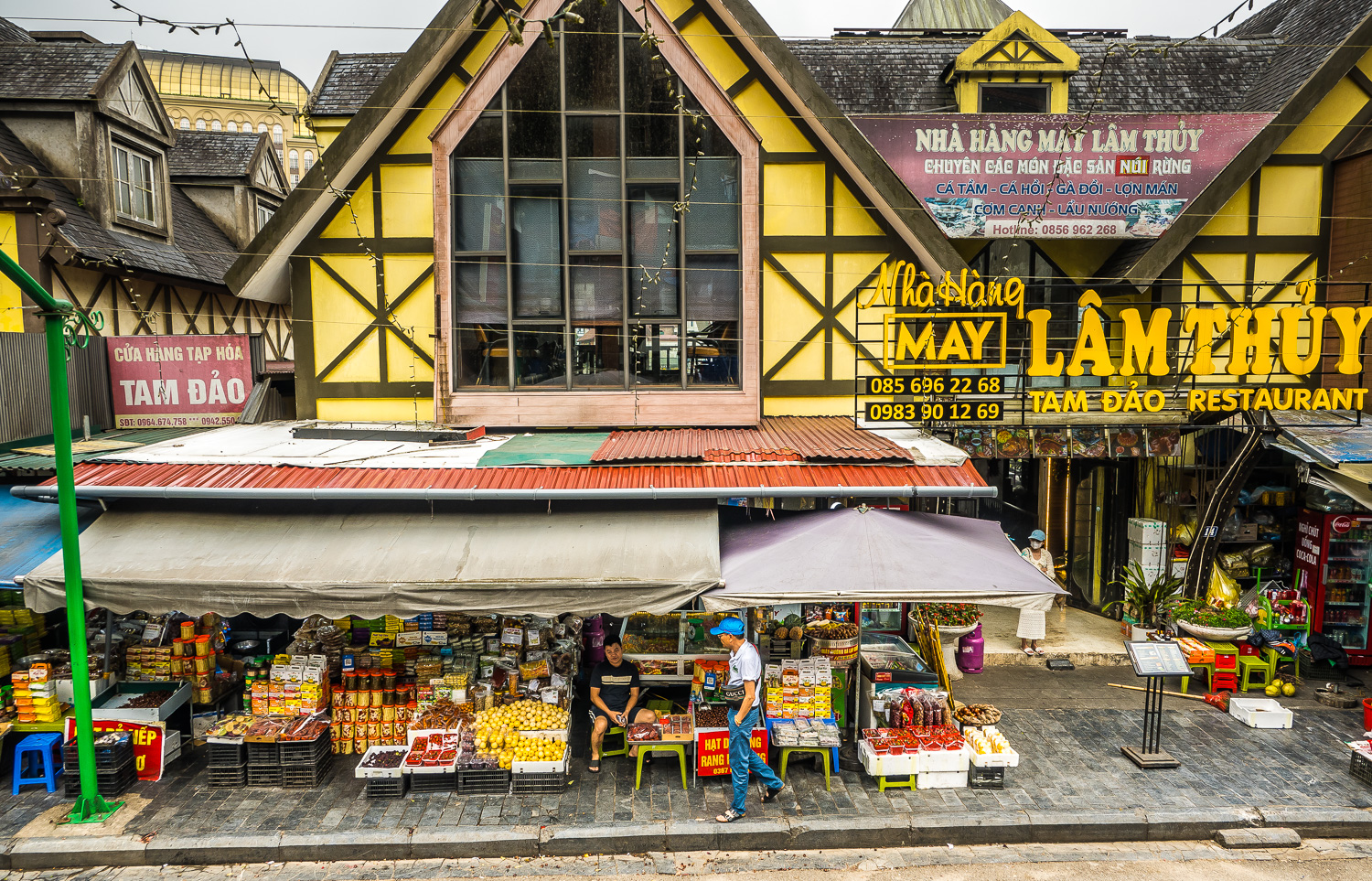
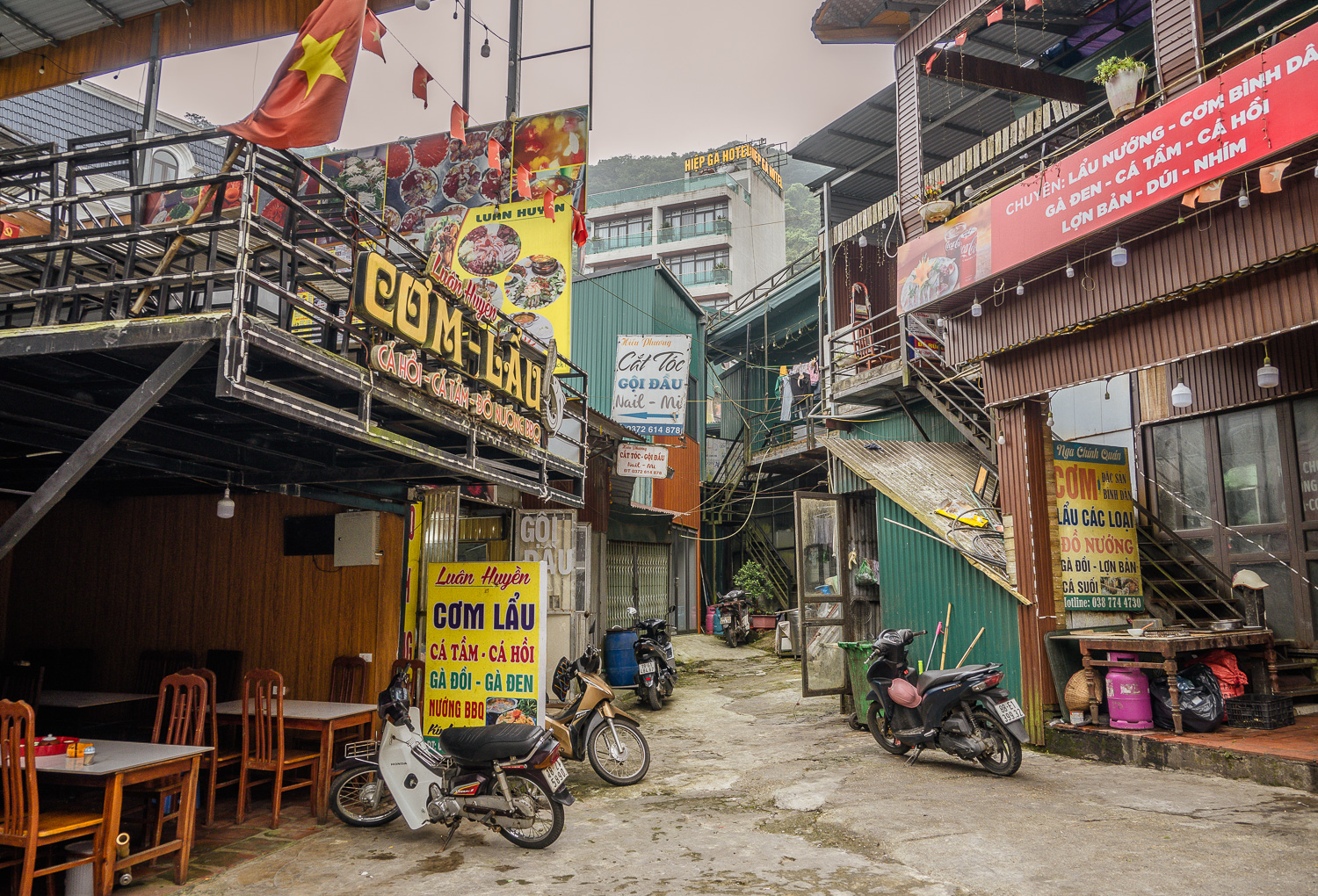
We hiked up the hill to the main town area, which was comprised of more hotels and big restaurants catering to large groups of weekenders serving hotpot sets. They were empty on a Wednesday, thankfully. The town at 950 meters elevation was built by the French during colonial times to escape the Hanoi heat, and it was noticeably cooler up here with mist and fog drifting in and out.
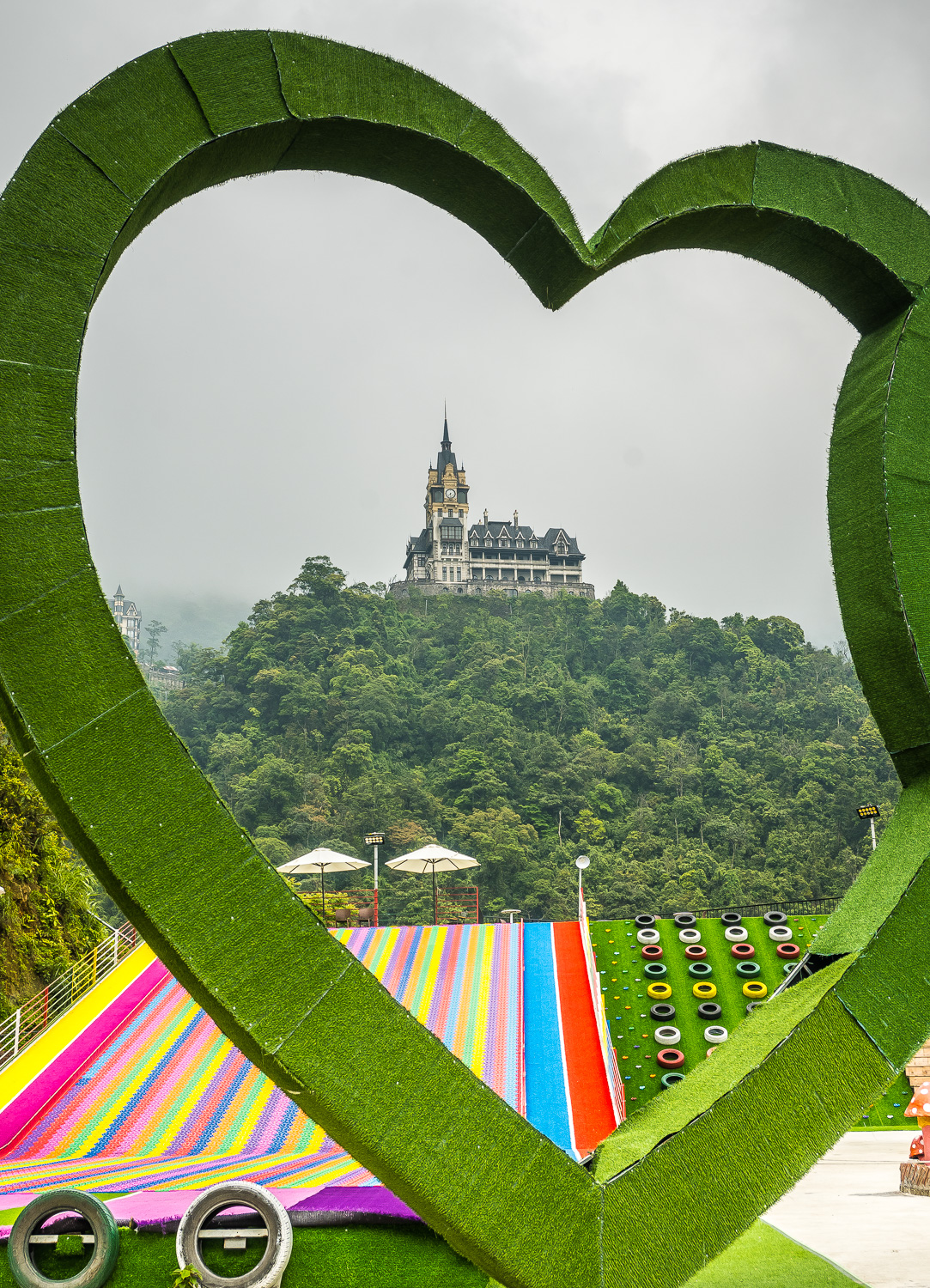
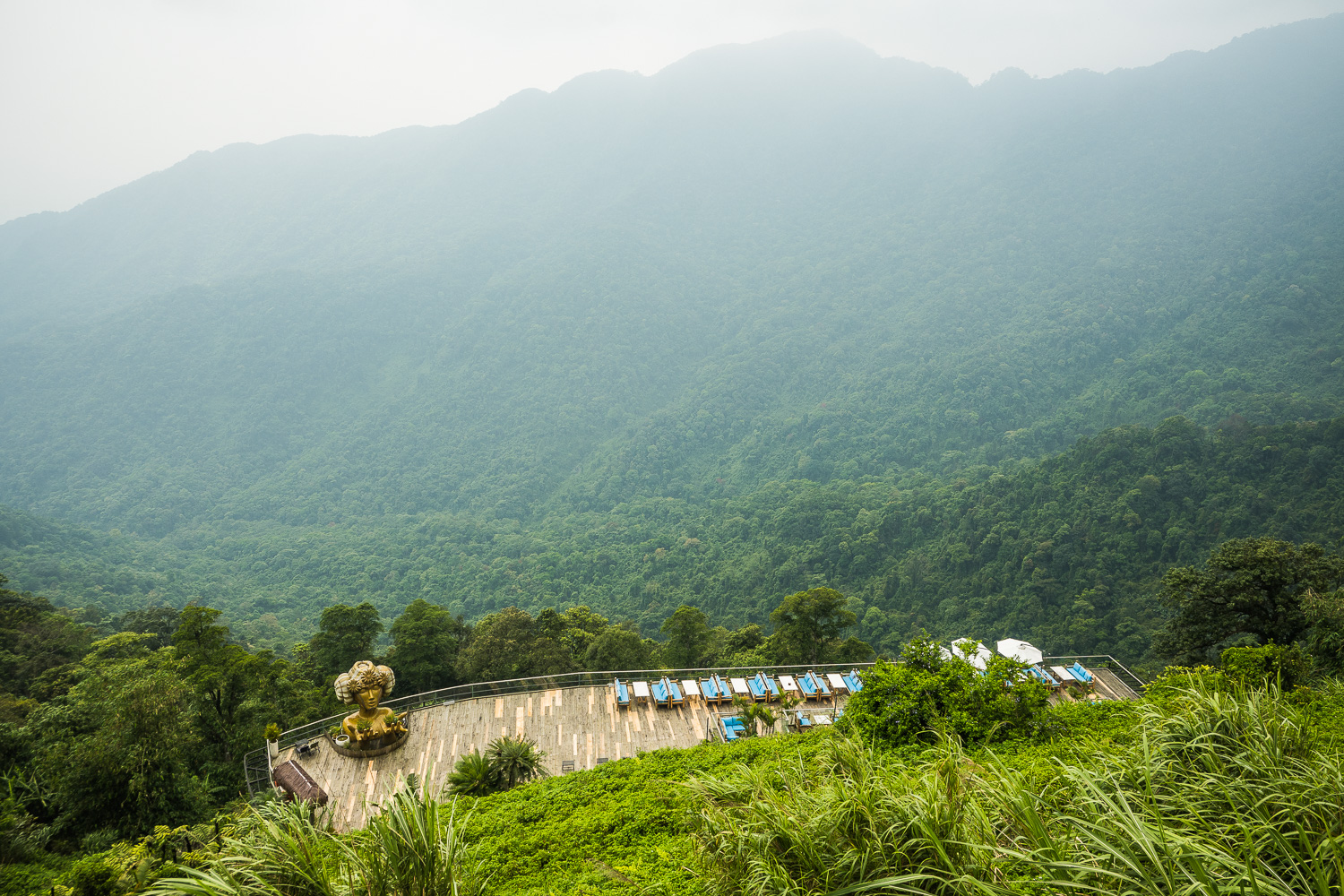
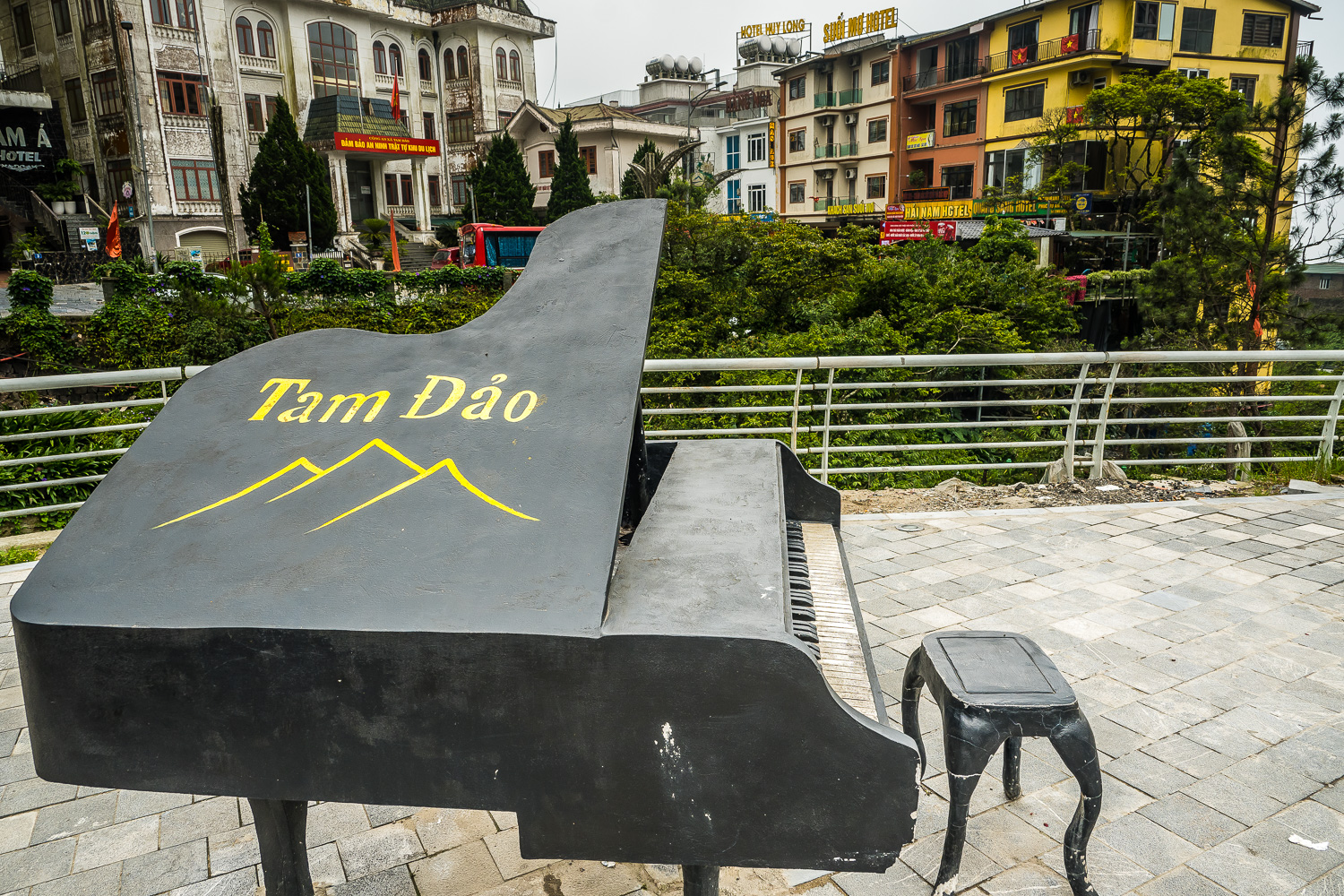
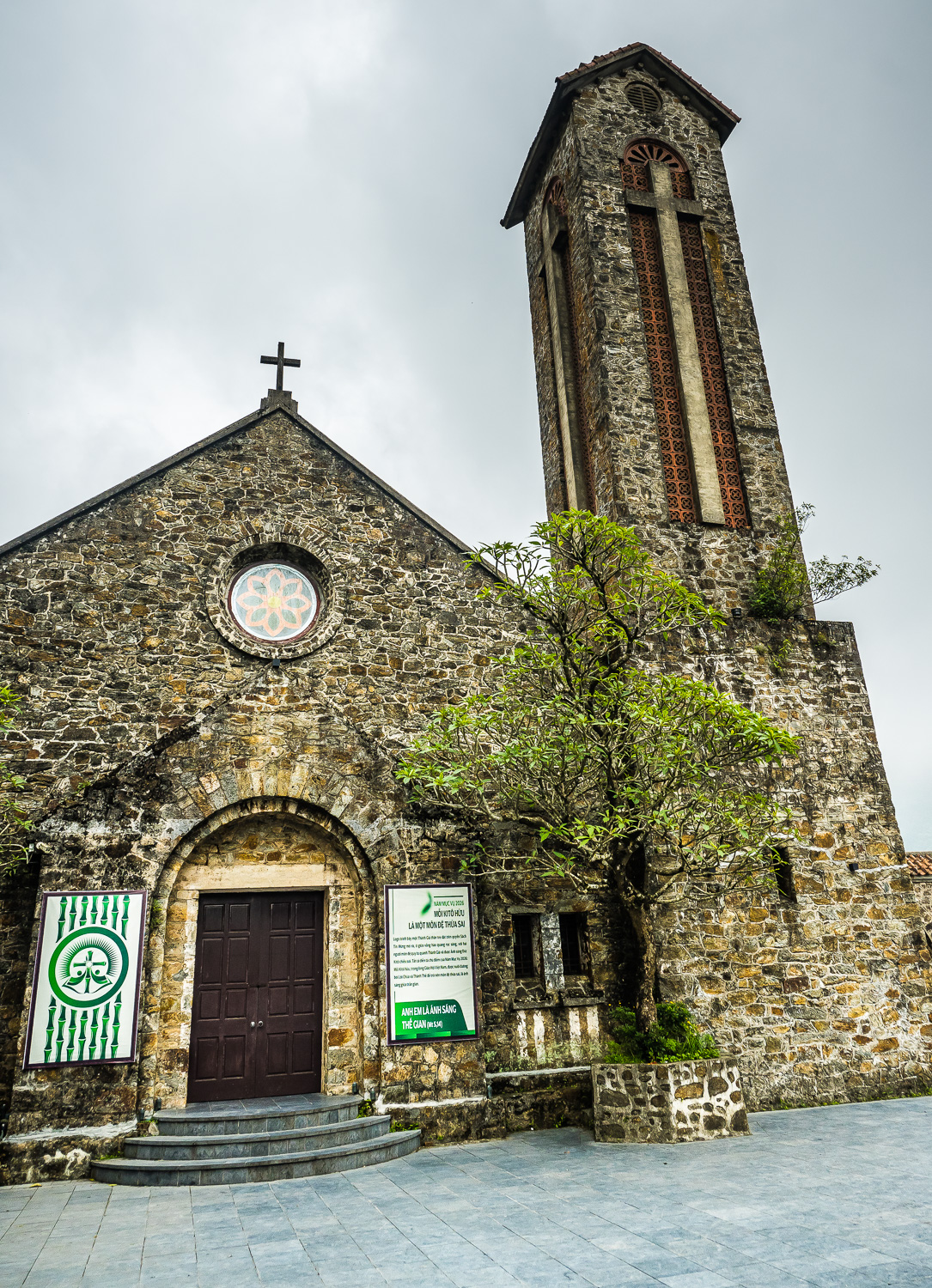
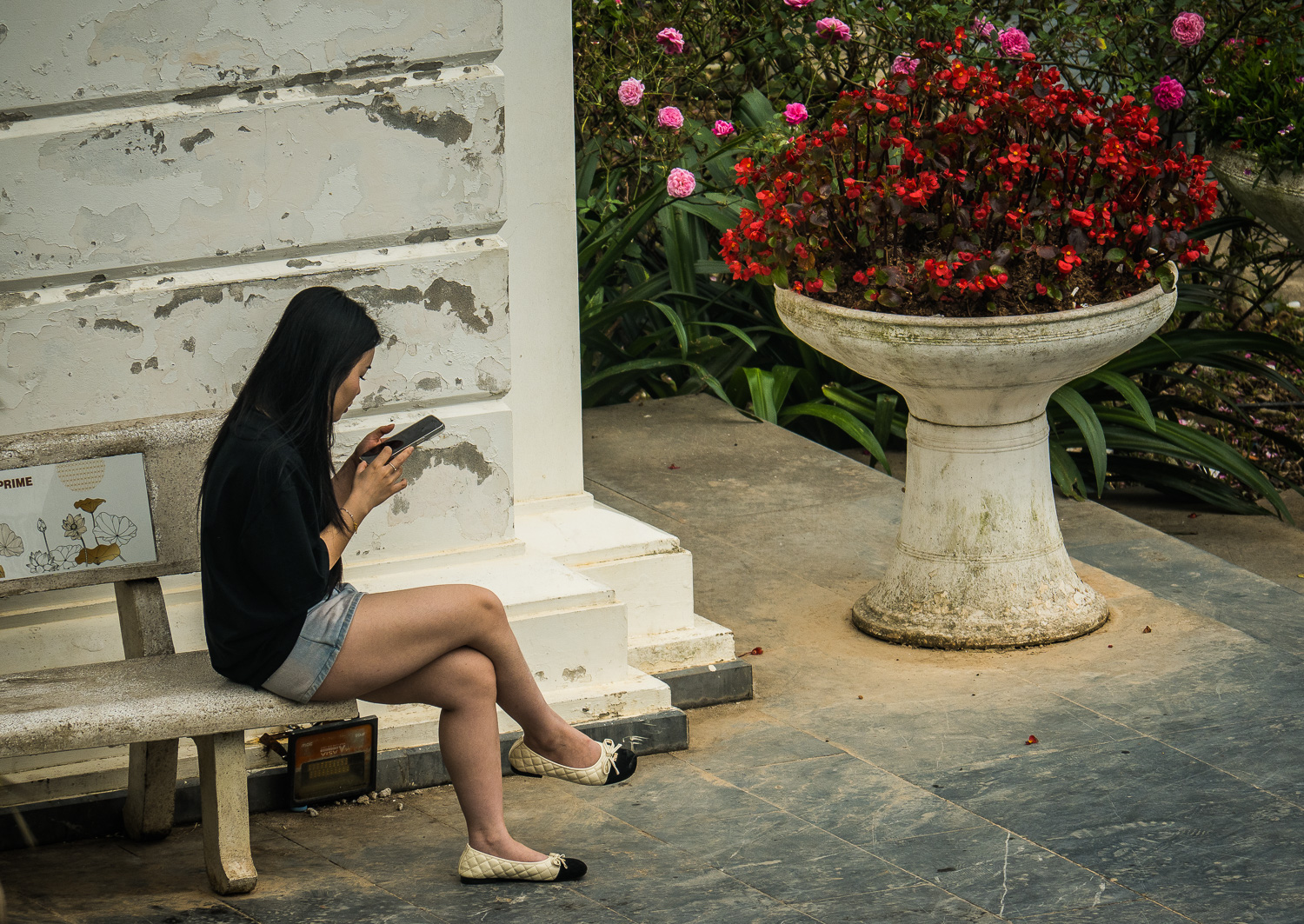
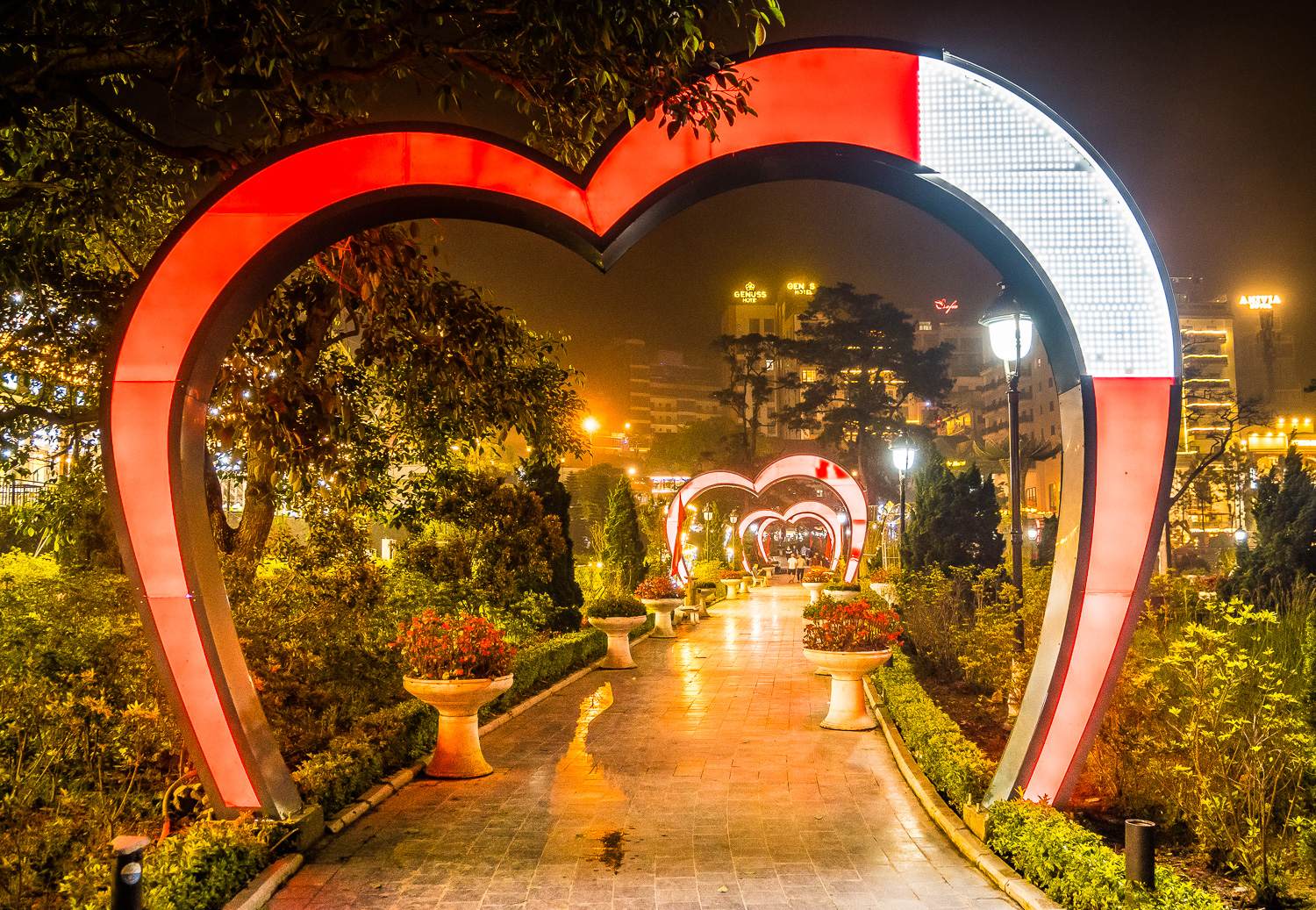
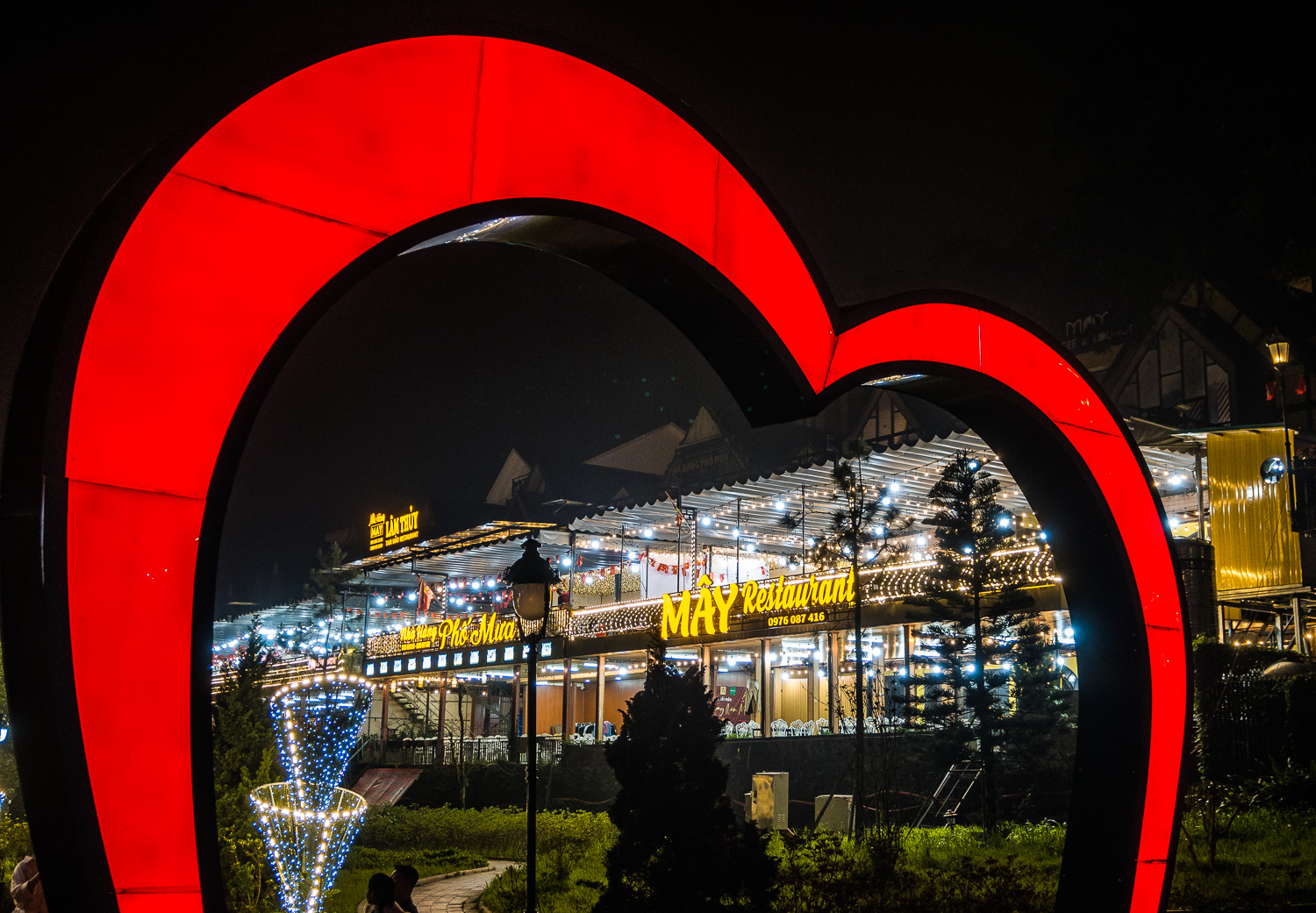
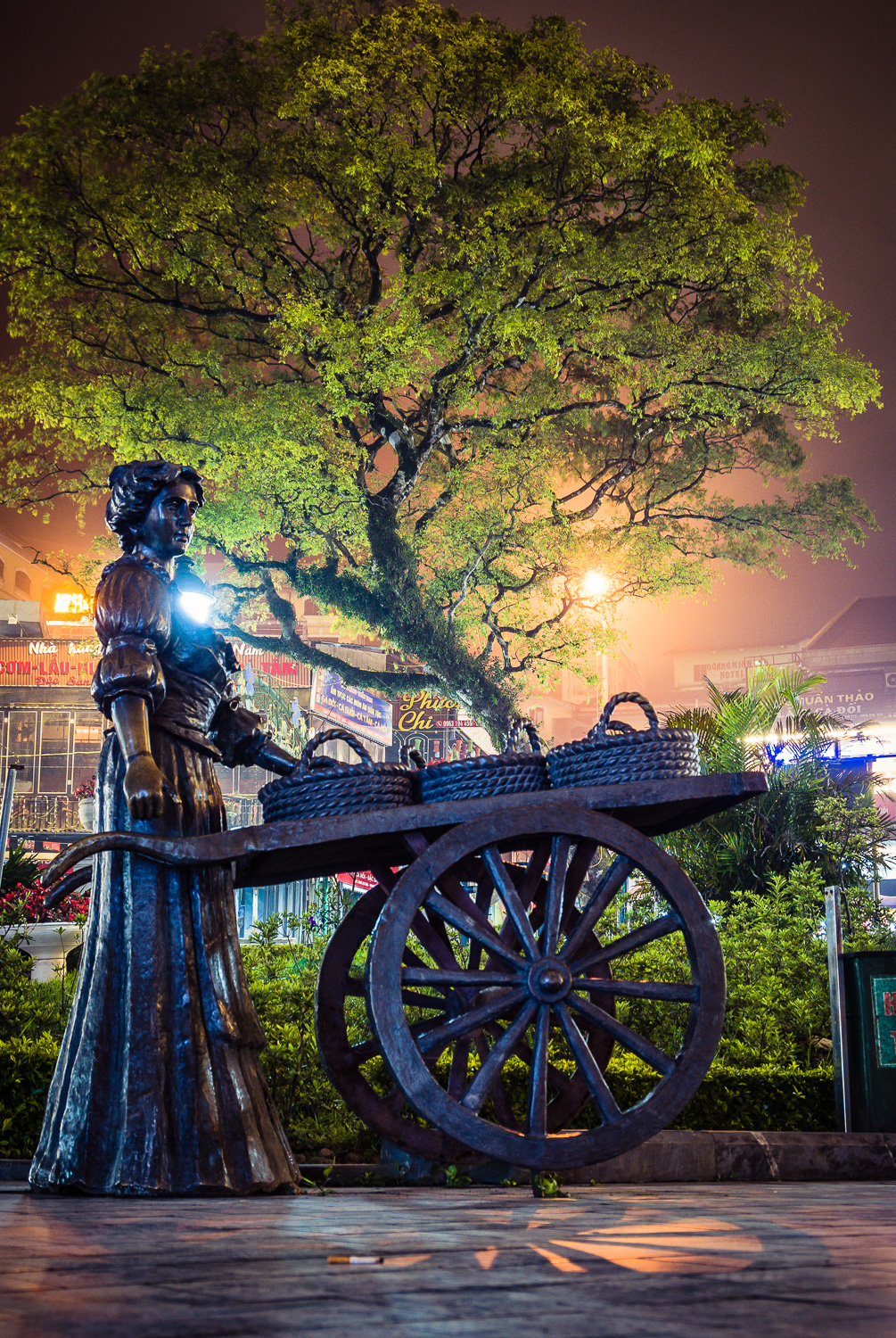
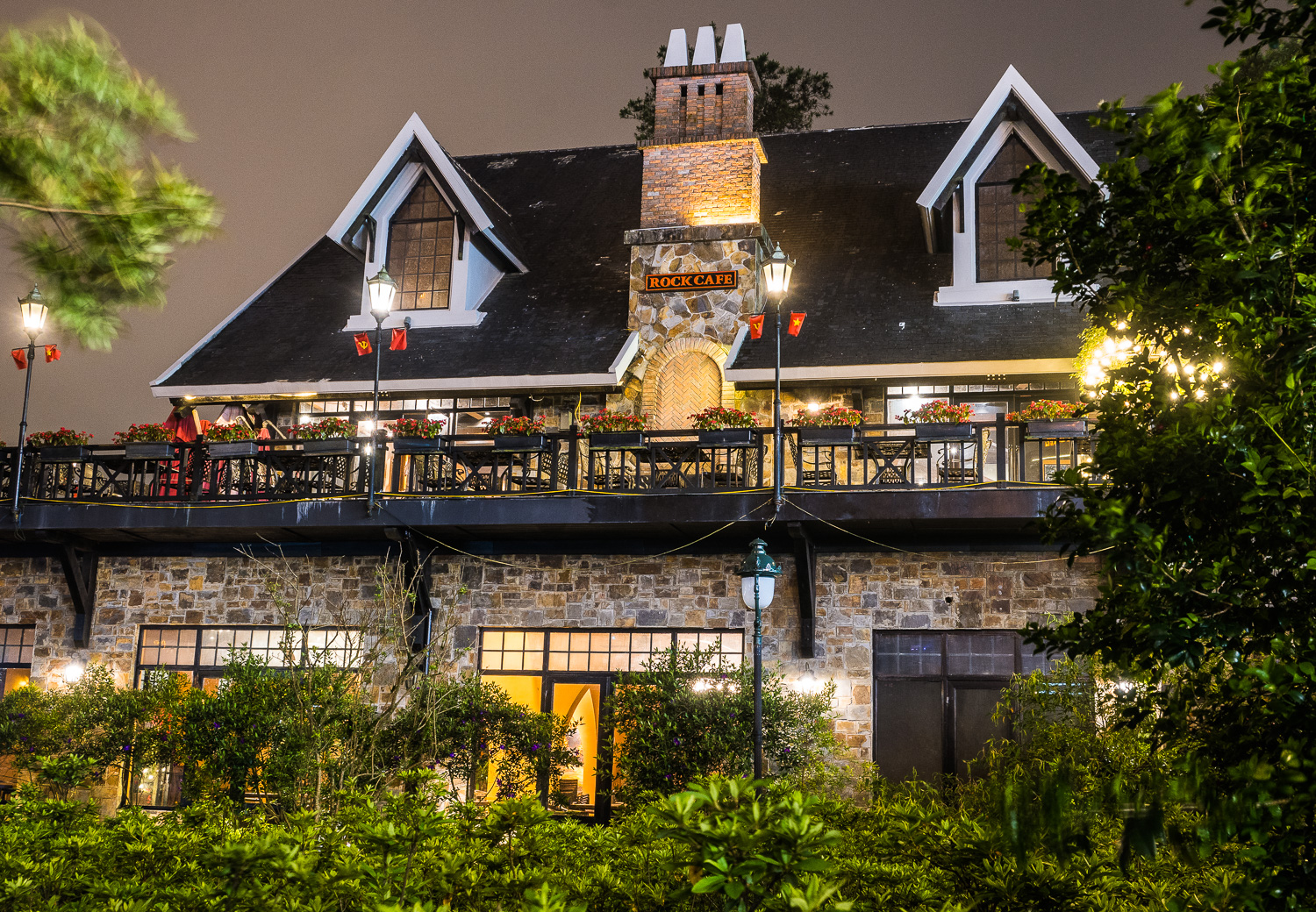
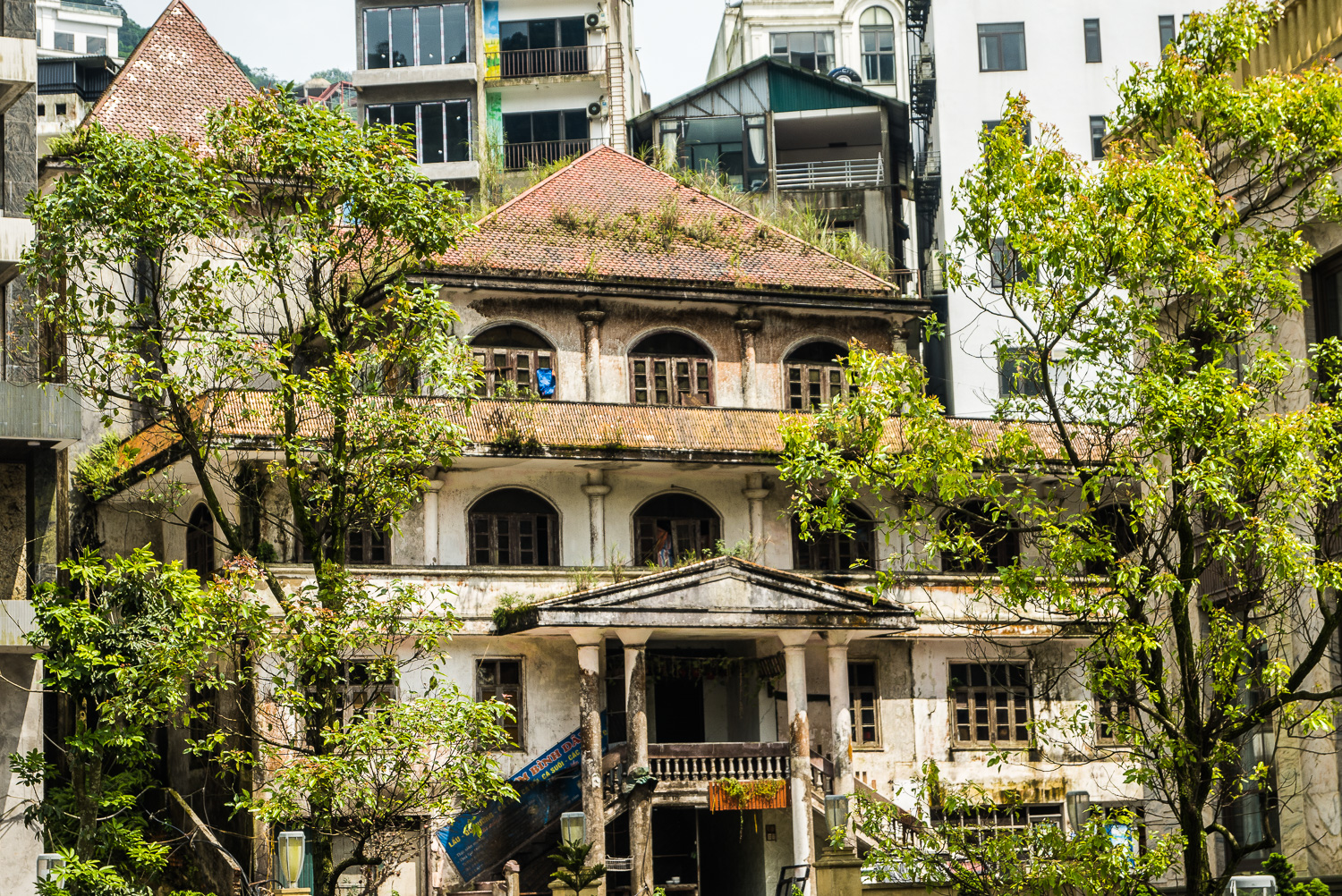
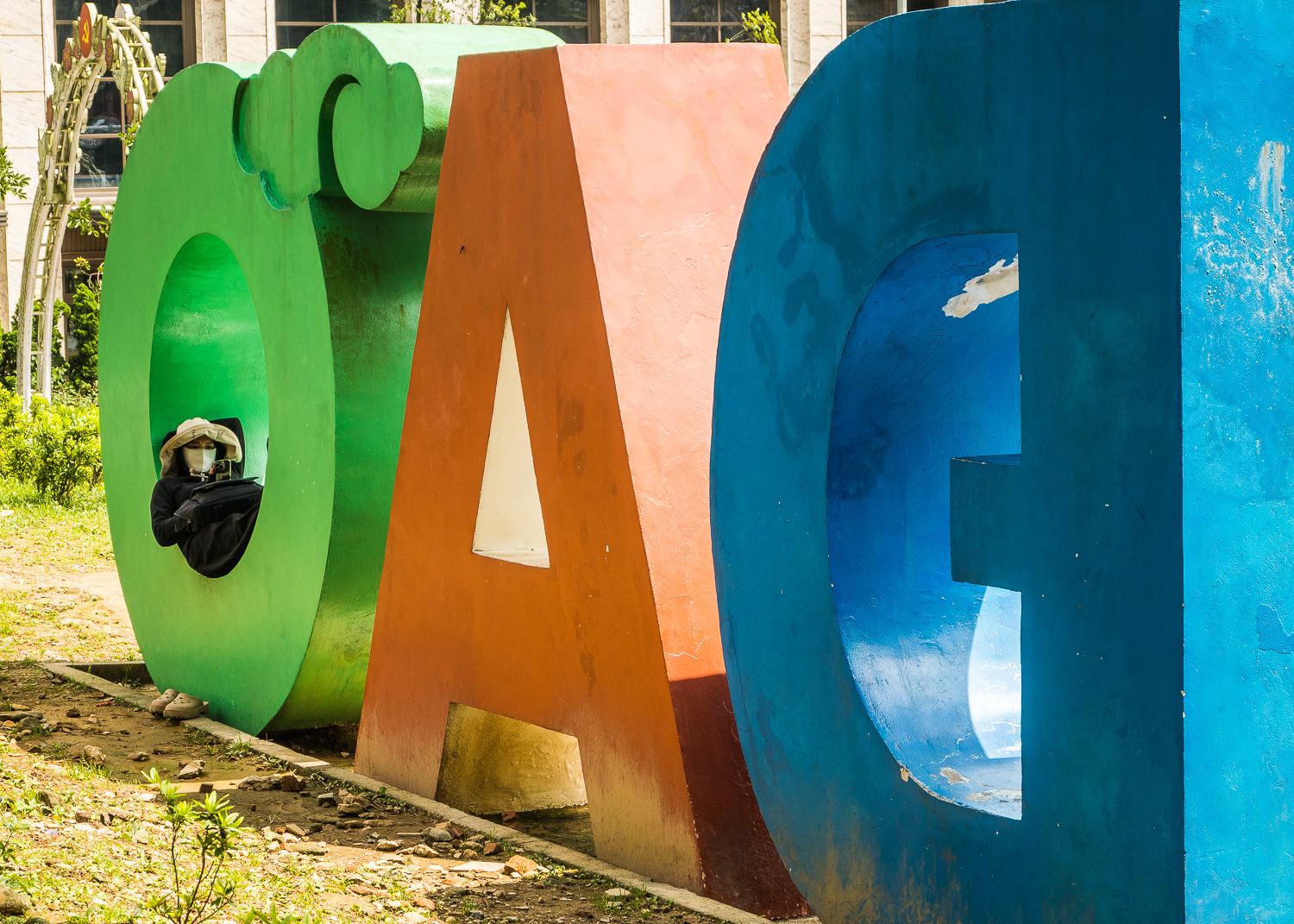
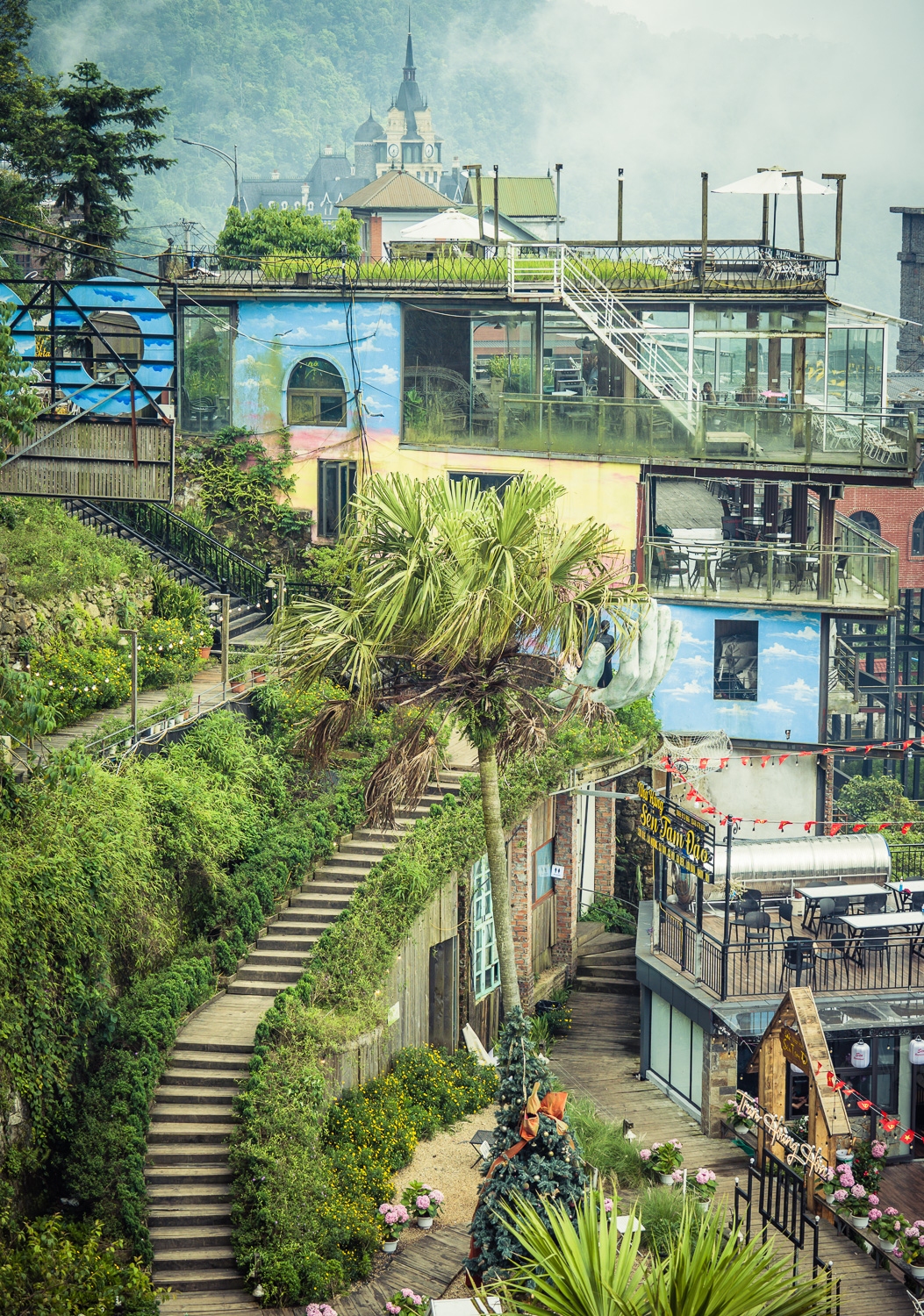
It is a blend of old and new, with crumbling buildings and a church sharing space with partially built apartments and more hotpot factory restaurants. There are no western tourists here, it is a local weekend spot for the Instagram crowd seeking manufactured selfie stations overlooking the hillside views.
Tay Thien Monastery
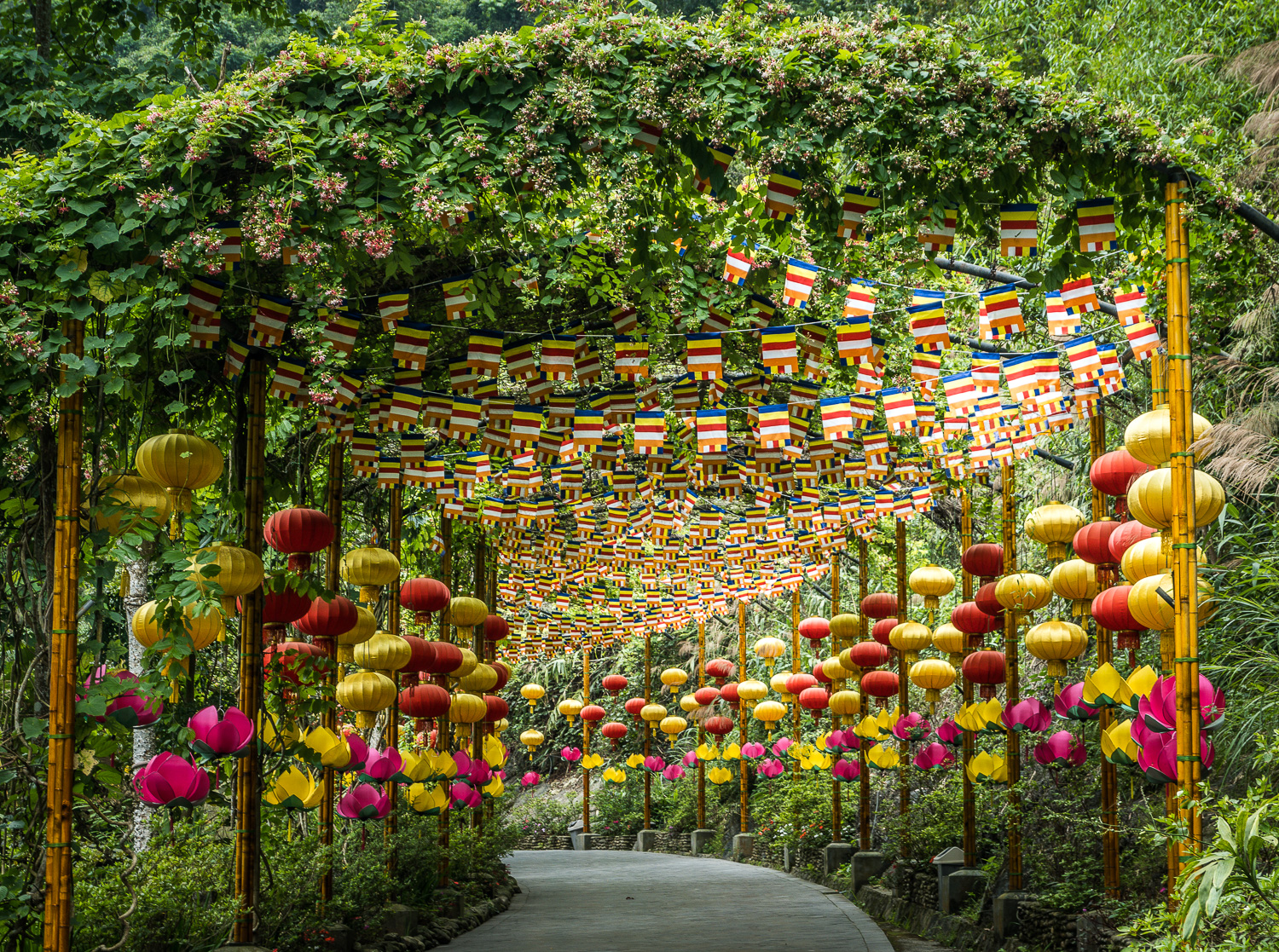
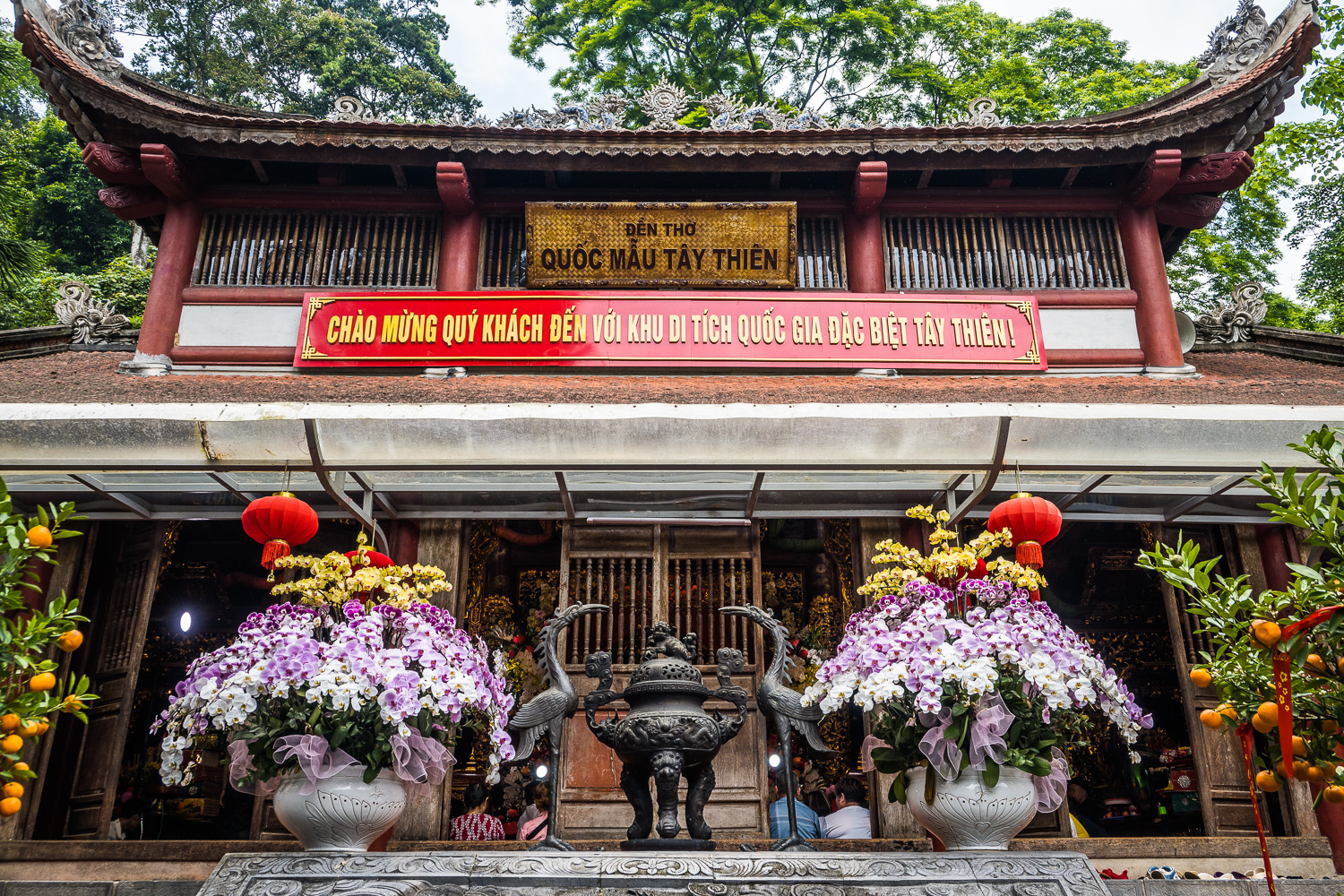
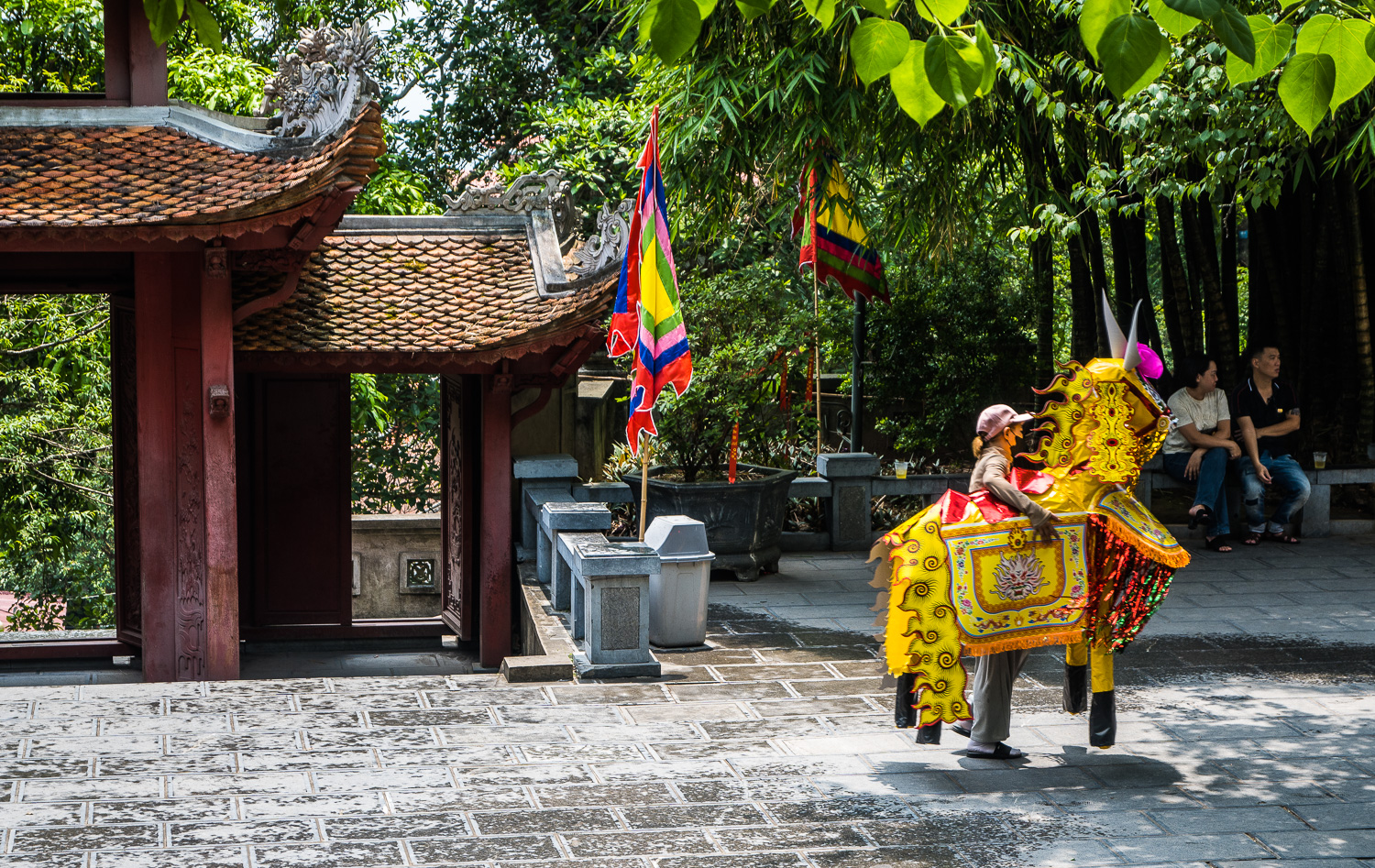
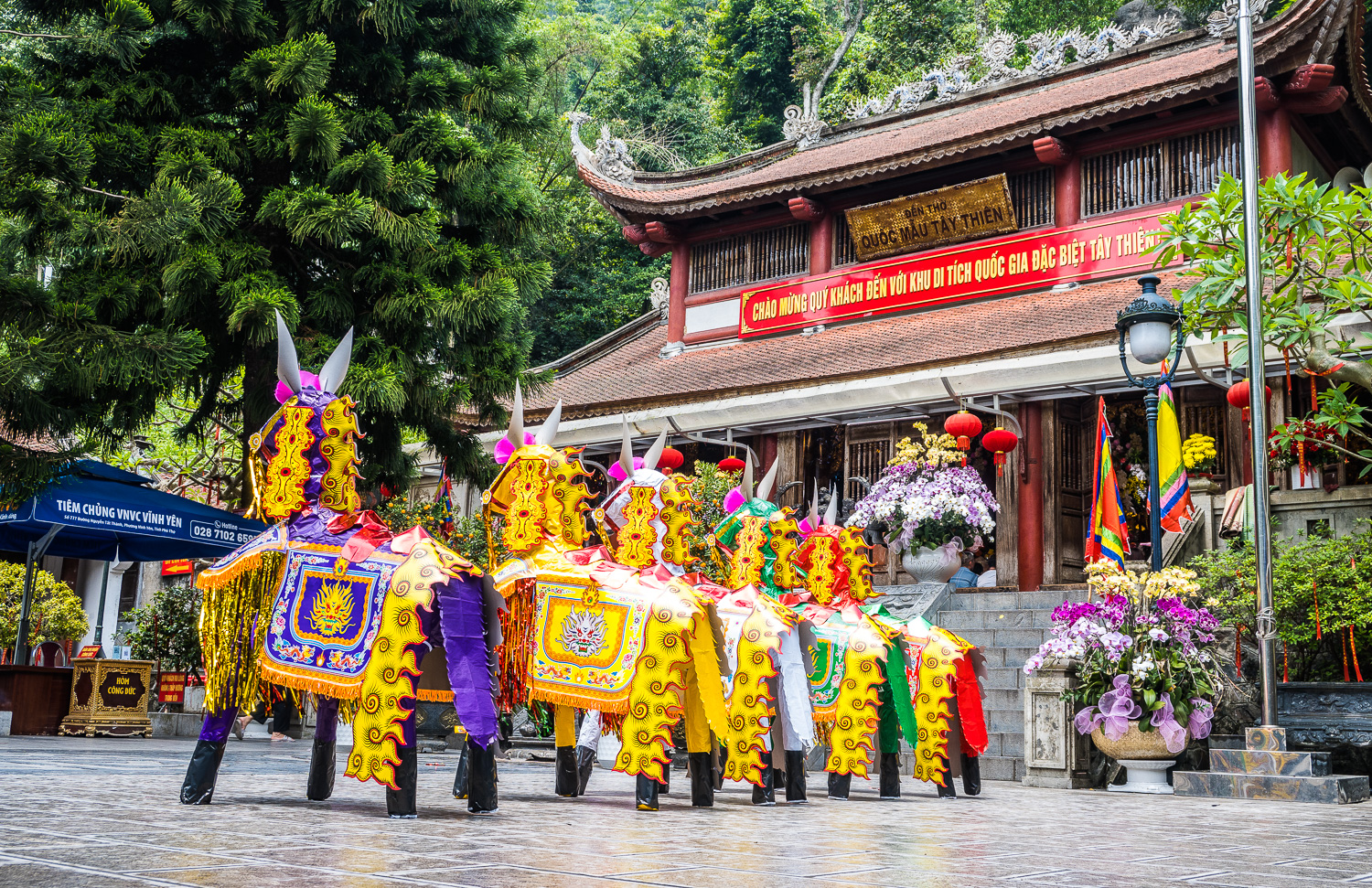
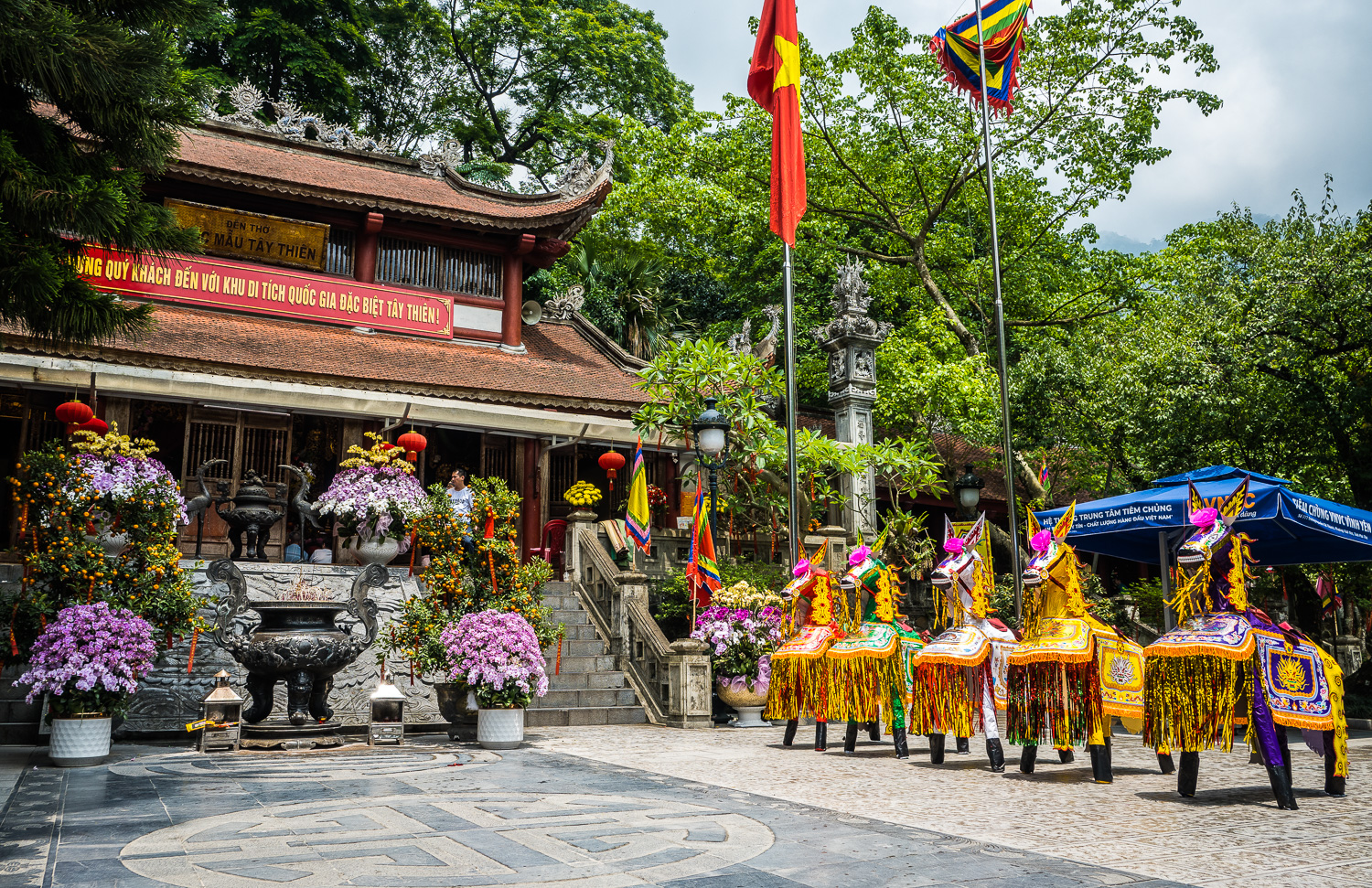
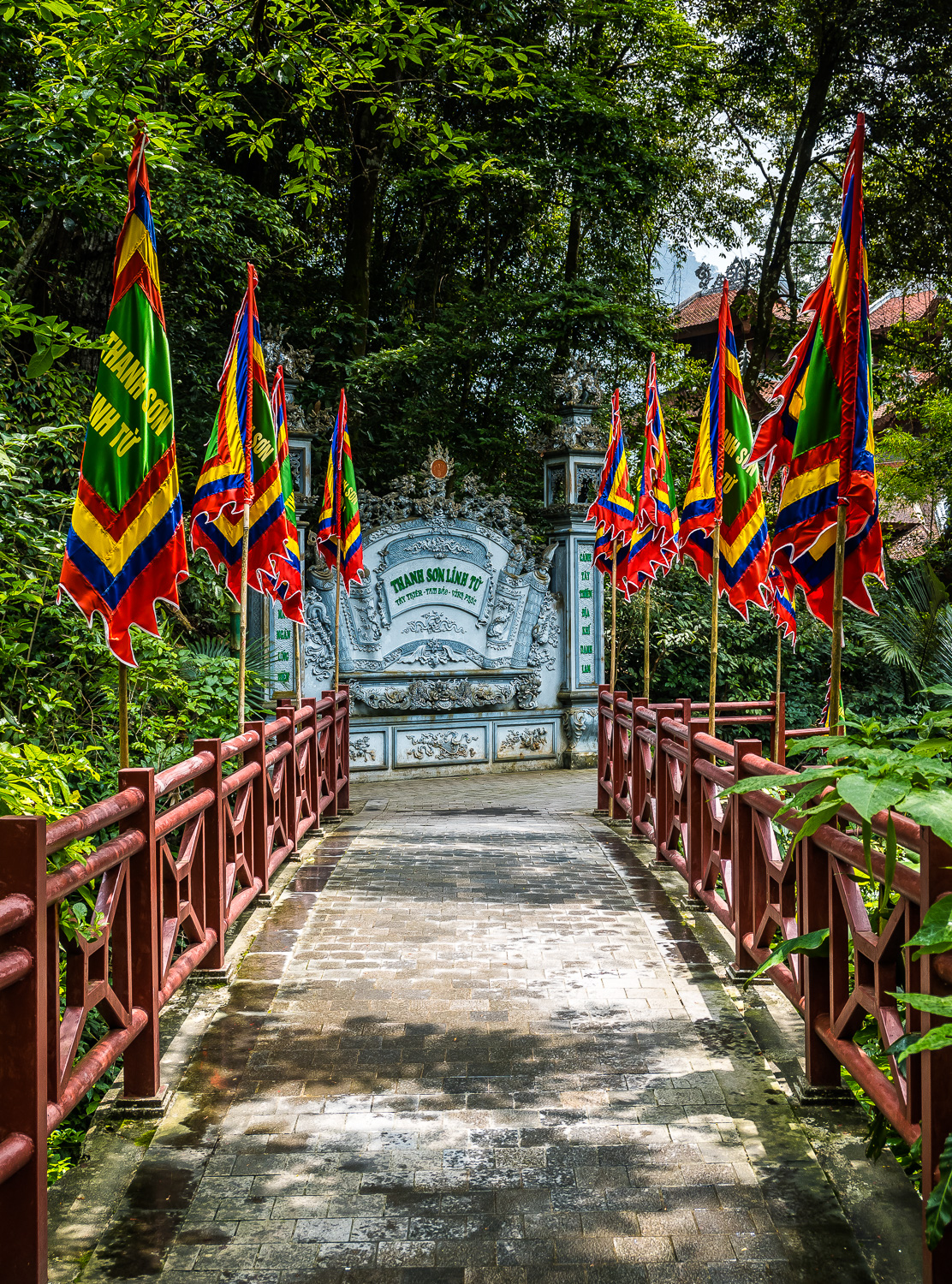
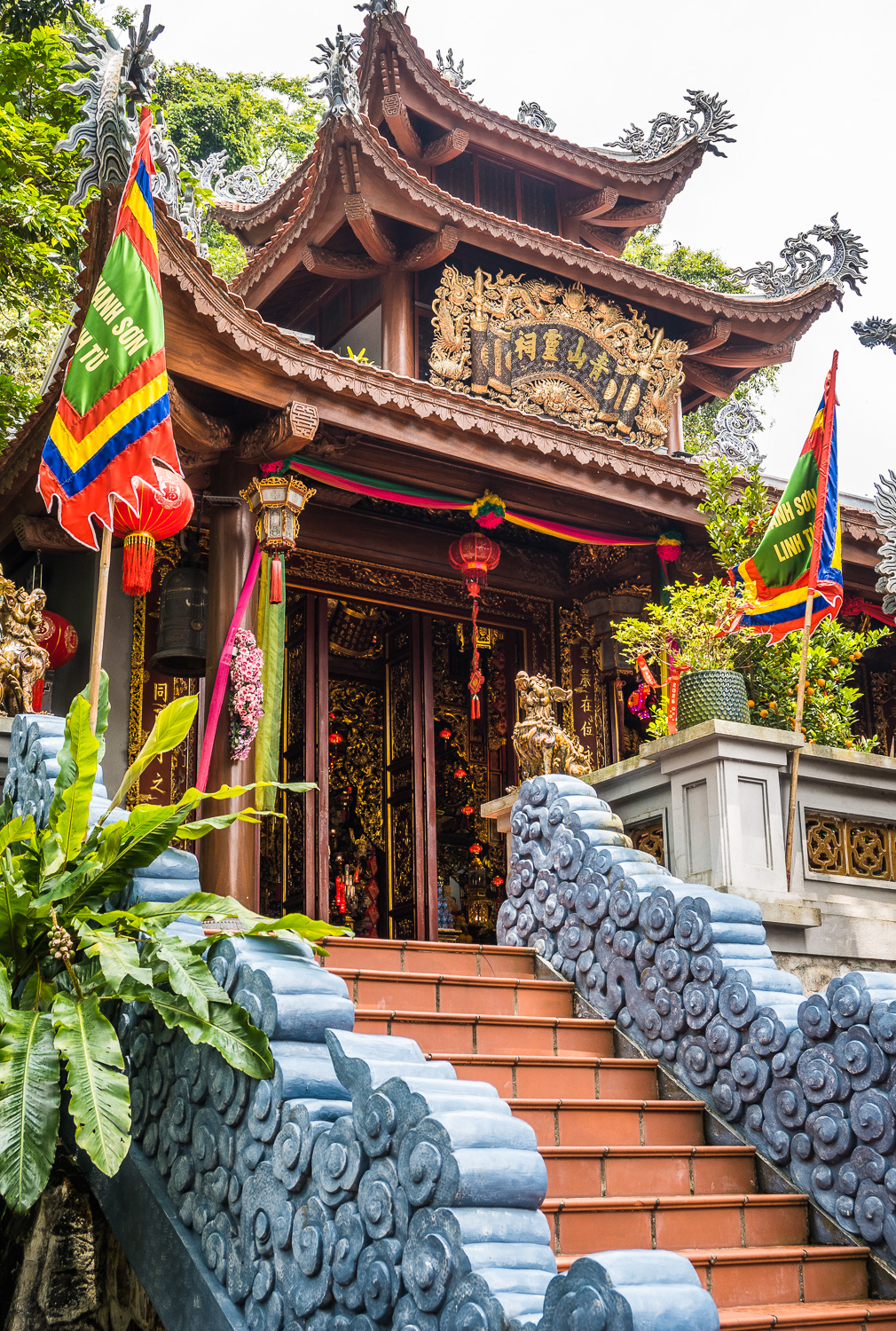
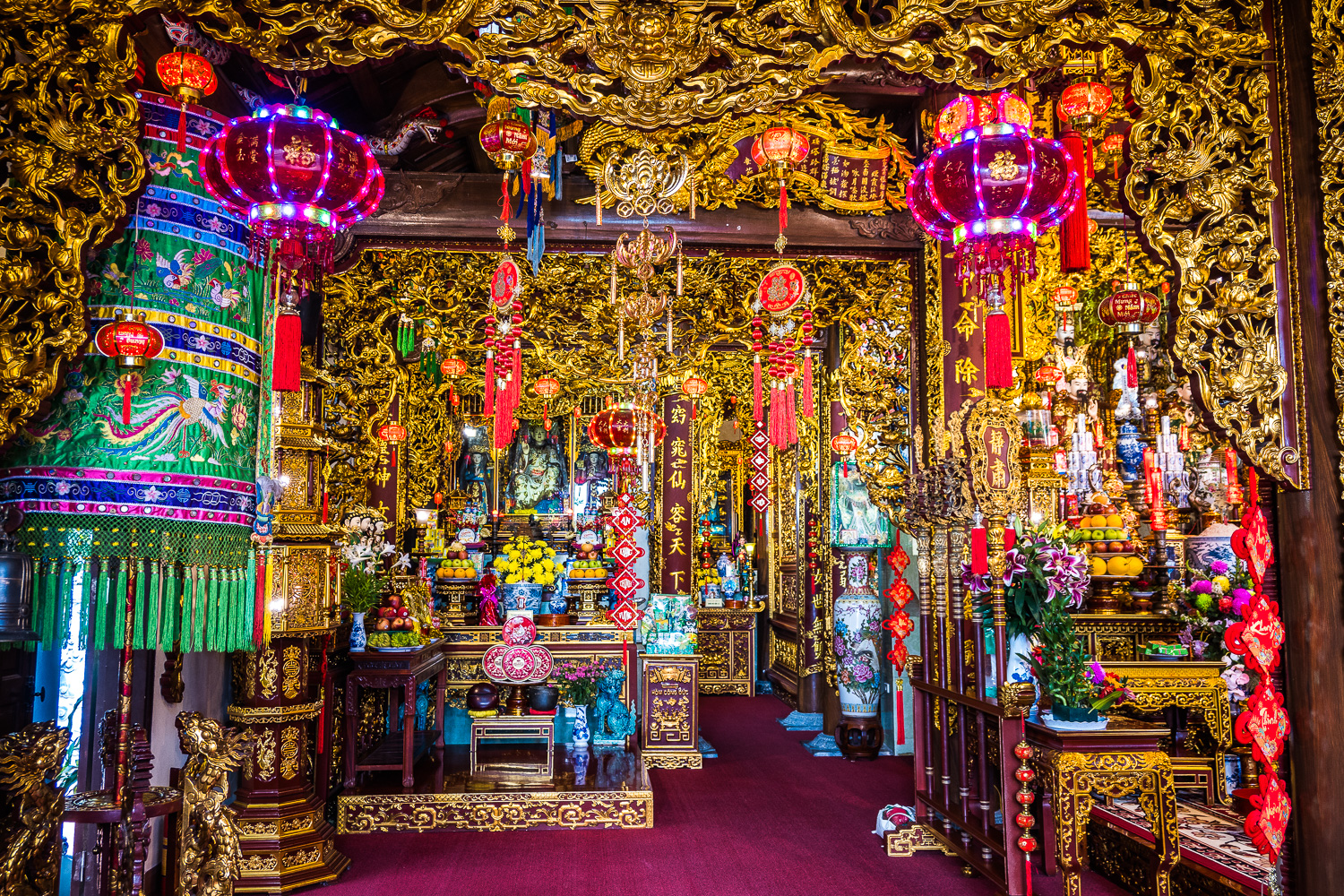
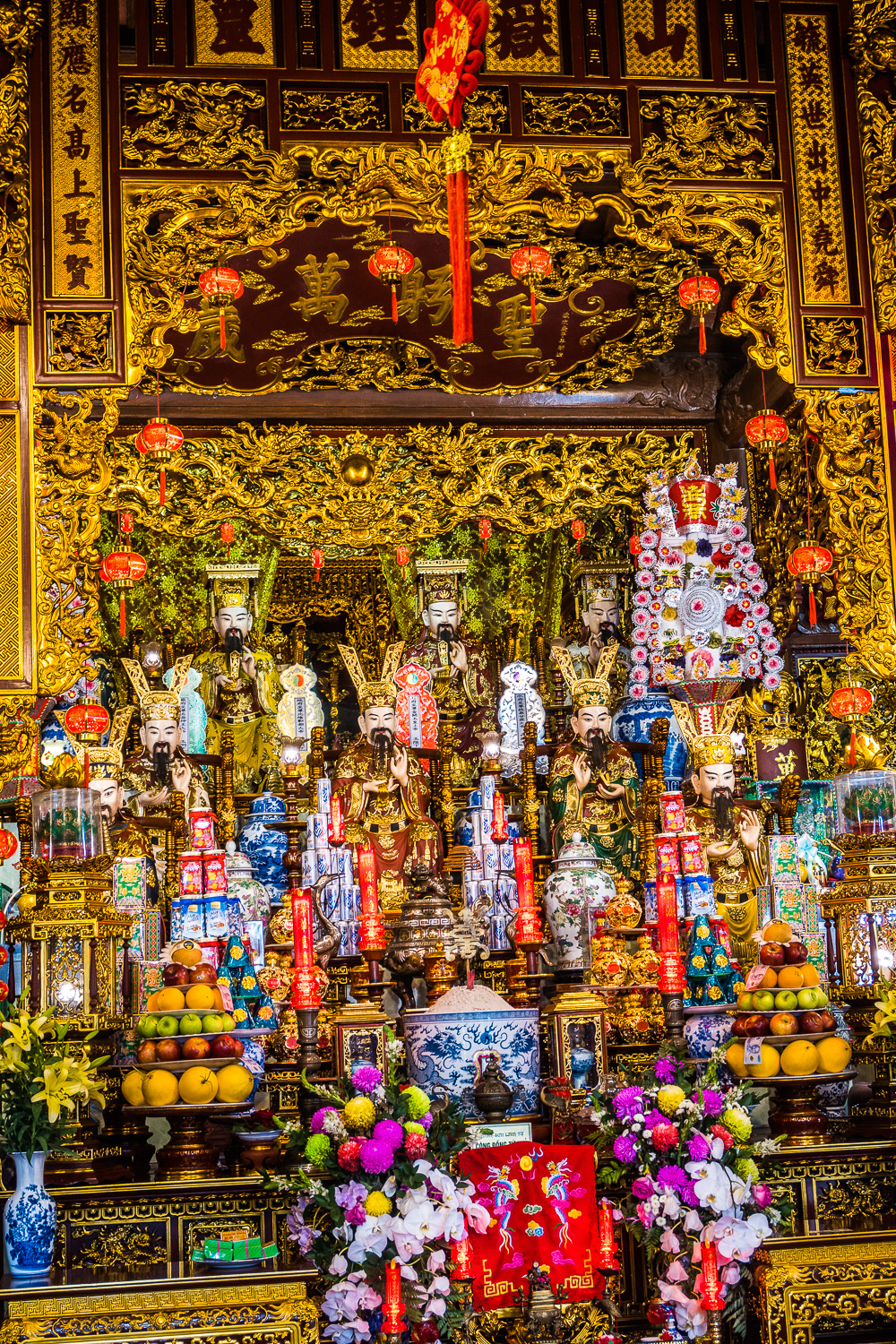
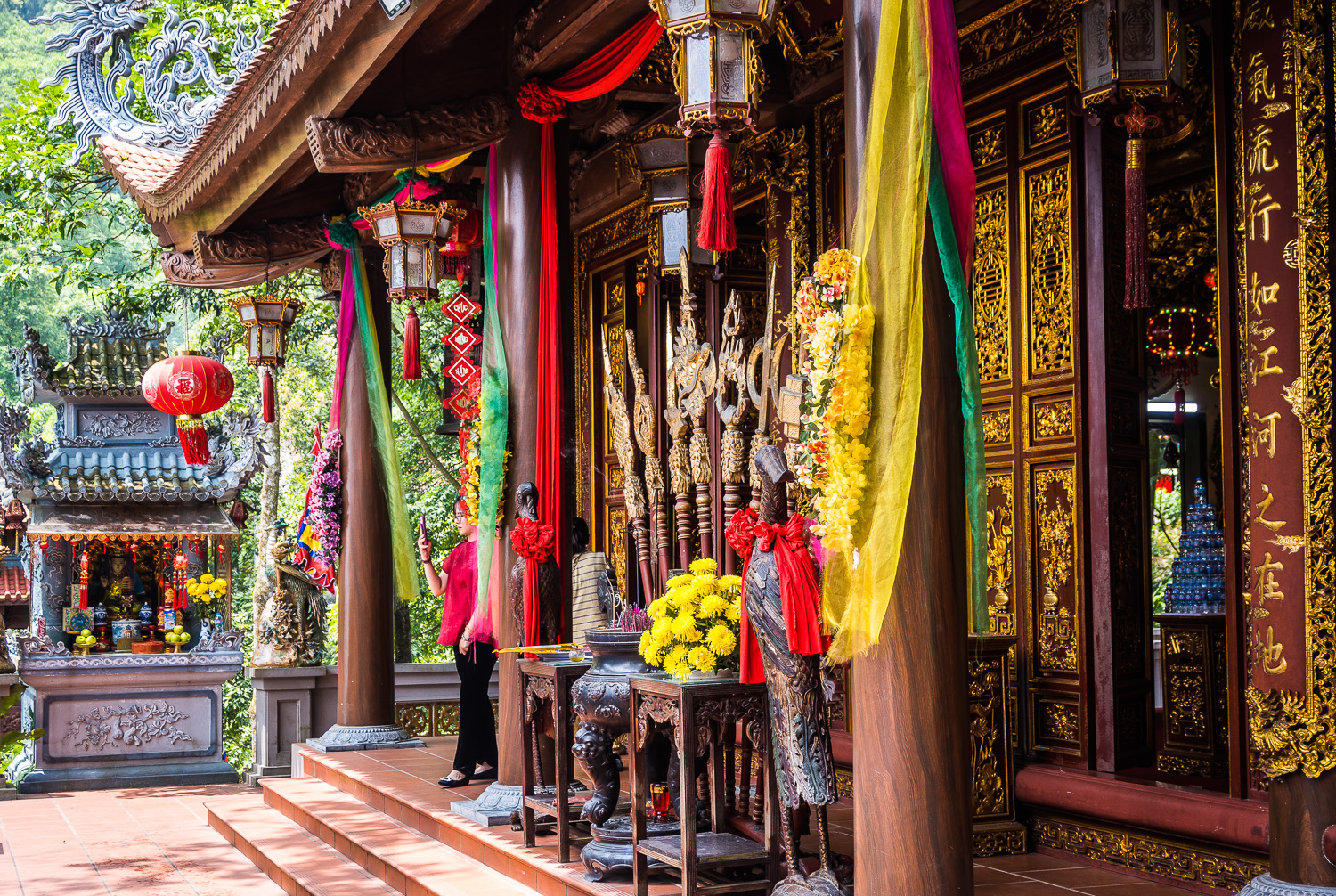
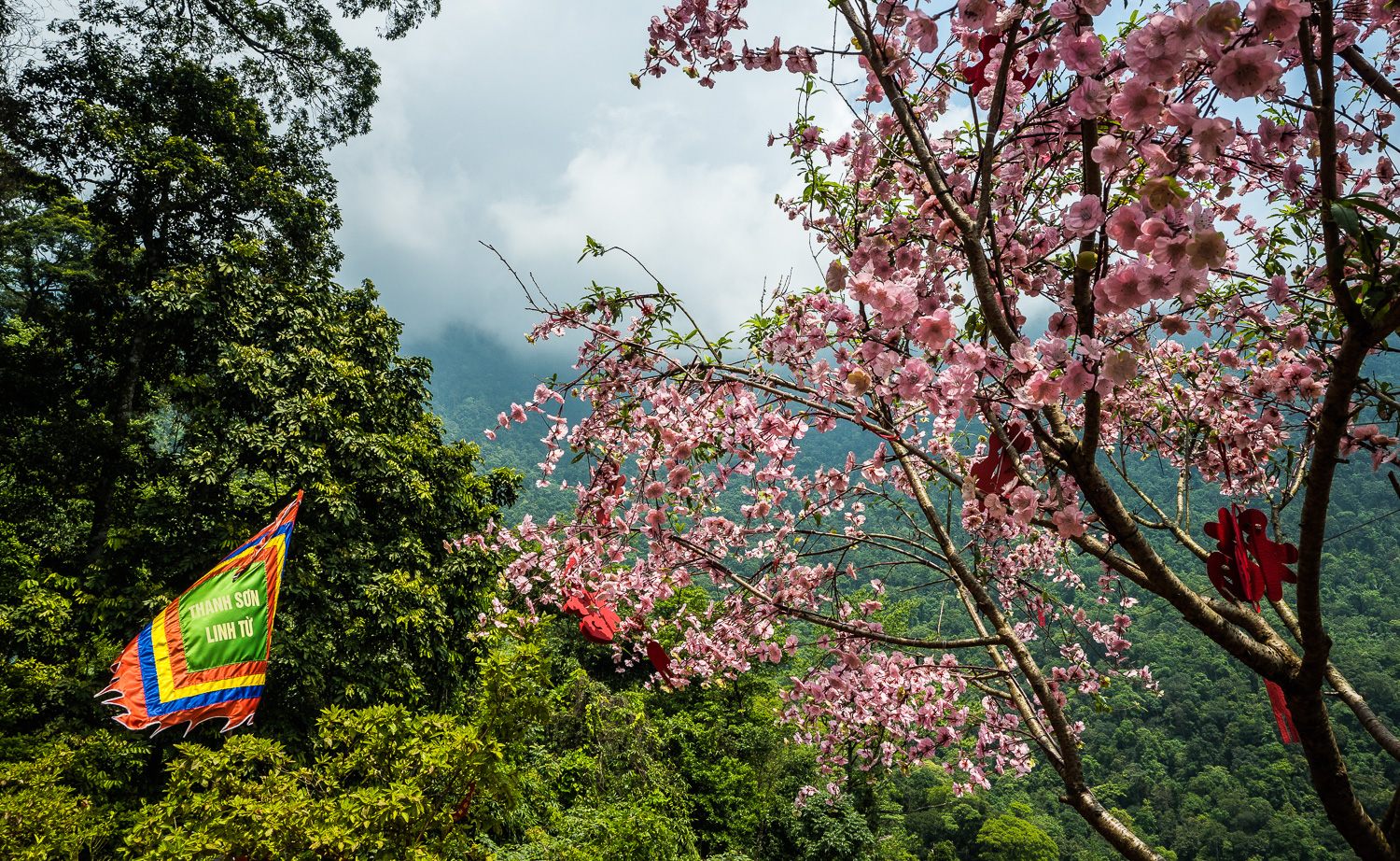
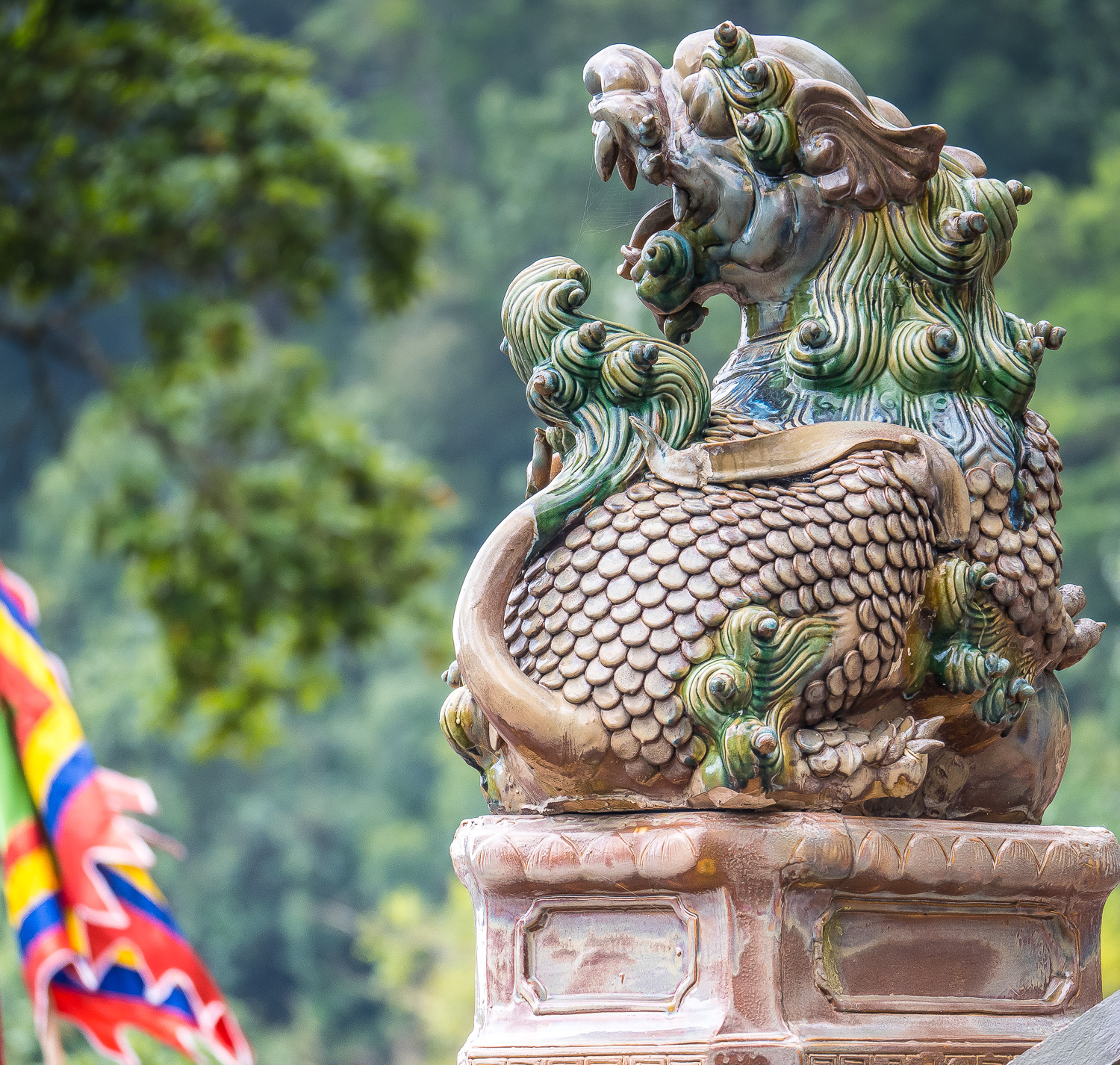
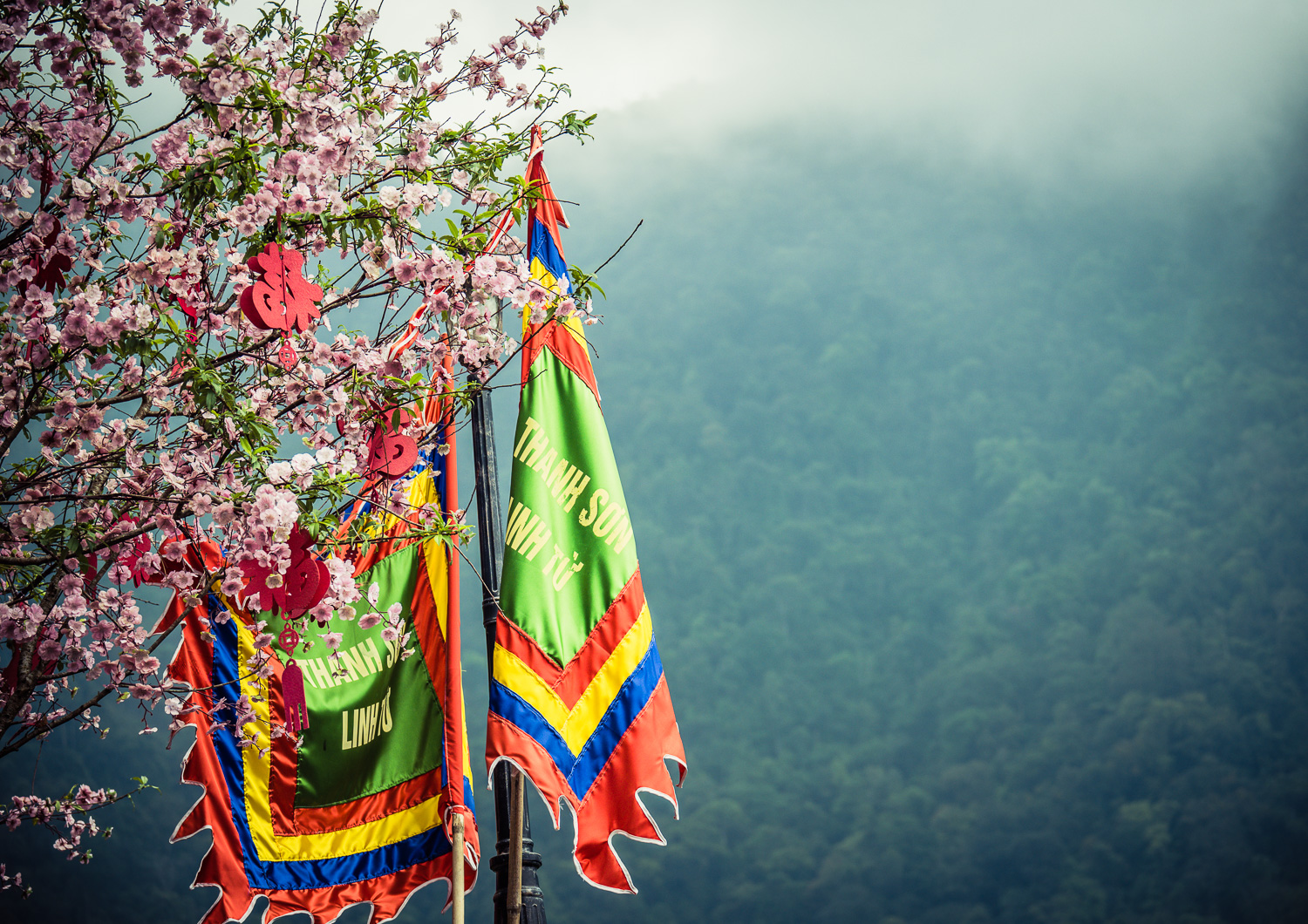
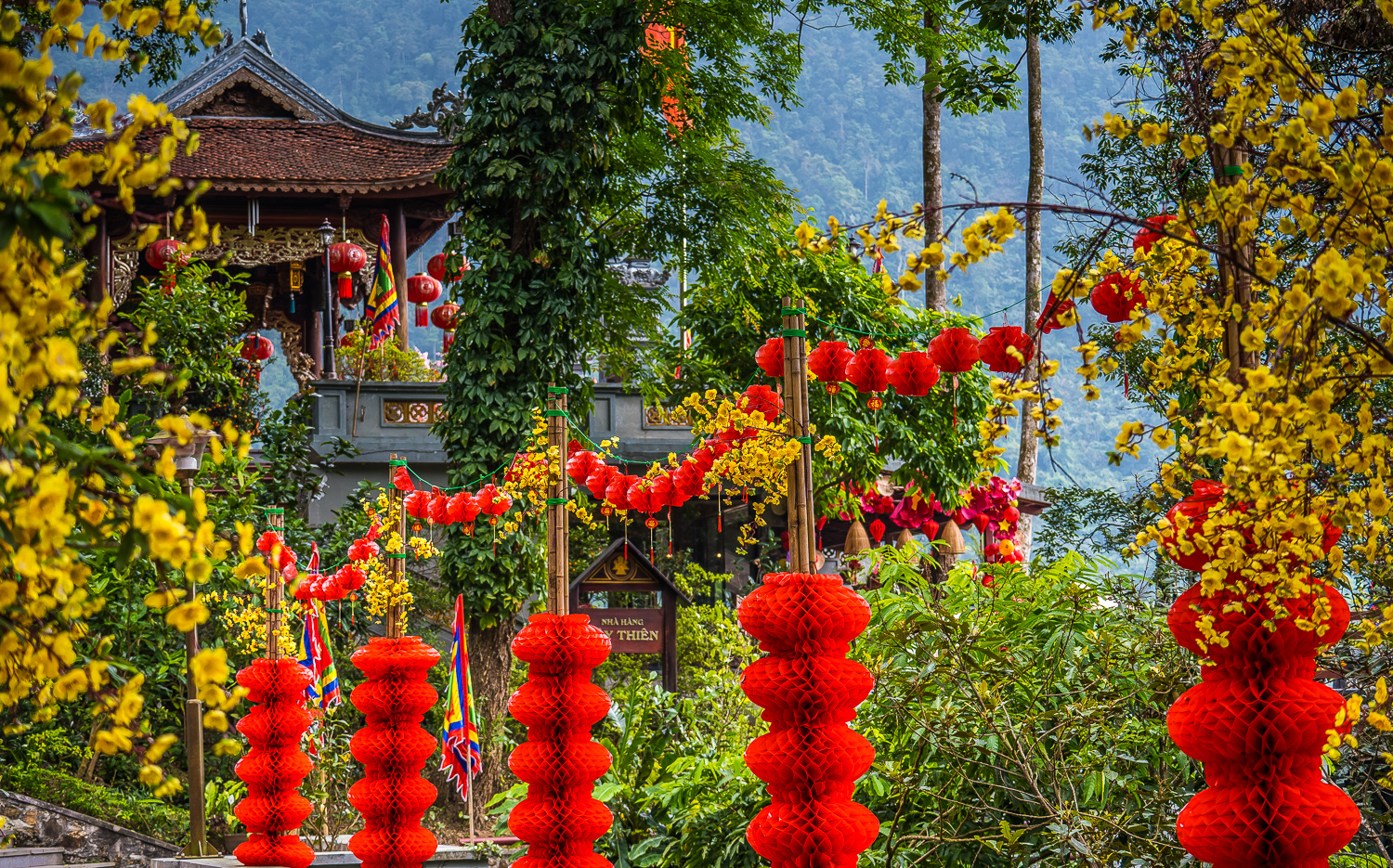
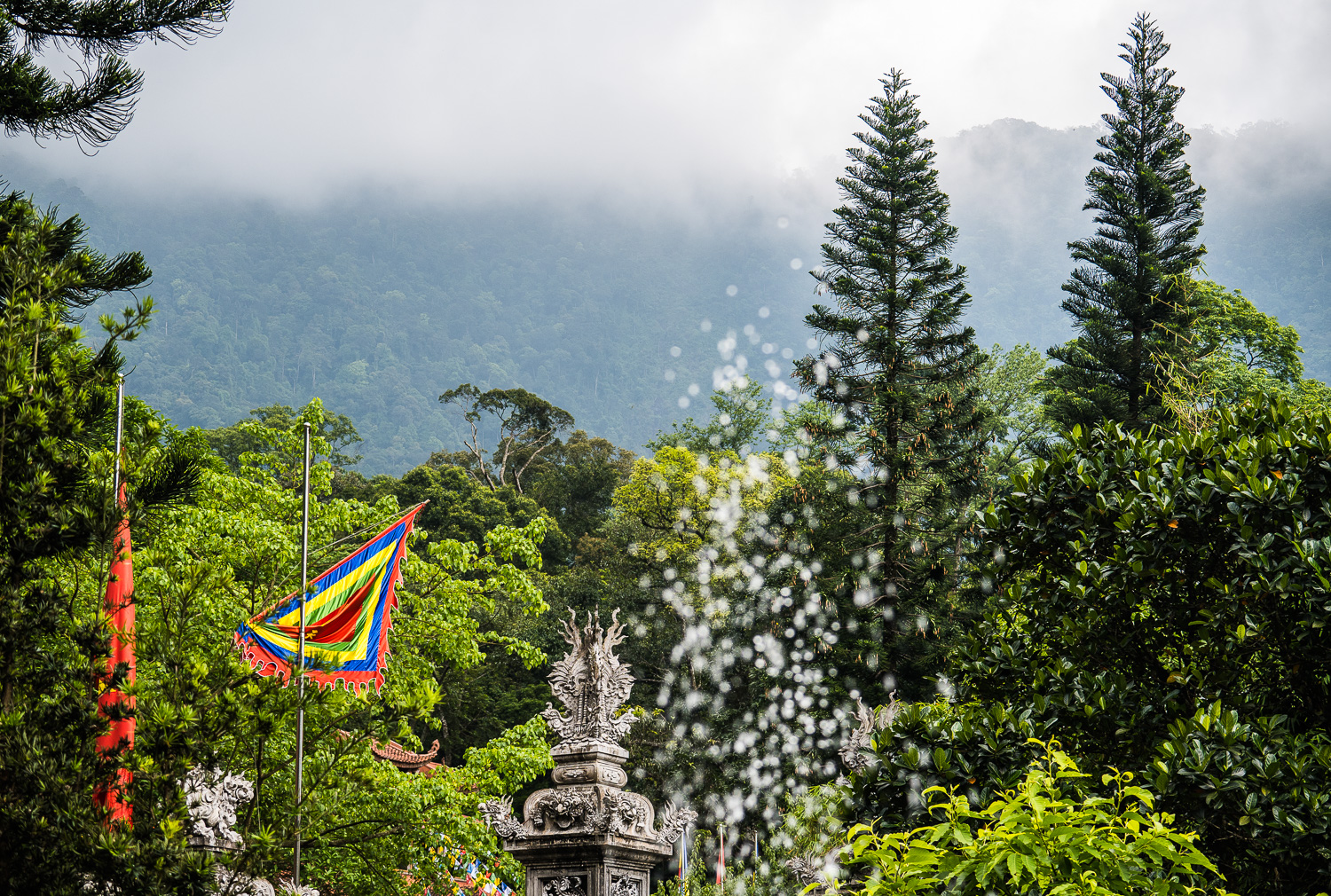
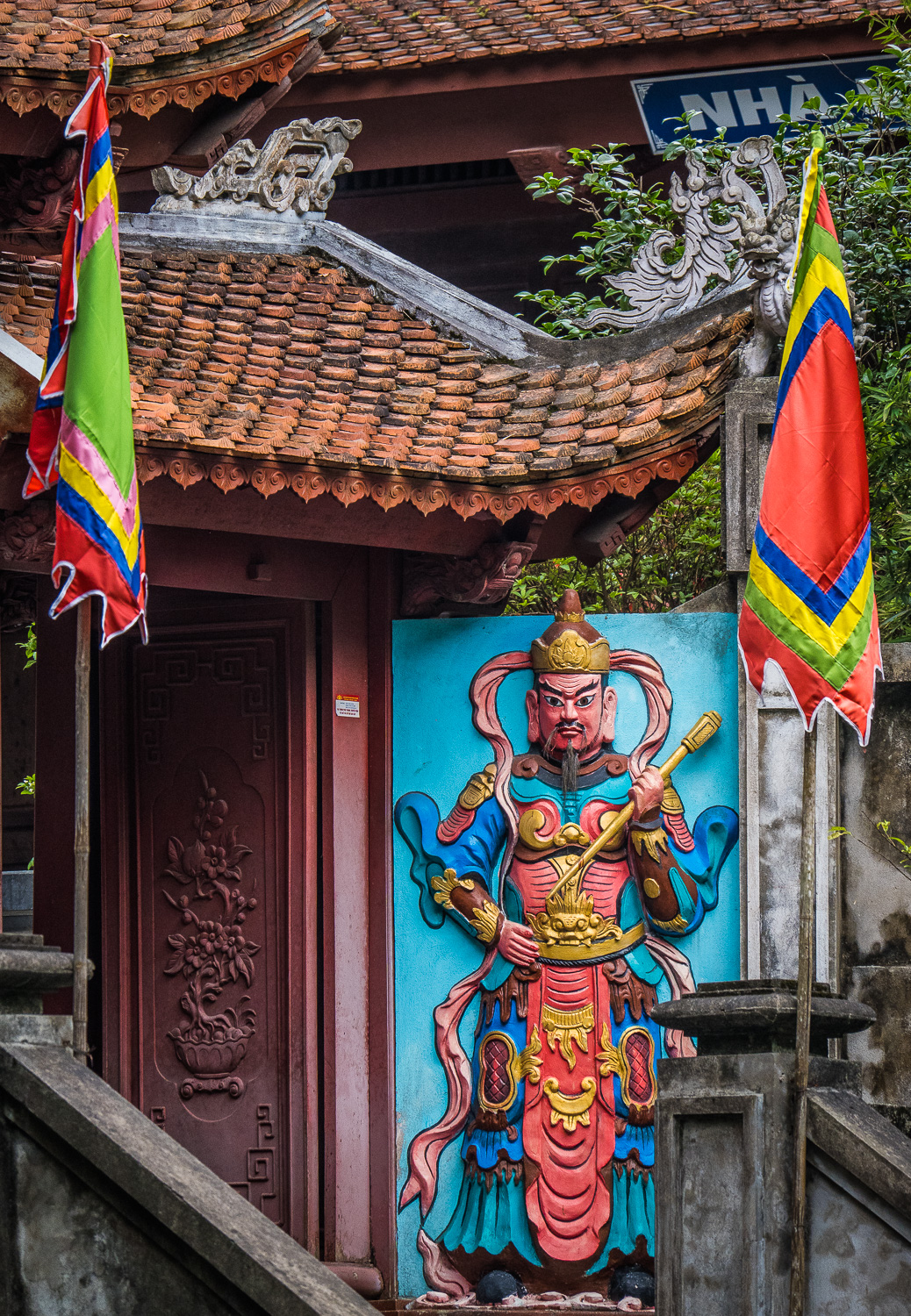
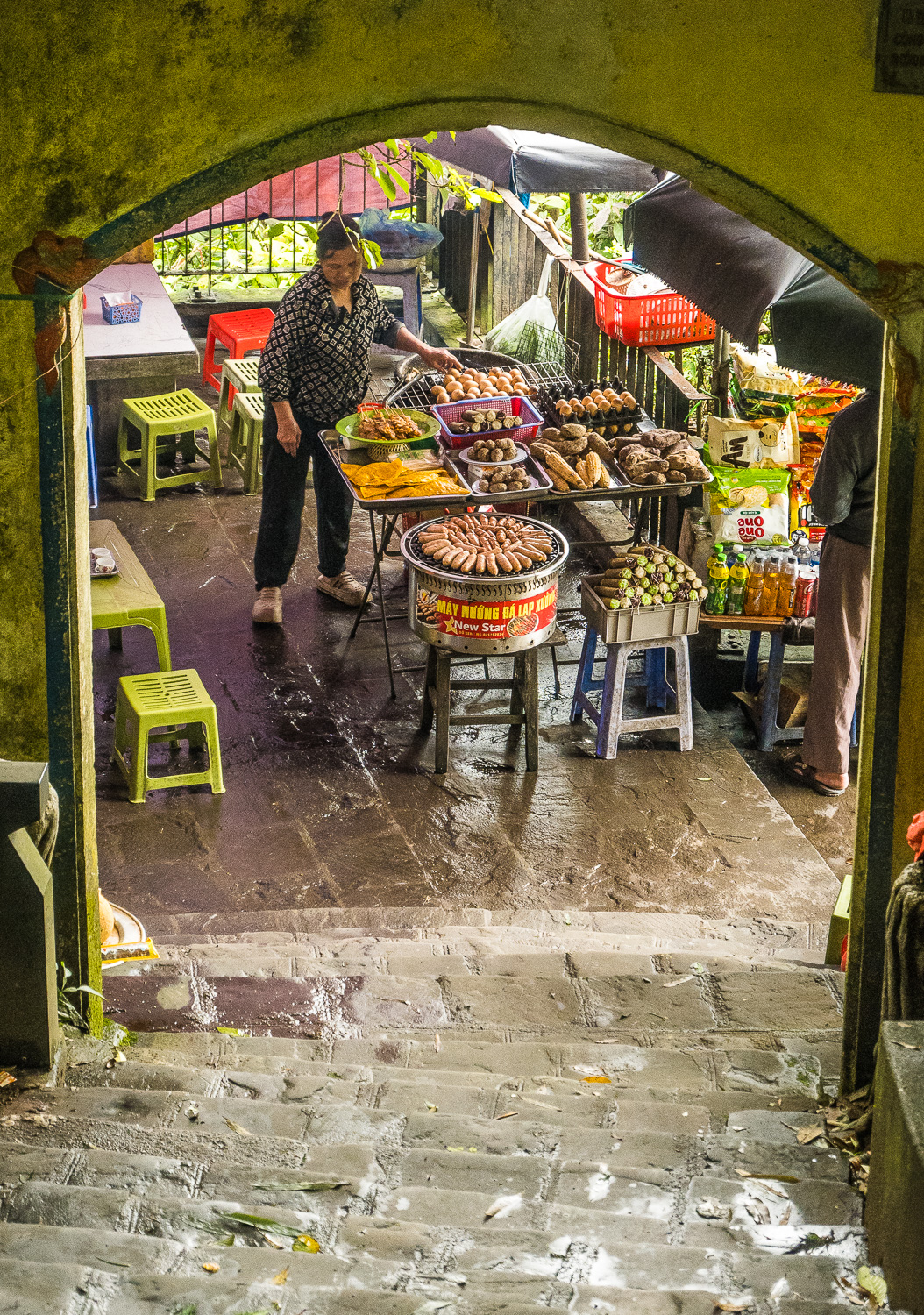
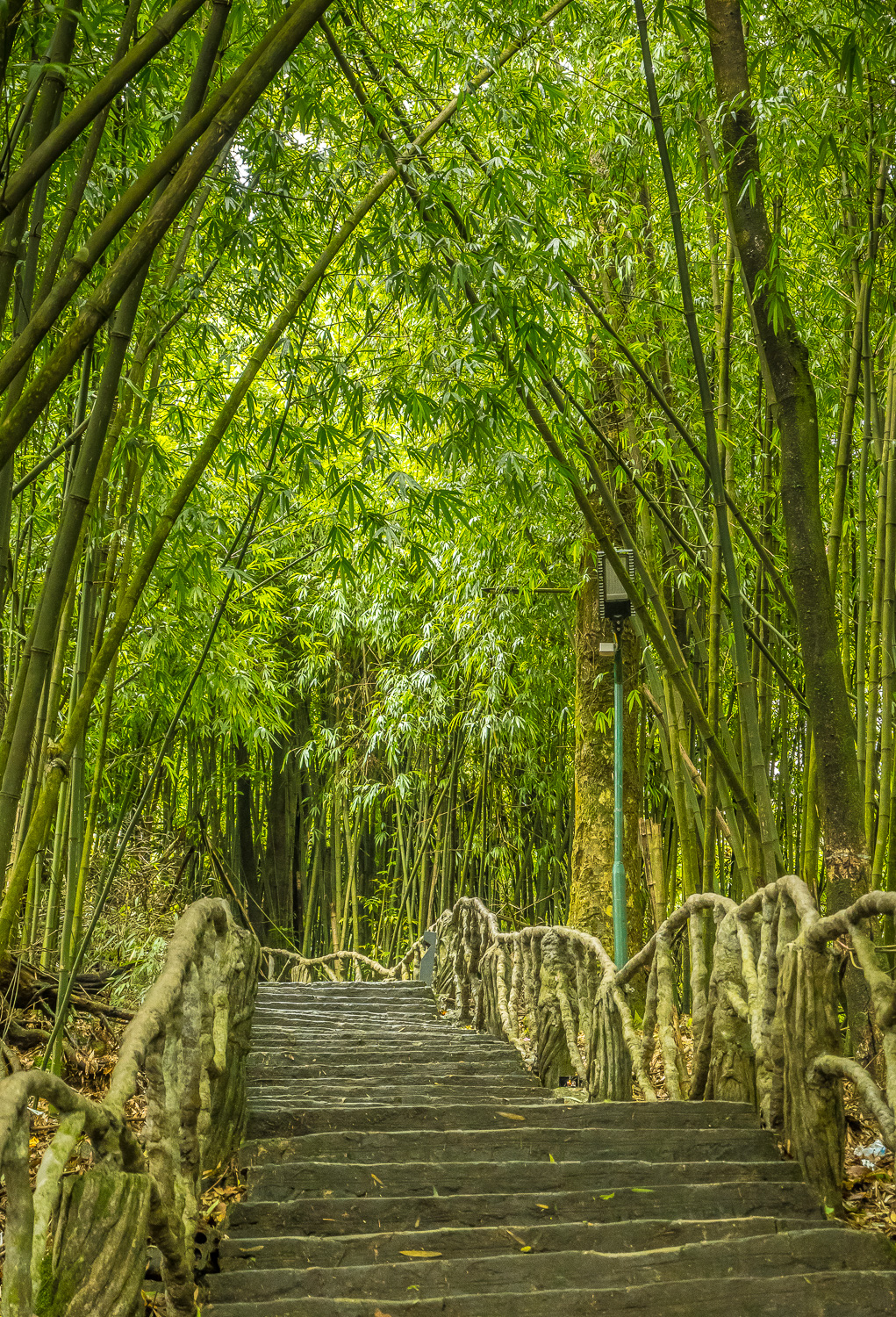
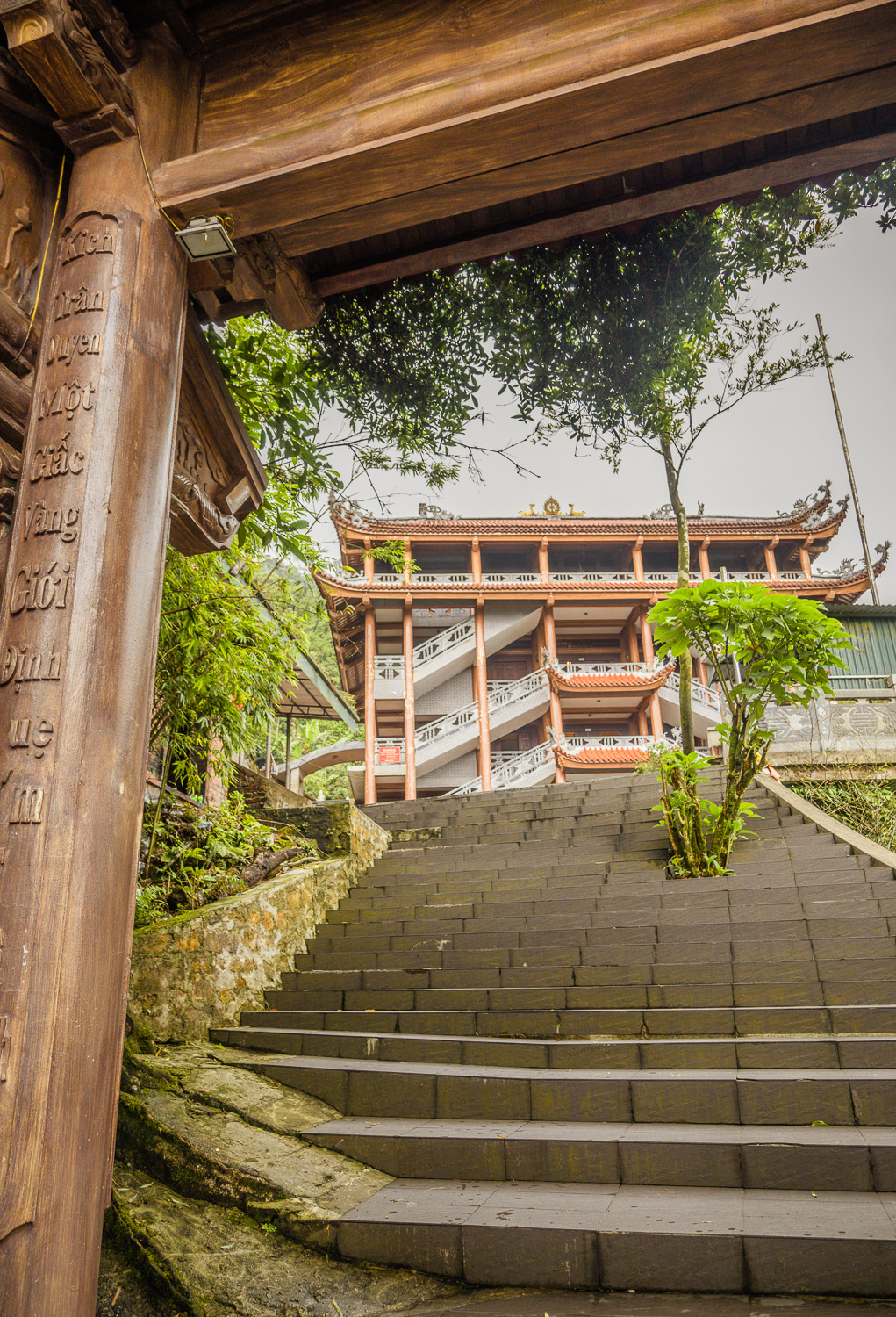
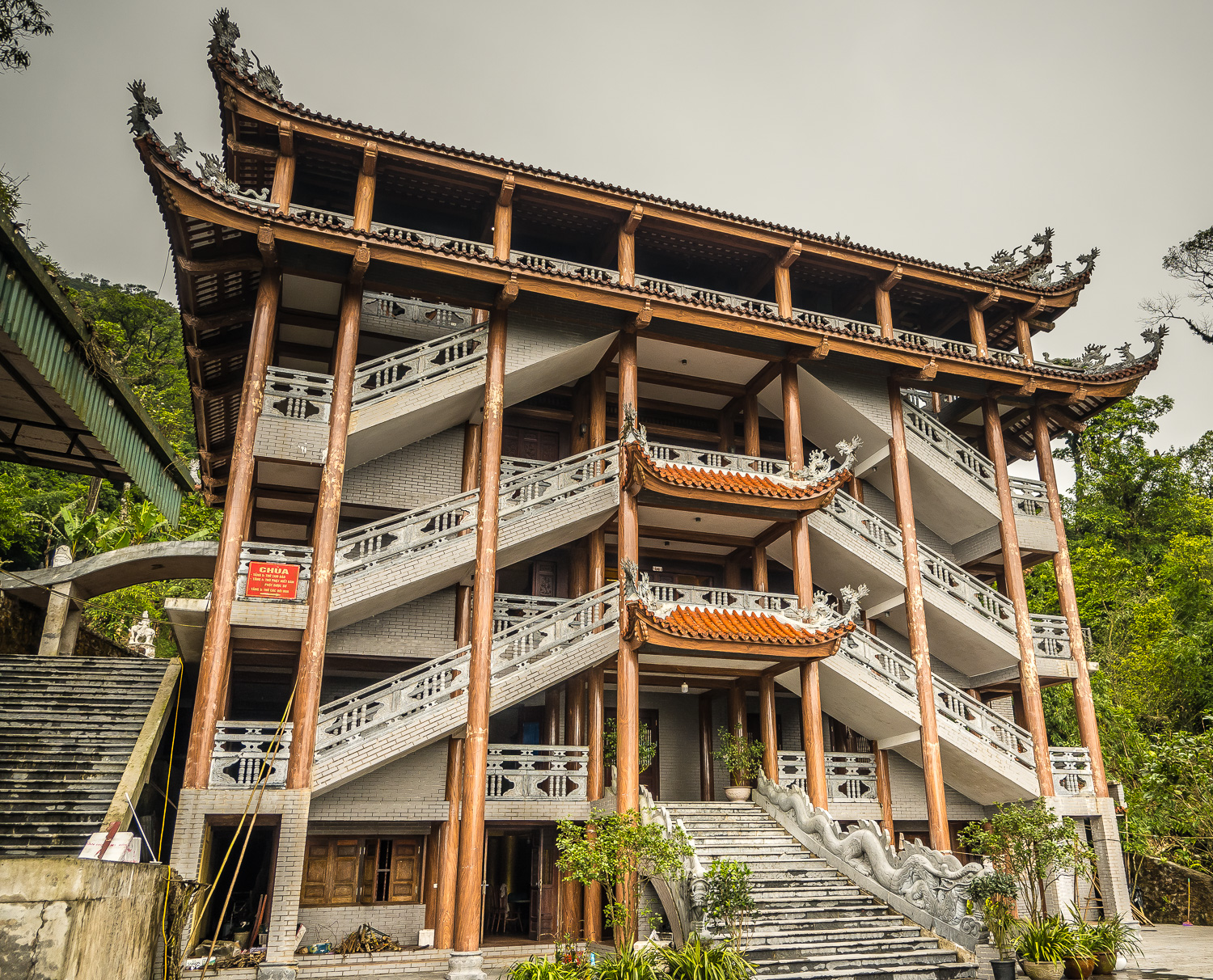
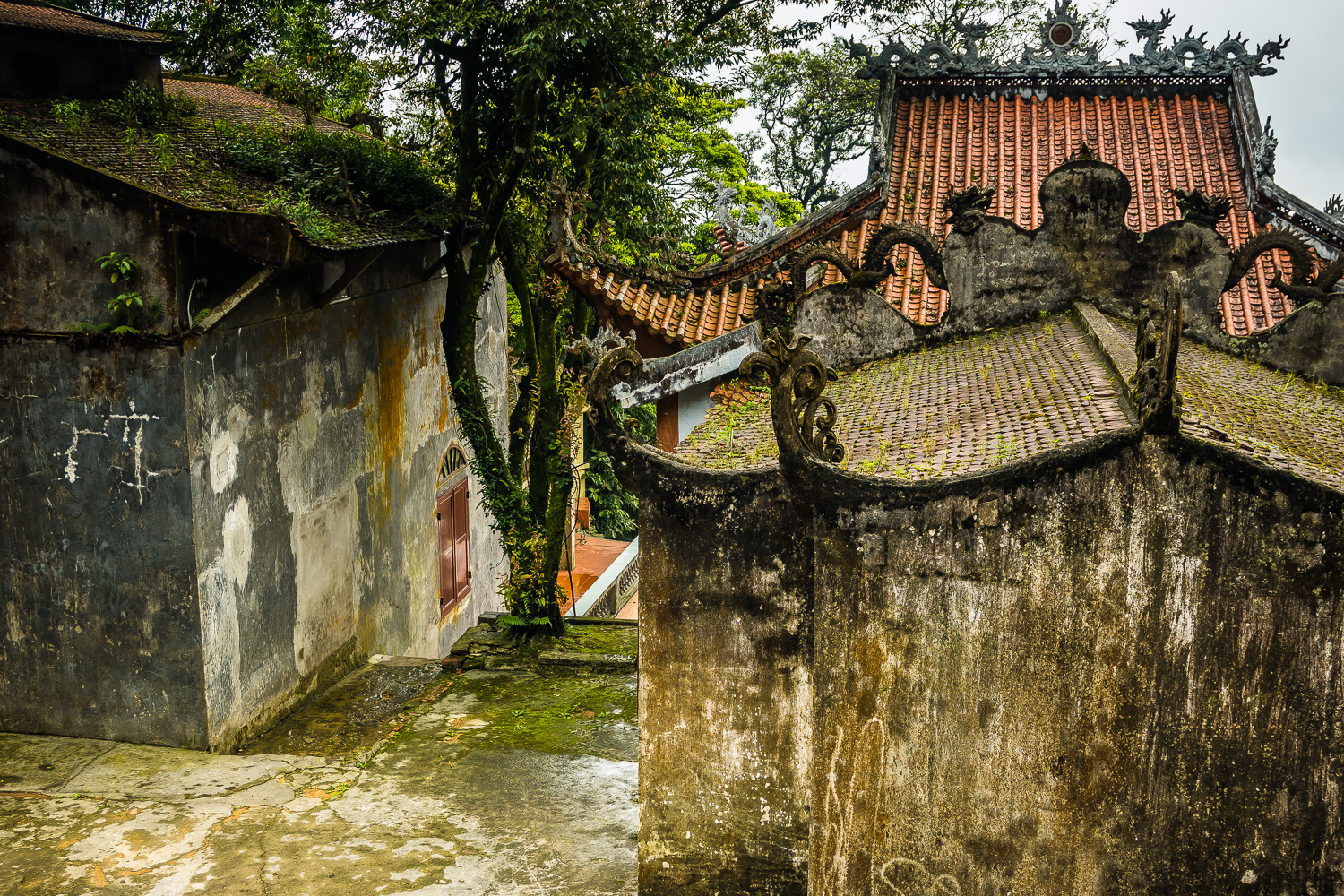
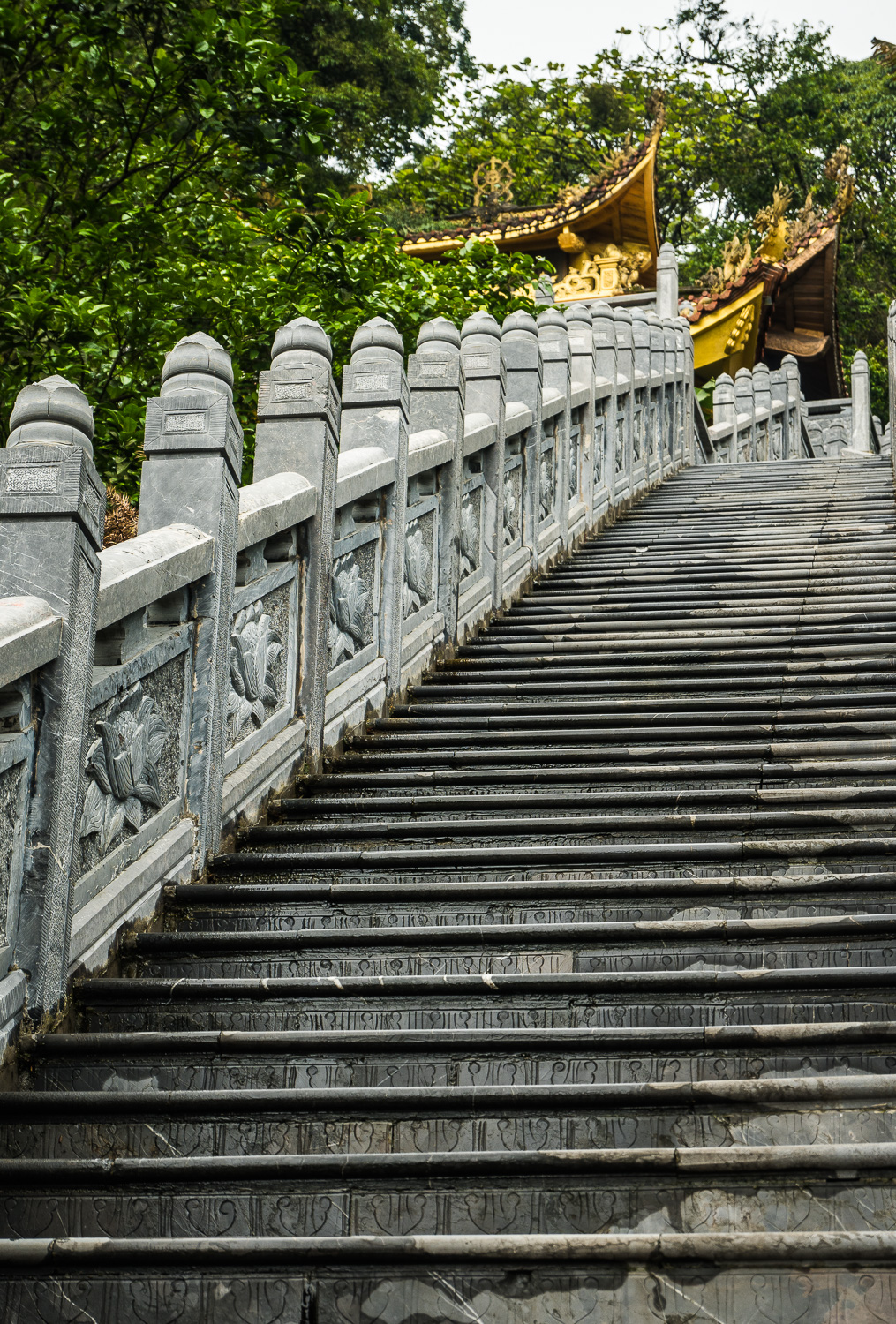
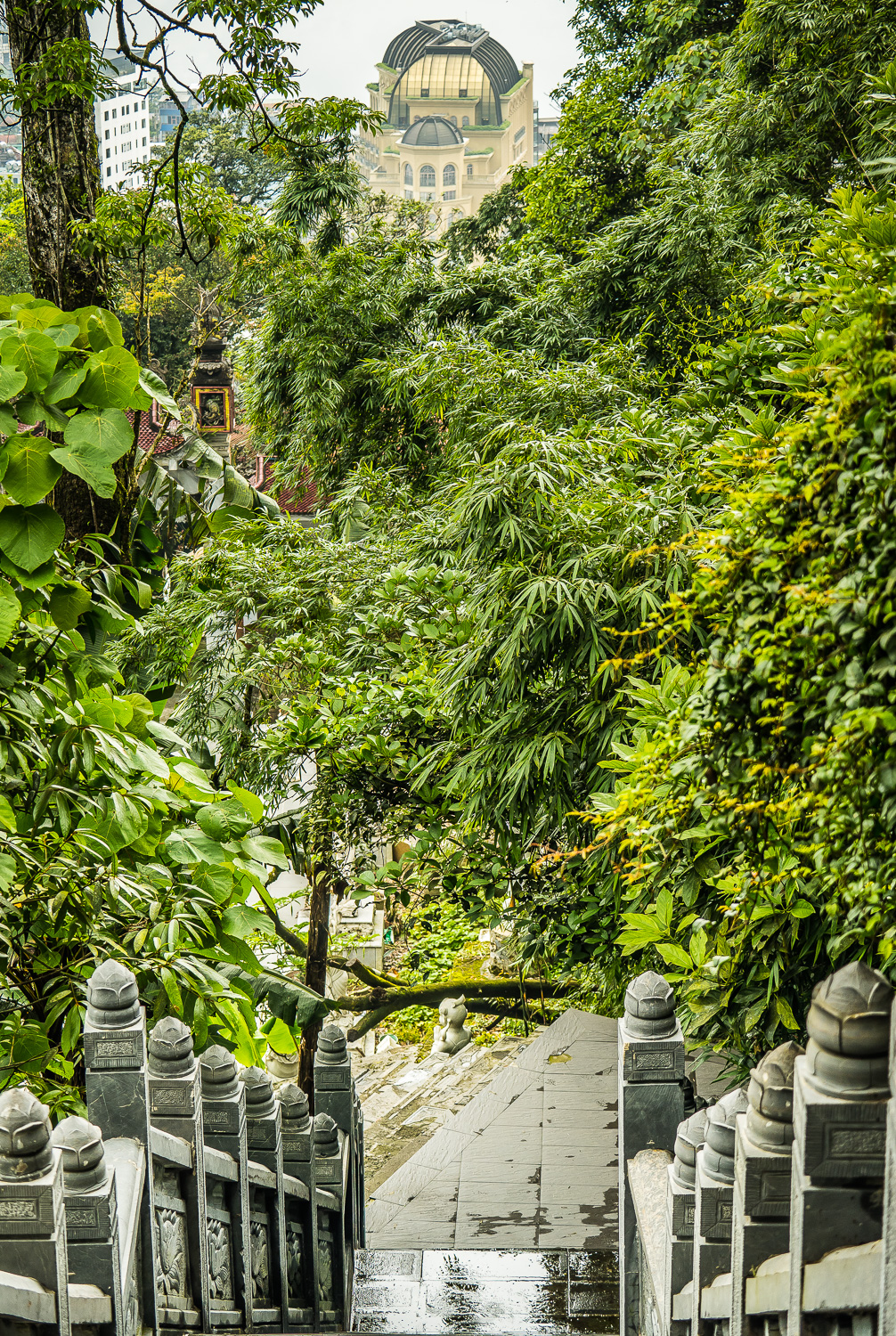
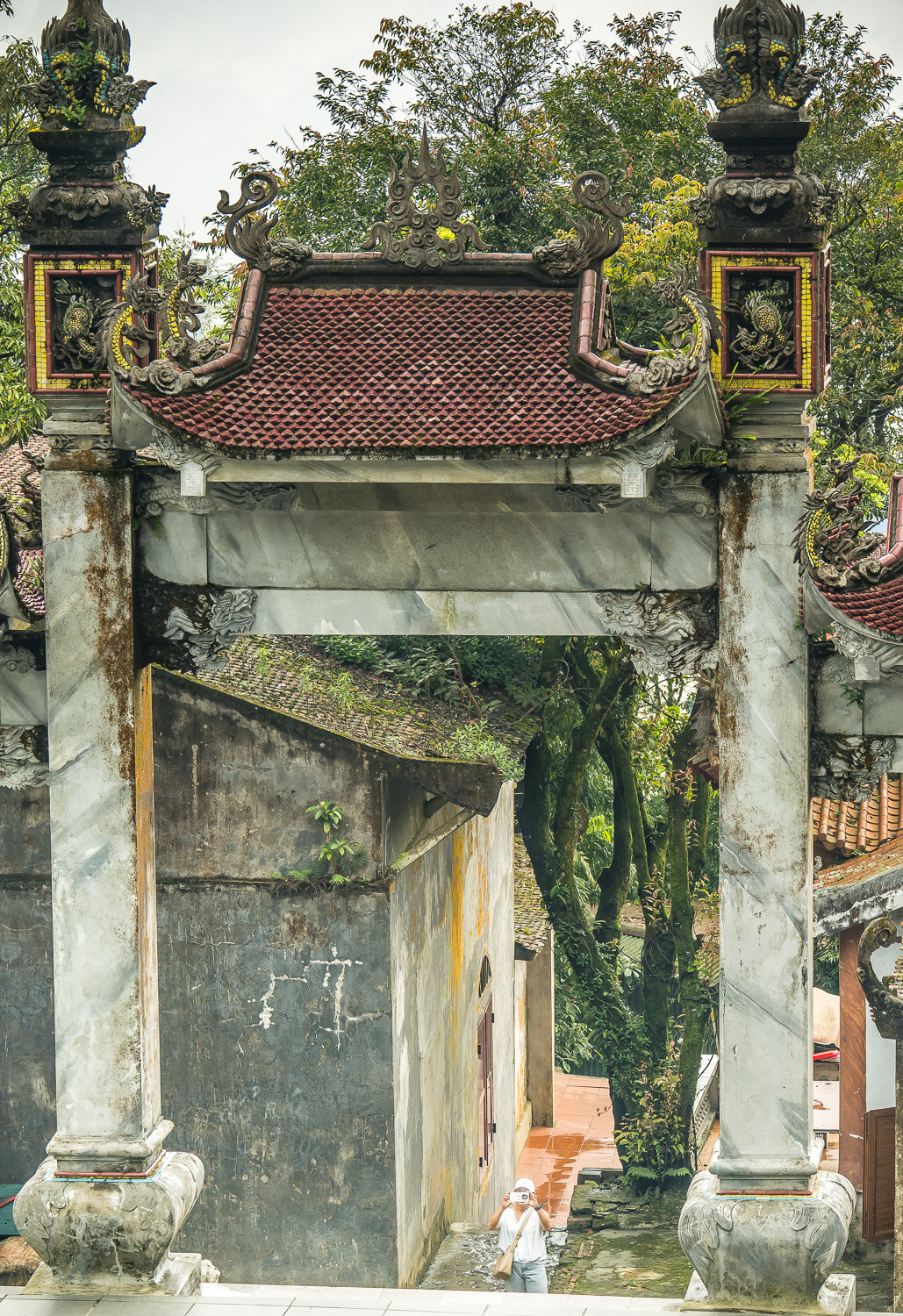
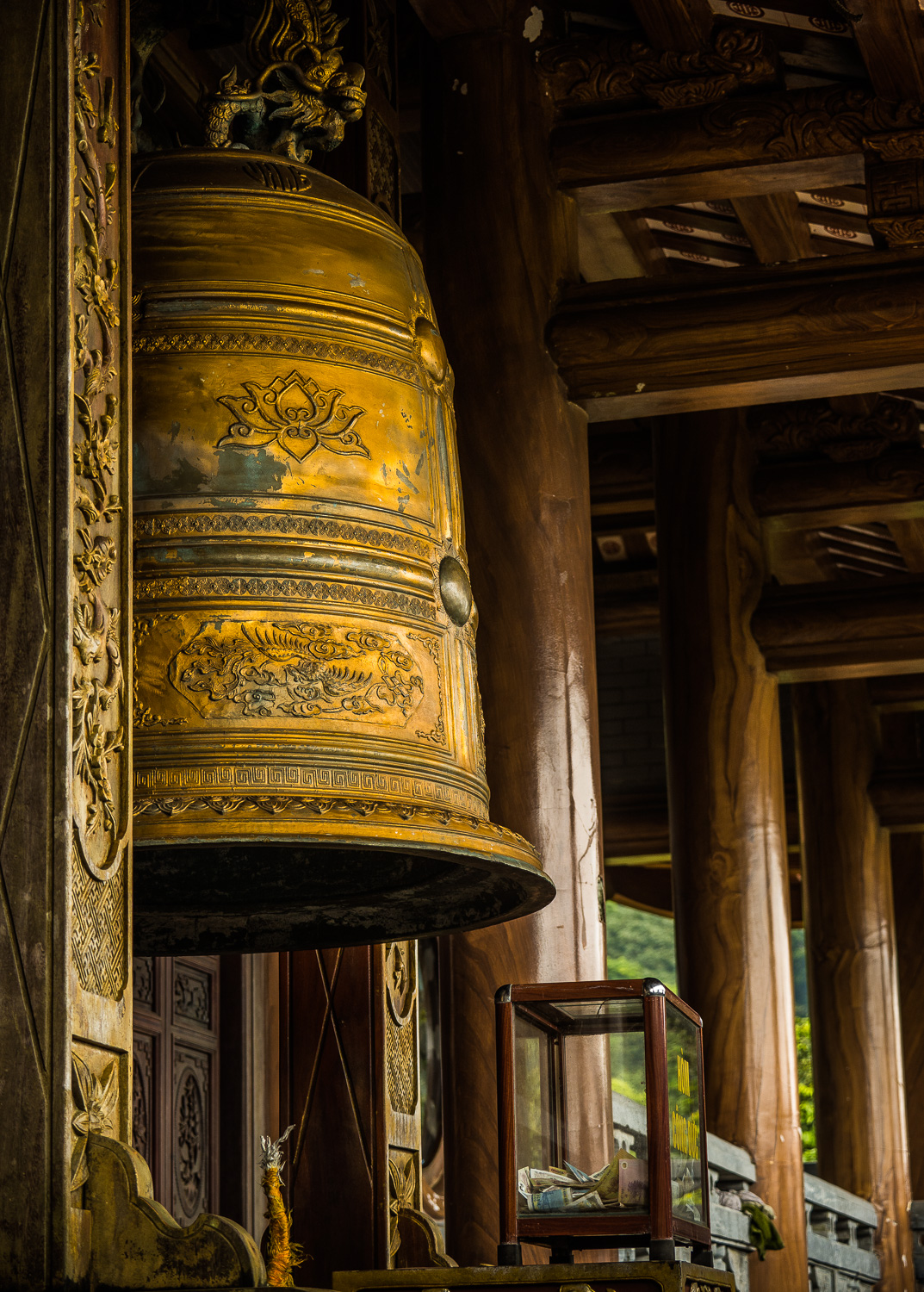
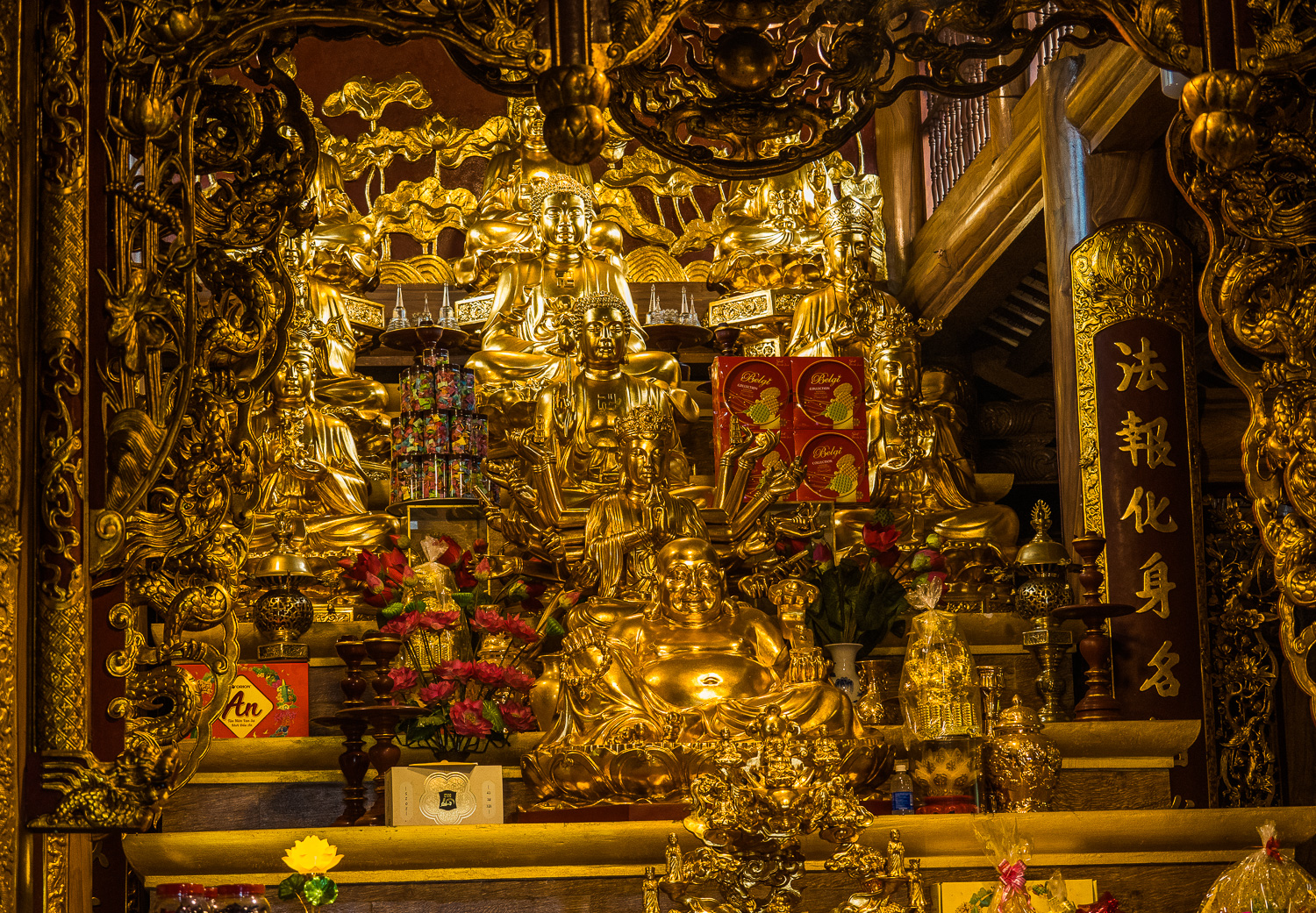
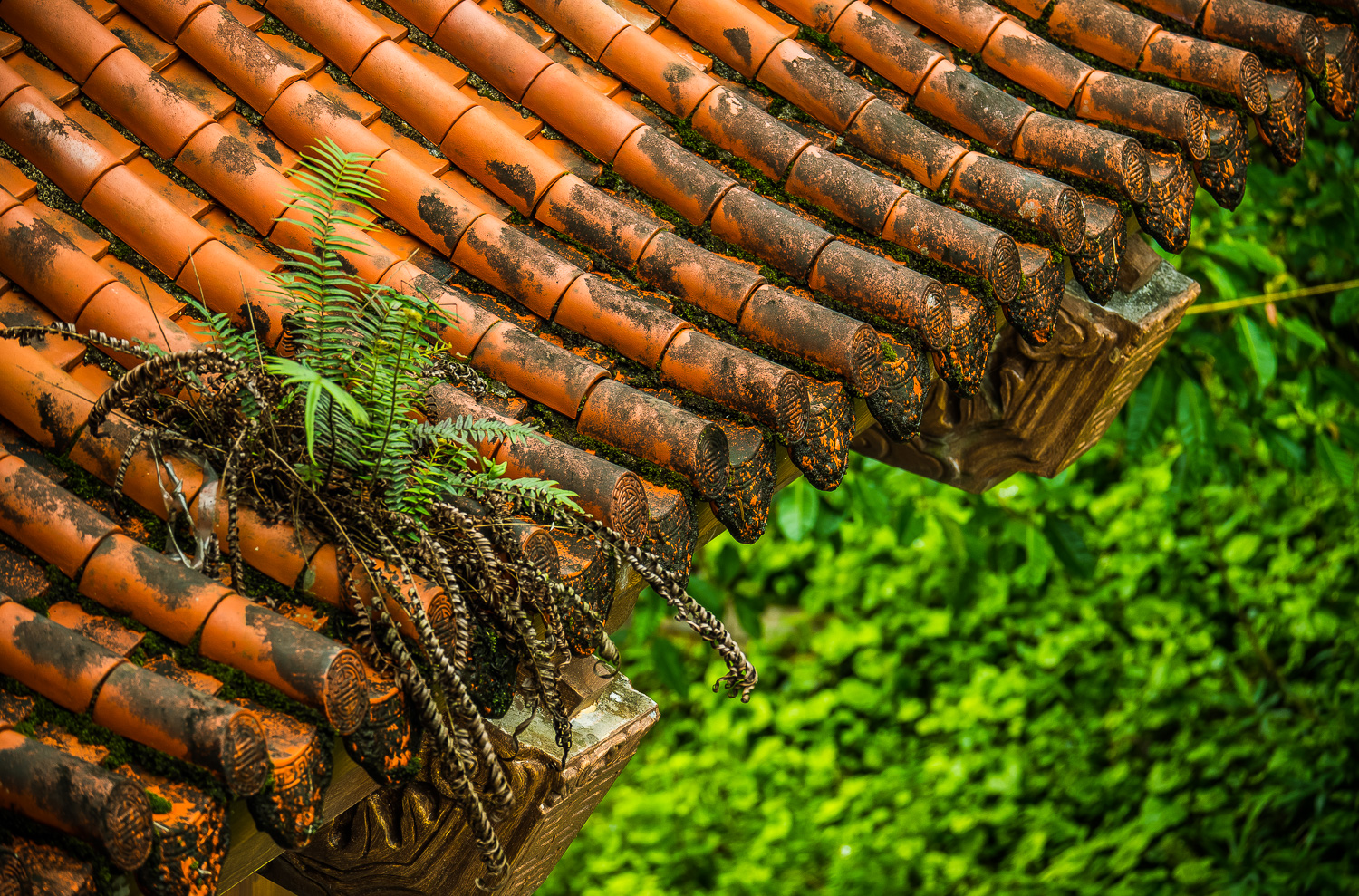
There is virtually nothing to do in town aside from eat hotpot or drink coffee, so we grabbed a motorcycle and rode back down off the mountains and into the valley to the Tay Thien Monastery, one of the largest Buddhist sites in Vietnam.
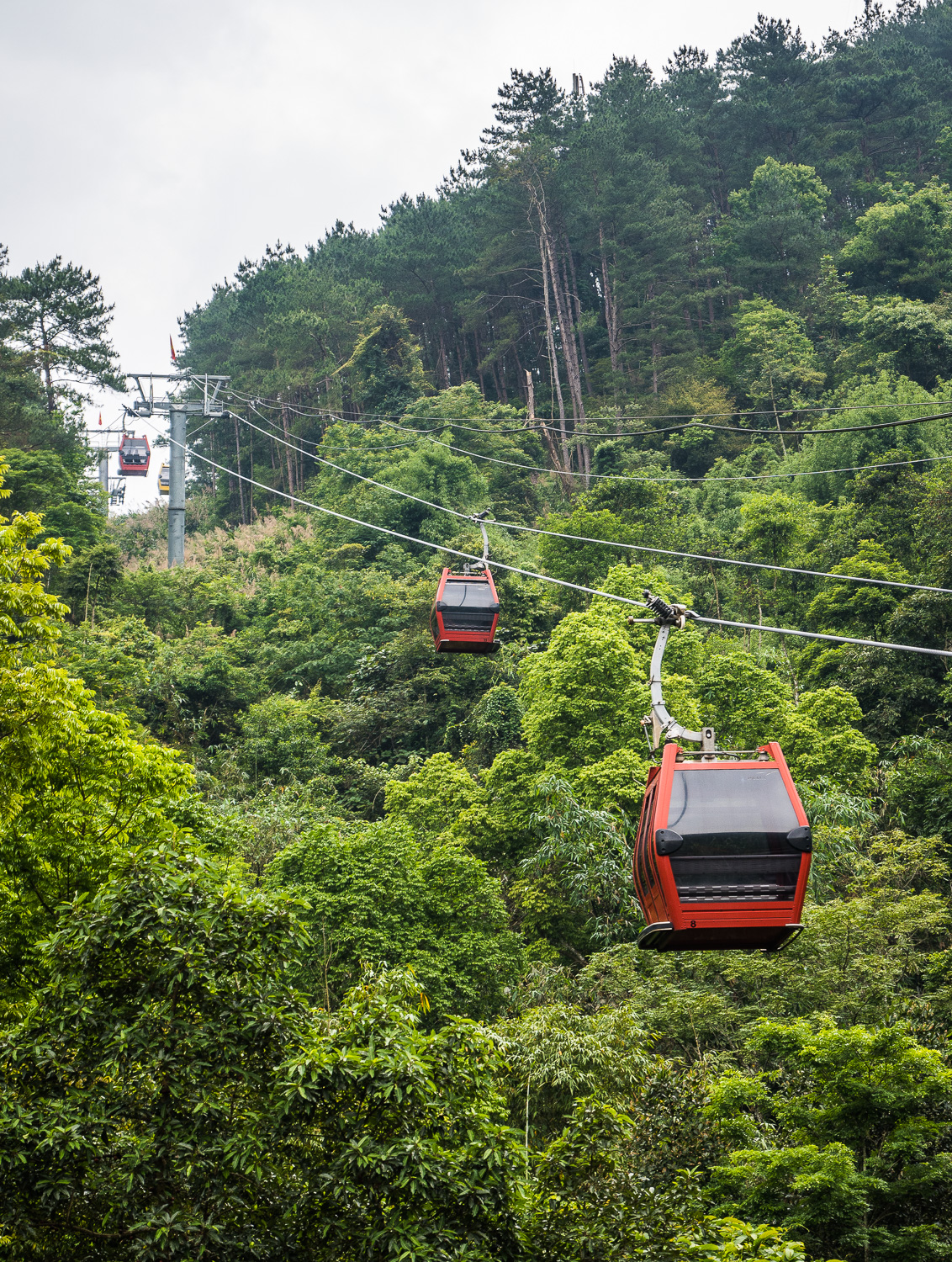
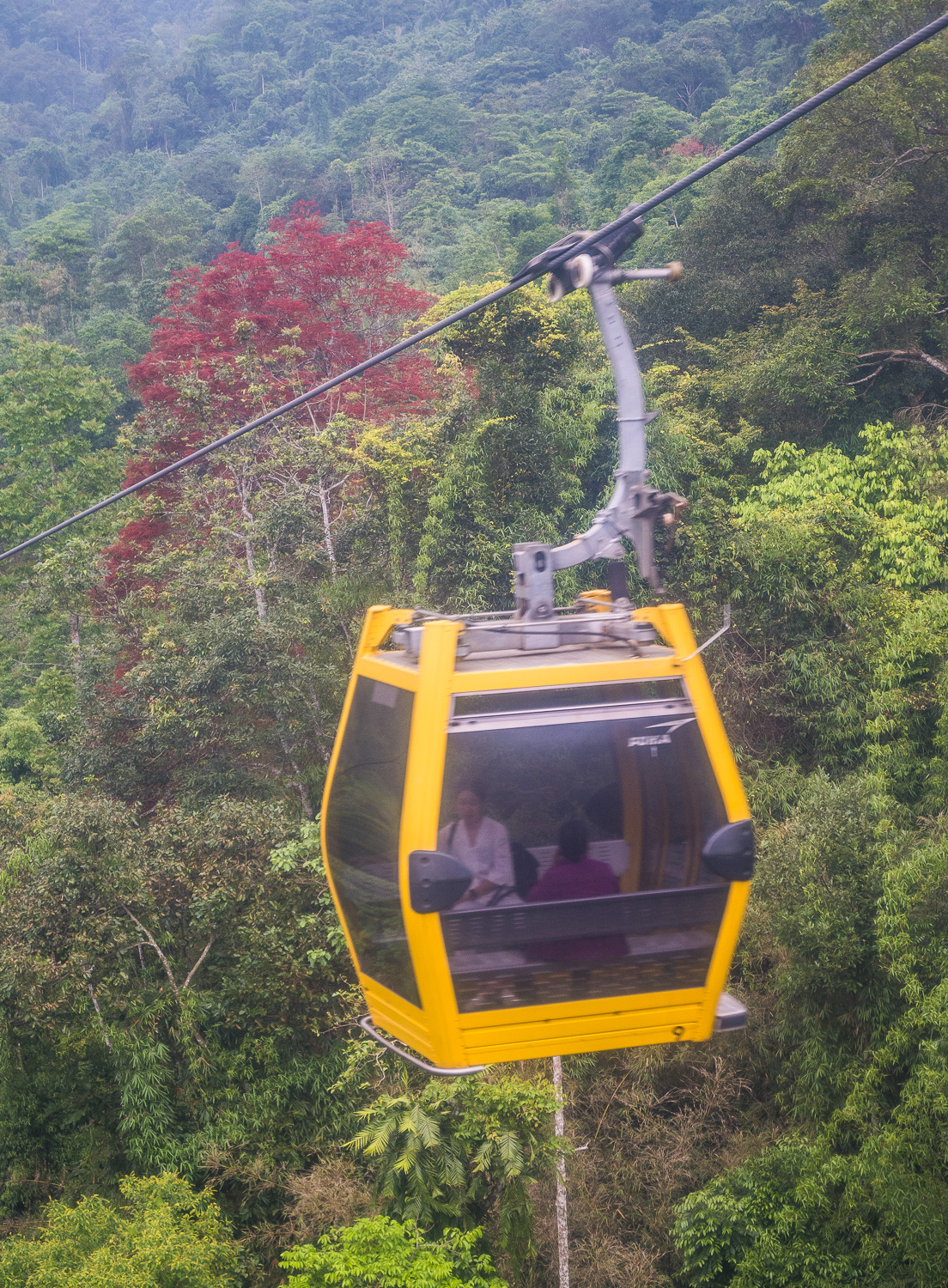
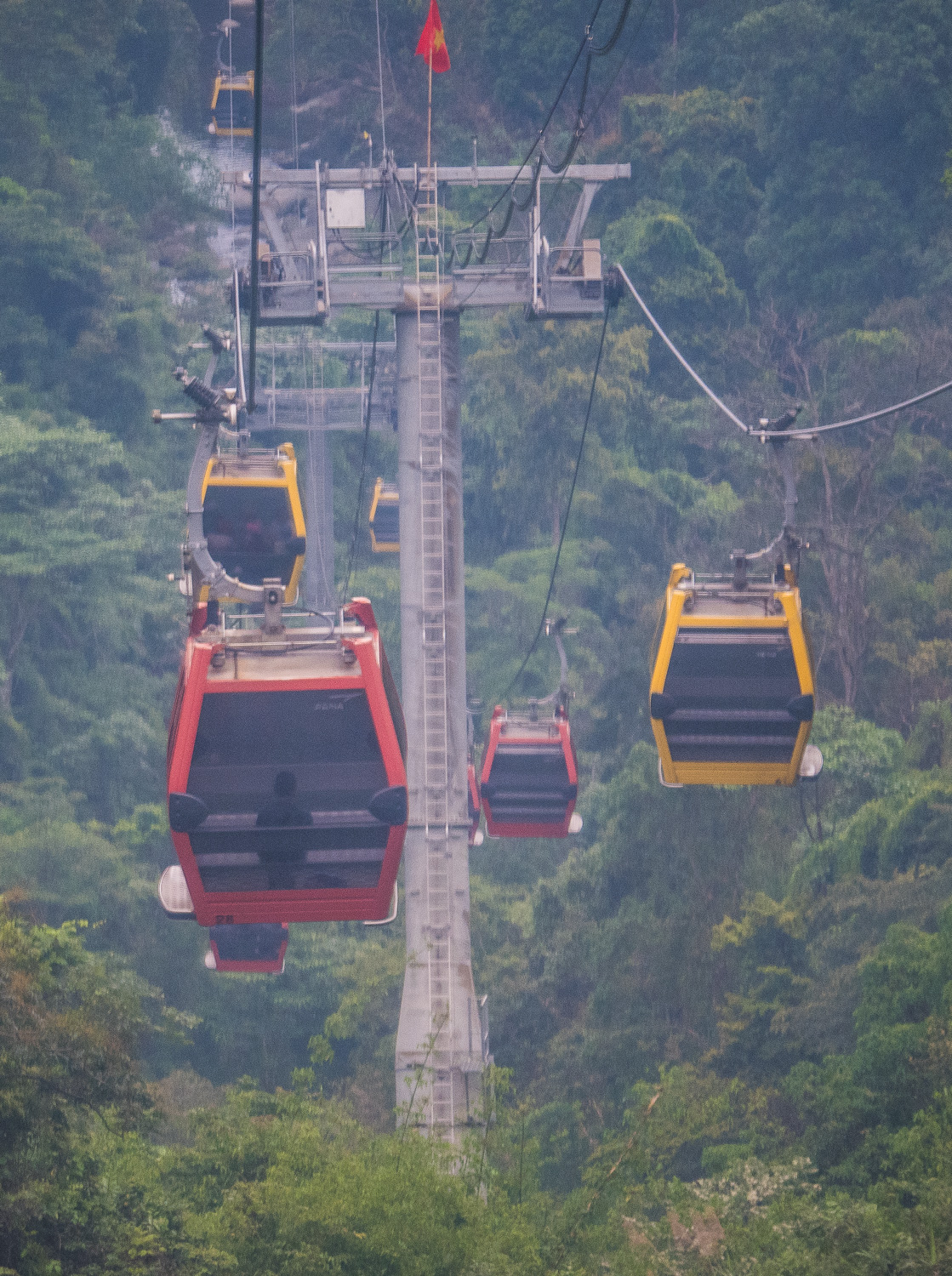
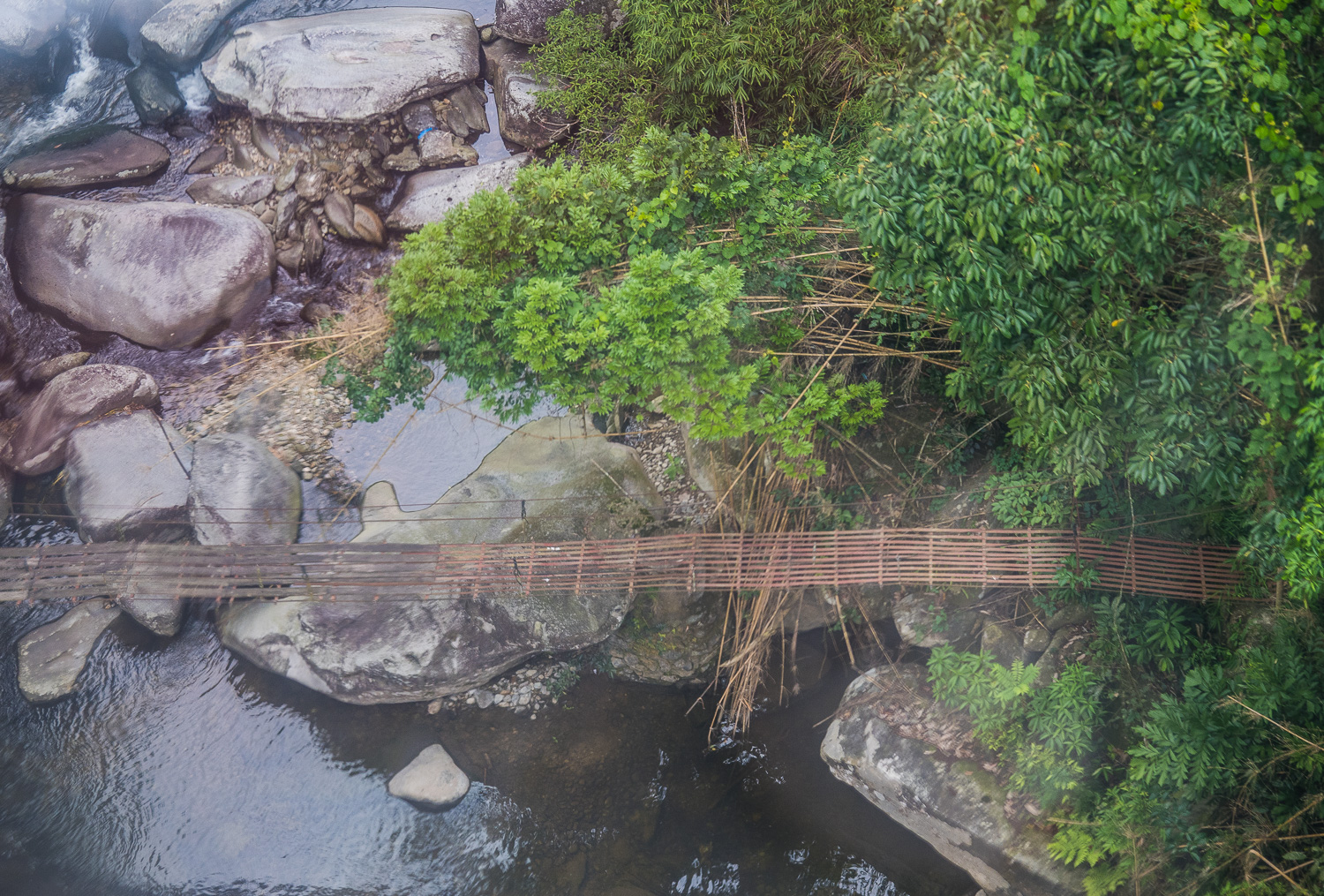
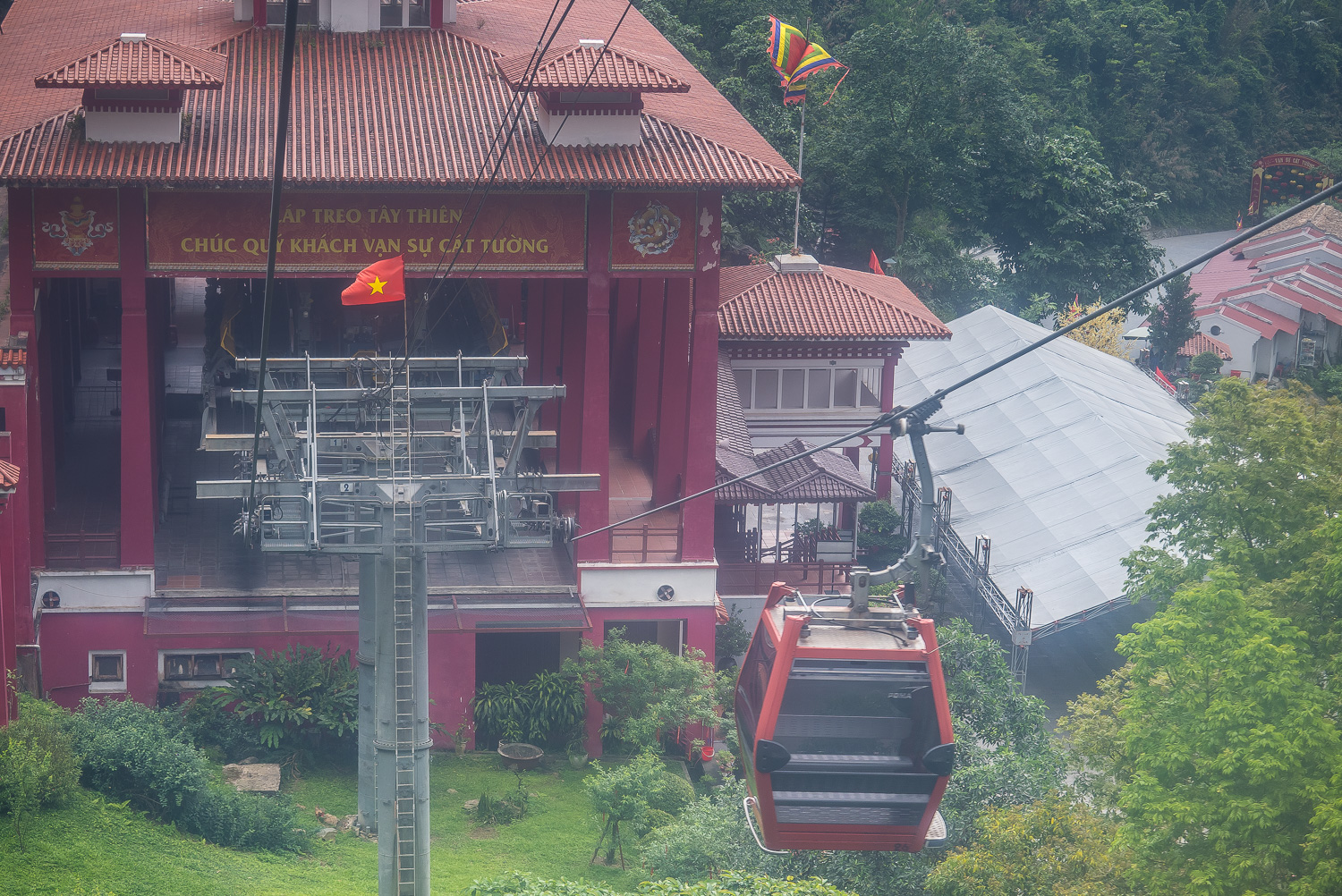
Getting to it is a bit of an ordeal; after paying for parking, we had to pay for a golf cart to take us to another car park, where we had to pay for another golf cart to take us to a cable car station, which took us up to the temple grounds in the hills.
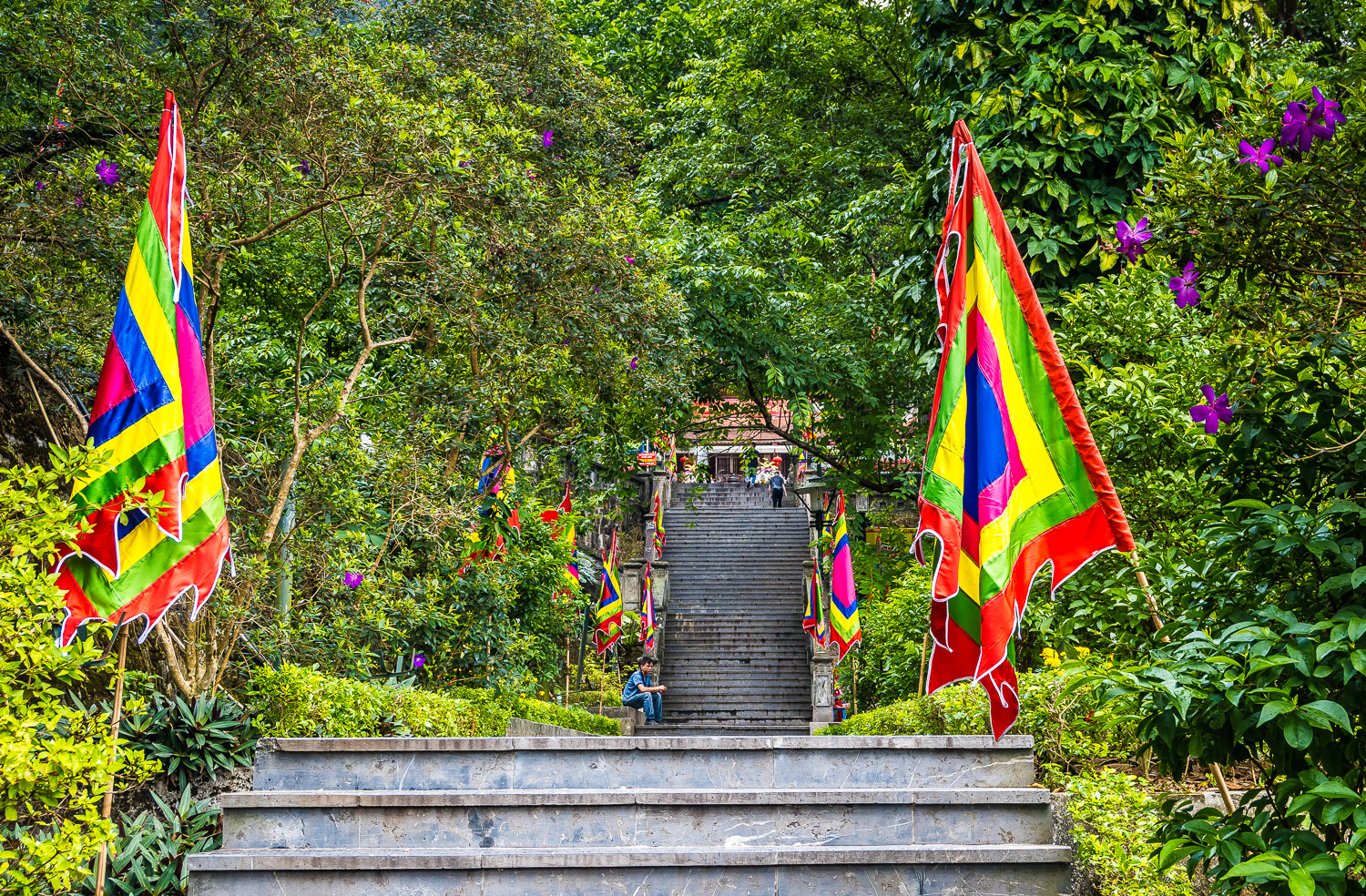
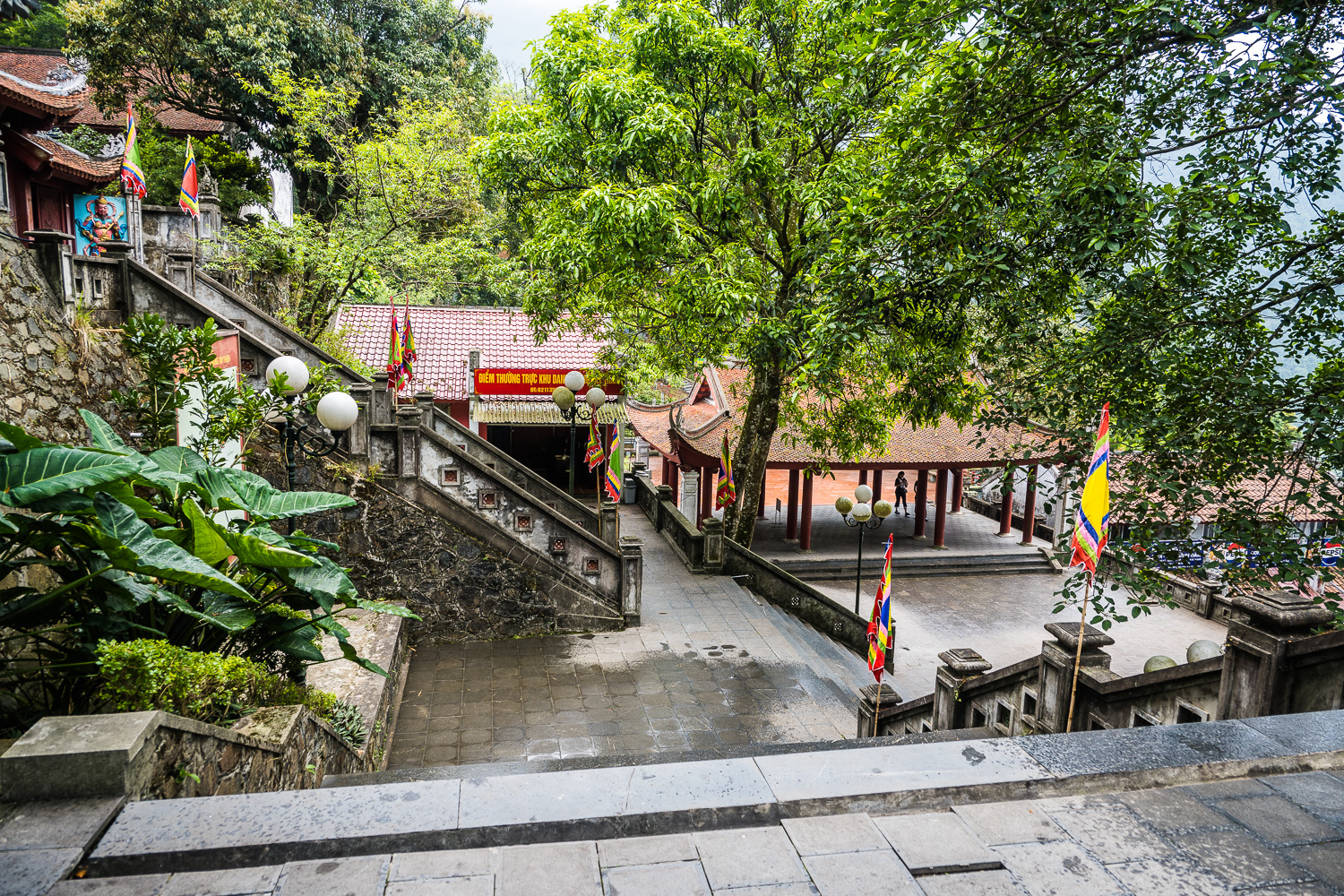
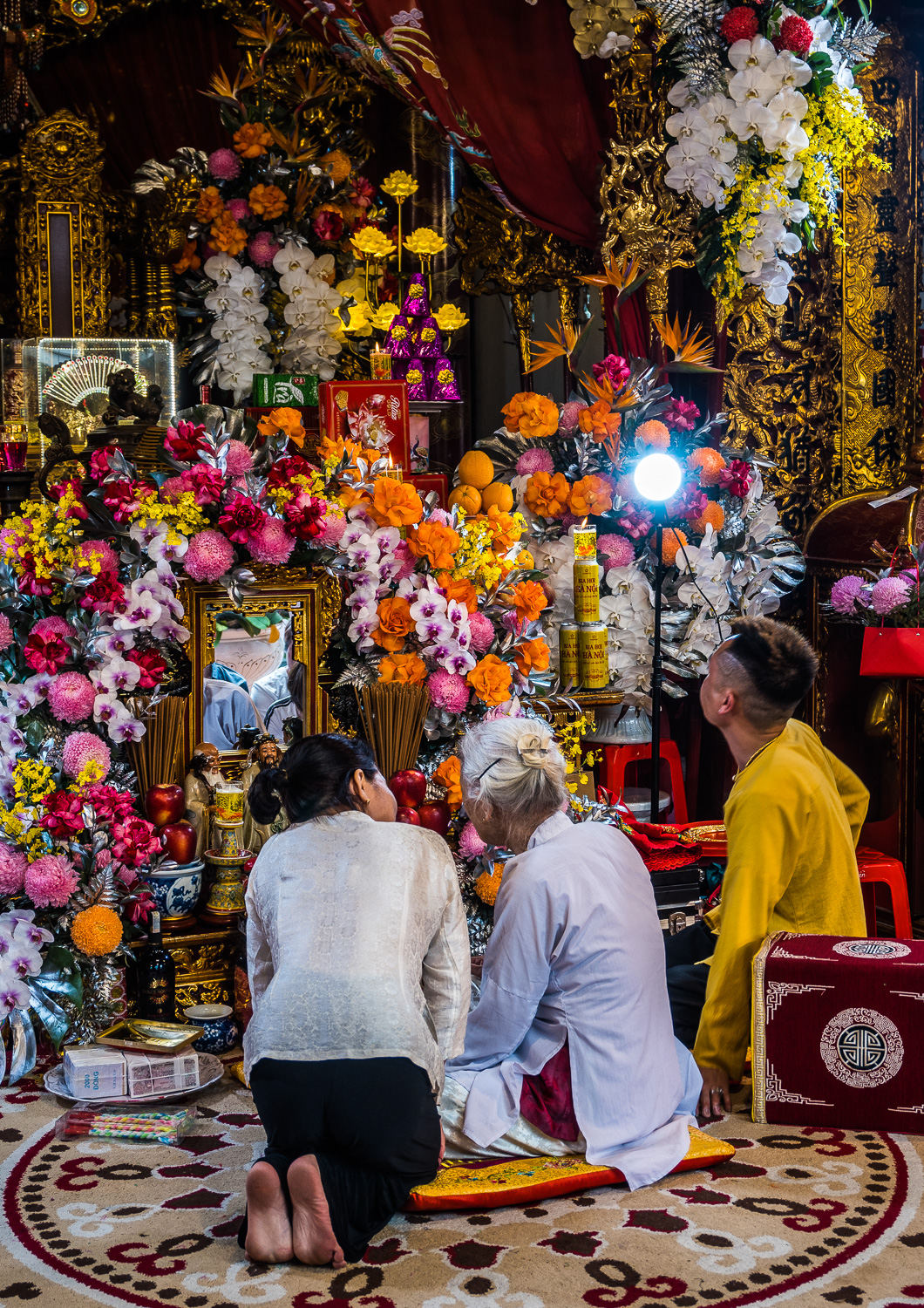
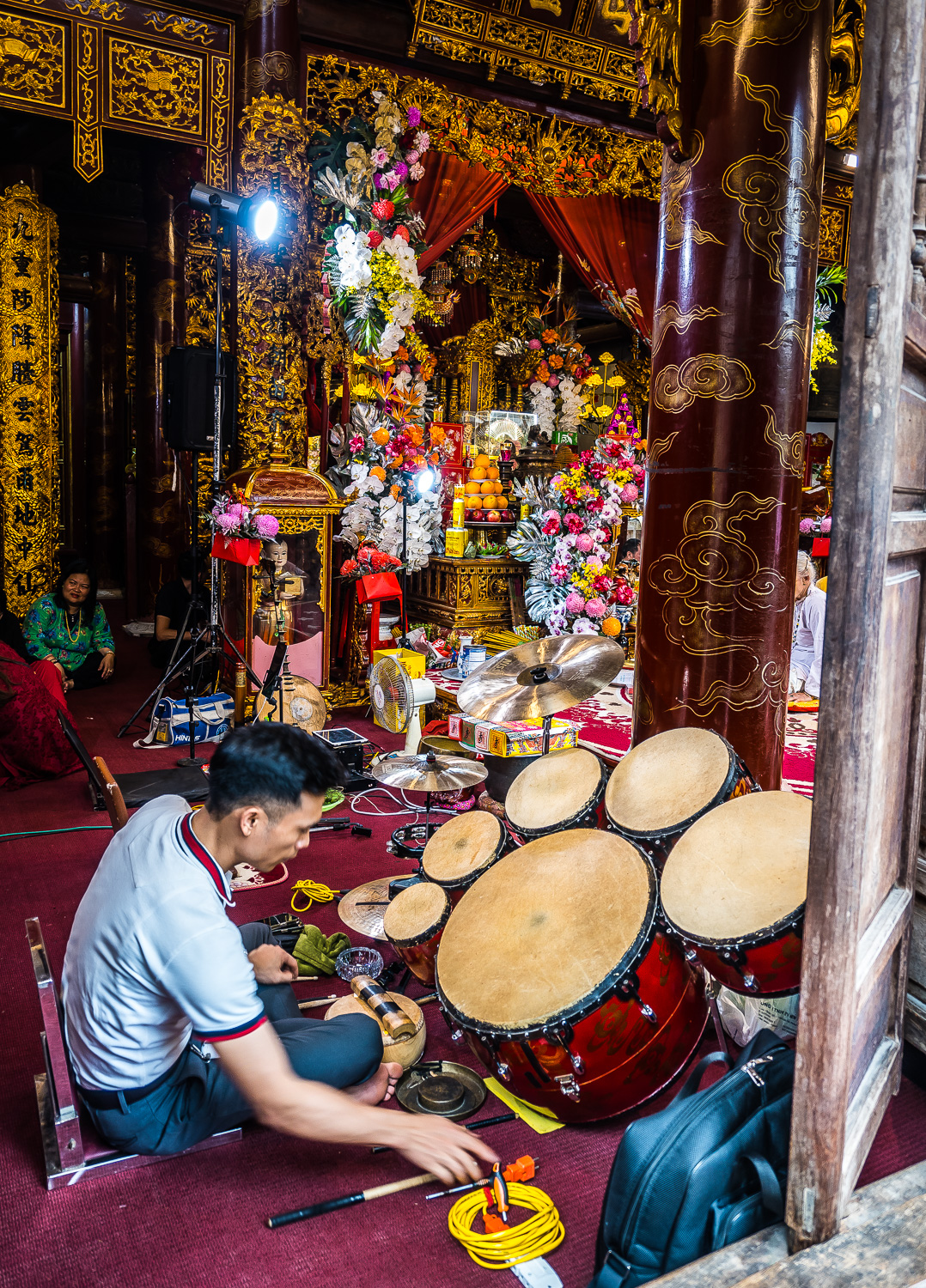
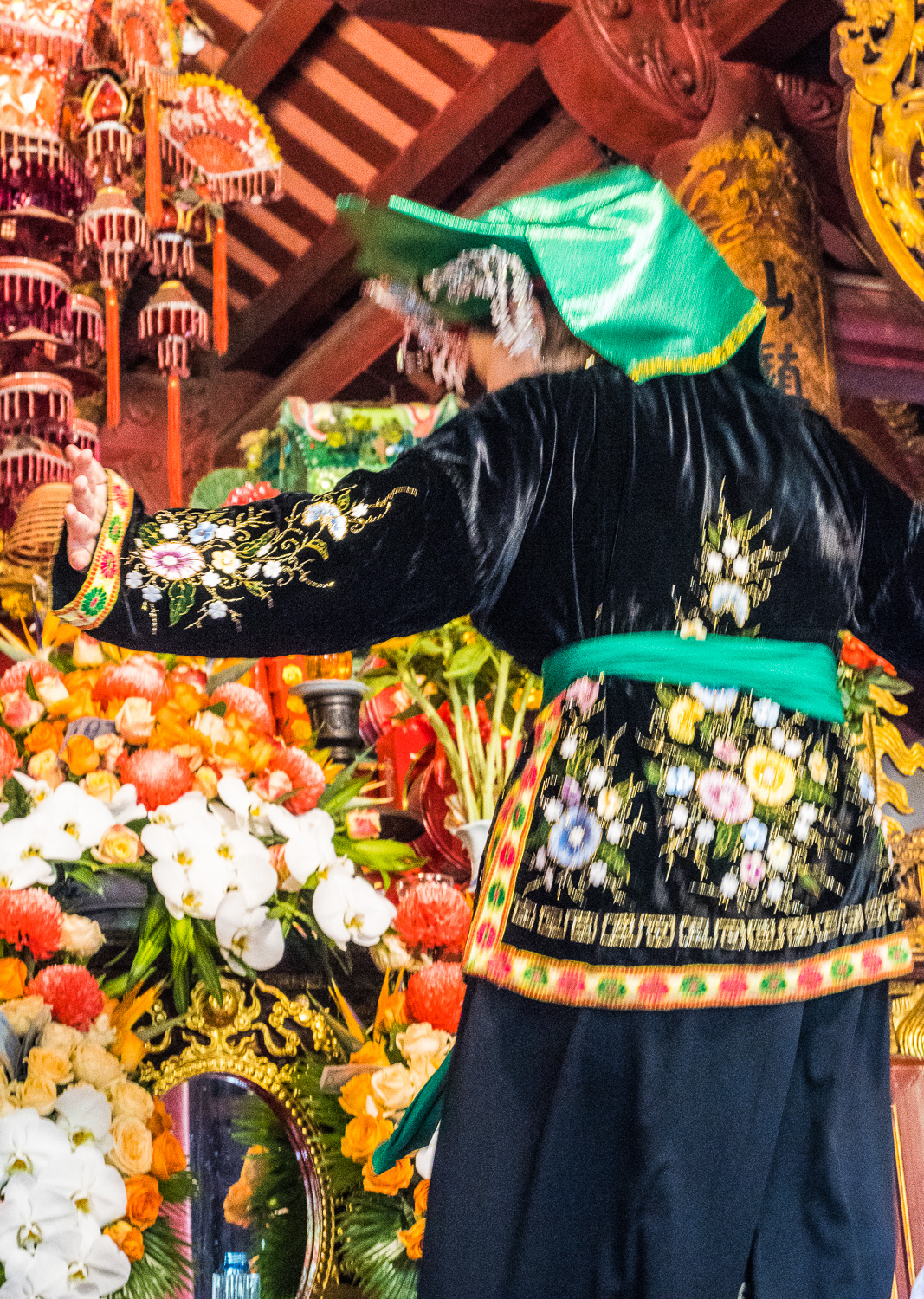
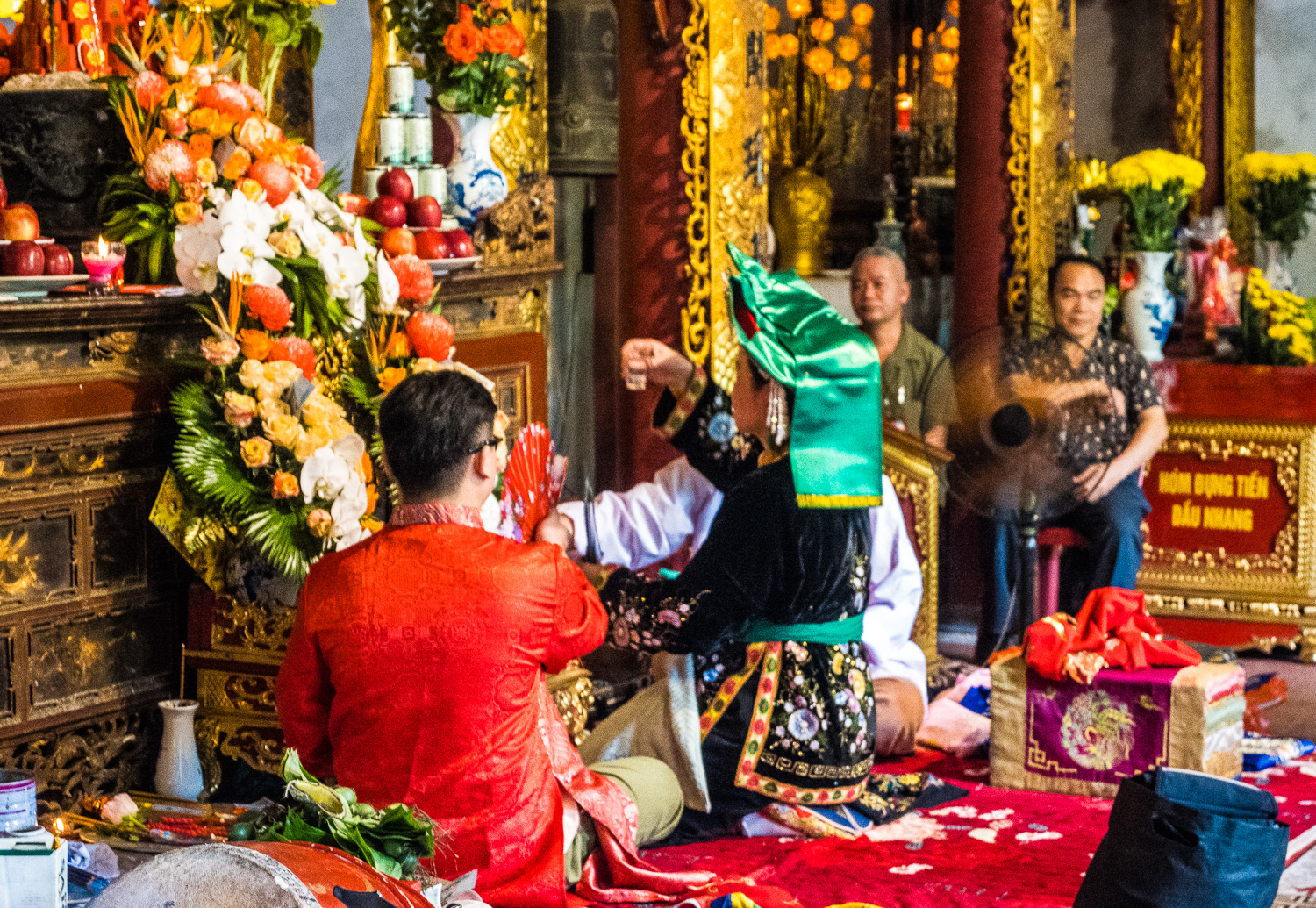
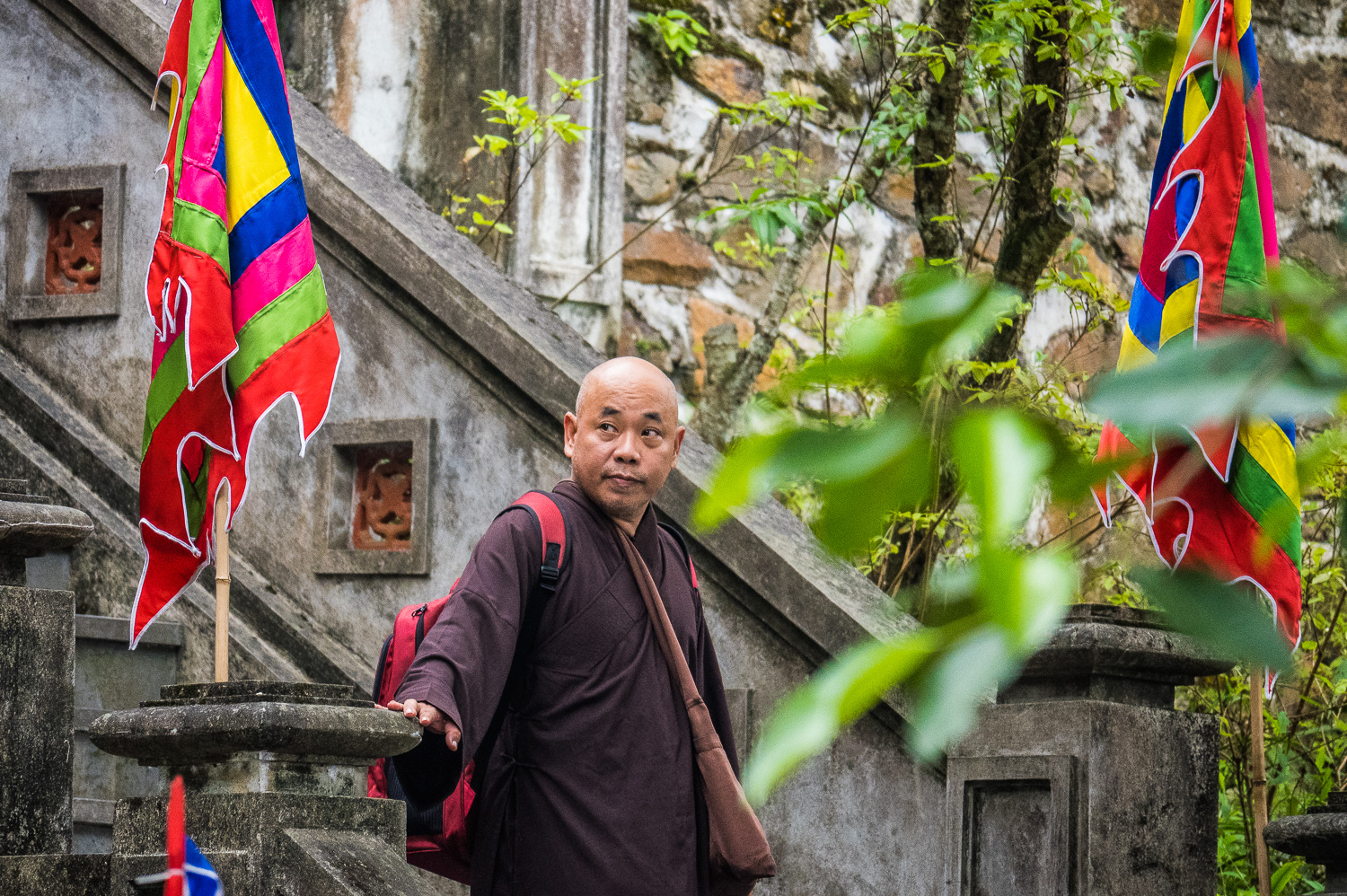
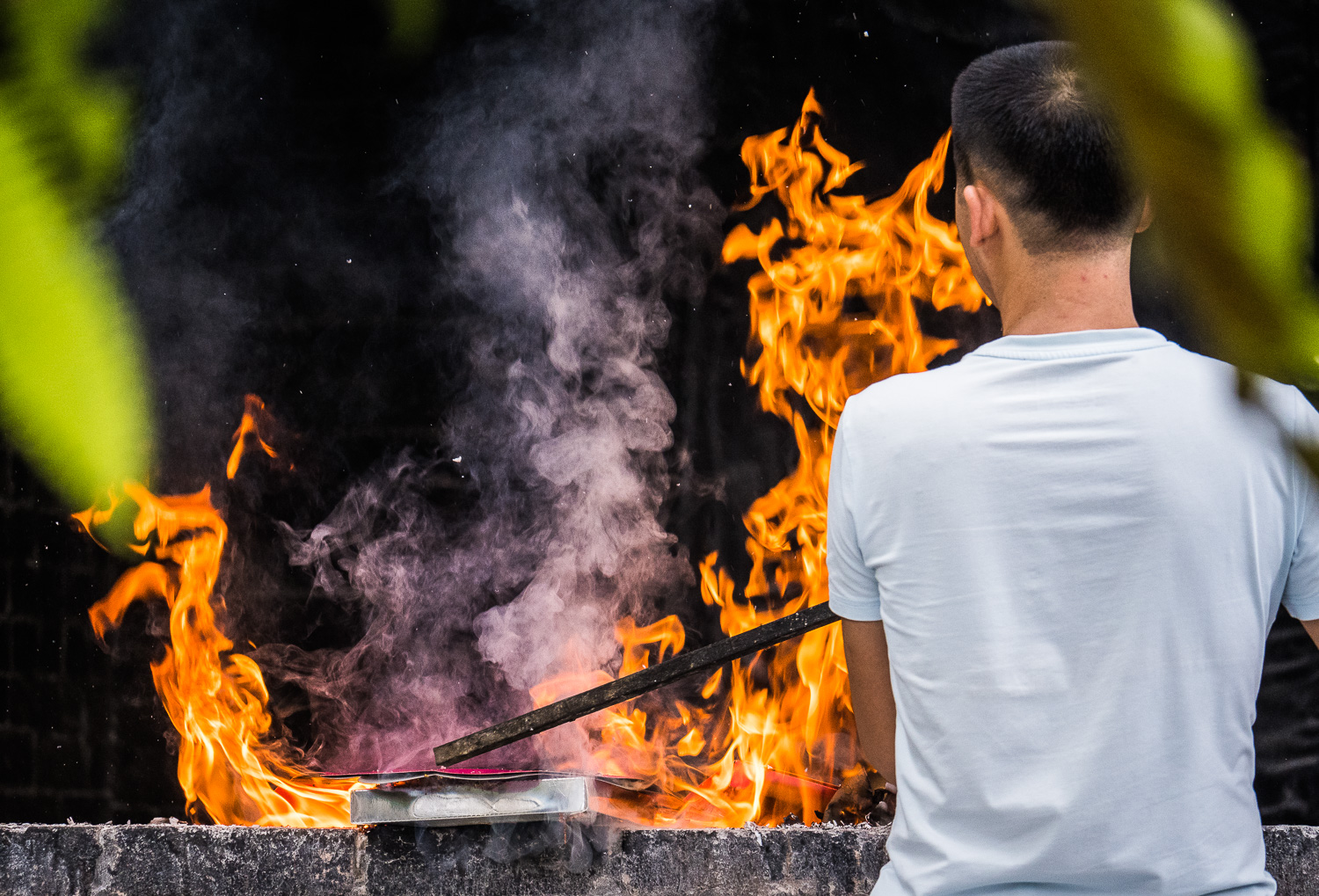
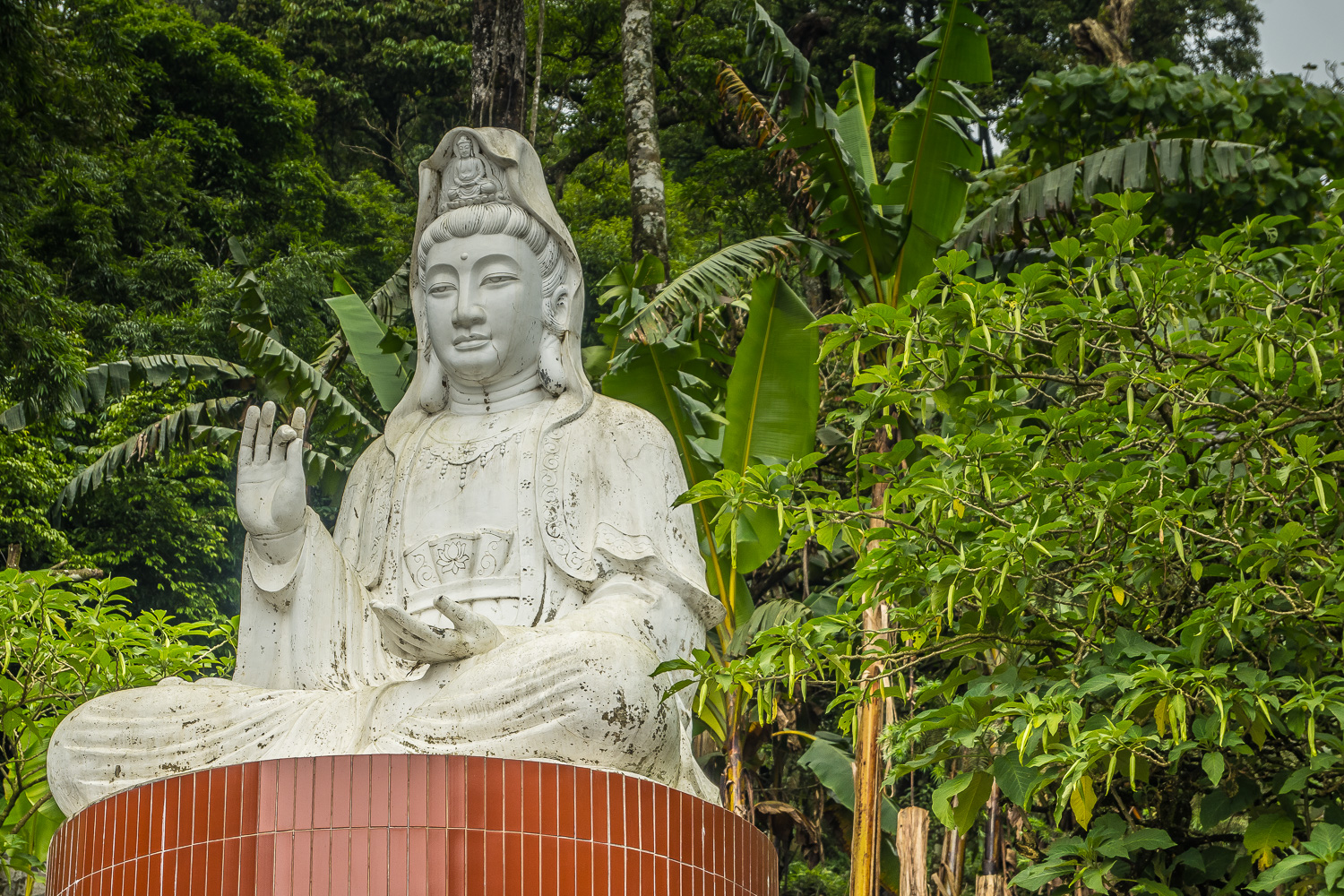
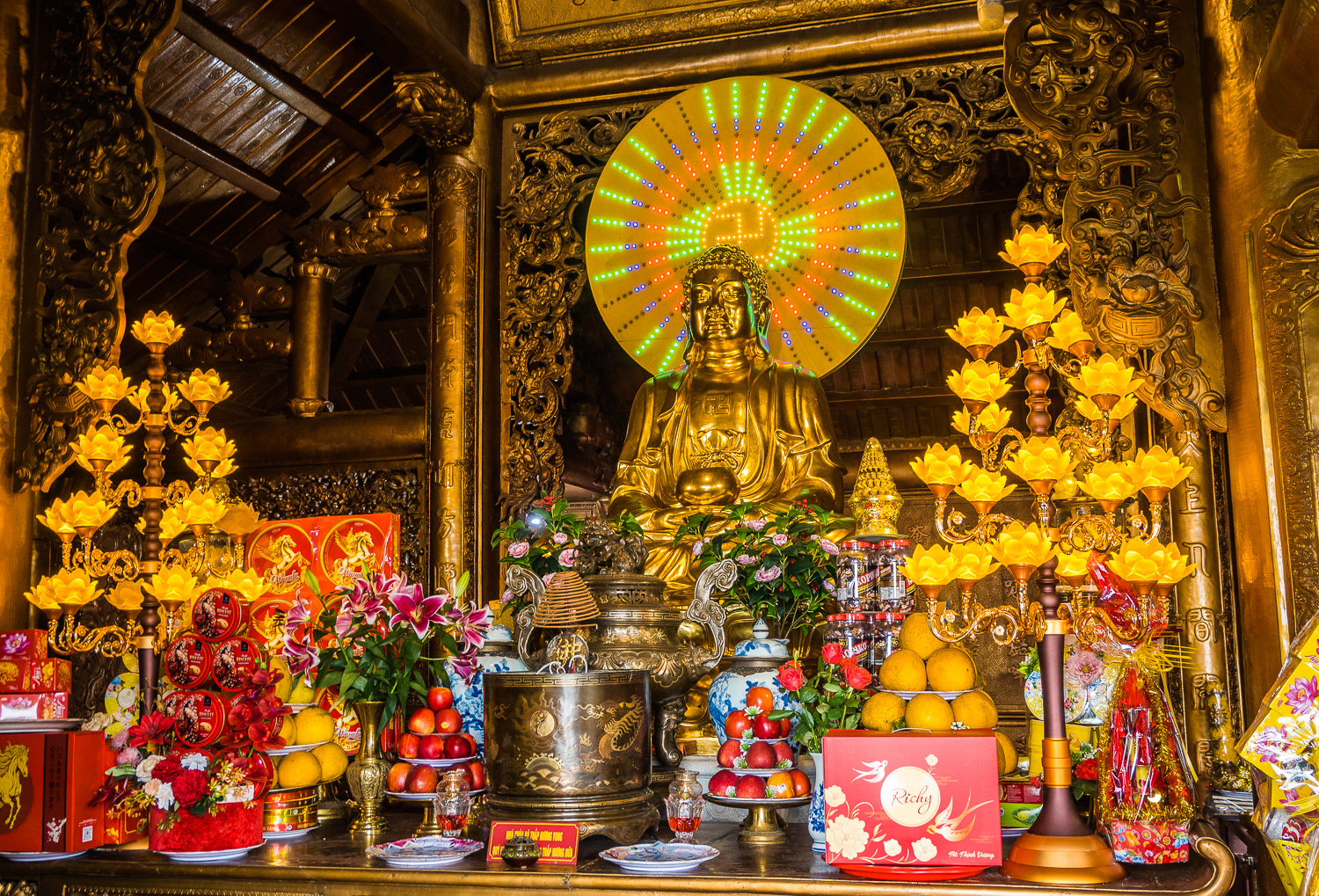
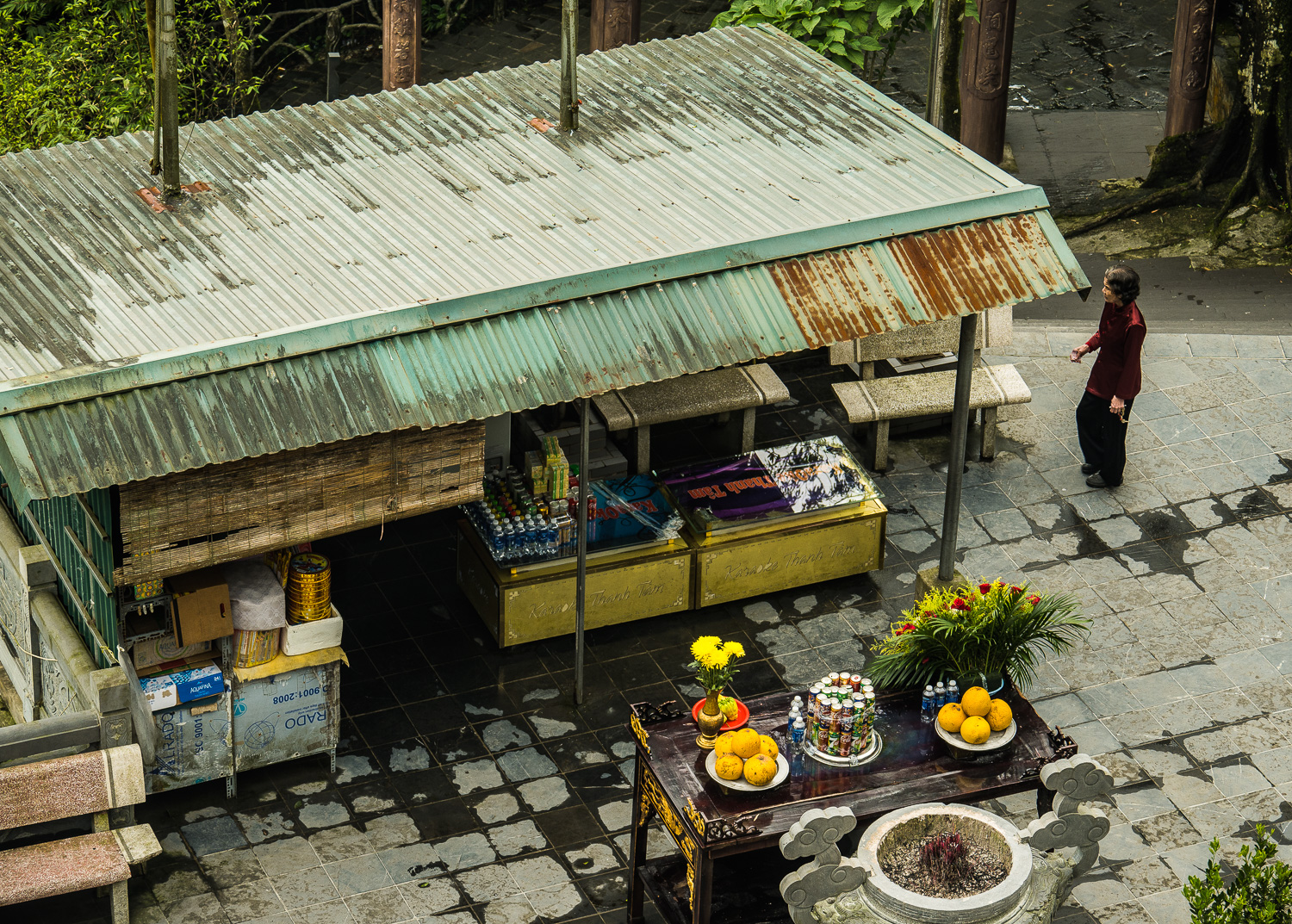
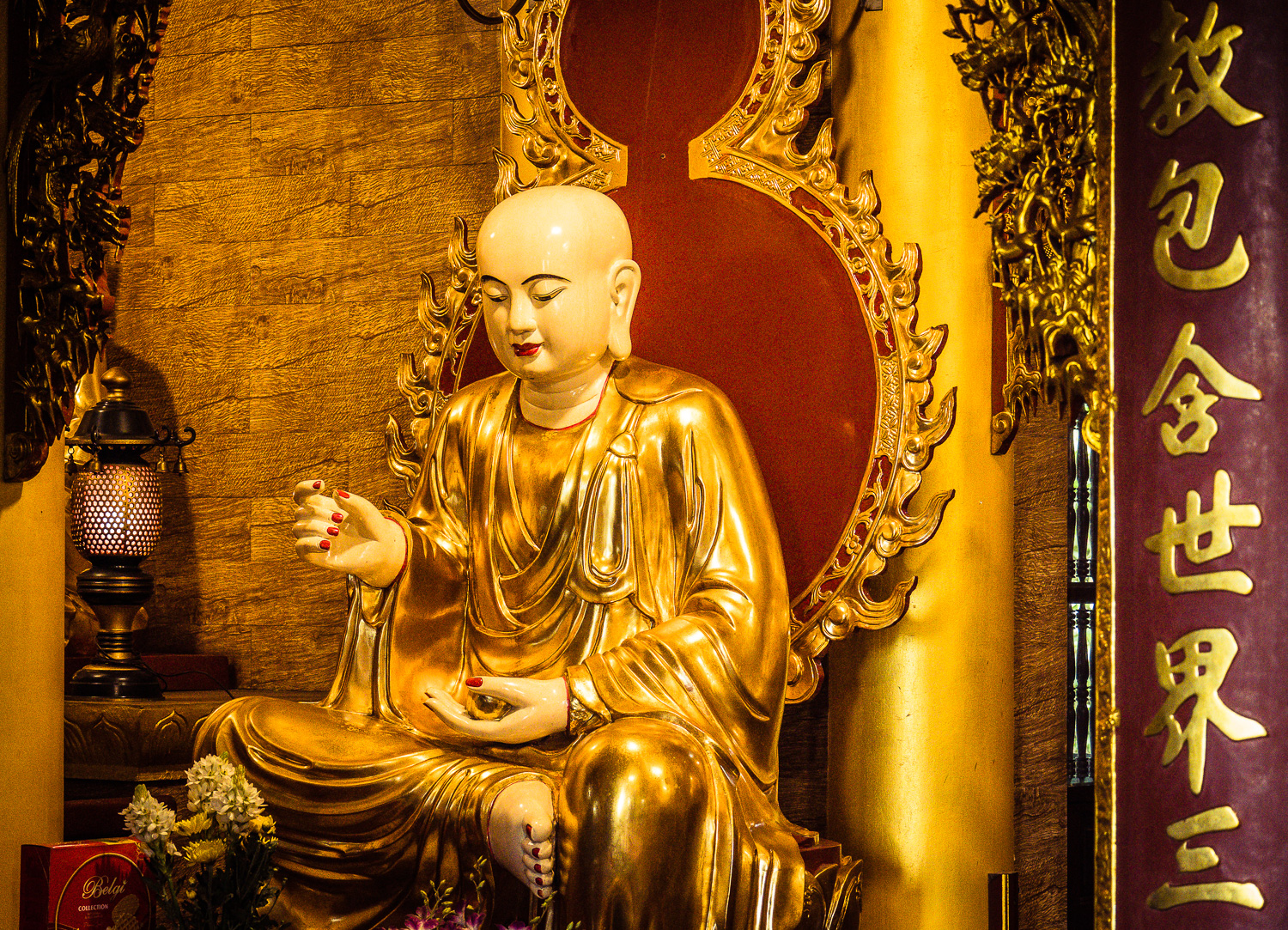
What appeared to be a serene place of peace and contemplation actually had several local family events going on (the Vietnamese are almost as noisy as the Thais!). One pagoda was belting out tribal dance music while a woman dressed in shimmering green hilltribe attire danced in front of the Chinese-style Buddha statue and threw fists of banknotes into the air (1,000 dong notes are about 1.2 baht). One of the monks in the party handed me 50,000 and said it was “blessing money.” A similar offering was happening in another of the temple pagodas.
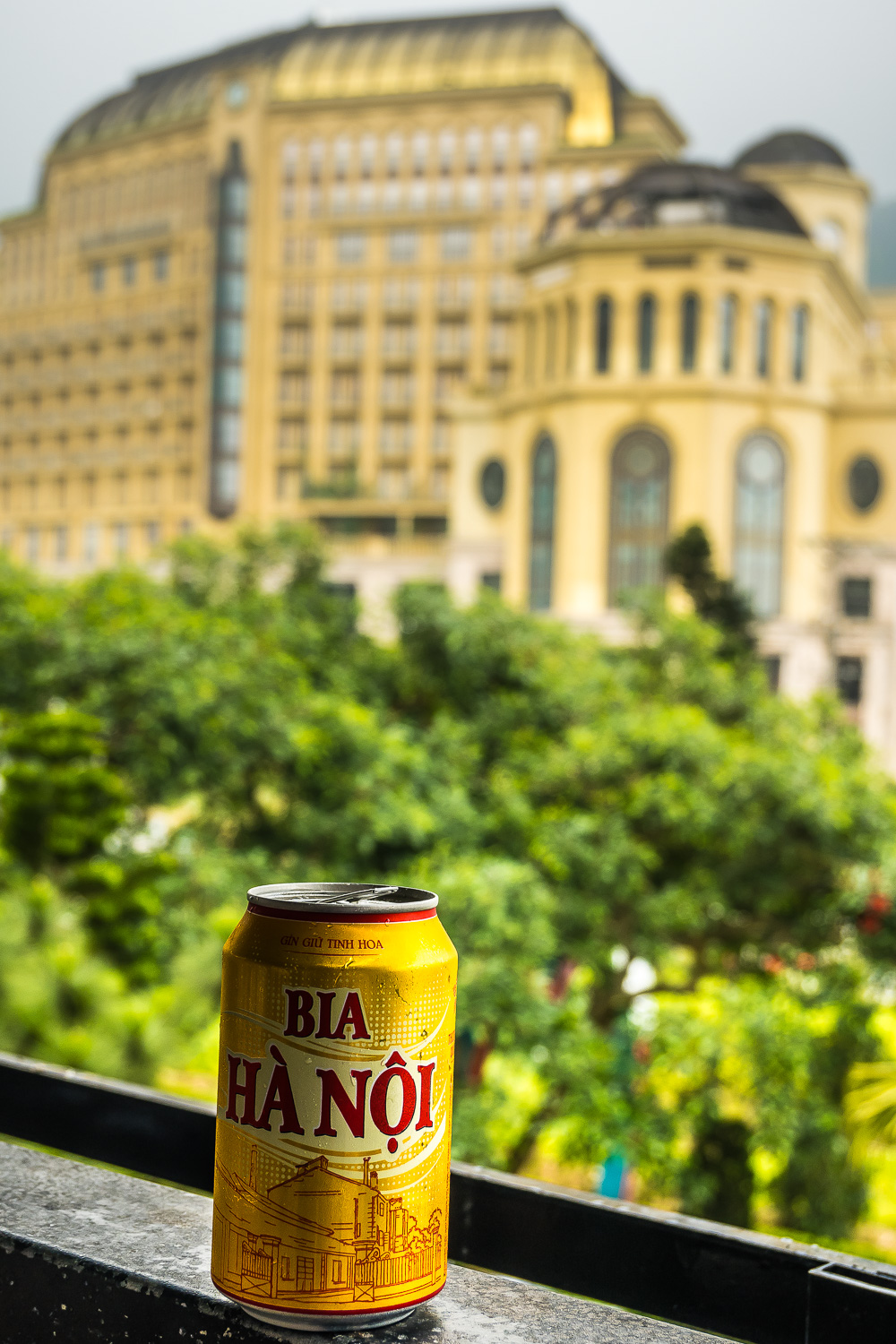
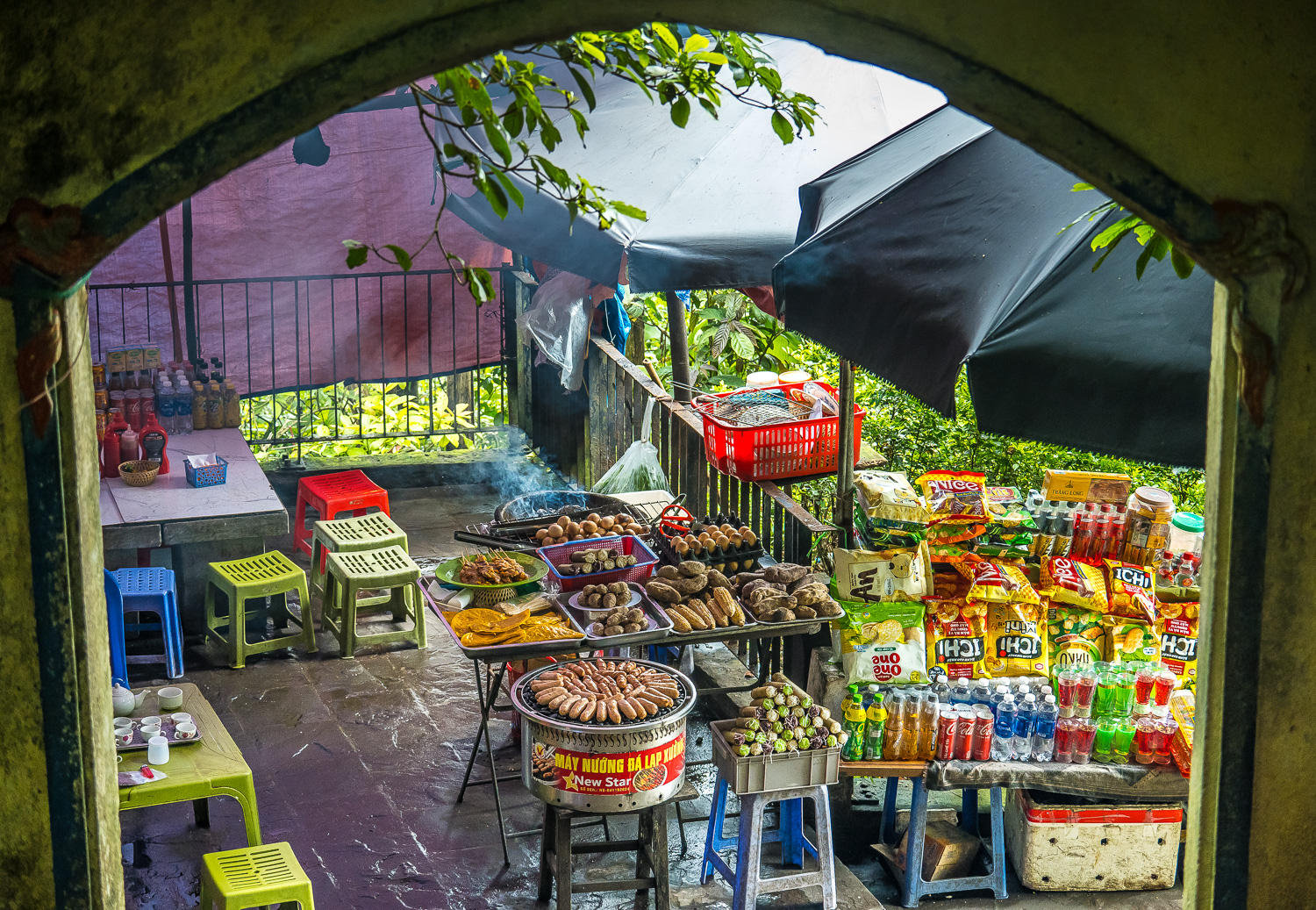
Being given money in a temple was a first for me, the second first of the day was being able to buy a beer in the grounds – Vietnam is far more tolerant than Thailand on this matter. Aside from the local merit-making, the place was a peaceful escape from town life below.
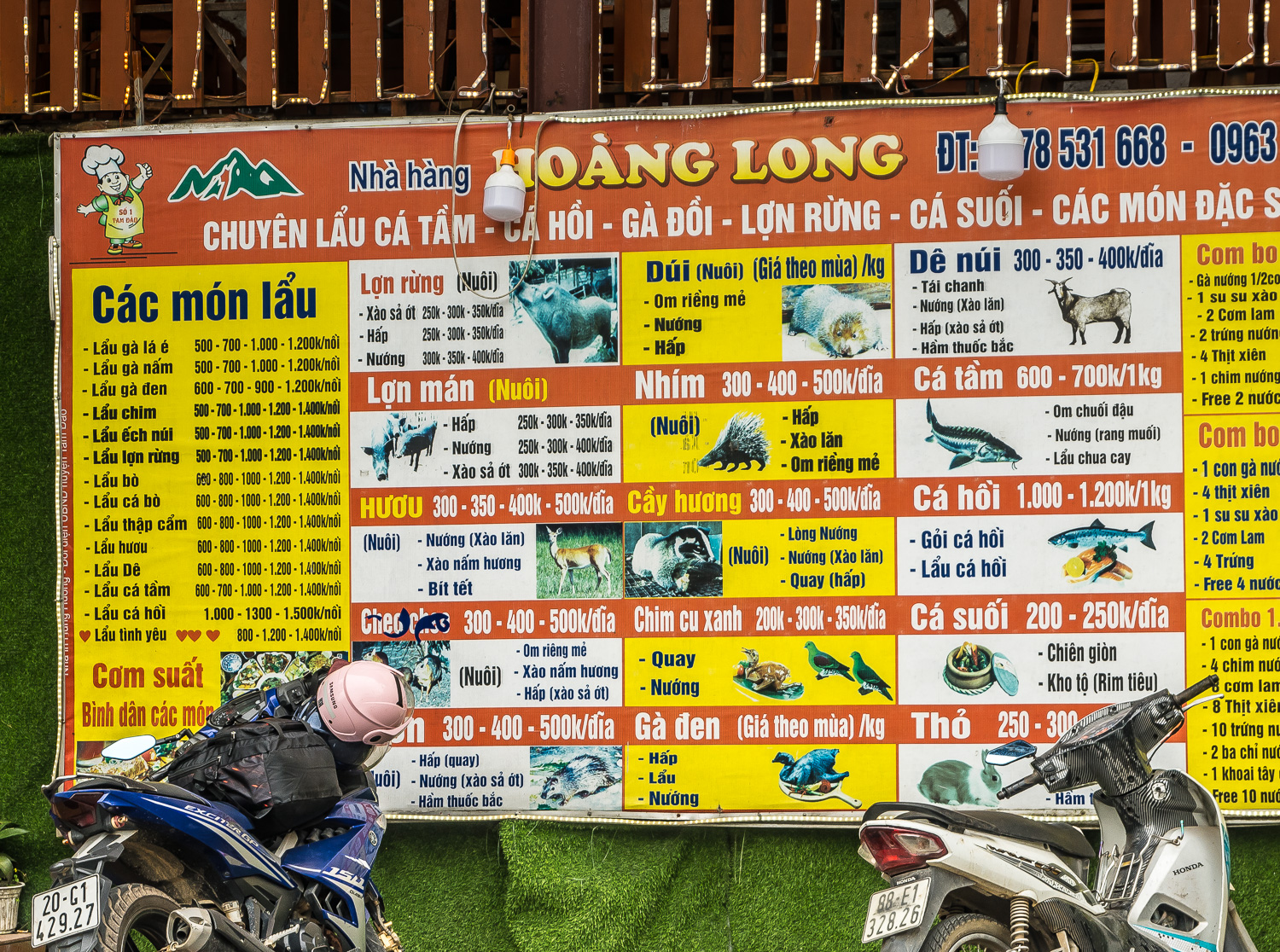
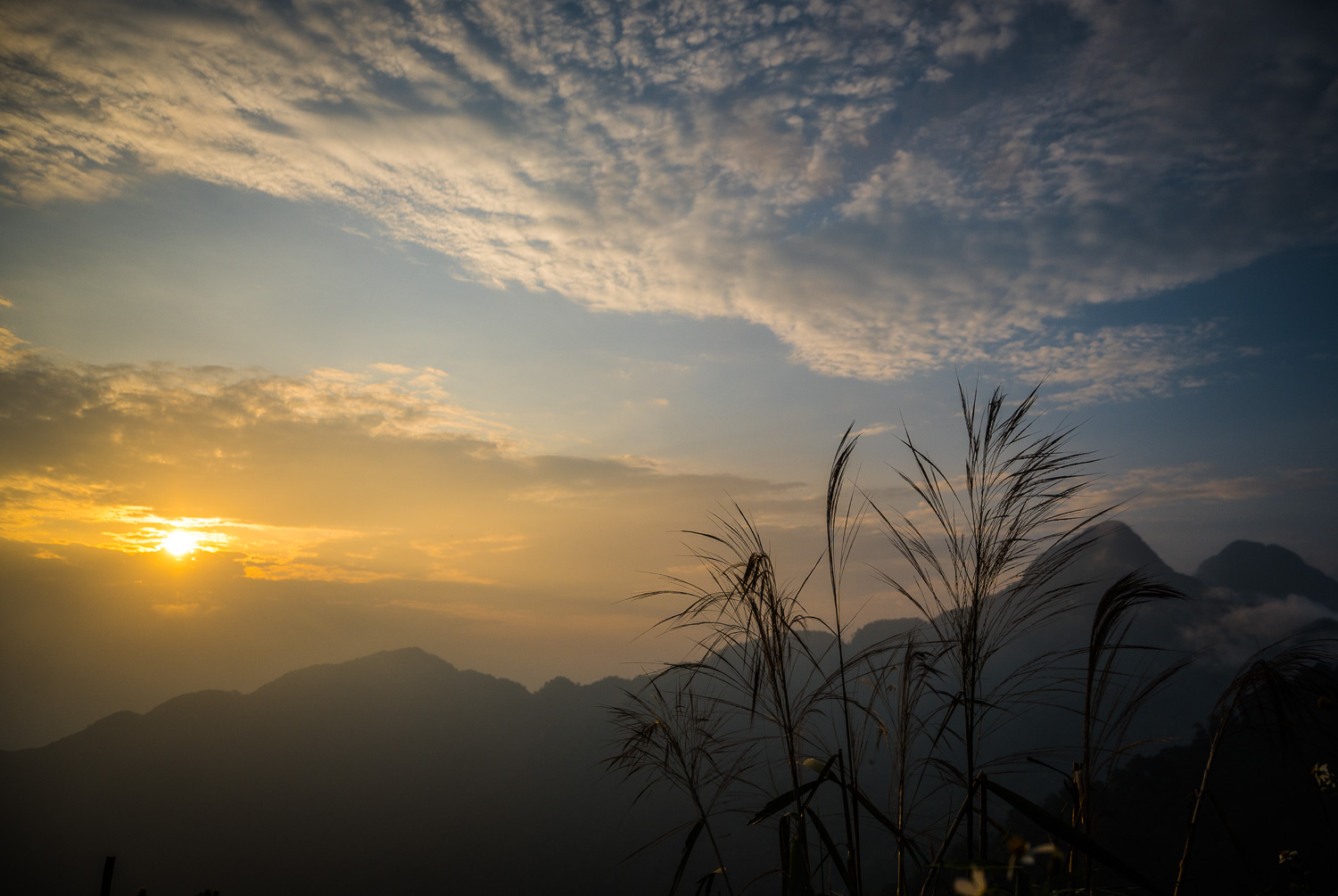
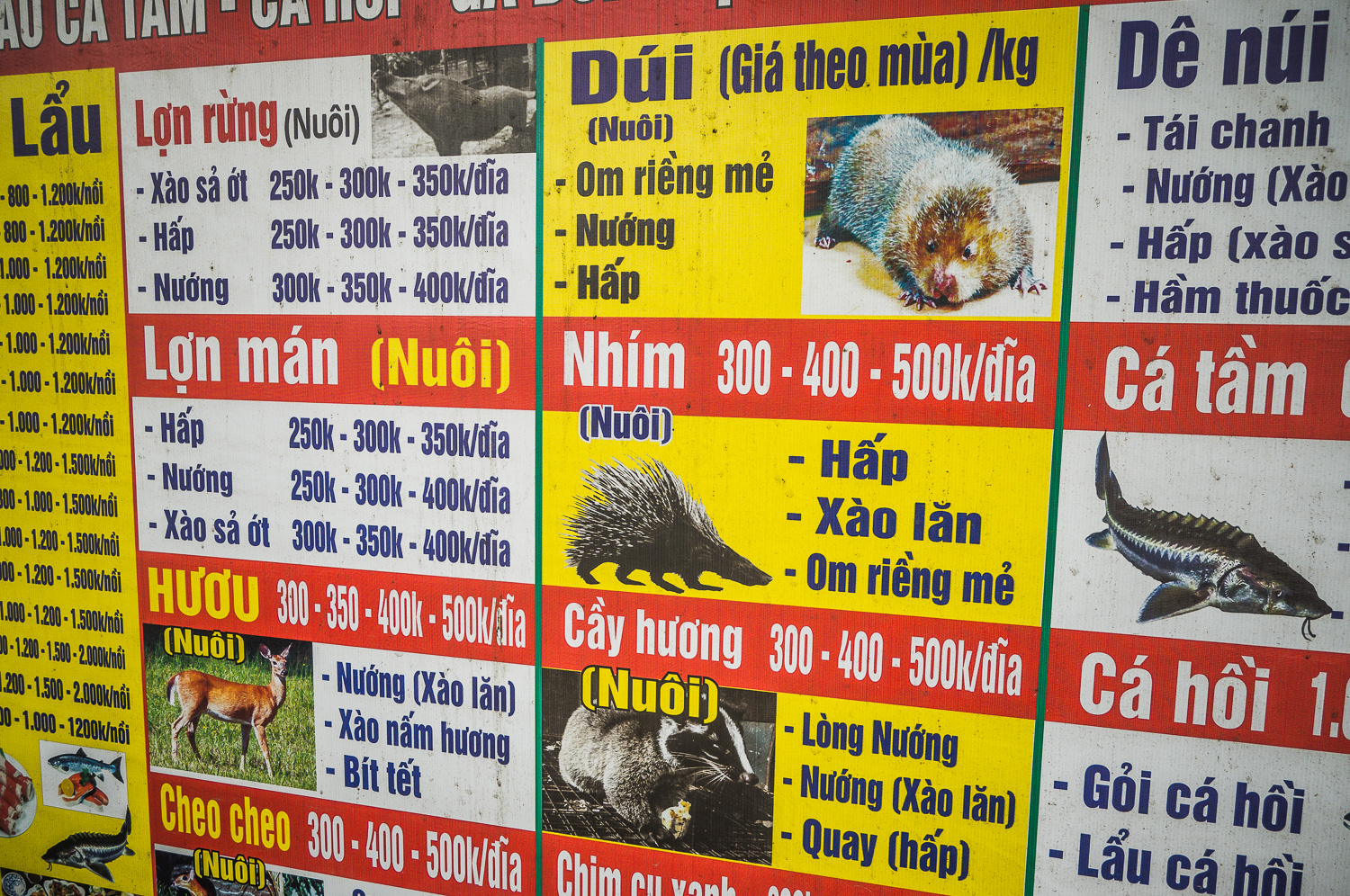
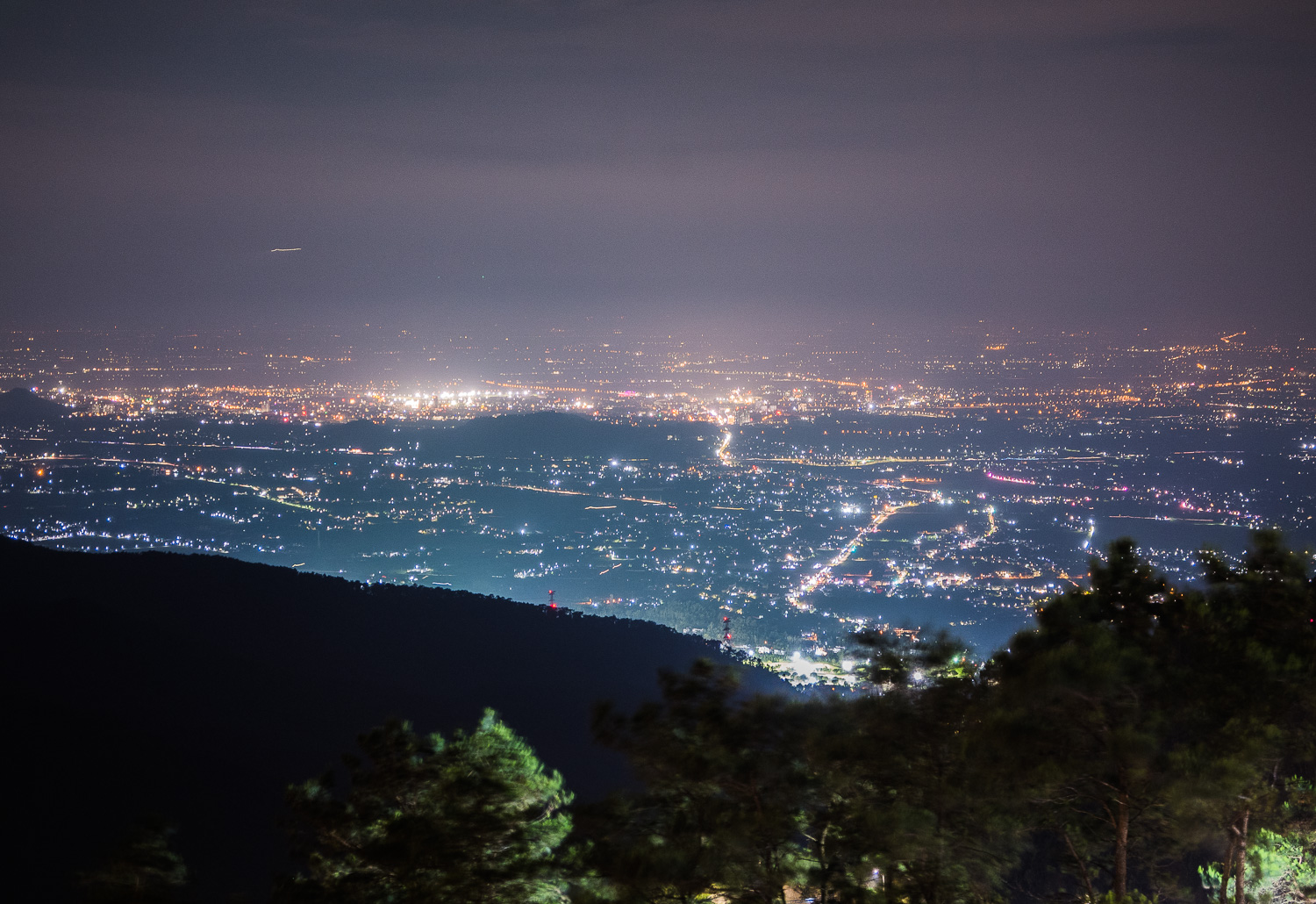
We stopped in the Winmart on the way back for some wine, as Tam Dao had virtually no supplies (or ATMs). That evening was spent back in the hill town, enjoying the sunset and a meal (not hotpot) at one of the restaurants around the square, many of which had some bizarre wildlife on the menus, including civet, porcupine, bamboo rat, and very expensive sturgeon.
Final Day
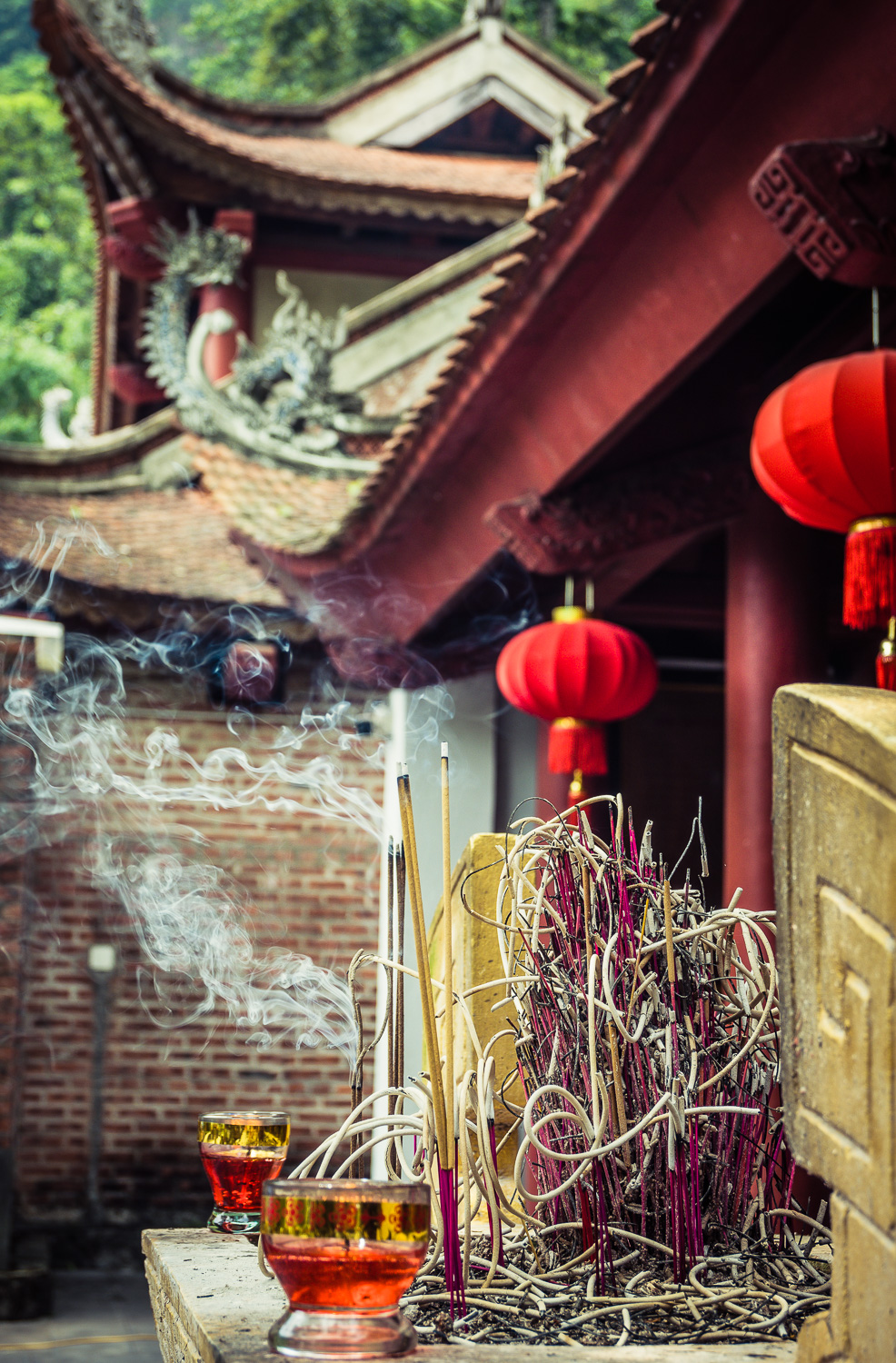
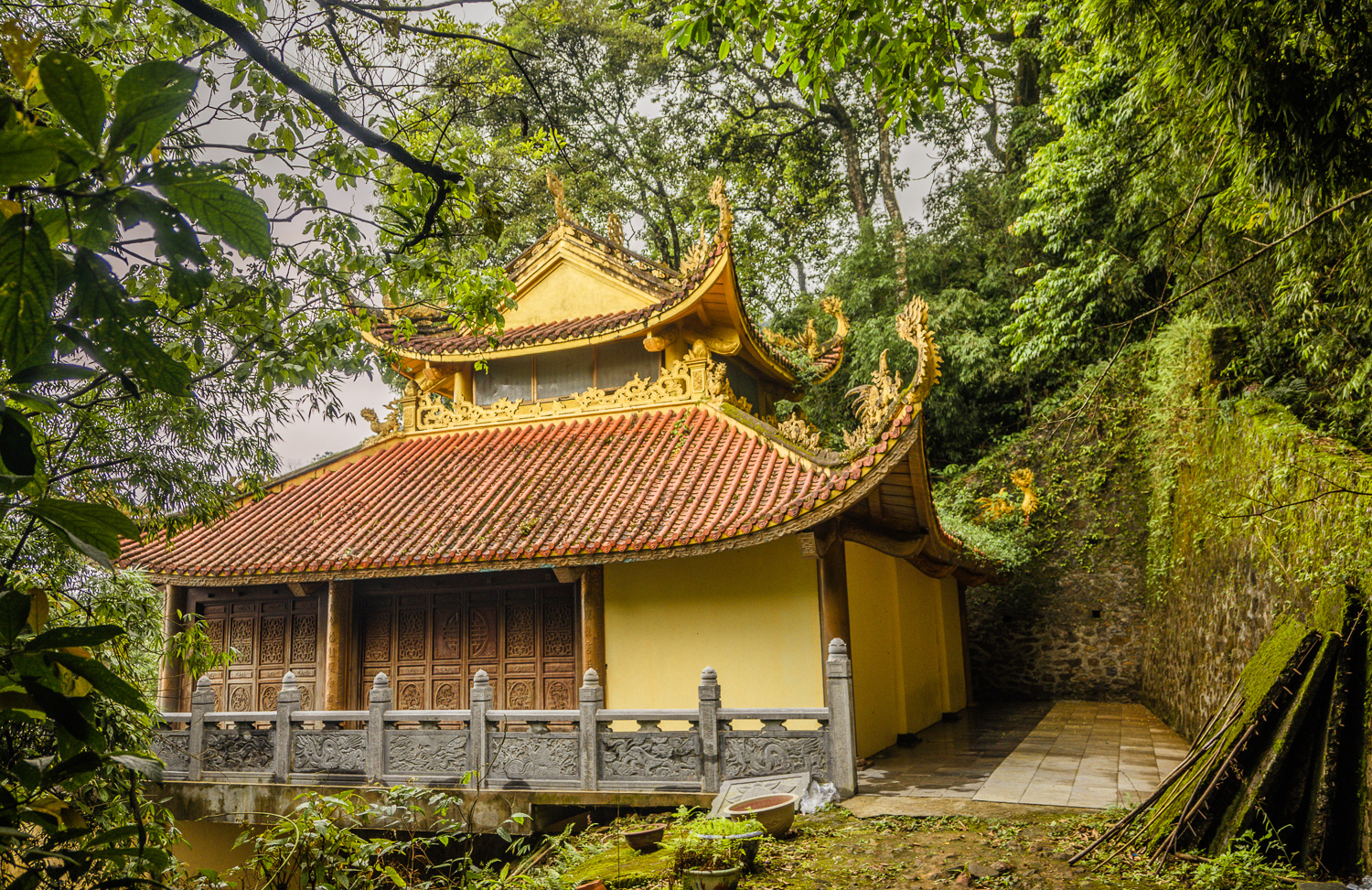
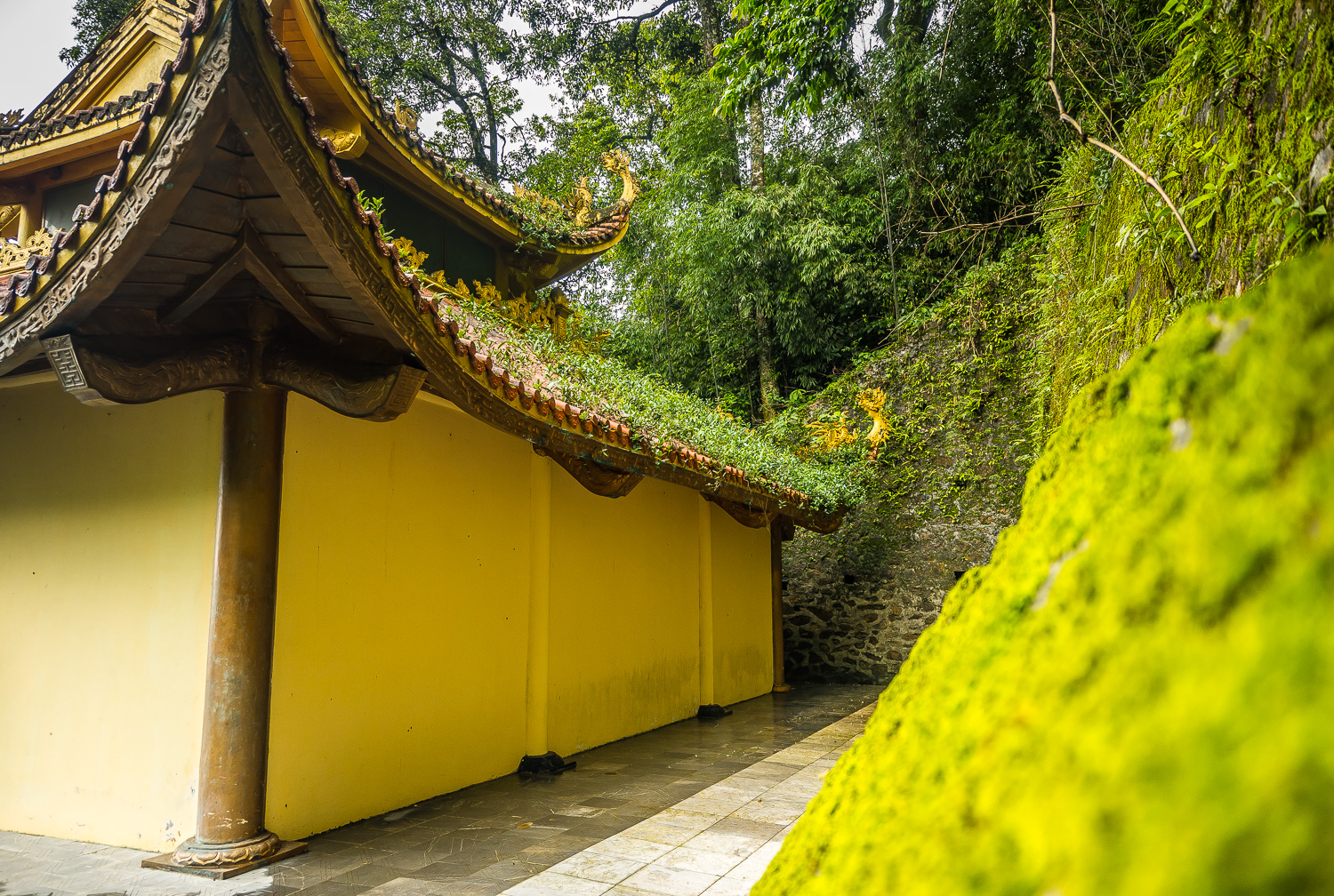
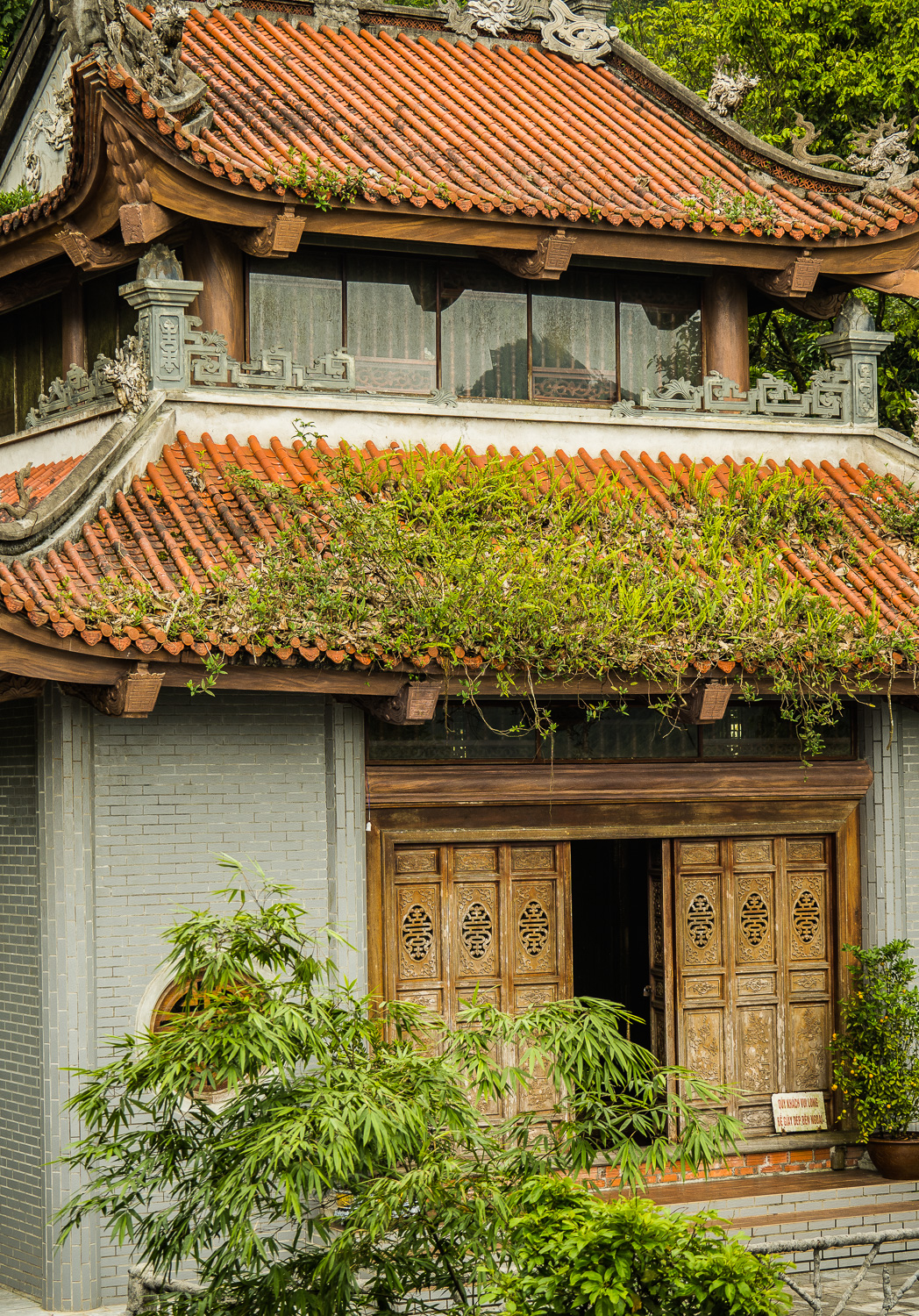
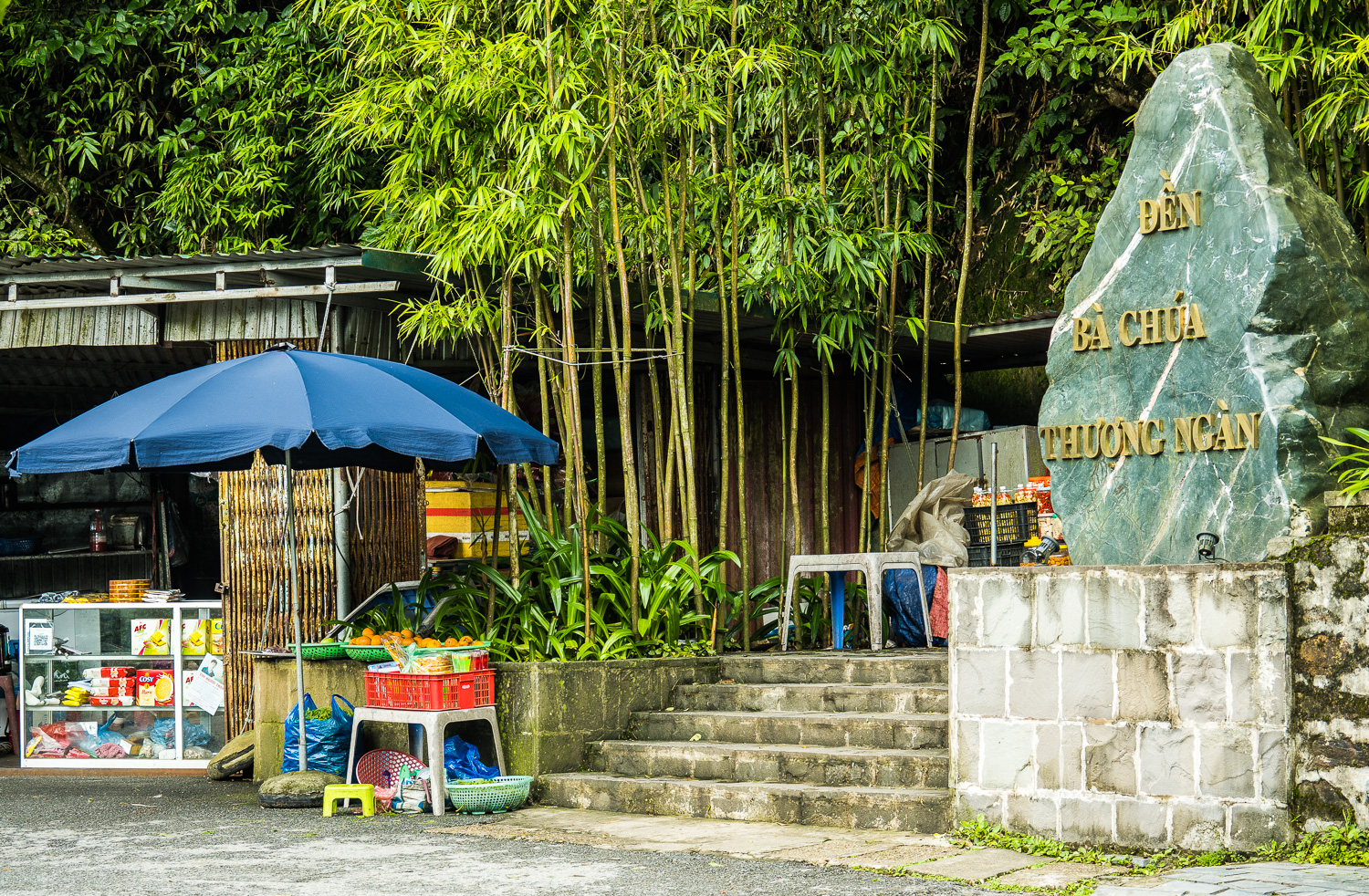
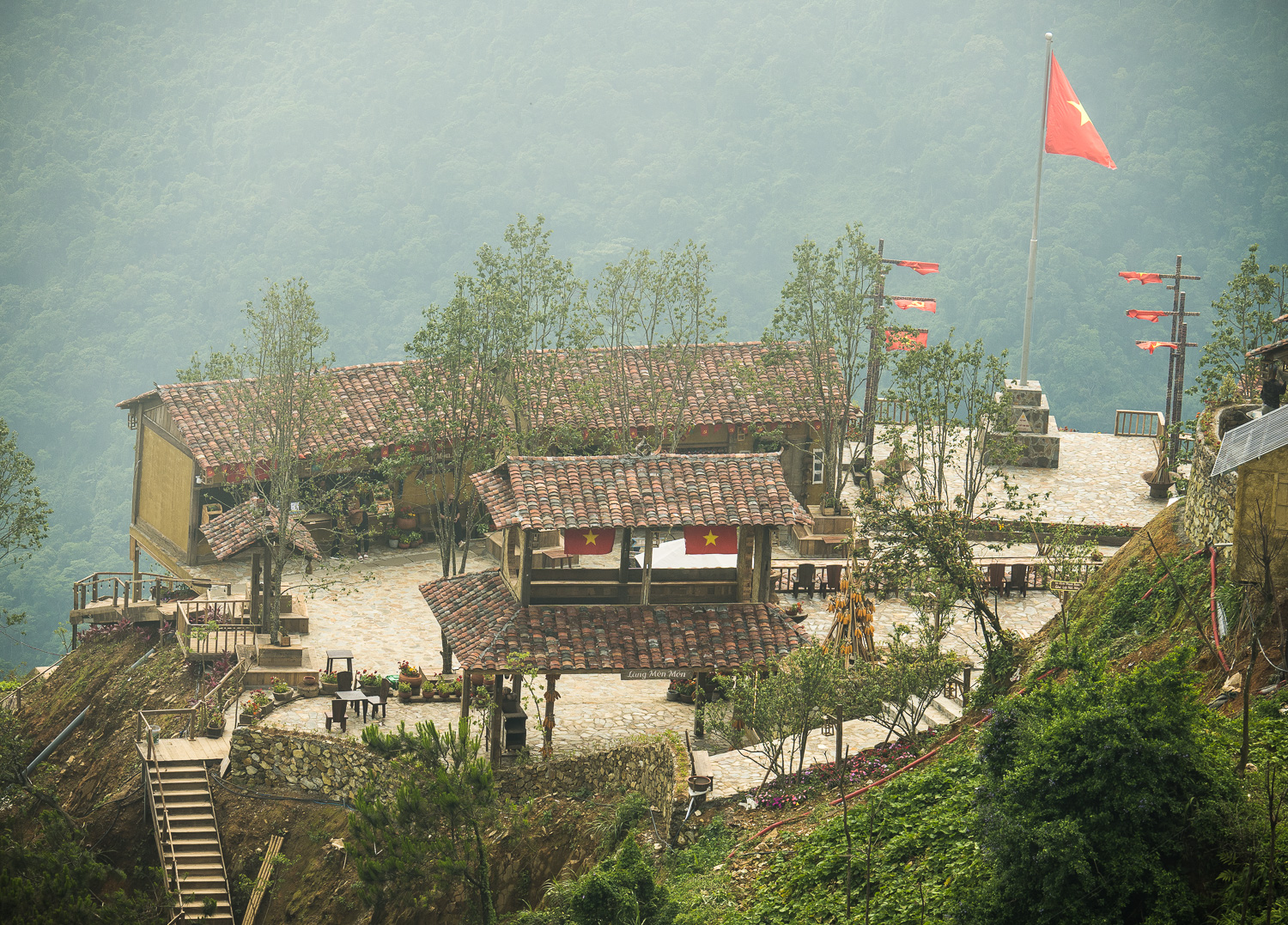
We stayed local for our last day in Vietnam and rode to a local Chinese pagoda called Lady Chua Thuong Ngan Temple for a female guardian of the forest. The place was empty and very peaceful, offering good views back over the high-rise jumble of hotels that is Tam Dao.
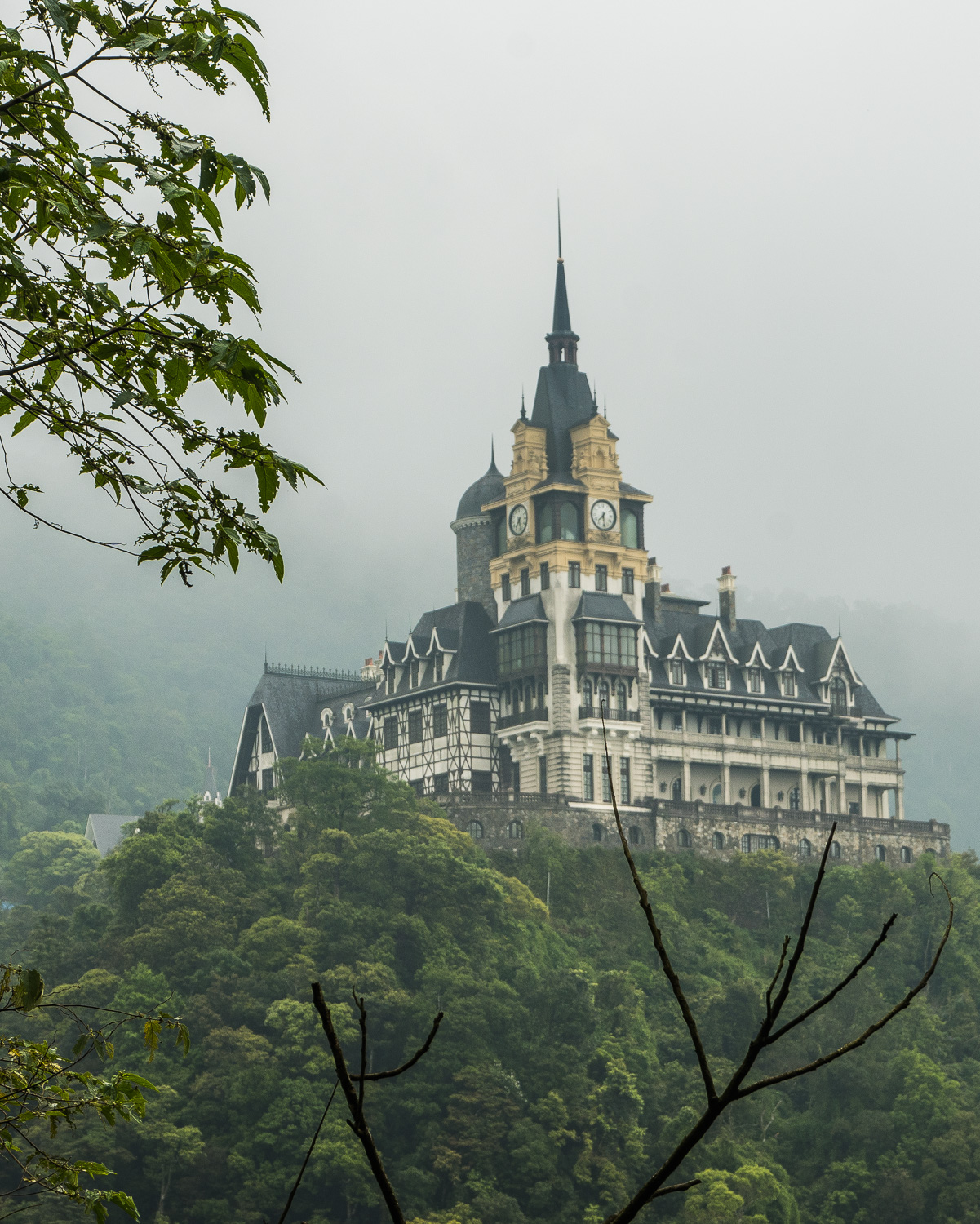
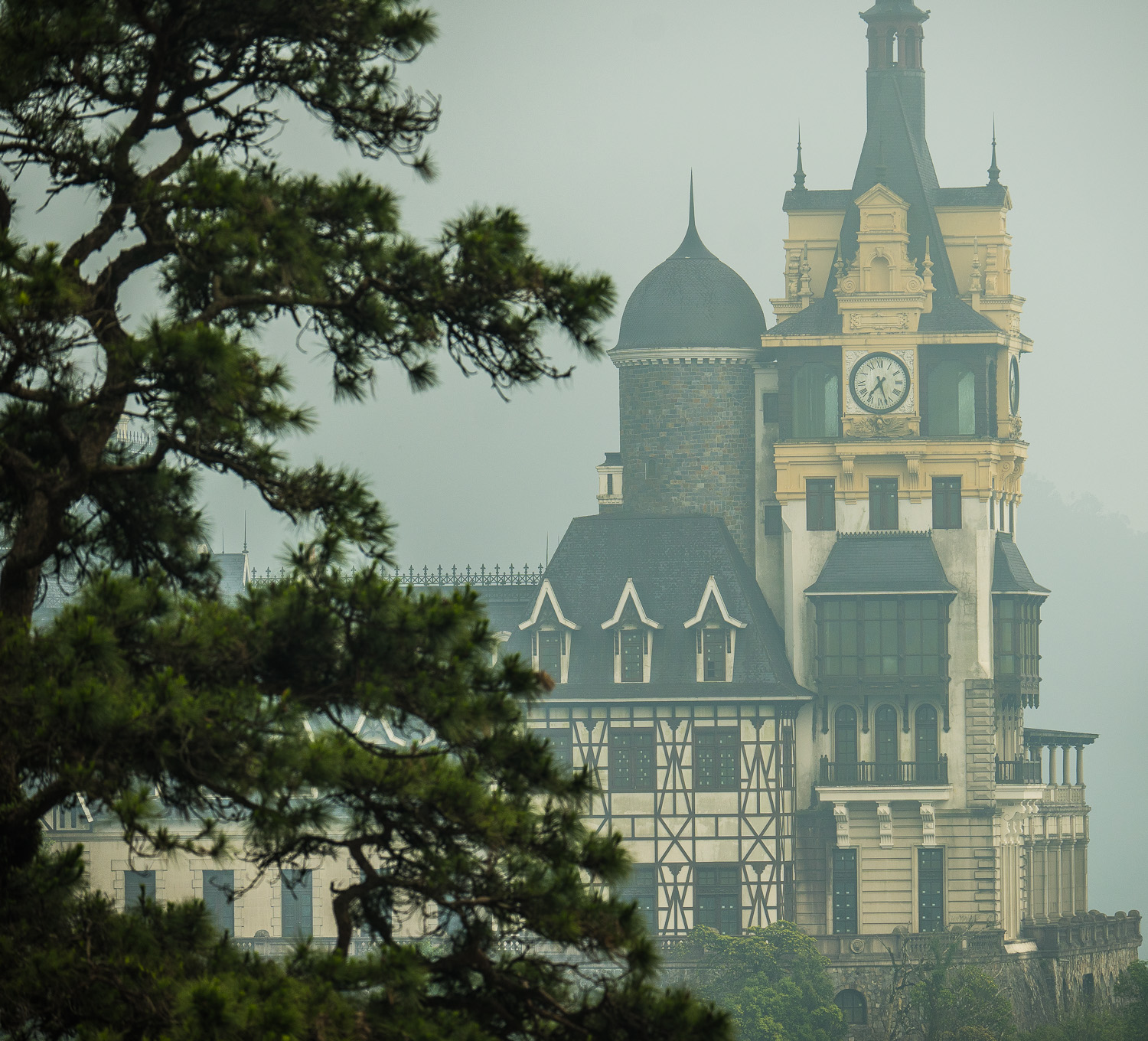
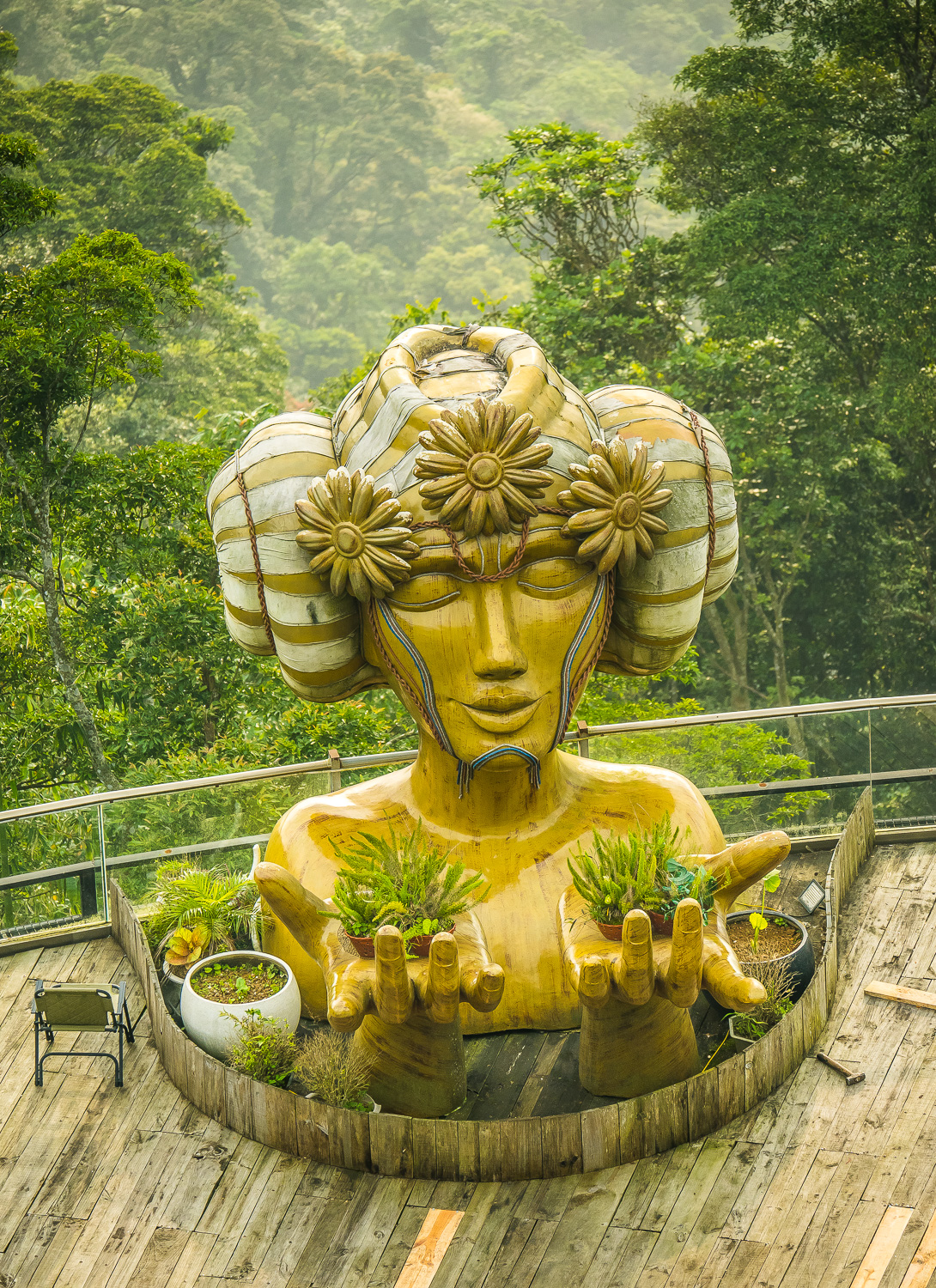
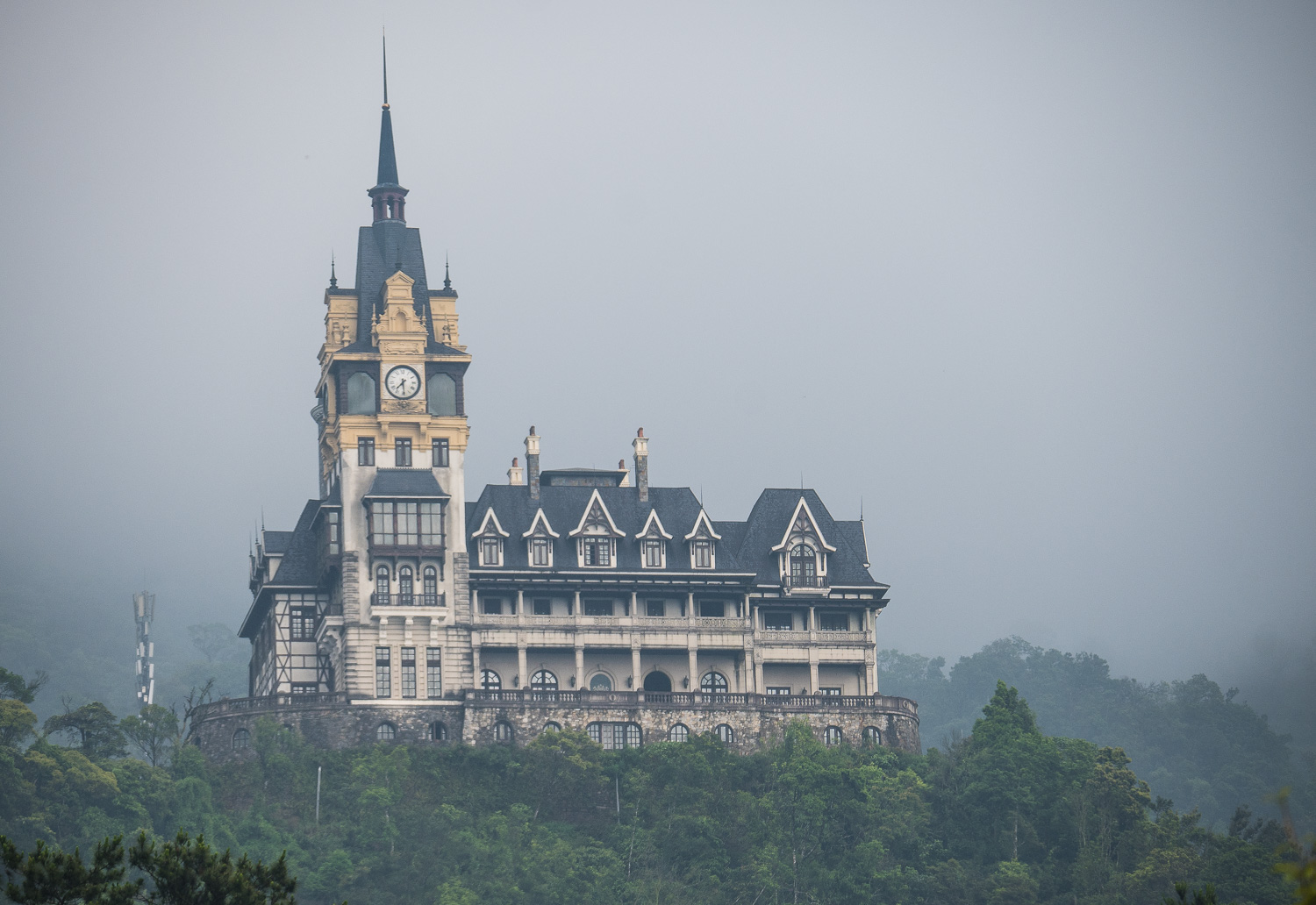
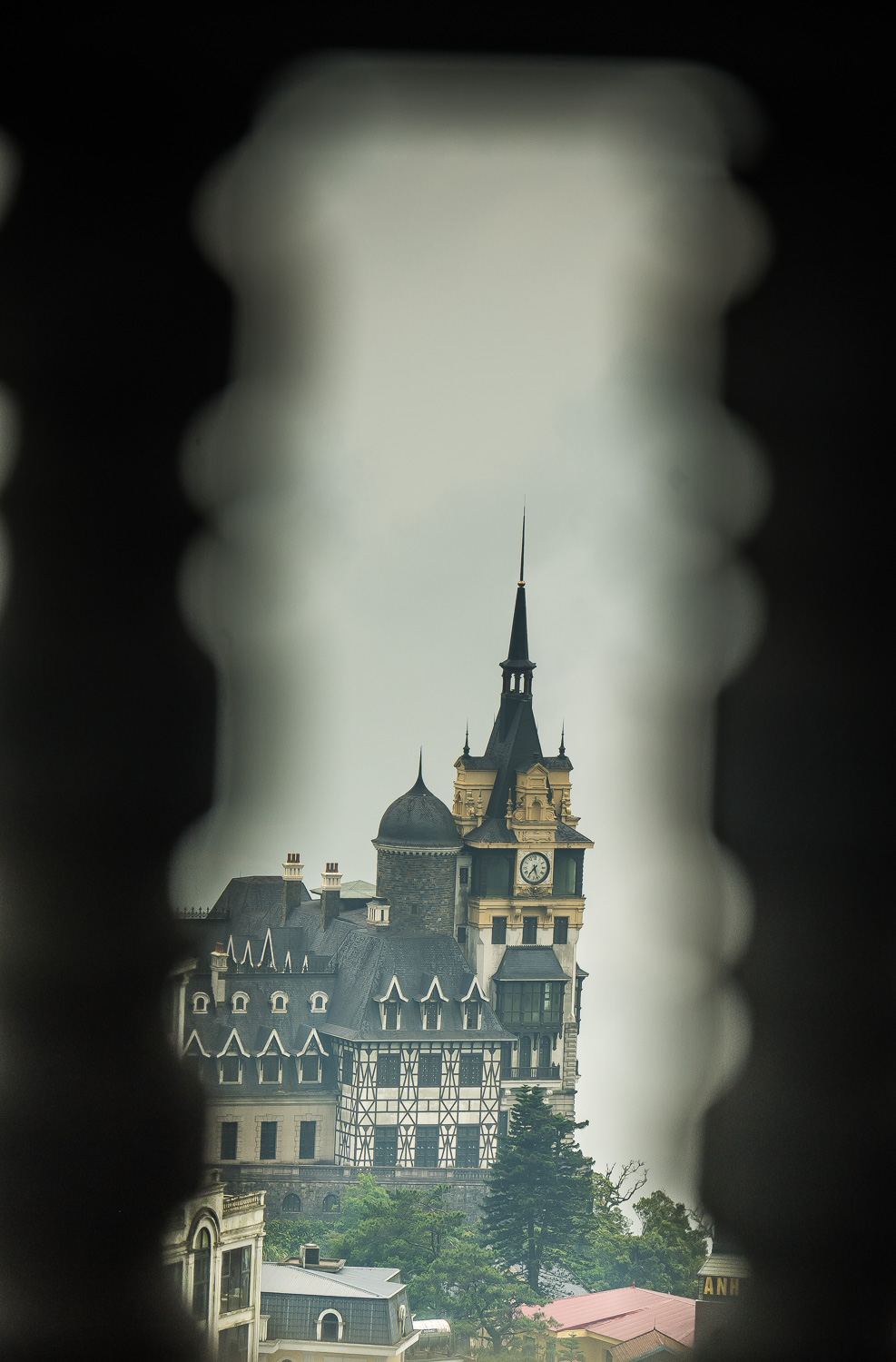
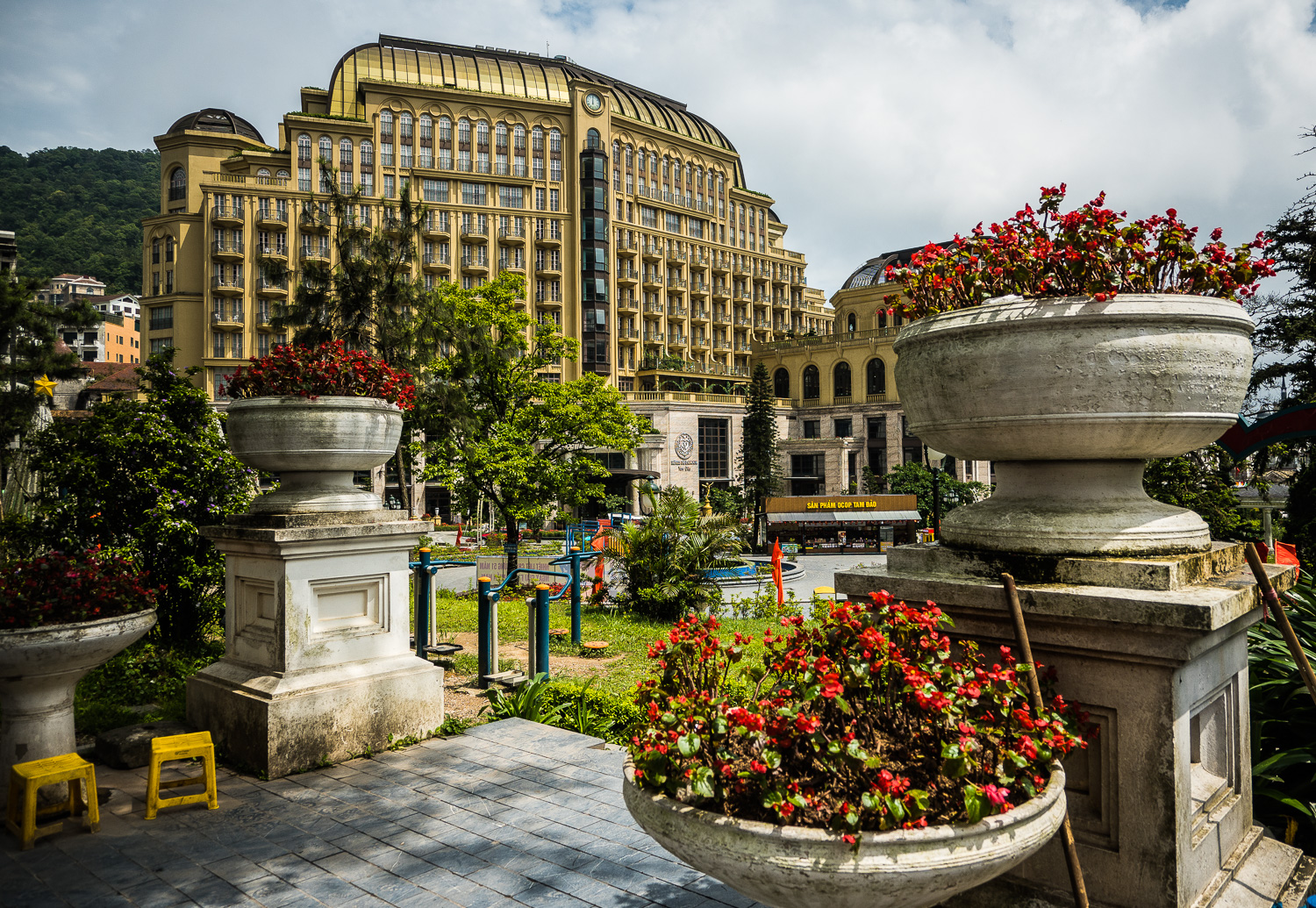
The afternoon was spent with an iced coffee, watching the mist roll in and out, shrouding the town’s main visual attraction, a faux French château for the selfie crowd that we skipped.
Tam Dao is not a quiet place, with a constant cacophony of karaoke, construction, and ever-present screeching roosters. It was interesting to see how the Hanoi weekend warriors enjoy themselves in Vietnam’s version of Hua Hin, but not somewhere we’ll be returning to in a hurry!
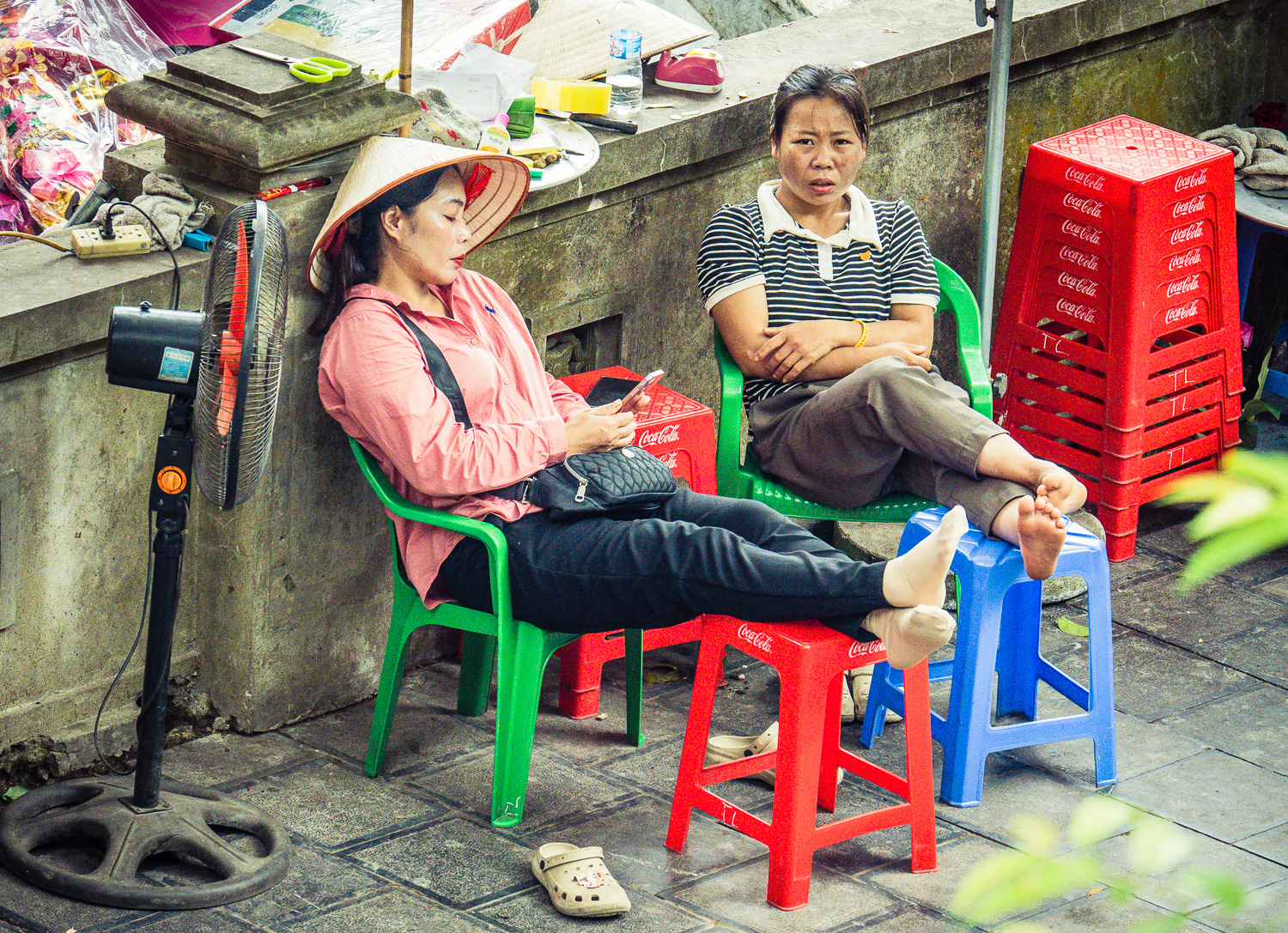
Vietnam has changed a lot since our last visit almost 15 years ago. It has developed at a pace exceeding its regional rival, Thailand, and is now an economic and manufacturing powerhouse. The swarms of beat-up motorcycles have been replaced with sleek and silent Vinfast EVs, the bia hoi outlets with the tiny stools have morphed into Instagram cafes with selfie stations, the ‘Banh mi’ street vendors have all but disappeared, while the tourism industry, both domestic and international, has boomed with major improvements in transport connections and facilities.
However, the chaos of Vietnamese street life is still the lifeblood of many cities, and prices remain a fraction of those in Thailand for most items despite the inflation. Items include clothing, coffee, alcohol, confectionery, general groceries, and transport/taxis, but even motorcycles and cars are much less, and there is no dual pricing. It is obvious to see why Vietnam will soon surpass Thailand for international tourism.
Communism cloaked in capitalism seems to be working for the people, as many appear to have a much better lifestyle now than previously. It seems the opposite is happening in Thailand, where military dictatorship disguised as “democracy” continues to enrich the elite at the expense of the masses, who are drowning in debt.
Previous: Vinh Yen