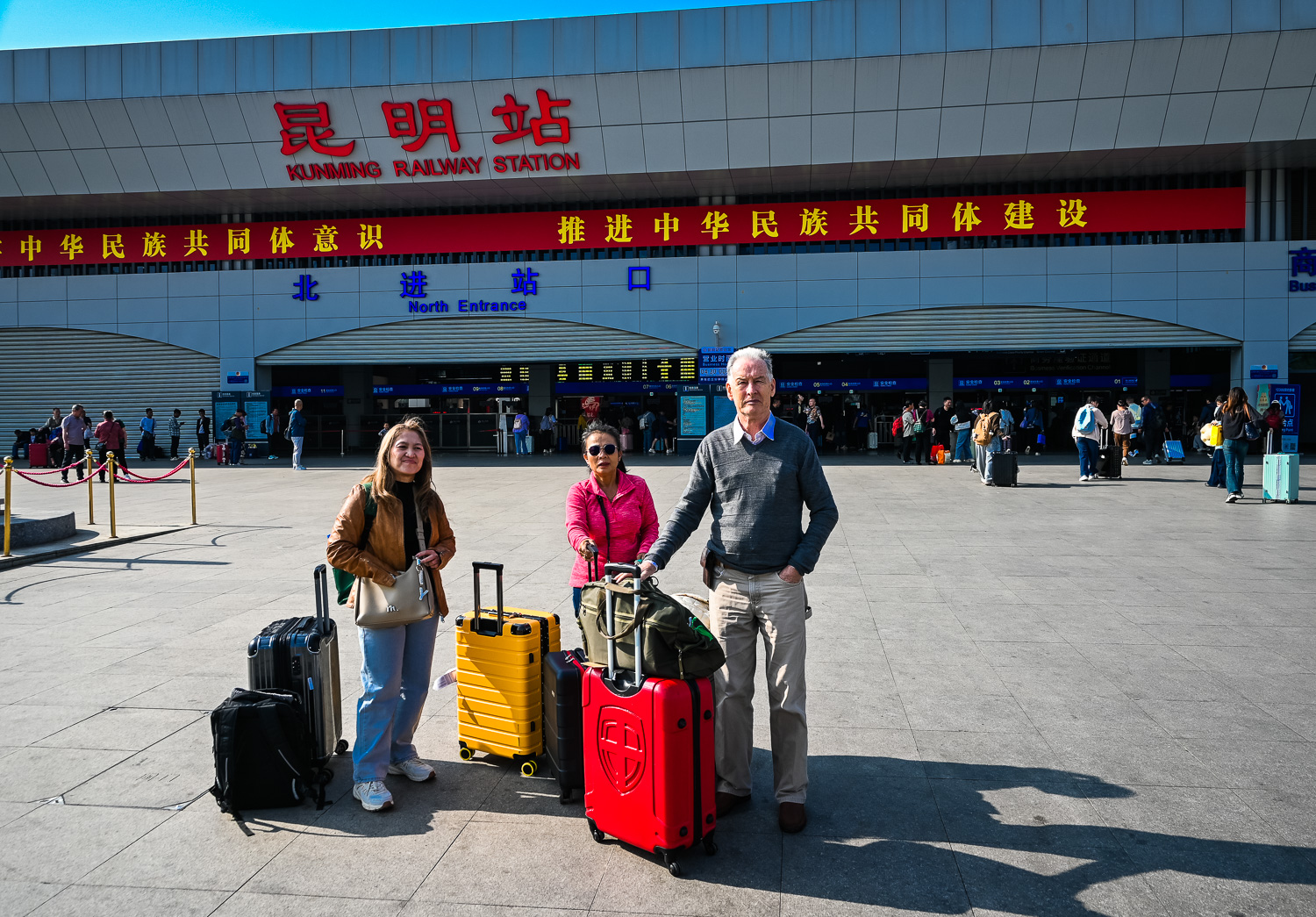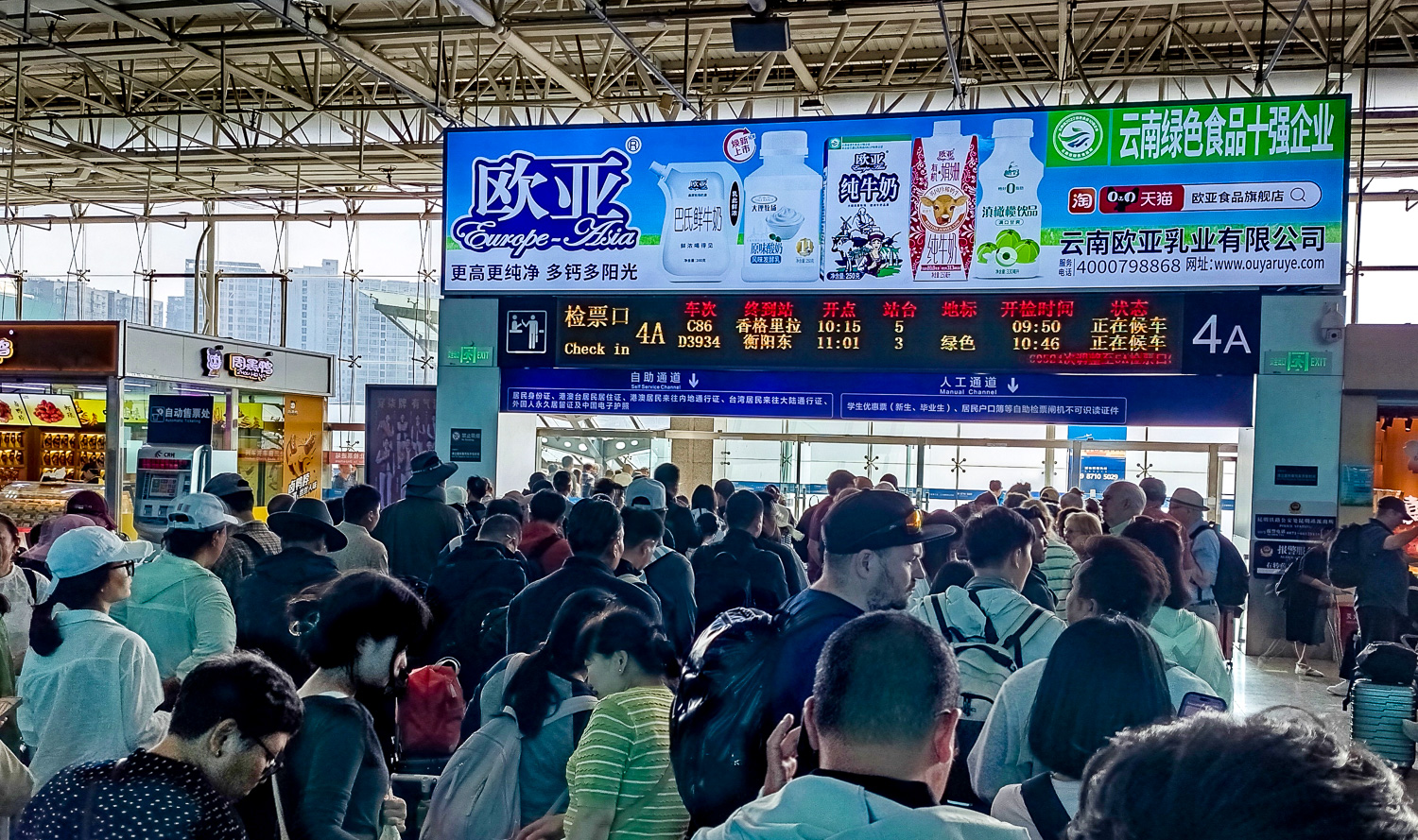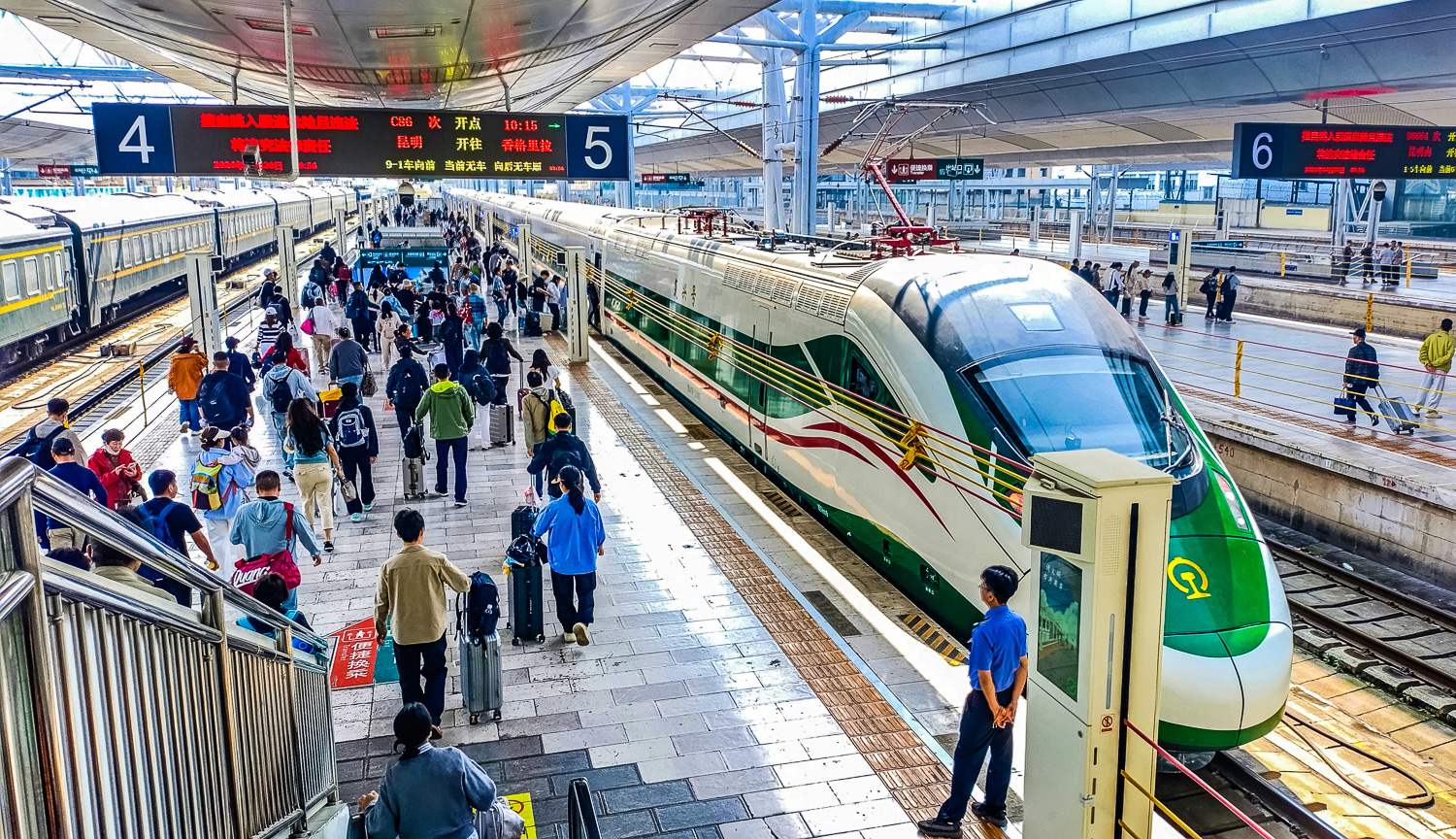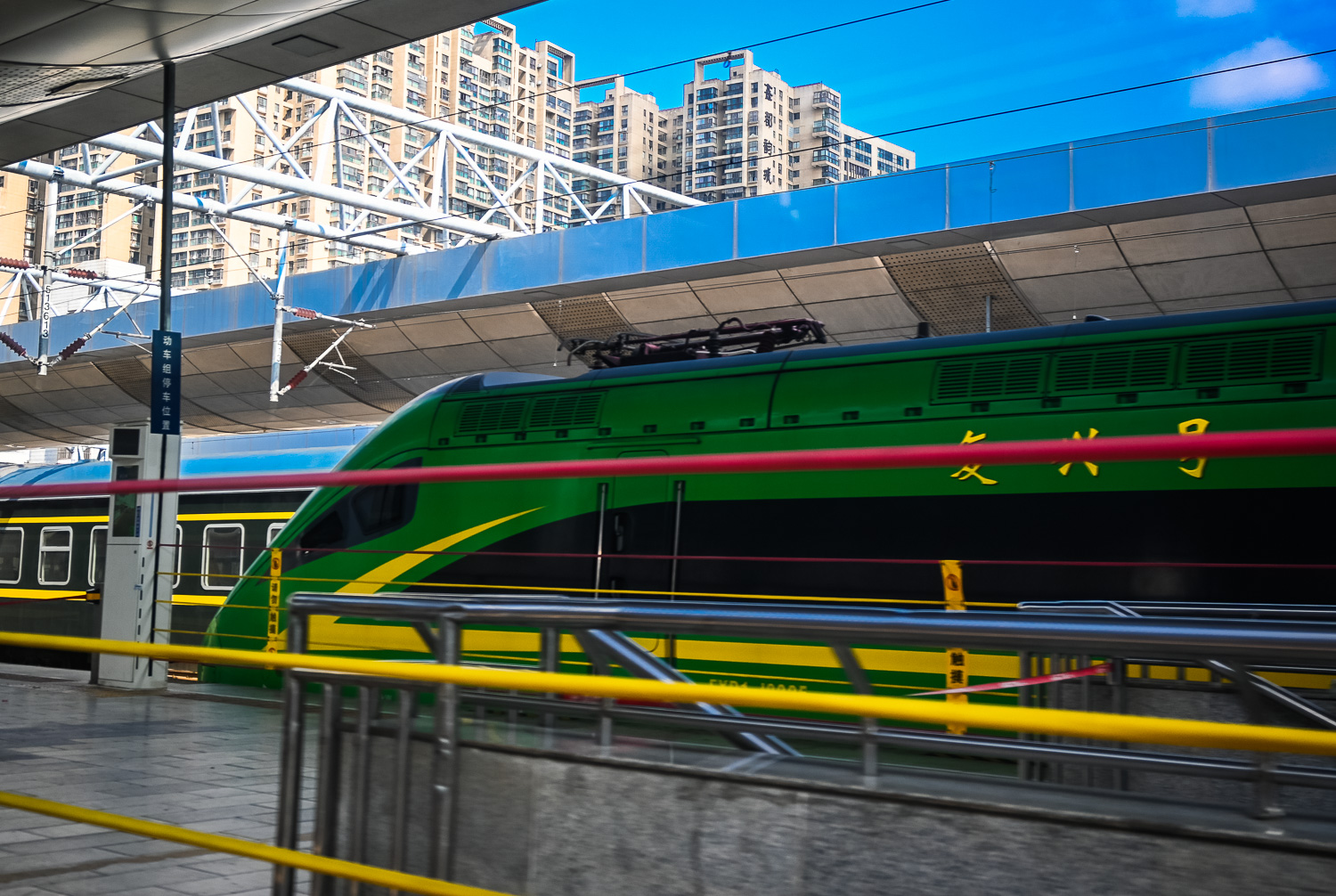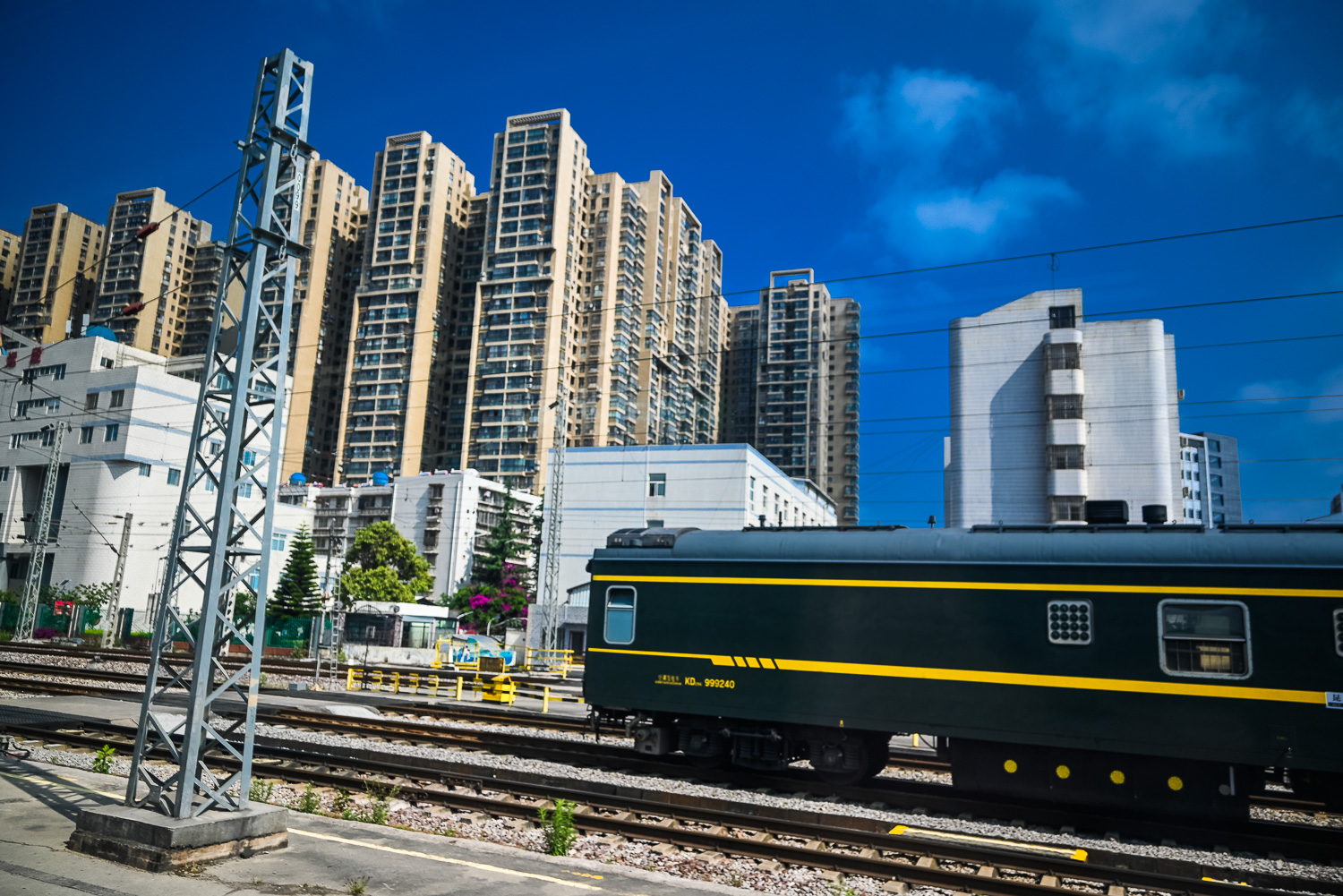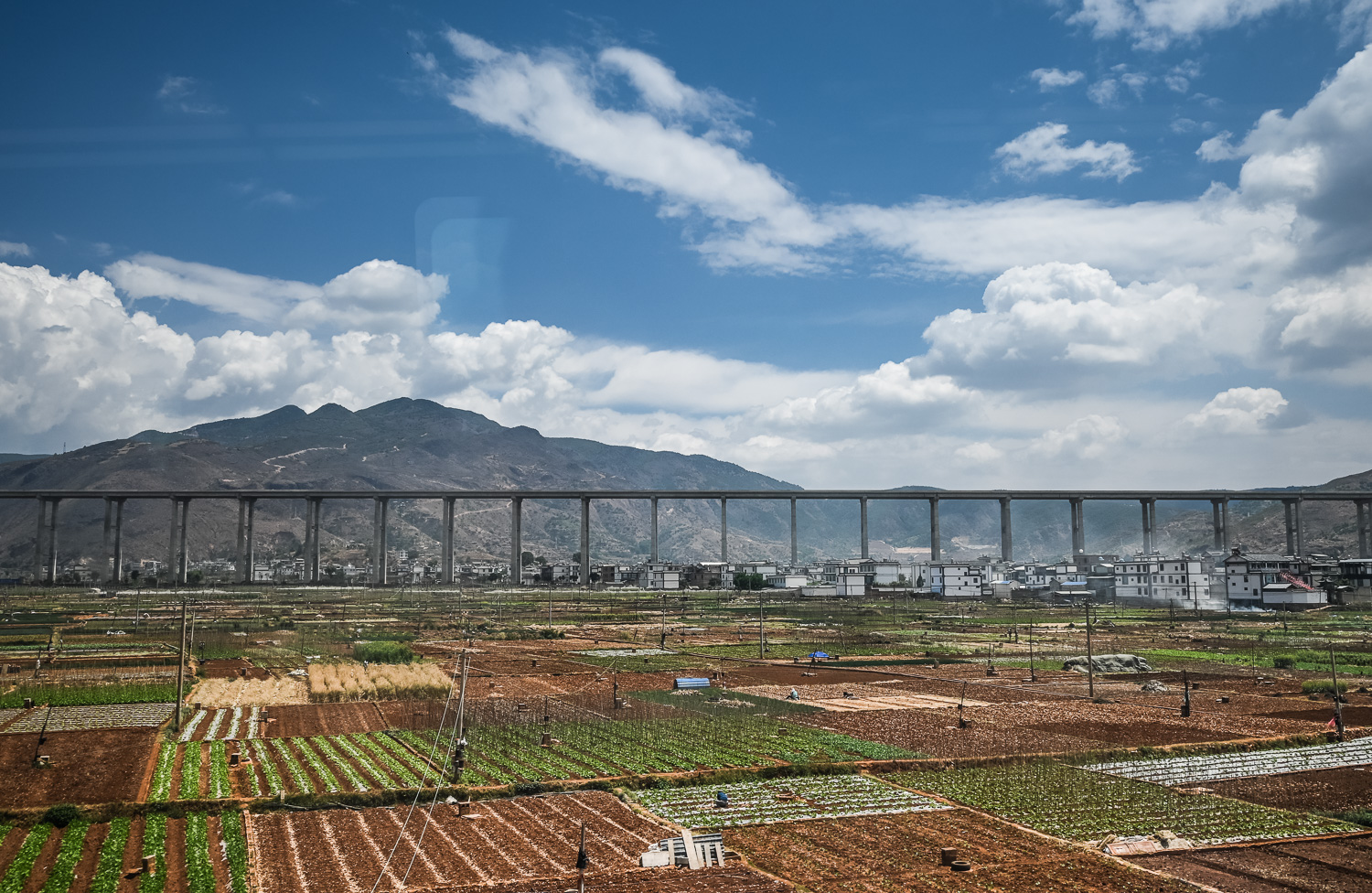
We were up early and over to the sprawling Kunming station to take a bullet train north to Lijiang. Trains can be booked online and are very reasonably priced. Our C86 left at 10.30 on the dot and took 3.5 hours; boarding was done by scanning our passports, no tickets required.
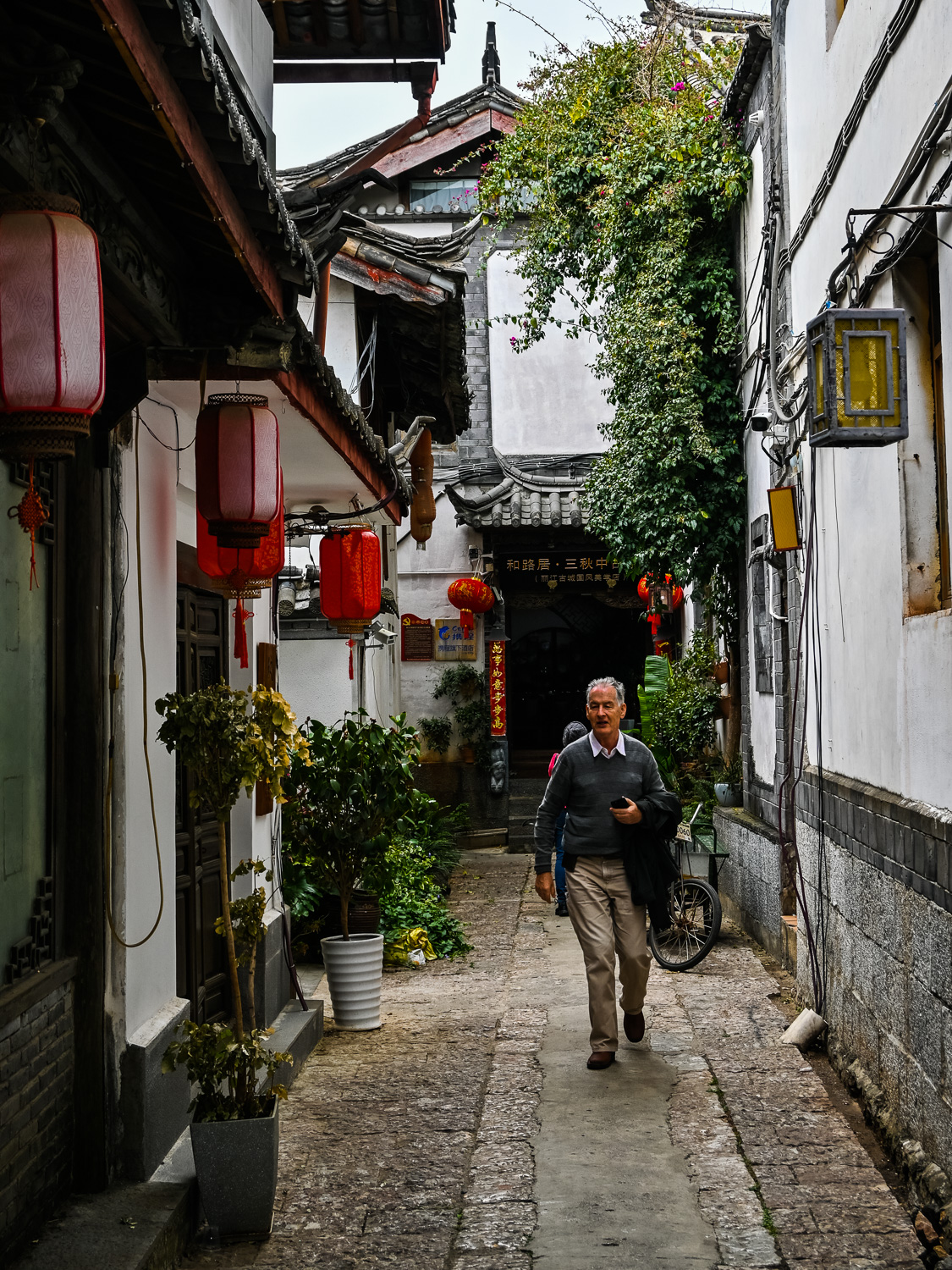
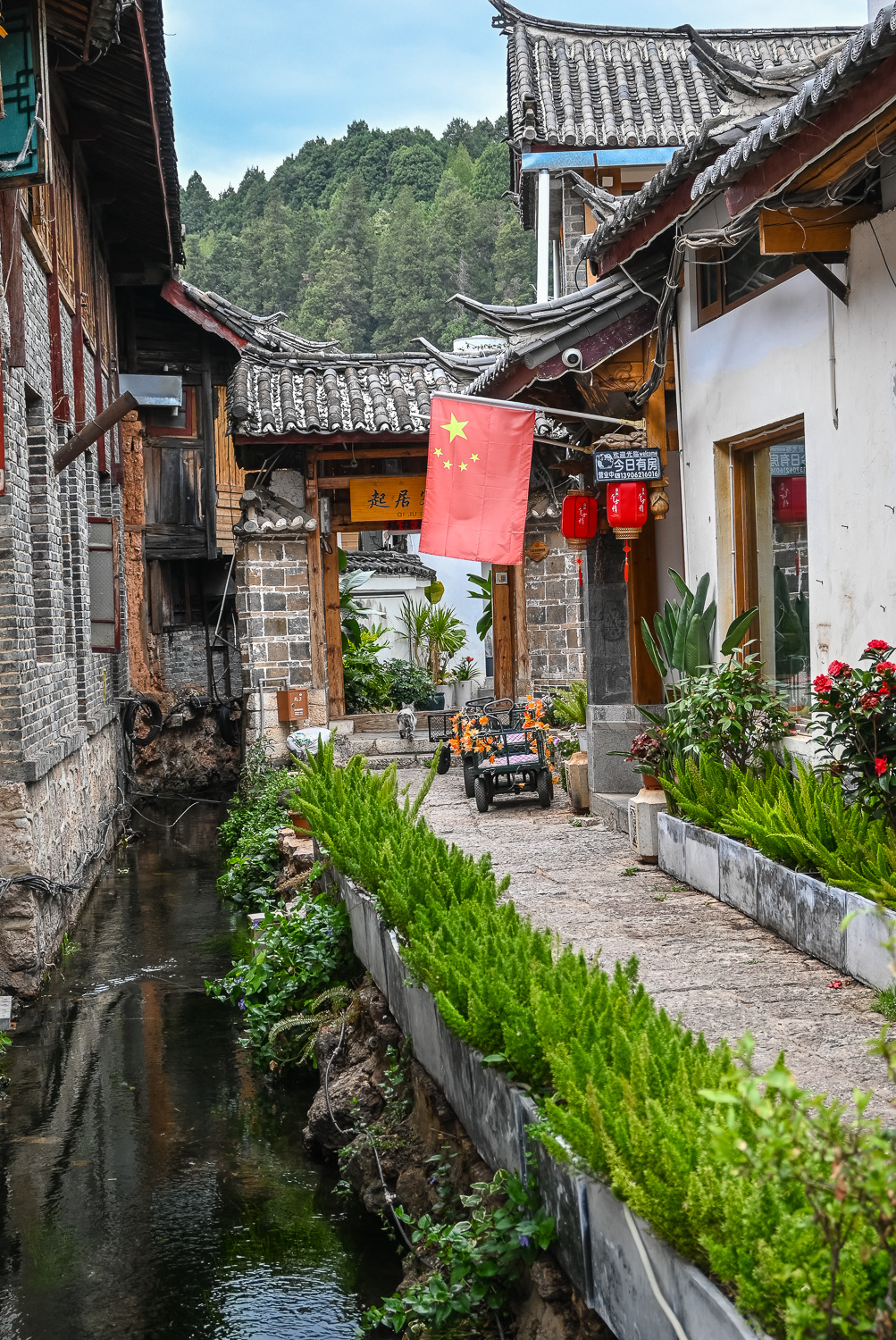
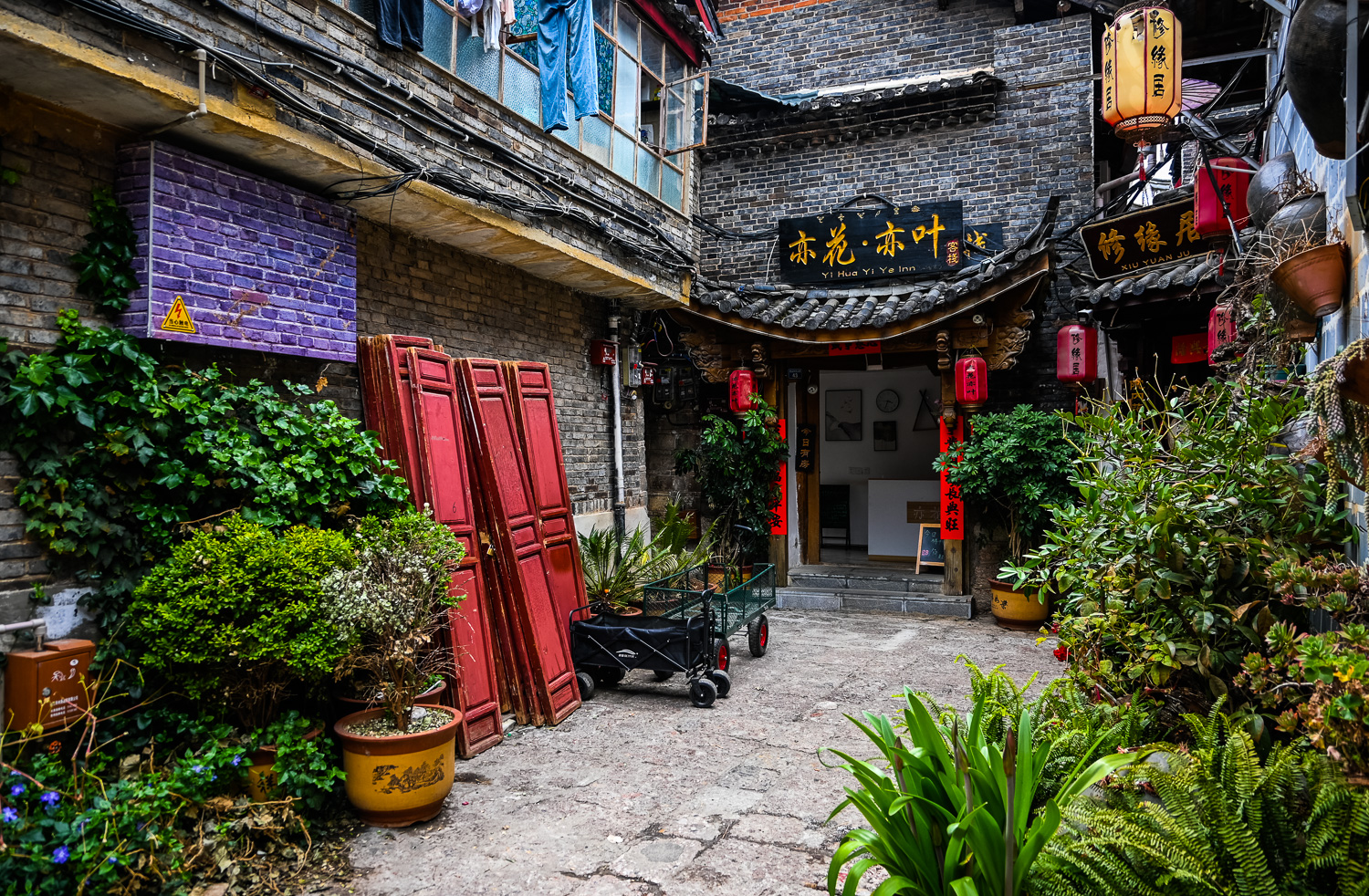
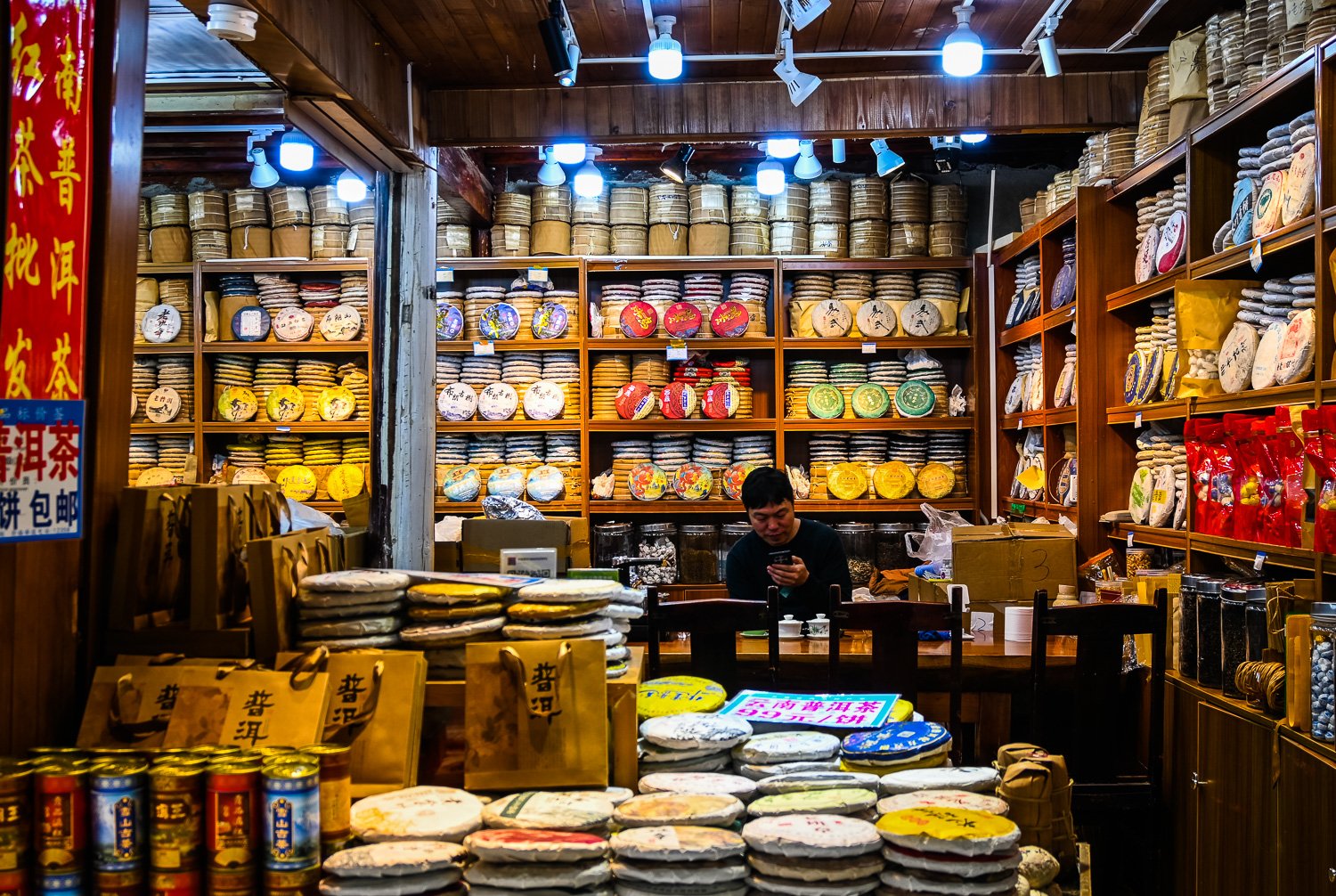
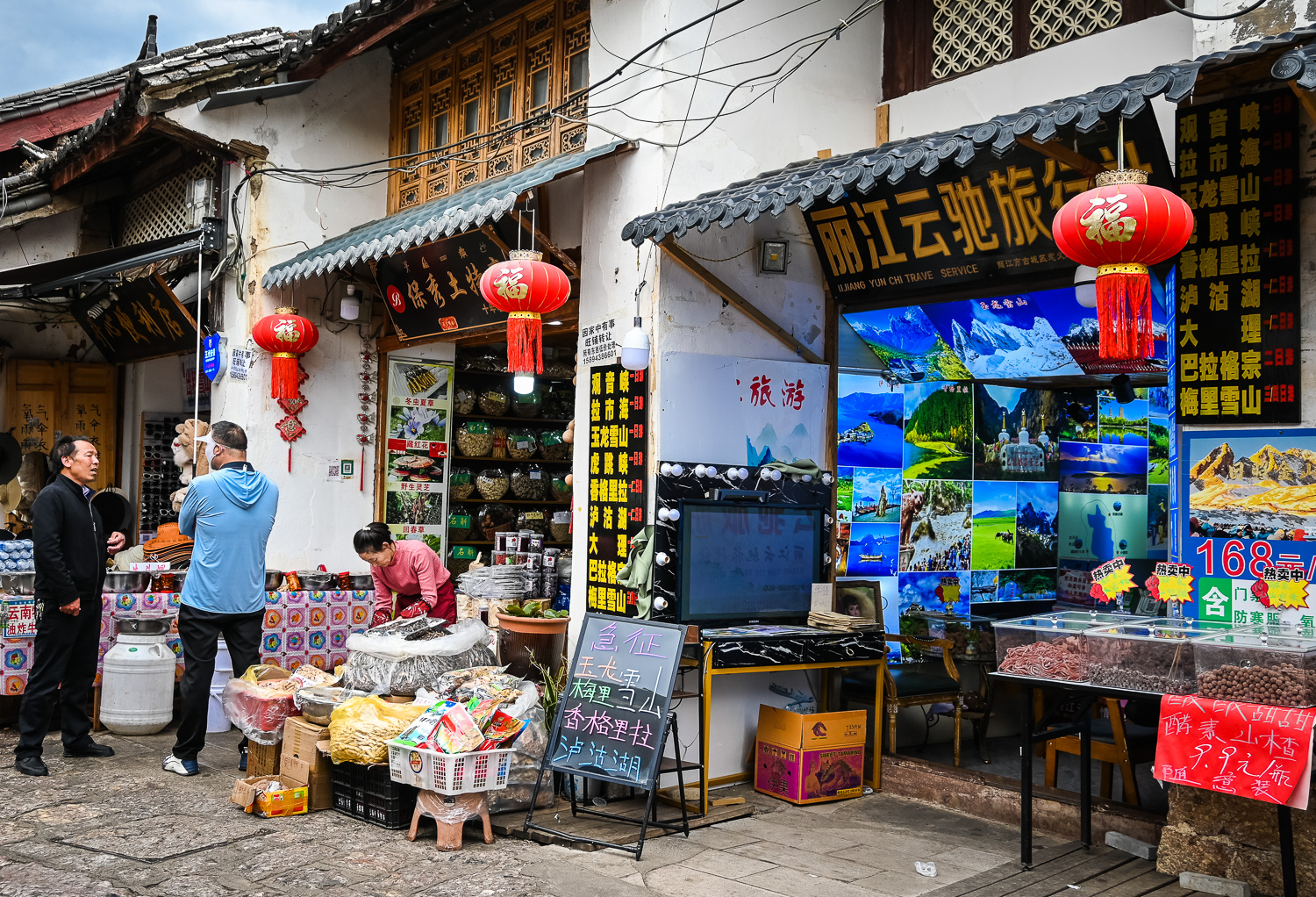
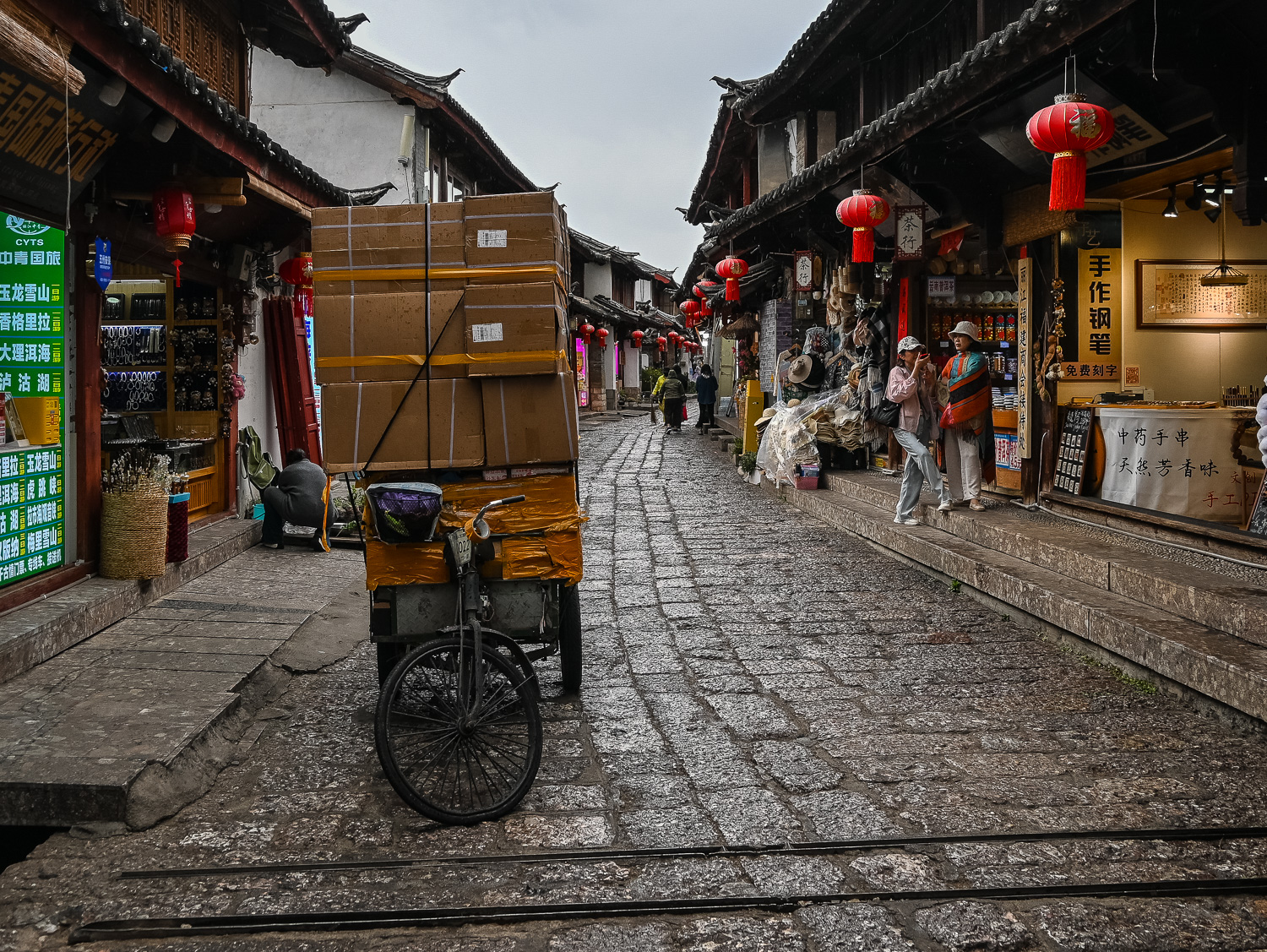
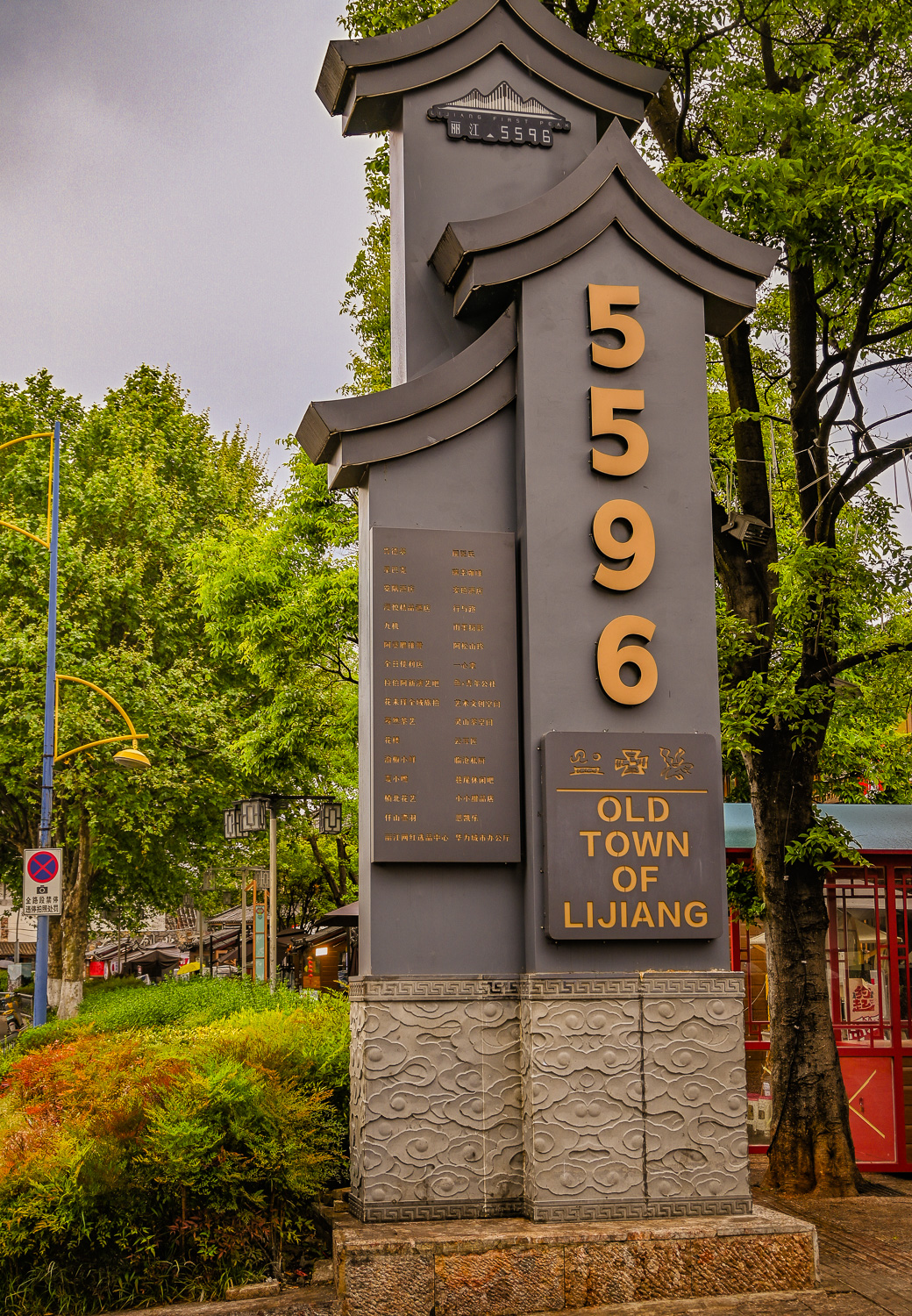
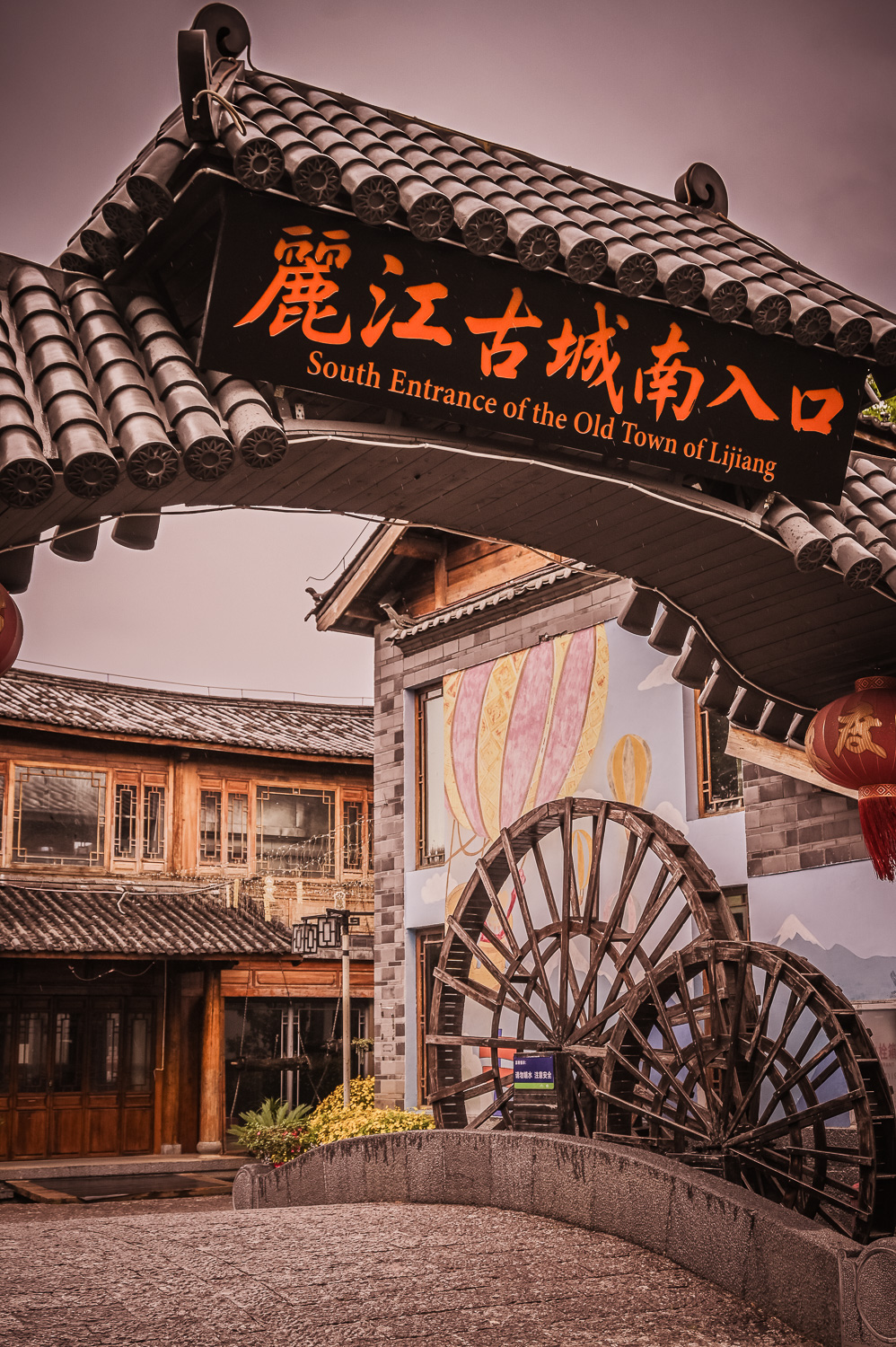
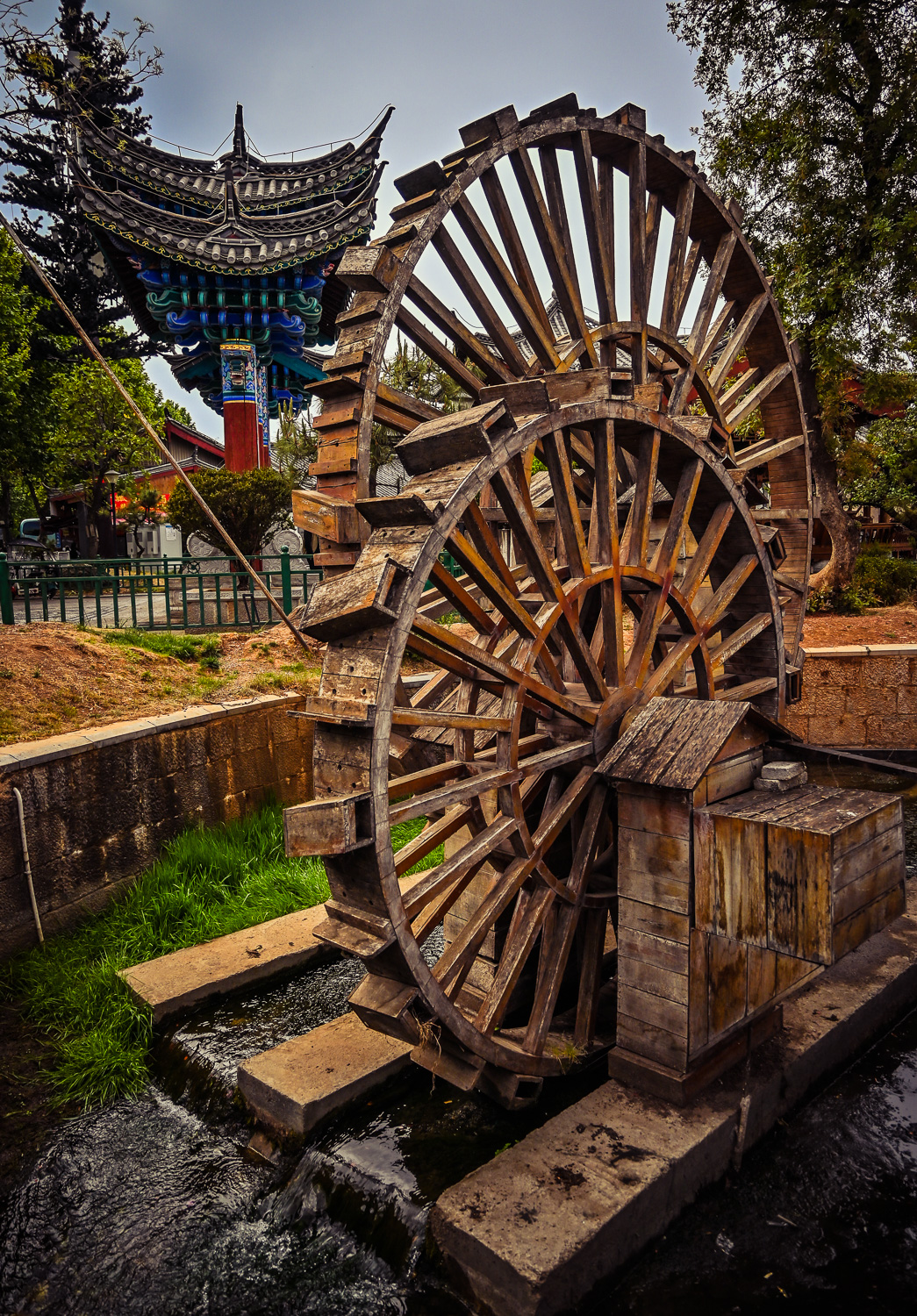
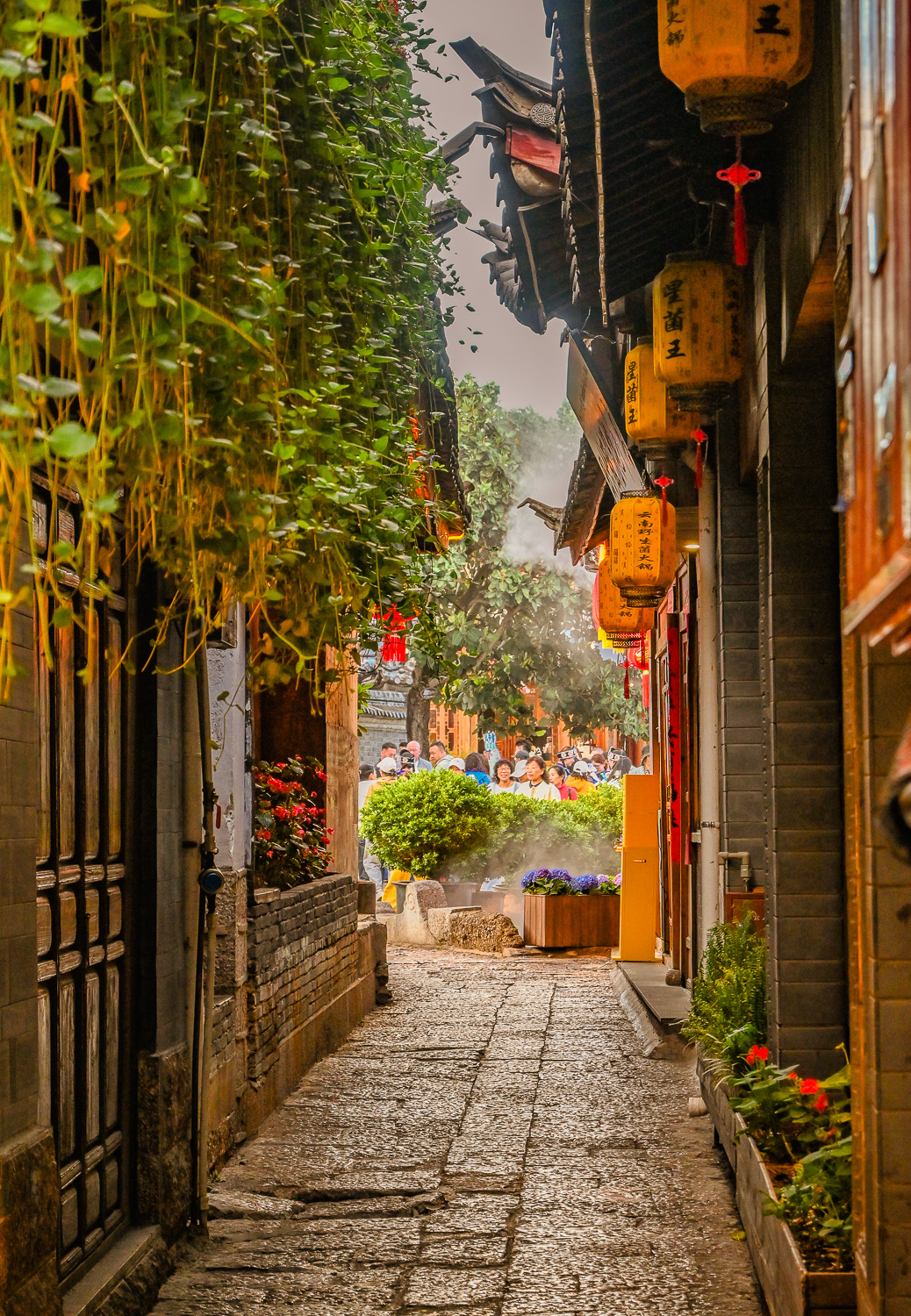
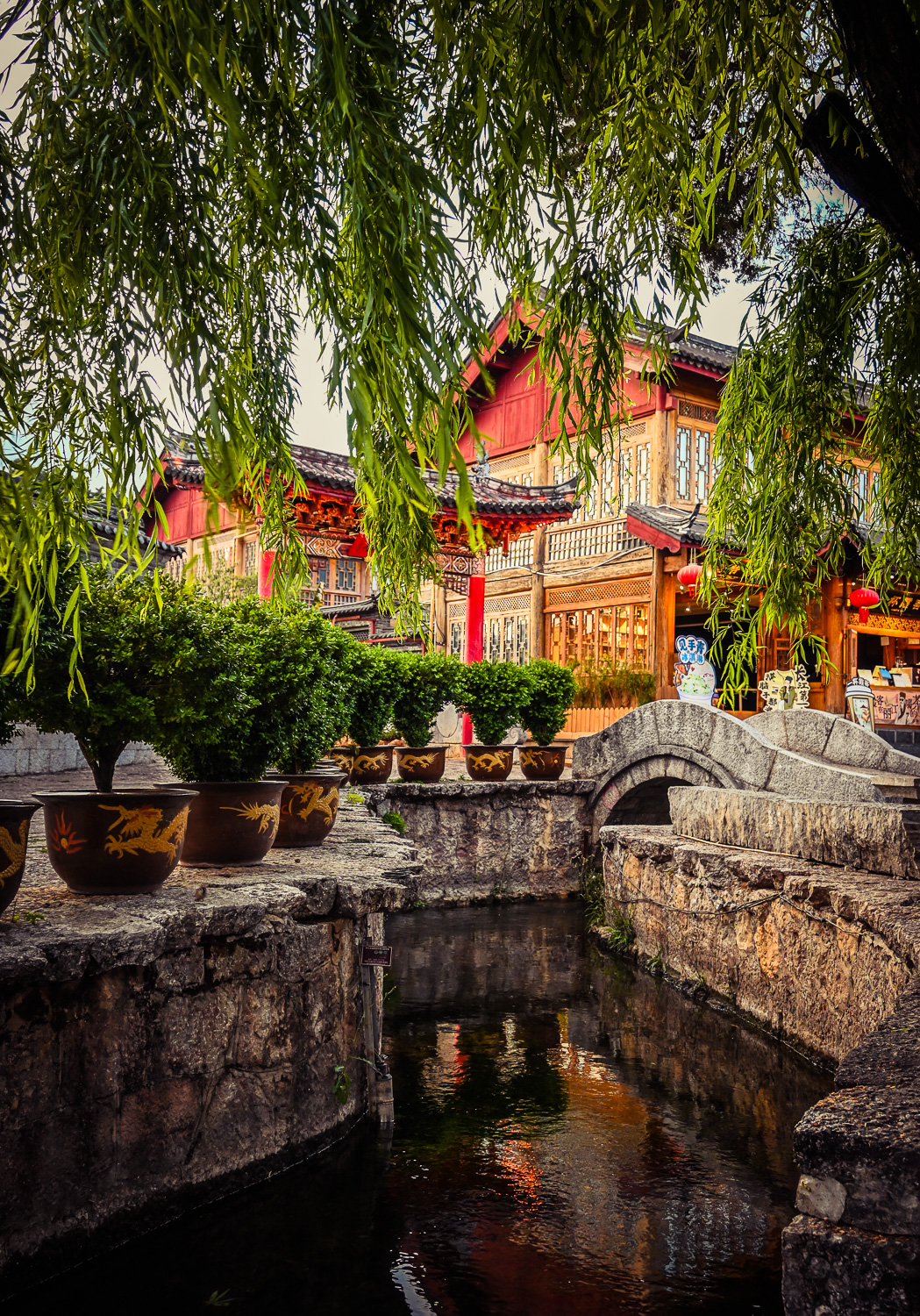
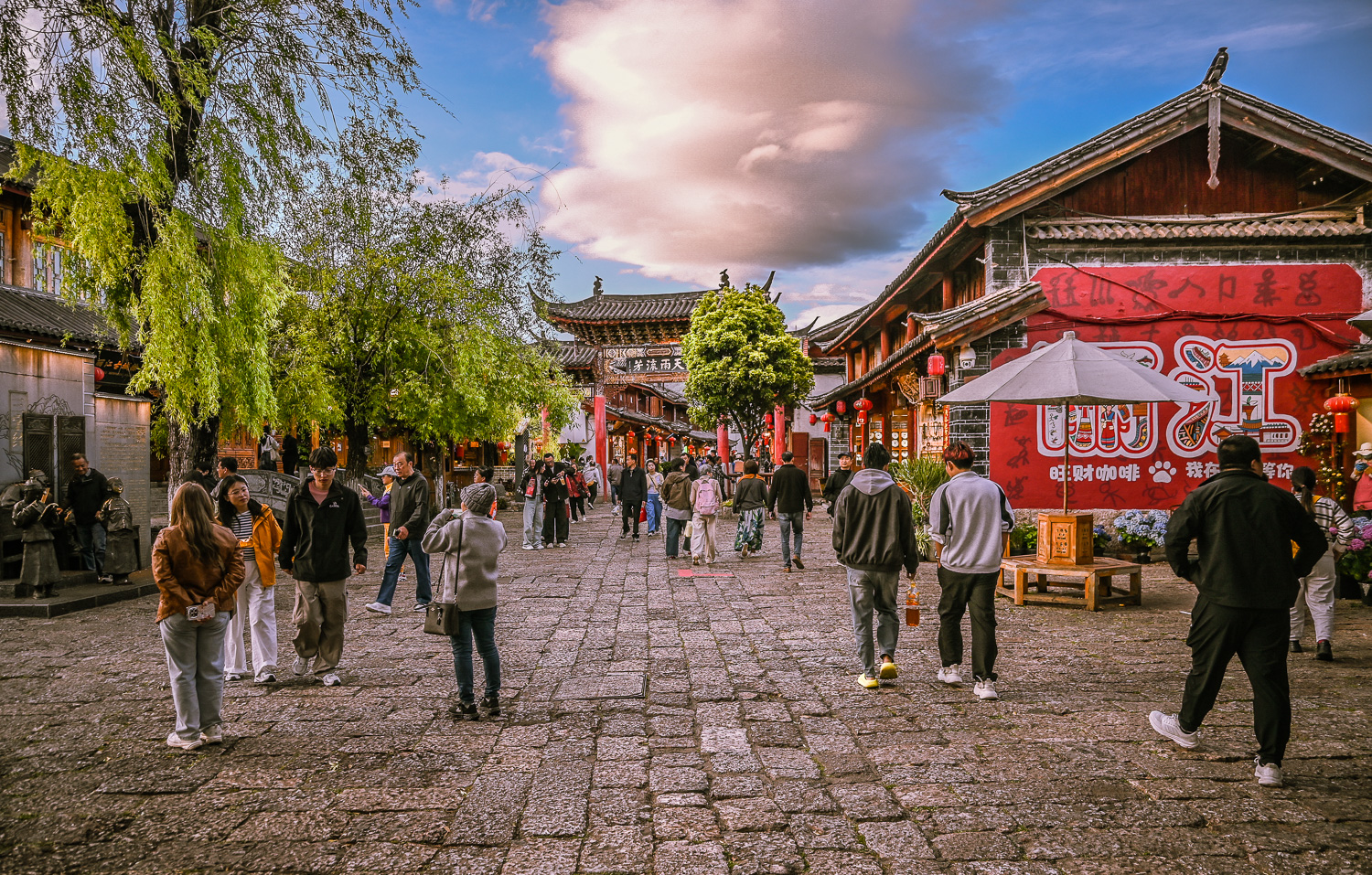
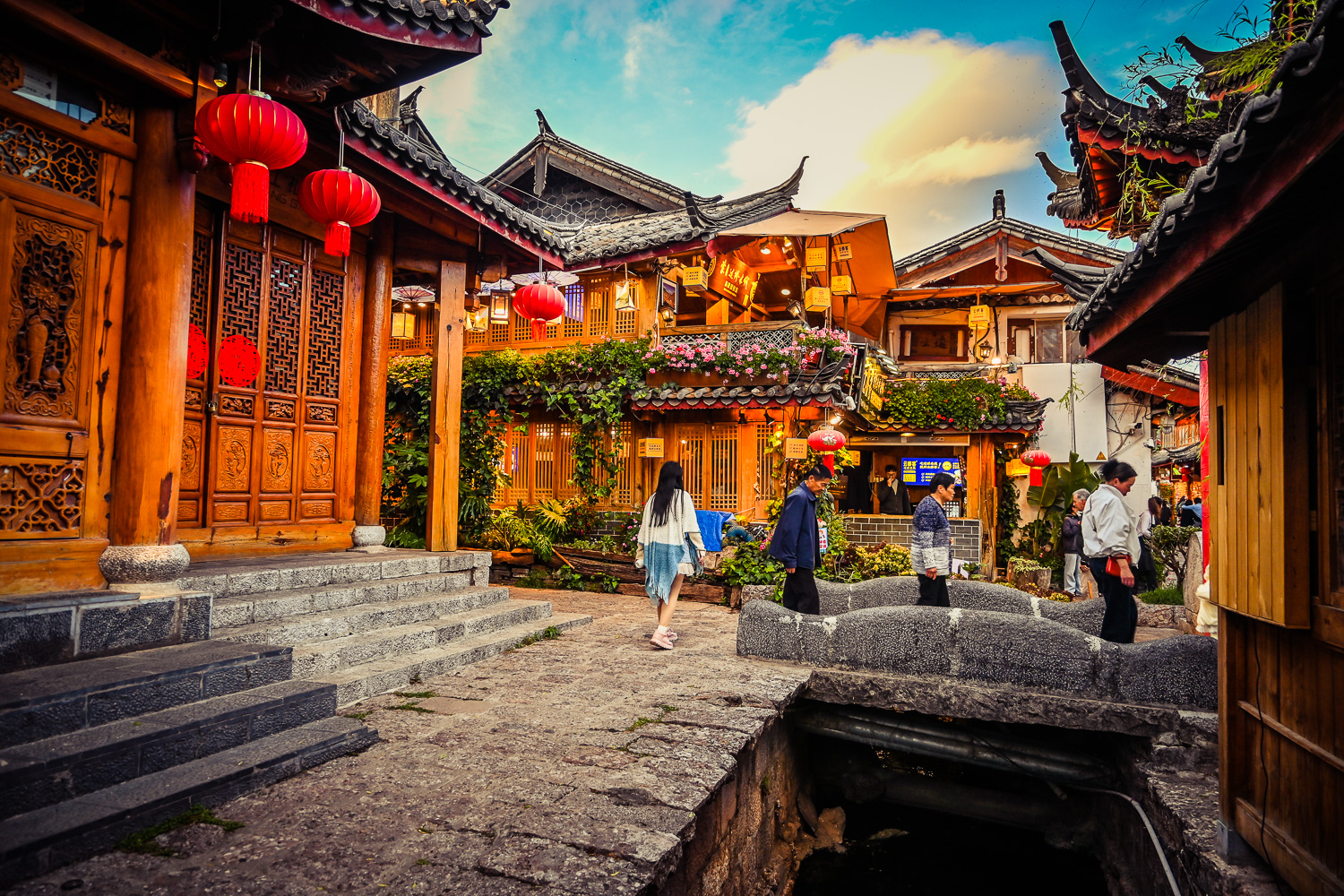
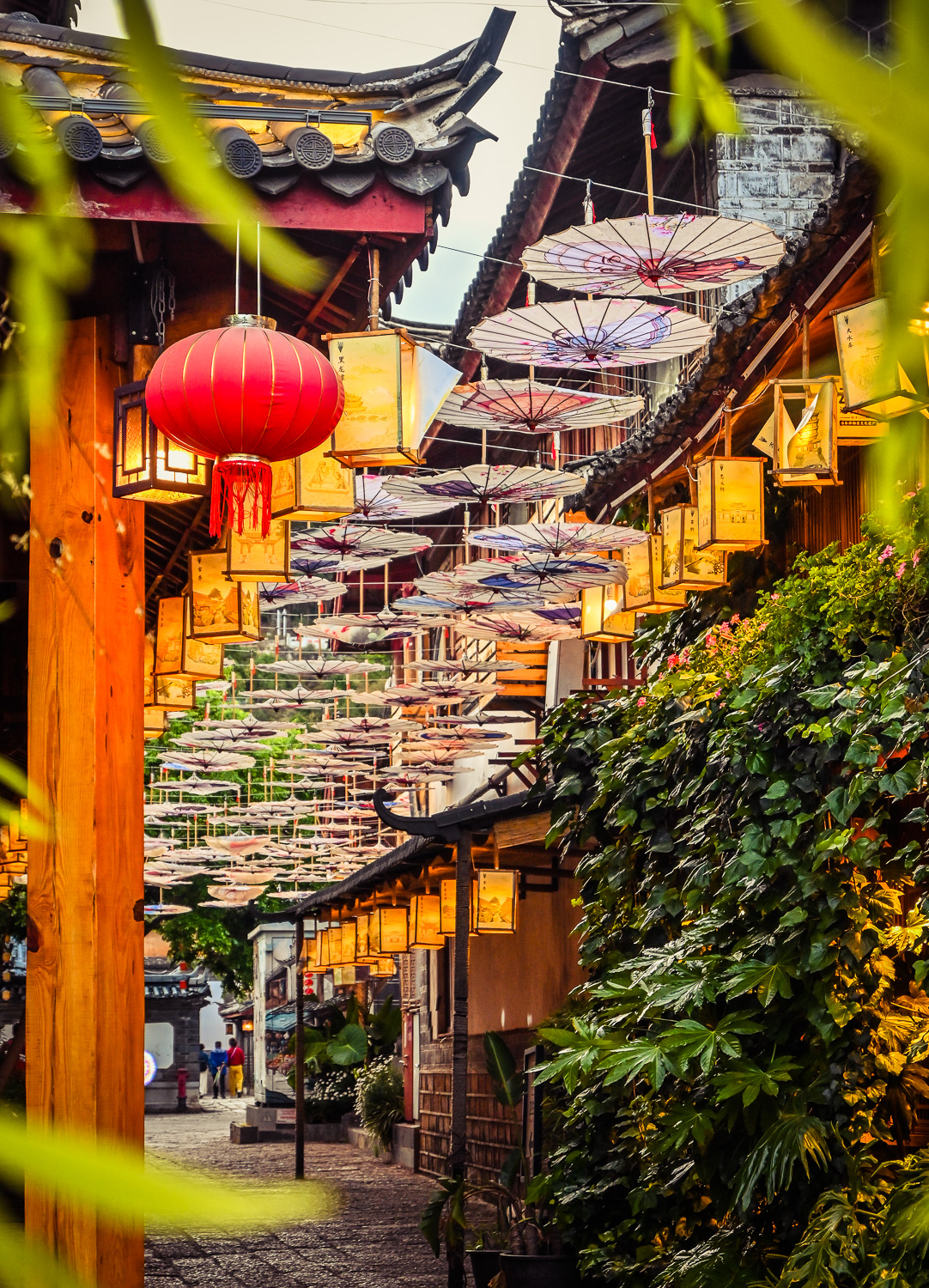
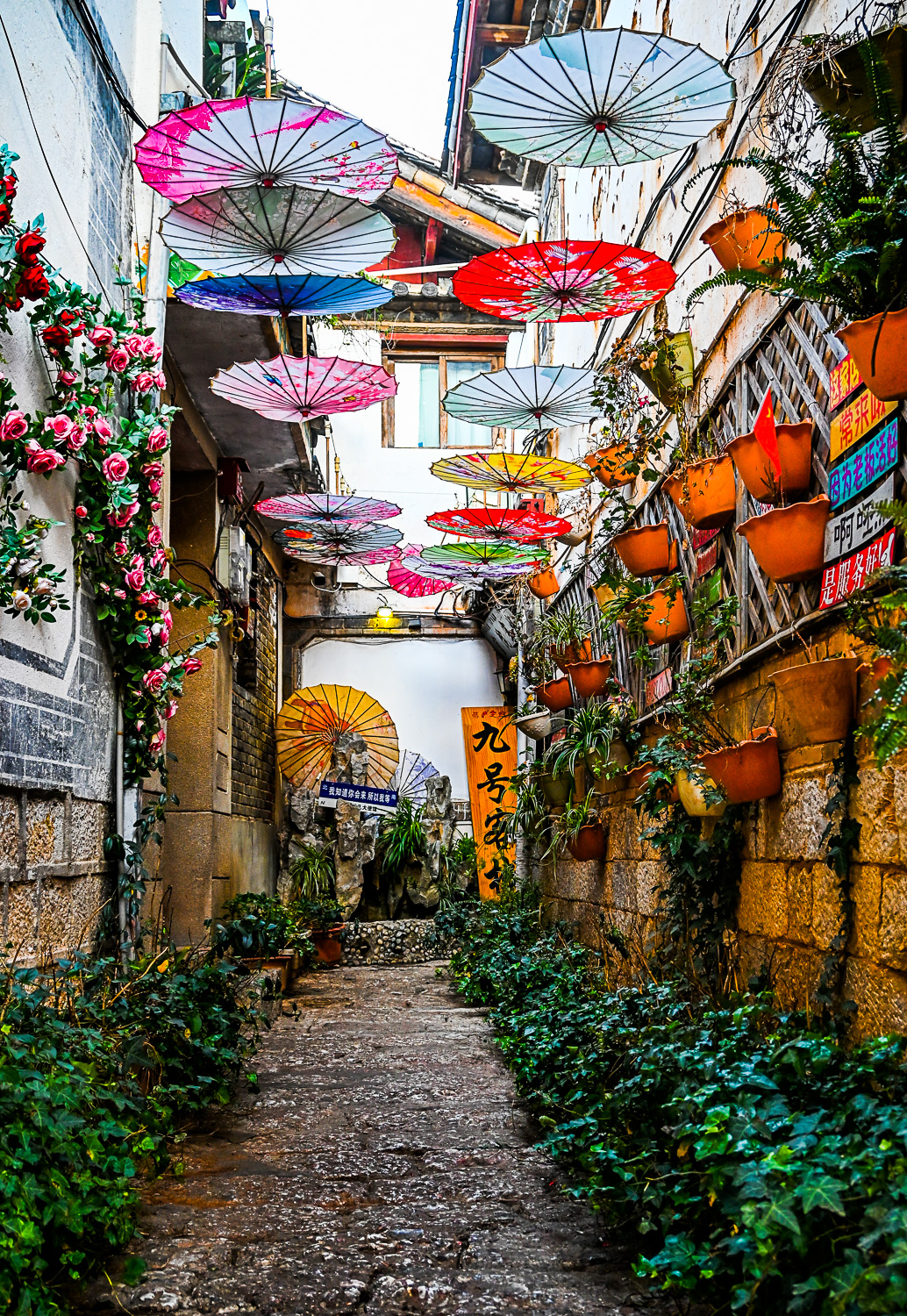
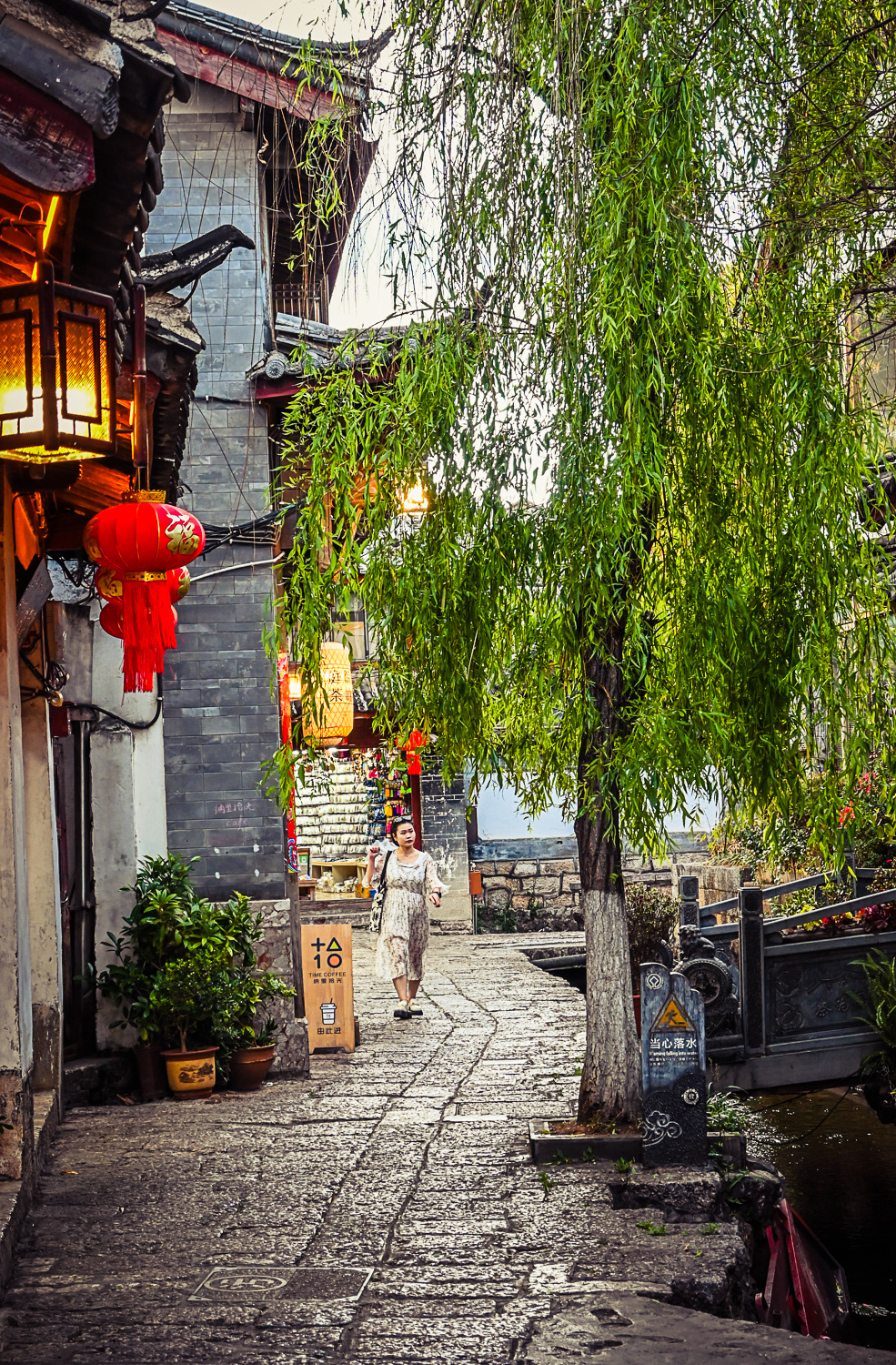
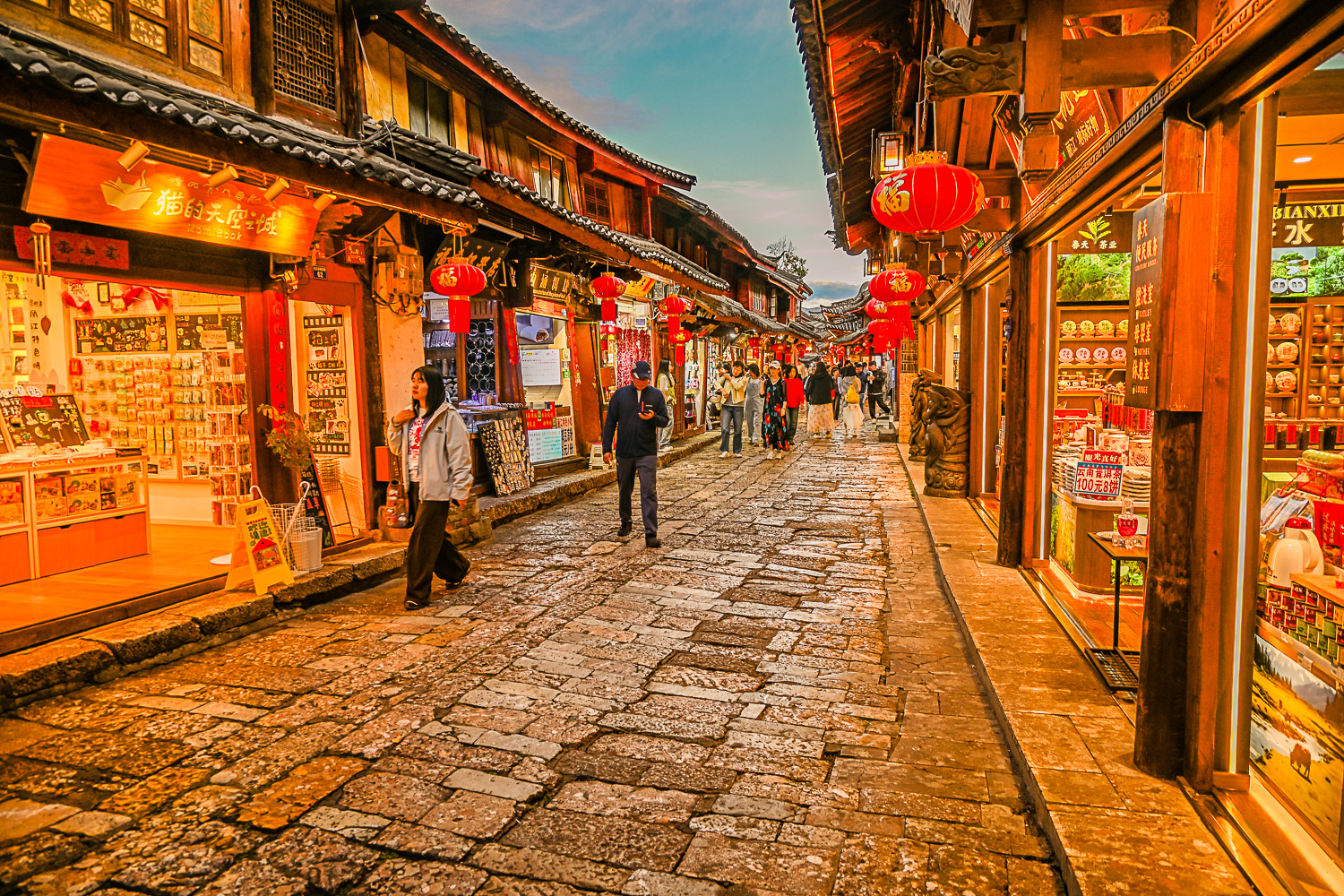
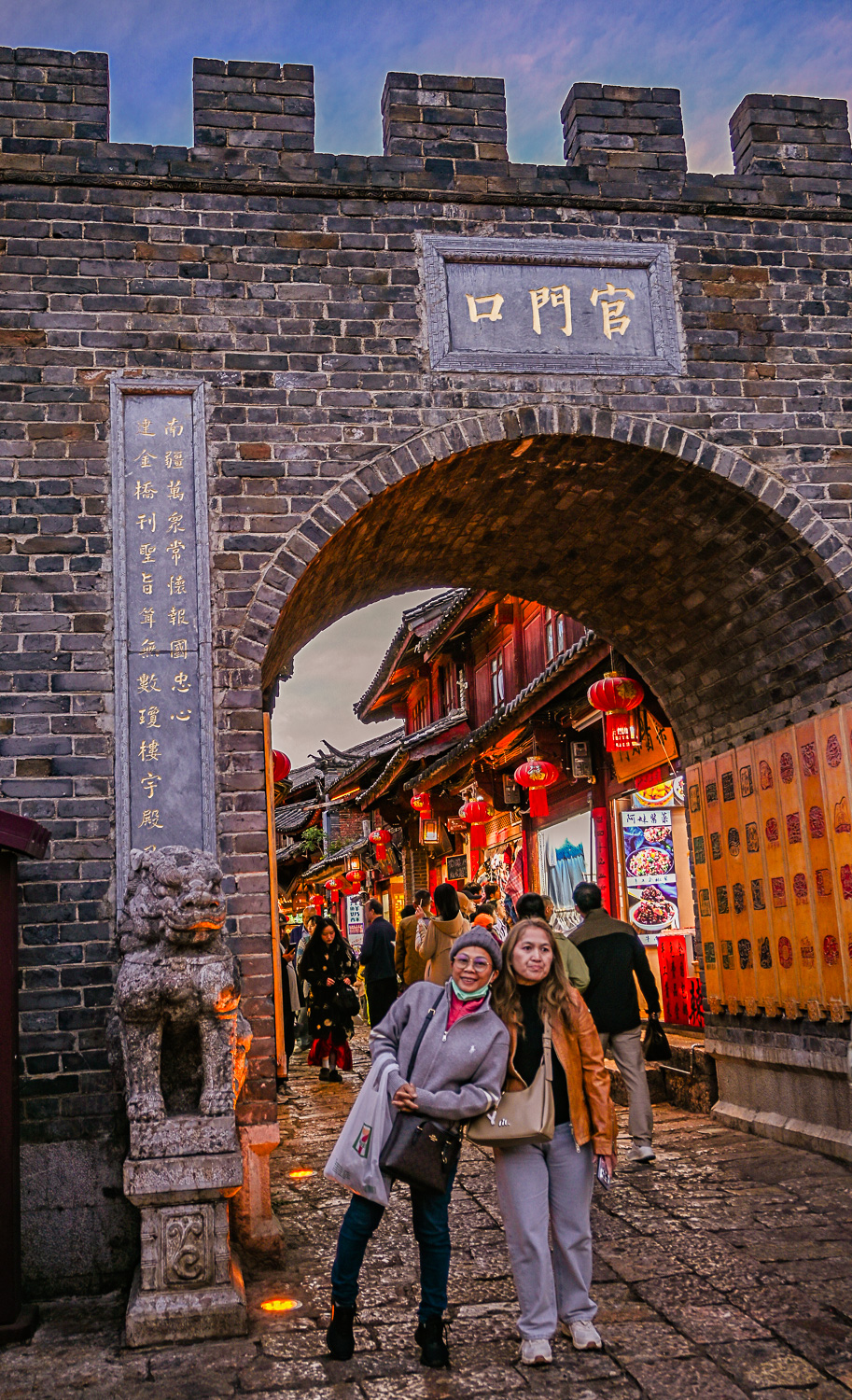
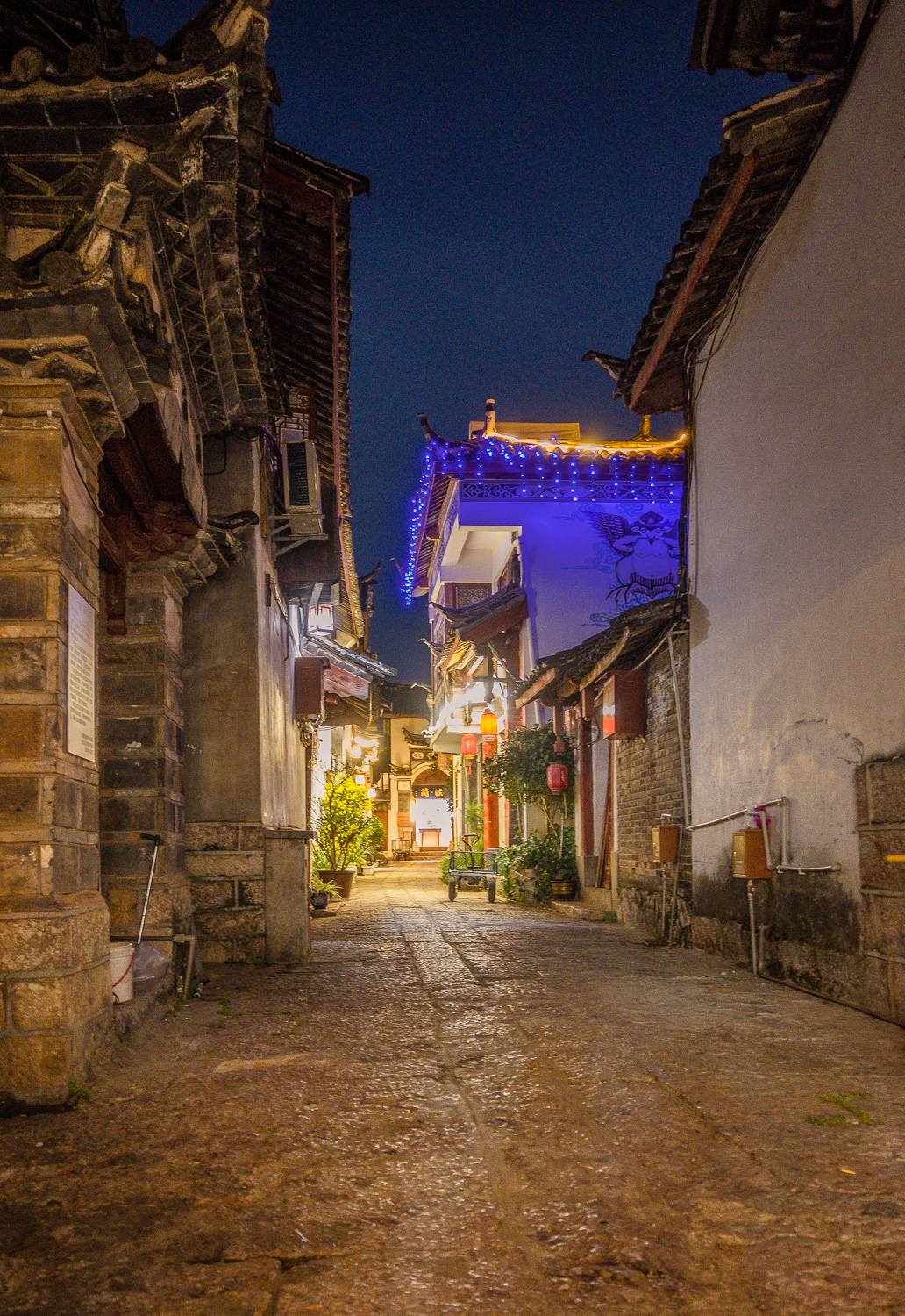
The weather had turned wet and chilly by the time we got to Lijiang, a UNESCO Heritage historical old town at an elevation of 2,400 meters and one of China’s most visited destinations. The hotel had sent a driver as it was in the middle of the touristy thousand-year-old ancient town, which was all cobblestone streets and tiny alleyways, inaccessible to cars.
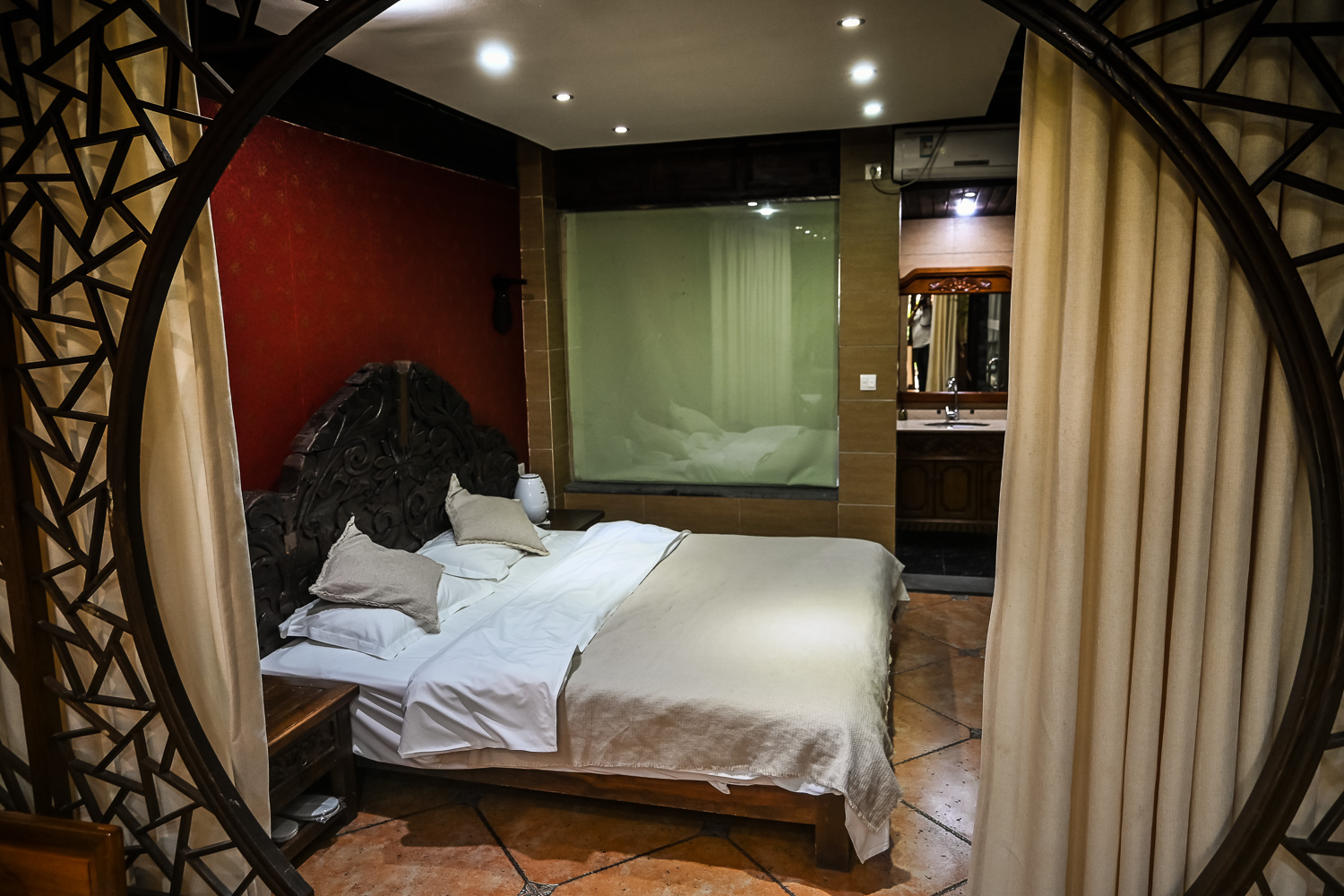
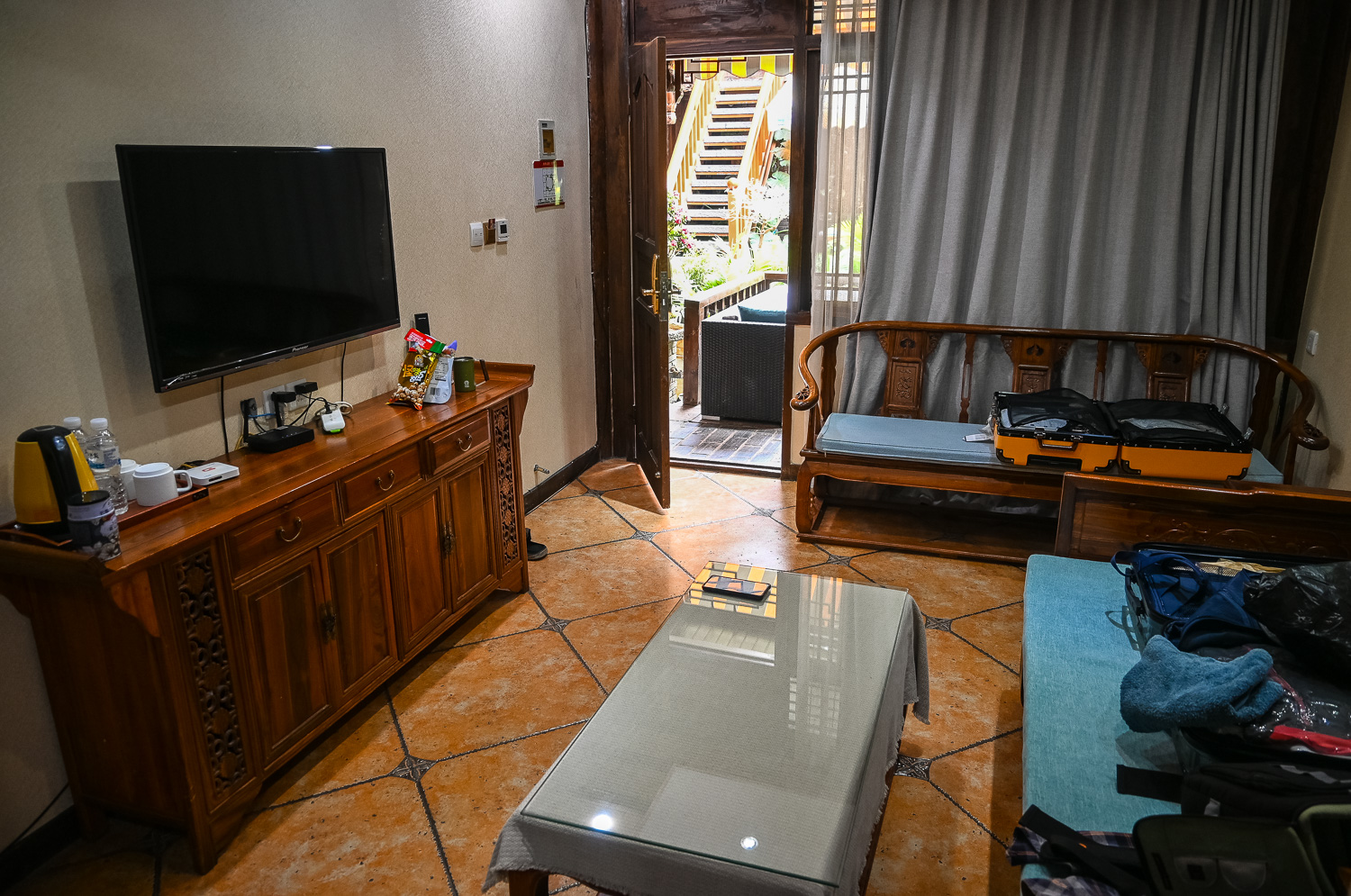
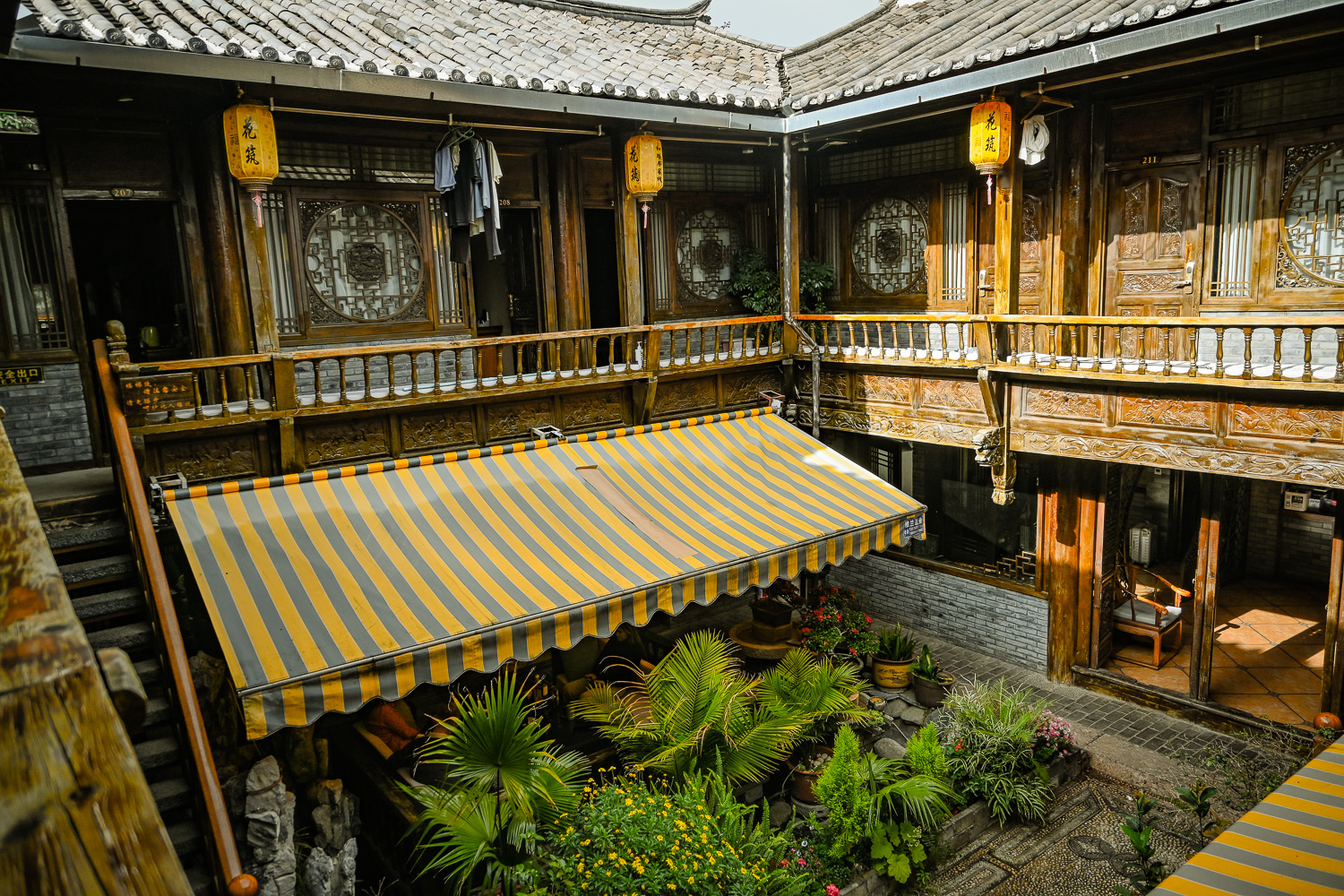
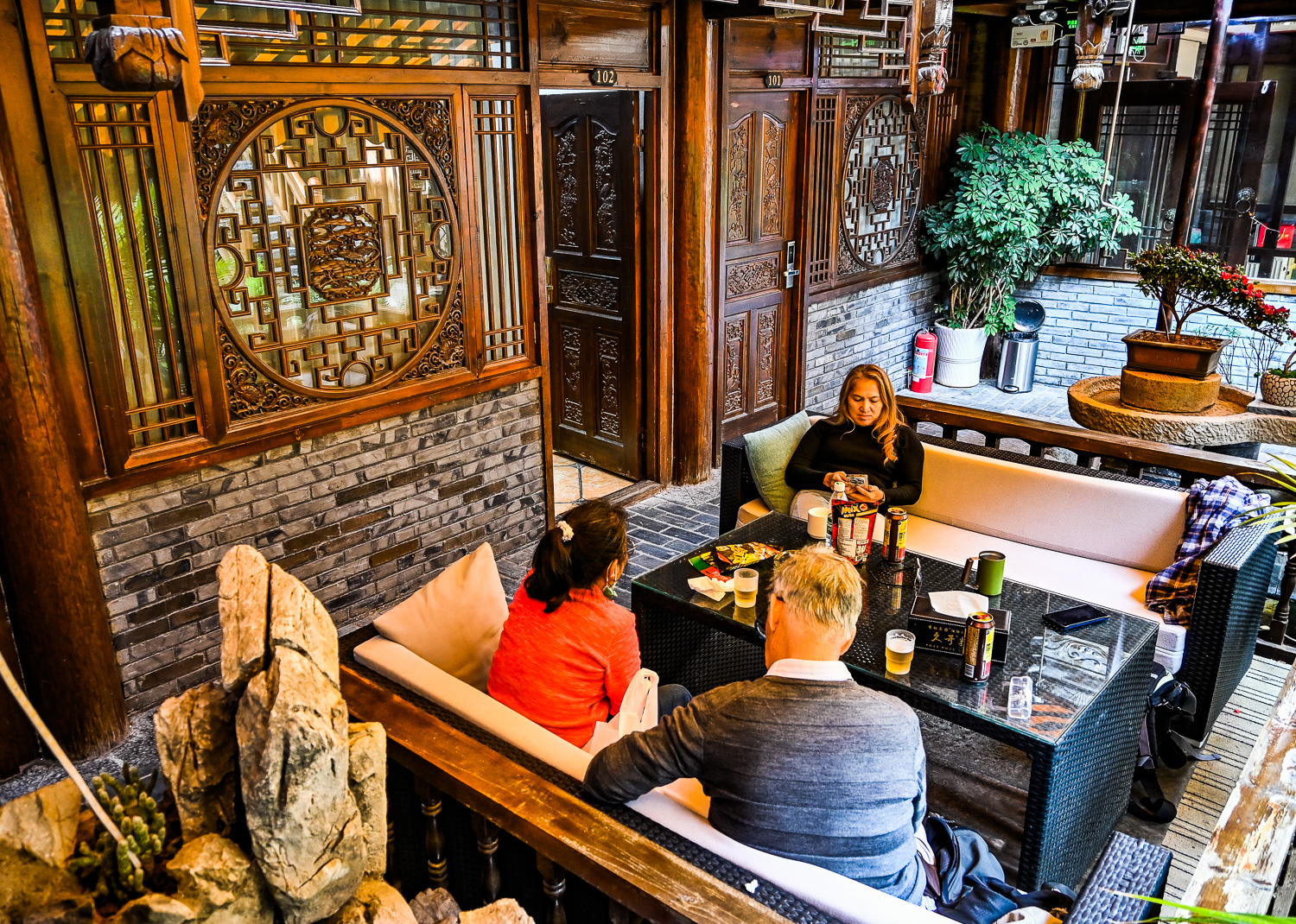
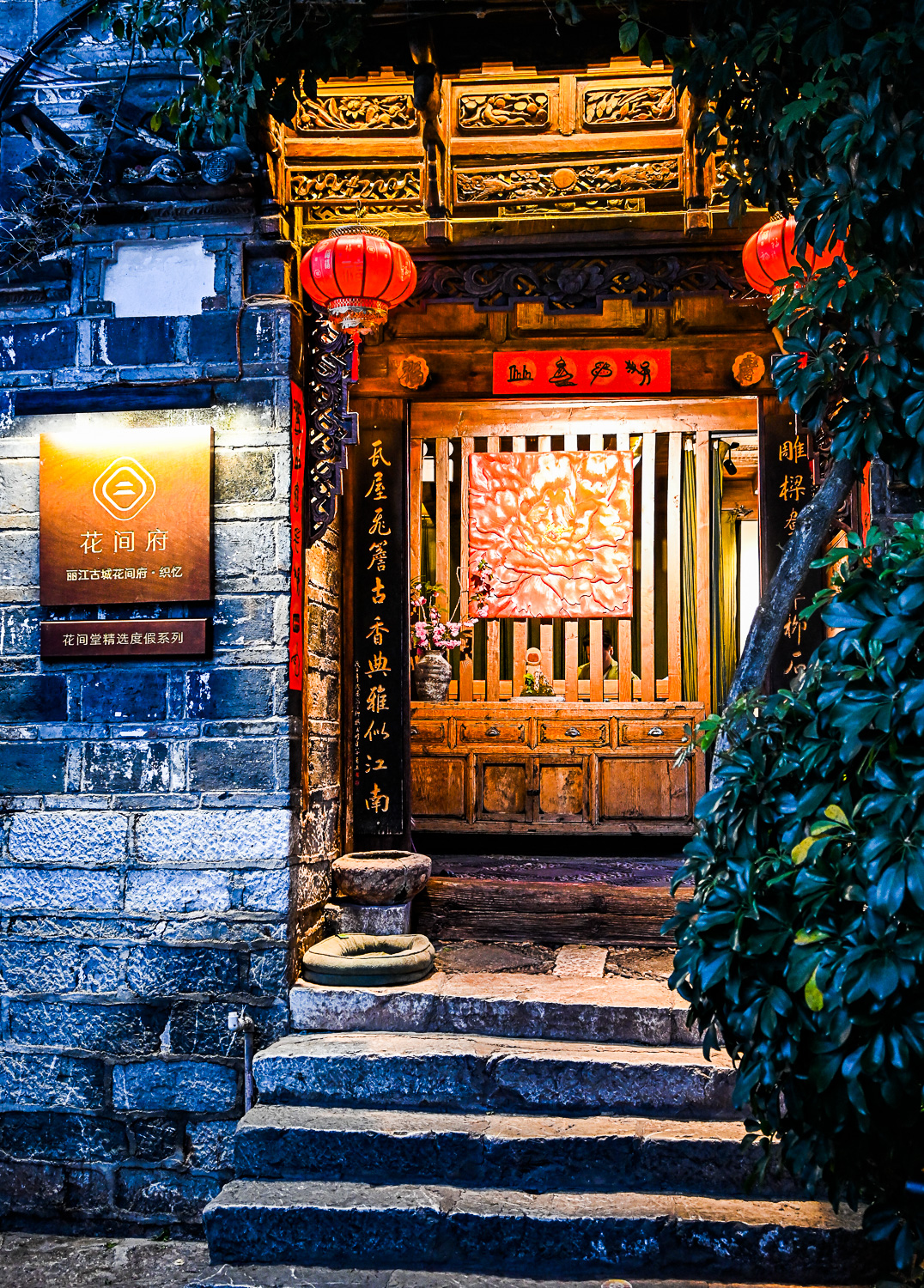
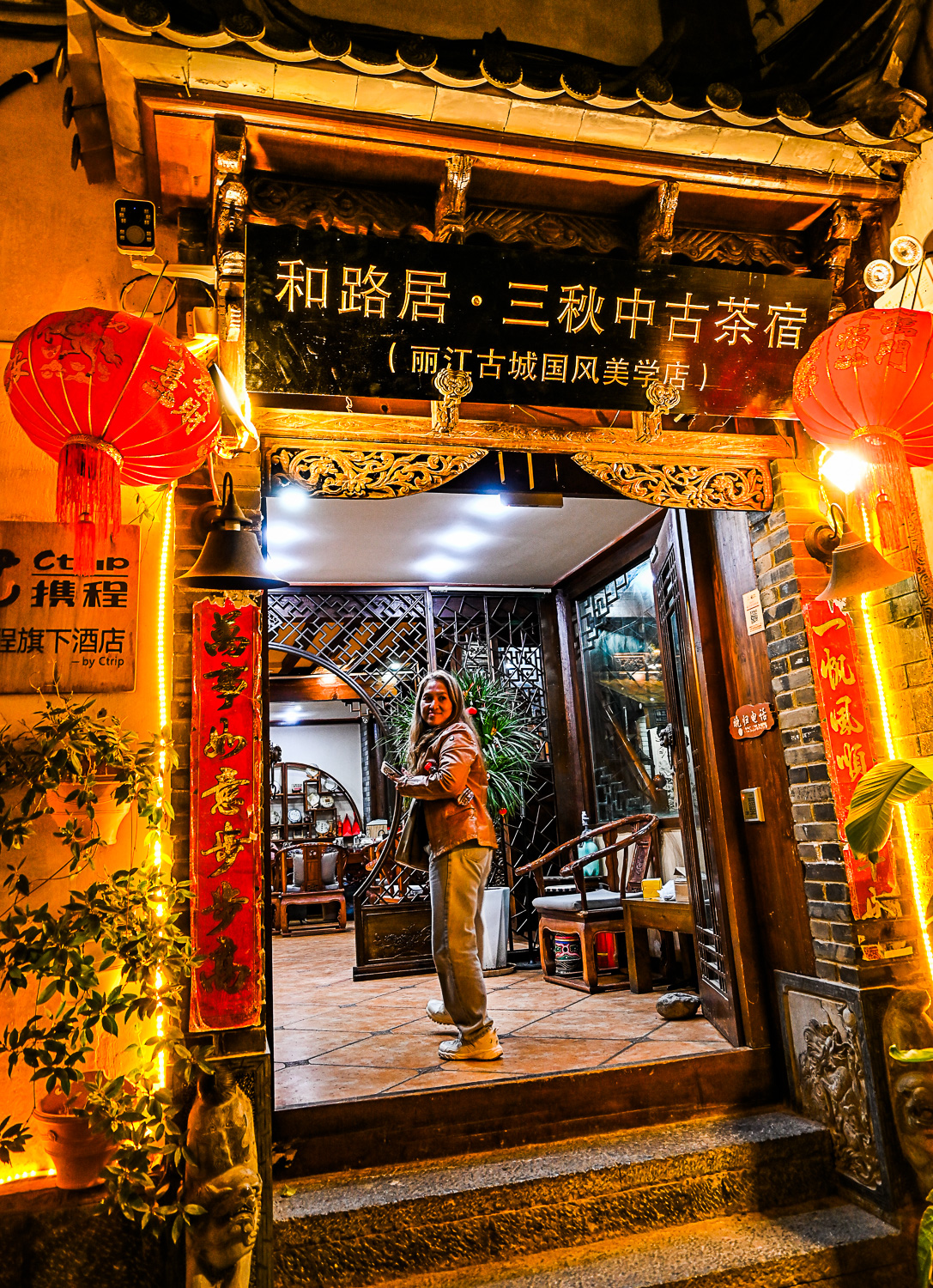
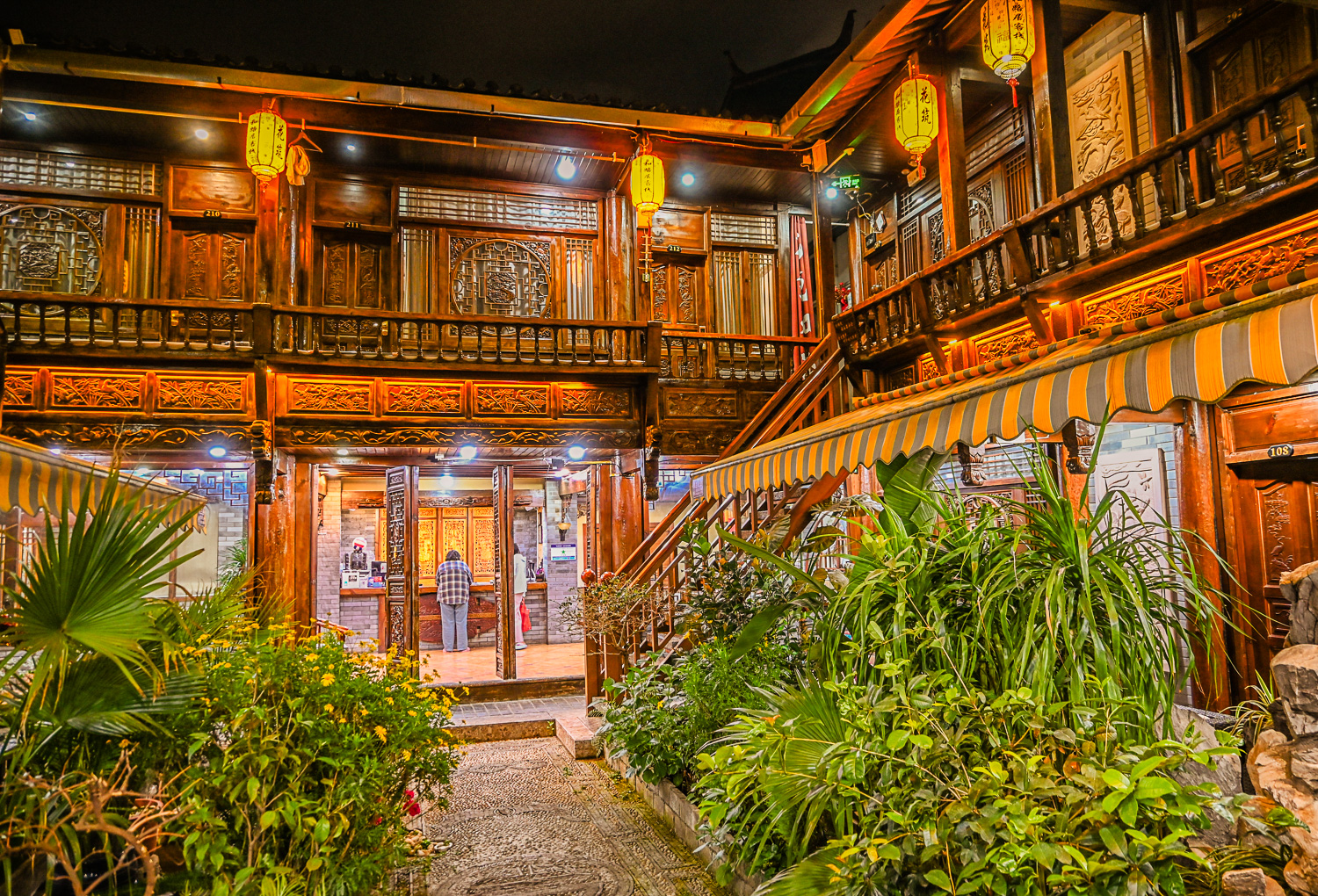
Our hotel was an old Chinese courtyard house that had been meticulously preserved, and the large rooms were unbeatable for the price (less than 1,000 baht a night). We arranged tomorrow’s trip to Tiger Leaping Gorge and wandered out for a bite to eat. Being a tourist town meant higher prices for everything, but we expected this (it was still cheaper than tourist towns in Thailand).
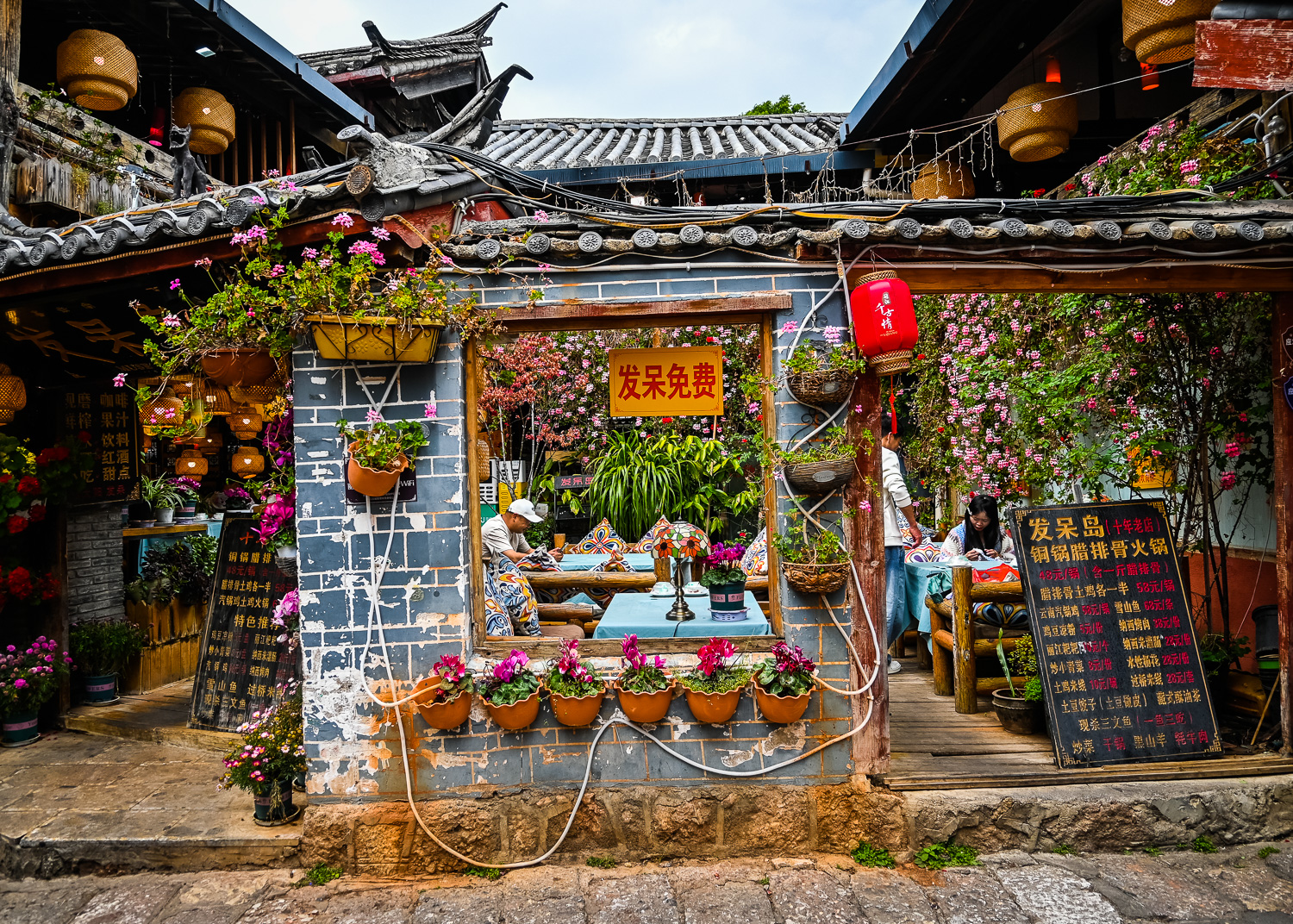
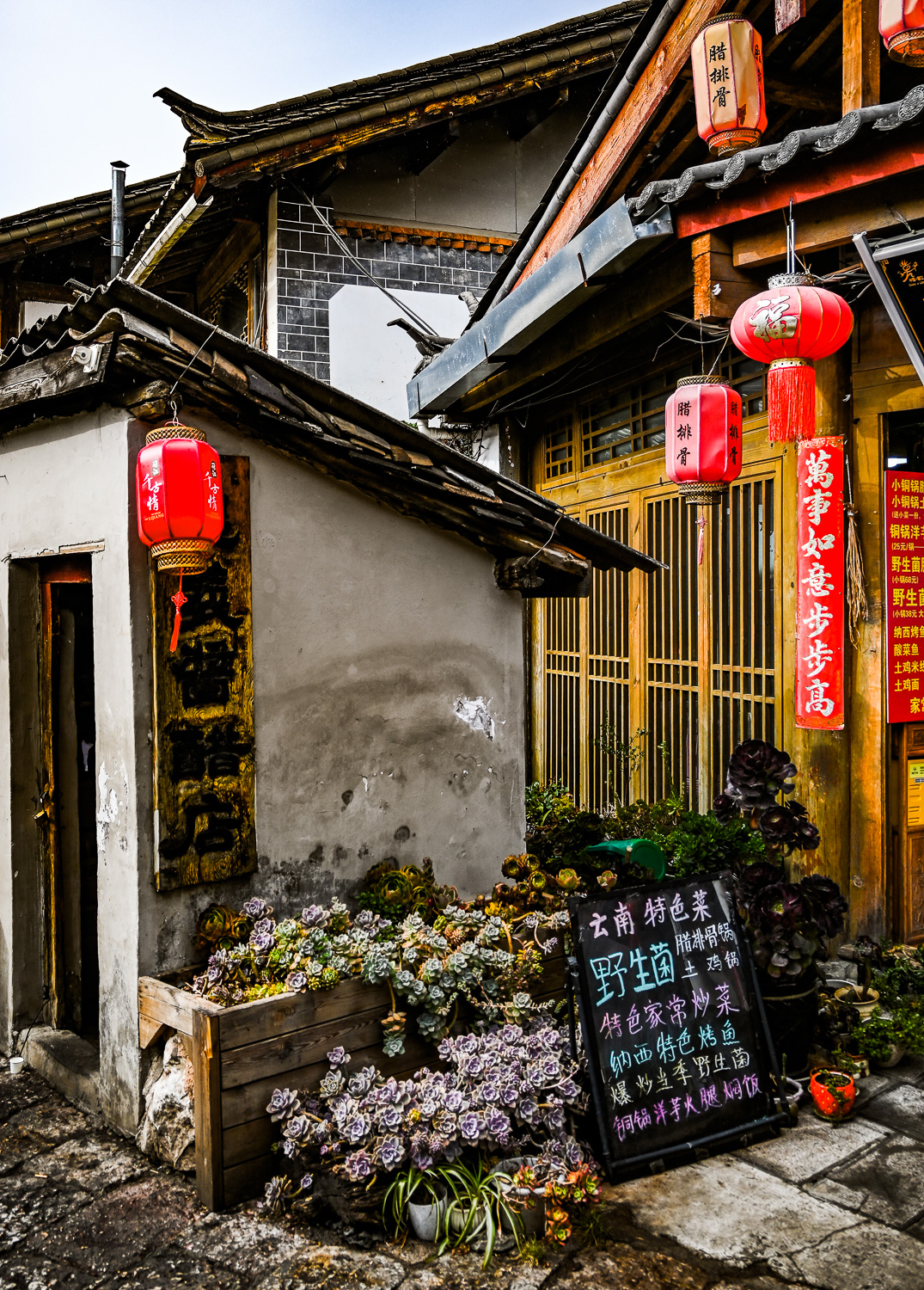
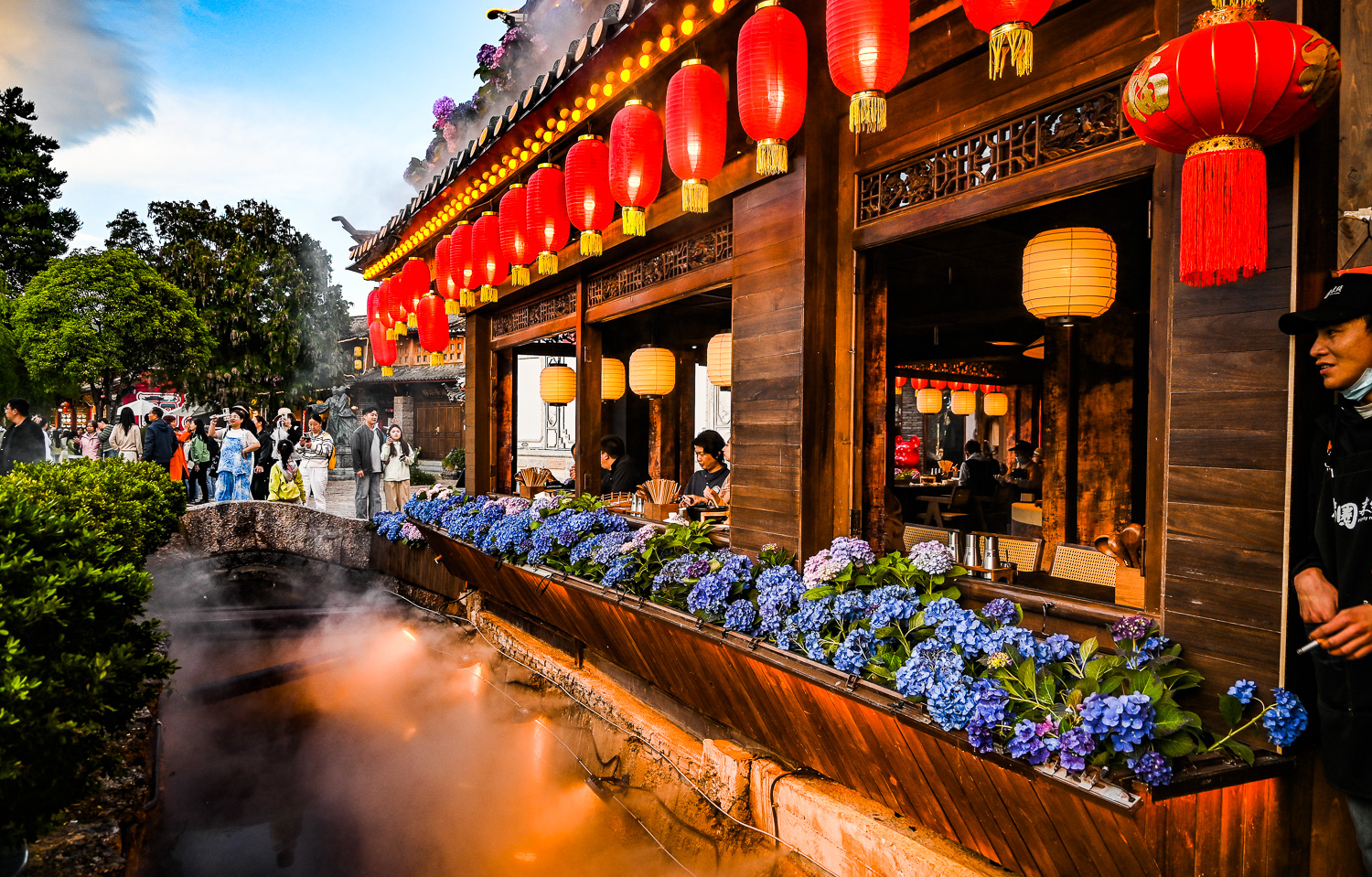
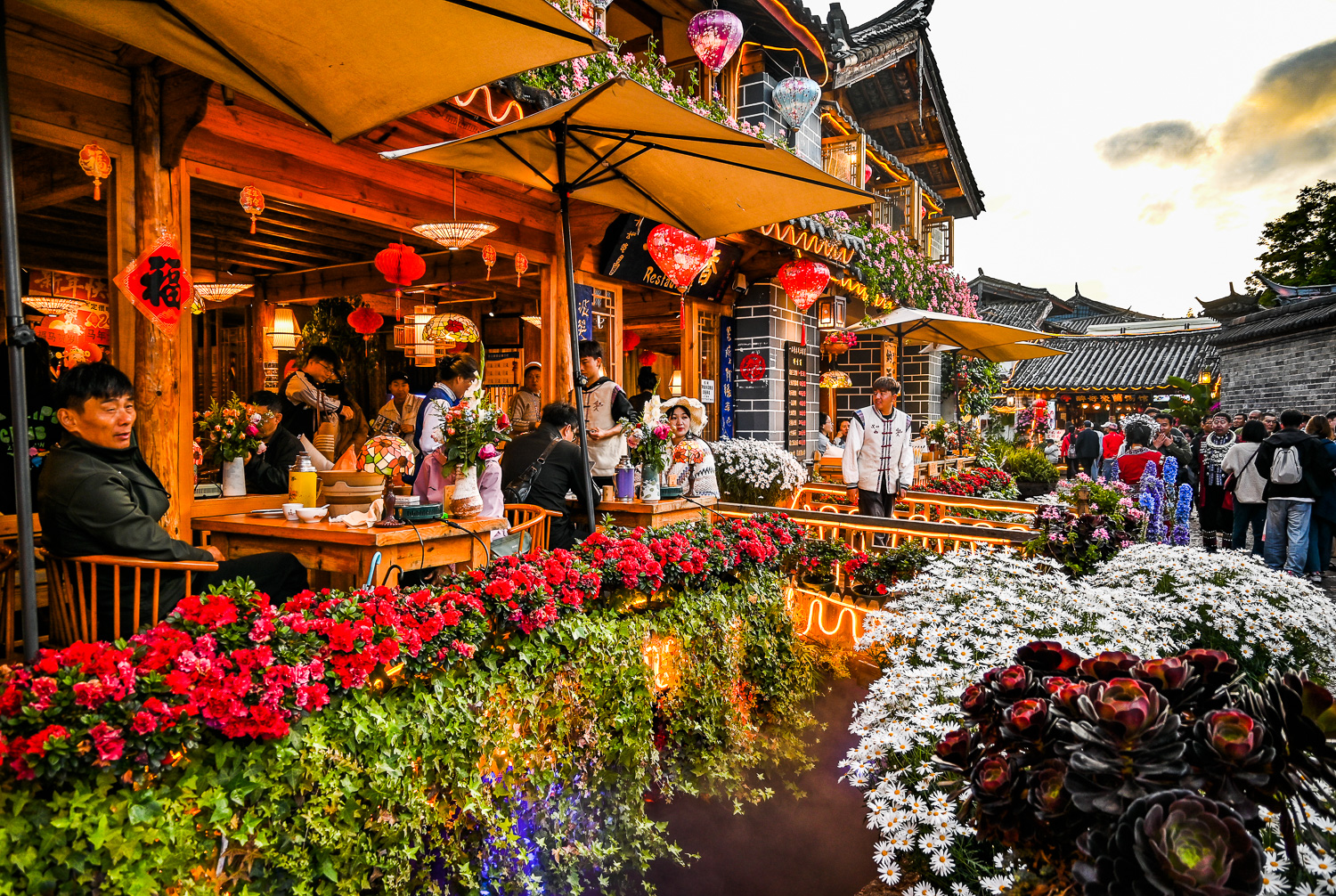
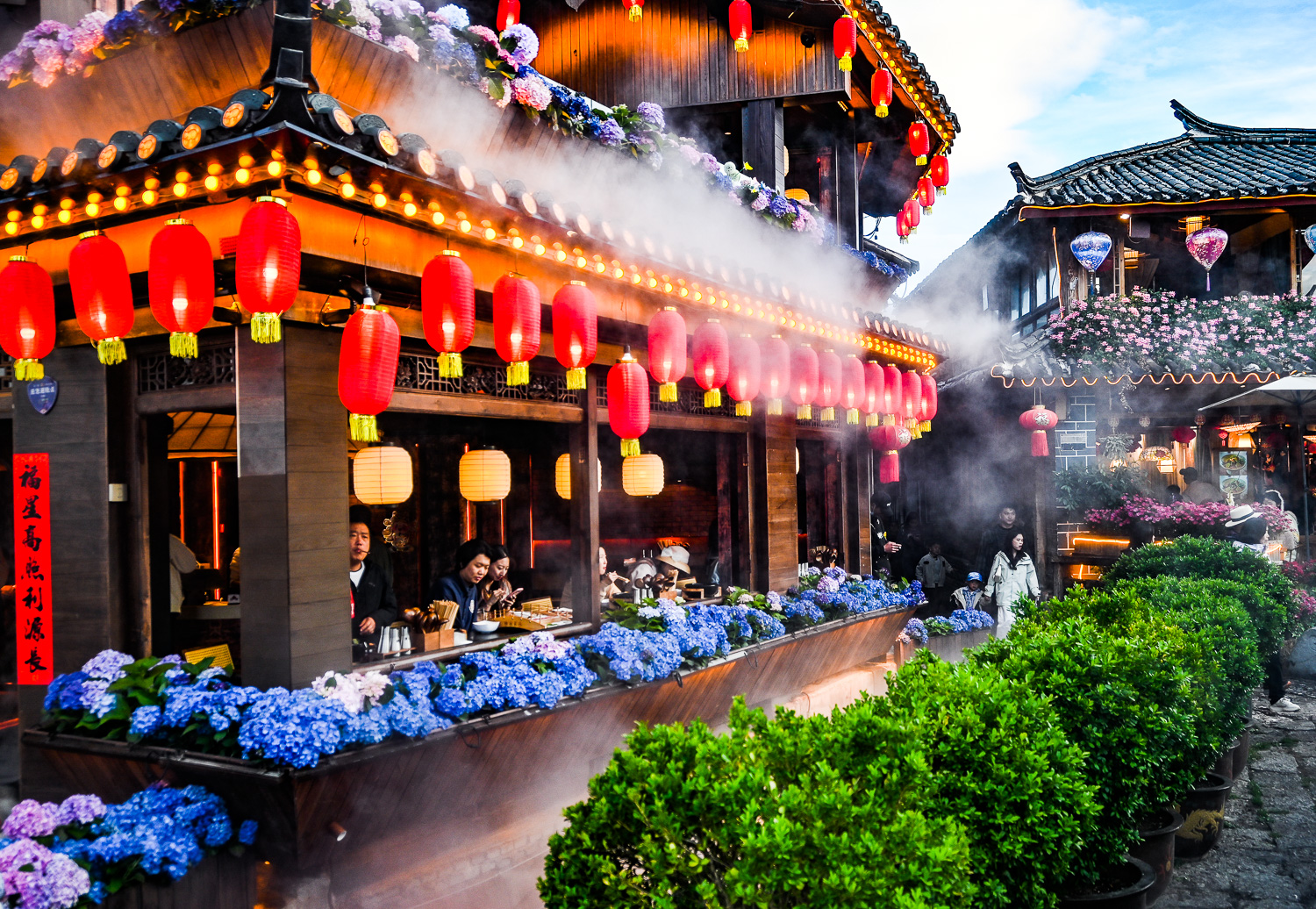
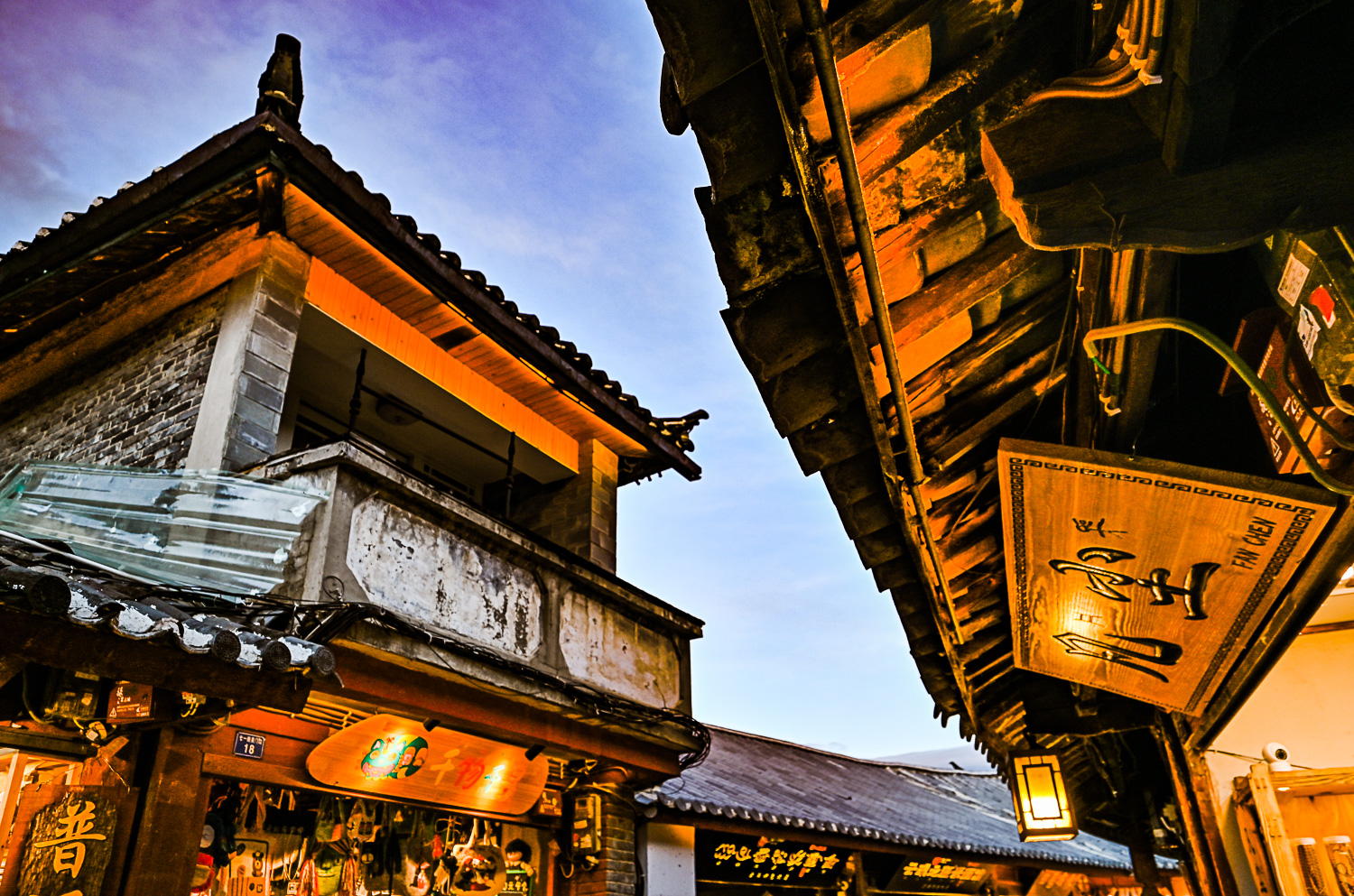
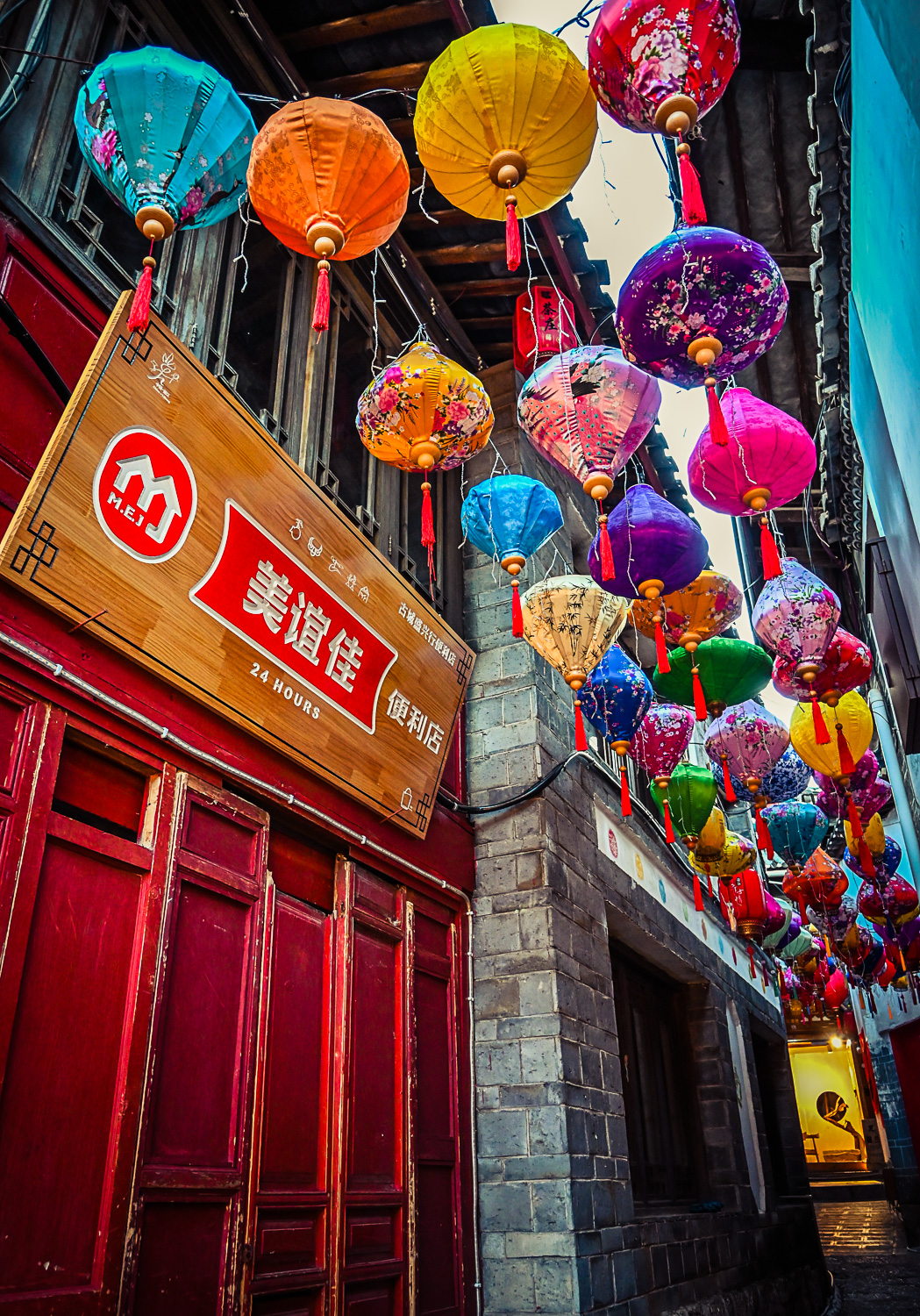
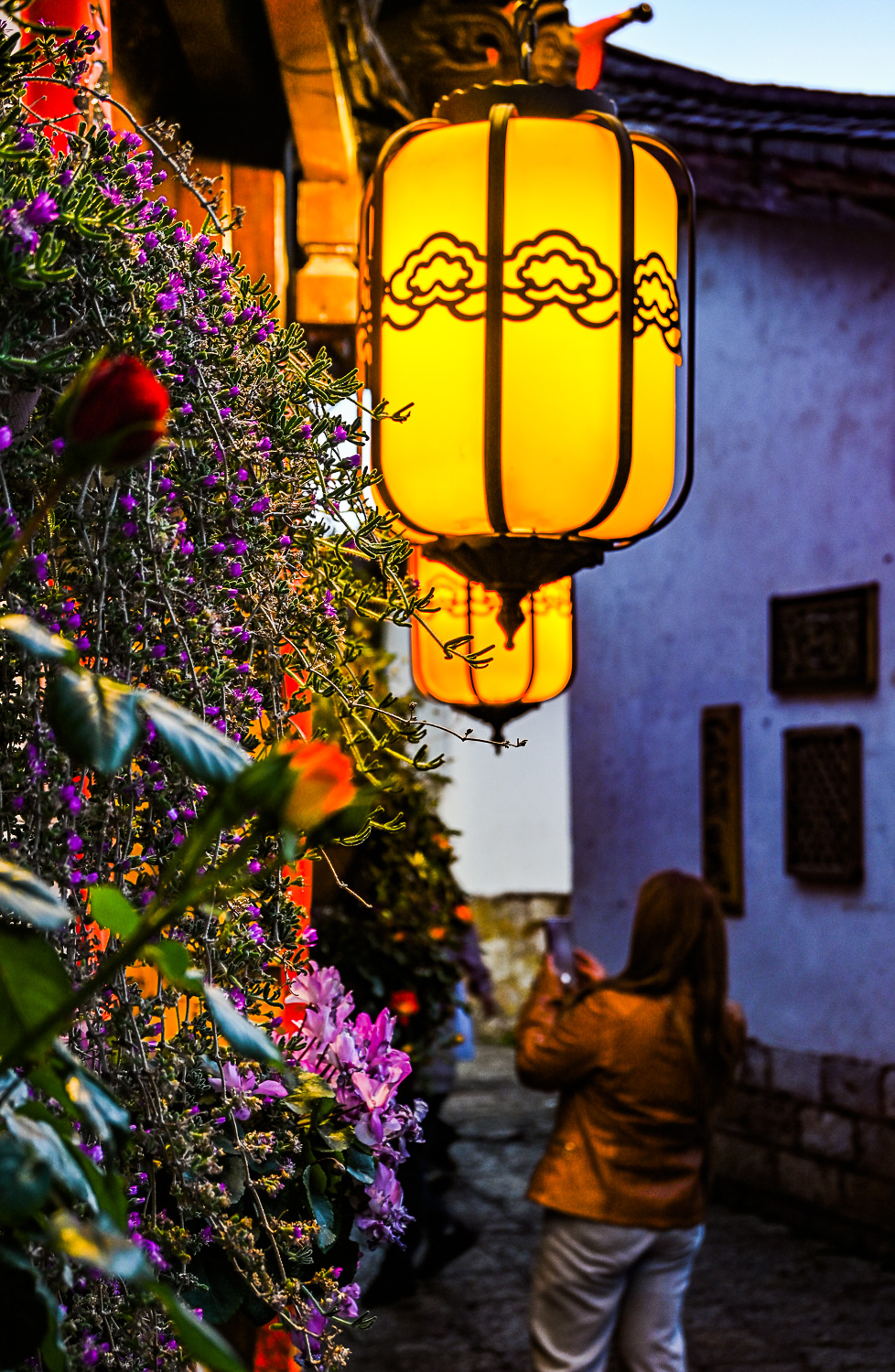
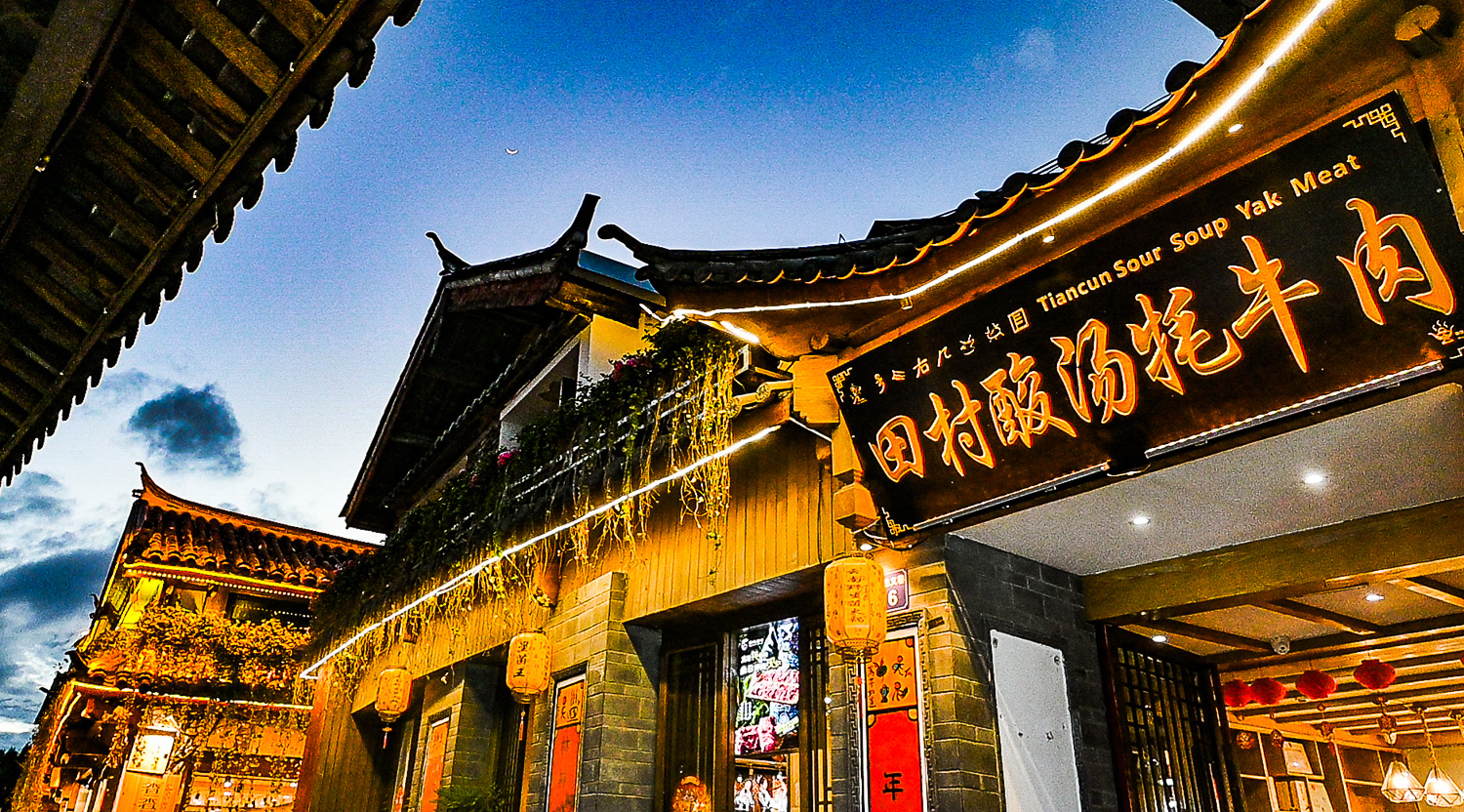
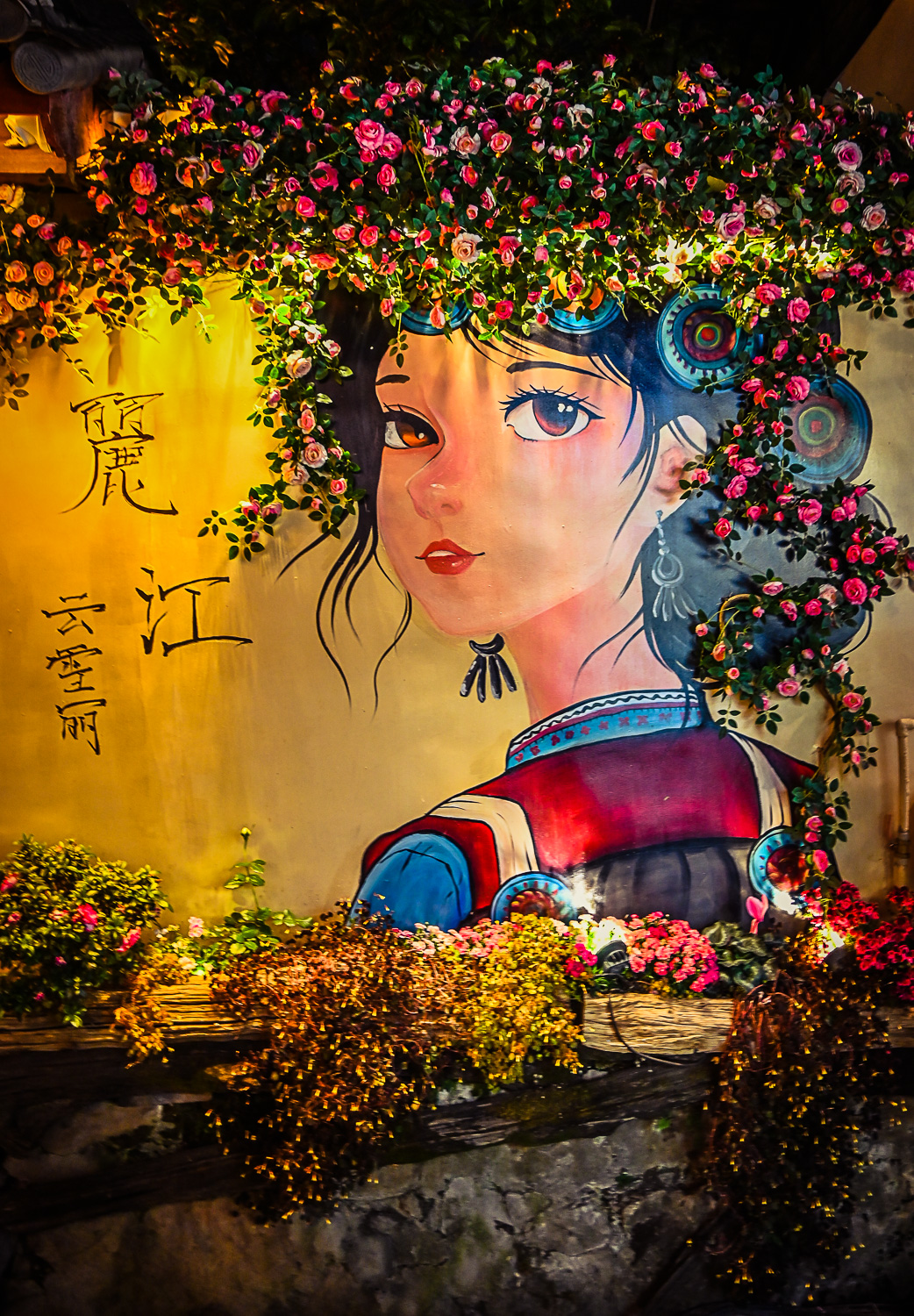
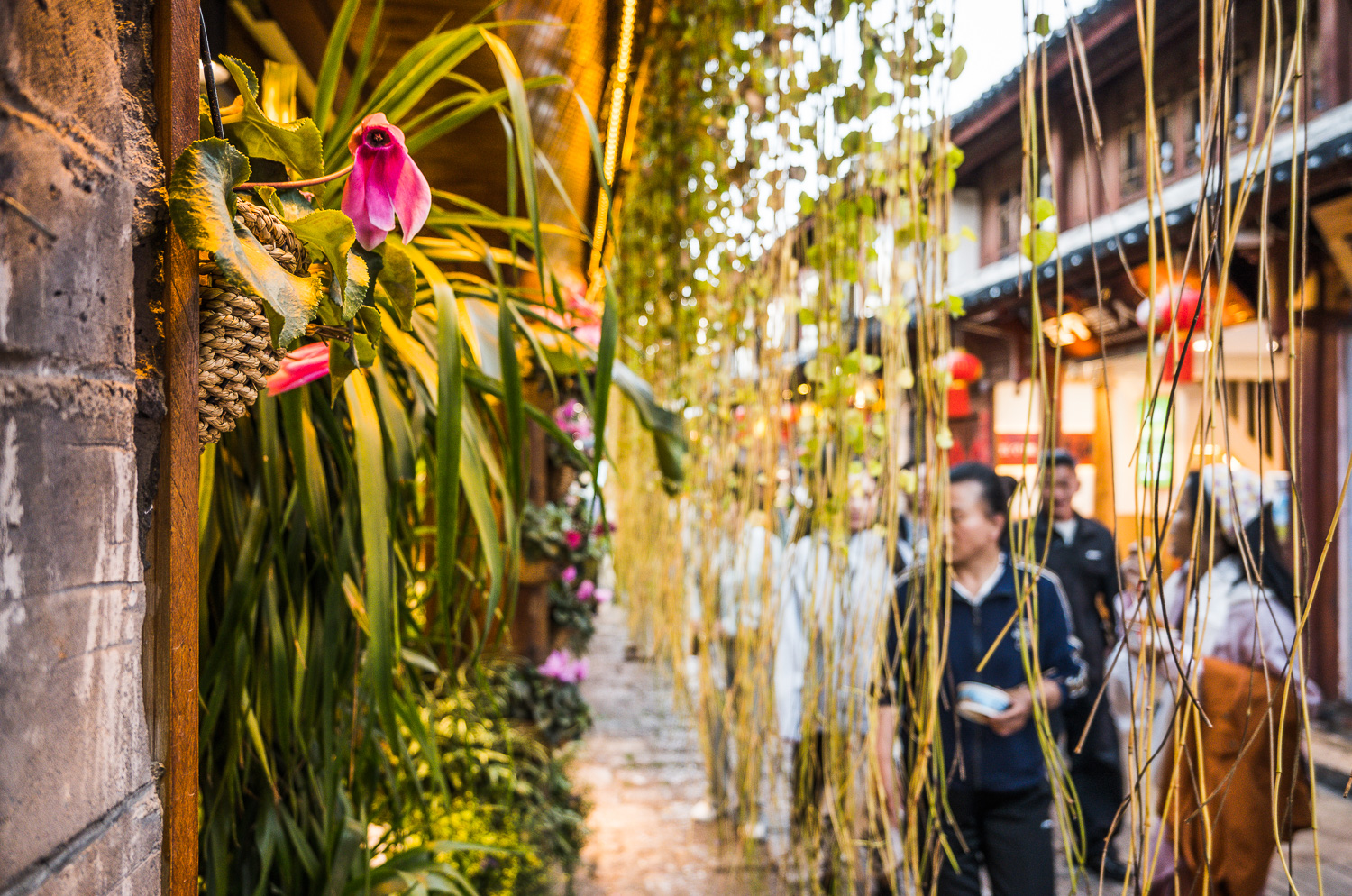
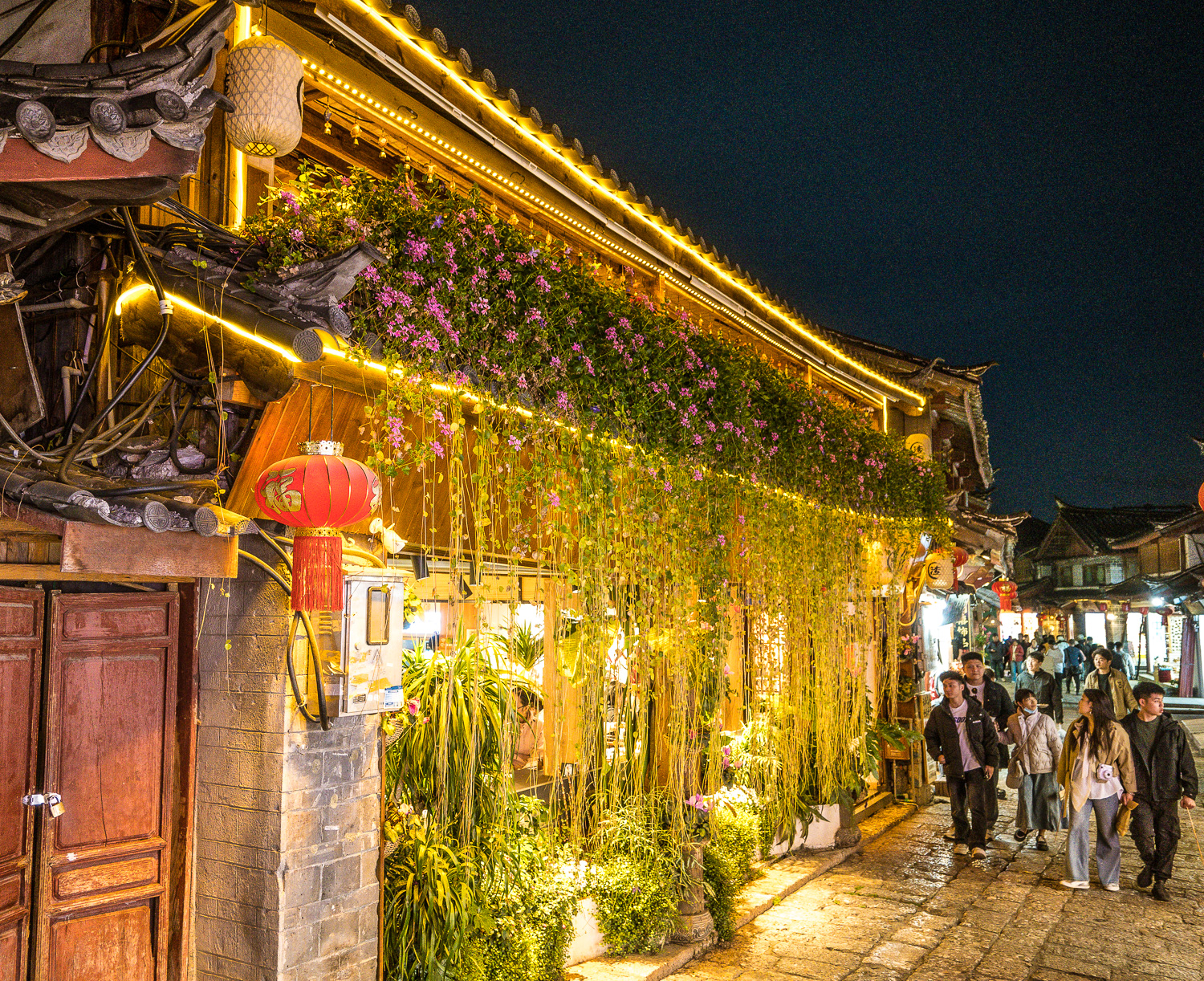
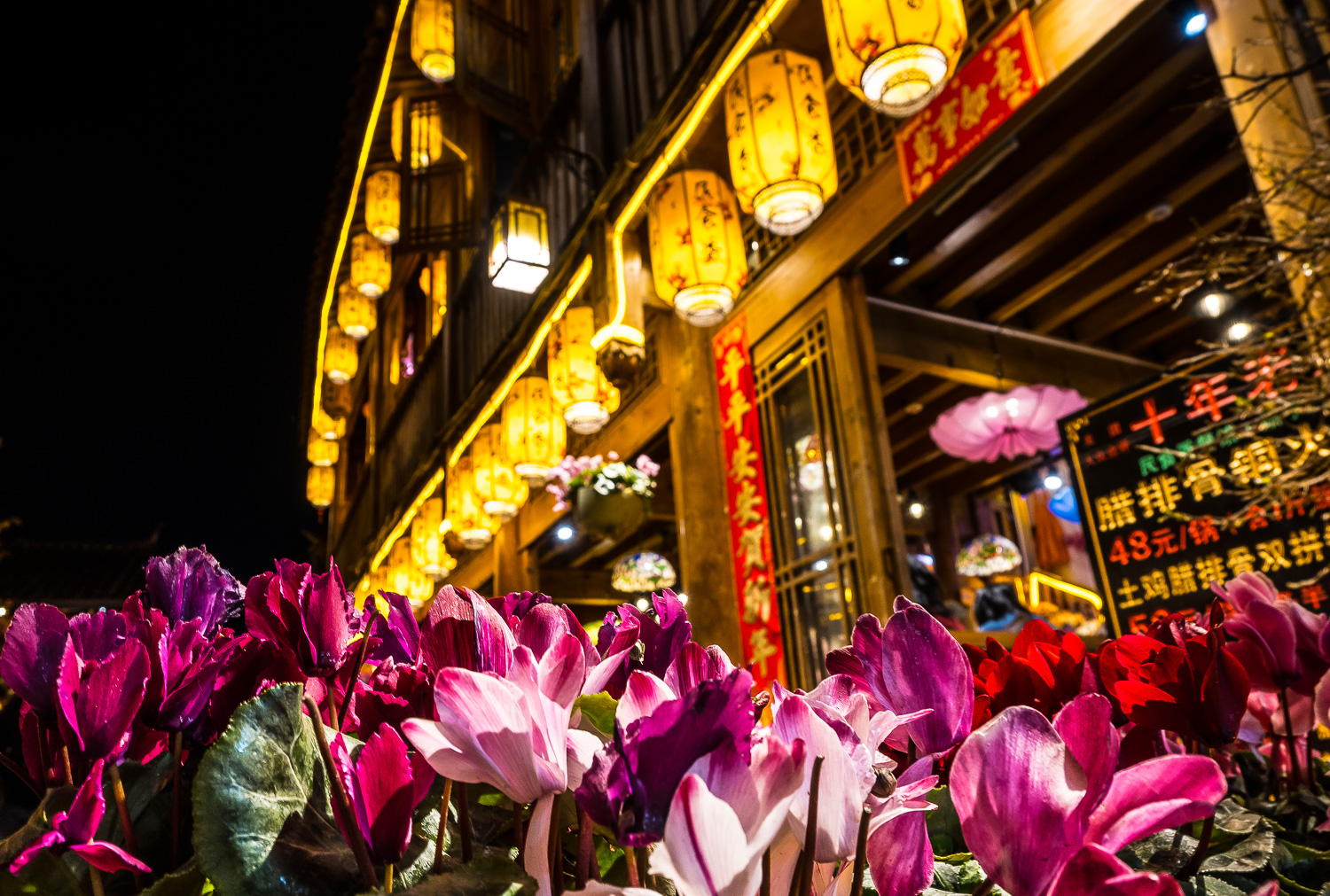
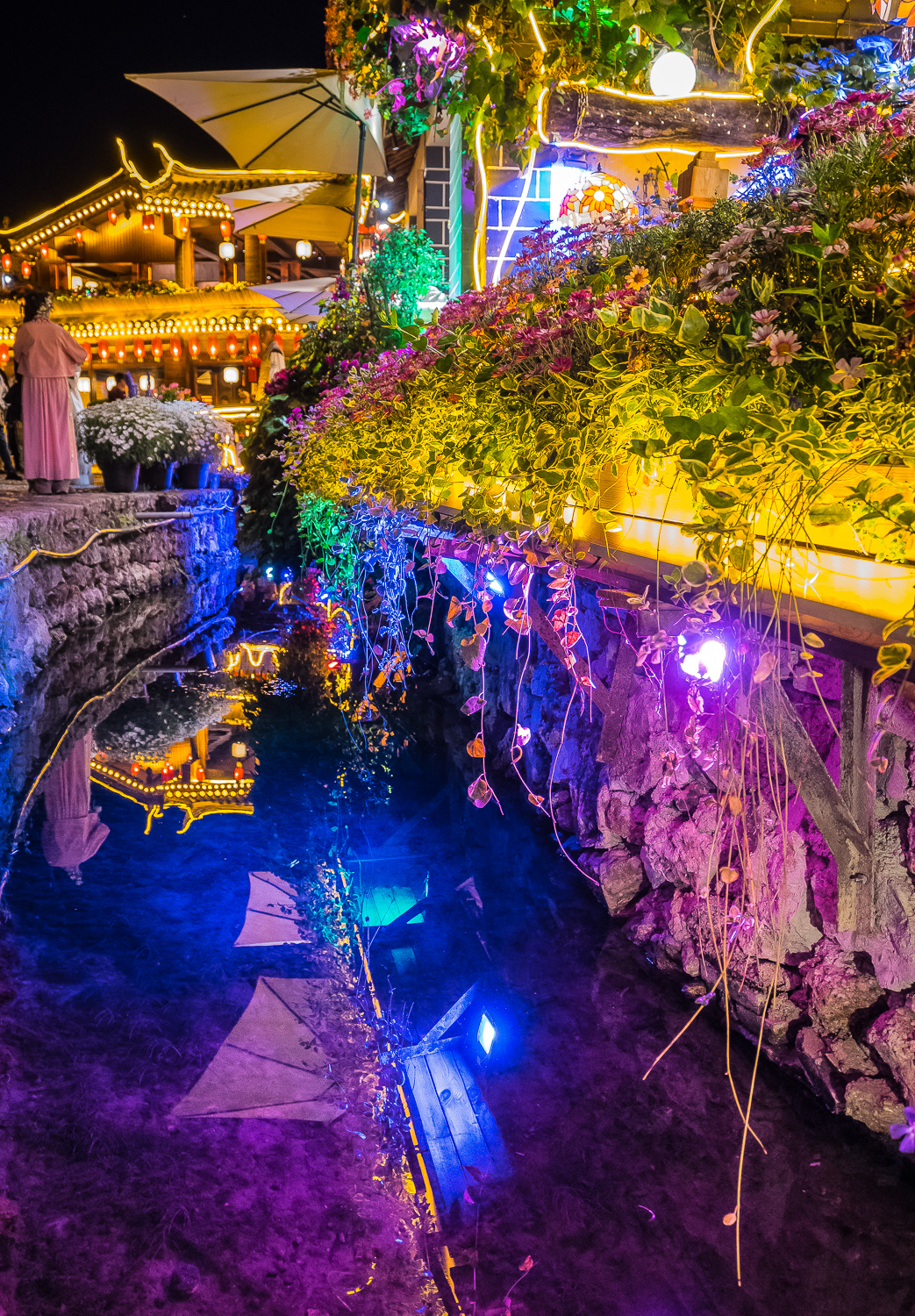
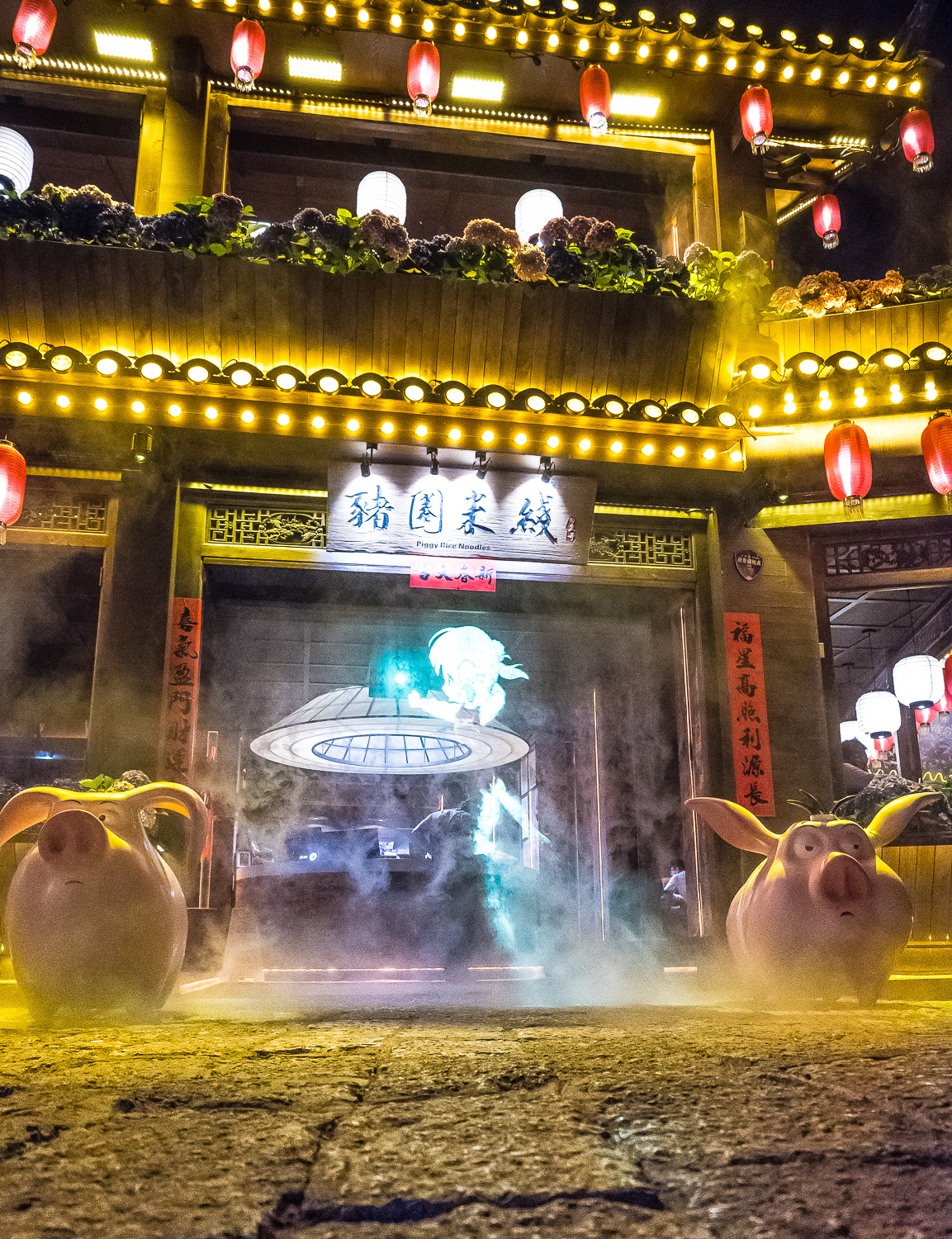
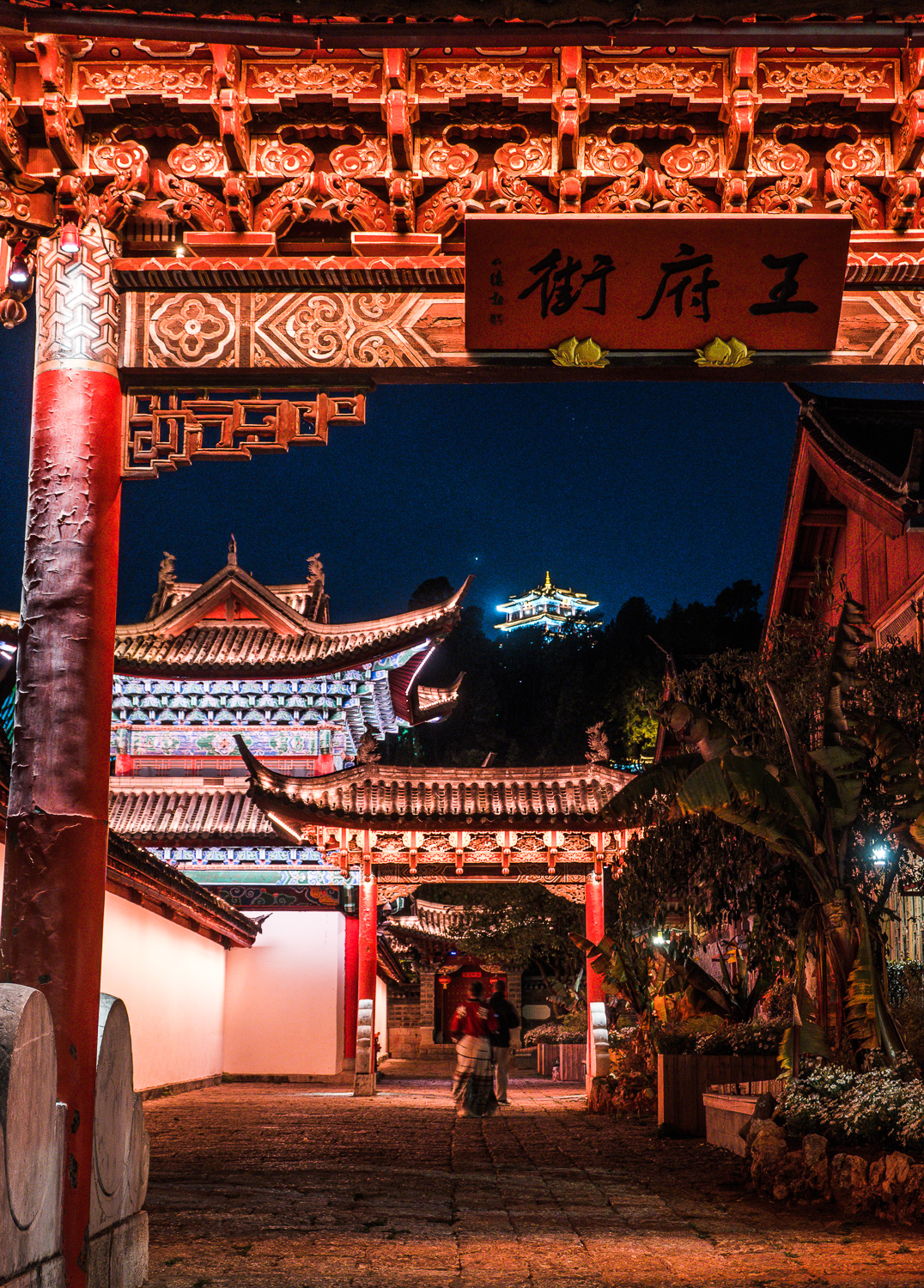
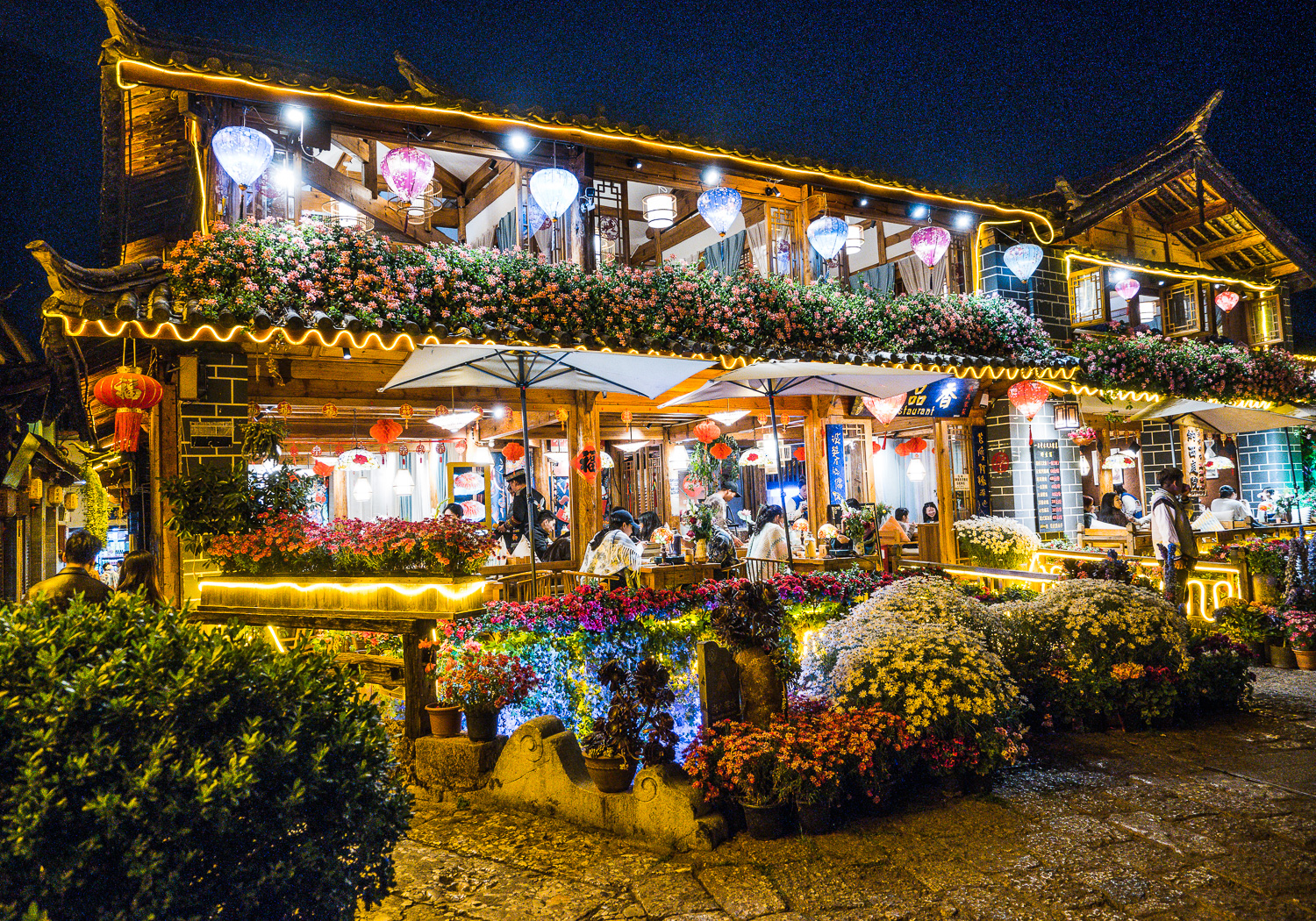
The place came alive at night with the restaurants, shops, and traditional houses and inns all lit up with lanterns and bedecked with flowers. Thousands of people took to the streets, jostling for the best Instagram position or pose – it is a very photogenic place.
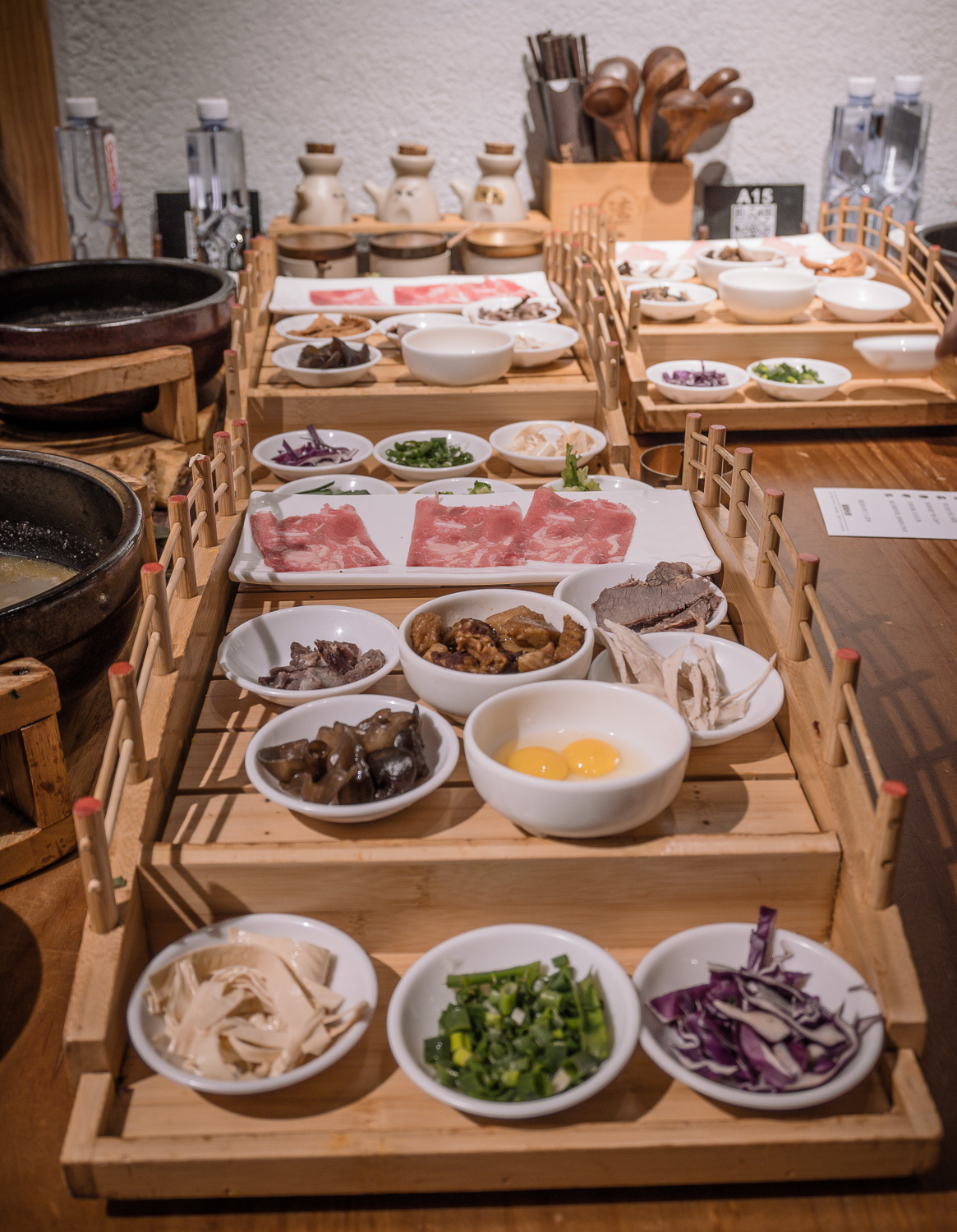
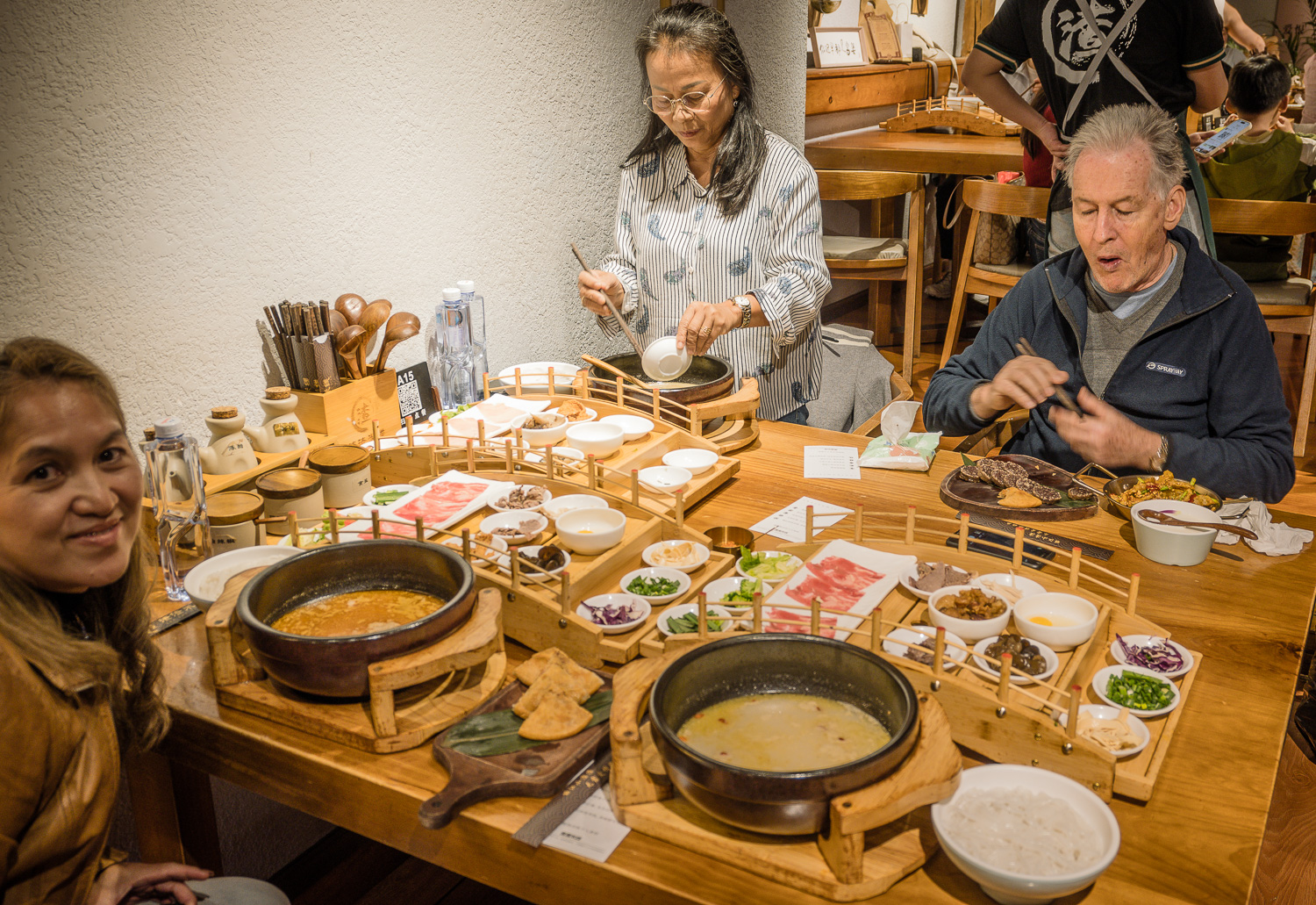
Dinner was yak hotpot, a Lijiang specialty due to its proximity to Tibet. With full bellies, we battled through the throngs back to the serenity of our courtyard.
China is a noisy place as they speak or holler at each other at full volume, but sleep came easily after a long day on the road.
Day 3: Tiger Leaping Gorge
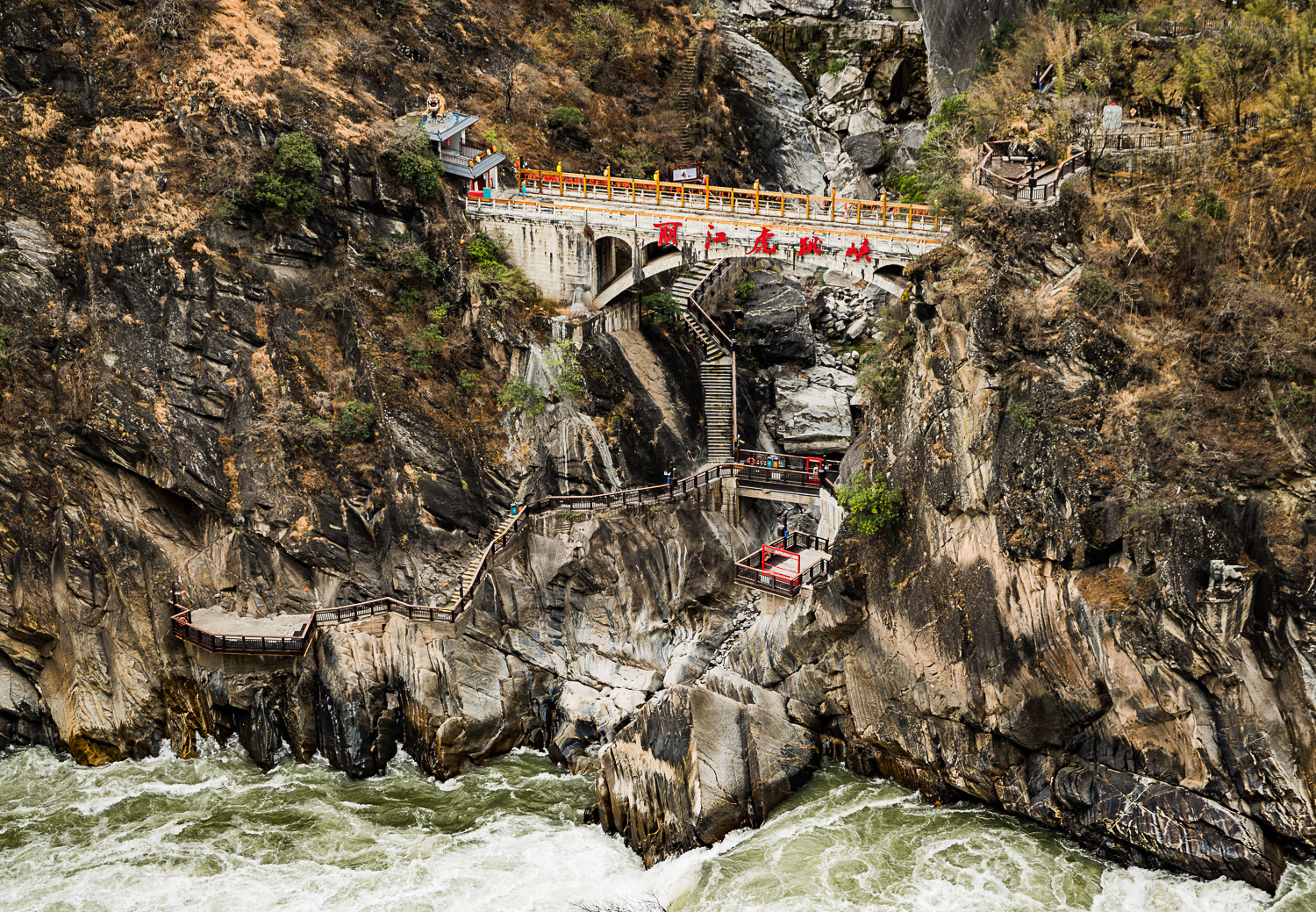
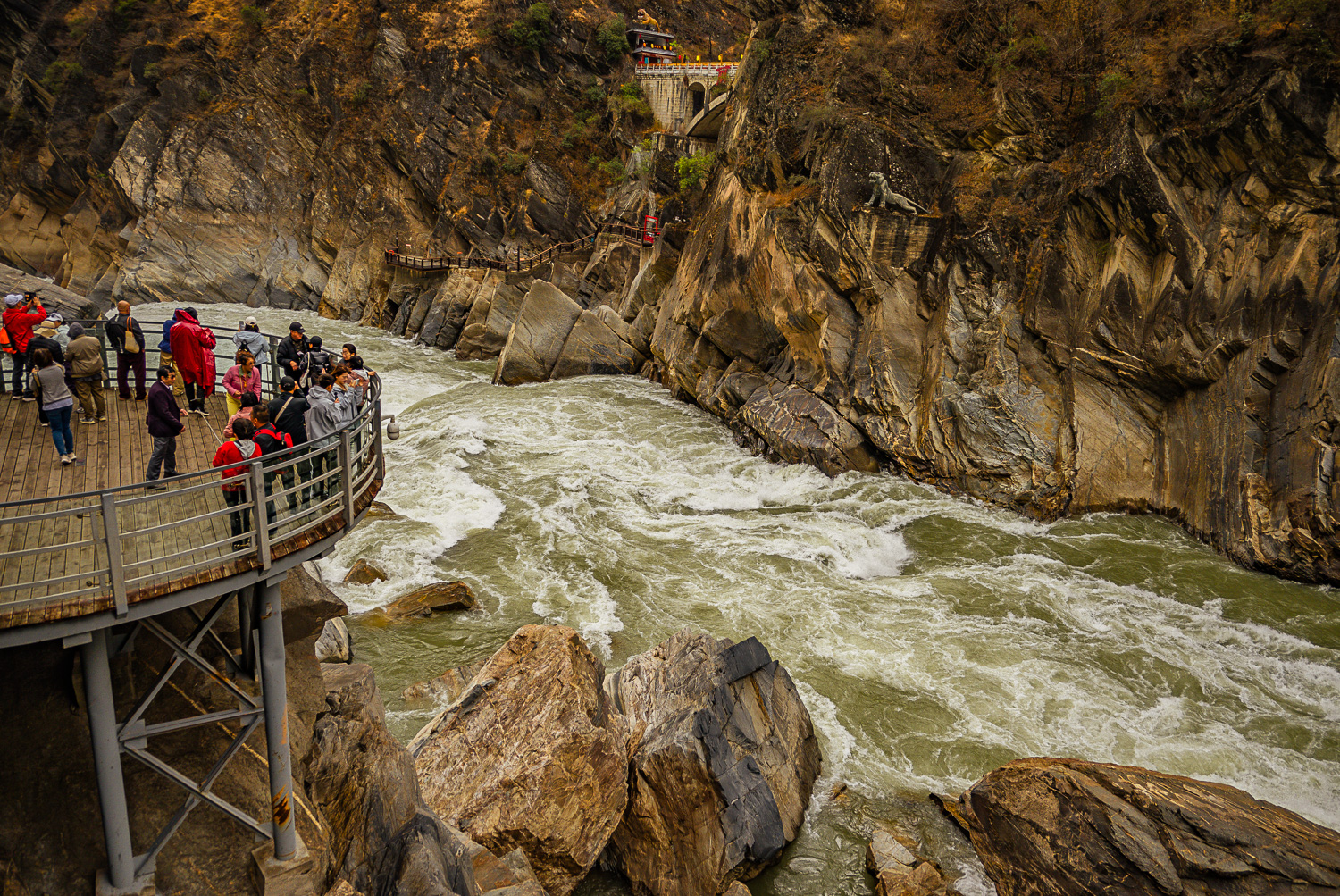
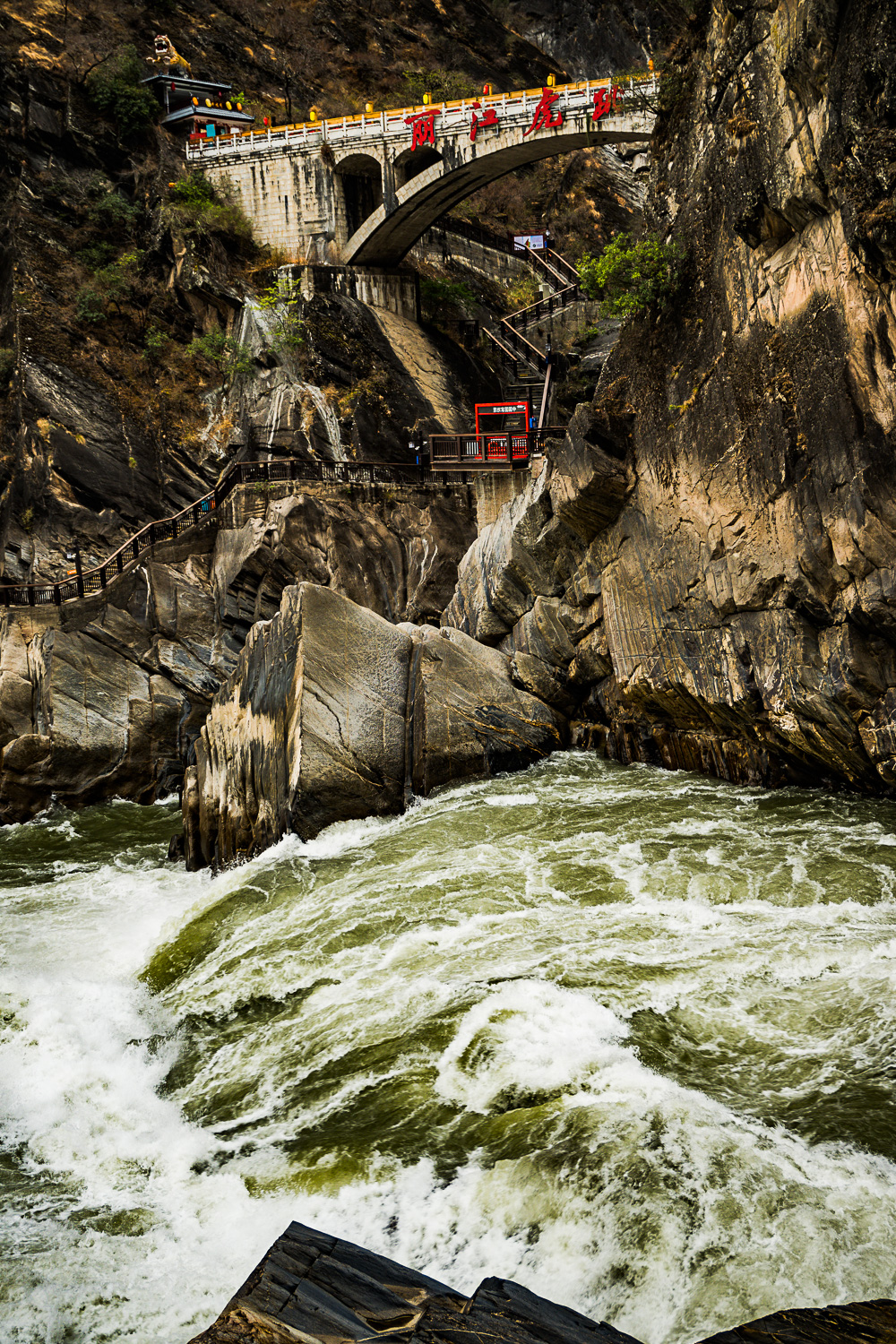
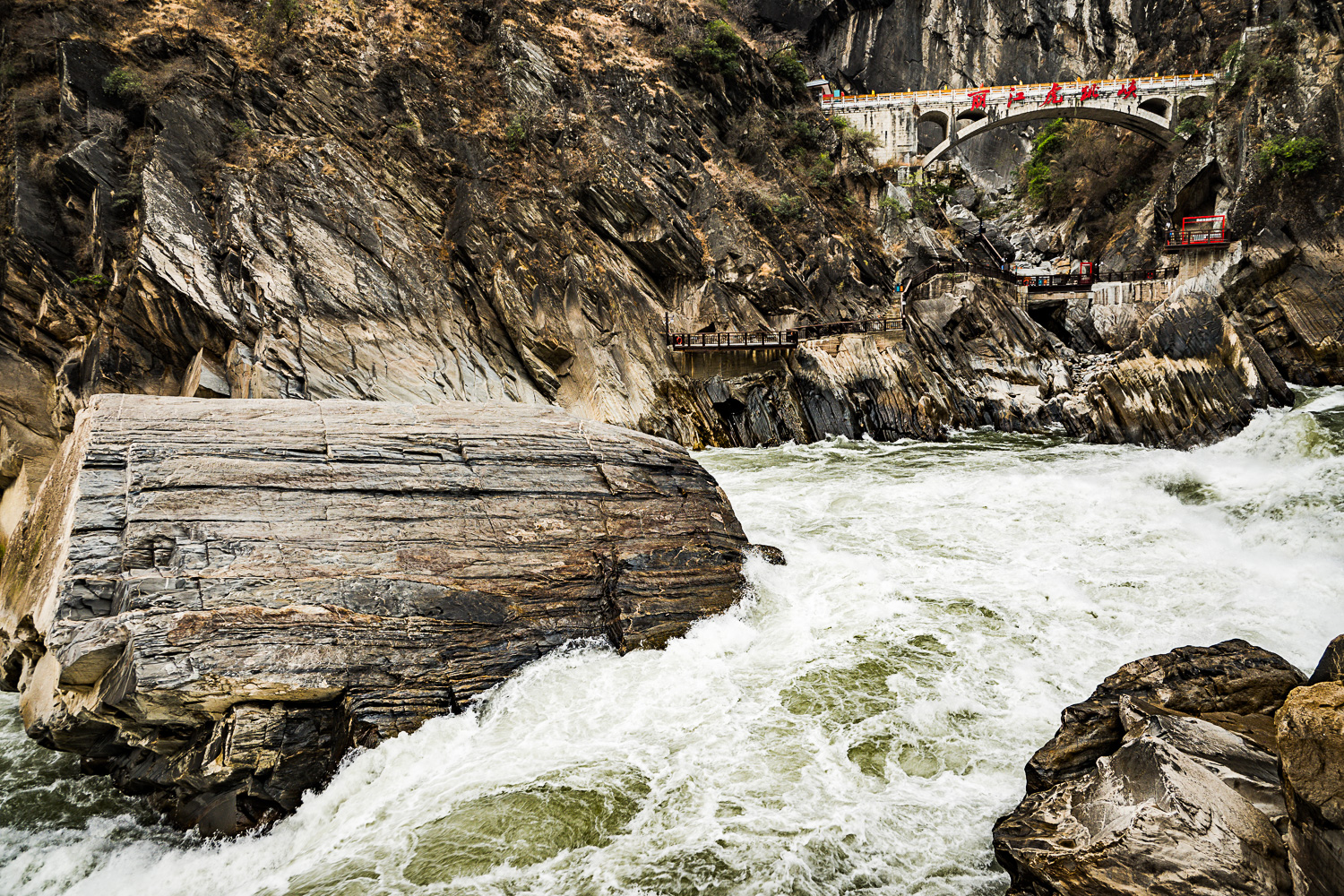
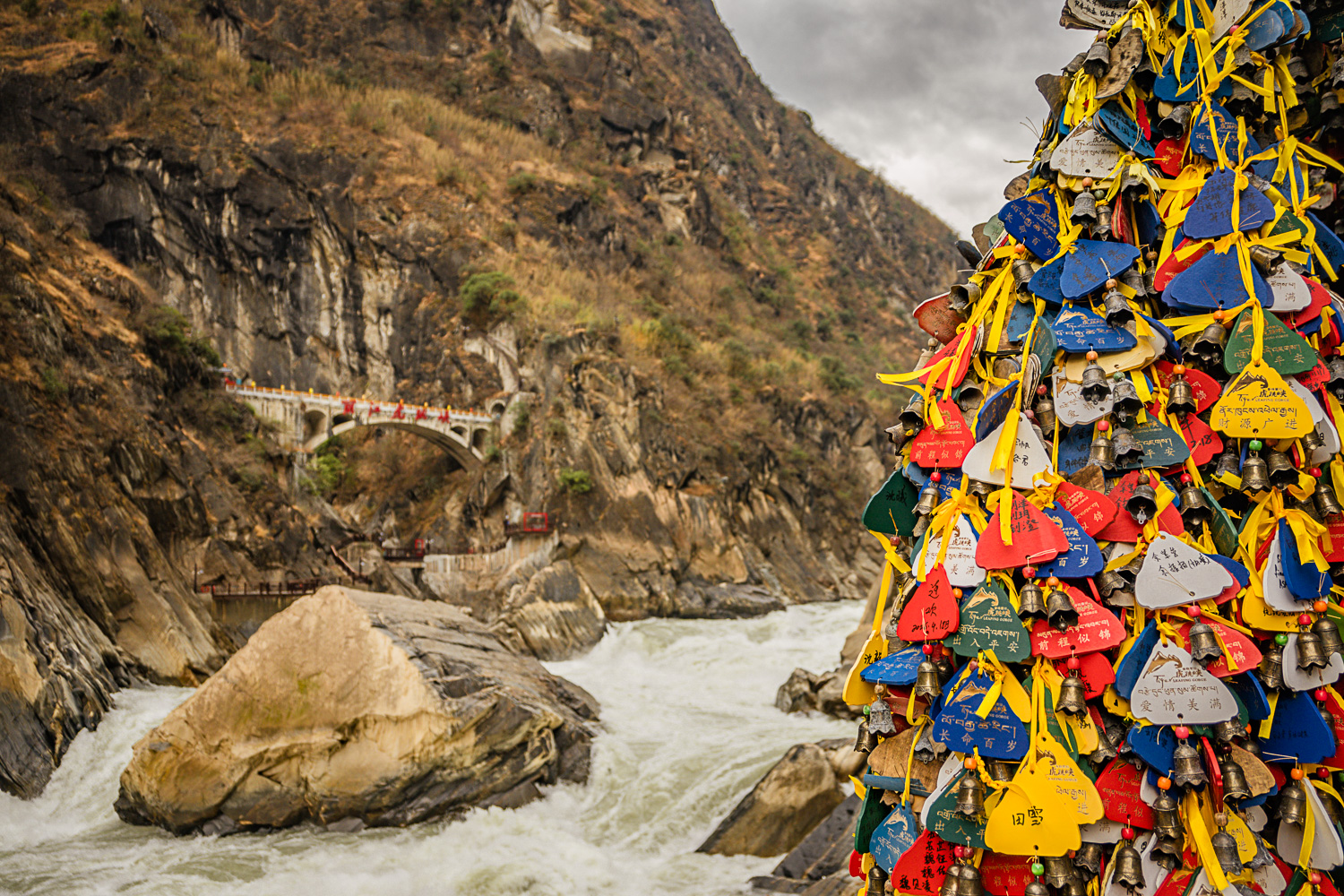
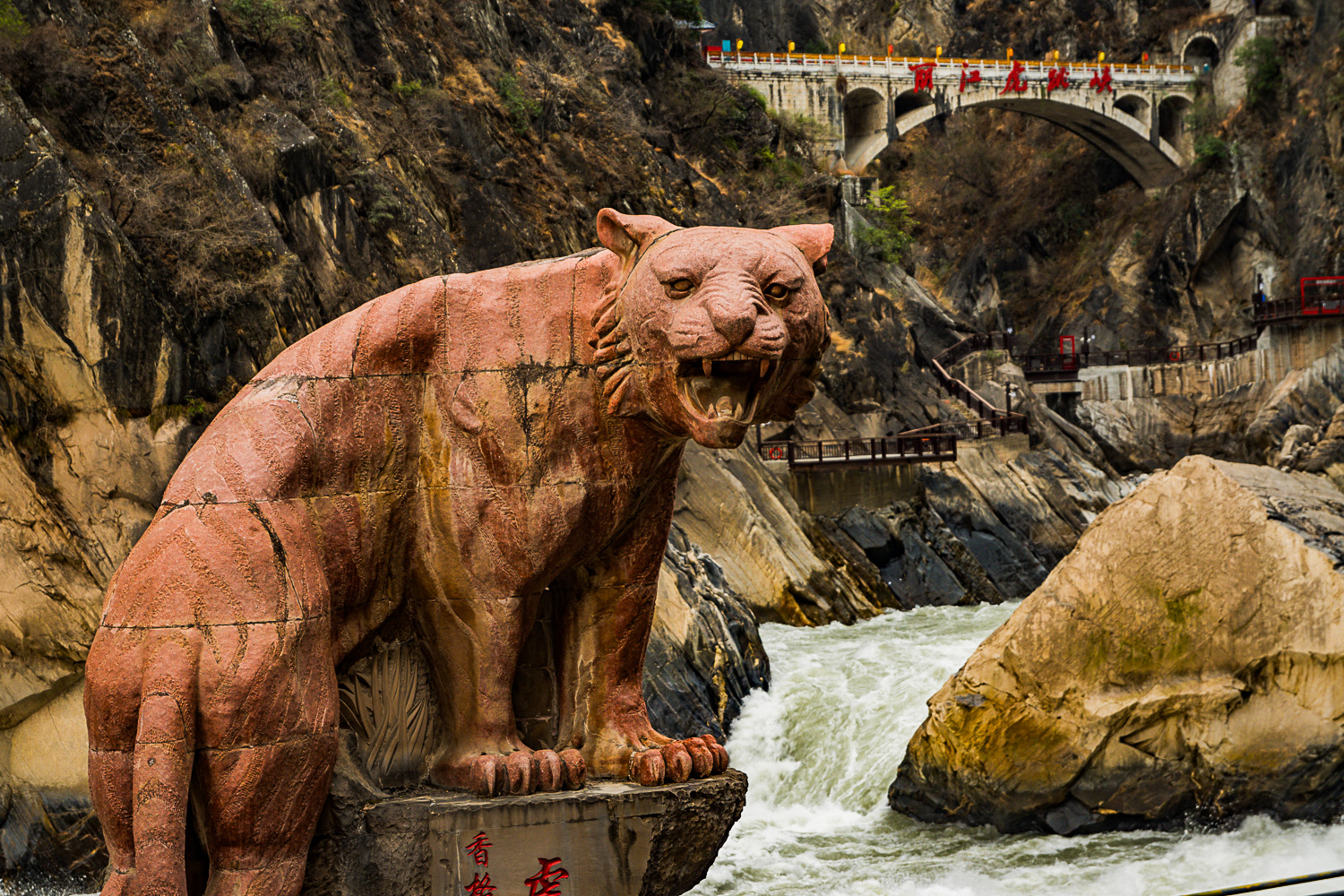
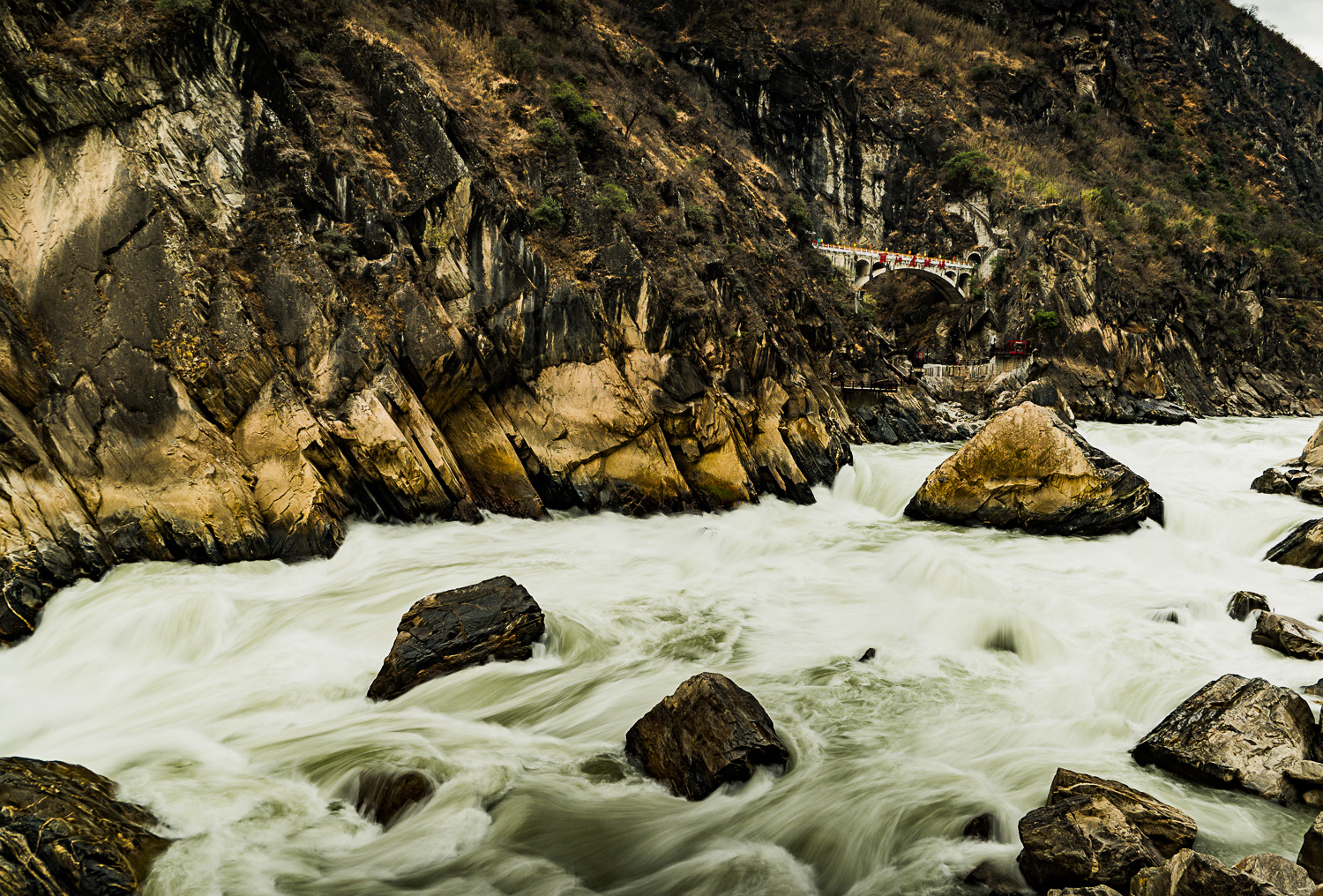
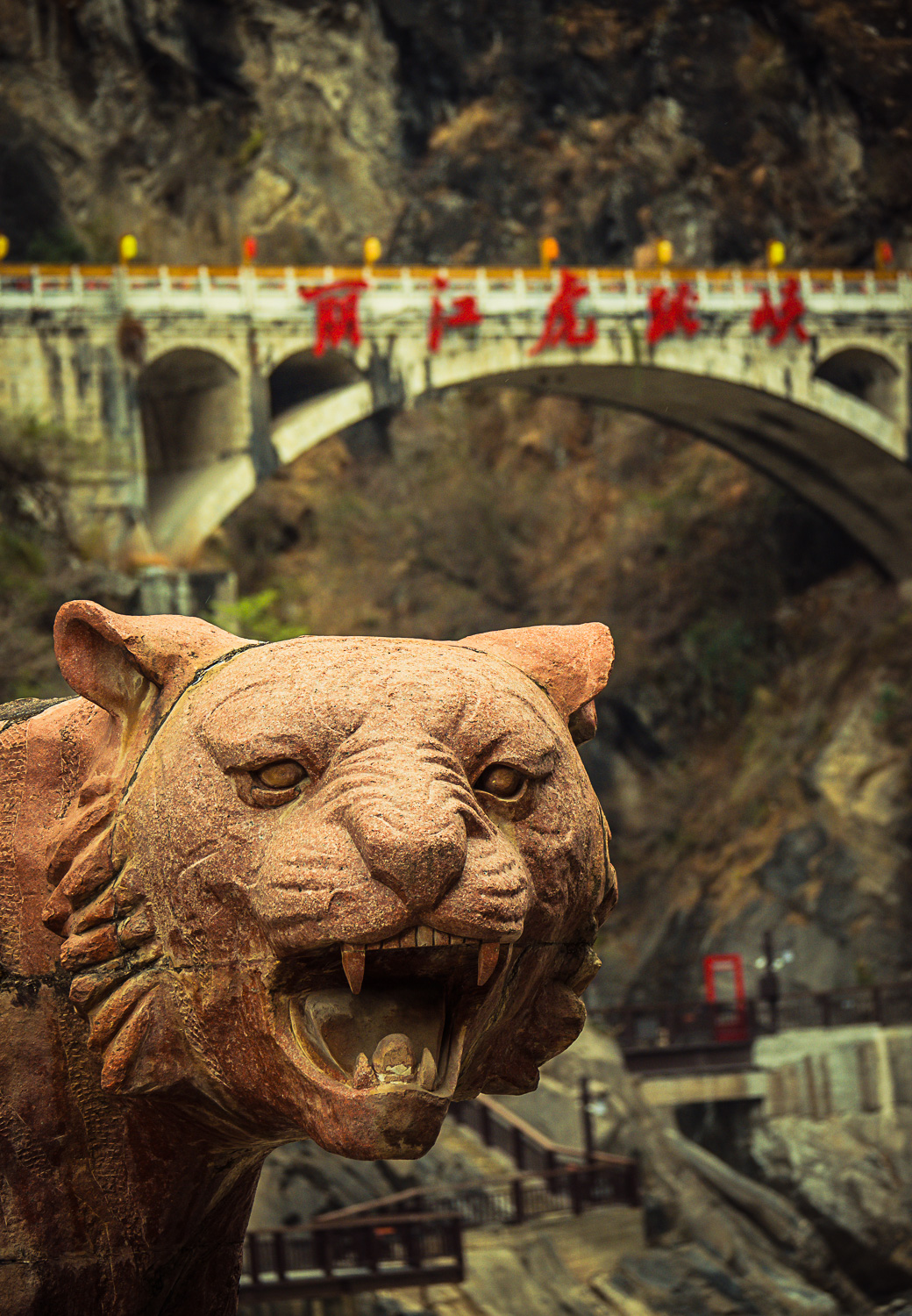
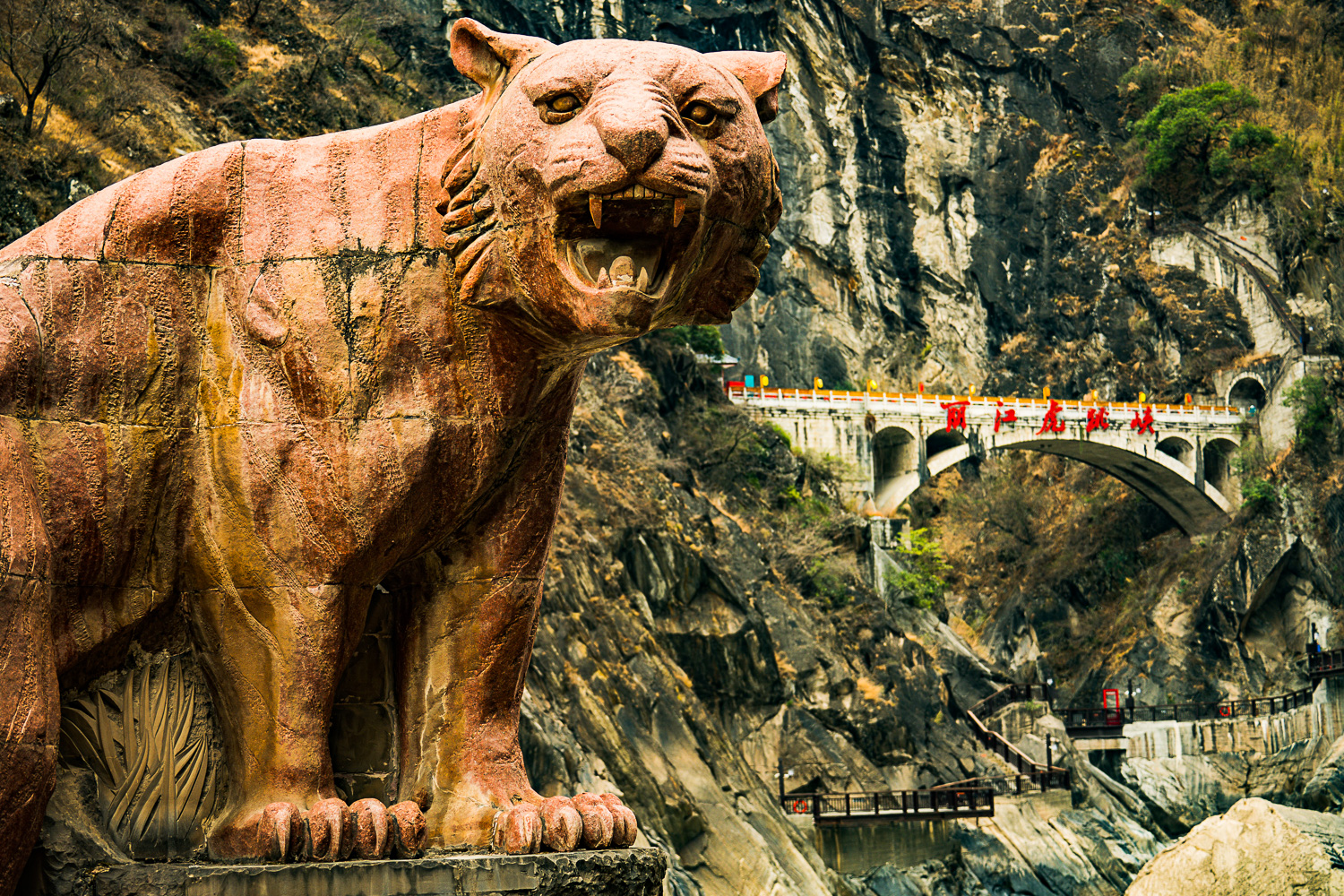
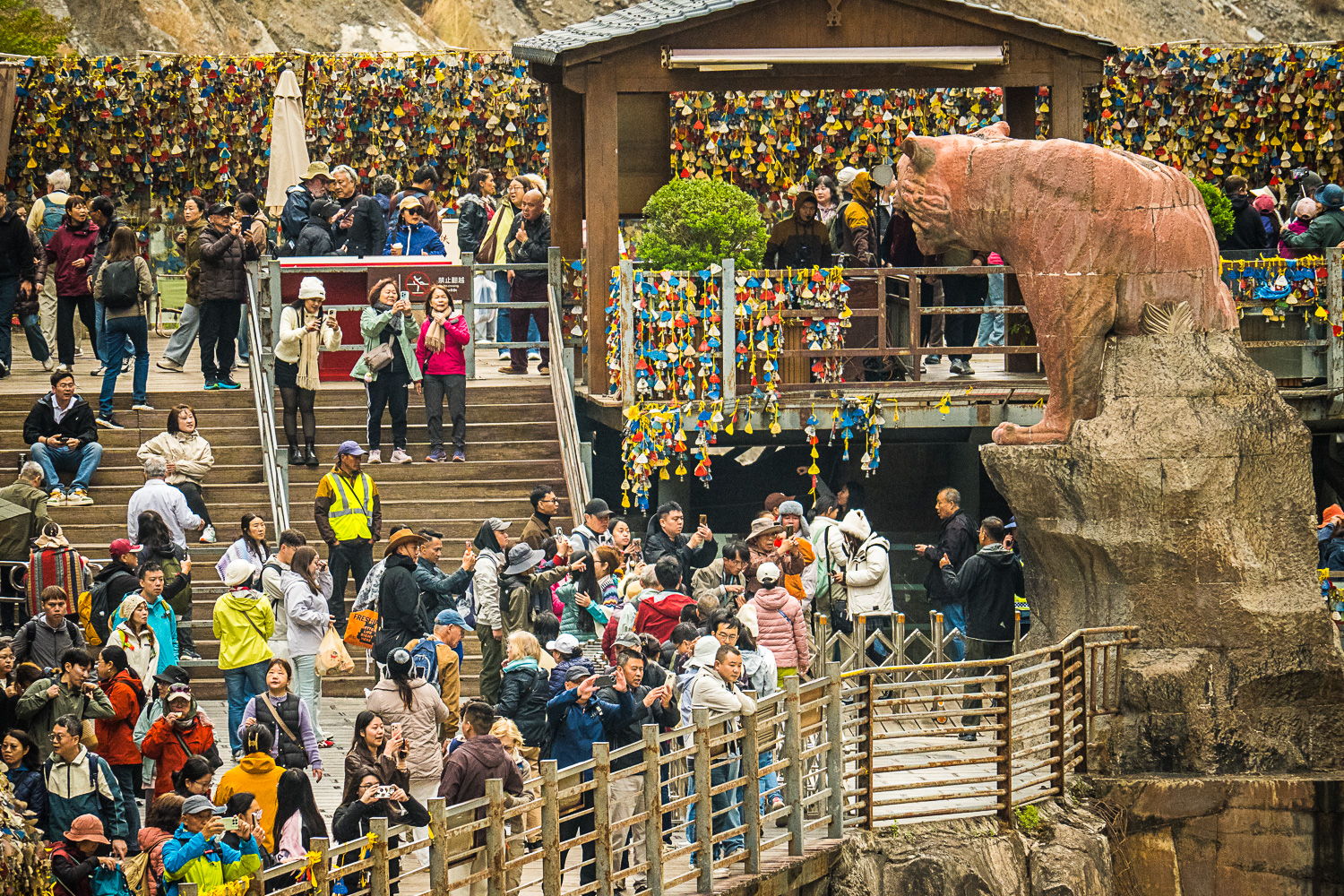
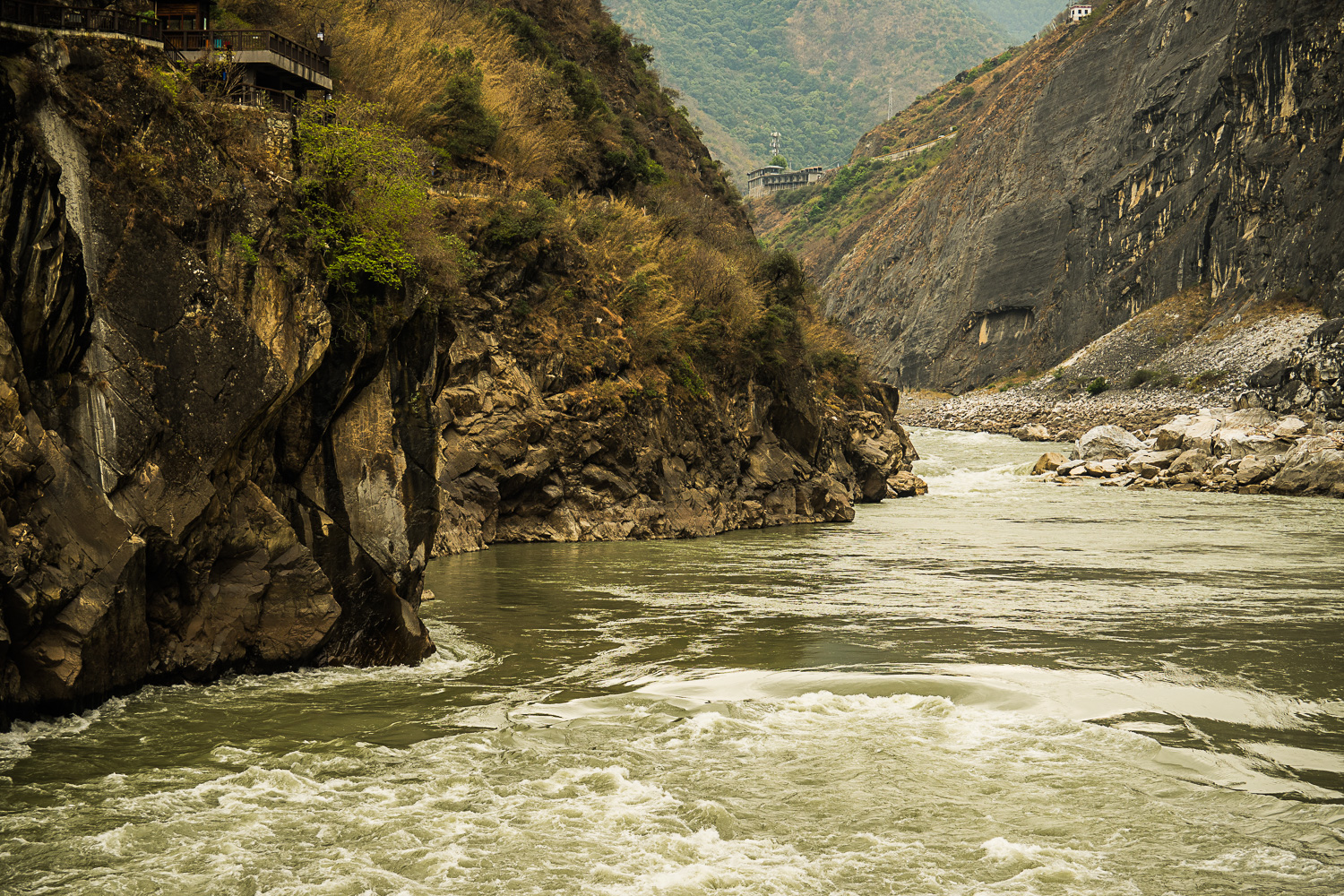
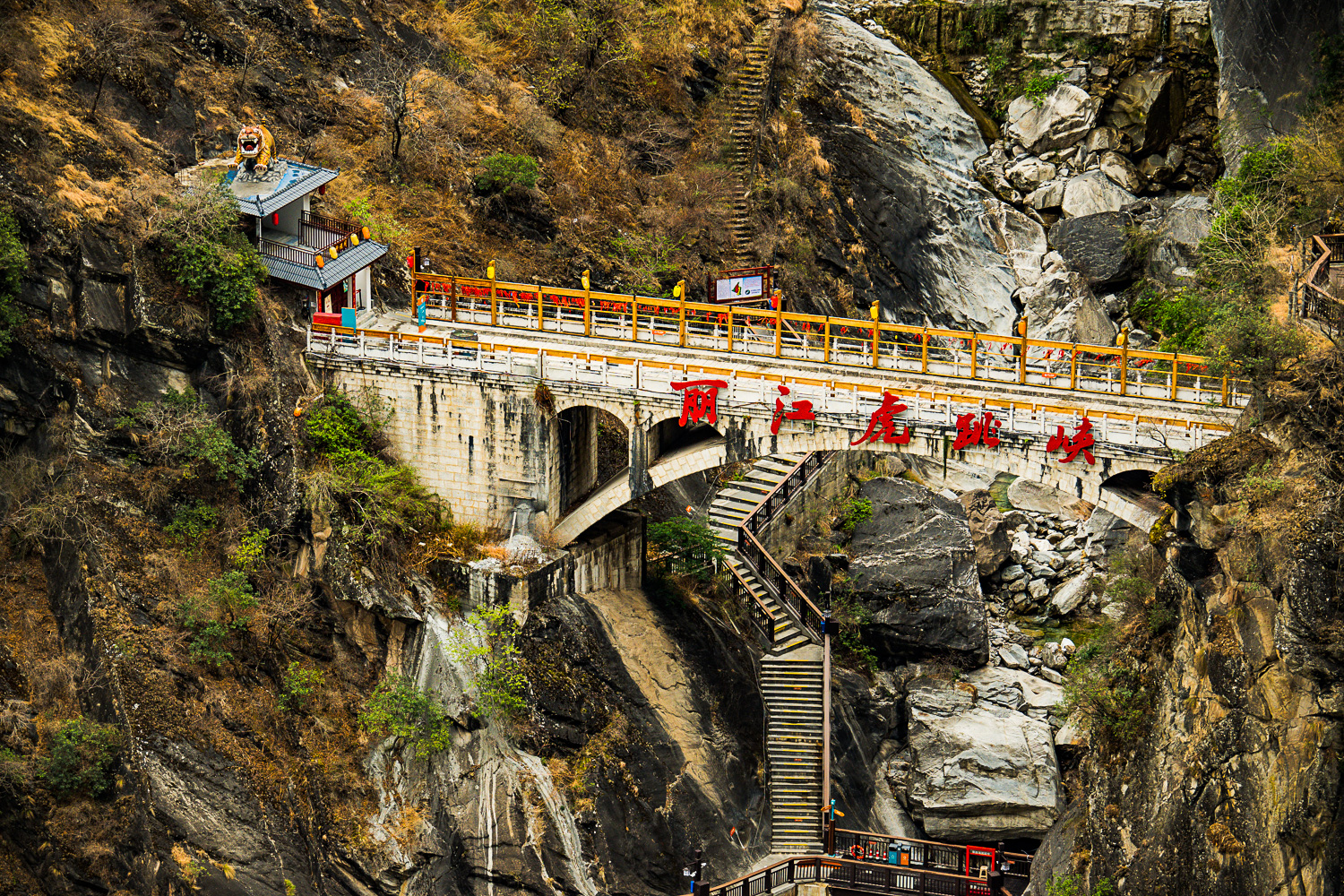
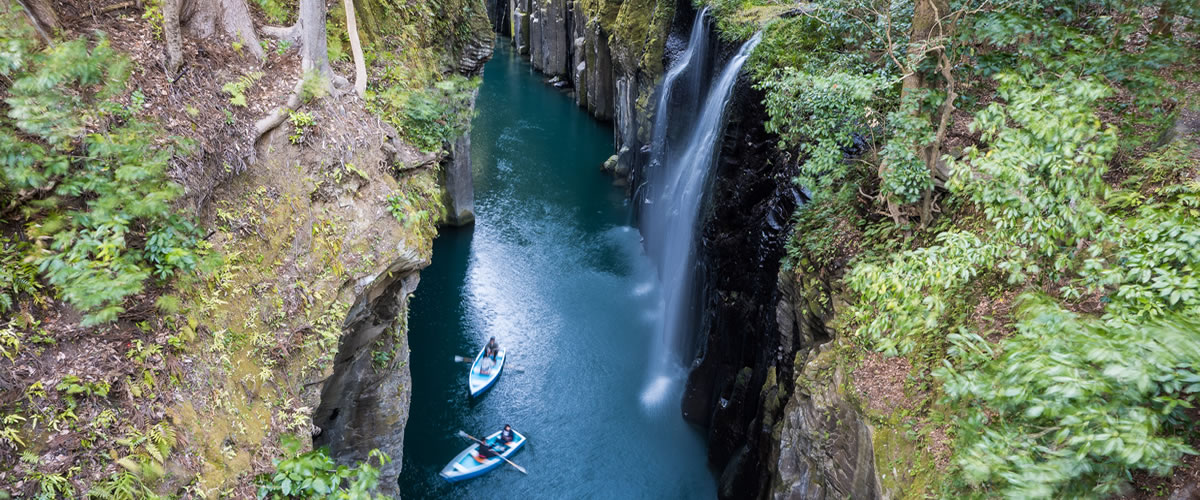
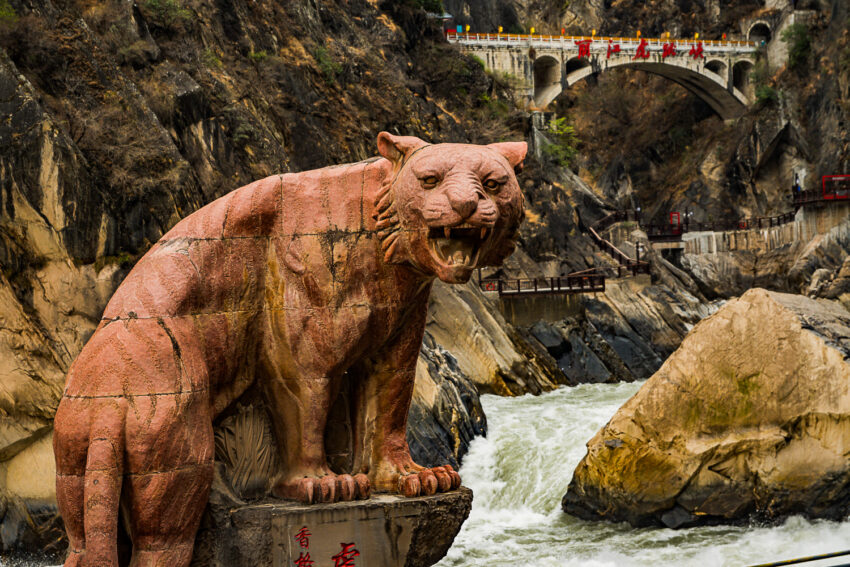
Today we were heading for Tiger Leaping Gorge, a famous tourist attraction where legend has it that a tiger leapt across the chasm using a huge rock splitting the raging torrent. It is one of the deepest and most spectacular river canyons in the world, carved by the Jinsha River between Jade Dragon Snow Mountain and Haba Snow Mountain. The gorge plunges to a maximum depth of approximately 3,790 meters.
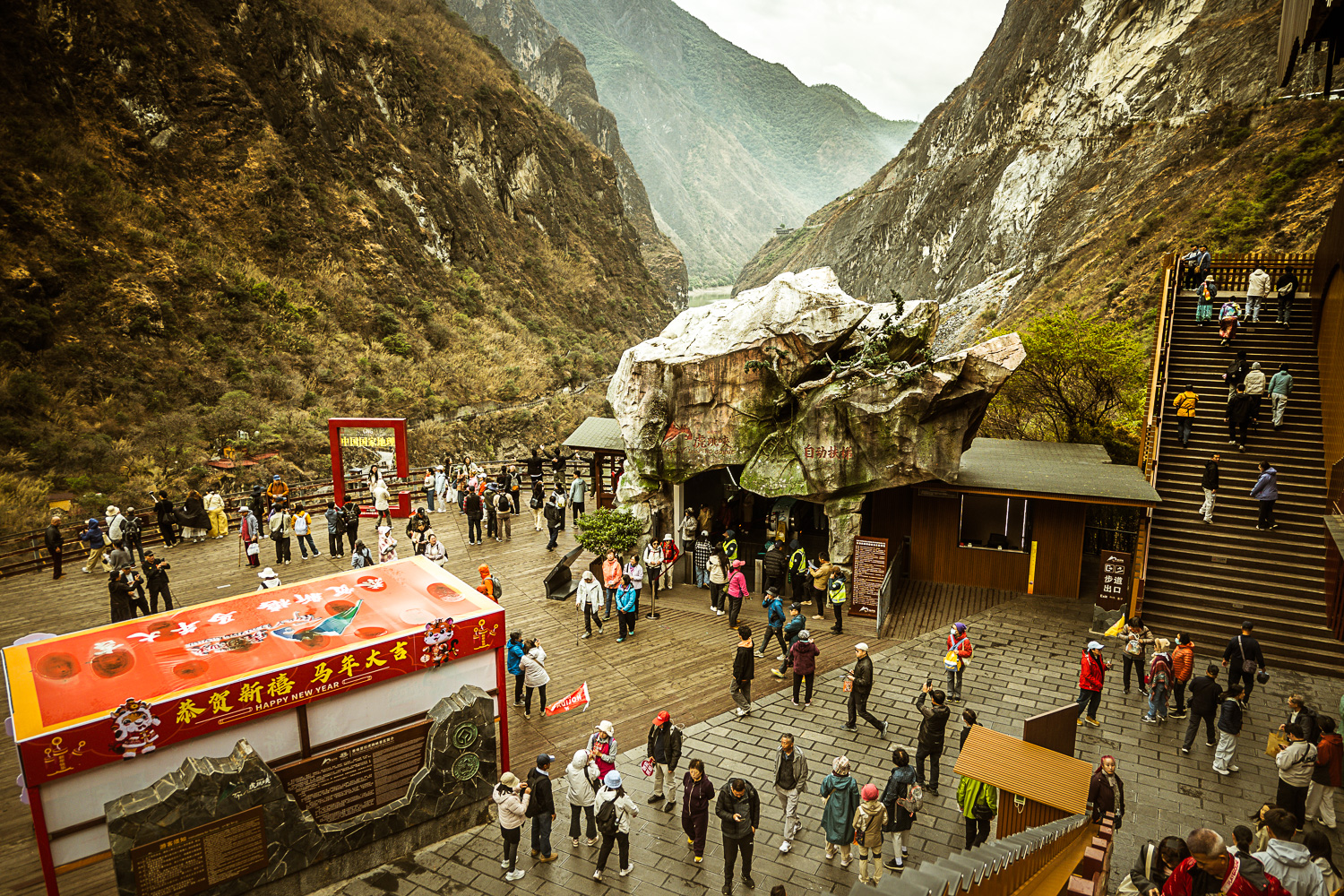
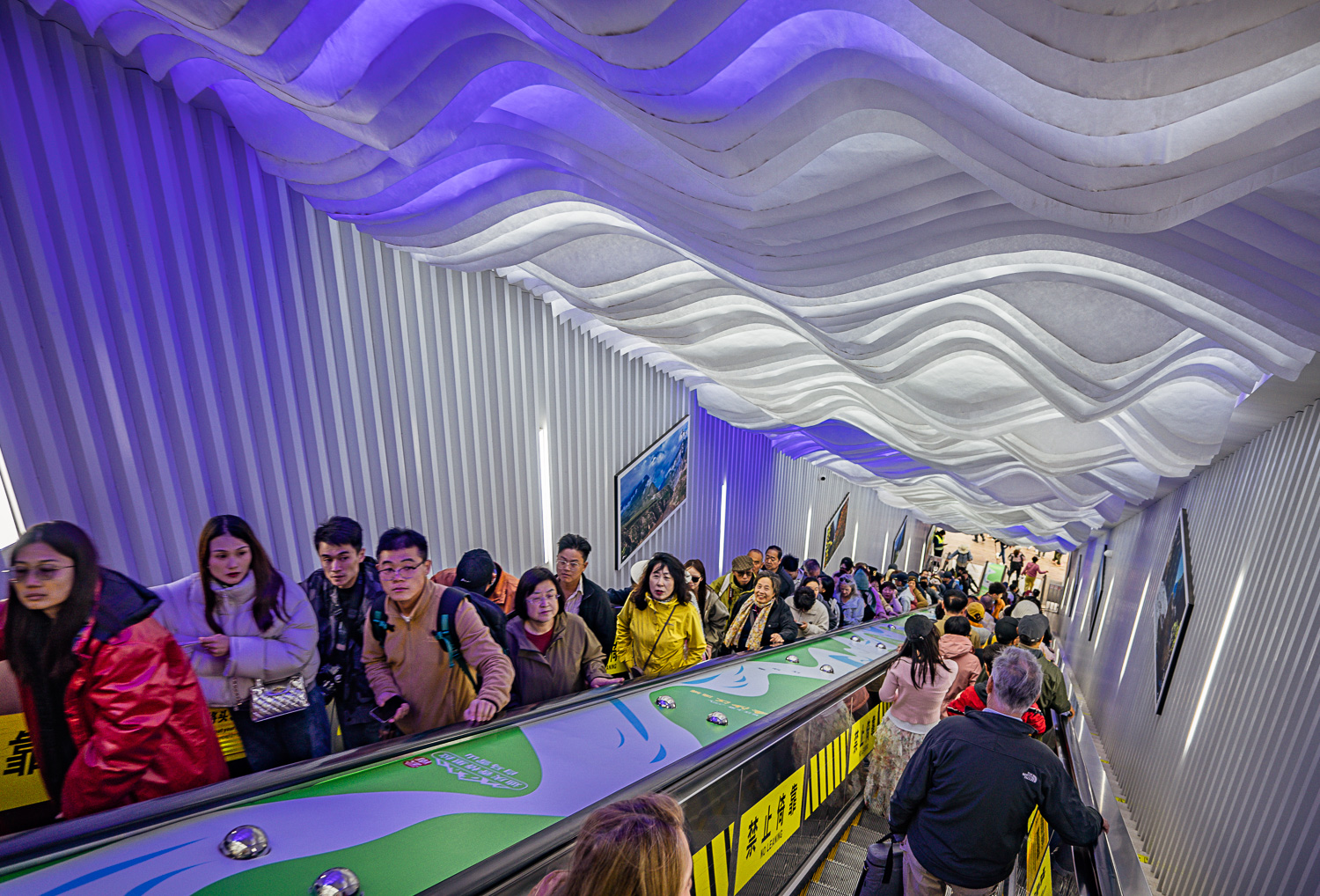
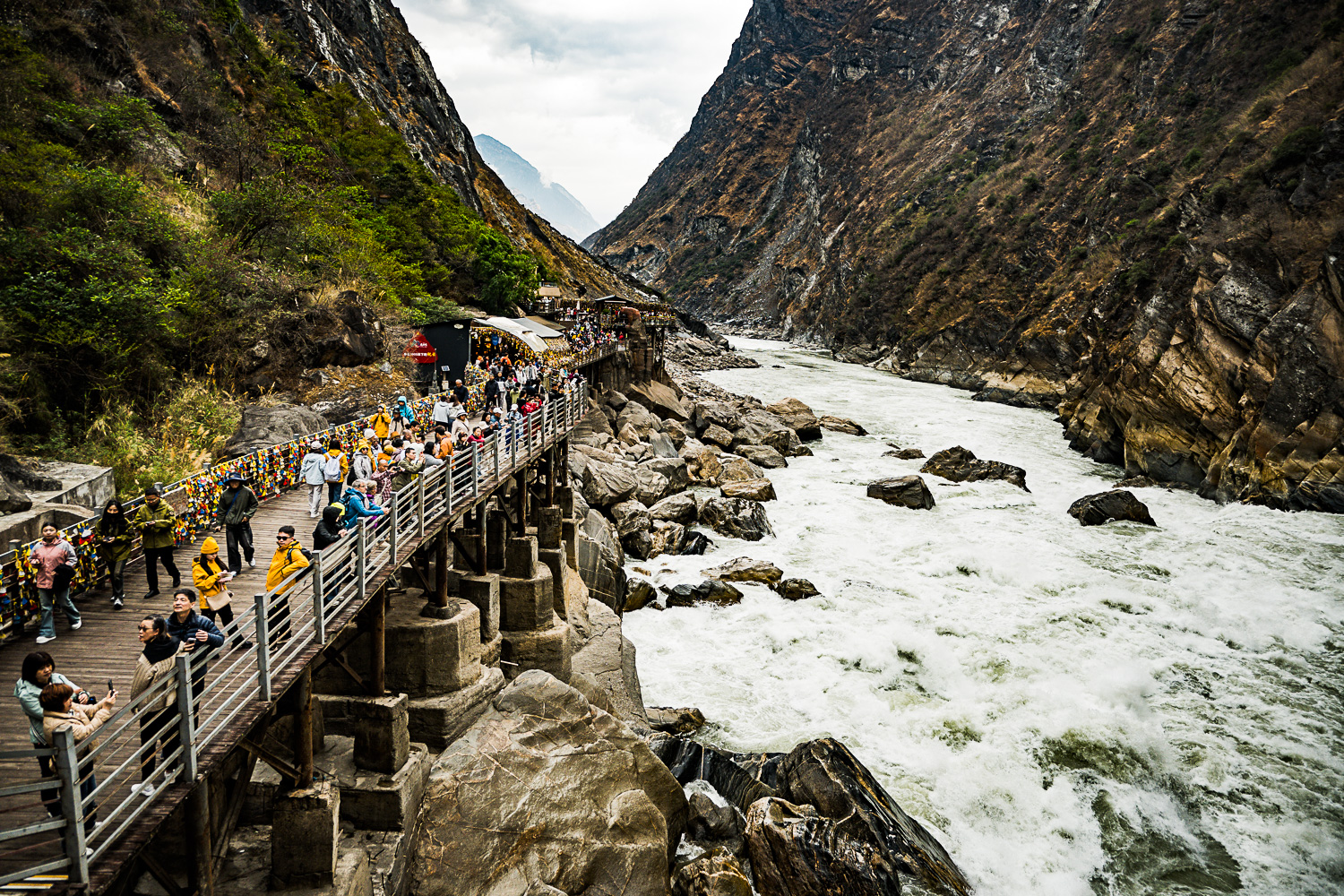
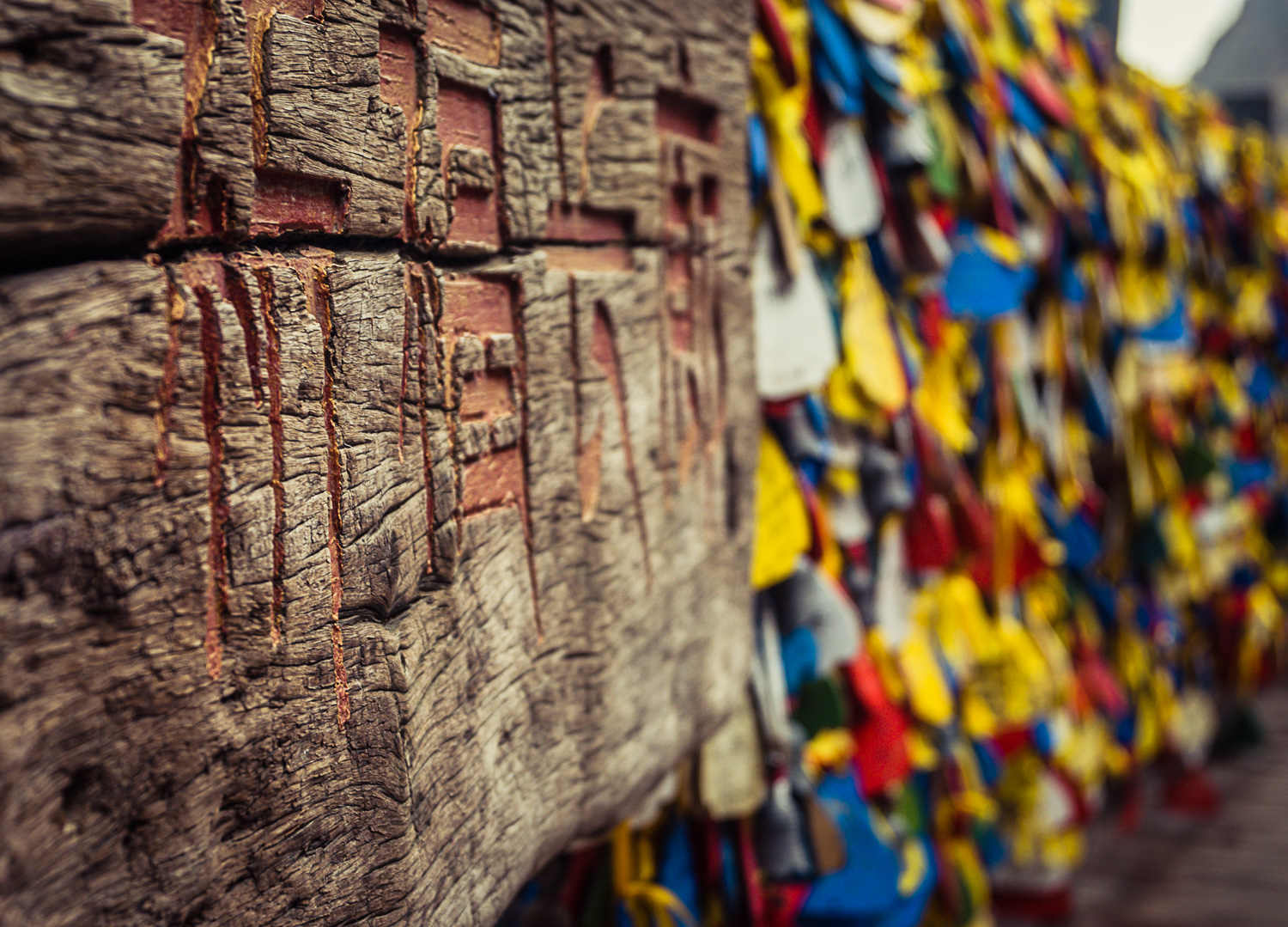
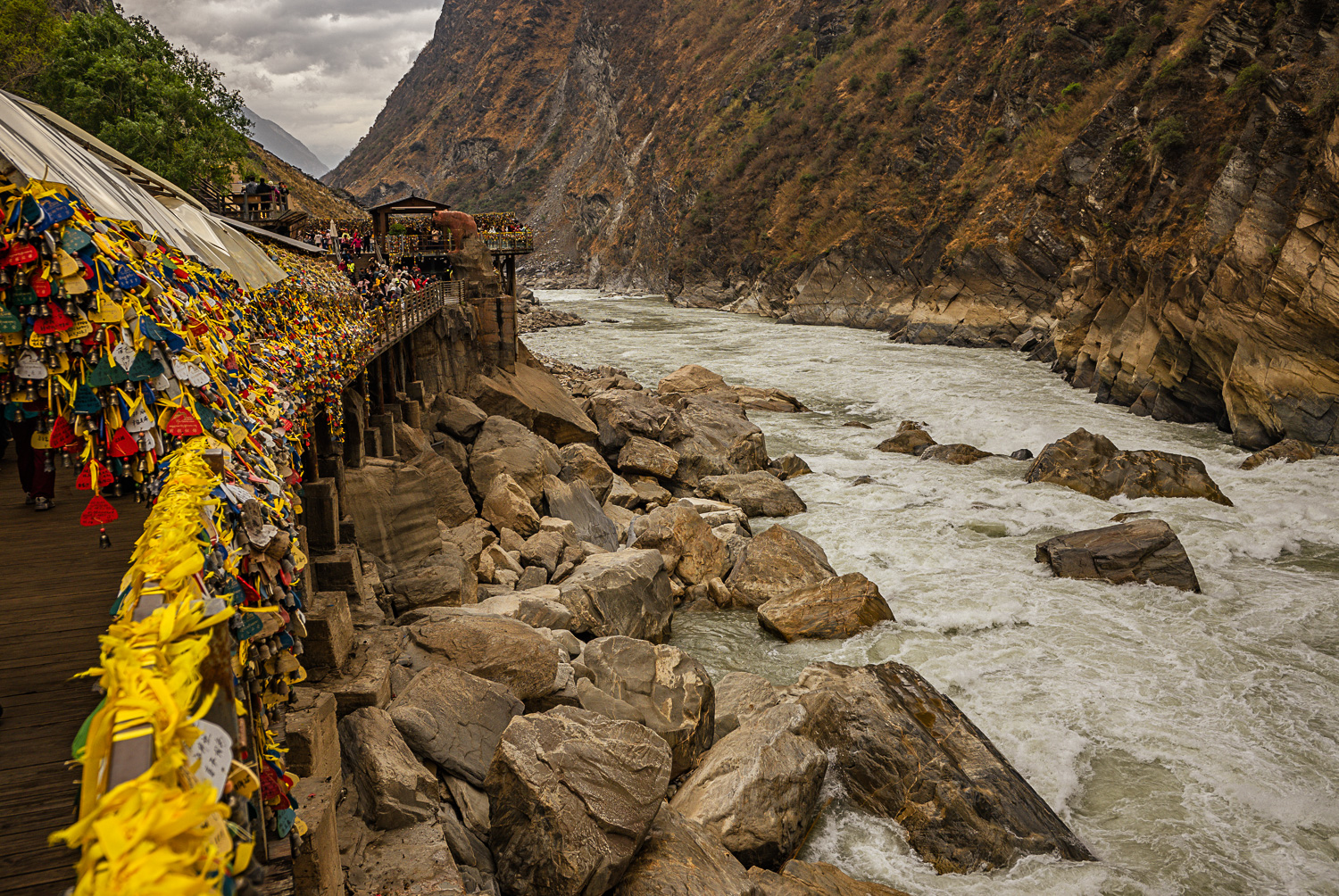
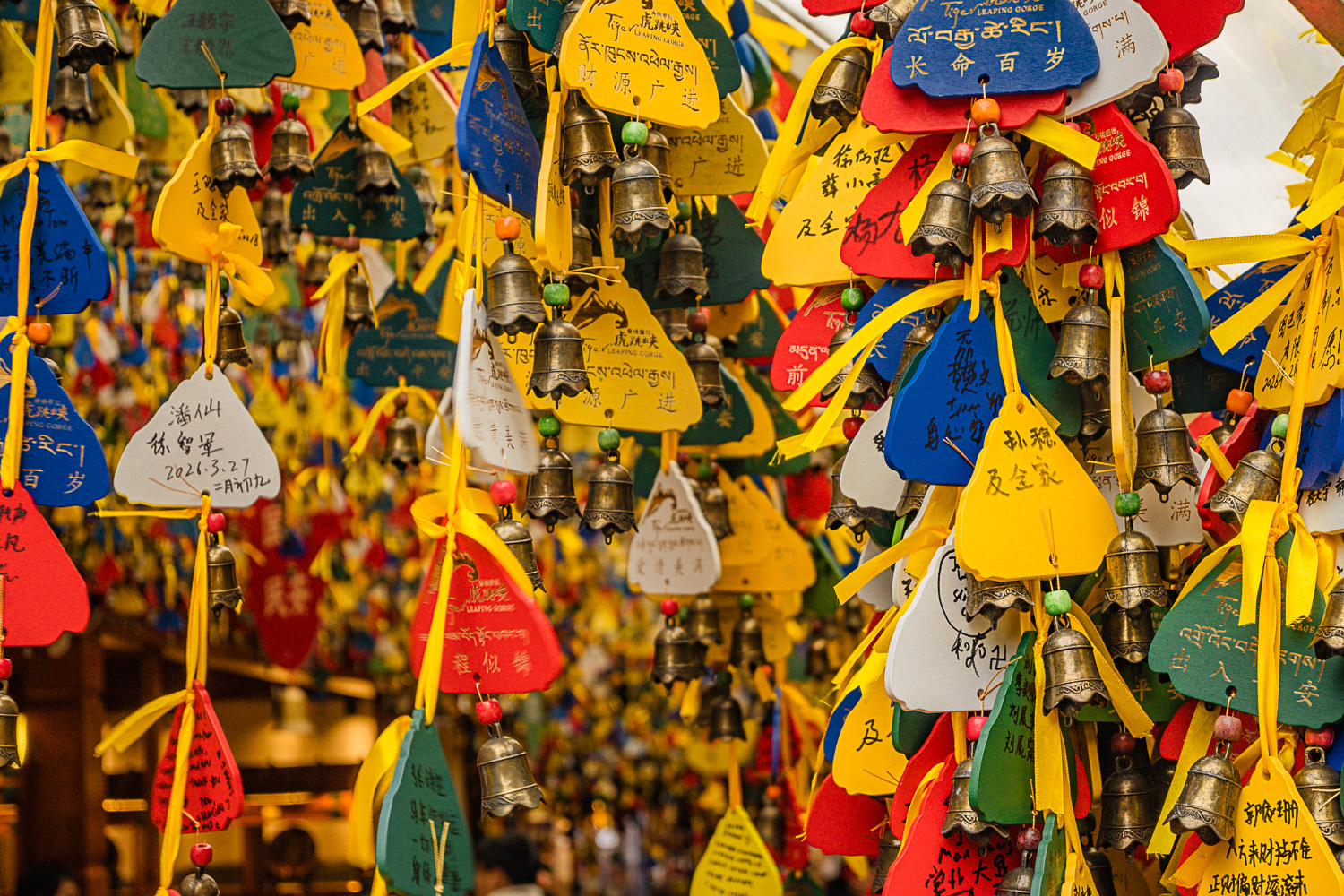
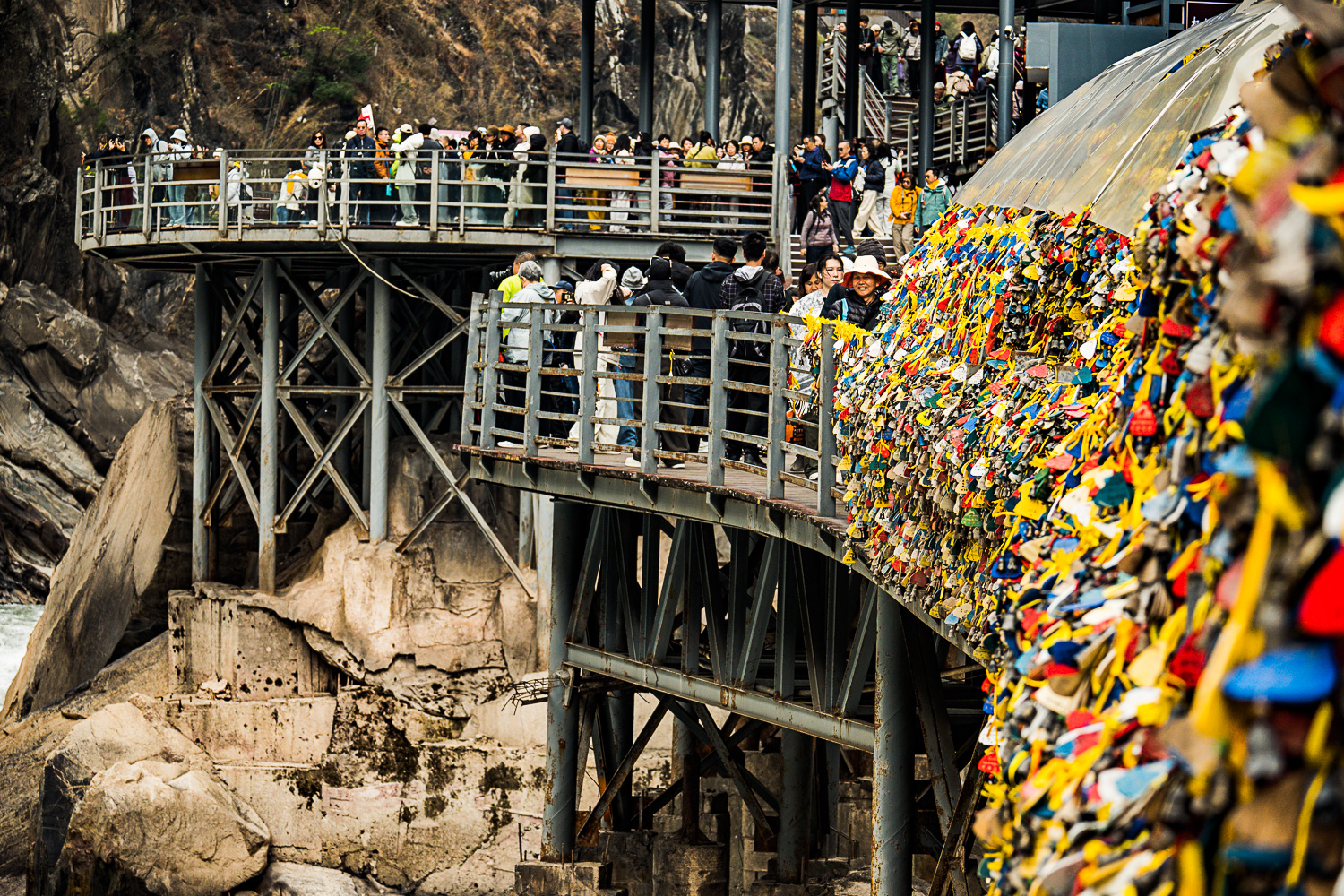
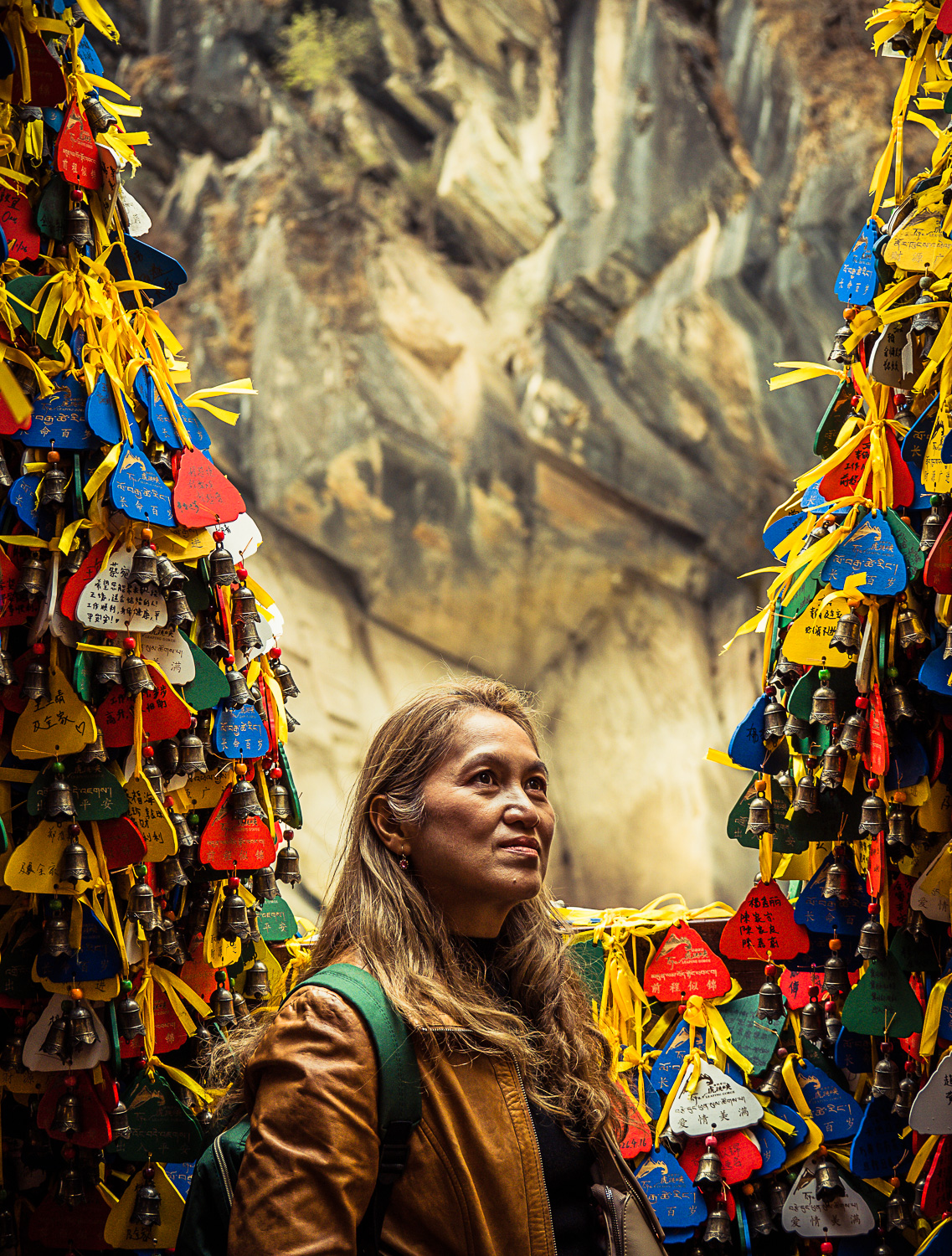
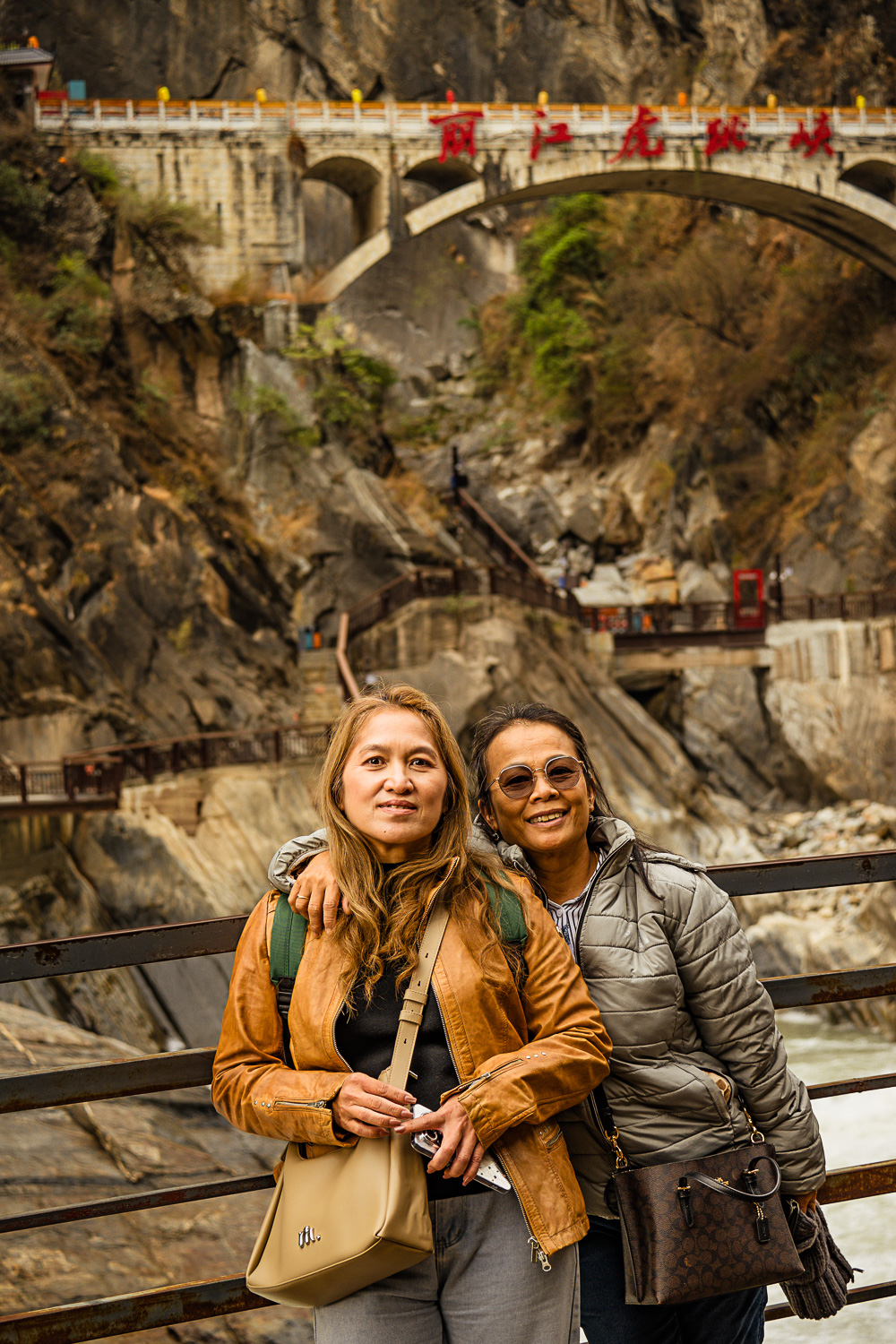
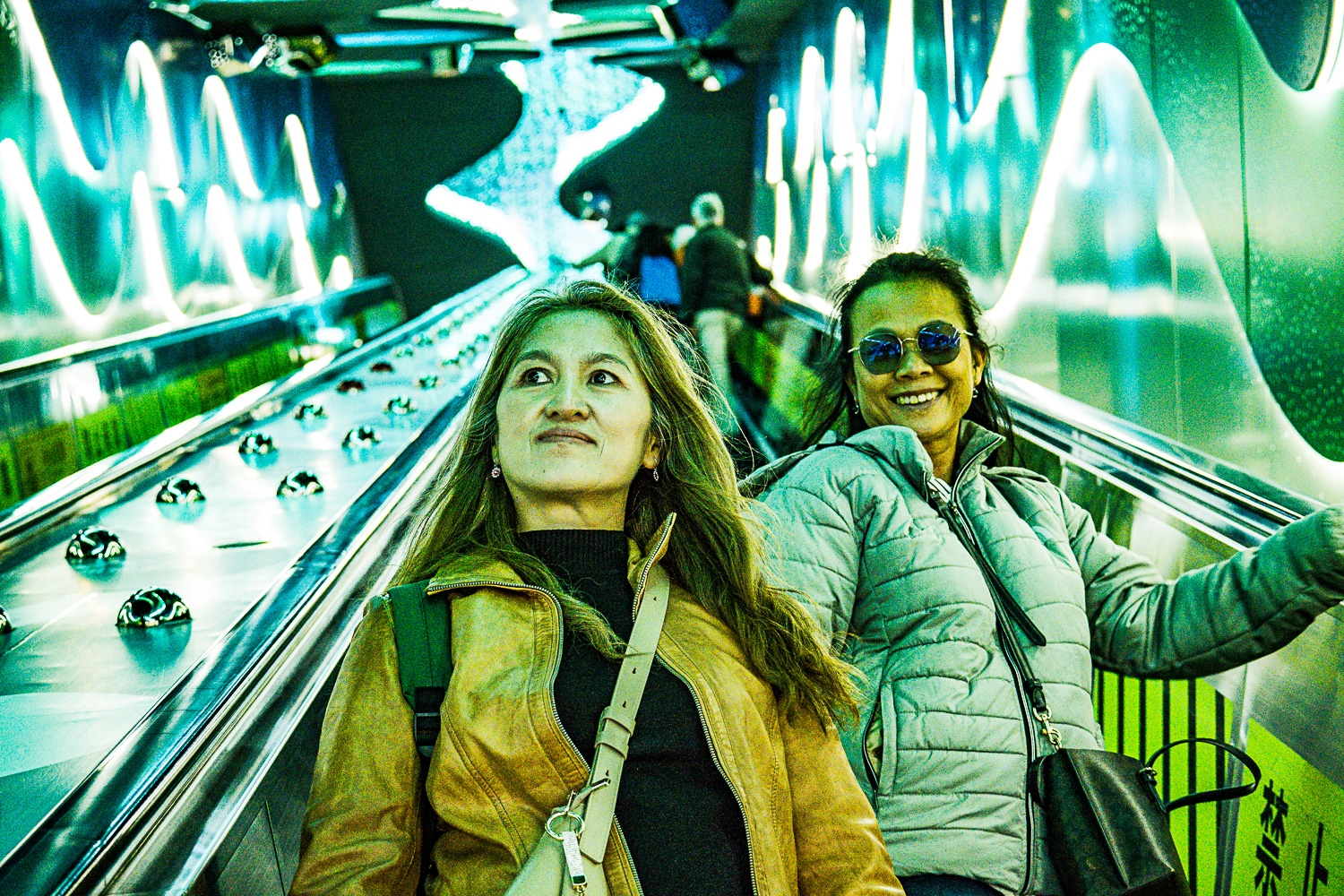
There is no dual pricing in China, and tickets cost 45 yuan (free for over 70s), plus a further 70 for an escalator that we didn’t really need but used anyway. A bus took us the 7km to the gorge, and we joined thousands of tourists, 99% Chinese, walking along the viewing platforms as the river raged below us.
The weather wasn’t great, so no blue sky photos, but the power of the river was immense, and I managed to time a few without people obsessed with selfies in them.
We asked our driver to stop somewhere local and non-touristy for lunch, and she took us to a place that the locals definitely liked, where the food was good. Chinese food is cooked in a lot of oil, much of it being fried, and with lashings of msg for ‘taste’, so none of it has been really healthy by our standards.
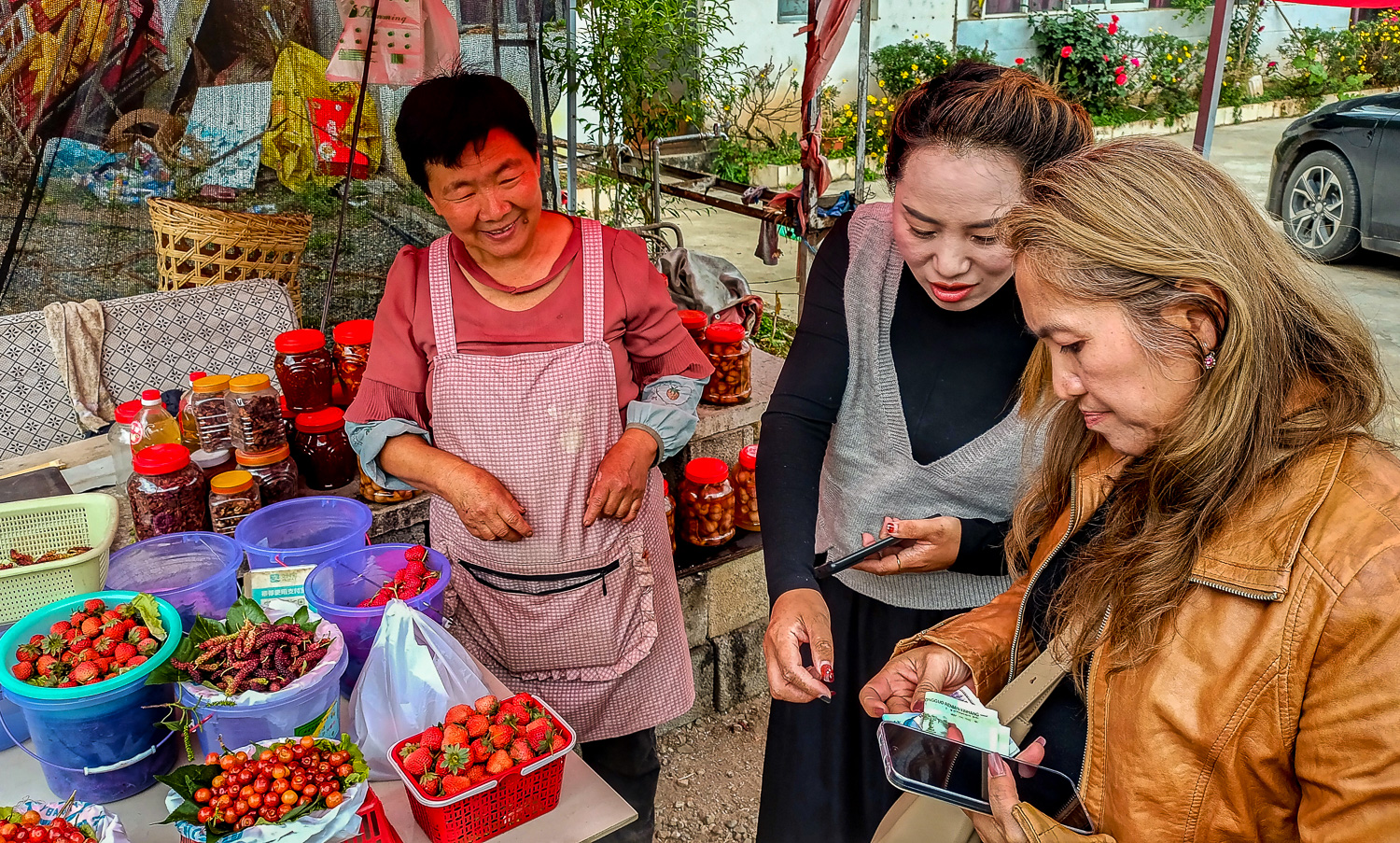
We also stopped on the way back to buy some strawberries from the local Naxi people, and these did taste good.
I got chatting with our driver on the way back via the WeChat app using translations, and she clearly wanted to tell me how great her country and its leaders were. Nobody likes Trump, Japan is the enemy, and Taiwan belongs to China, I learnt.
In the evening, we had a meal of Lijiang’s famous “over the bridge” noodles and took a wander around the illuminated flower fest that the old town becomes at night. Every direction was another photo opportunity.
Previous: Kunming
Next: Yulong Snow Mountain