
Another early start began with dragging a trolley laden with suitcases through the desolated morning streets of Lijiang’s old town to the road access point, where we jumped into a couple of cabs to the station for the four-hour train back to Kunming.
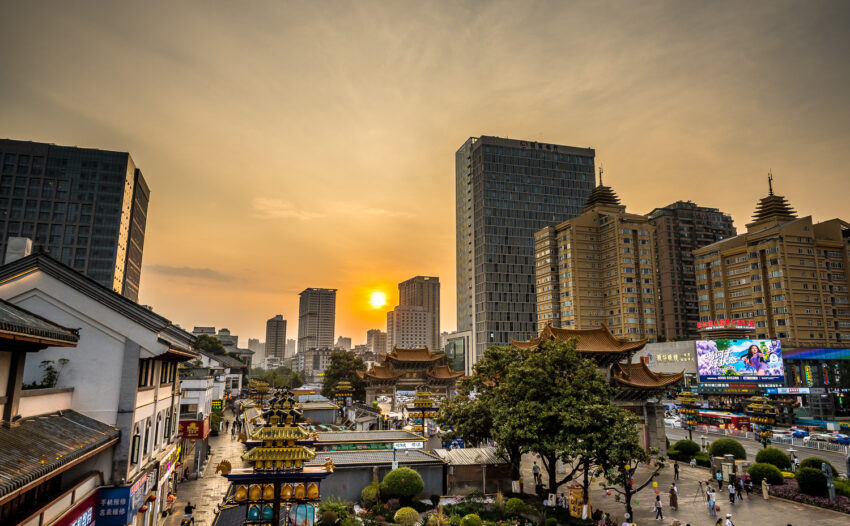
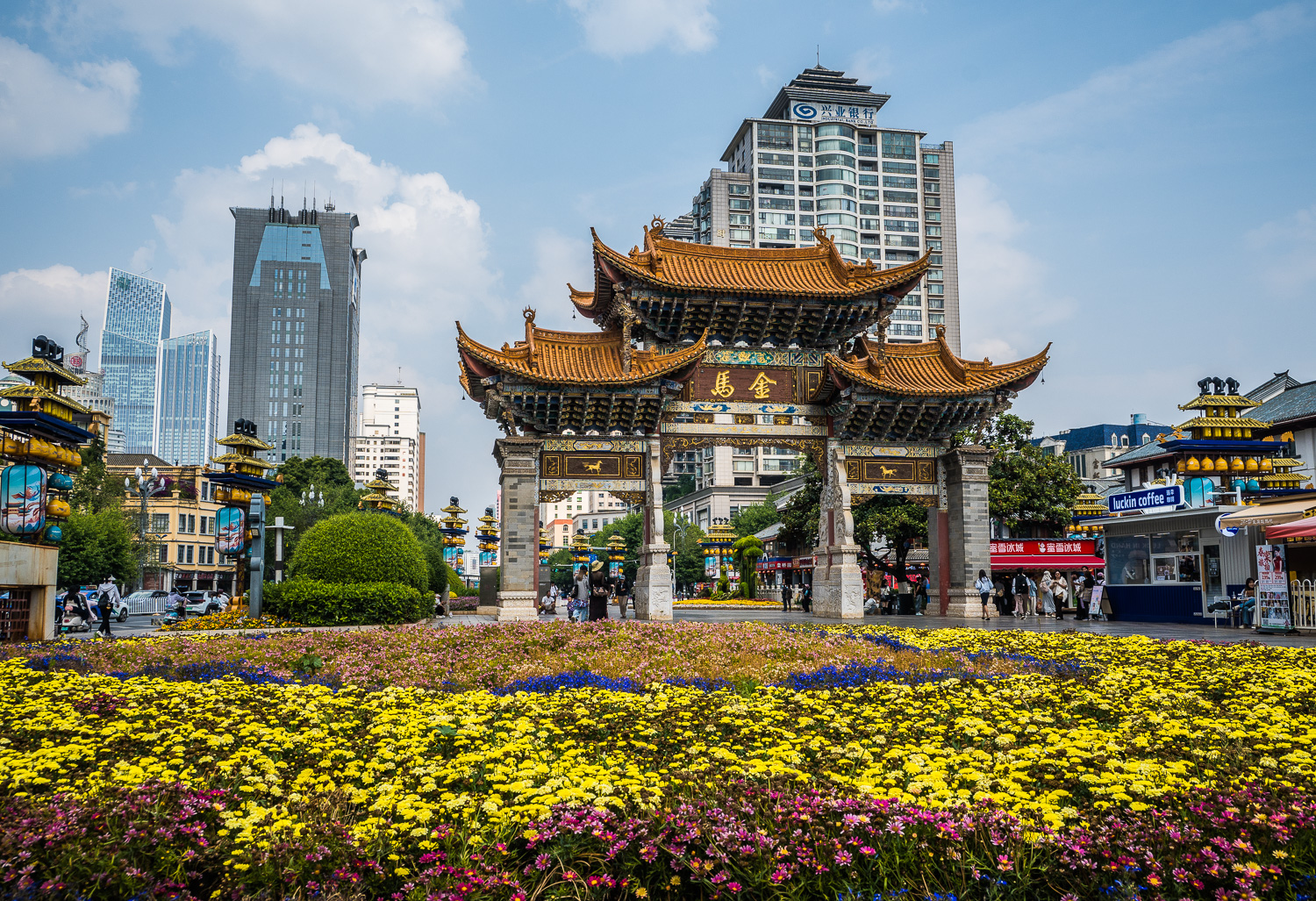
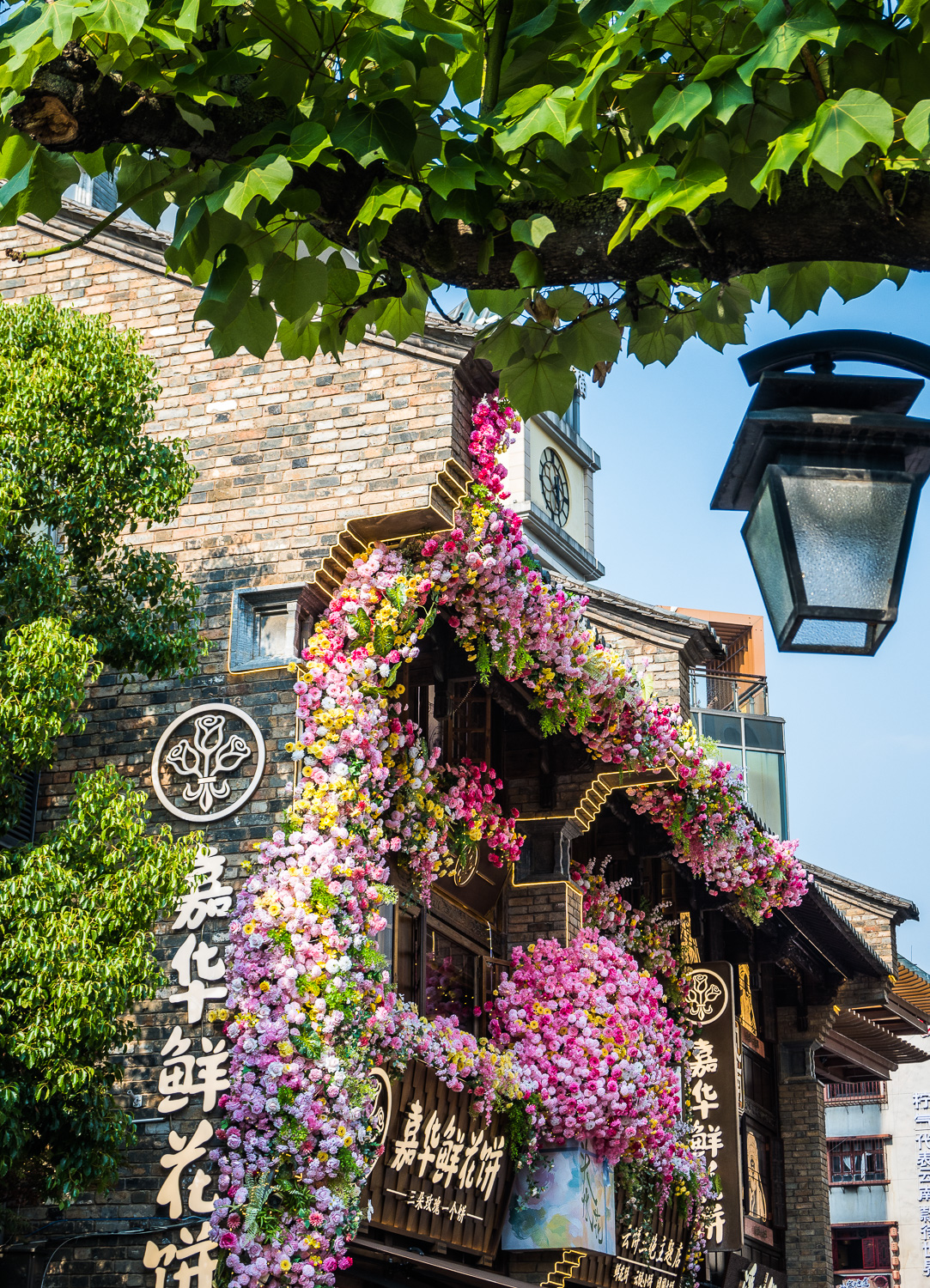
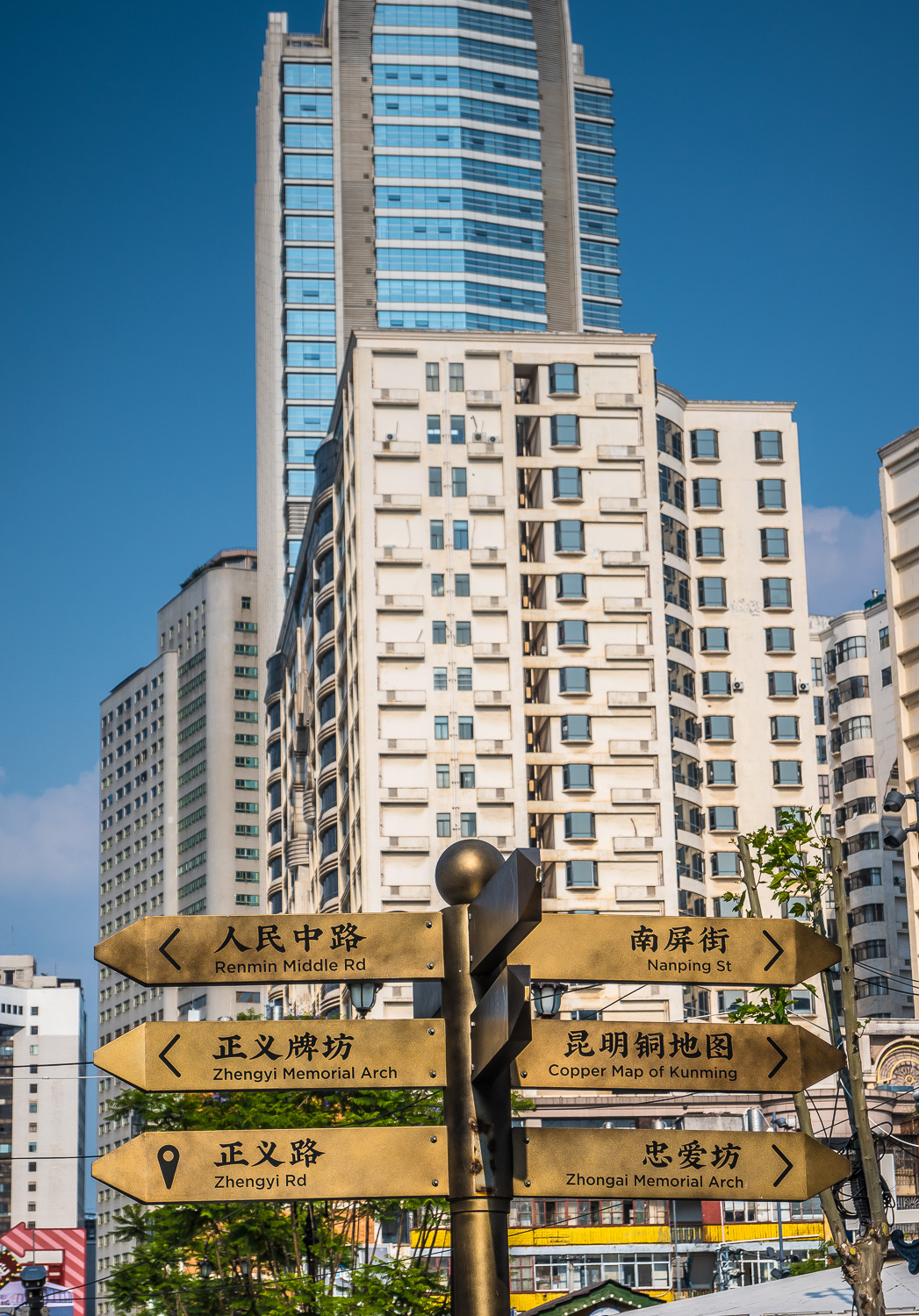
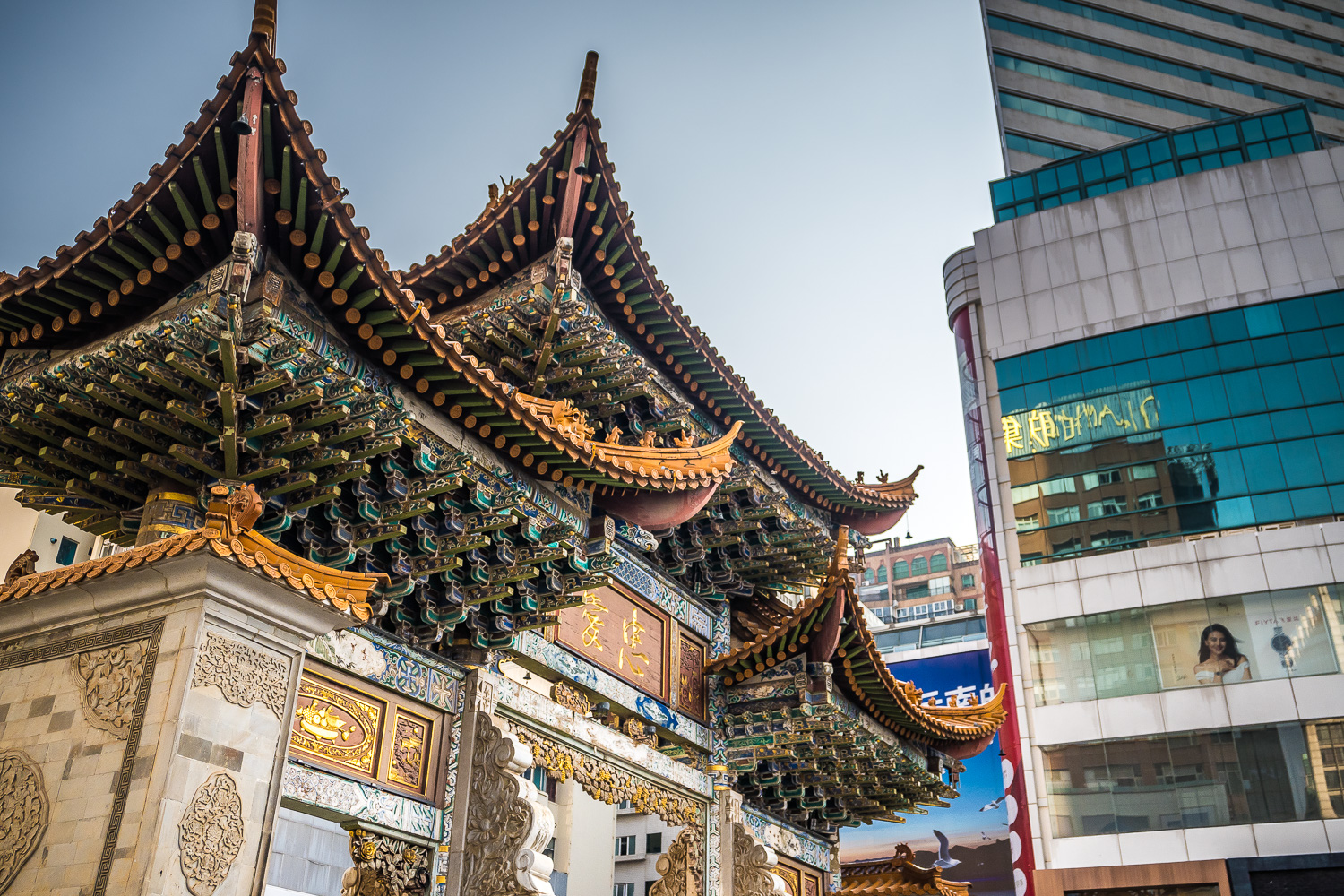
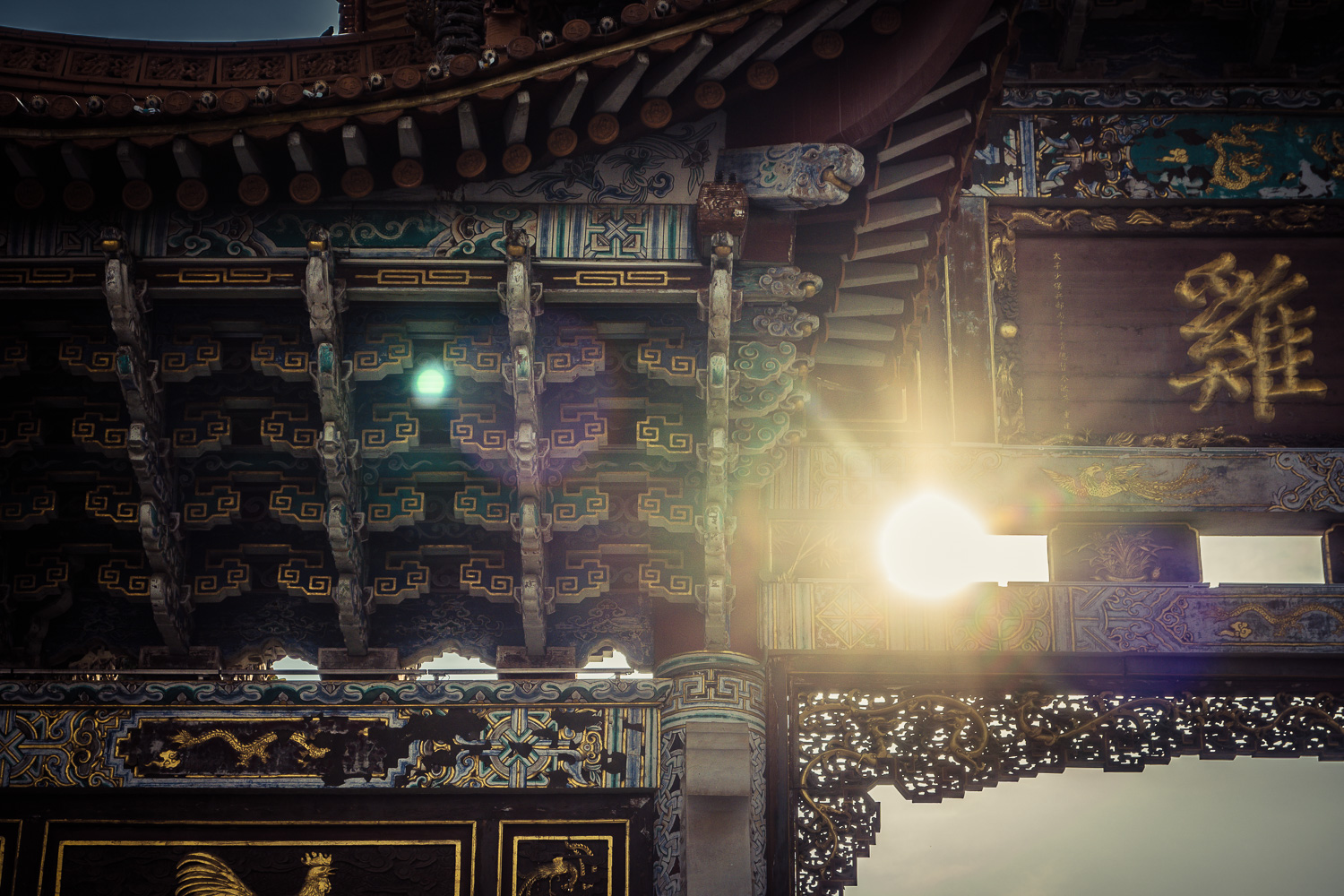
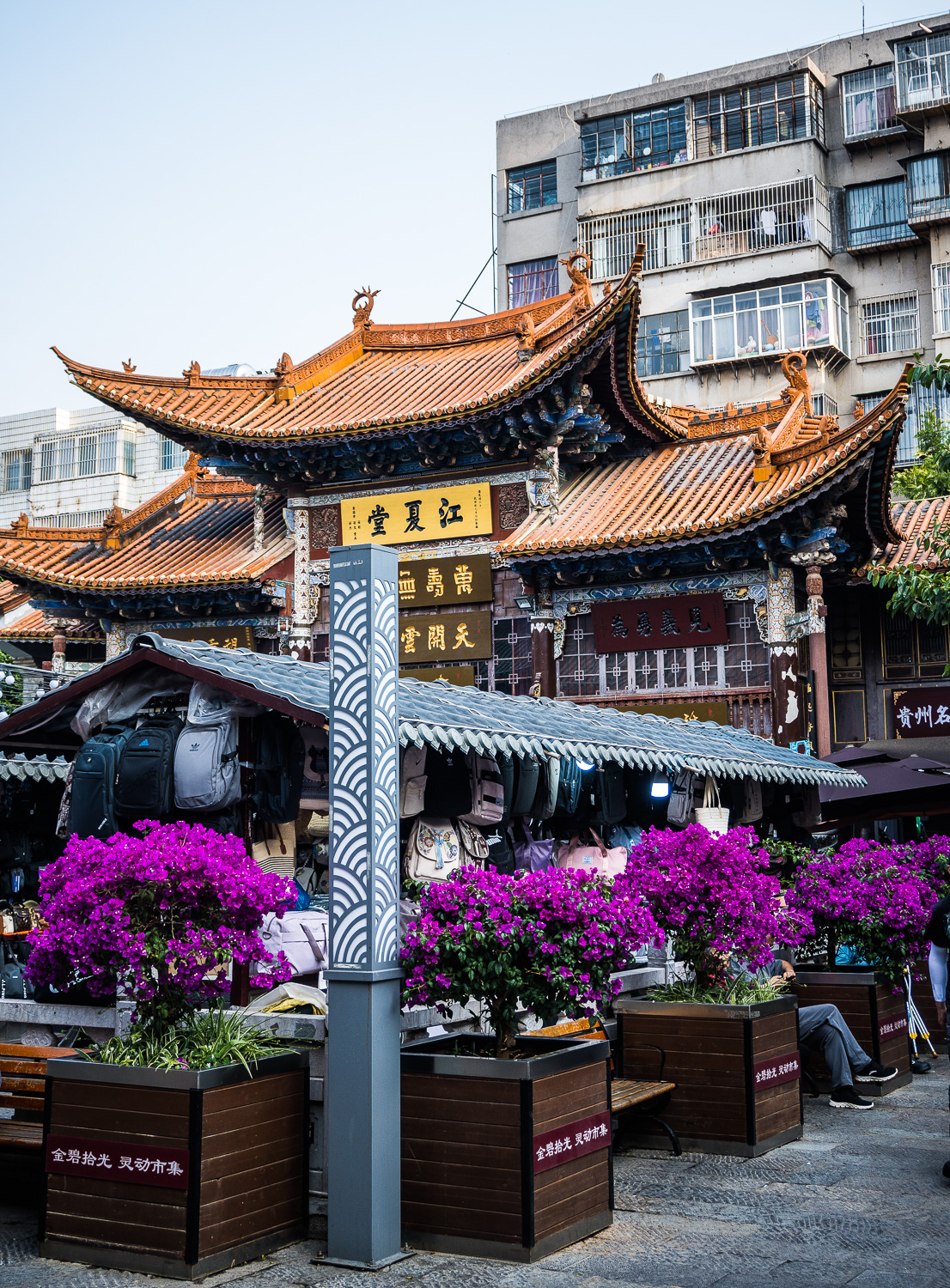
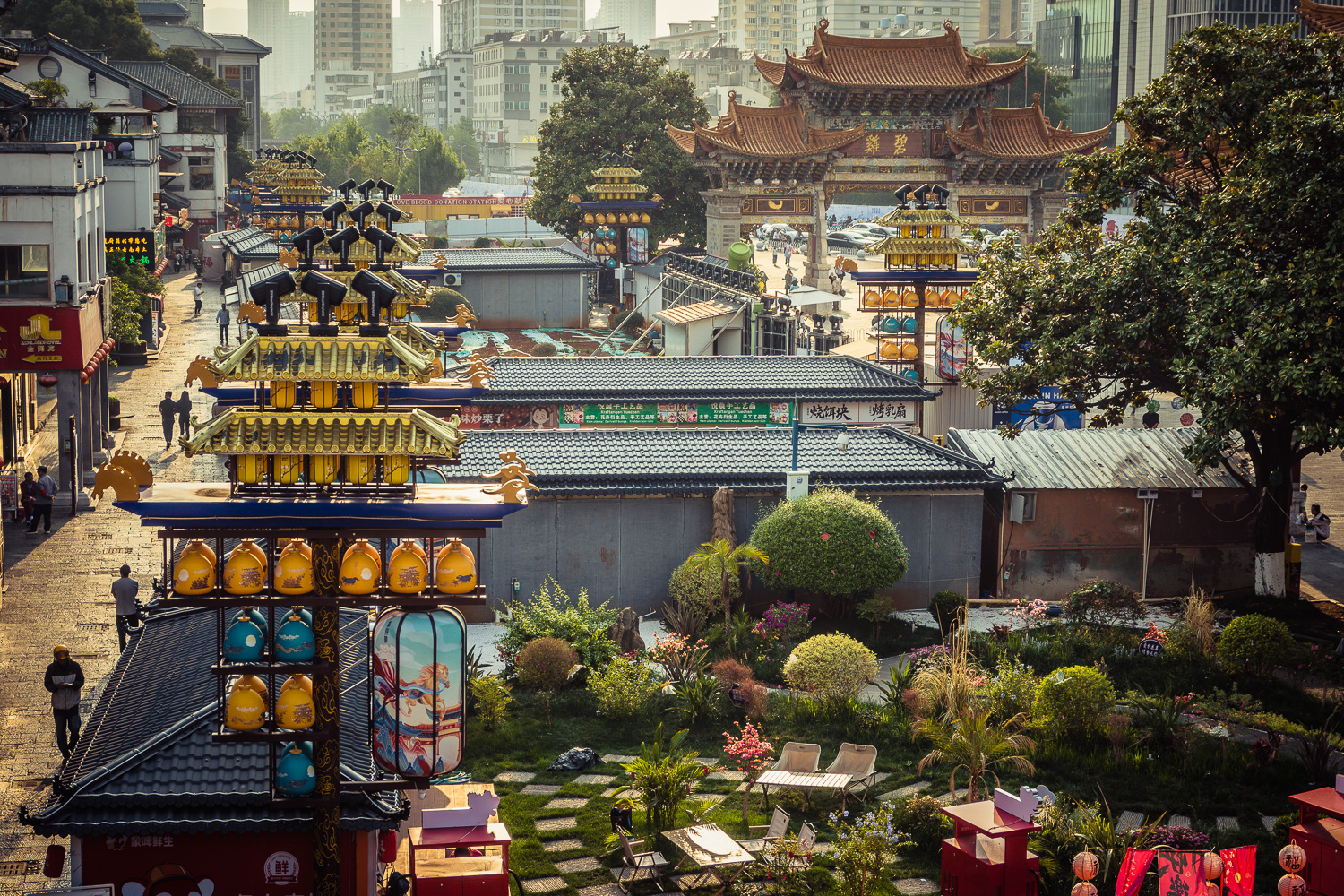
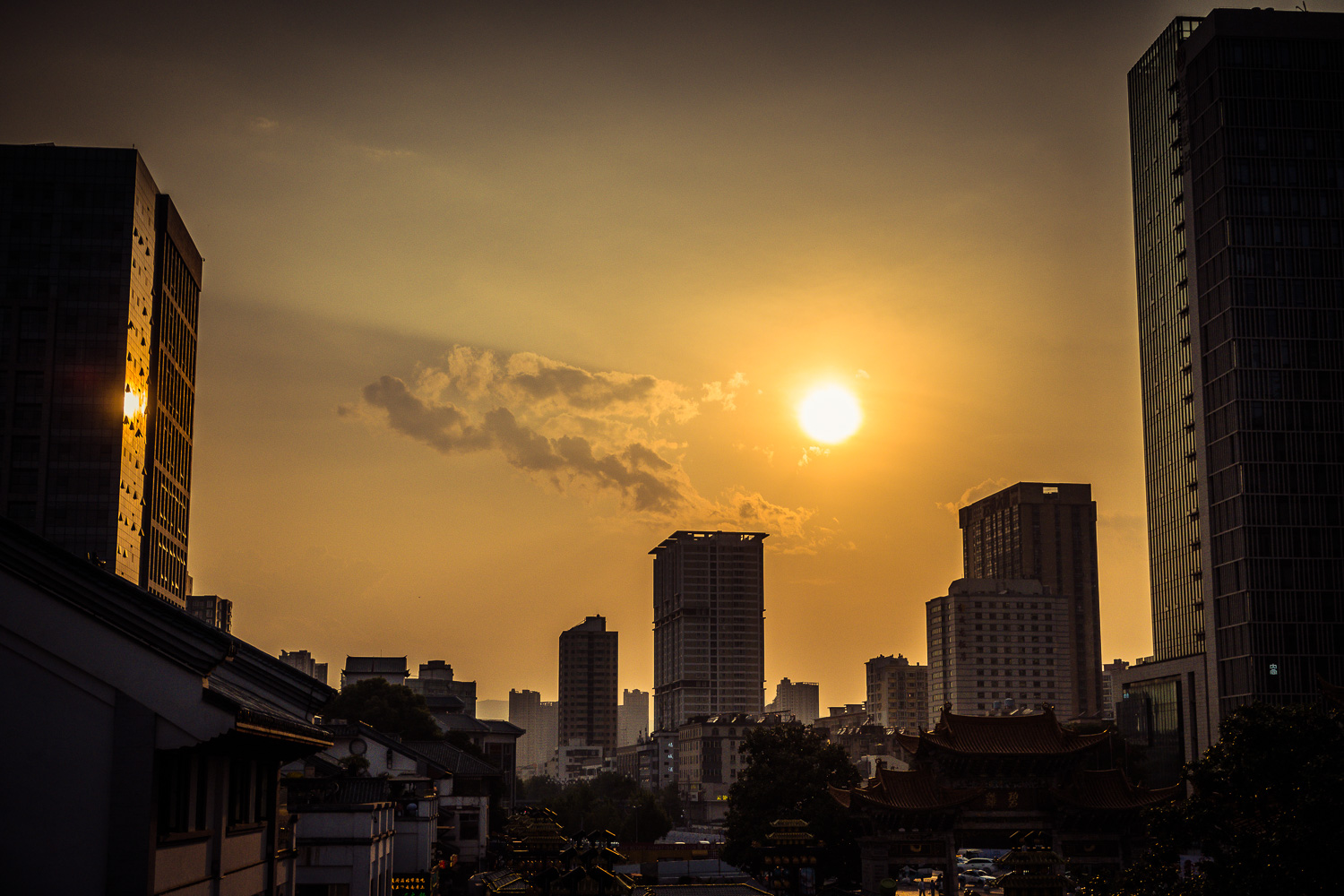
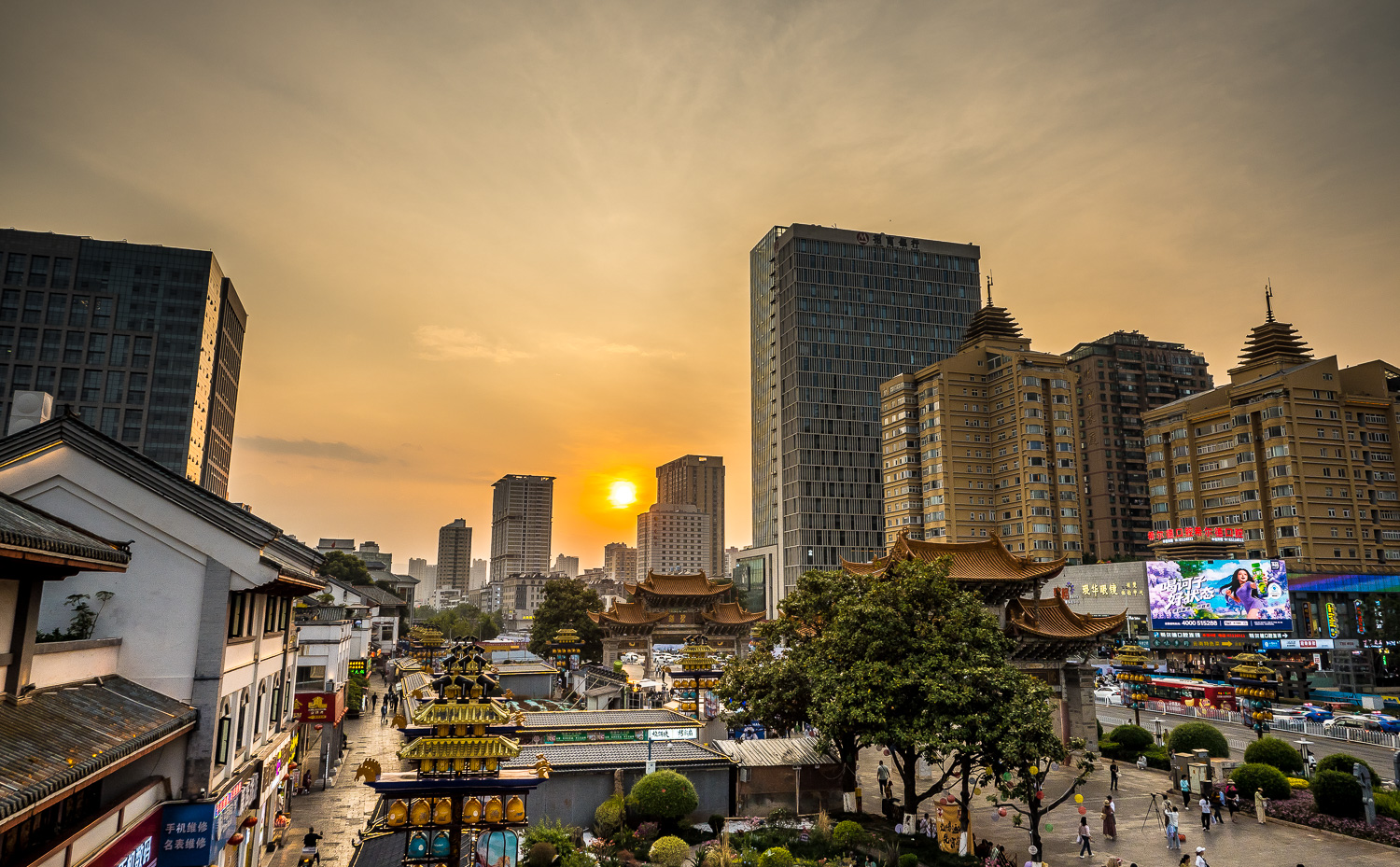
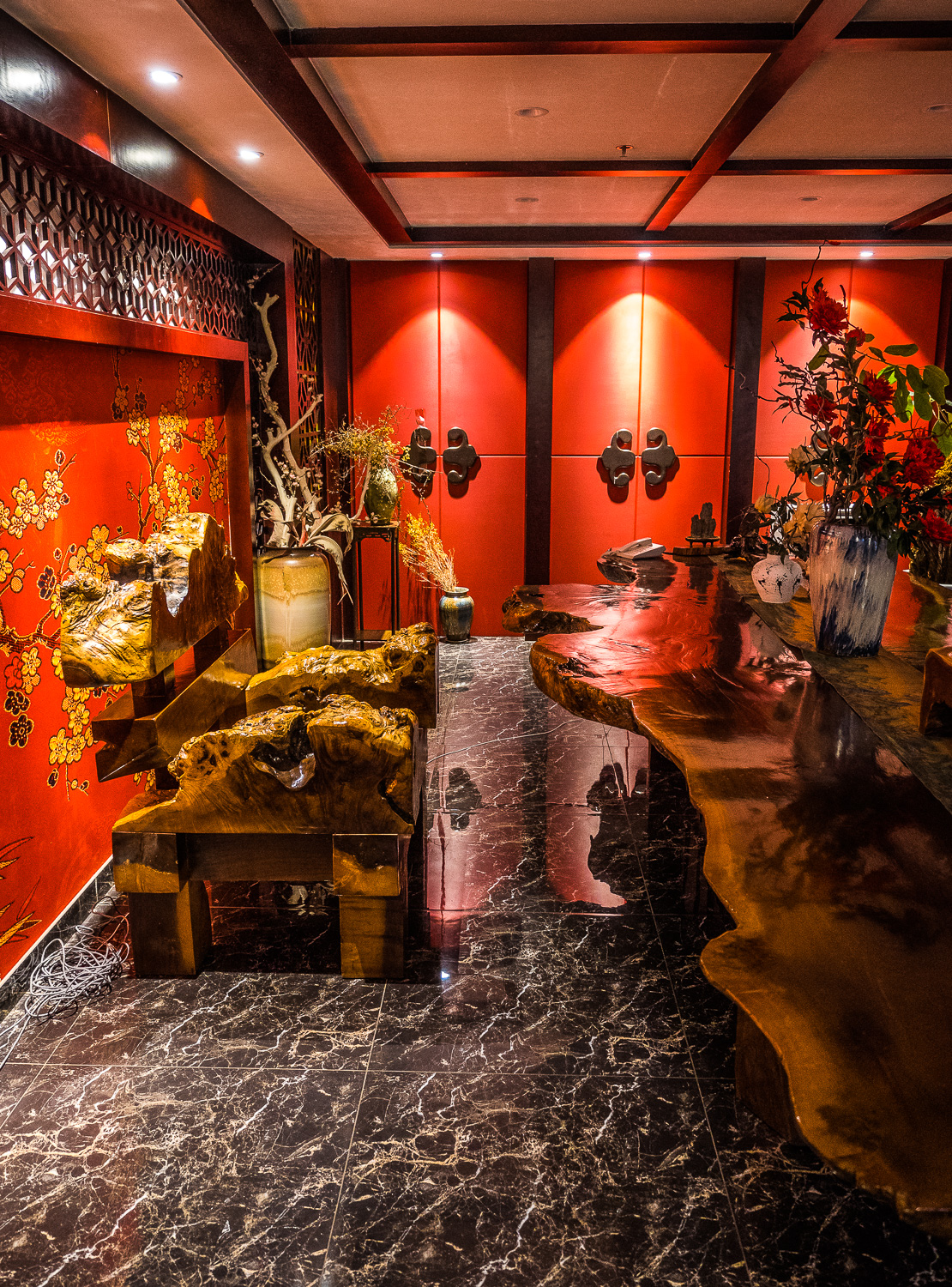
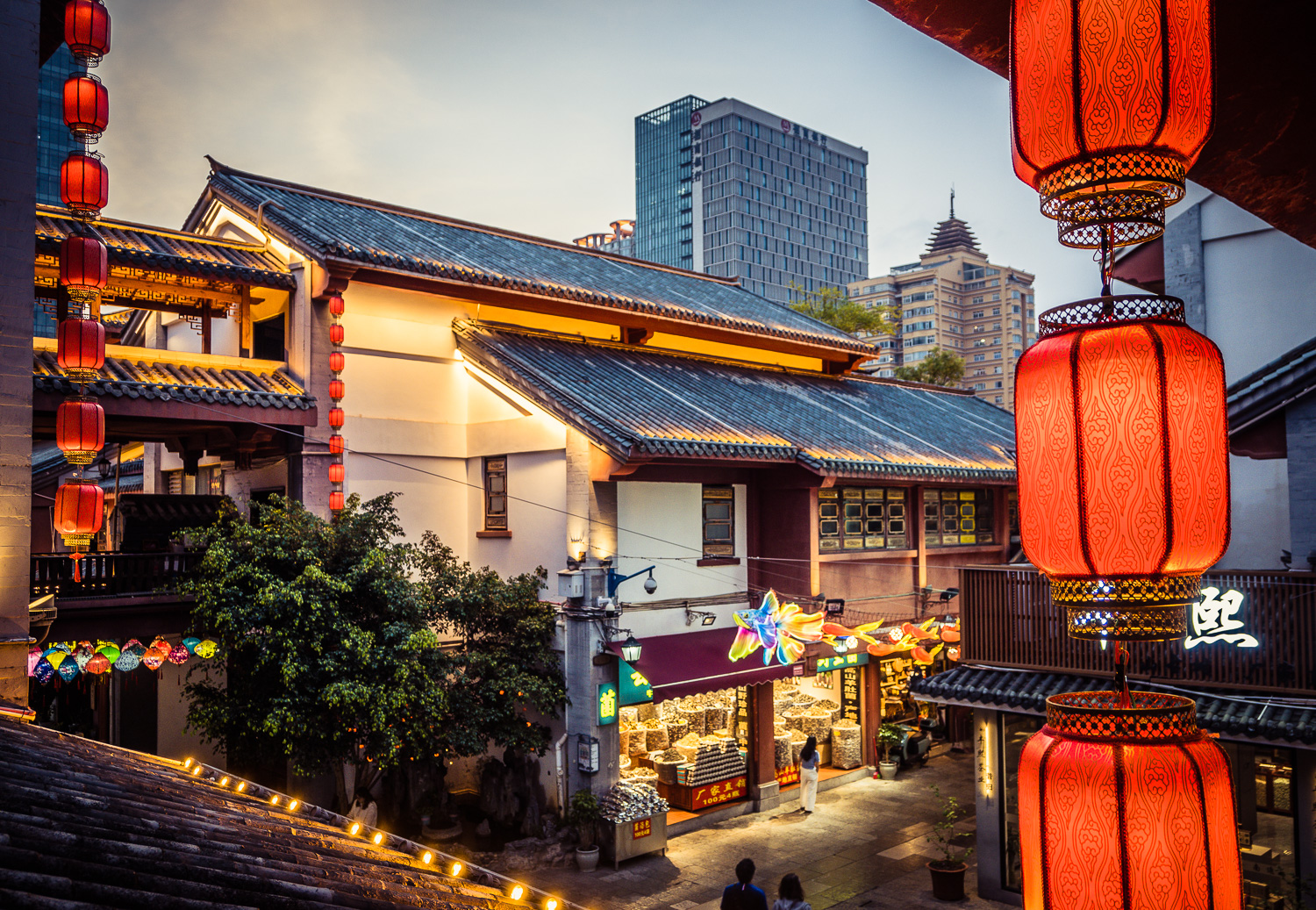
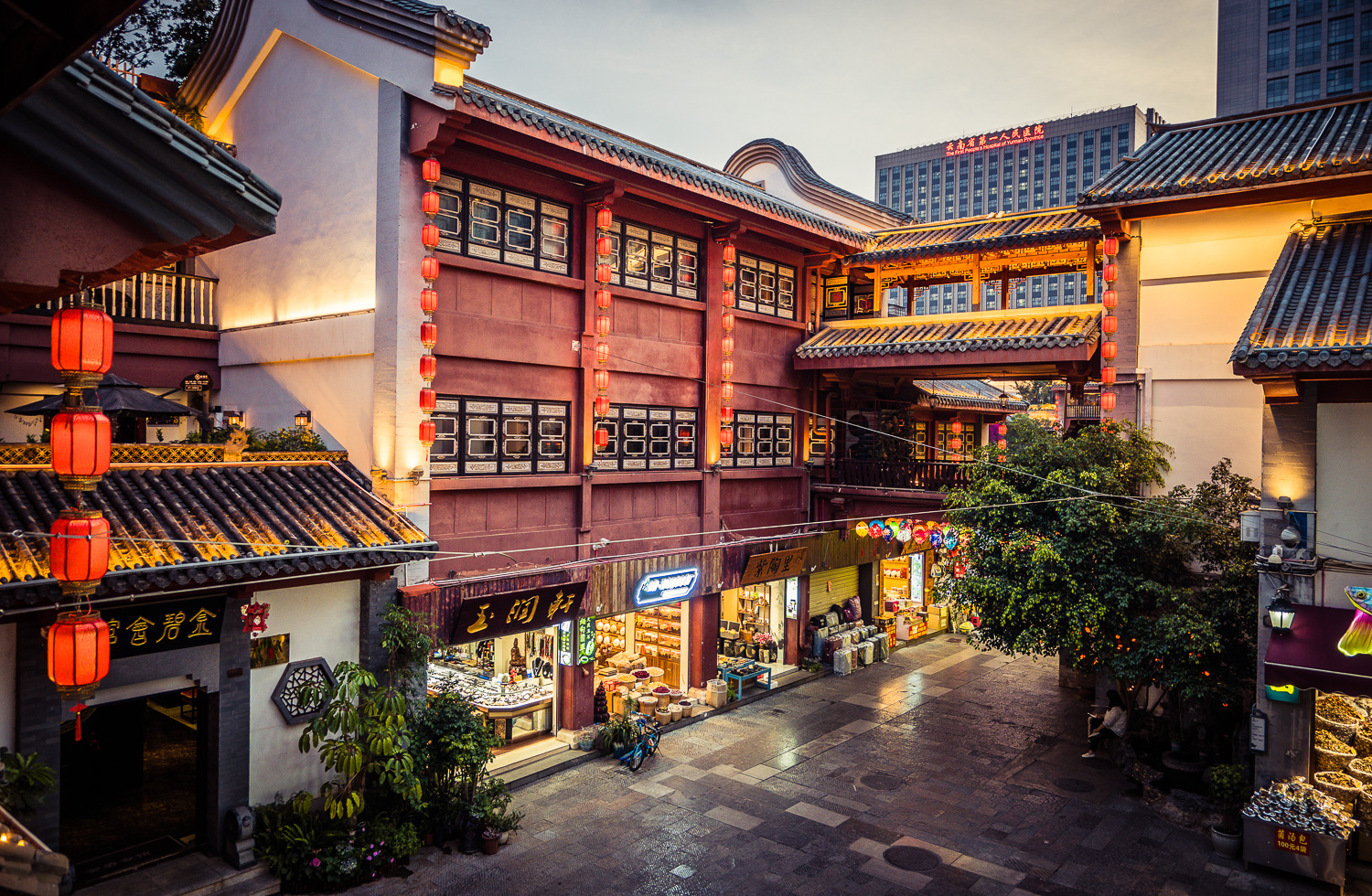
After a bit of faffing around with taxis, we got to our Kunming accommodation, a classic old-style Chinese courtyard hotel called the Jinbi Hall Hotel, just a stone’s throw from the Nanping Pedestrian Street.
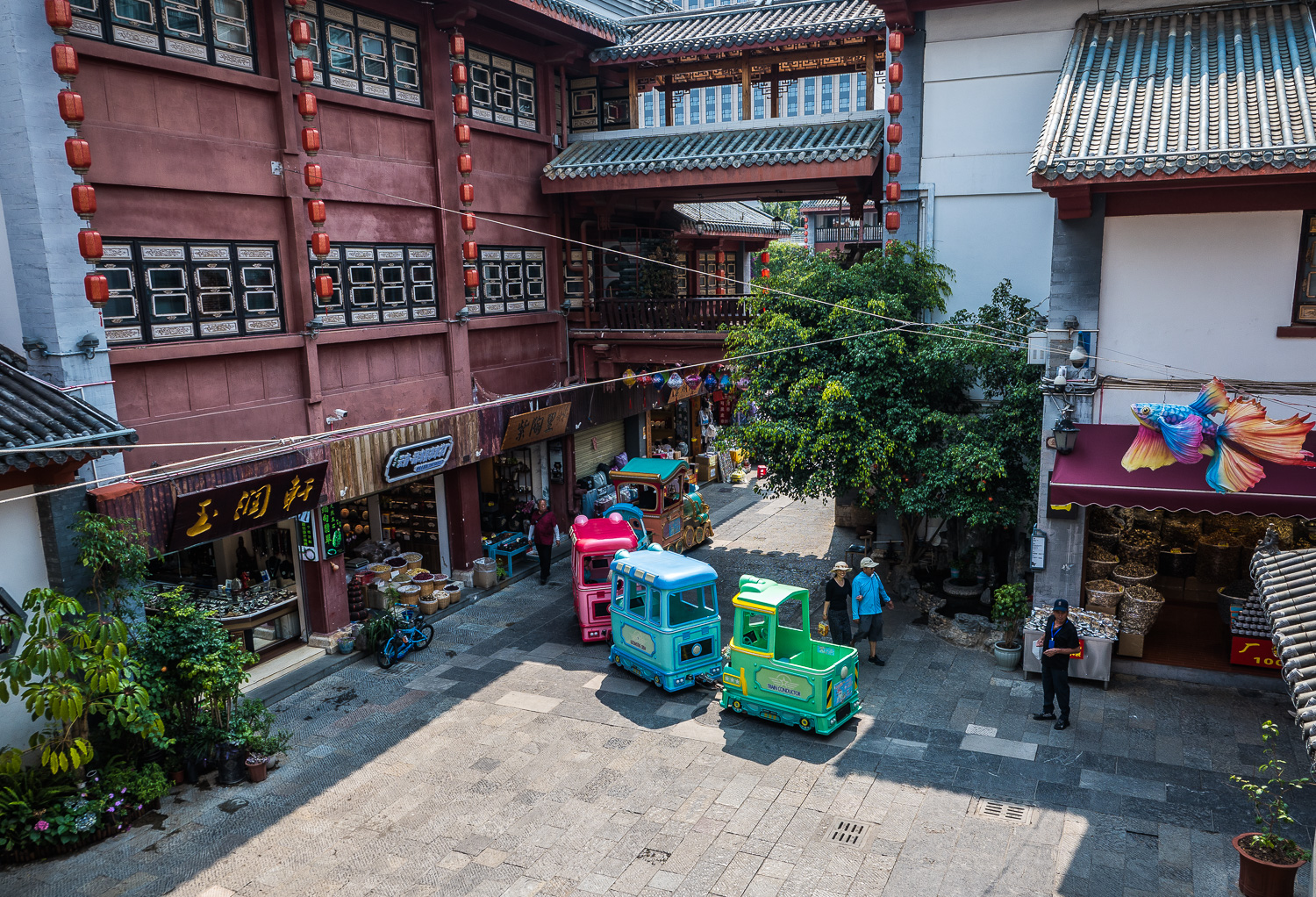
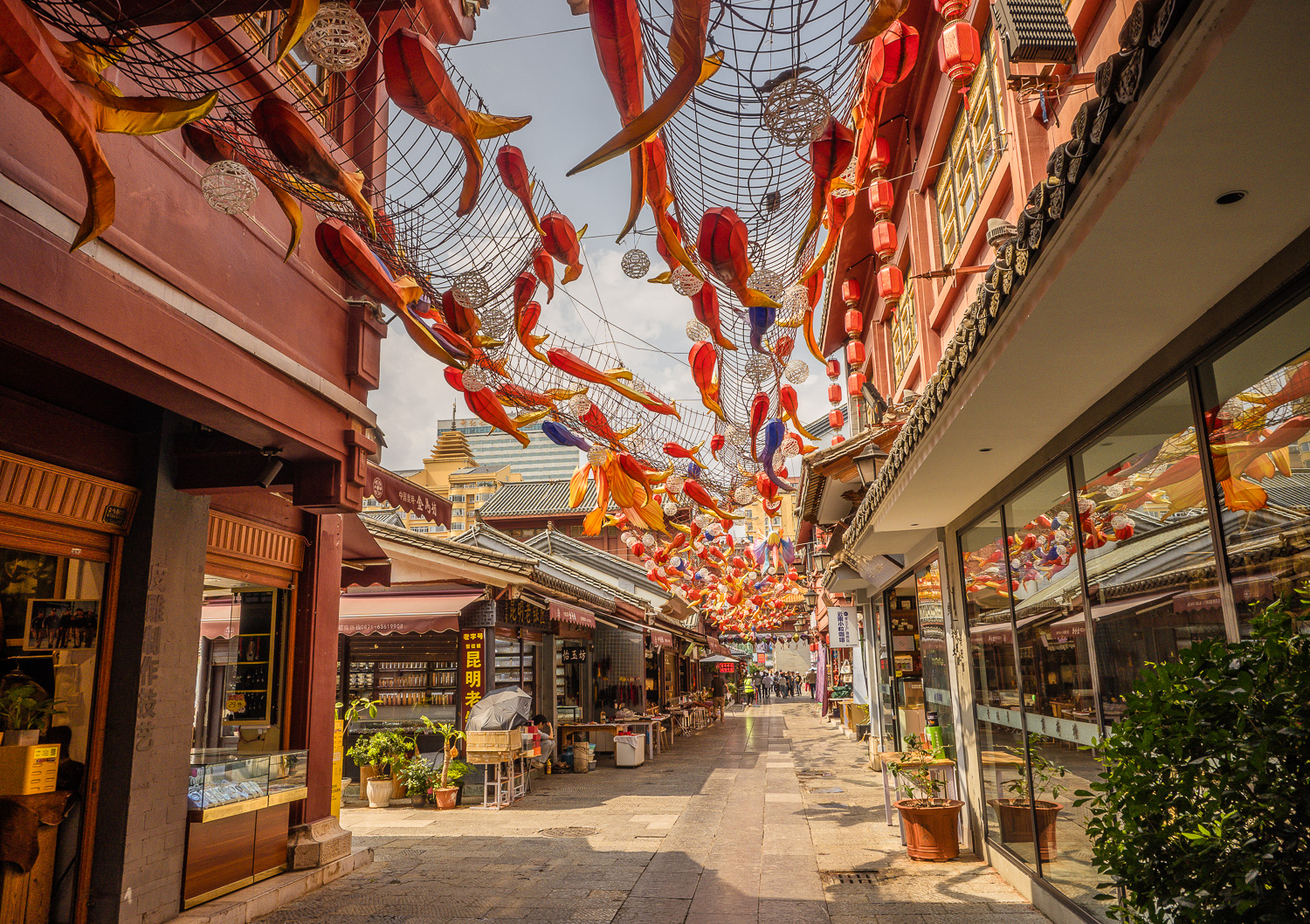
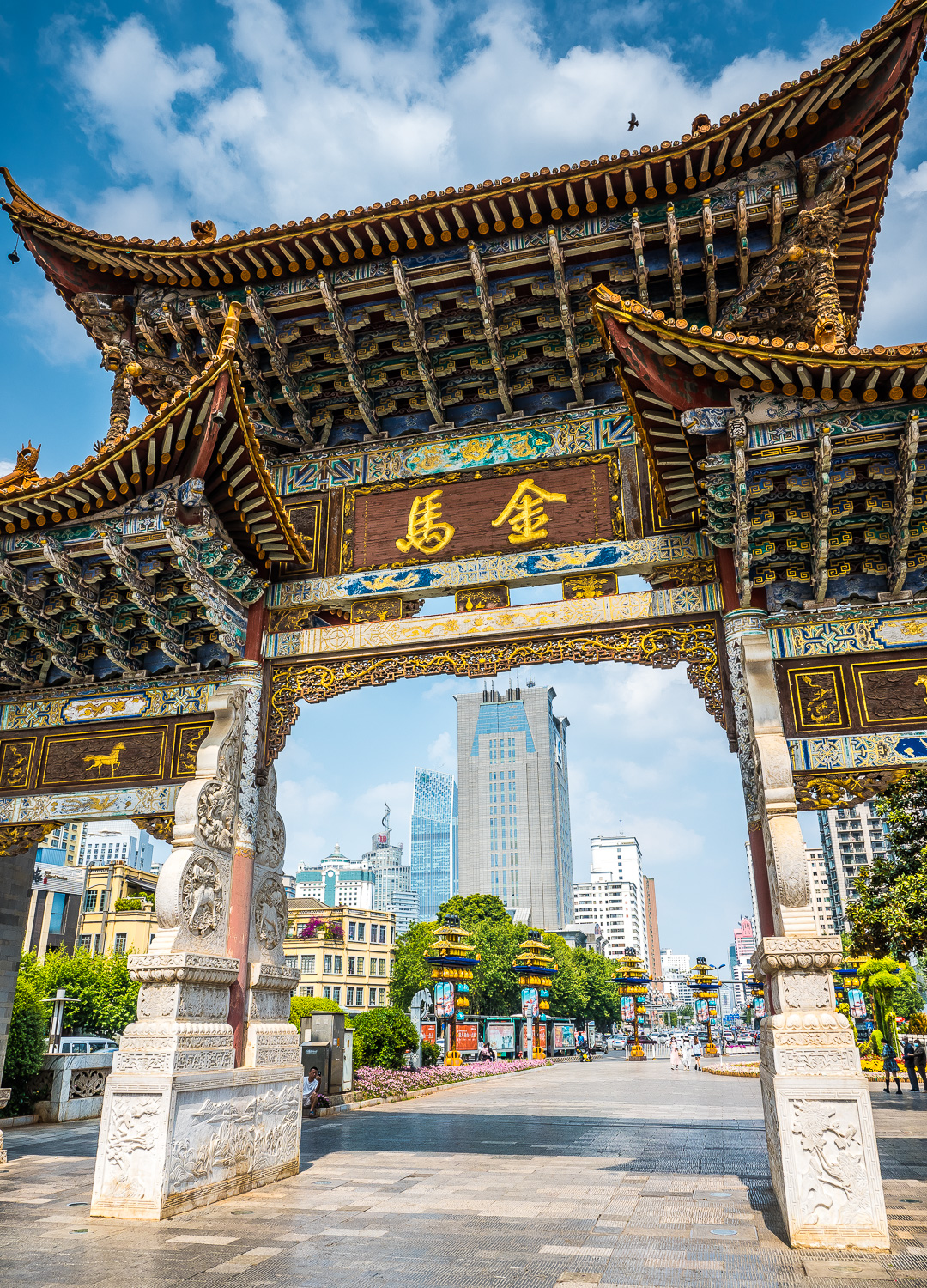
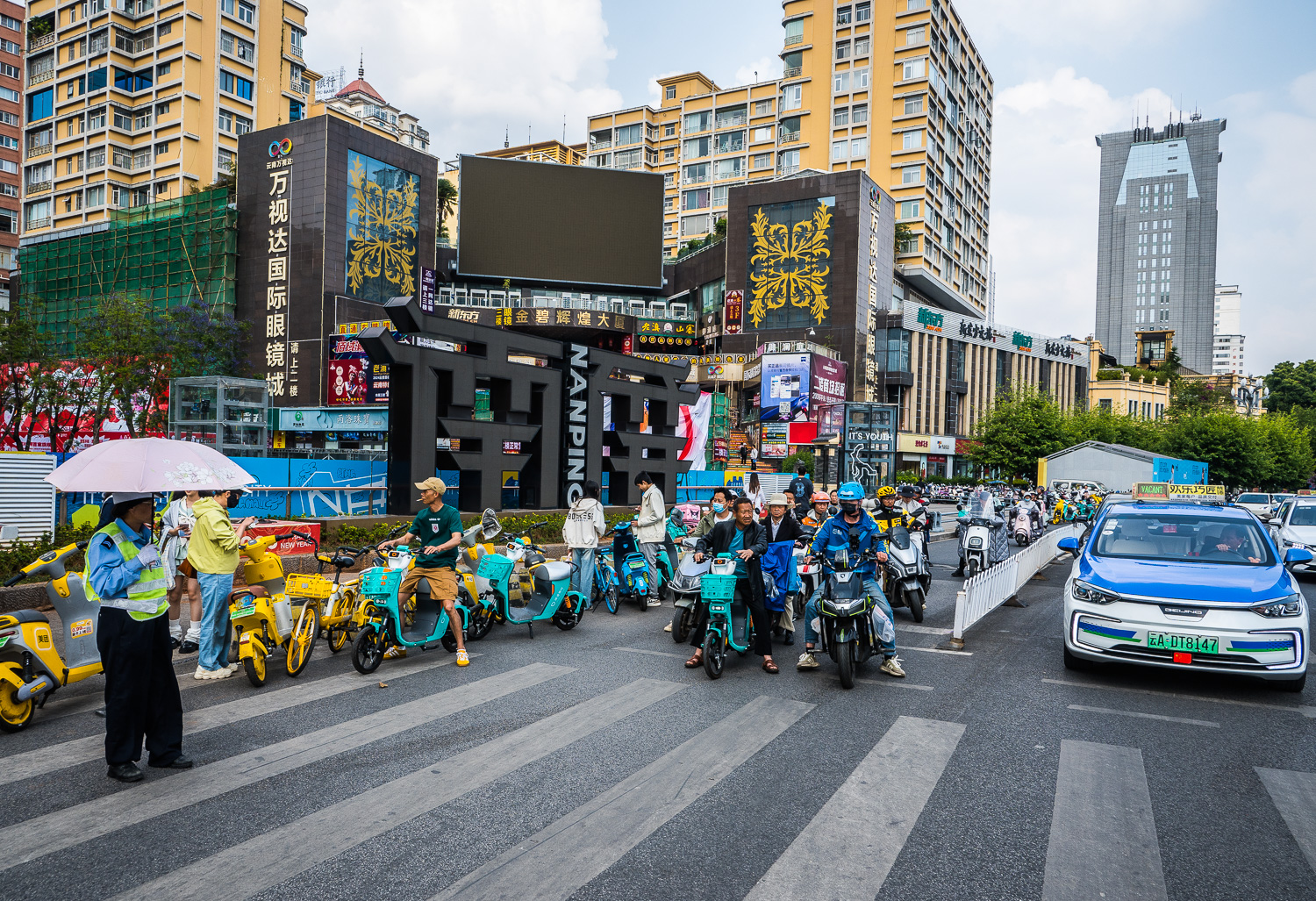
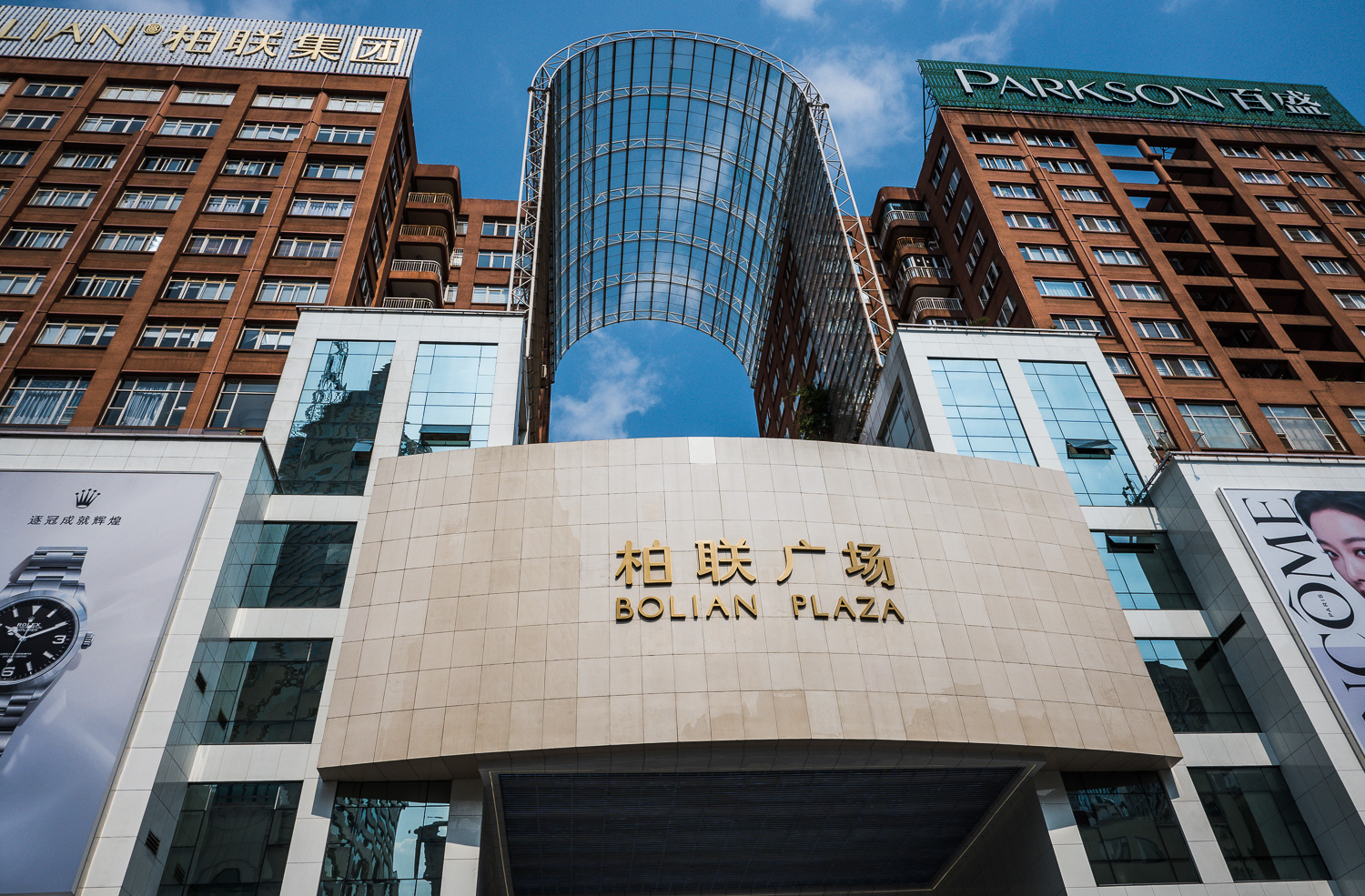
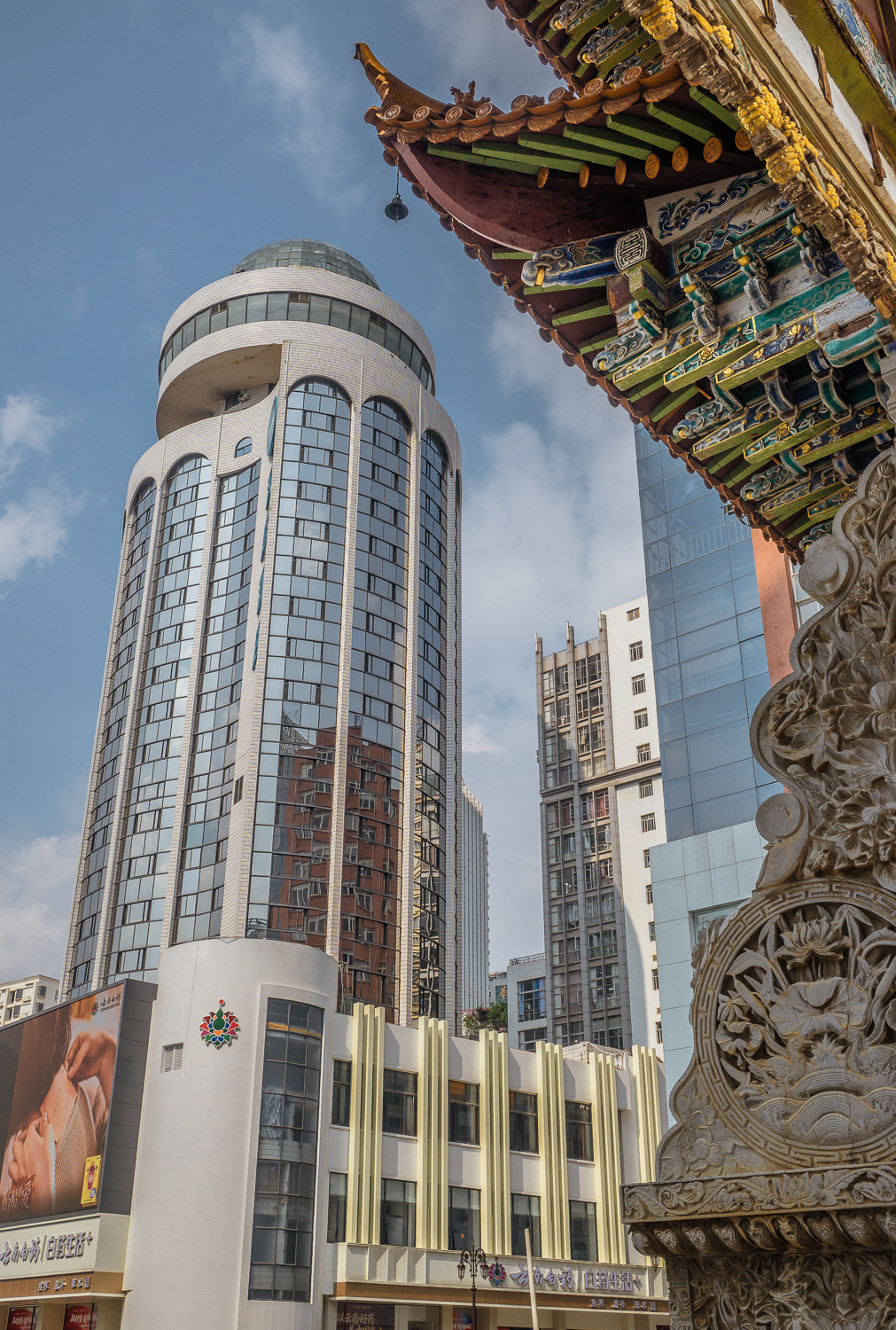
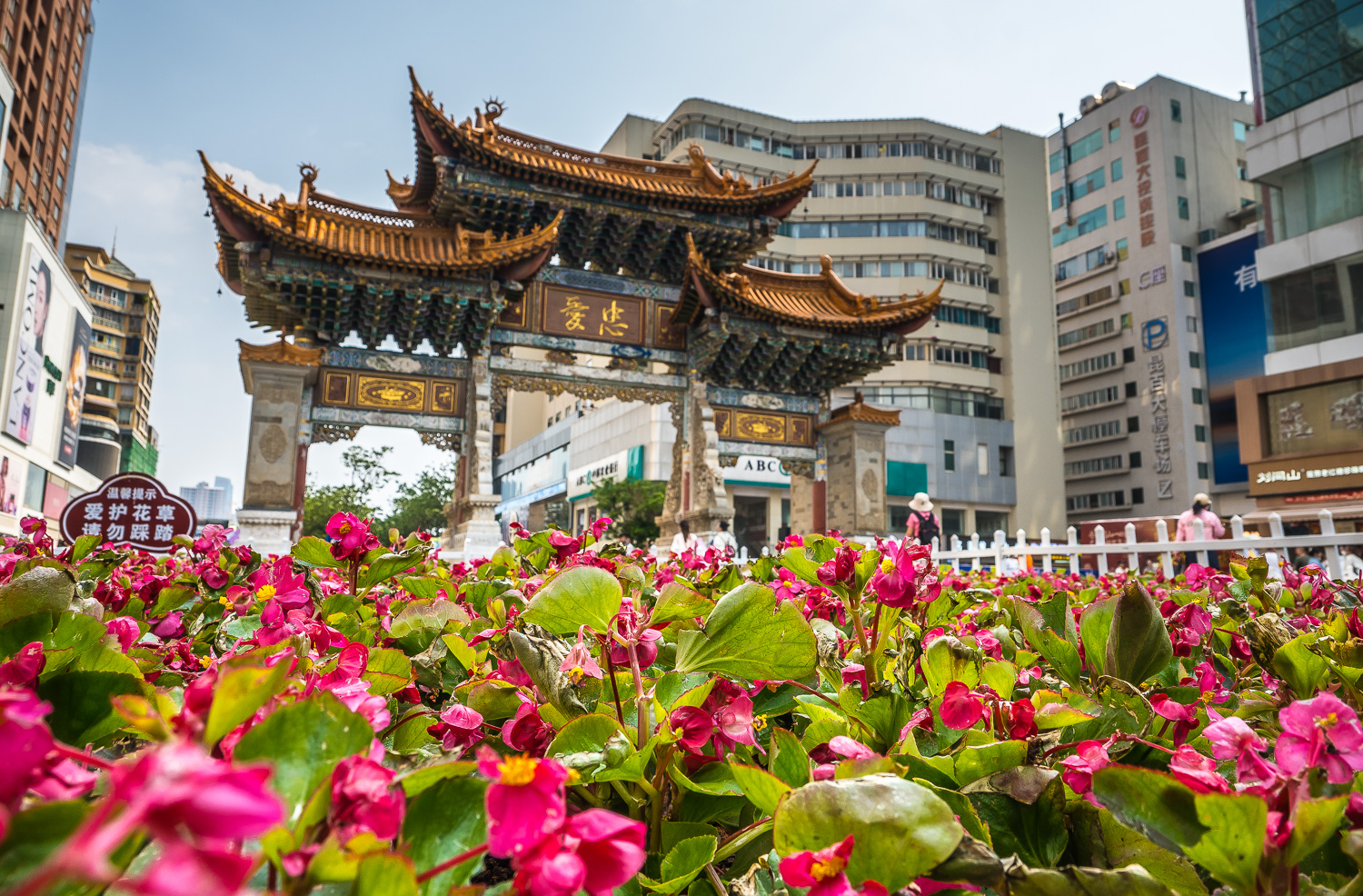
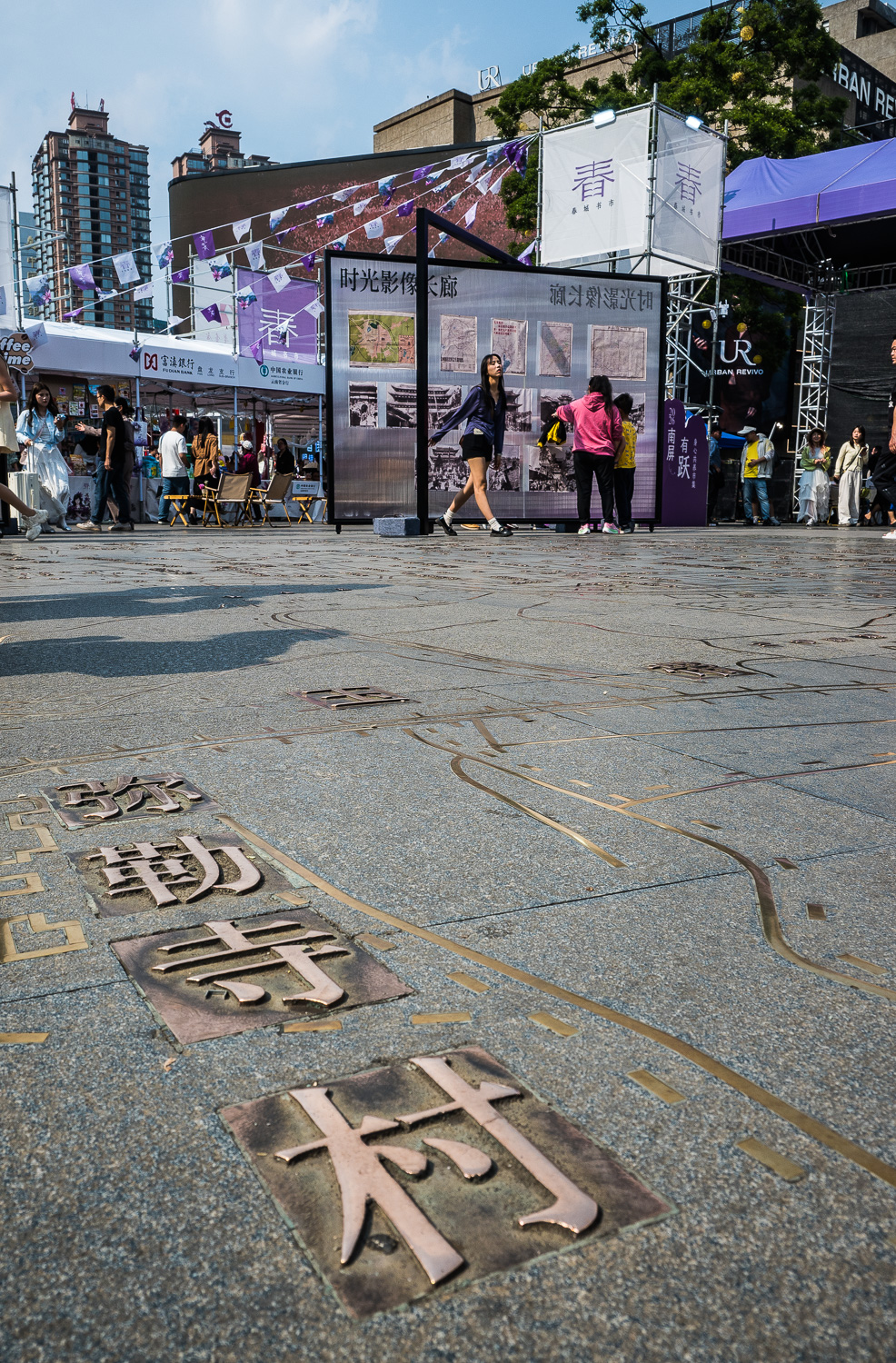
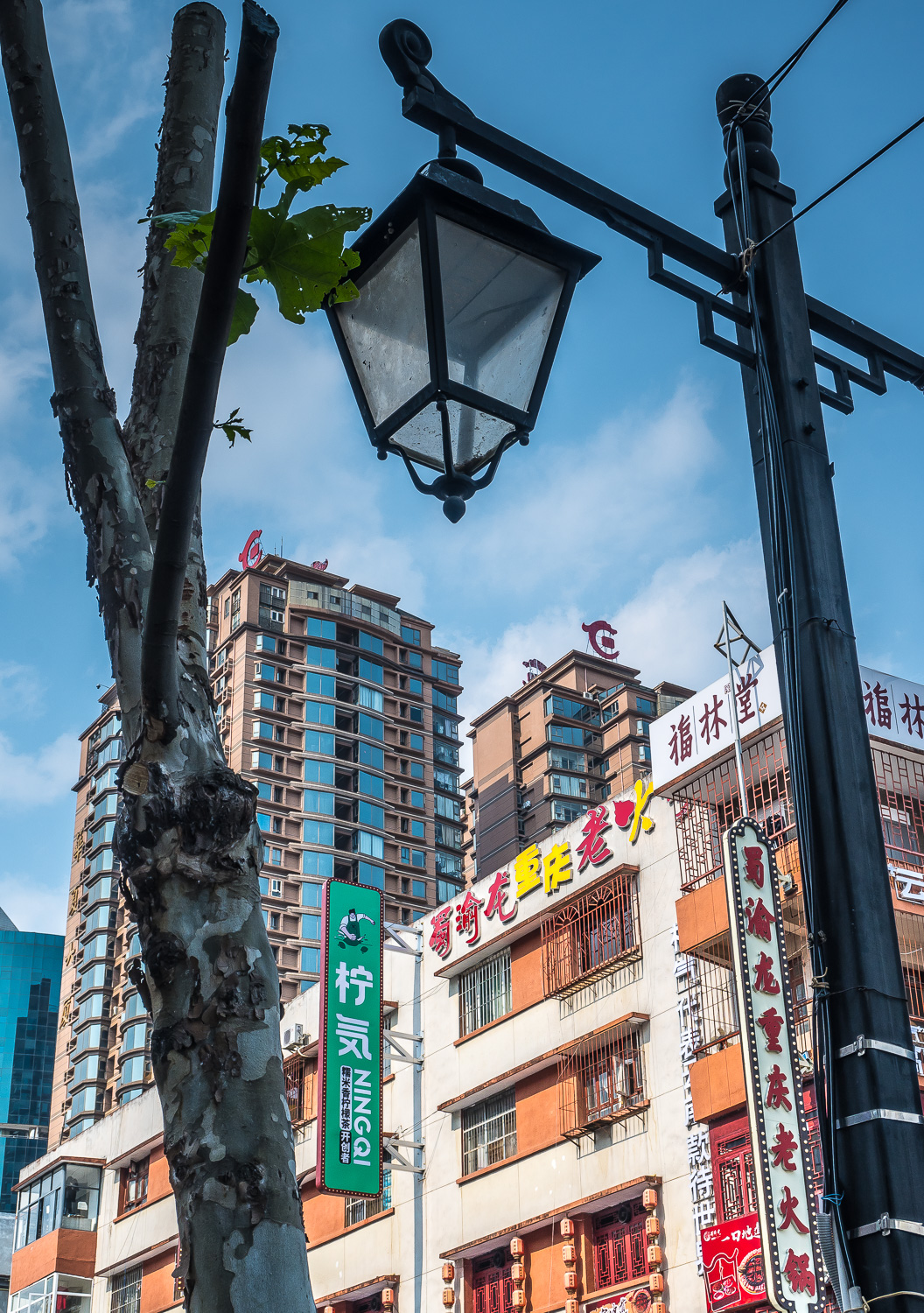
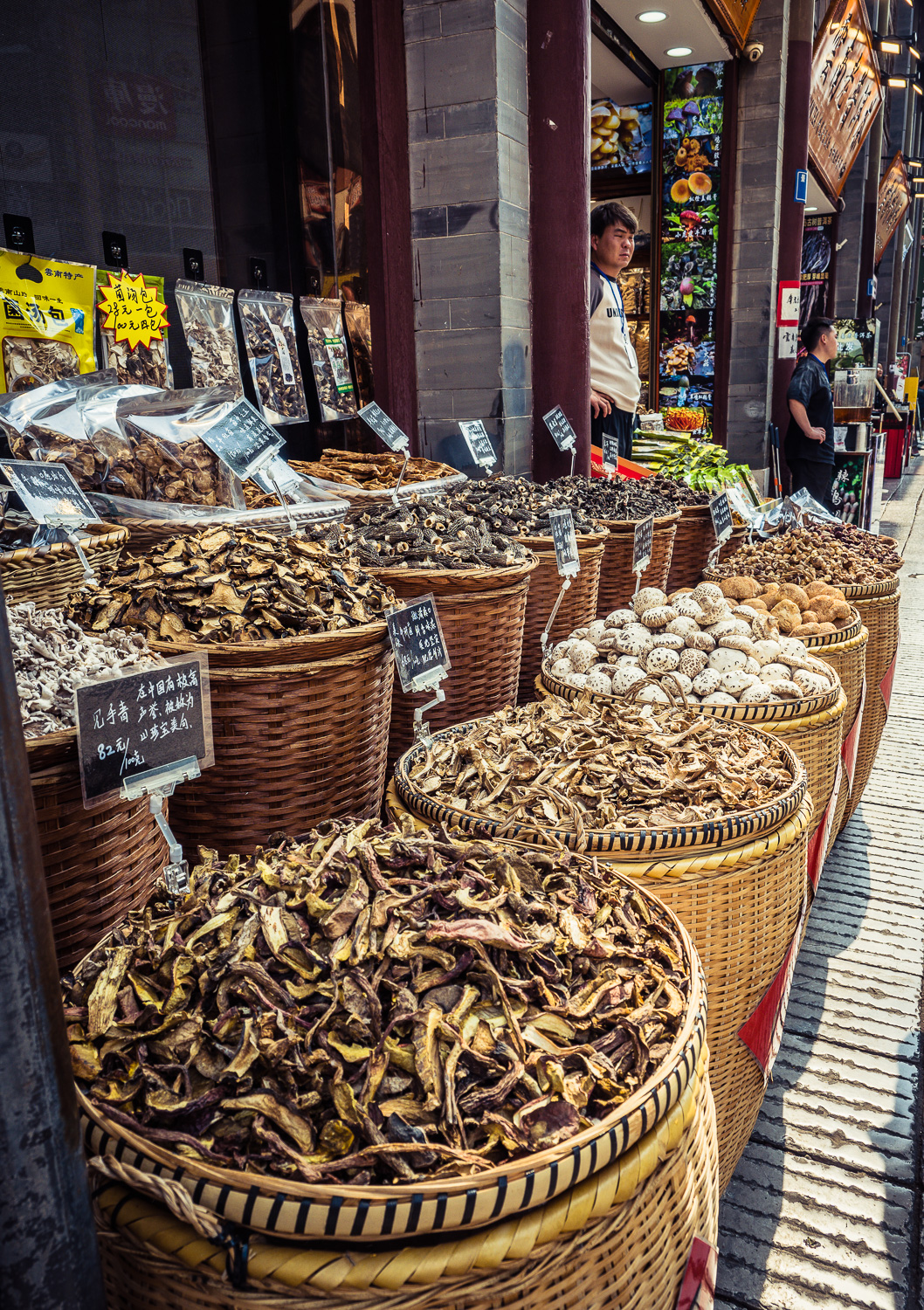
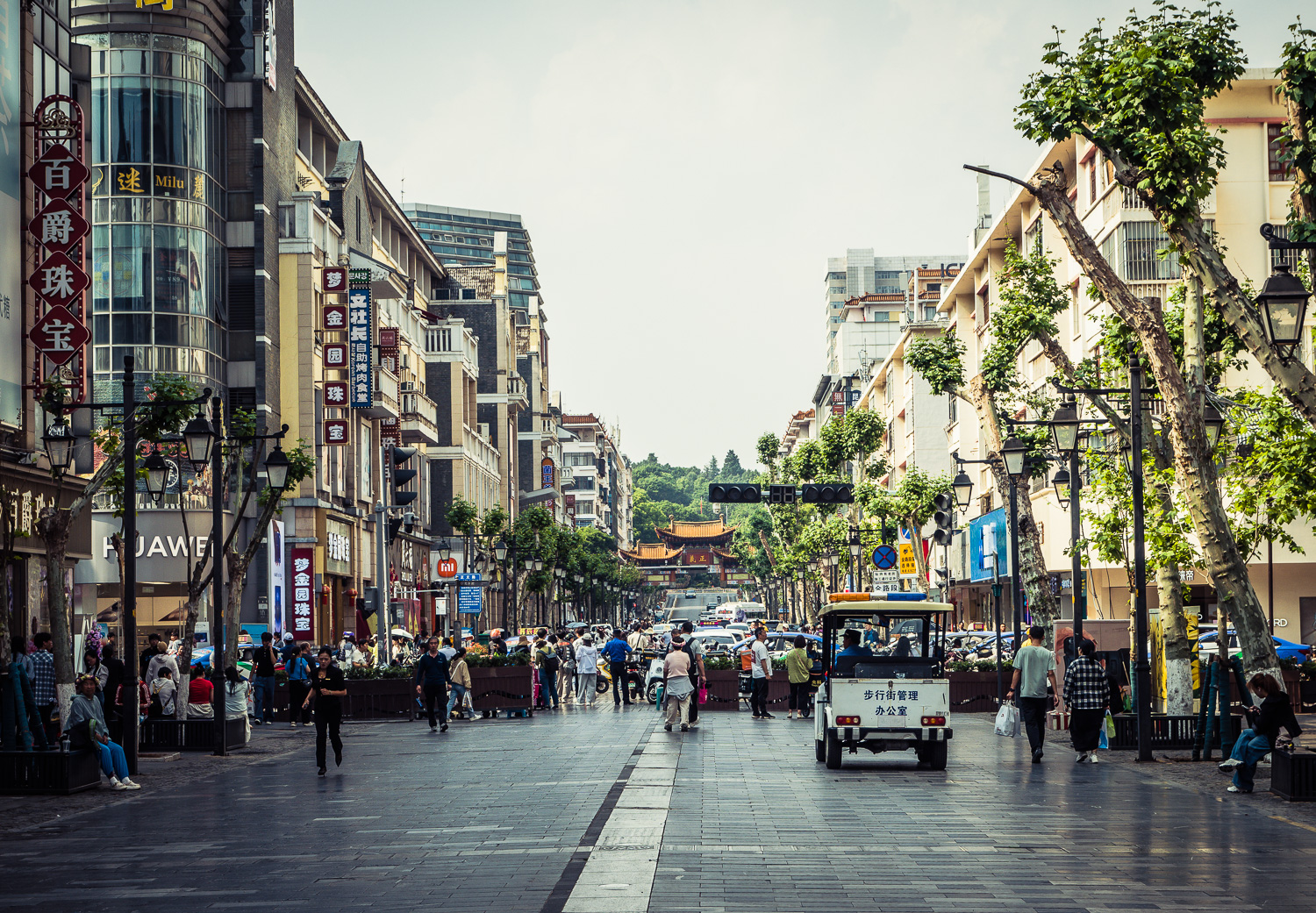
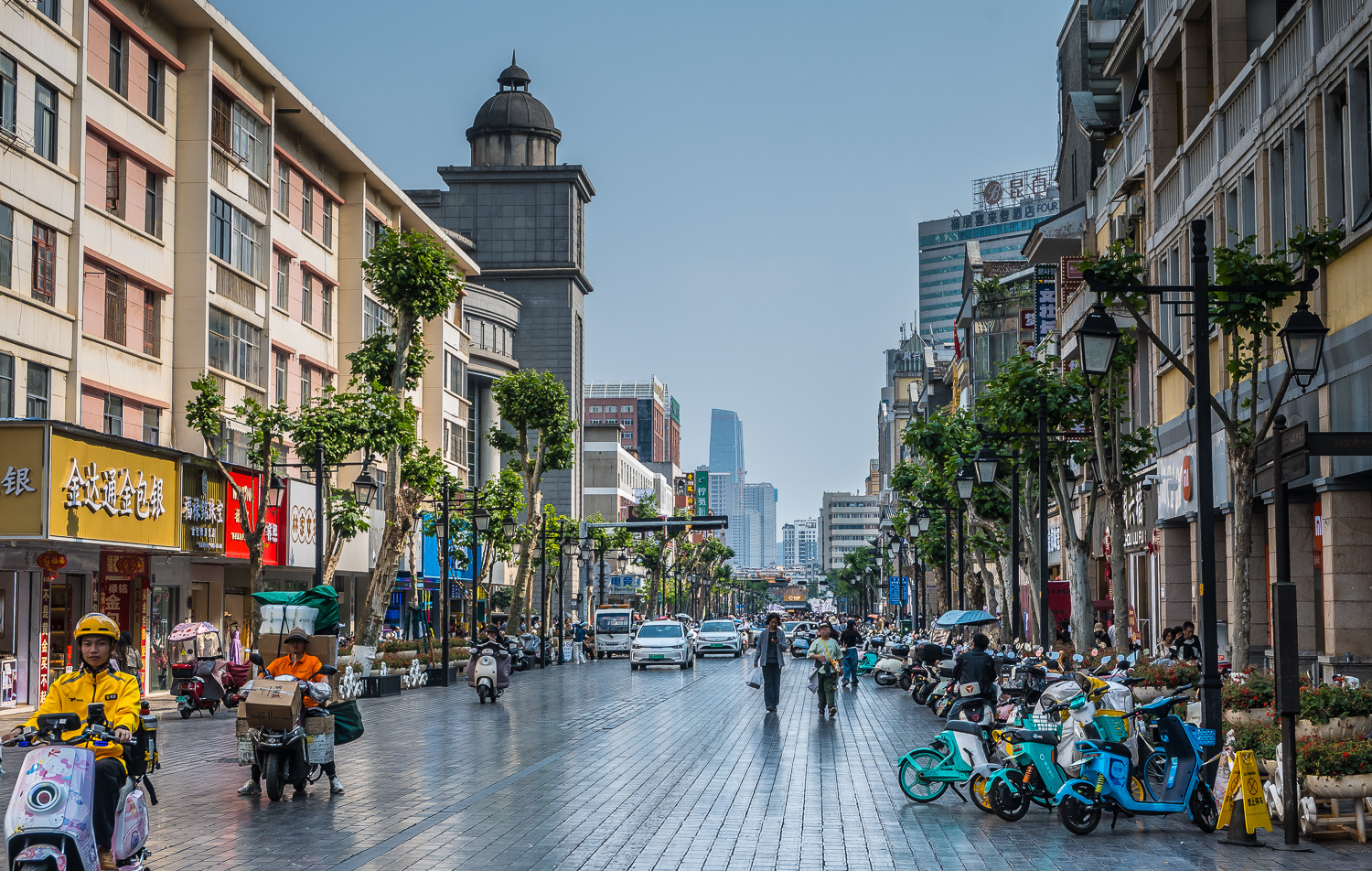
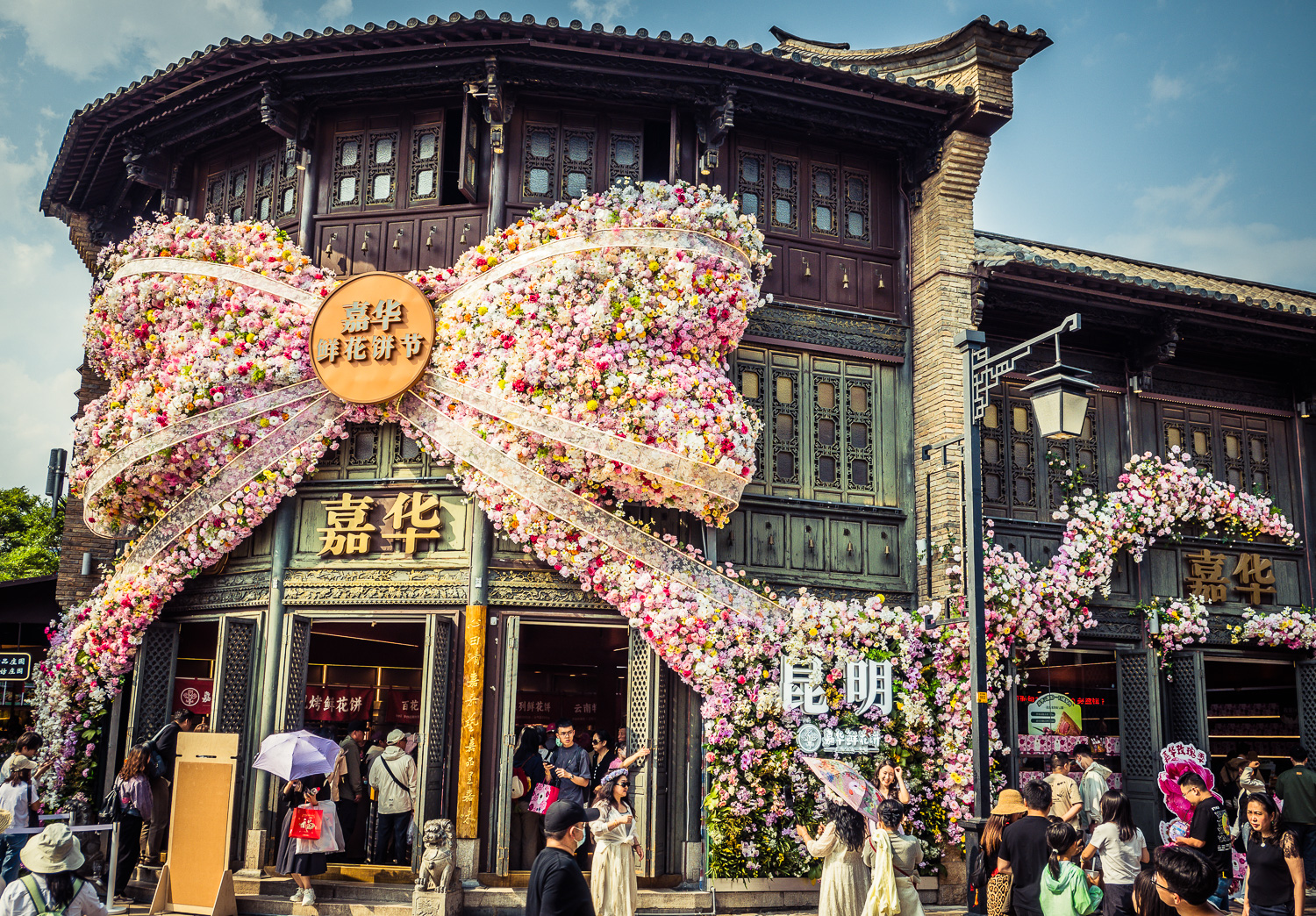
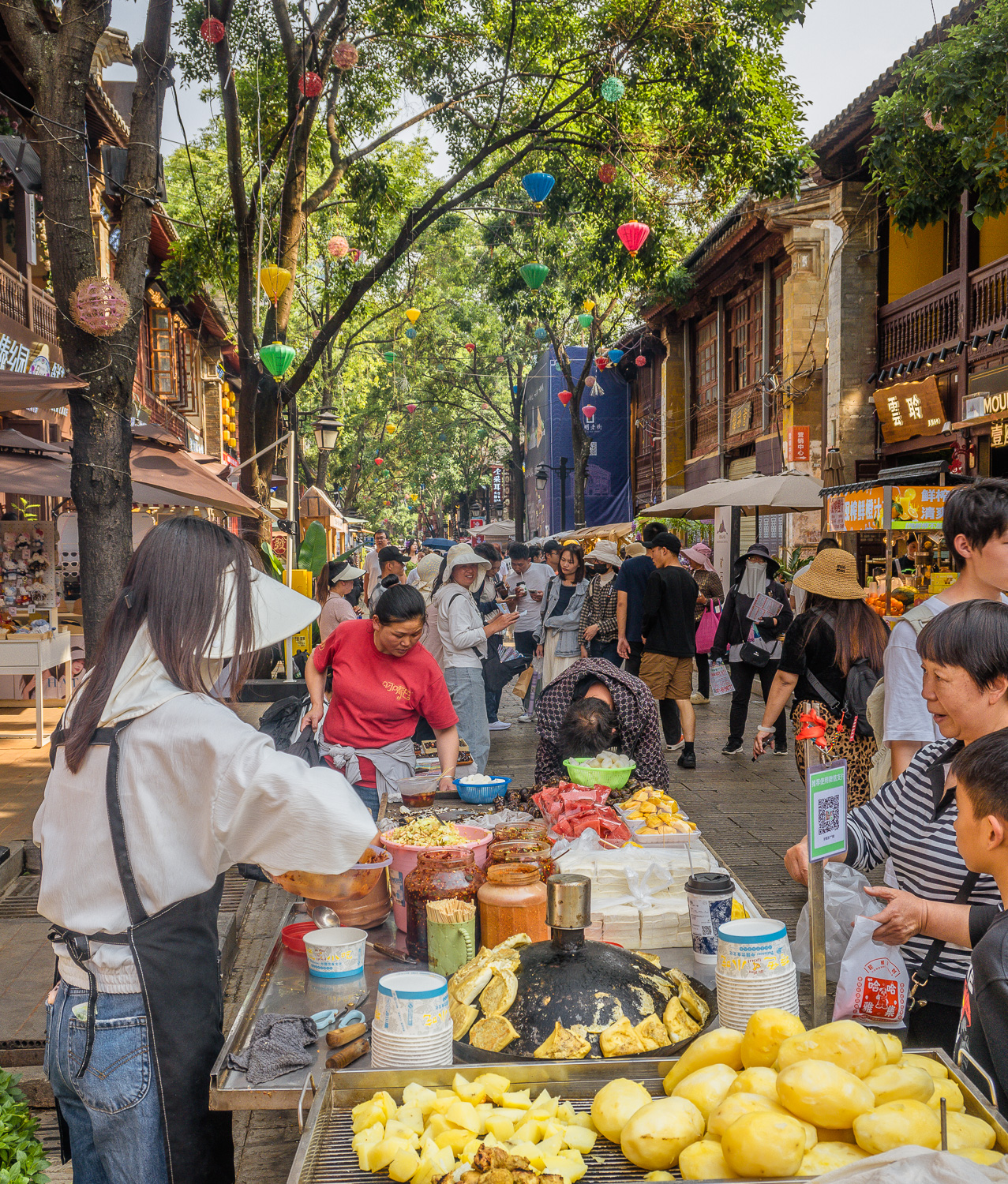
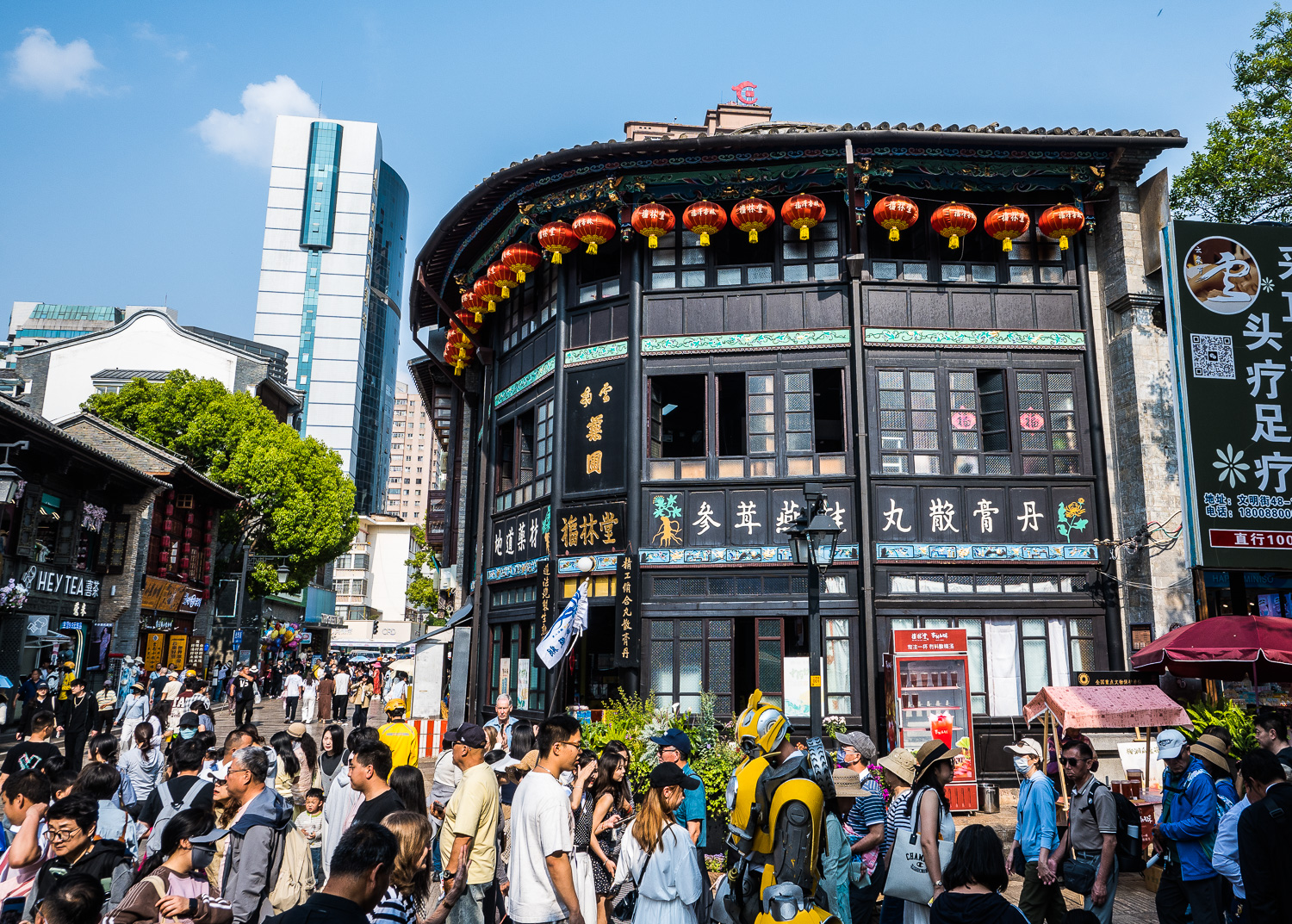
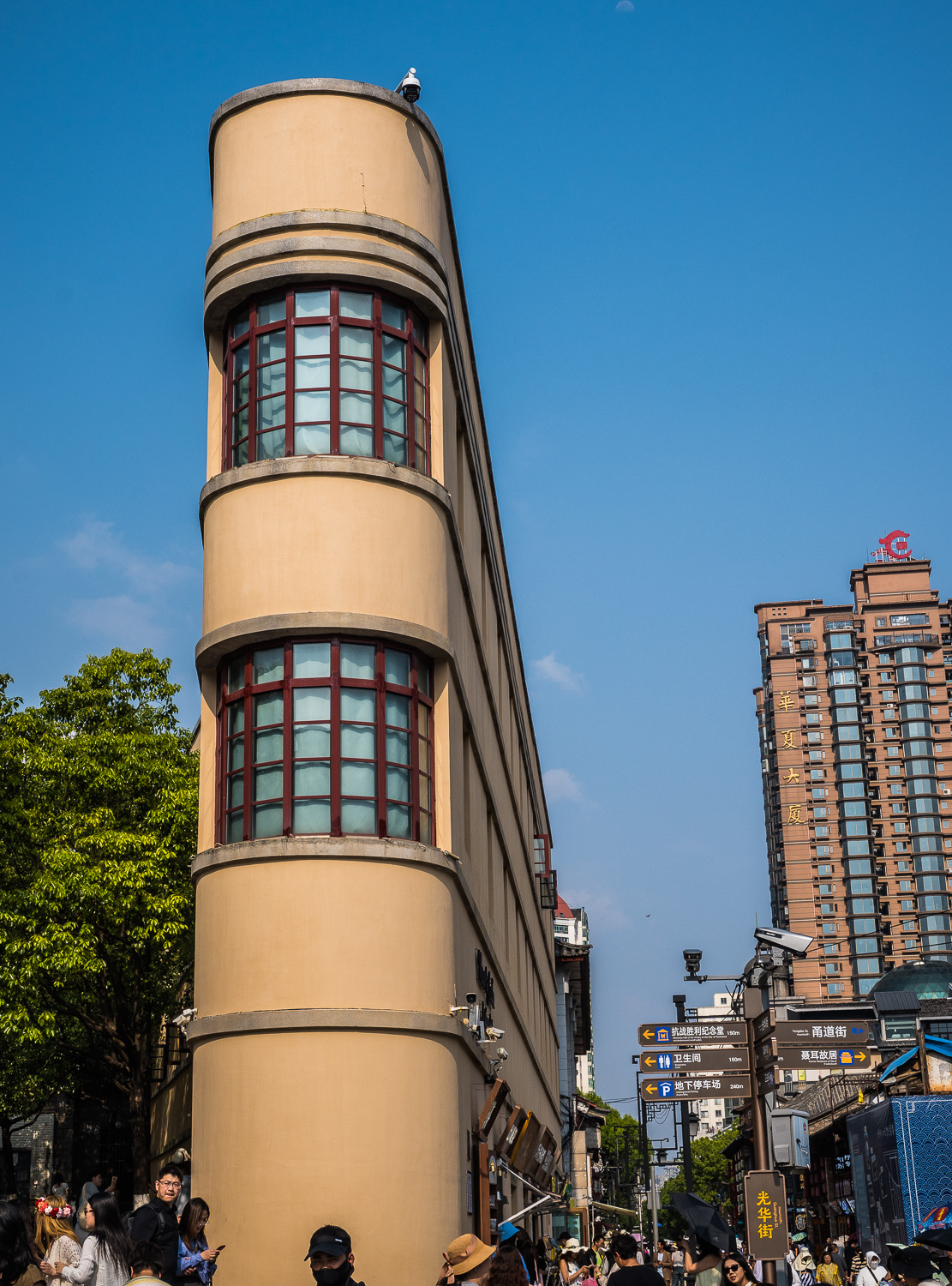
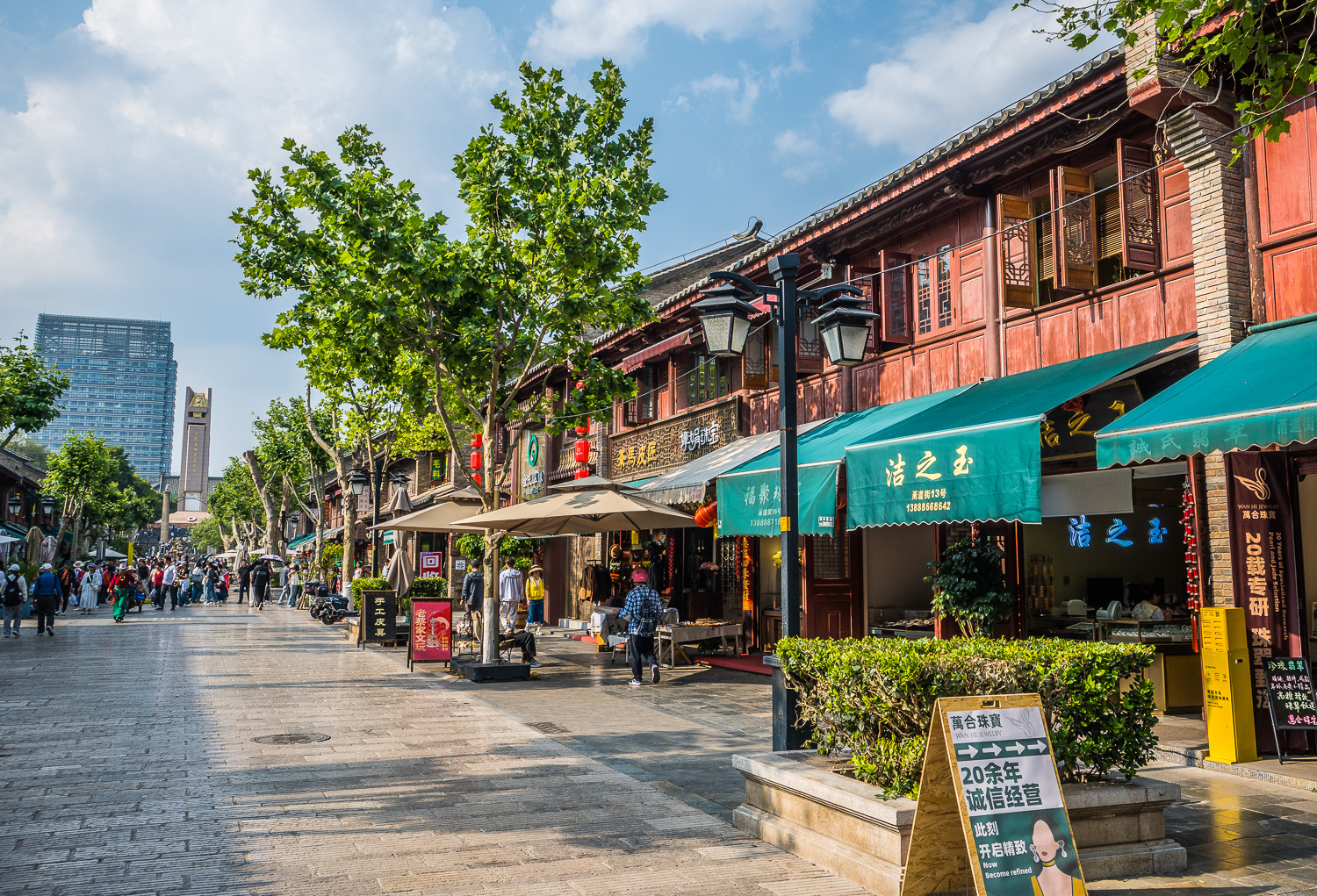
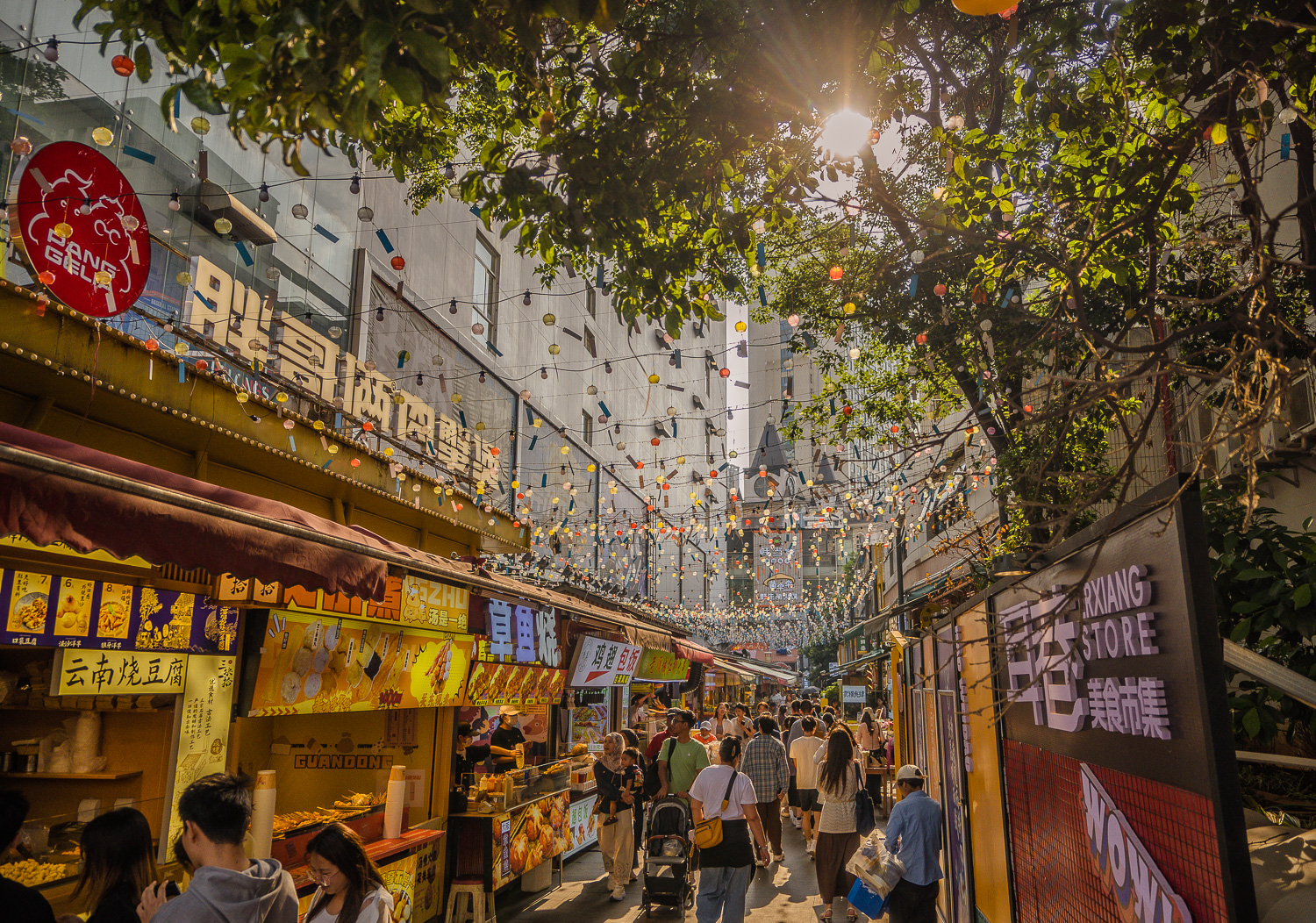
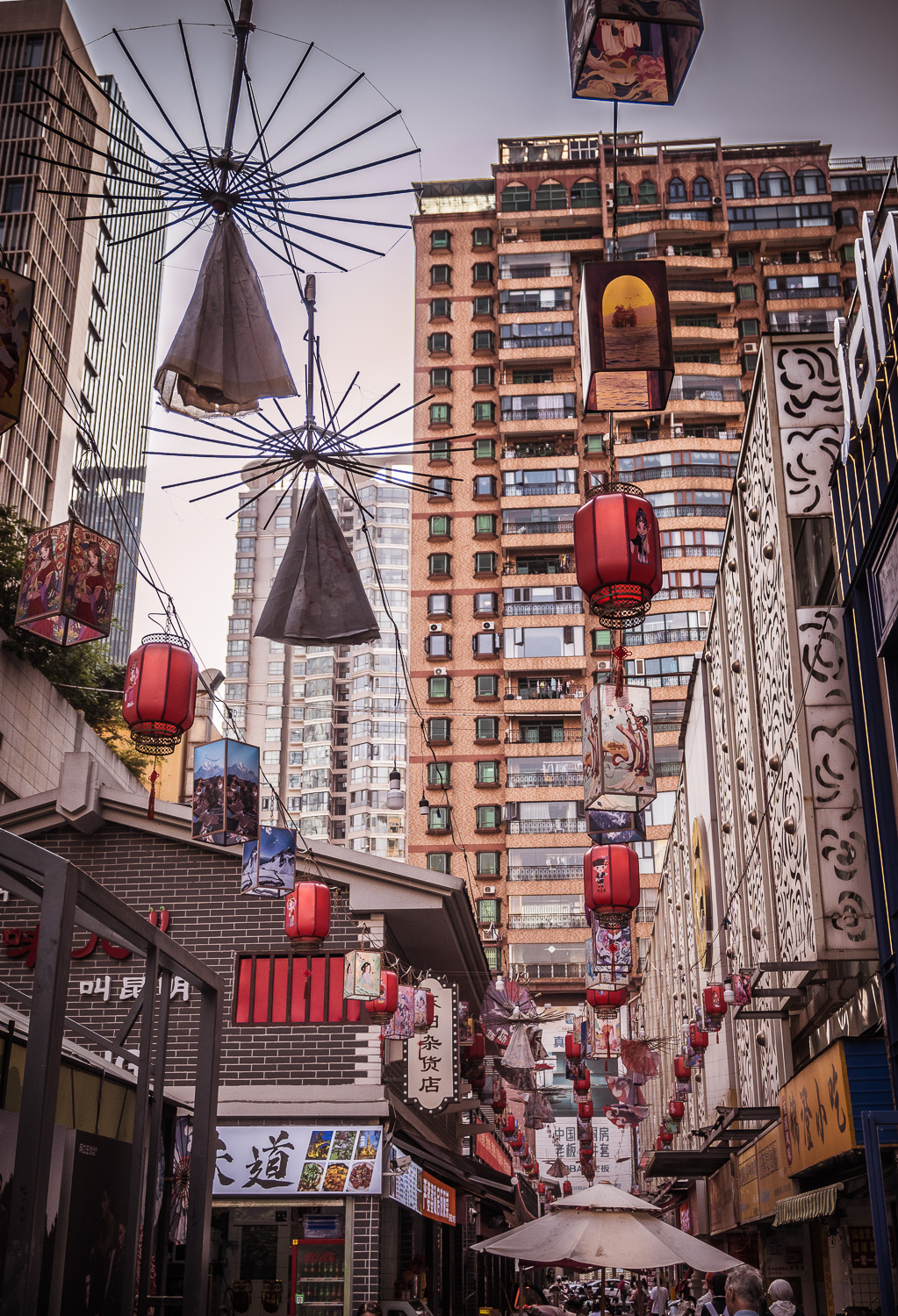
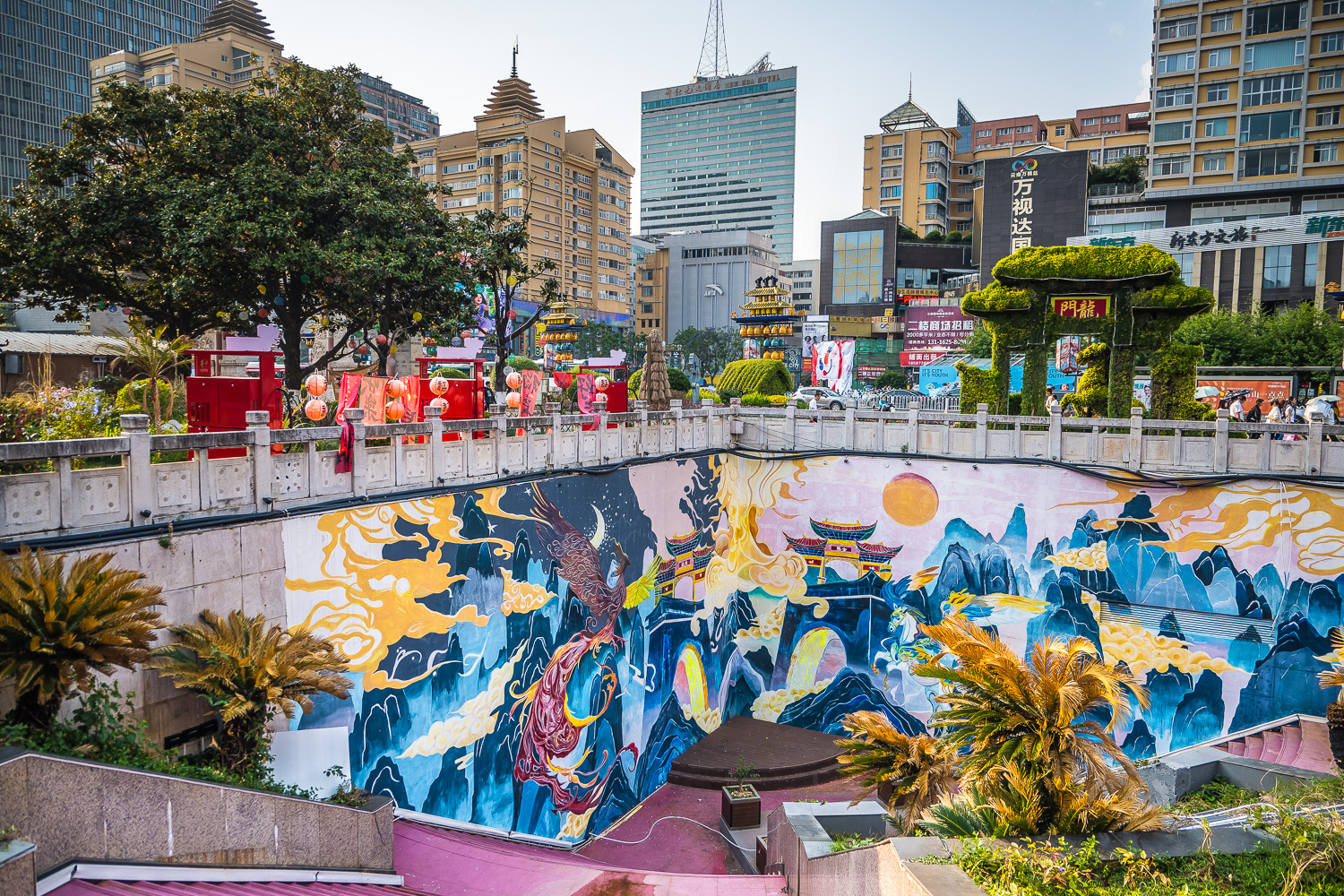
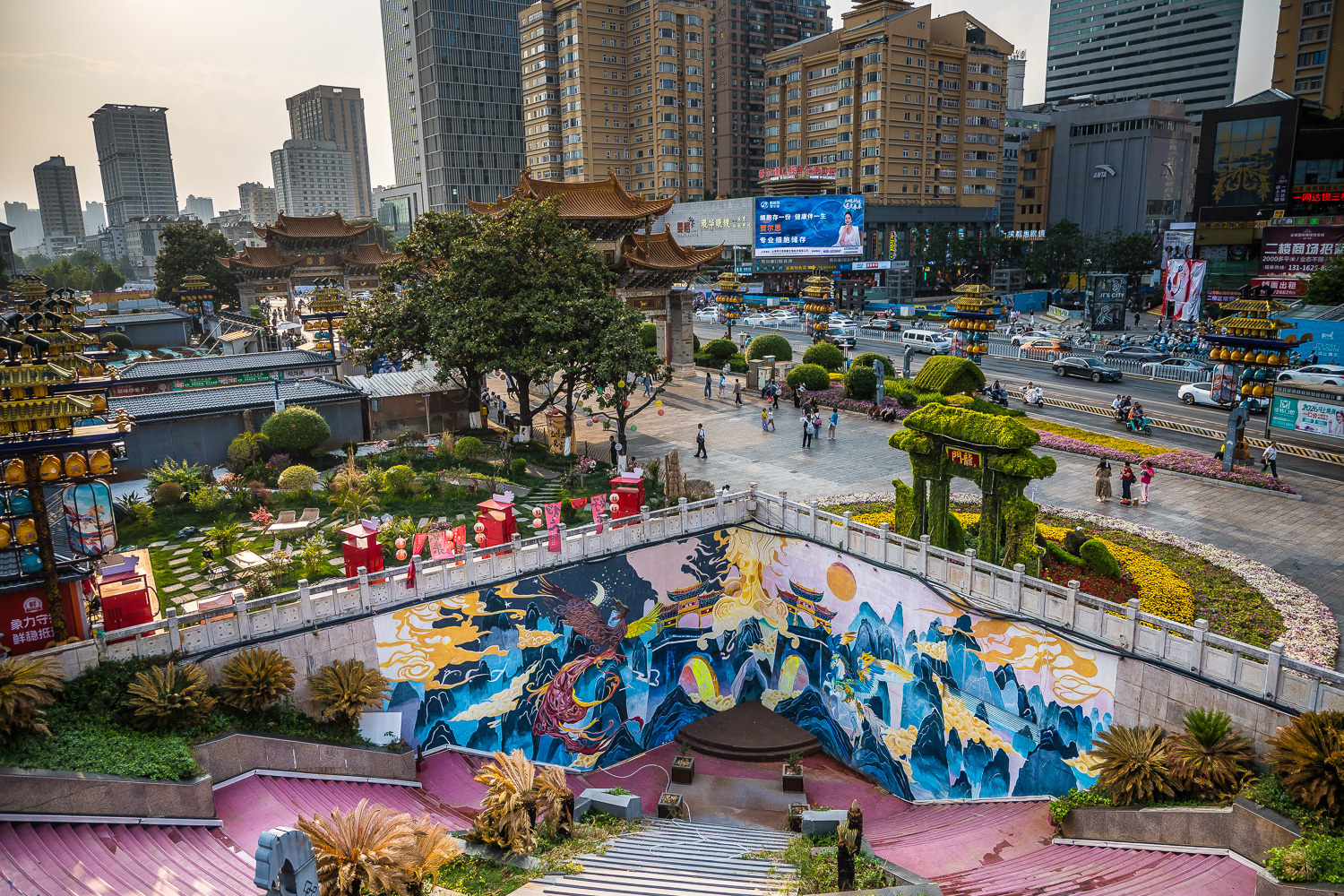
Kunming’s shopping district is a sprawling warren of streets lined with shiny top-brand outlets and western fast food joints, and side streets full of tea shops, bakeries, clothing outlets, and tourist trinkets. Being a weekend, it was busy as most places we’ve seen on this trip have been.
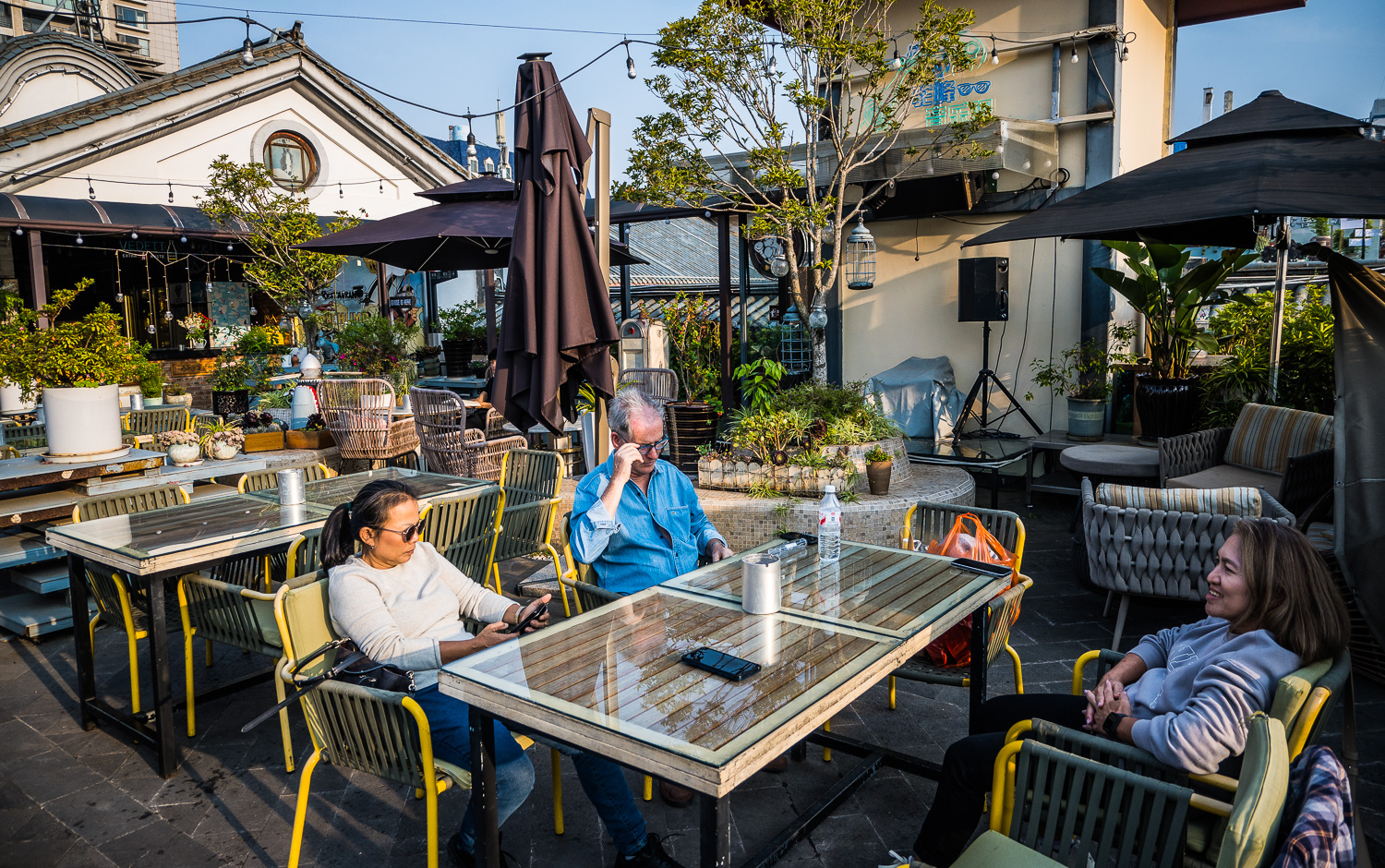
We grabbed a beer at a rooftop bar before heading back to the courtyard to spend the last night in China looking back over the trip.
China has only recently opened to foreign tourism, and we saw very few Westerners and pretty much no English was spoken anywhere. Small things we missed were bum guns in the toilets, fridges in the rooms, and spoons in the restaurants. Internet connections were also next to useless because everything has to be filtered by the Great Firewall of China, and the apps we normally use were not accessible.
The payment system was very easy, as everything is done through Alipay, and cash is not used very much. Taxis were also ordered through an app and were very cheap since 95% of the cars were EVs, and the rail system was super efficient despite all of the security and multiple passport checks. We’ll definitely be back, but another country beckoned; it was time to go back to Vietnam after 14 years.
Previous: Lijiang


Thoughts, observations, and comparison to Thailand
I was a little apprehensive, going to a communist country that has such an overreaching system of control over its population and has historically shunned the West. You need an ID card or passport to do anything from getting on a train to booking a tour to buying a meal through the state-controlled payments platform on the state-controlled internet, and this means the government/regime knows exactly where you are and what you’re spending at any given time.
The upshot of this is that people appear to be generally better behaved because they know they’re under constant surveillance, there is very little observable crime due to all of the cameras, the driving was civilized, corruption has a death sentence, we hardly saw any police, and it felt very safe there. It felt closer to Japan than Thailand (but minus the politeness and plus the loogie hocking.)
Thailand is the complete opposite; there are countless mindless laws, but a corrupt and inept police force that doesn’t function, so people behave and drive like assholes because they can. Drug abuse, gun crime, and violence are rife, and the country is generally a kindergarten in a circus comparatively. People are considered so deranged that the regime has to ban or heavily restrict pretty much everything with thousands of stupid prohibition rules or prohibitive pricing.
This is why many Chinese may go there, to get a sense of freedom and get away with “behaving badly” – what percentage of foreign bad news stories in Thailand involve Chinese nationals? They don’t go to Thailand for the natural wonders or a budget holiday because their own country is so much better and way cheaper. Meanwhile, those with money can exploit the corruption and pay for more “privileges” not available in their home country (also very common on the Thai news).
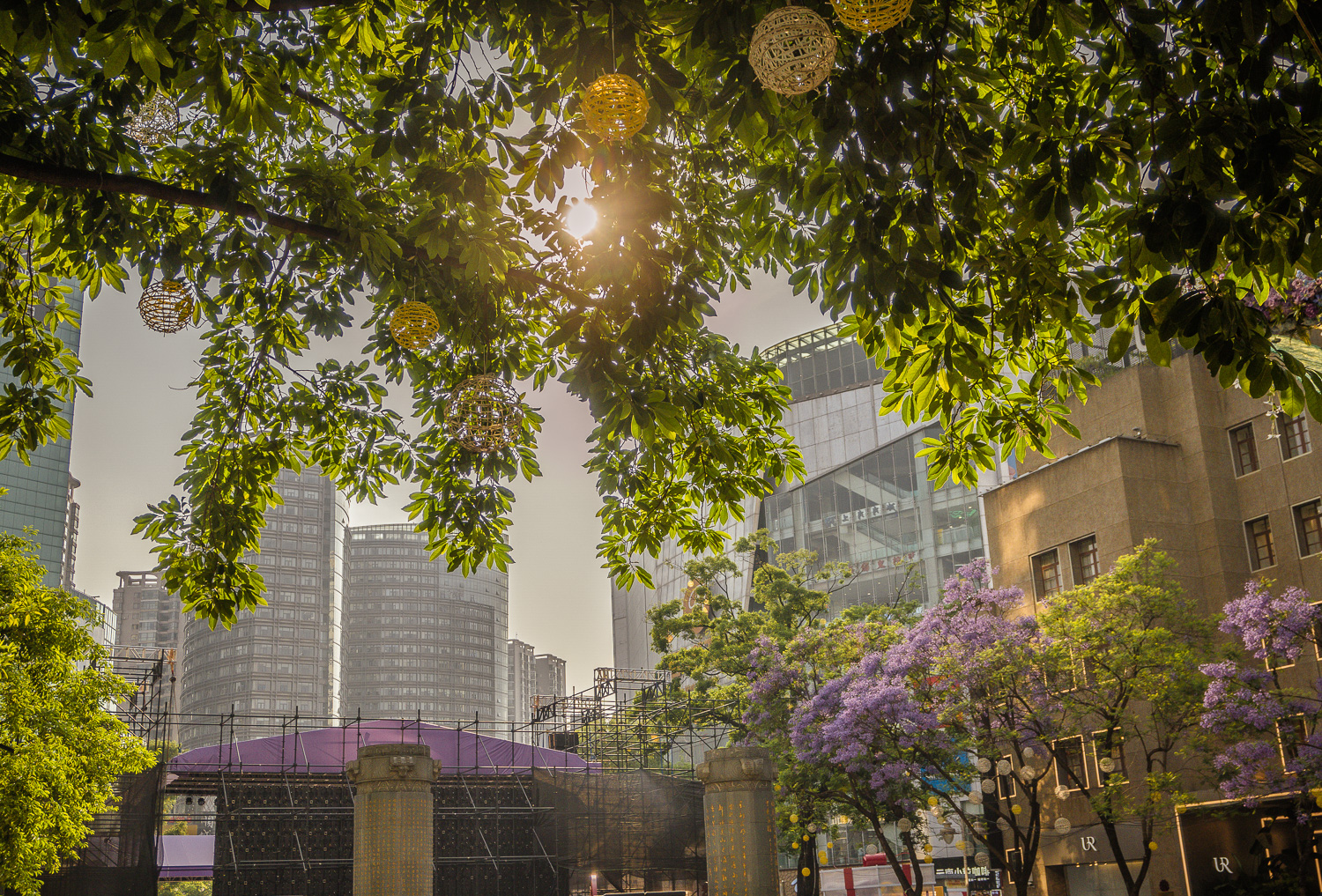
The Chinese system also means that the people and country are better taken care of. China is very high-tech, efficient, super clean and green, prioritizing parks and pedestrian zones, and everything functions as it should. The cars, bikes, appliances, and electronic devices are all made domestically by local companies and are made affordable, so people generally have a better standard of living (albeit with less choice).
Thailand again is the opposite; the dictatorial governance system there has been designed and set up to keep the masses oppressed via a useless education system, military conscription, and very few opportunities that don’t involve nepotism in order to keep the wealth flowing up to the top one percent who rule the country.
Nothing is spent on infrastructure without crippling levels of graft hampering projects. The country is dirty (trash everywhere), backwards, and inefficient (filling in bits of paper to get anything done), with zero regard for safety standards (how many major fatal incidents this year alone?) Meanwhile, most things are imported, taxed to hell, and so expensive that people have to get into debt to buy anything (which is another system of control).
Nothing is designed or made in Thailand because companies are heavily restricted by red tape, bureaucracy, and high overheads, which benefits the dominant handful of government-backed monopolies that continue to reap the profits for their executives and political benefactors.
Both systems are far from ideal, but the people seem to have a better standard of living in the communist one. Information and news in both countries is highly censored, people ‘disappear’ for posting the wrong thing online, and they are fed extreme levels of propaganda from their respective regimes. However, the locals I spoke to in China seemed generally happy with their leaders and government and optimistic about their future; very few Thais are.
It was definitely an eye-opener for me, and somewhere I will be visiting again now that they’re finally opening up the bamboo curtain for foreigners with easier visas, while Thailand, again, is doing the opposite at the time of writing.