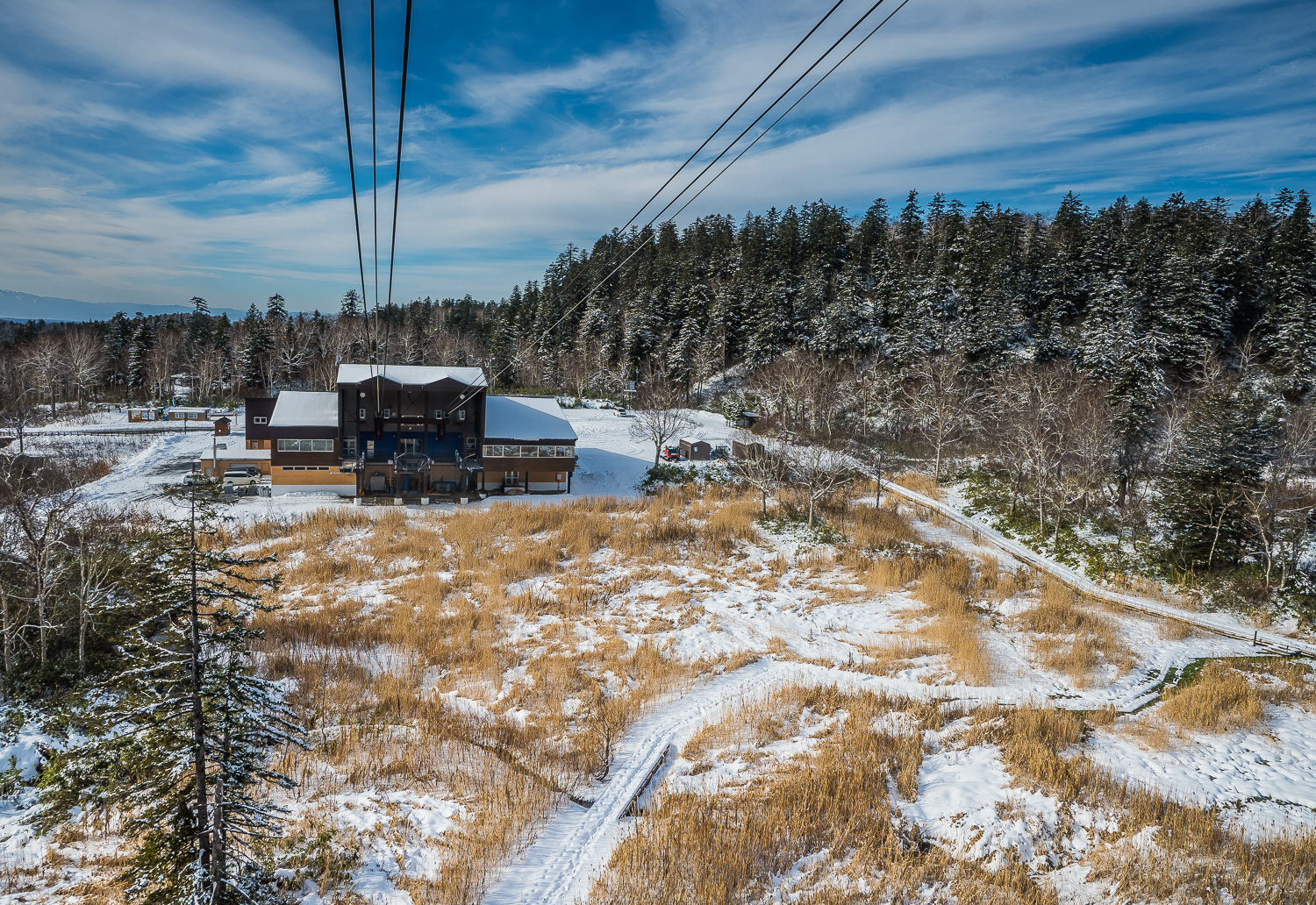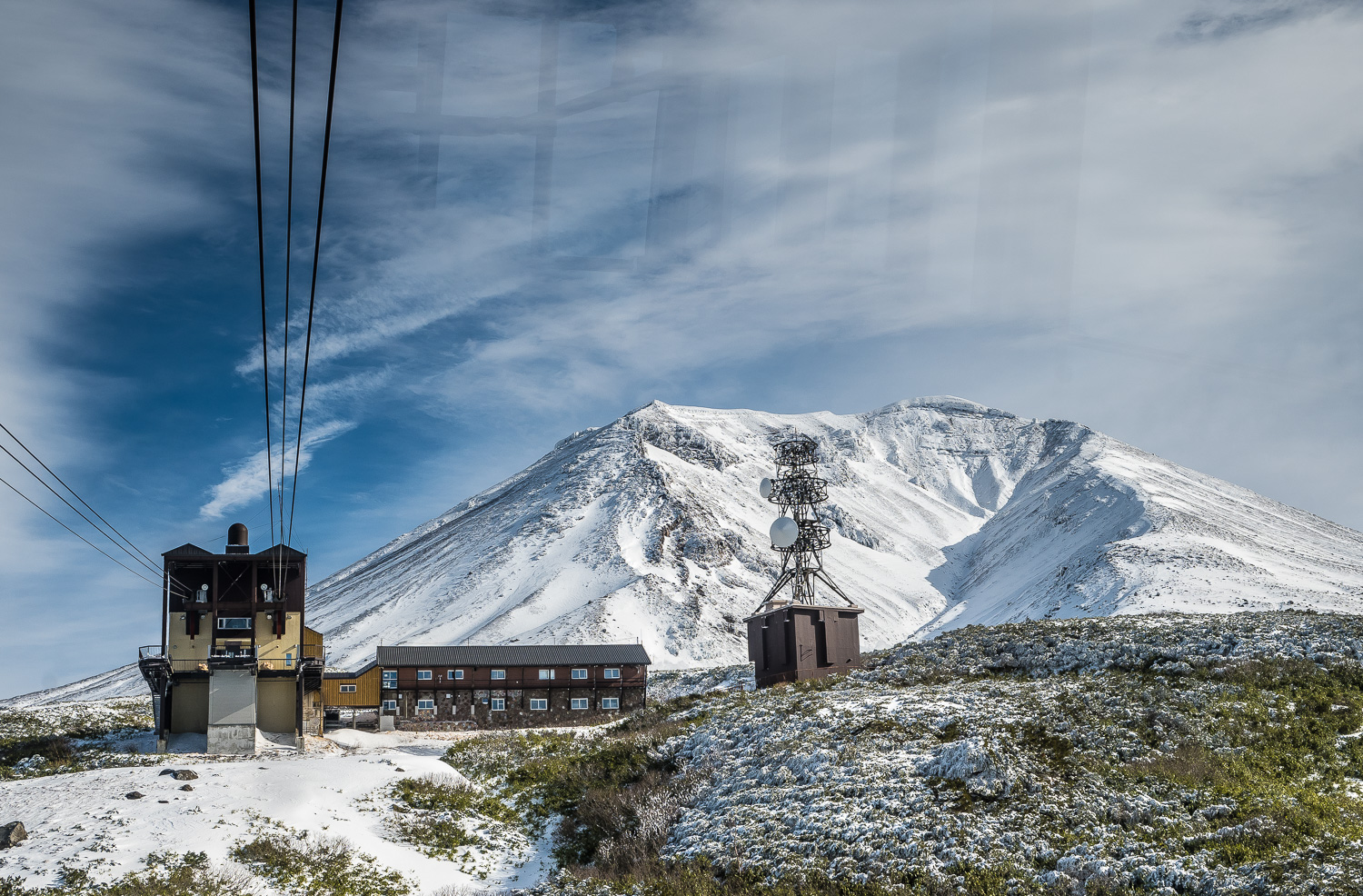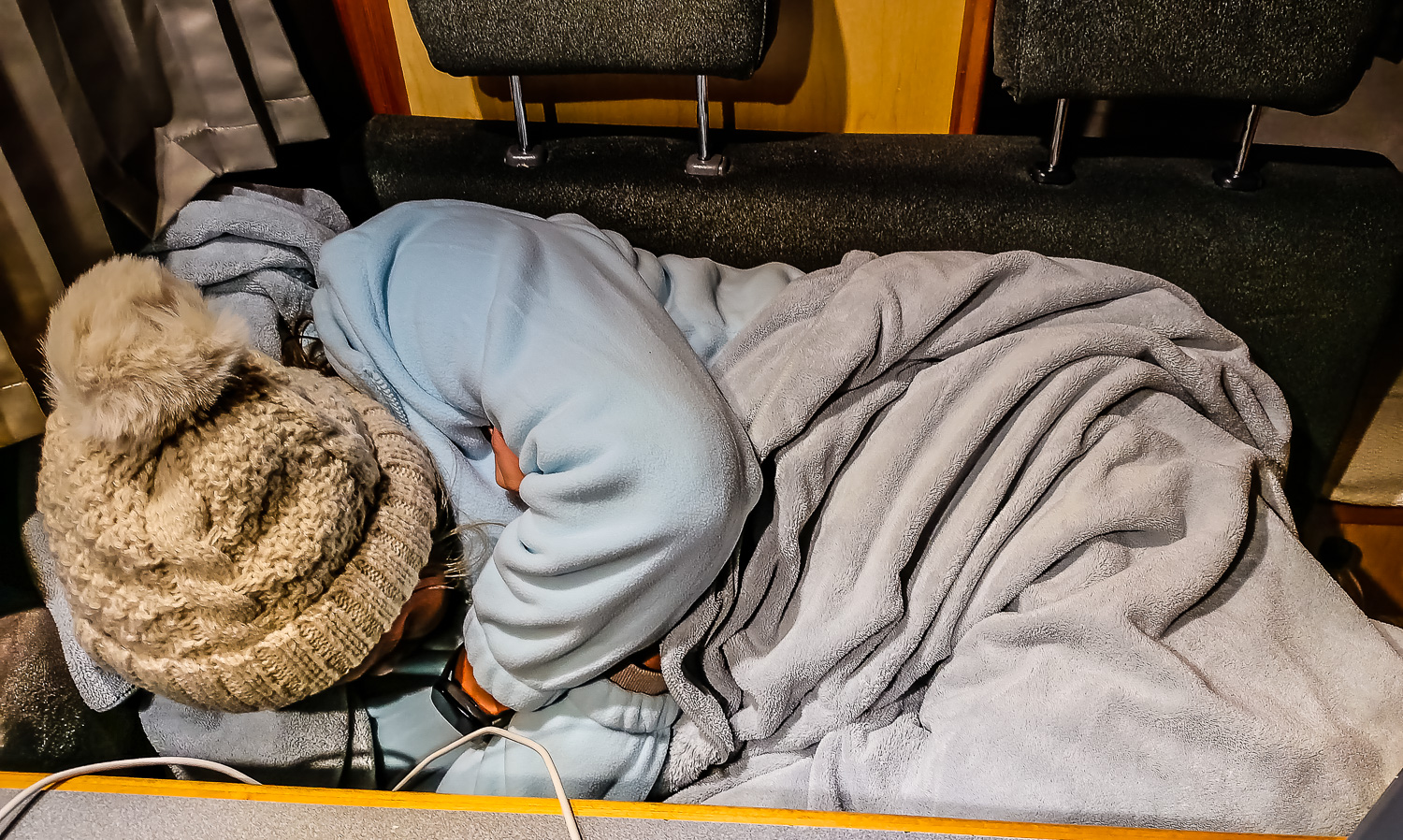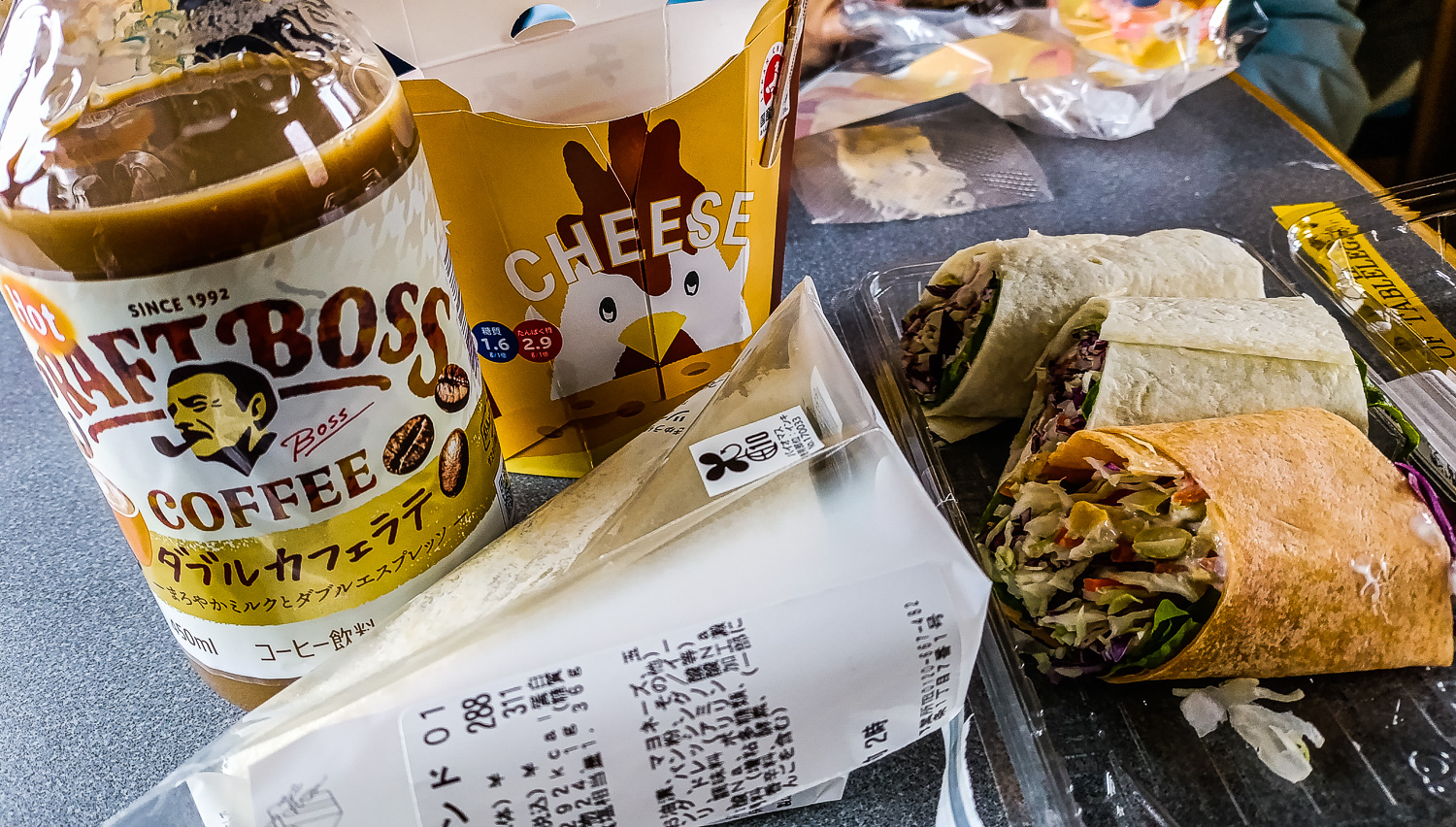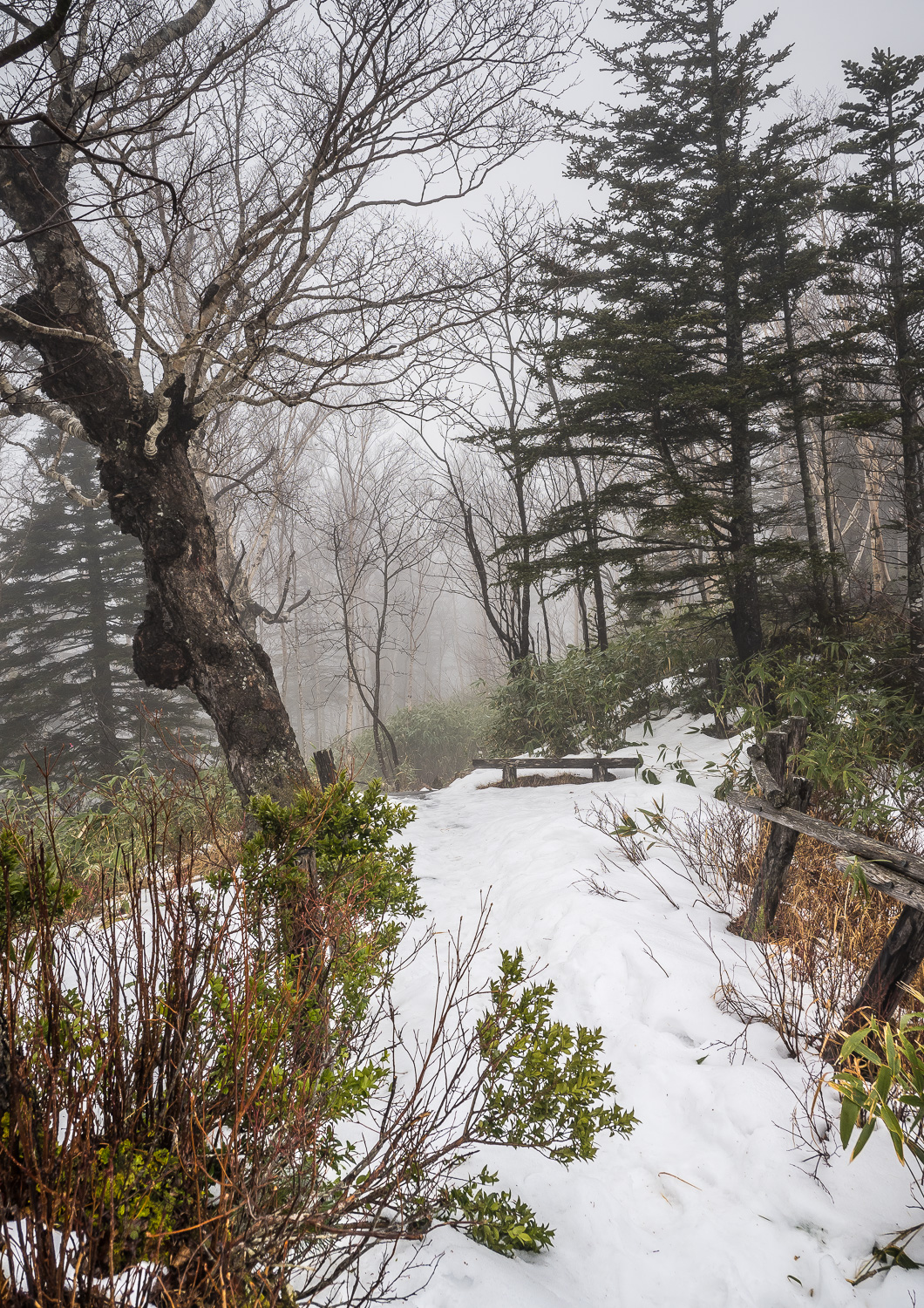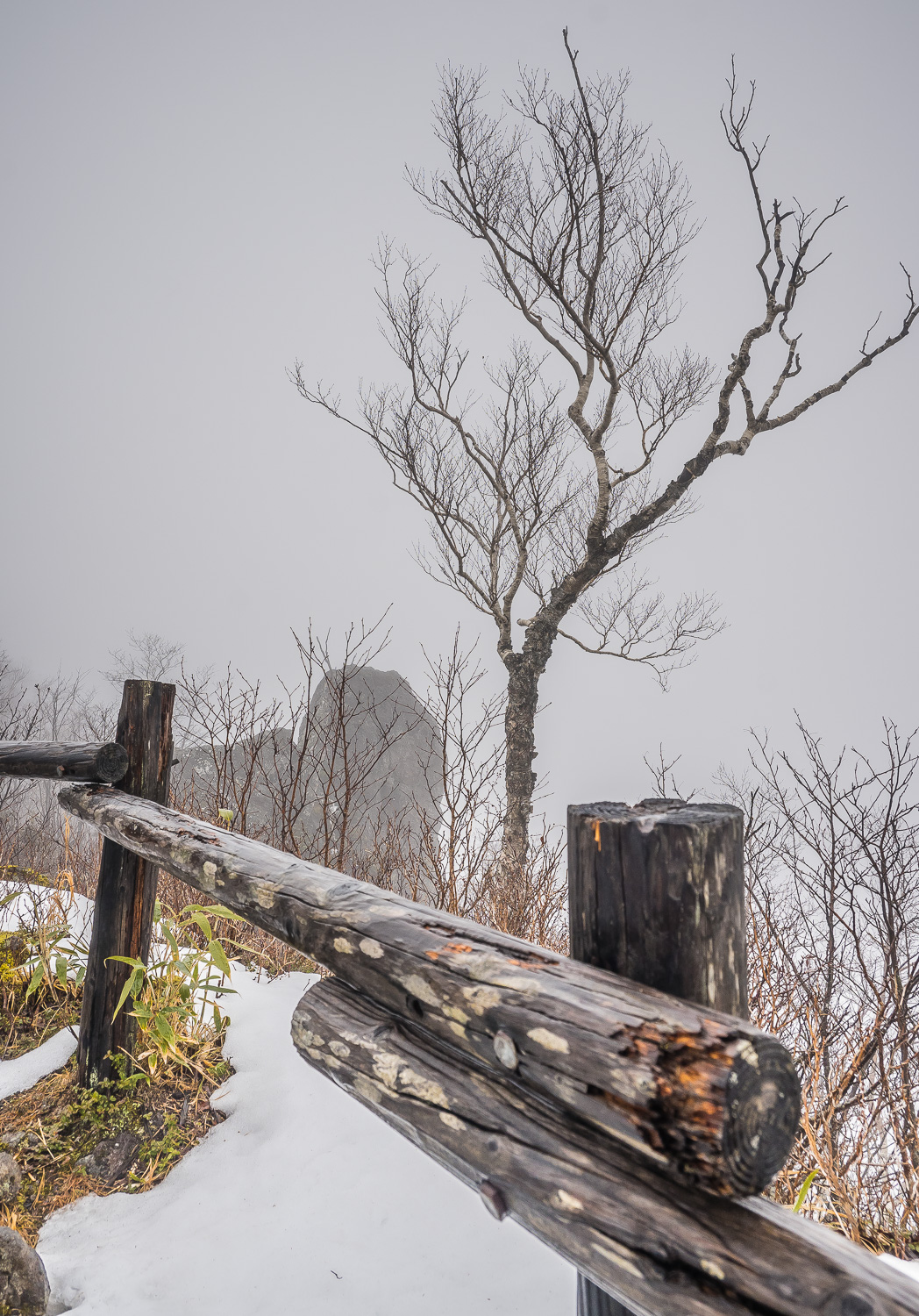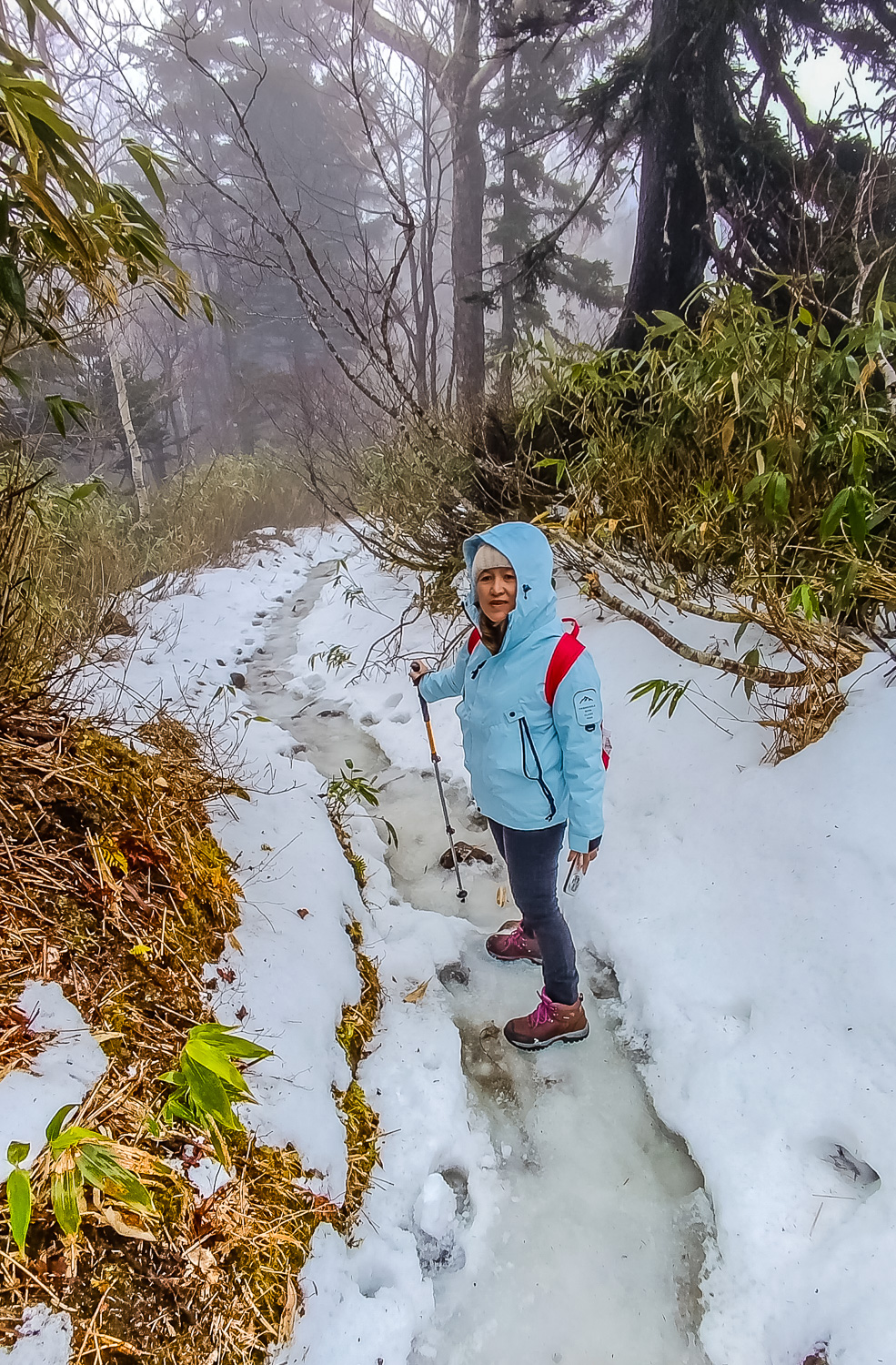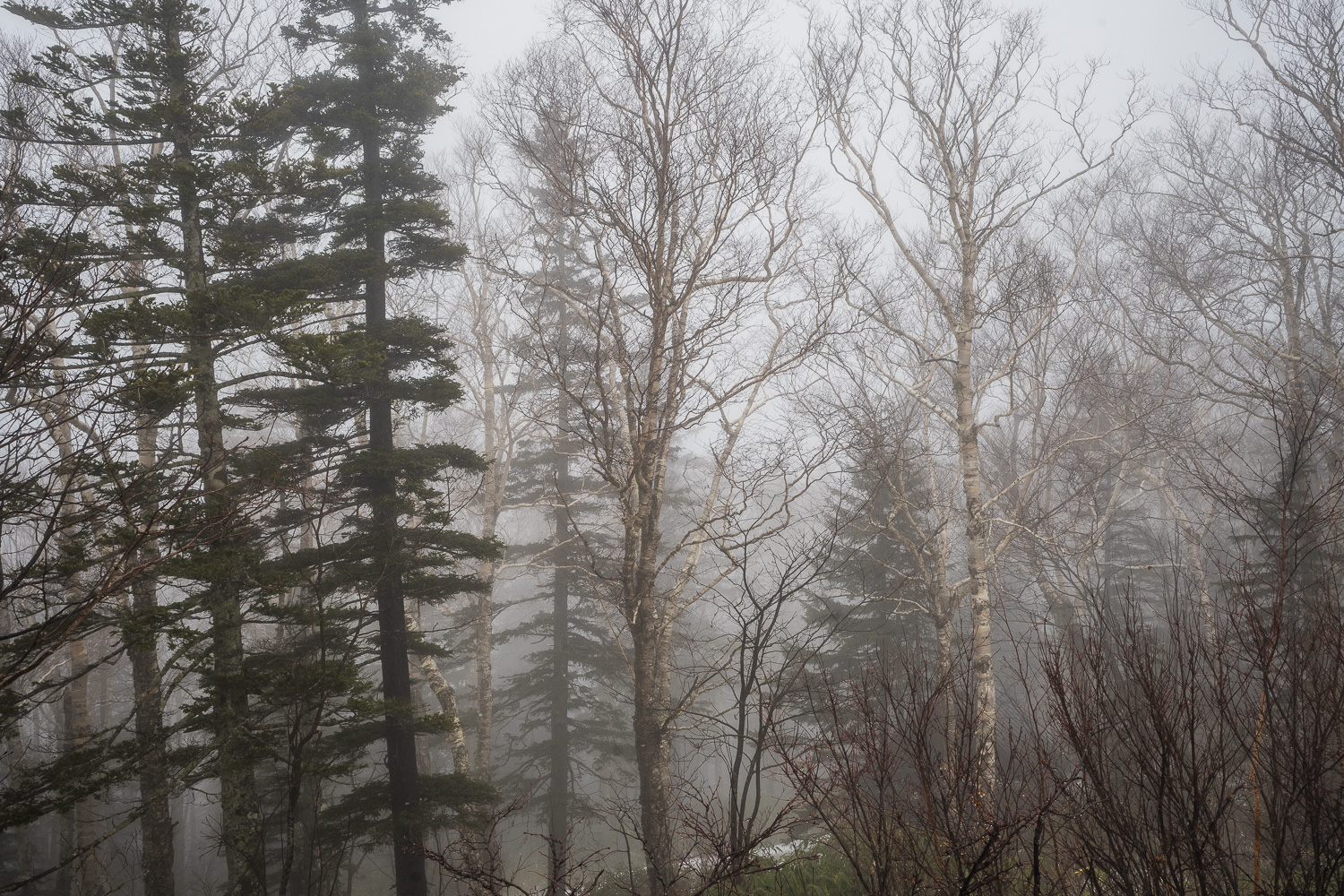
It was a very cold night in the van, but we woke early and drove to Biei for a Seicomart sandwich and coffee before continuing on to the Asahidake ropeway station. It also gave us the opportunity to dump some of our trash, as there are no regular bins at road stations or attractions in Japan.
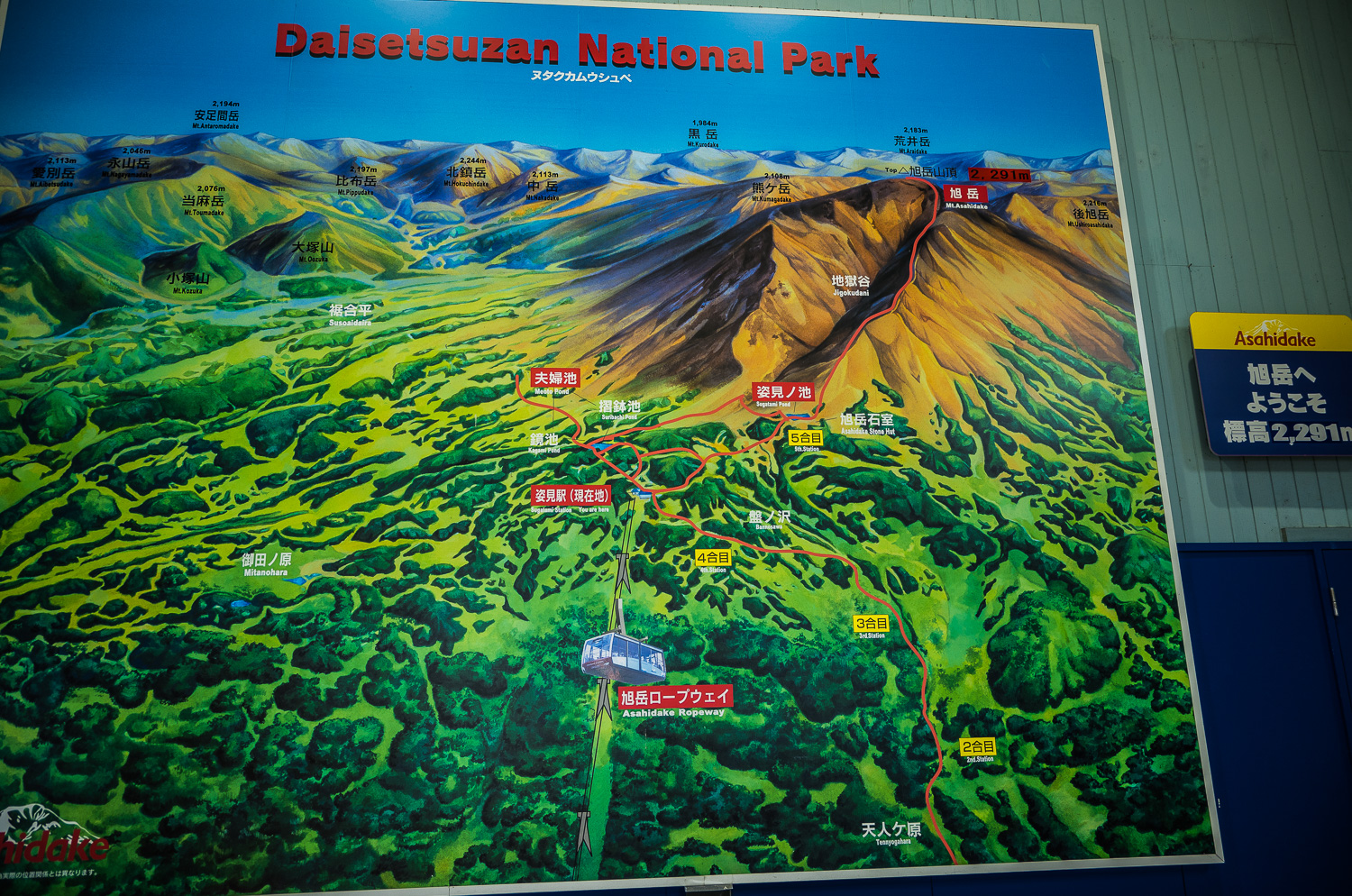
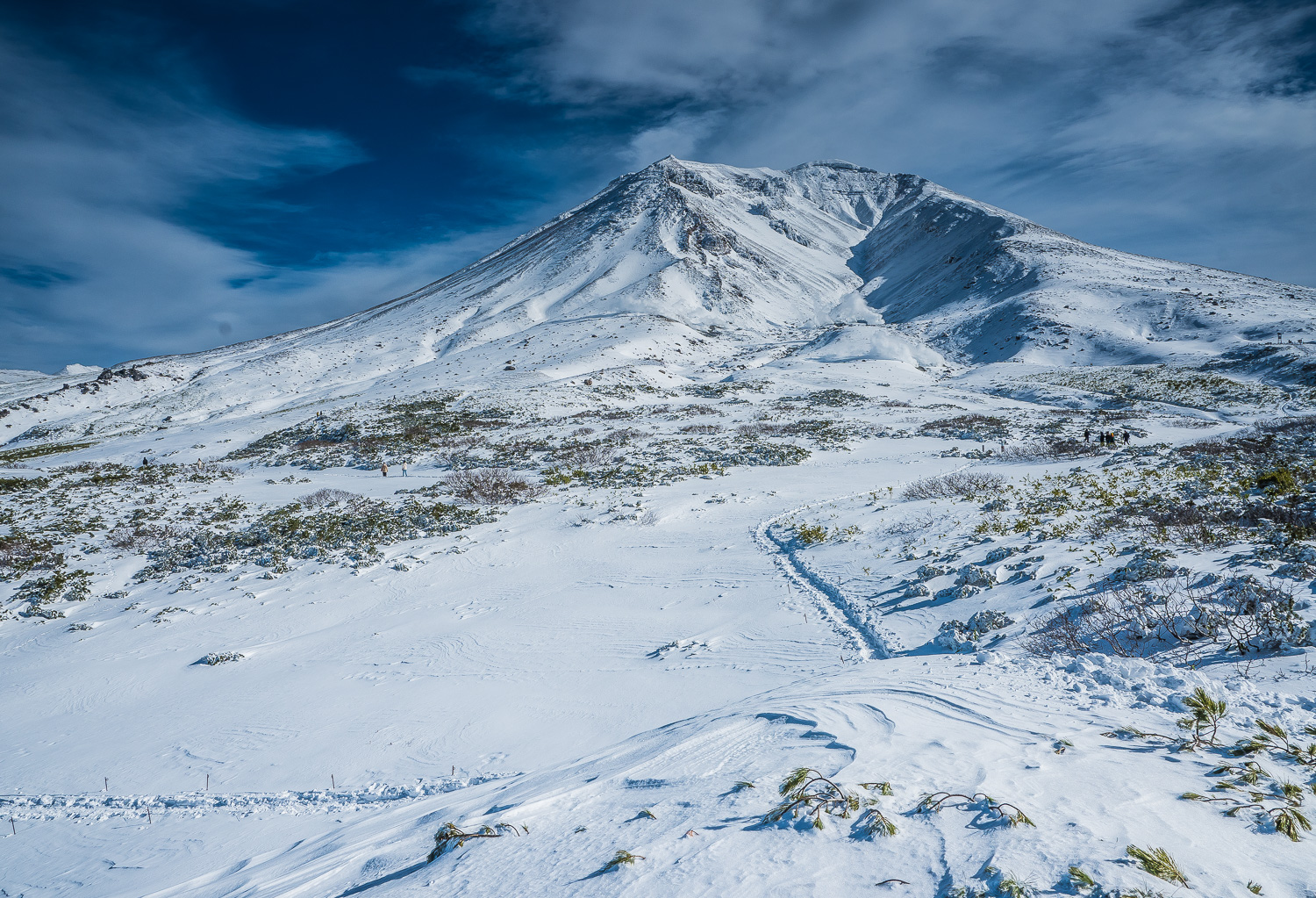
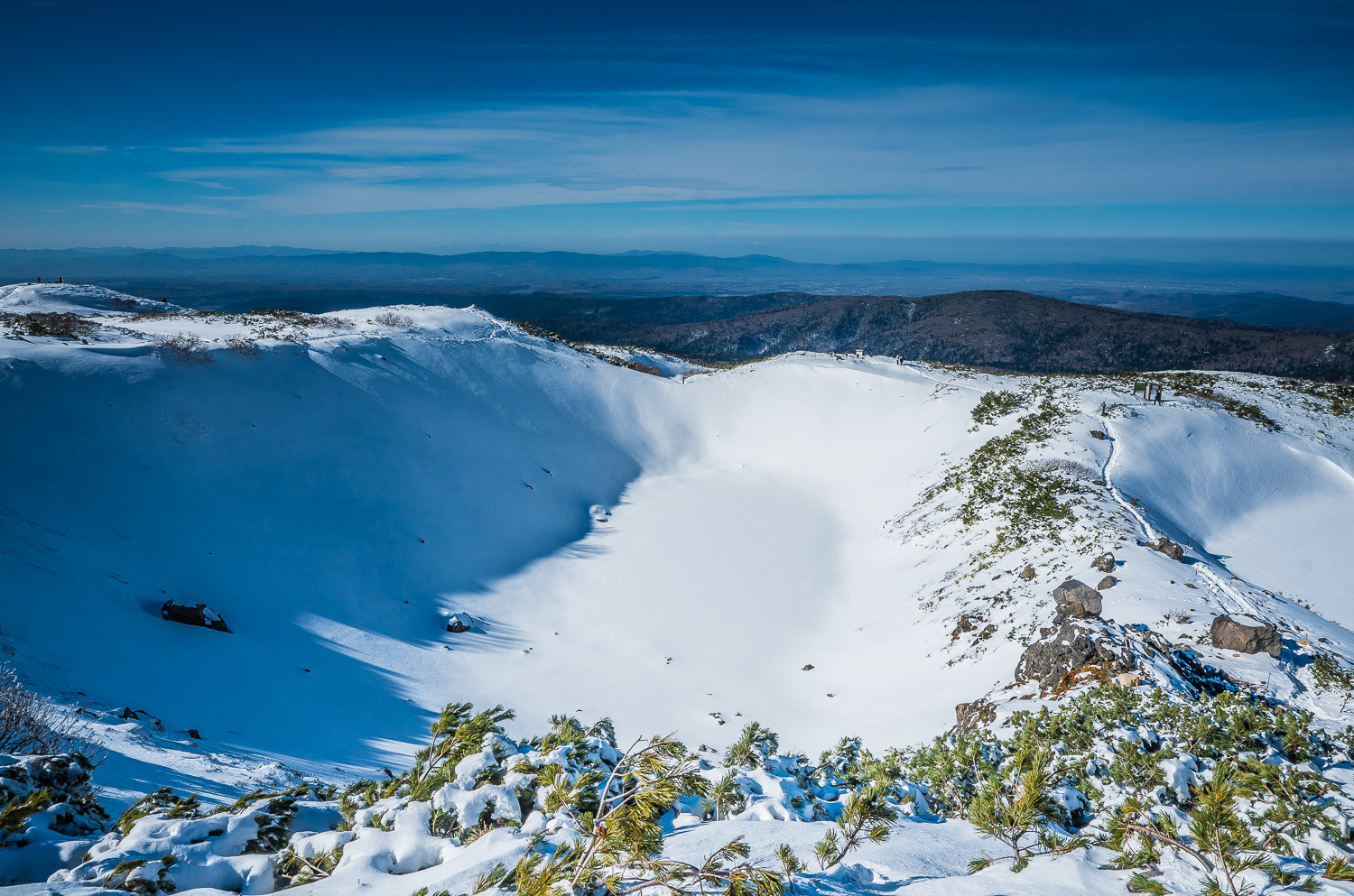
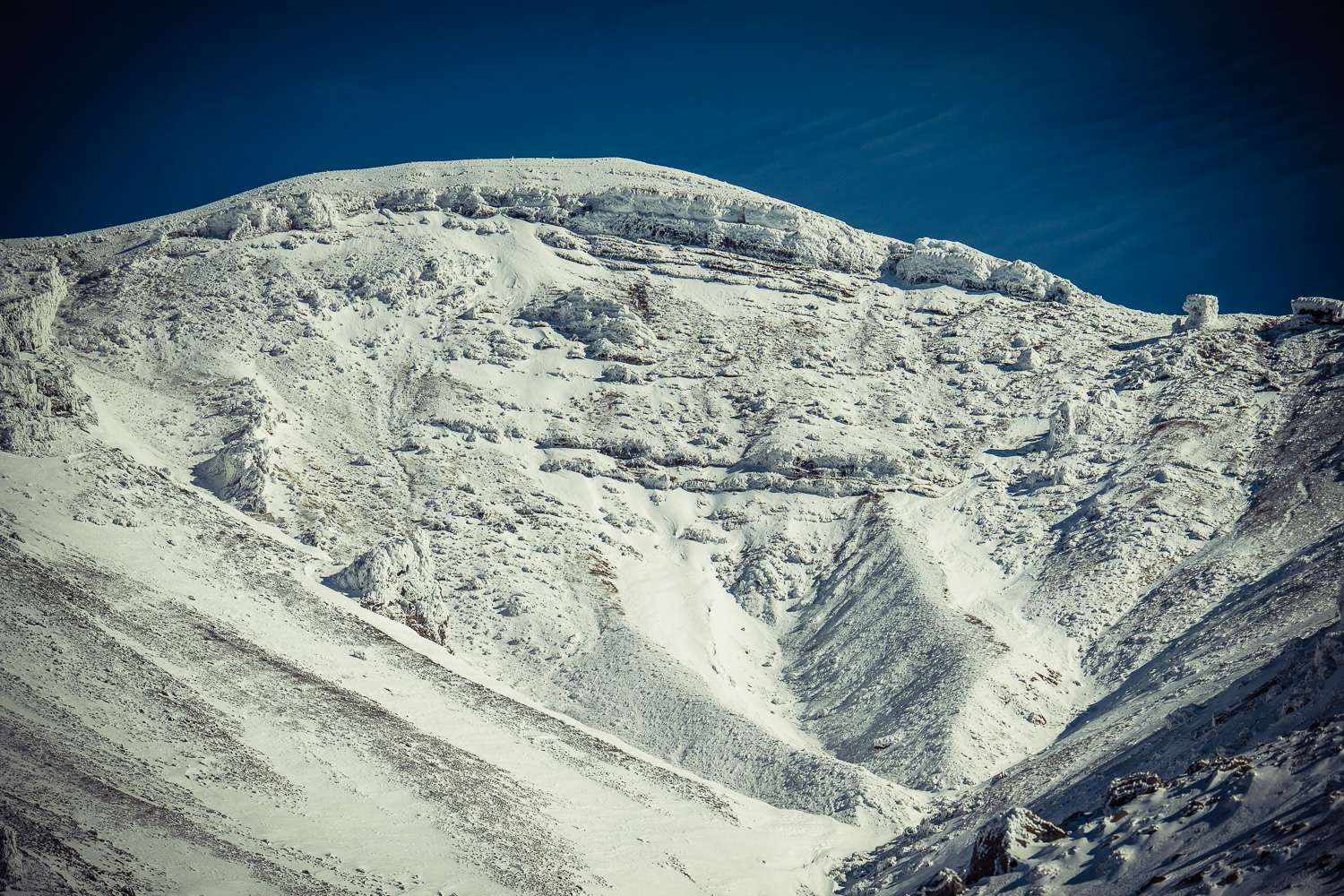
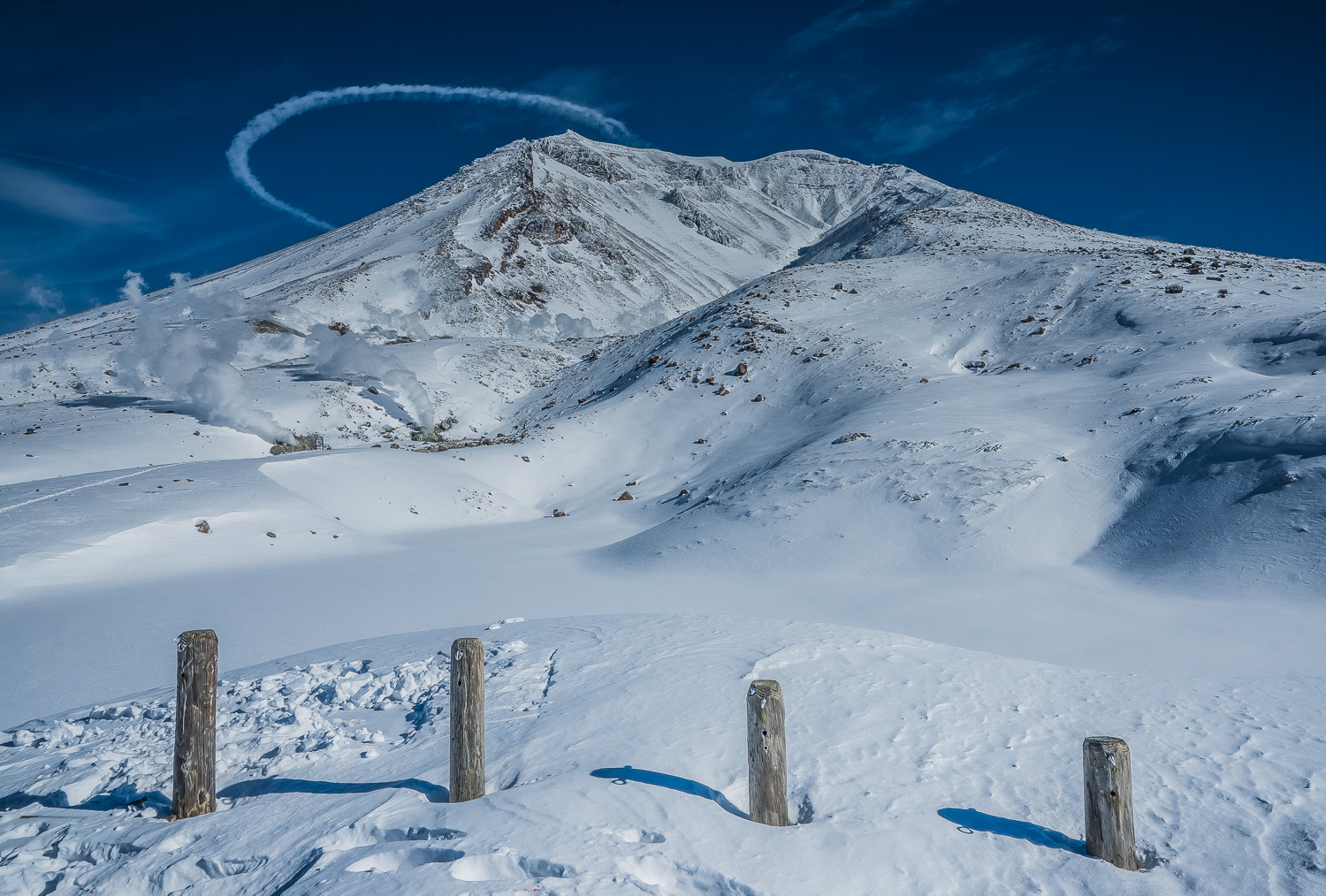
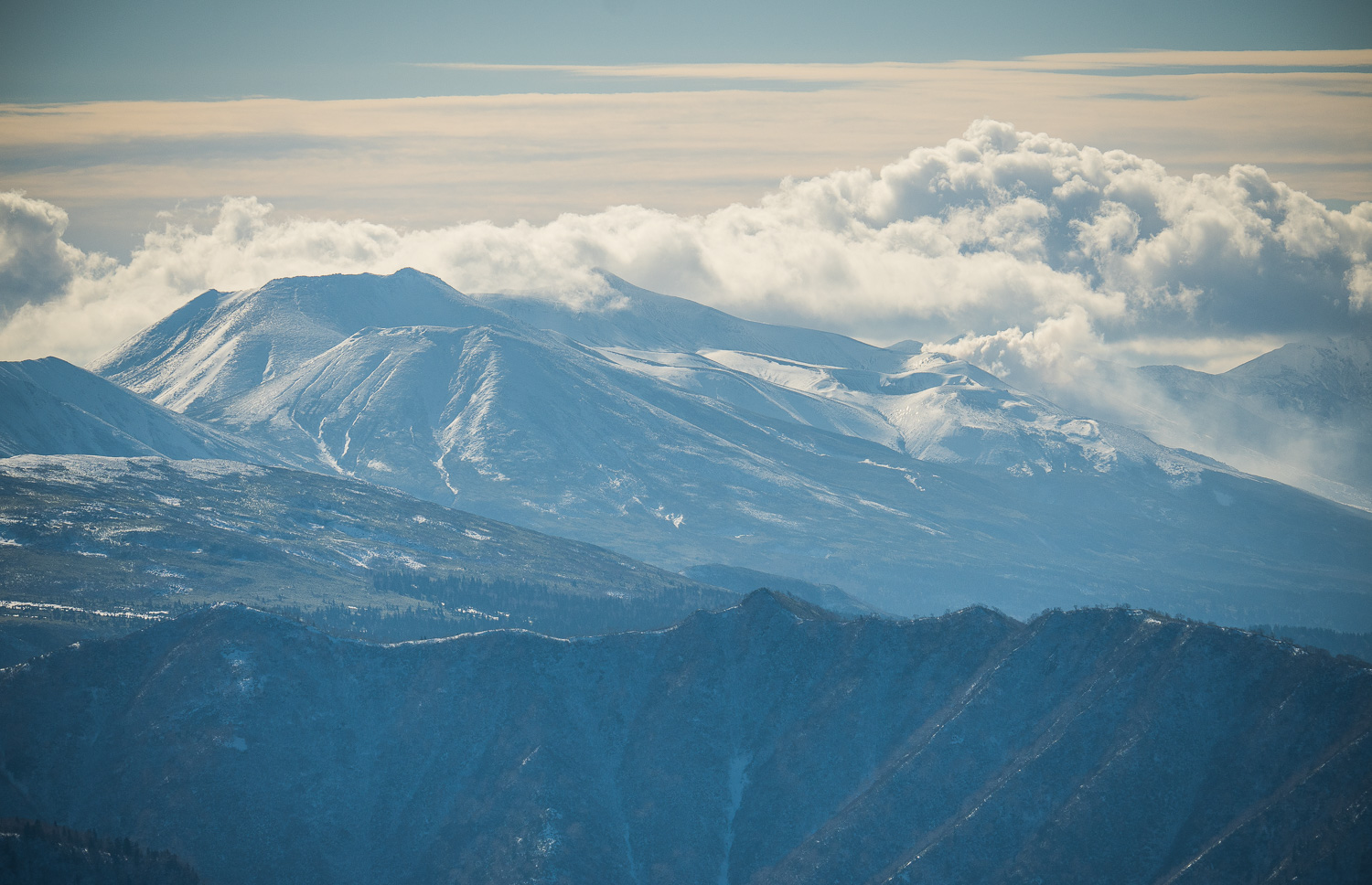
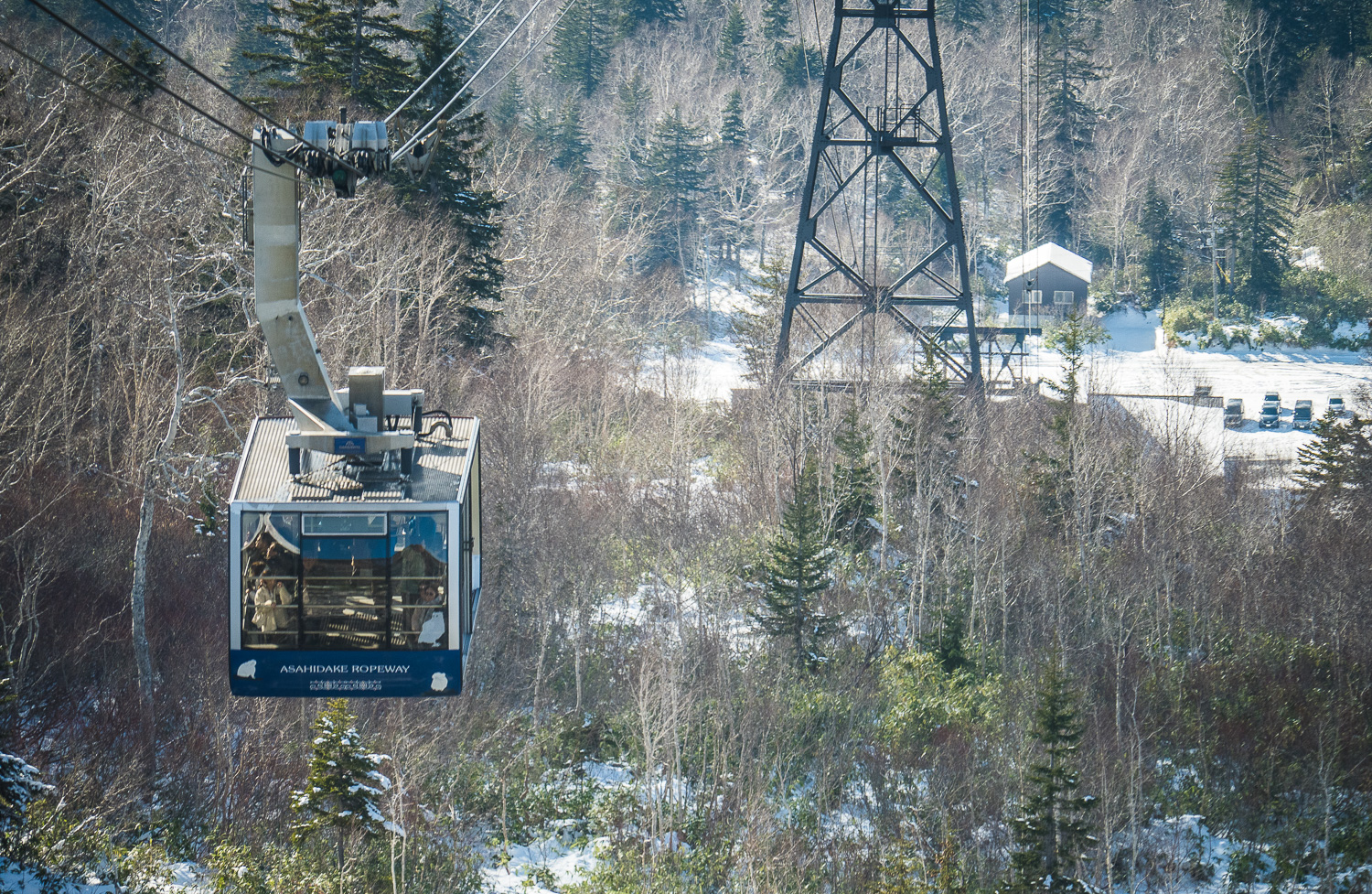
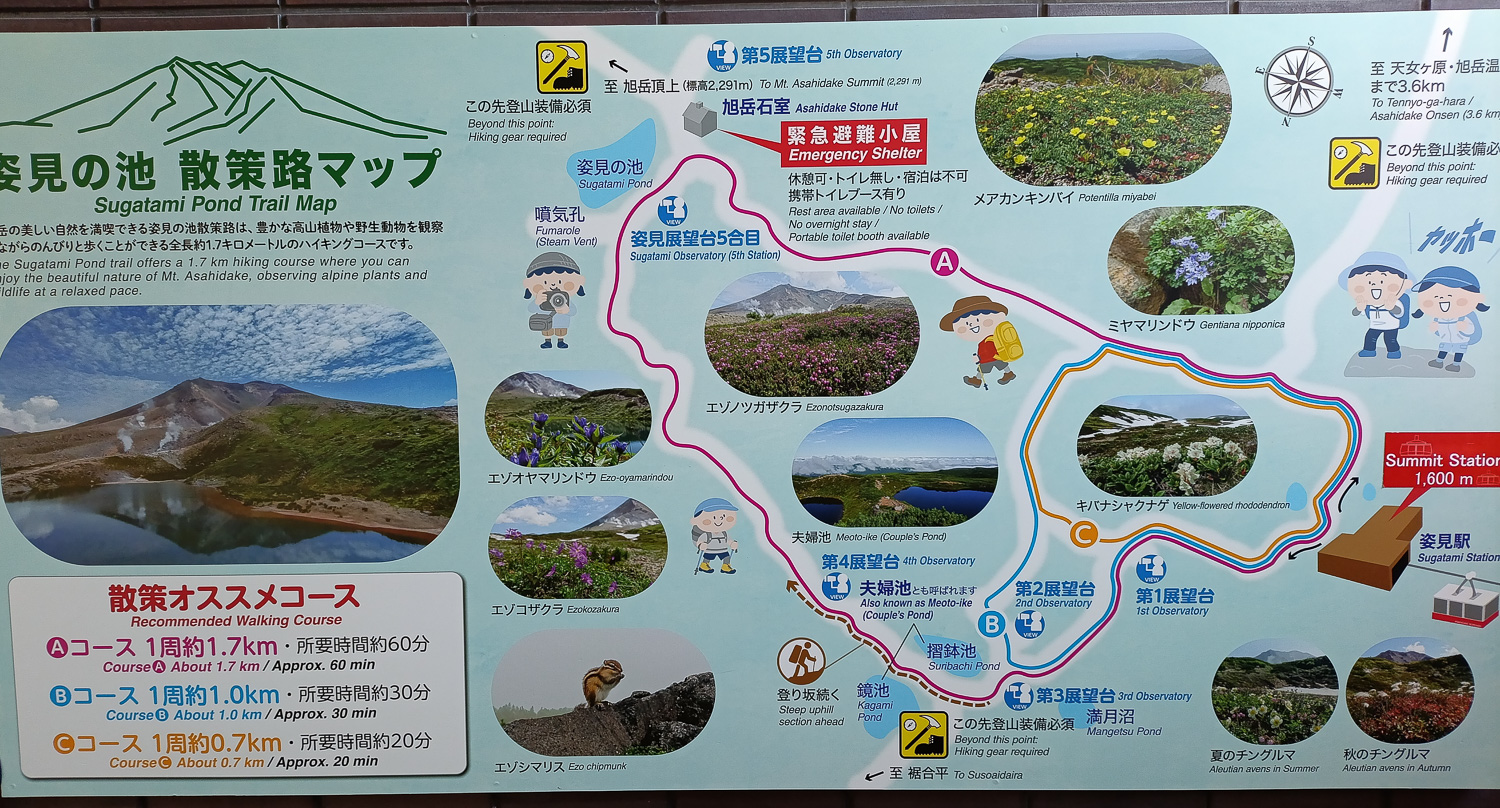
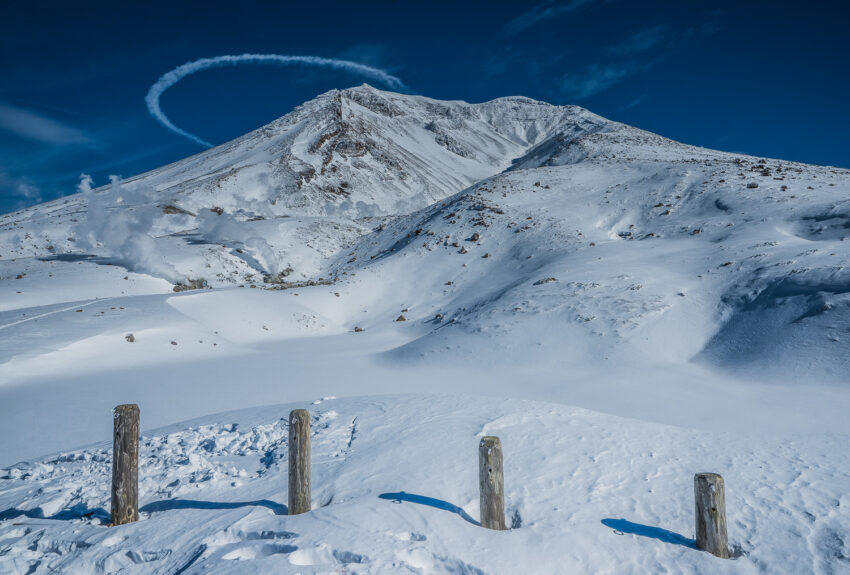
The ropeway (cable car) station was at elevation, and after recent snowfall, there were icy patches on the road, which the van handled well with its winter tires. The ropeway costs 2,800 yen each and goes about two-thirds of the way, about 1,600 meters up Asahidake, Hokkaido’s highest mountain, an extinct stratovolcano at 2,300 meters.
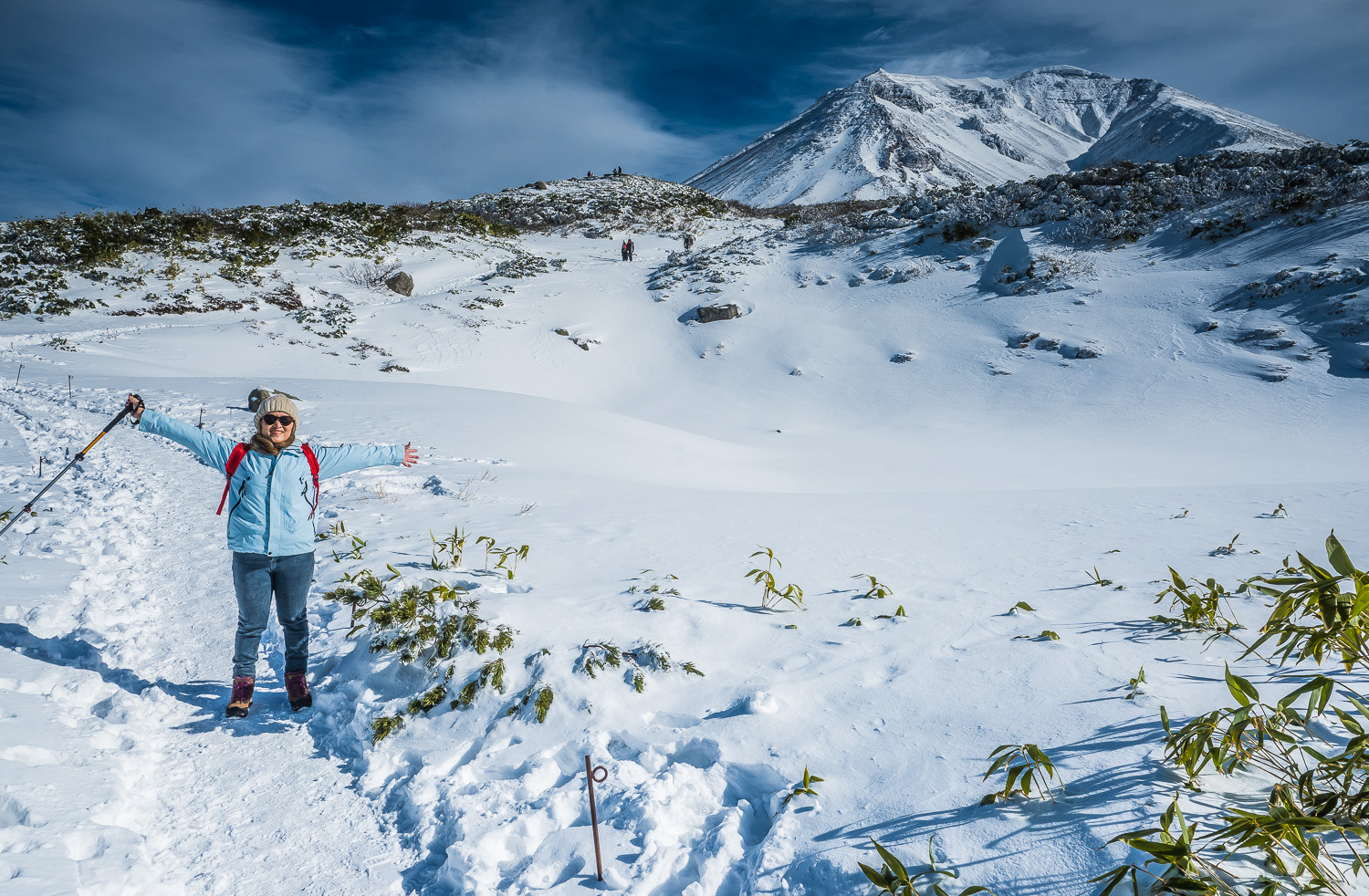
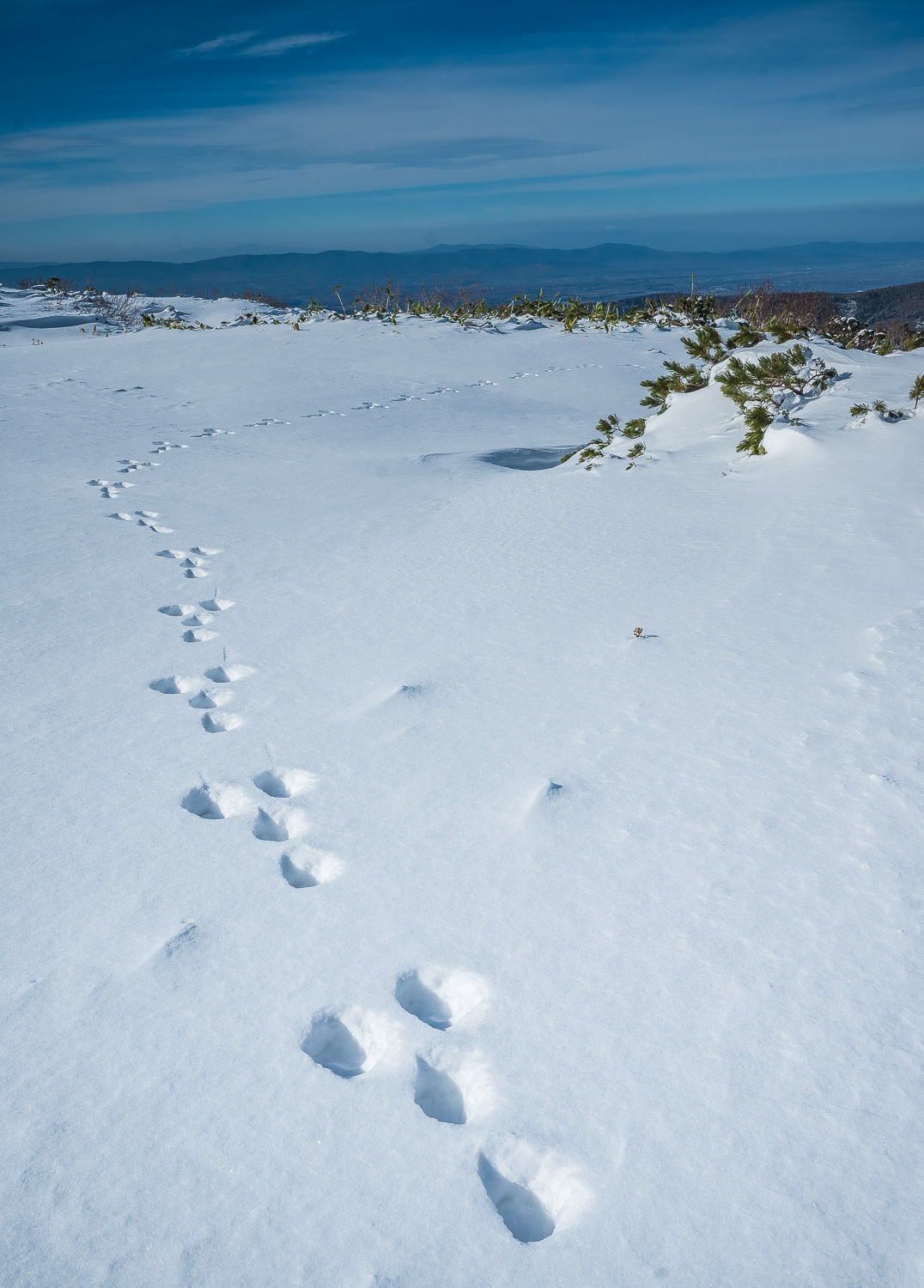
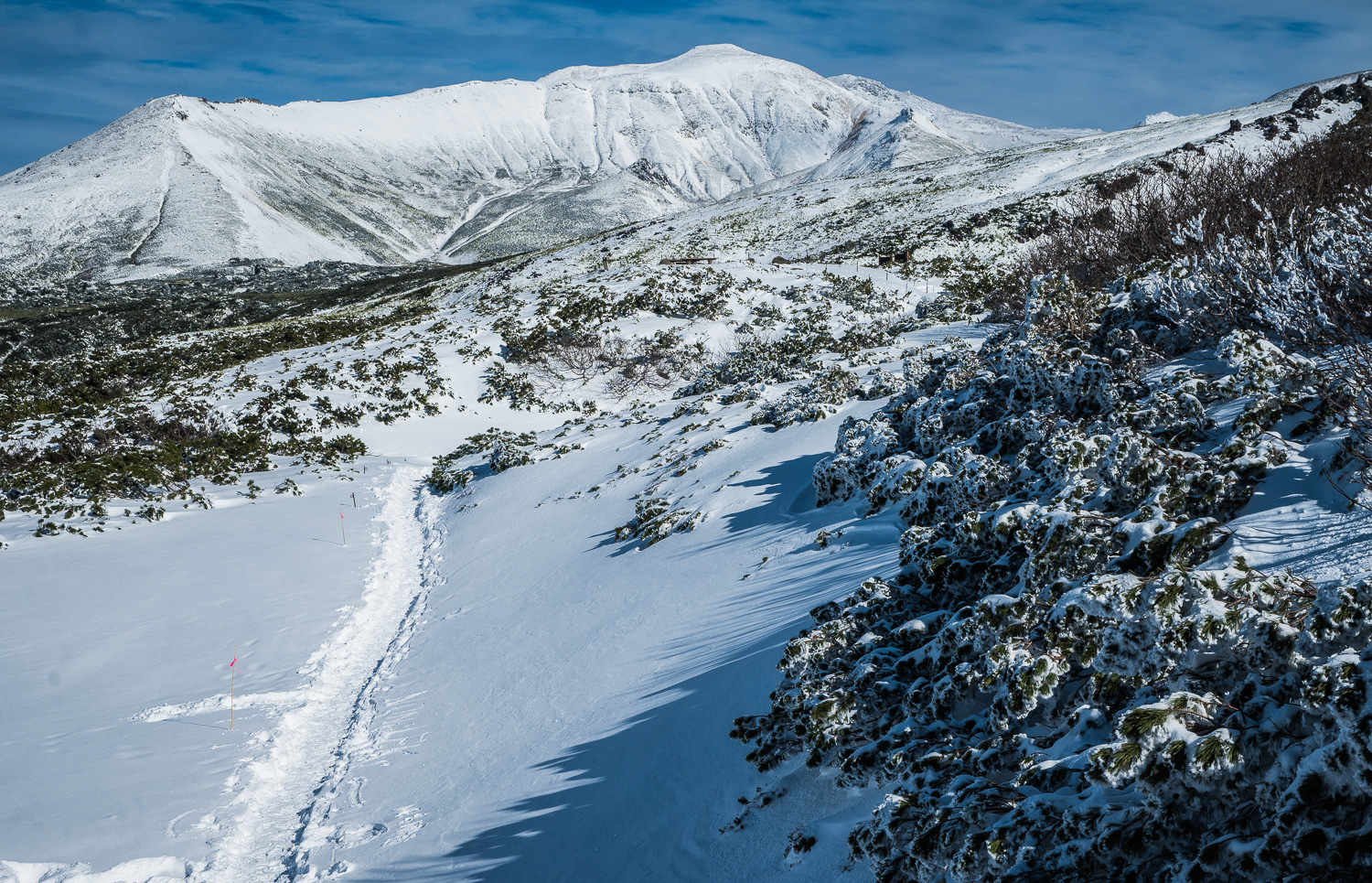
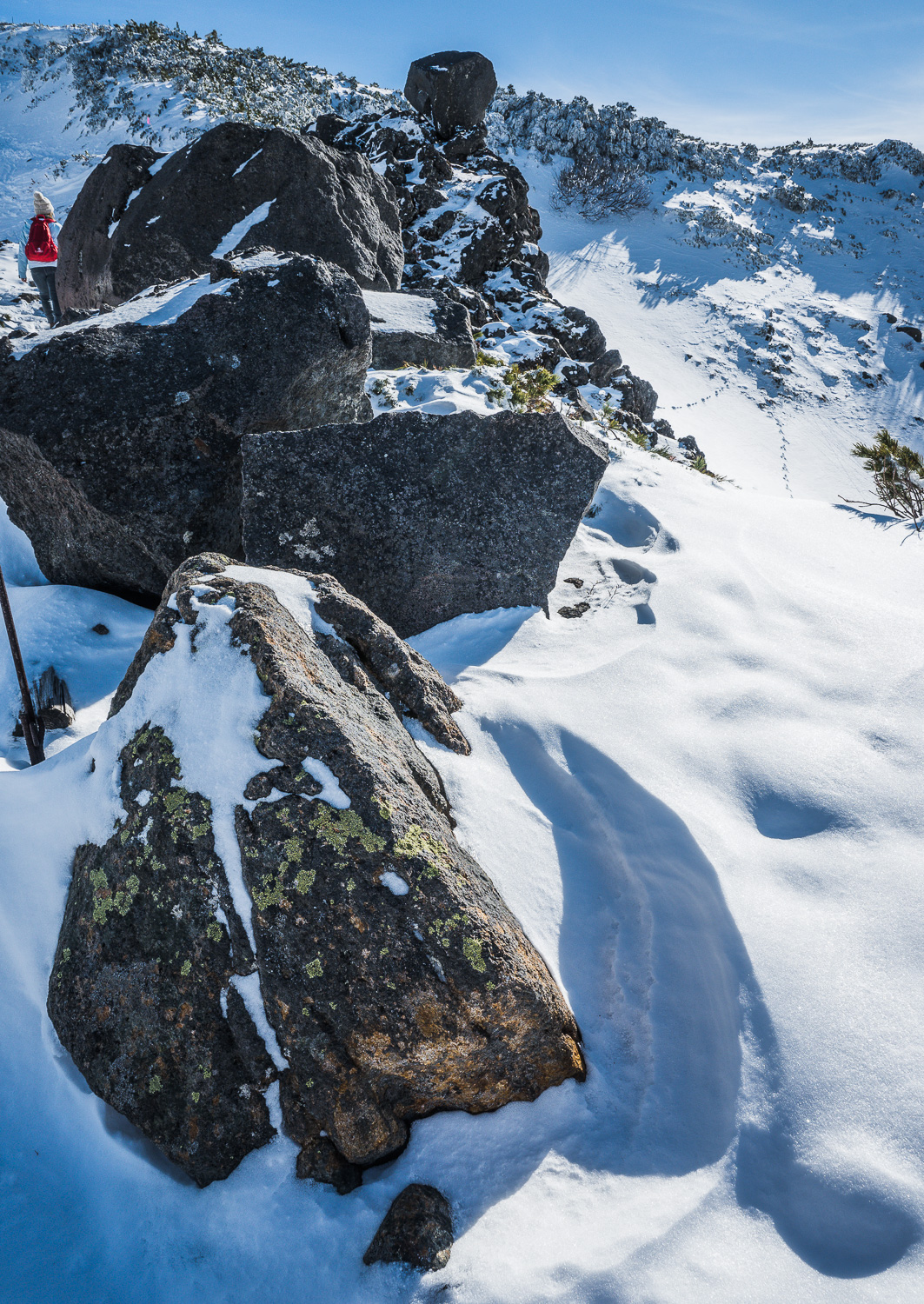
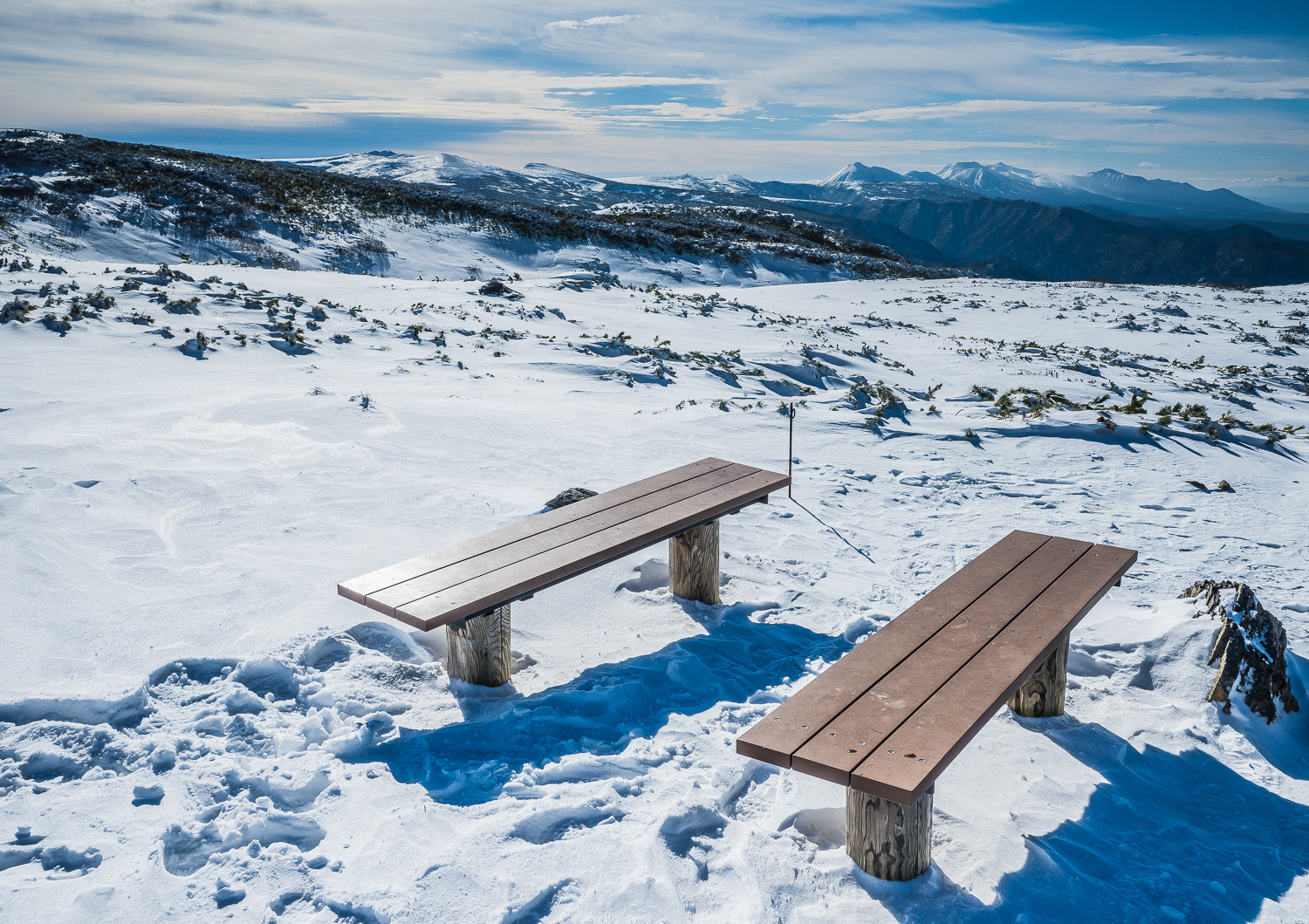
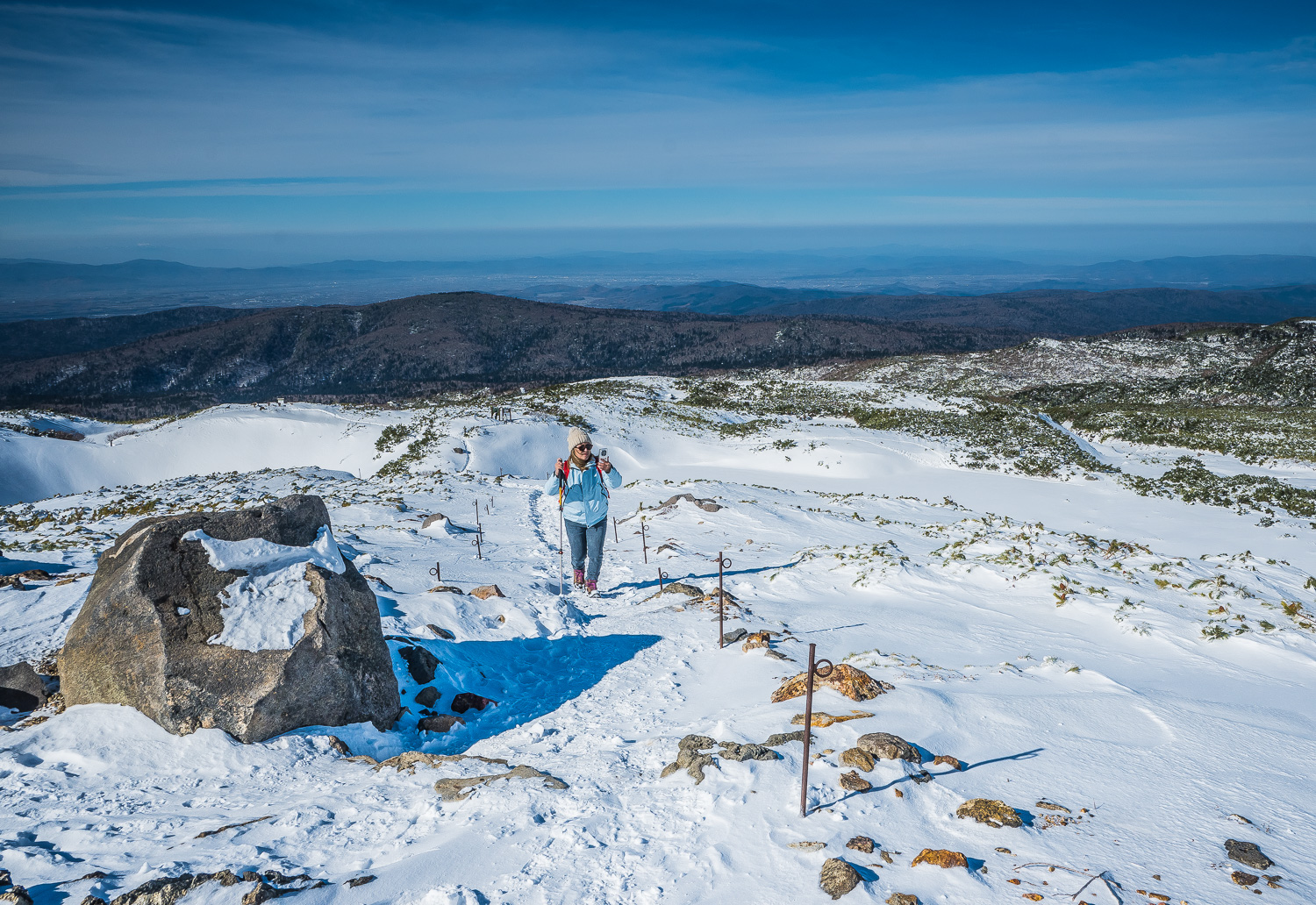
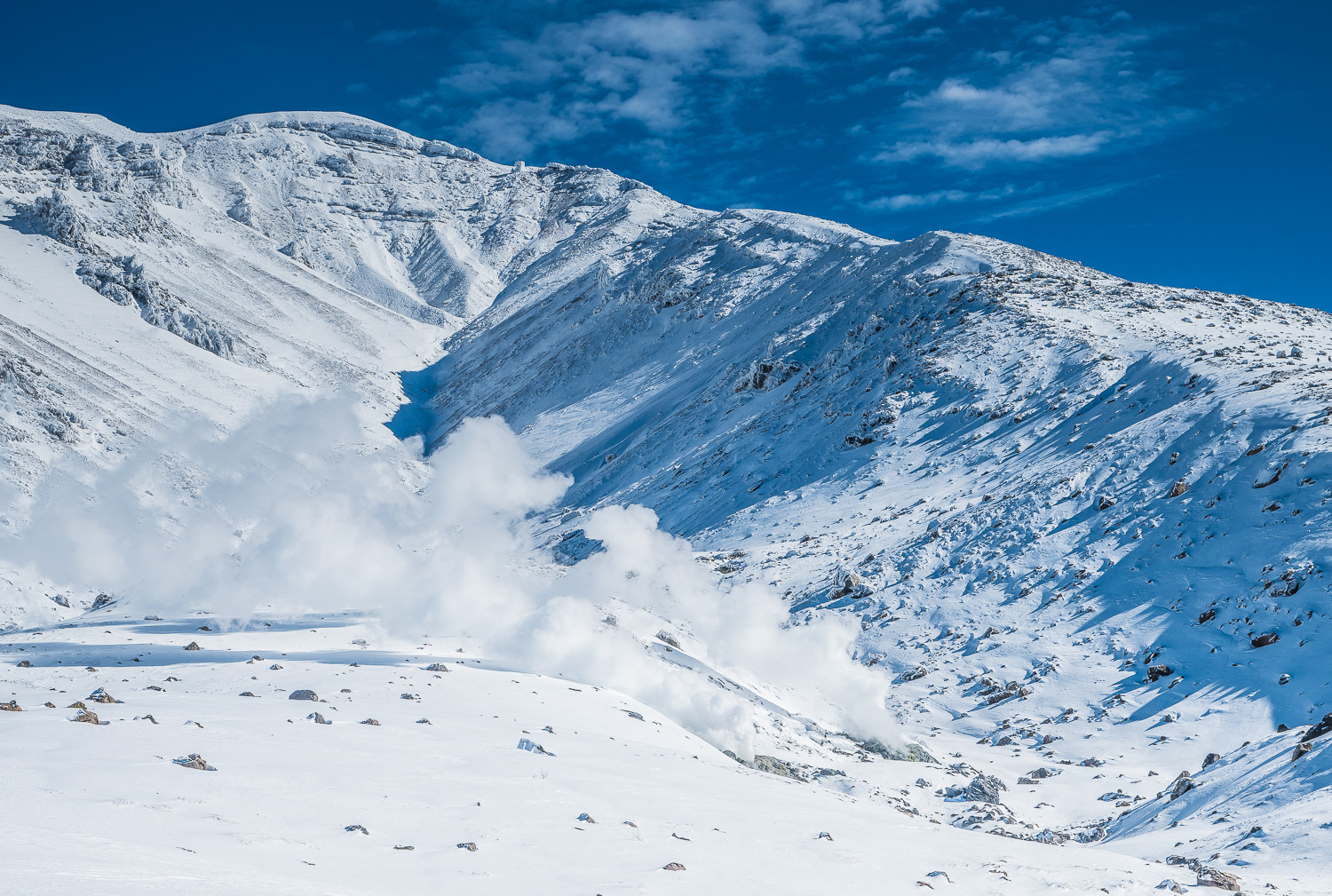
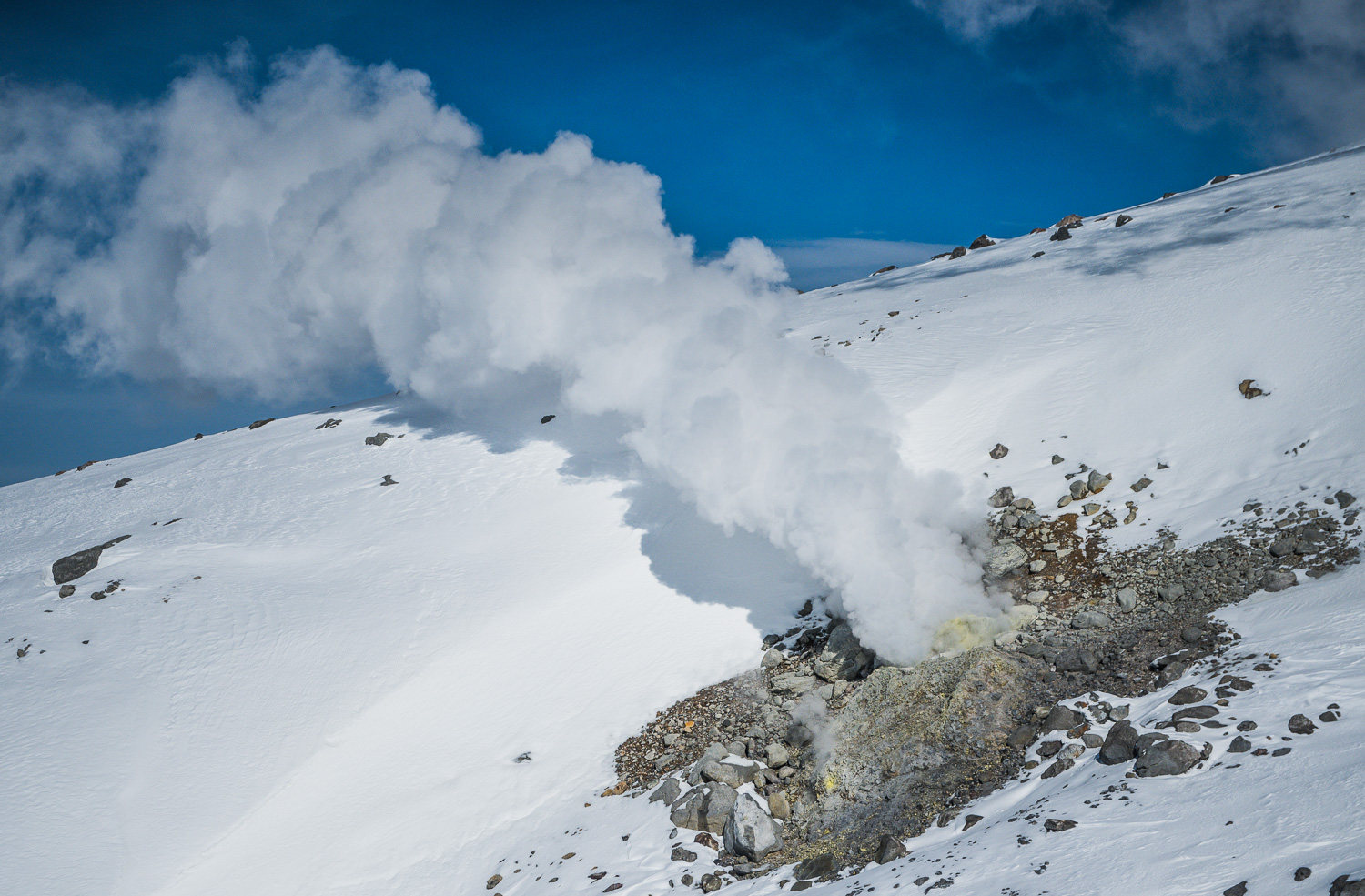
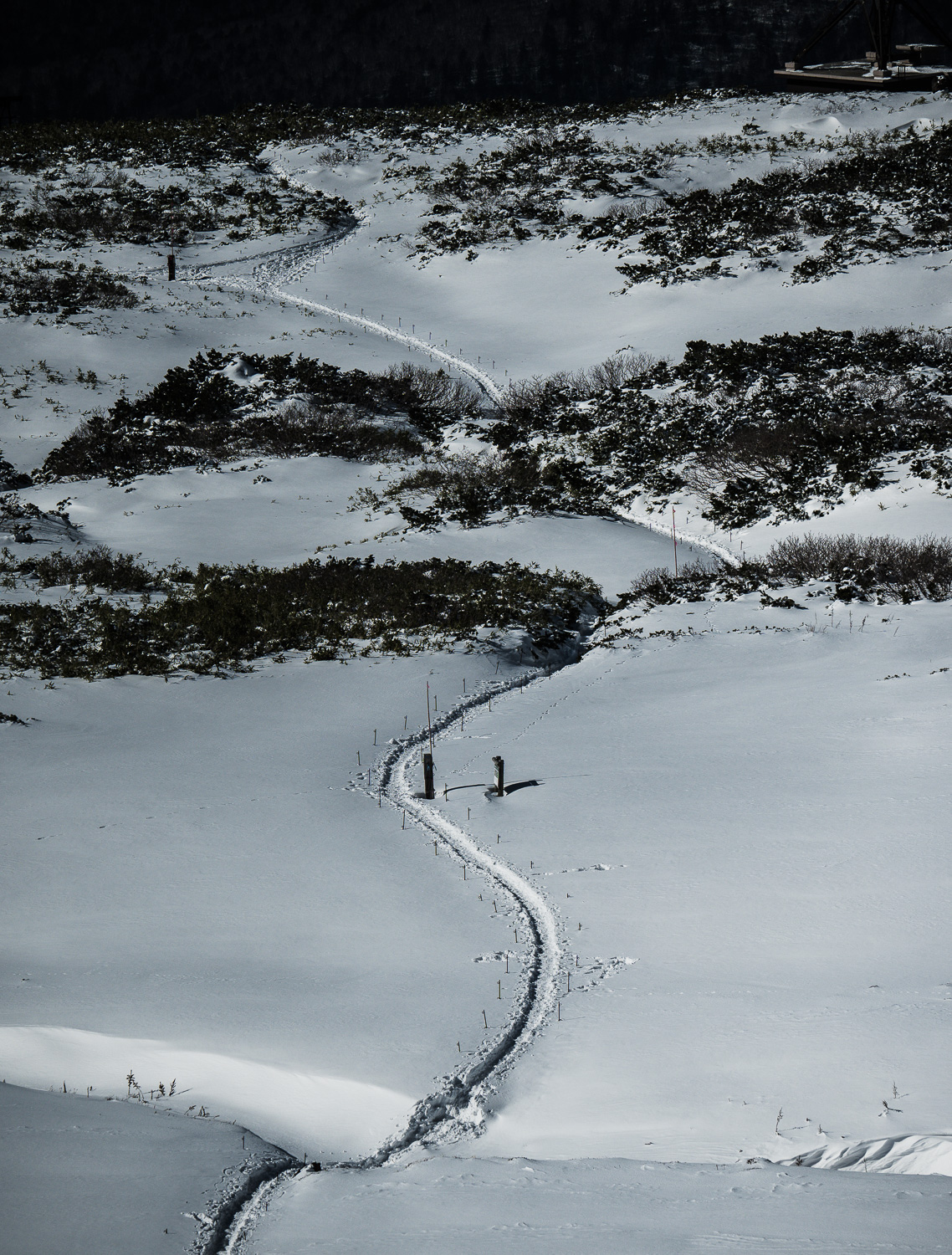
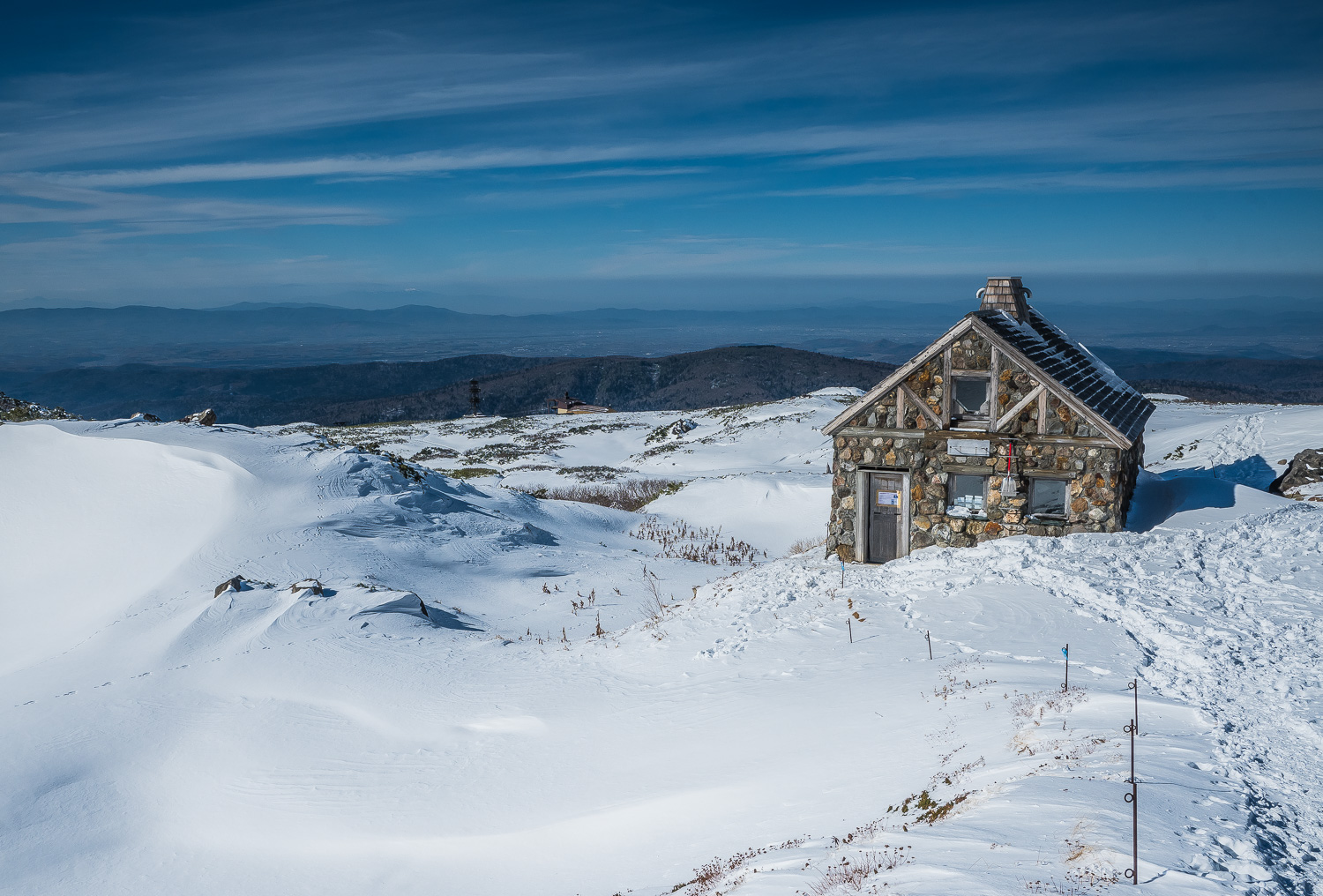
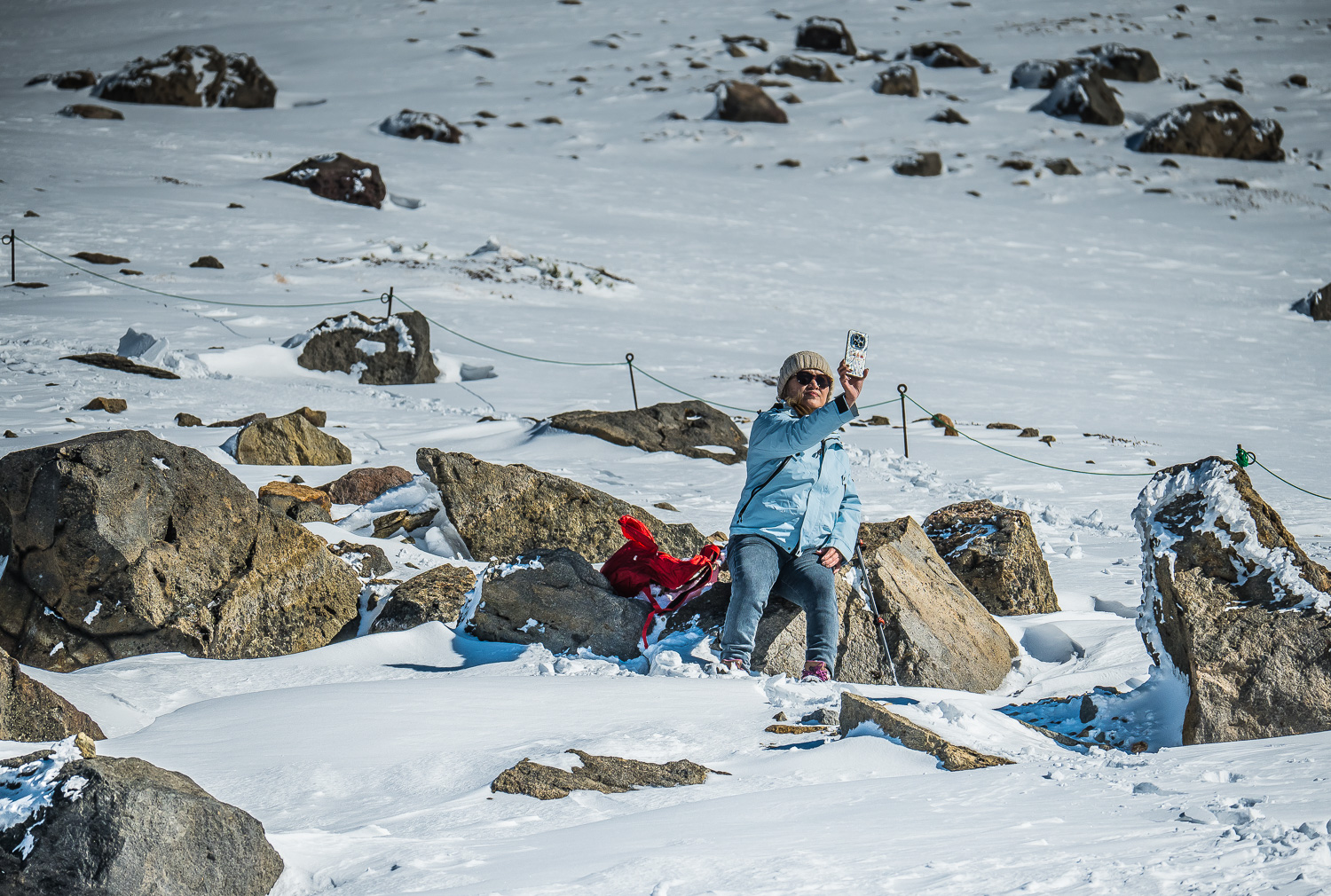
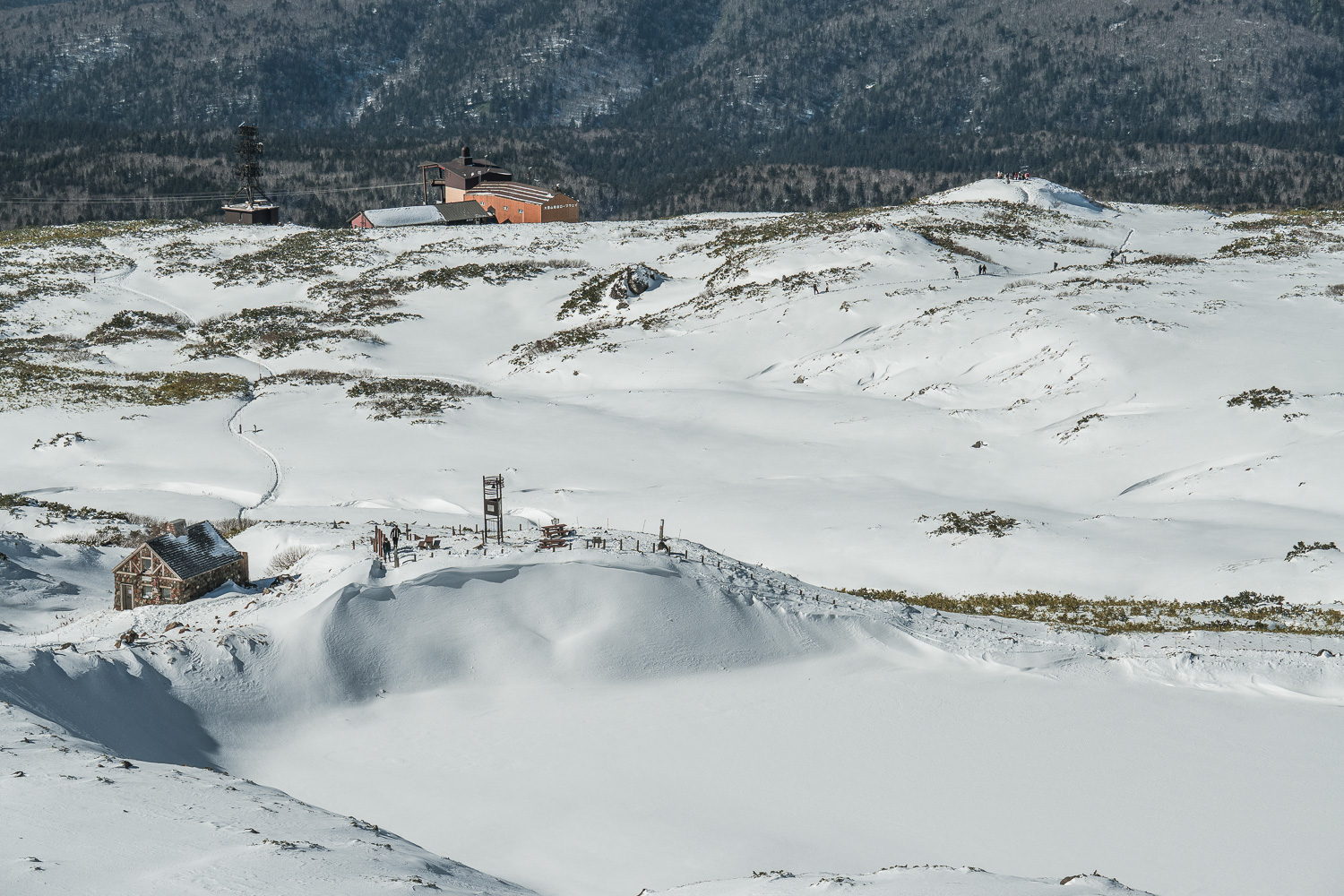
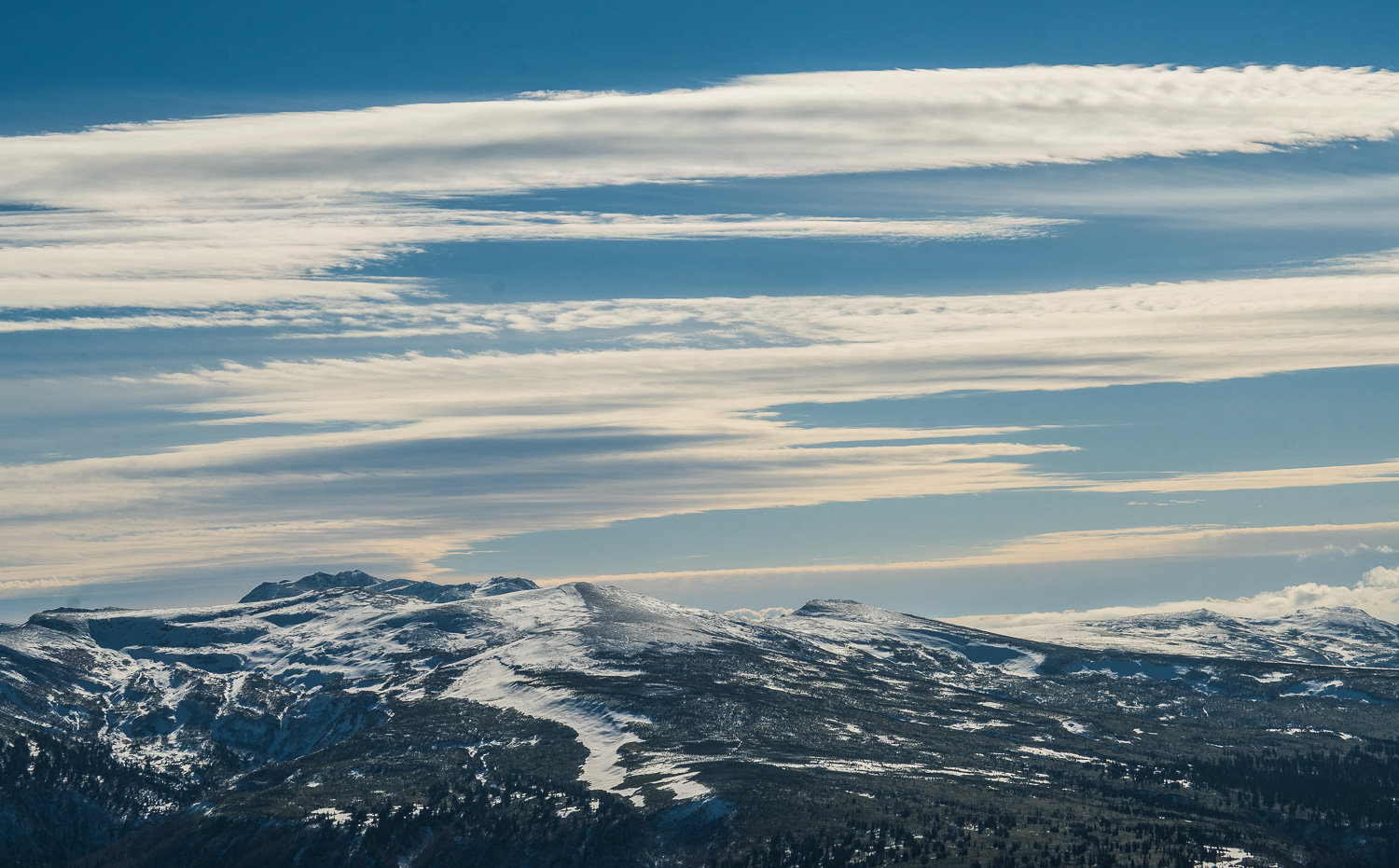
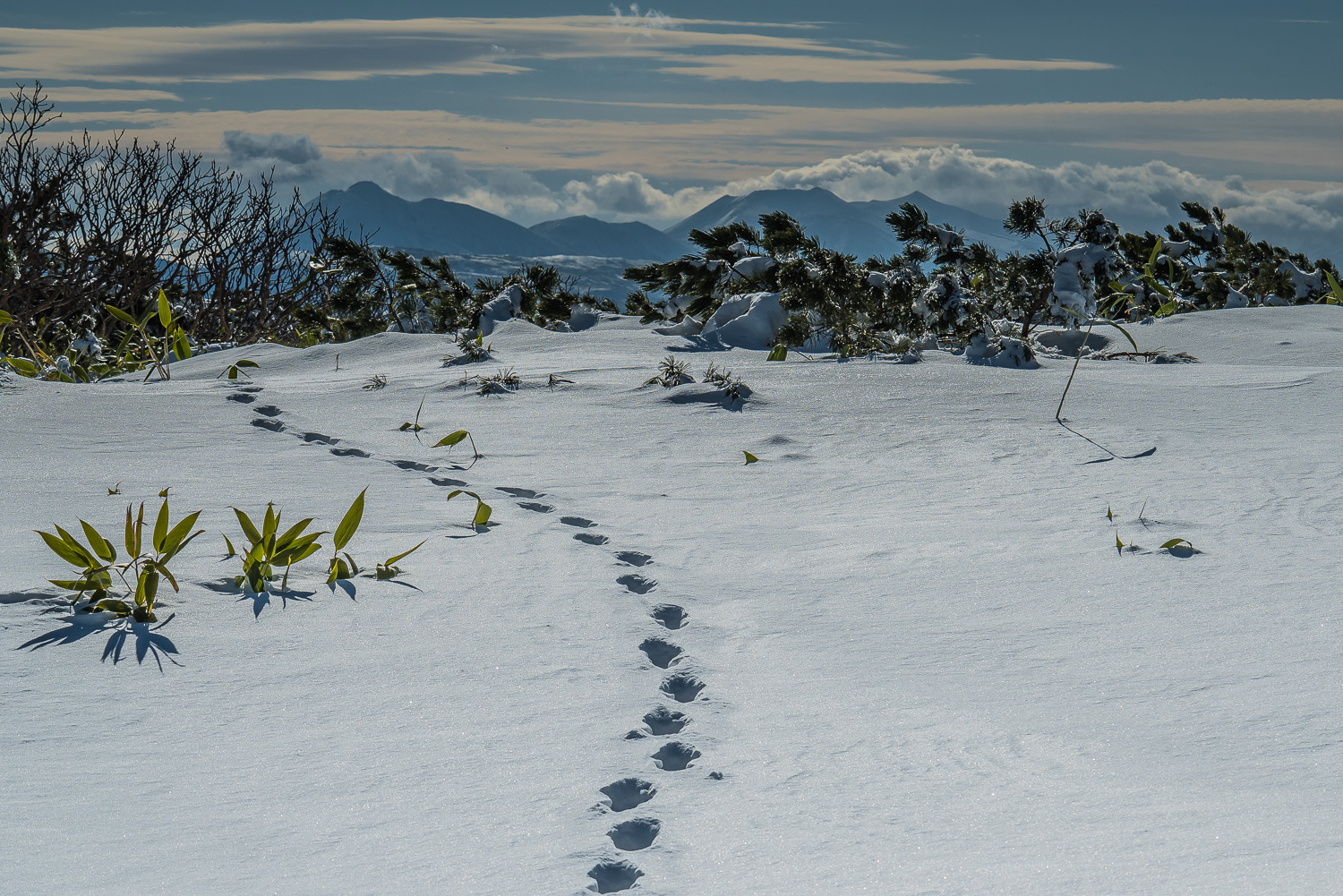
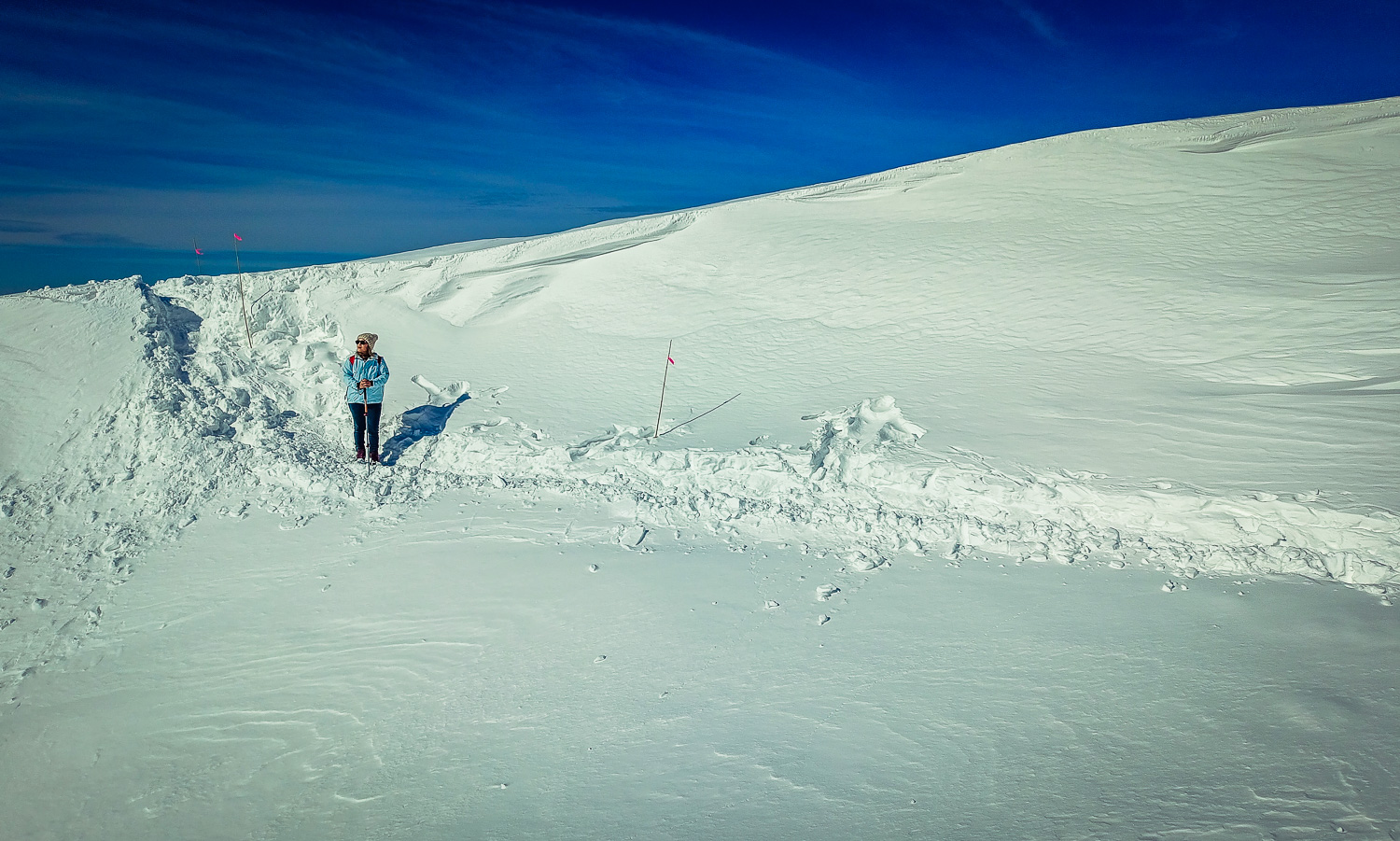
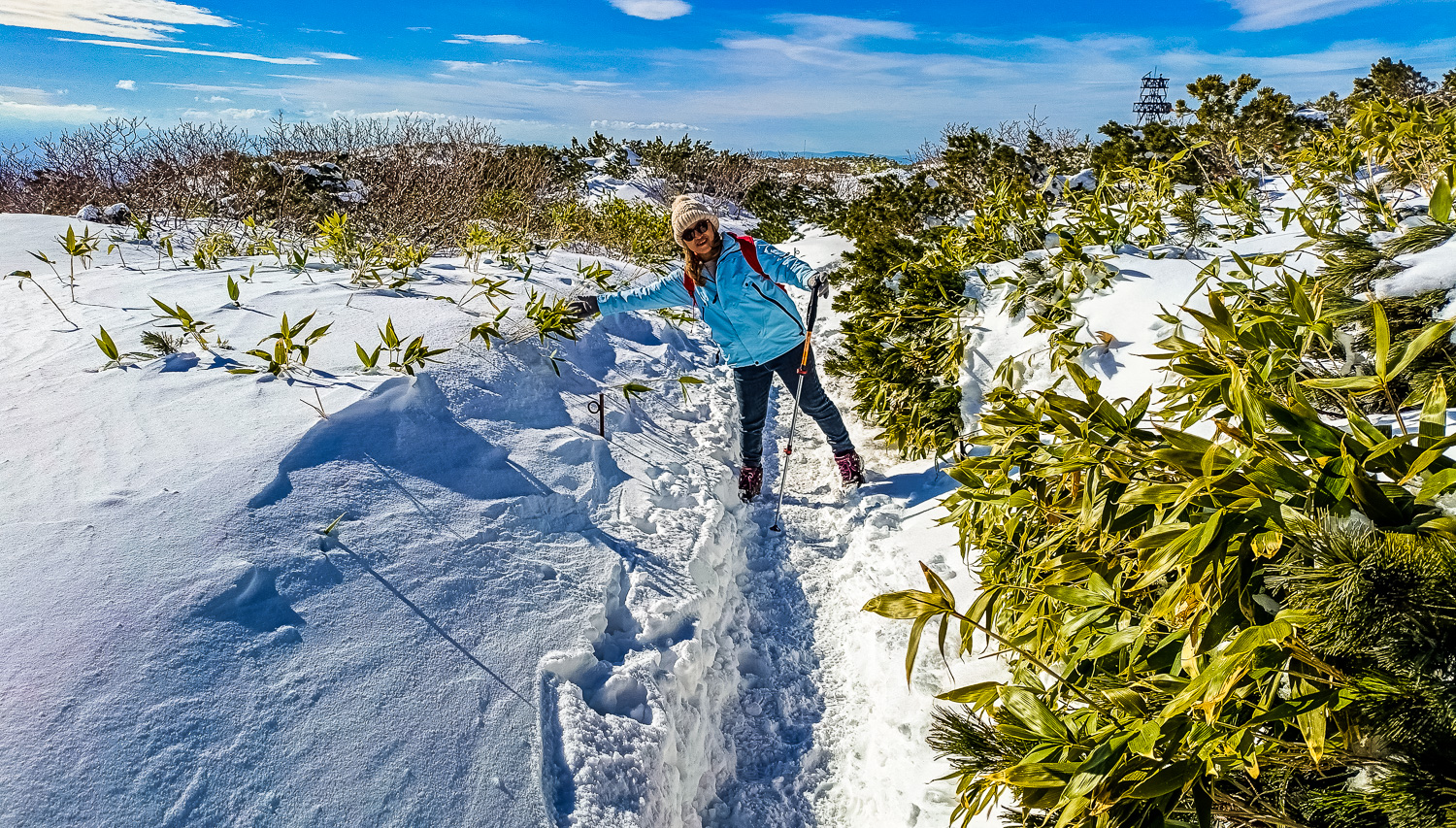
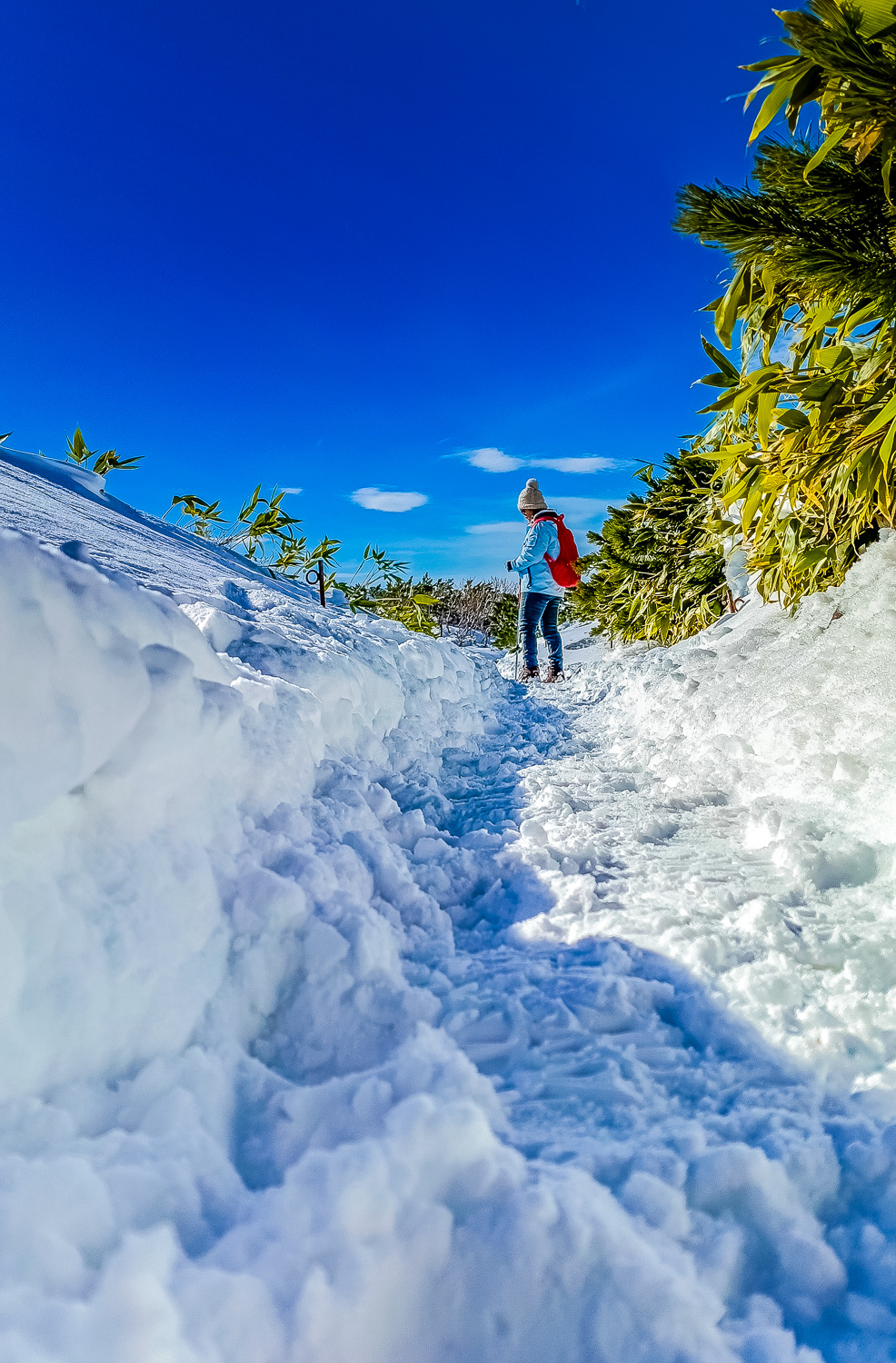
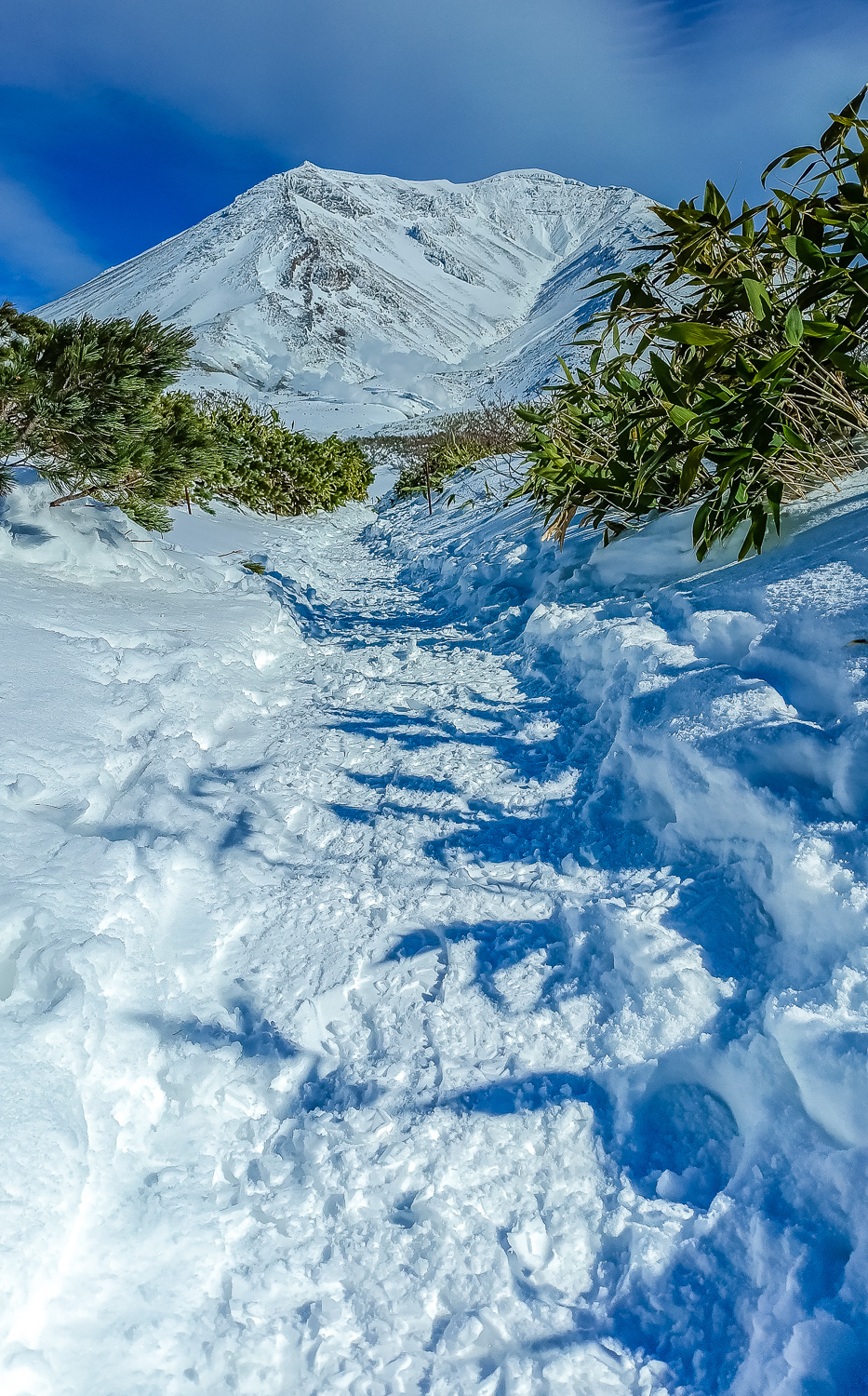
The entire landscape was a snowfield, and the fall was fresh powder. We hiked around some frozen lakes and up to the steaming vents before mulling the 2.7-kilometer ascent to the summit. With time against us, and not being that young any longer, we went about a kilometer up the heavily snowed-over trail before turning back and heading for the ropeway station.
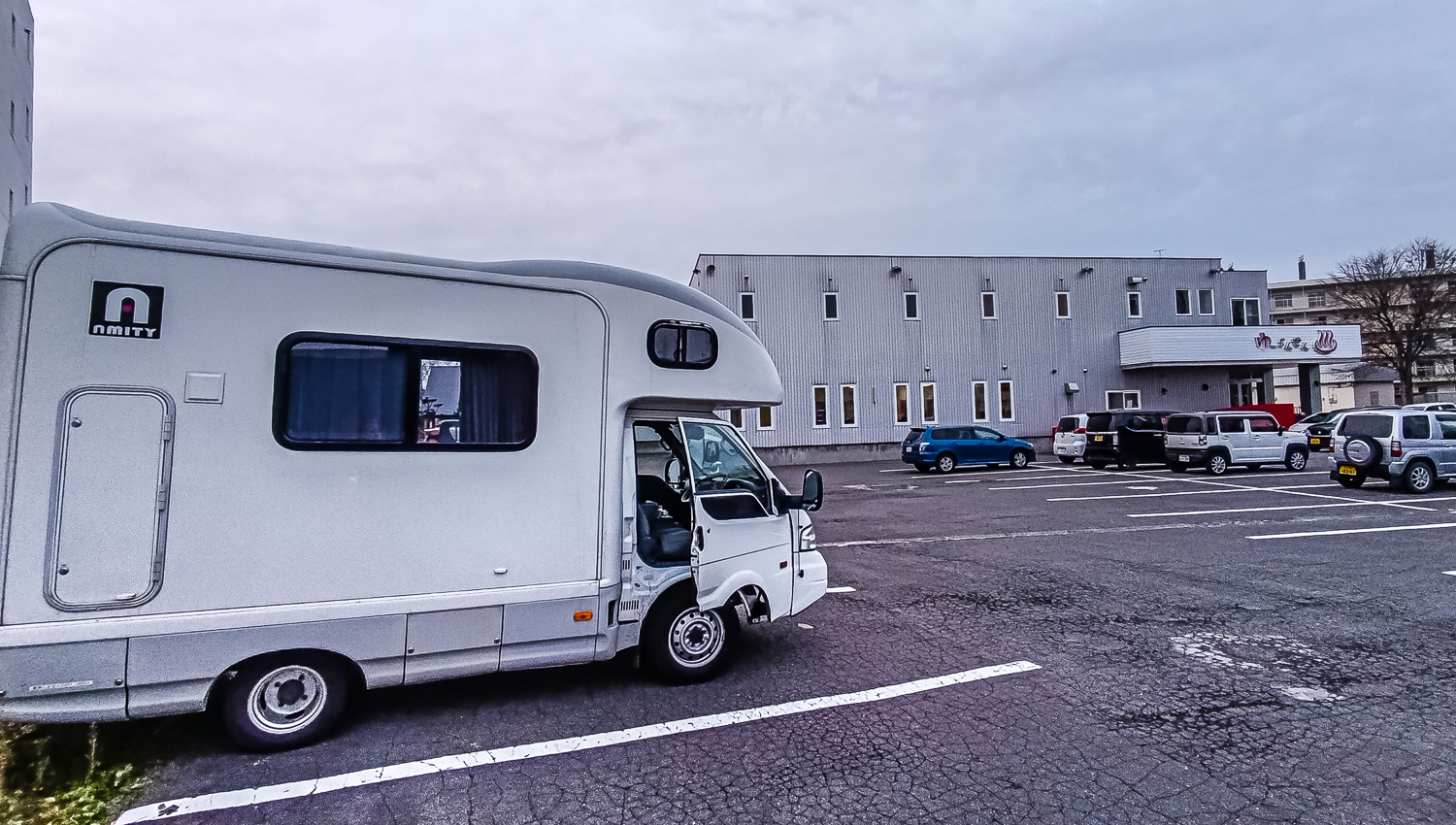
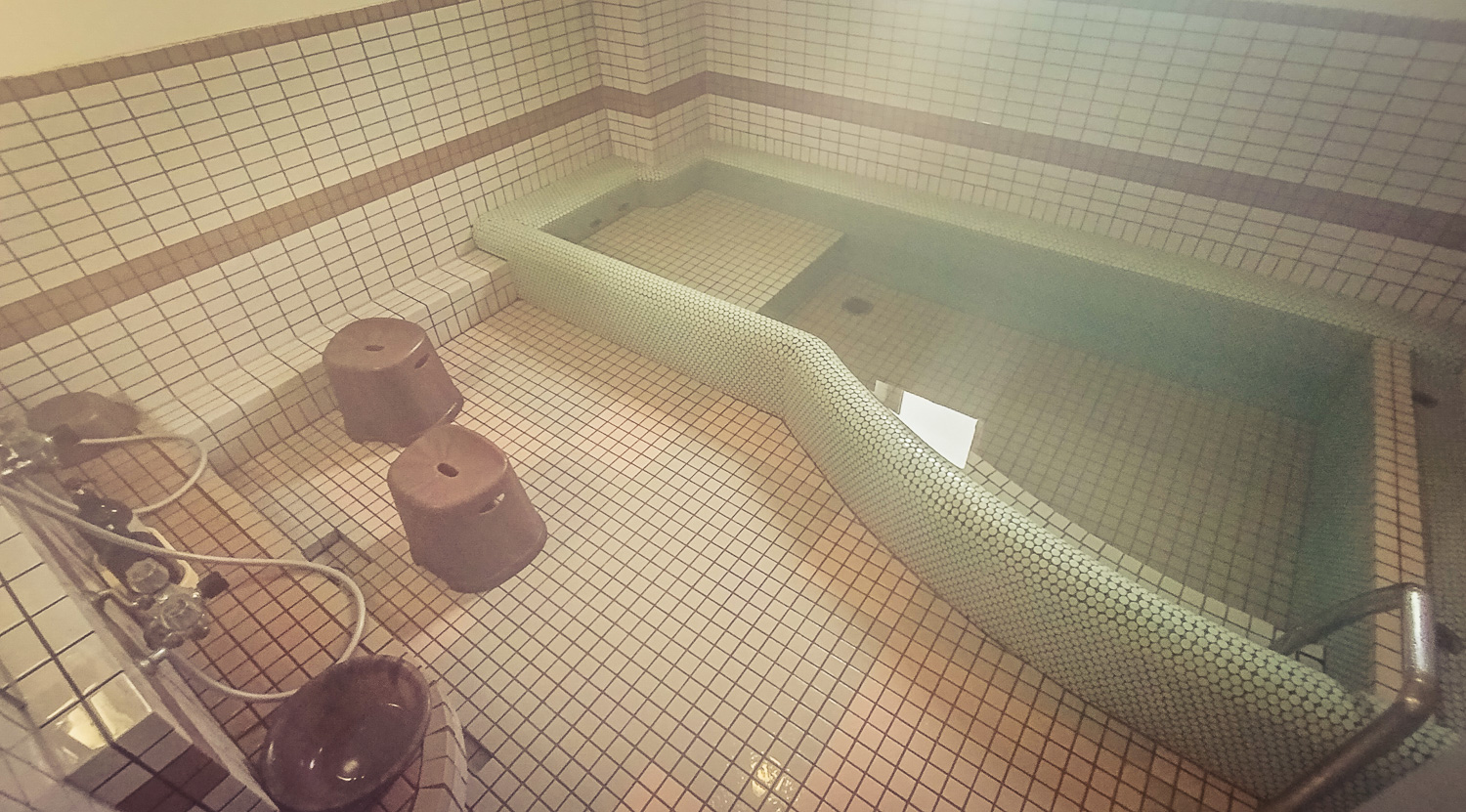
For the afternoon, we drove into the sprawling city of Asahikawa, or the city of a thousand traffic lights, as I dubbed it. The reason for coming here was the Yuransen Asahikawa onsen, which had private baths available for 1,000 yen each; a hot soak was just what we needed after a hike in the snow.
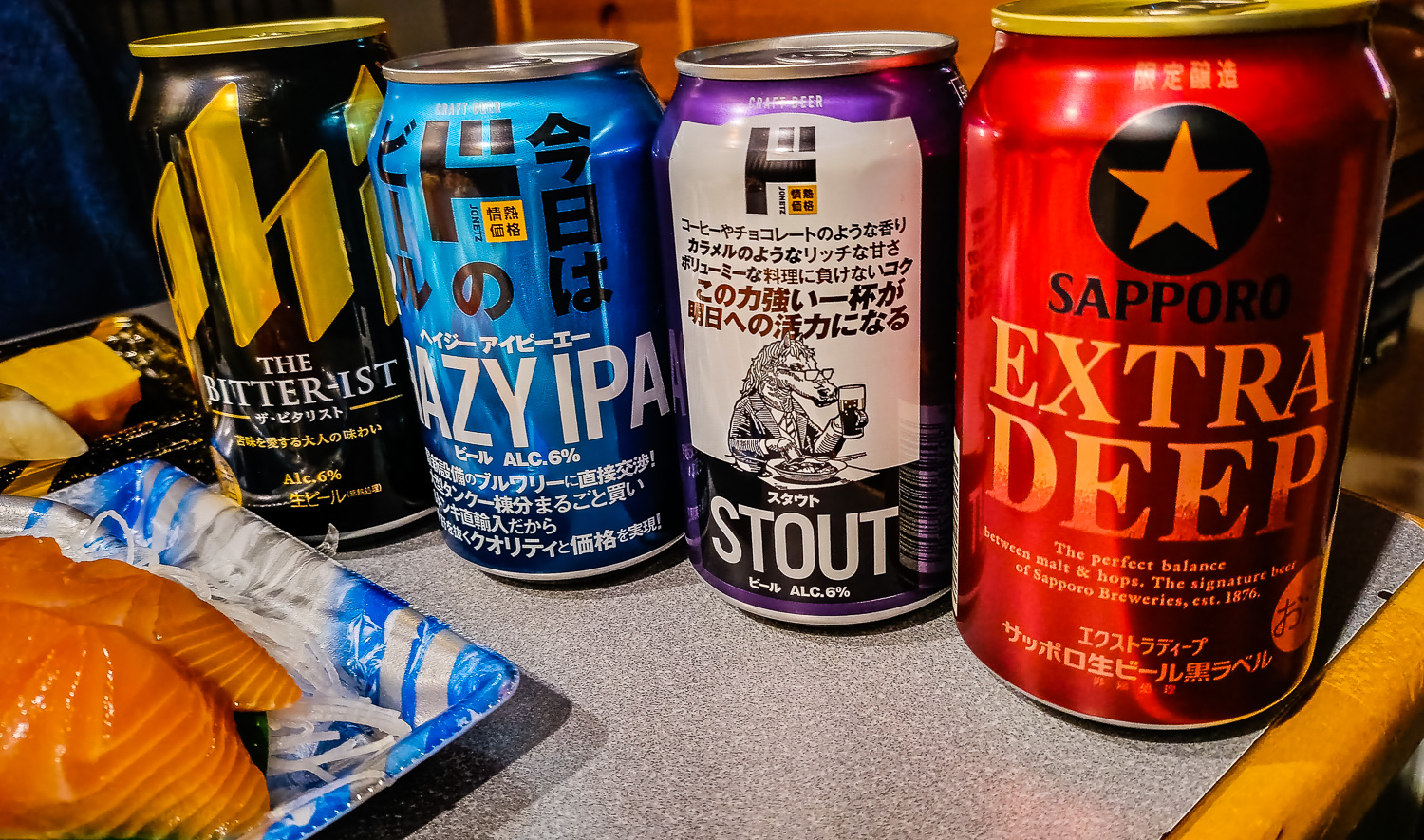
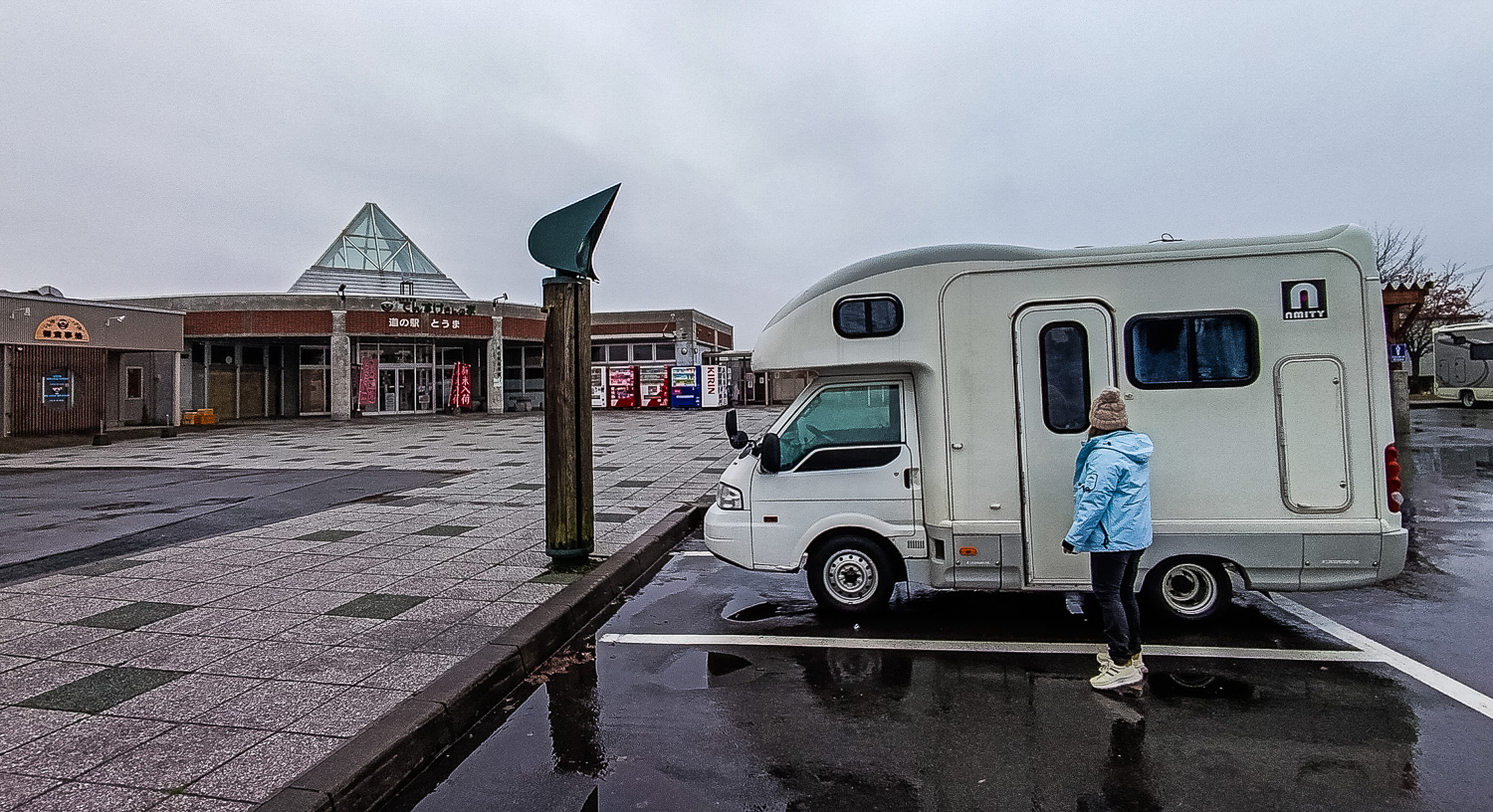
From there it was on to the Donki store for supplies before heading out of the city to the small and noisy Toma Road Station.
Day 6
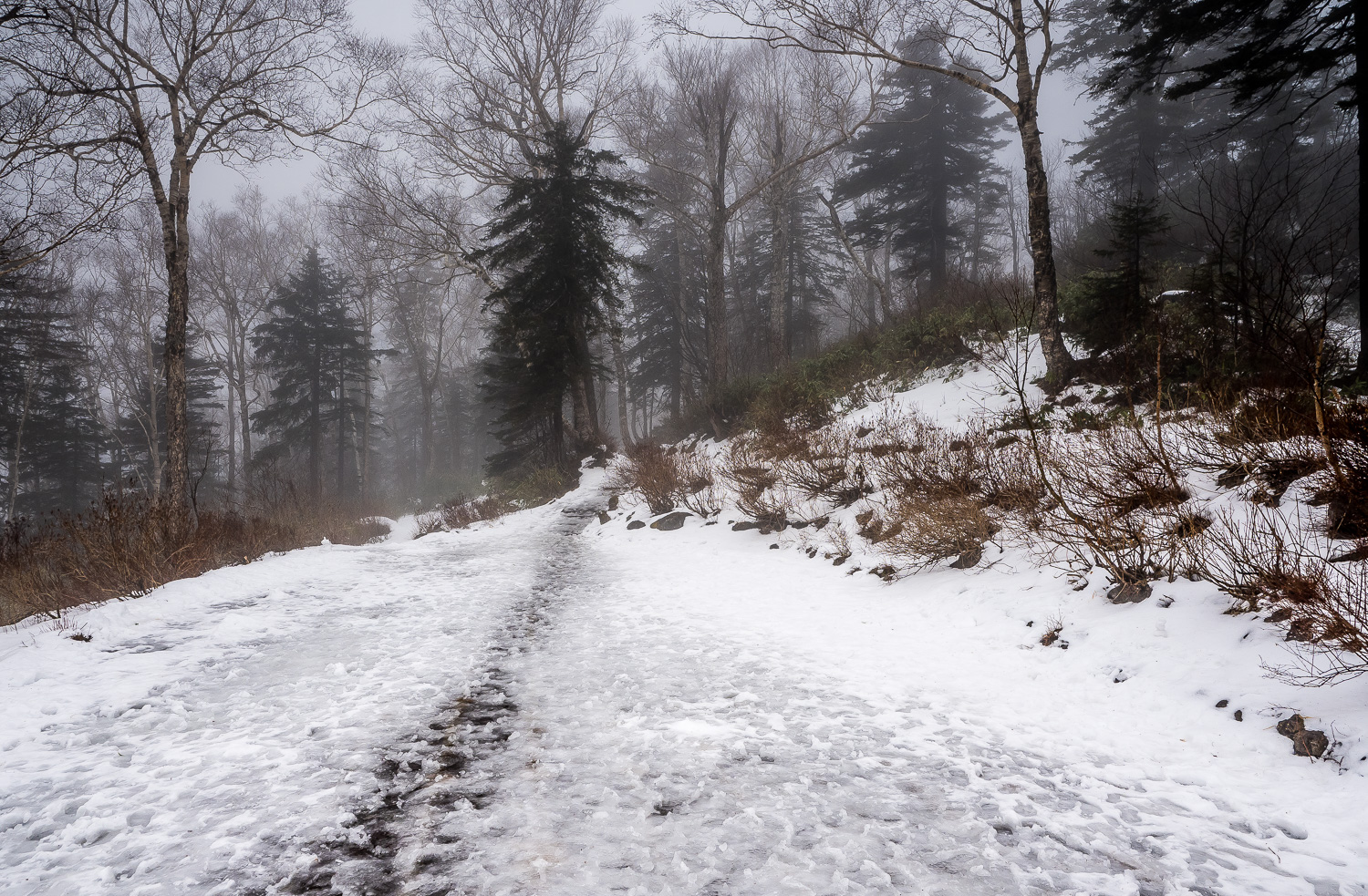
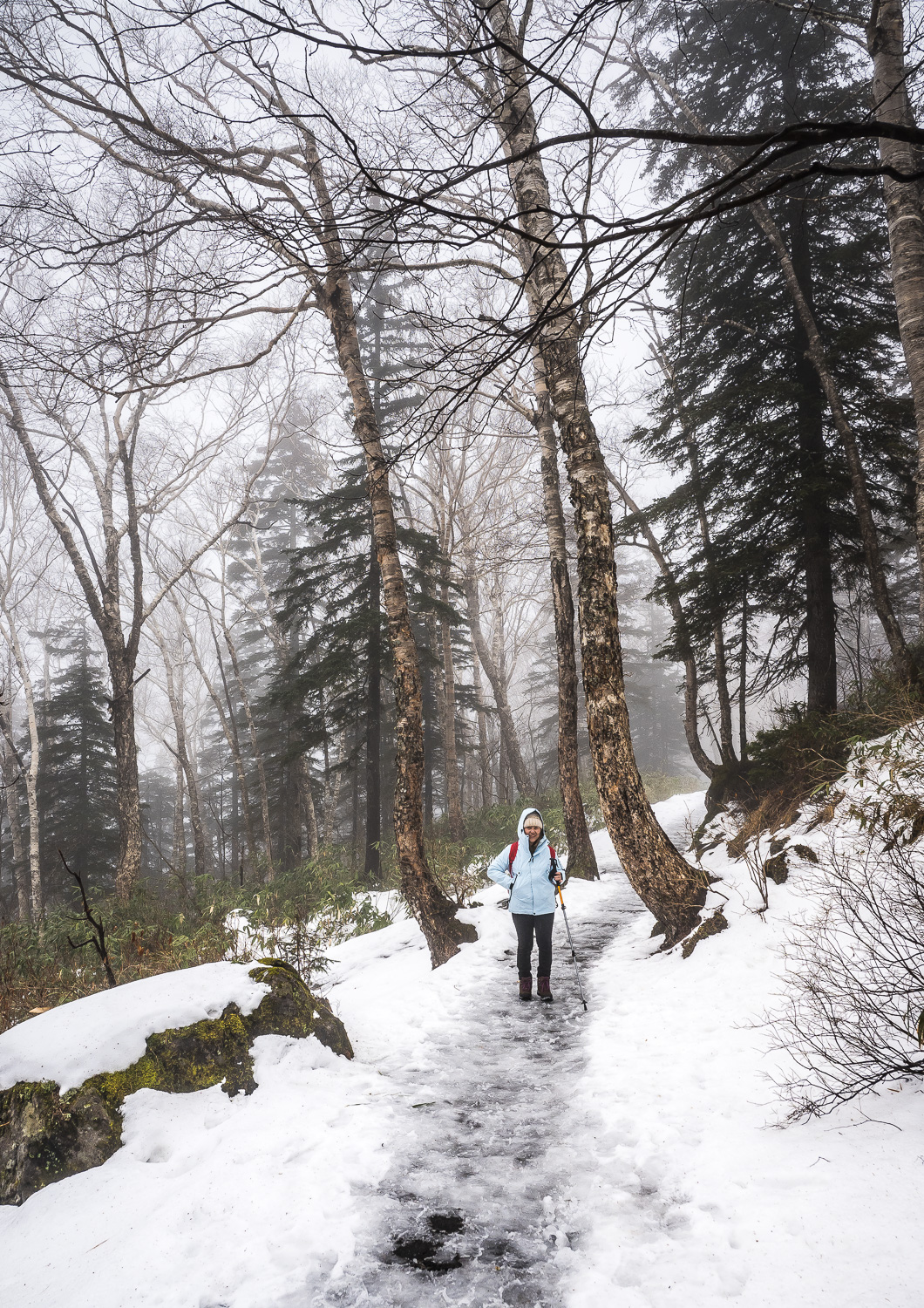
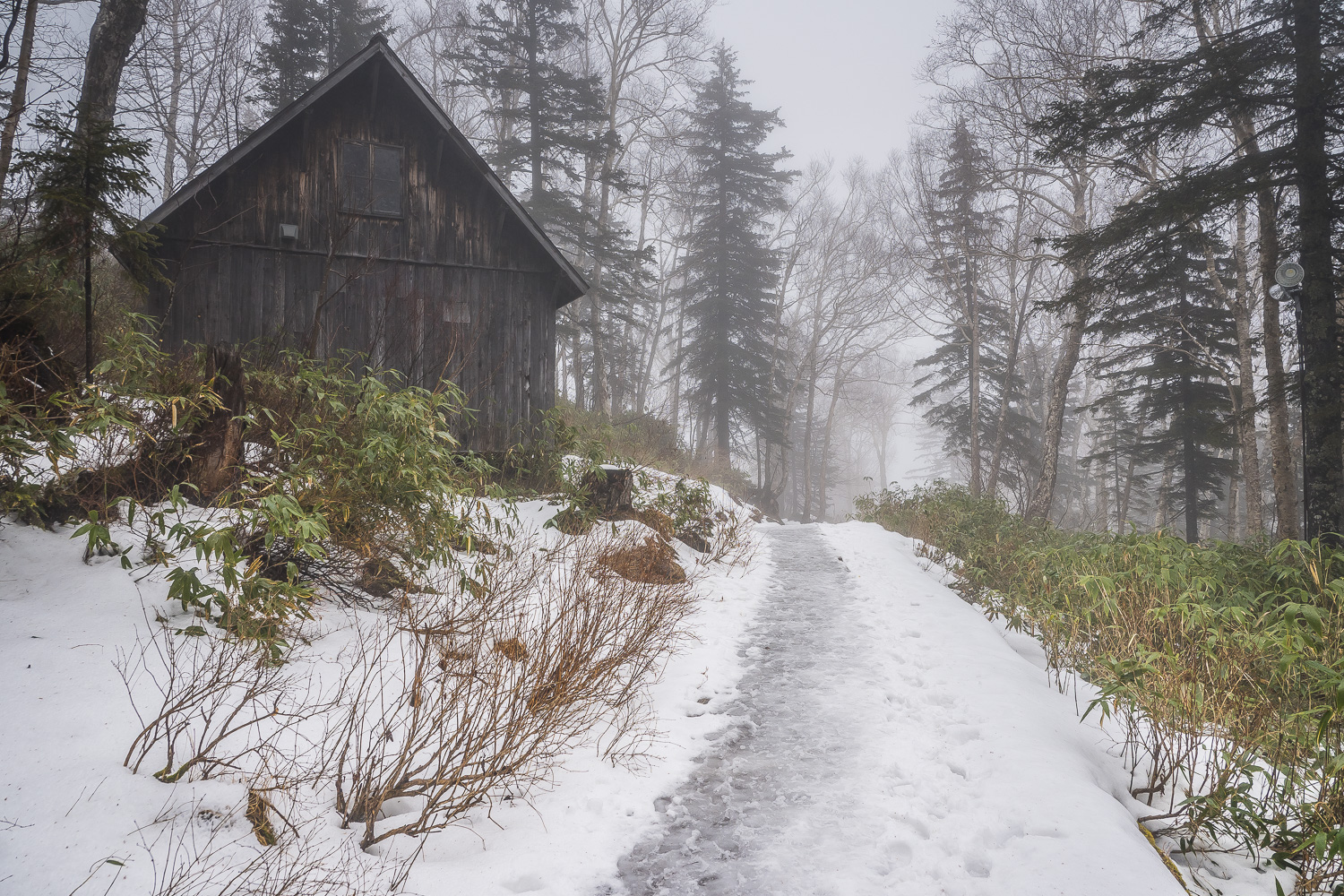
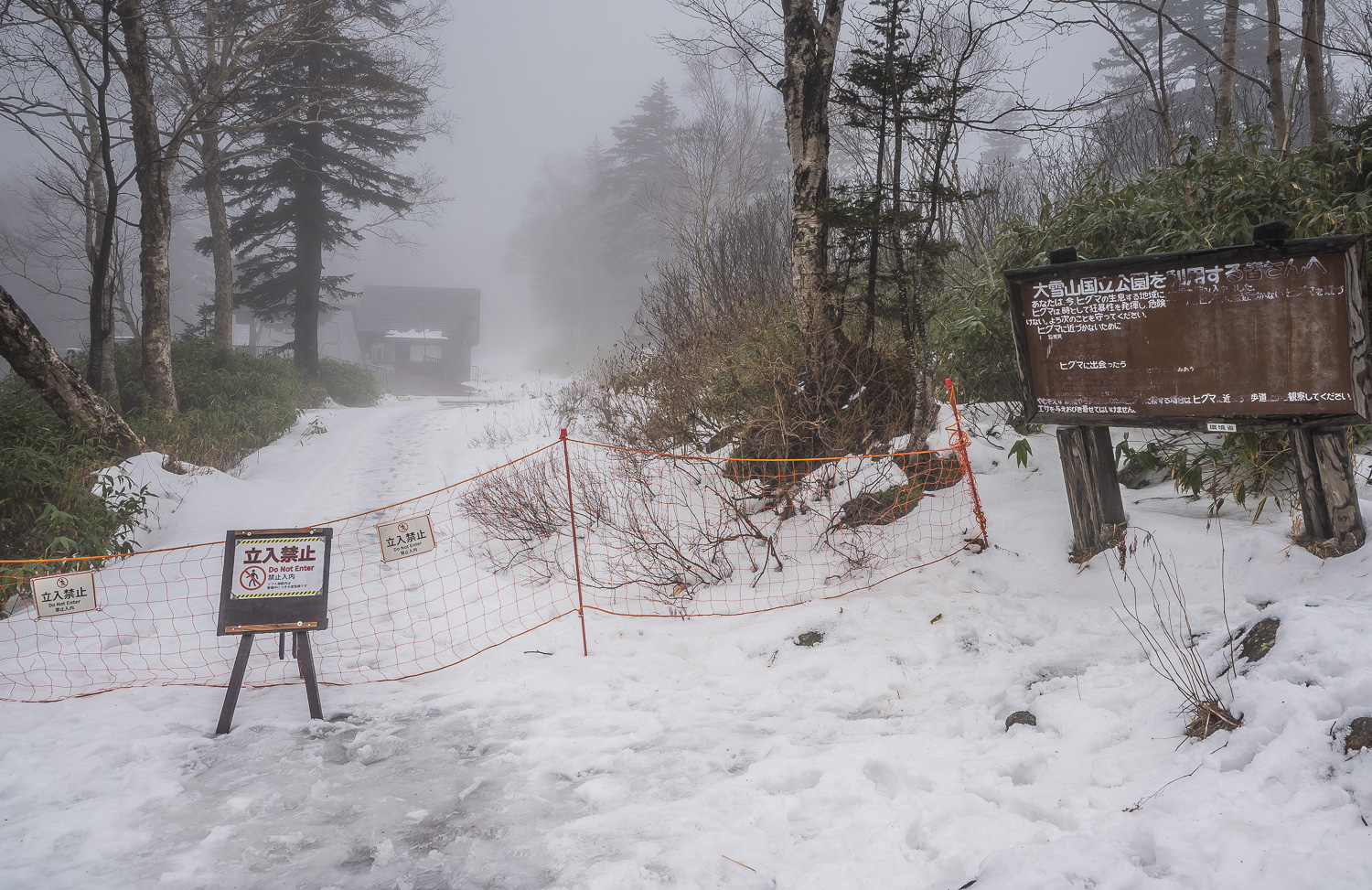
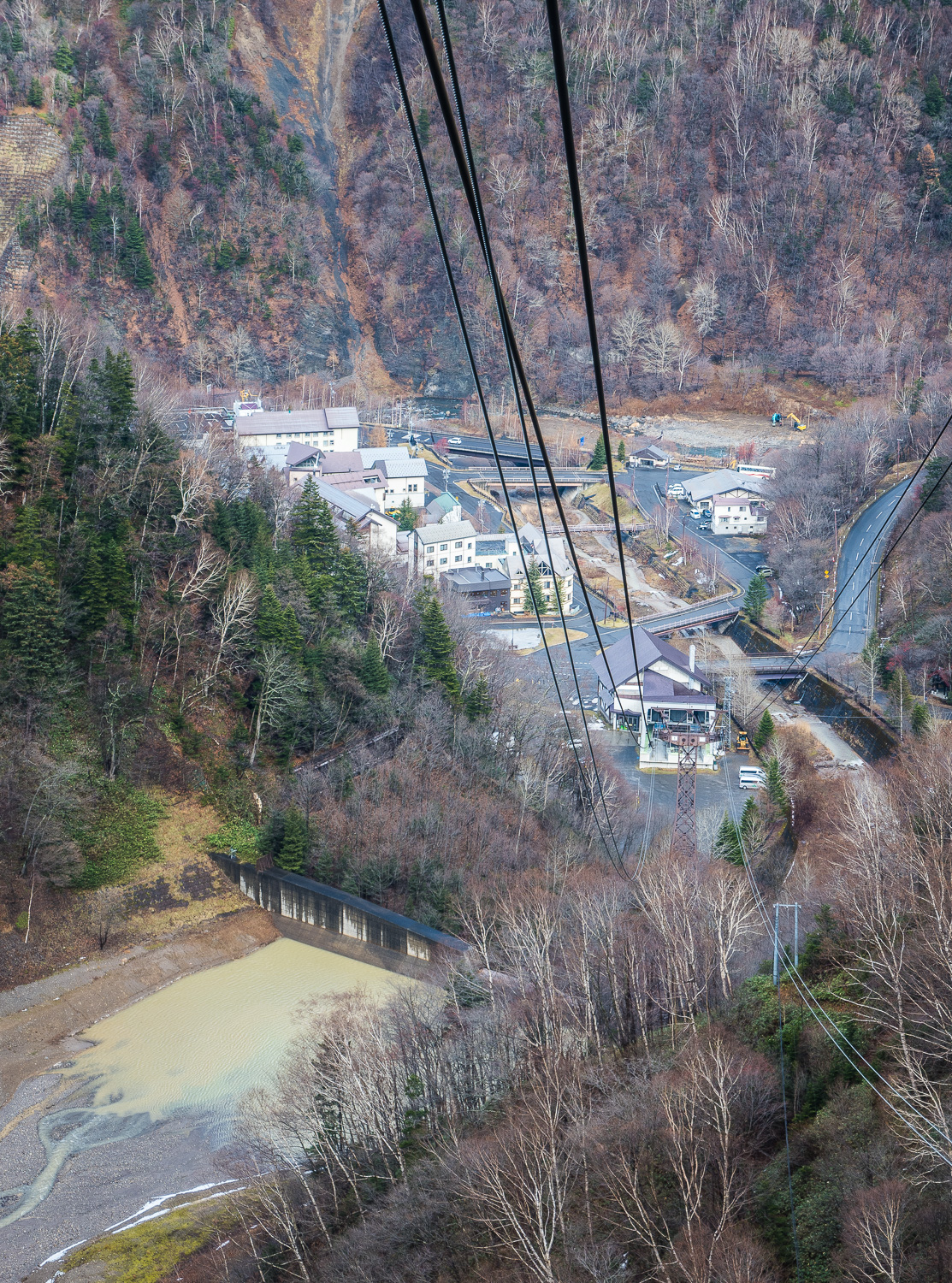
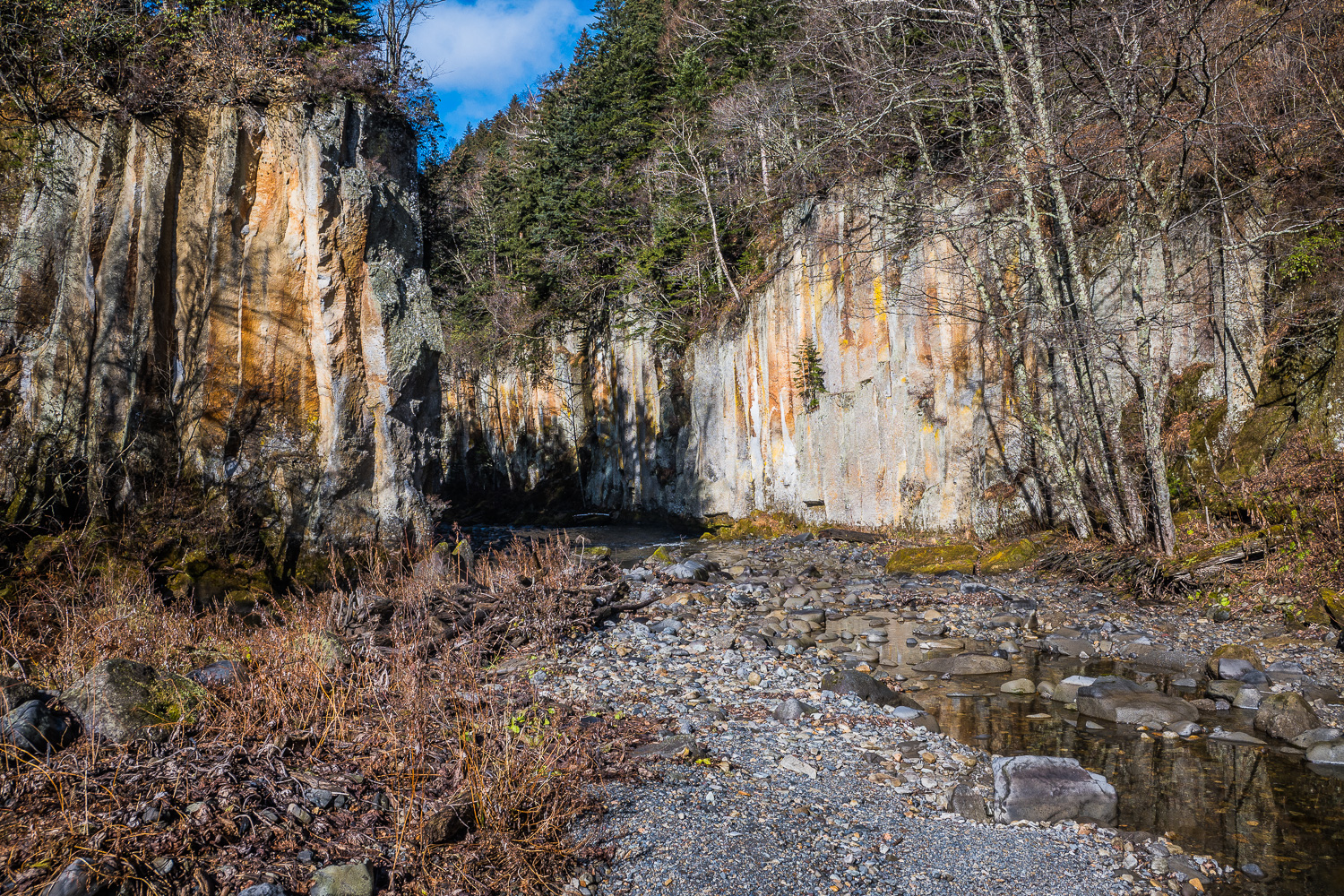
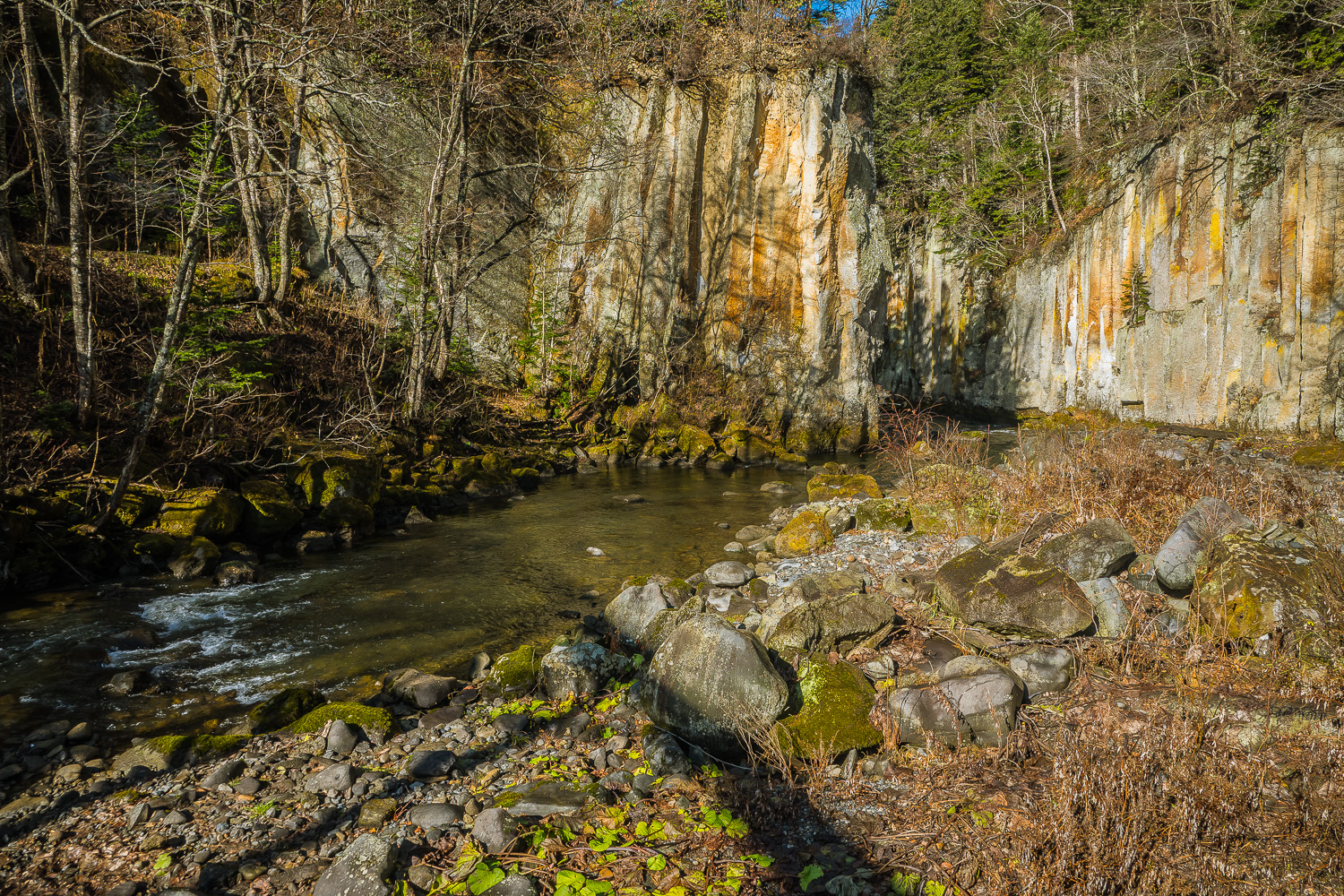
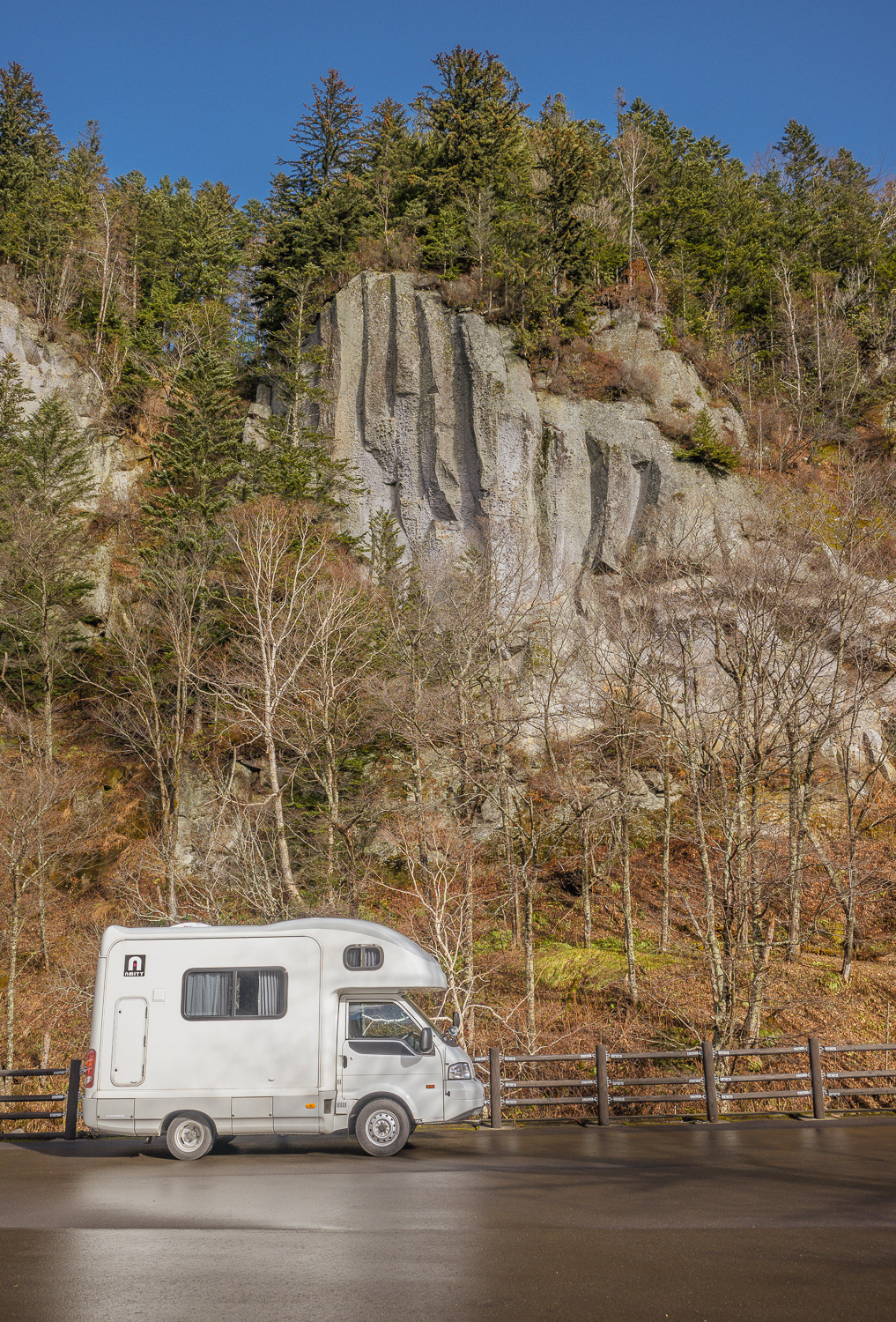
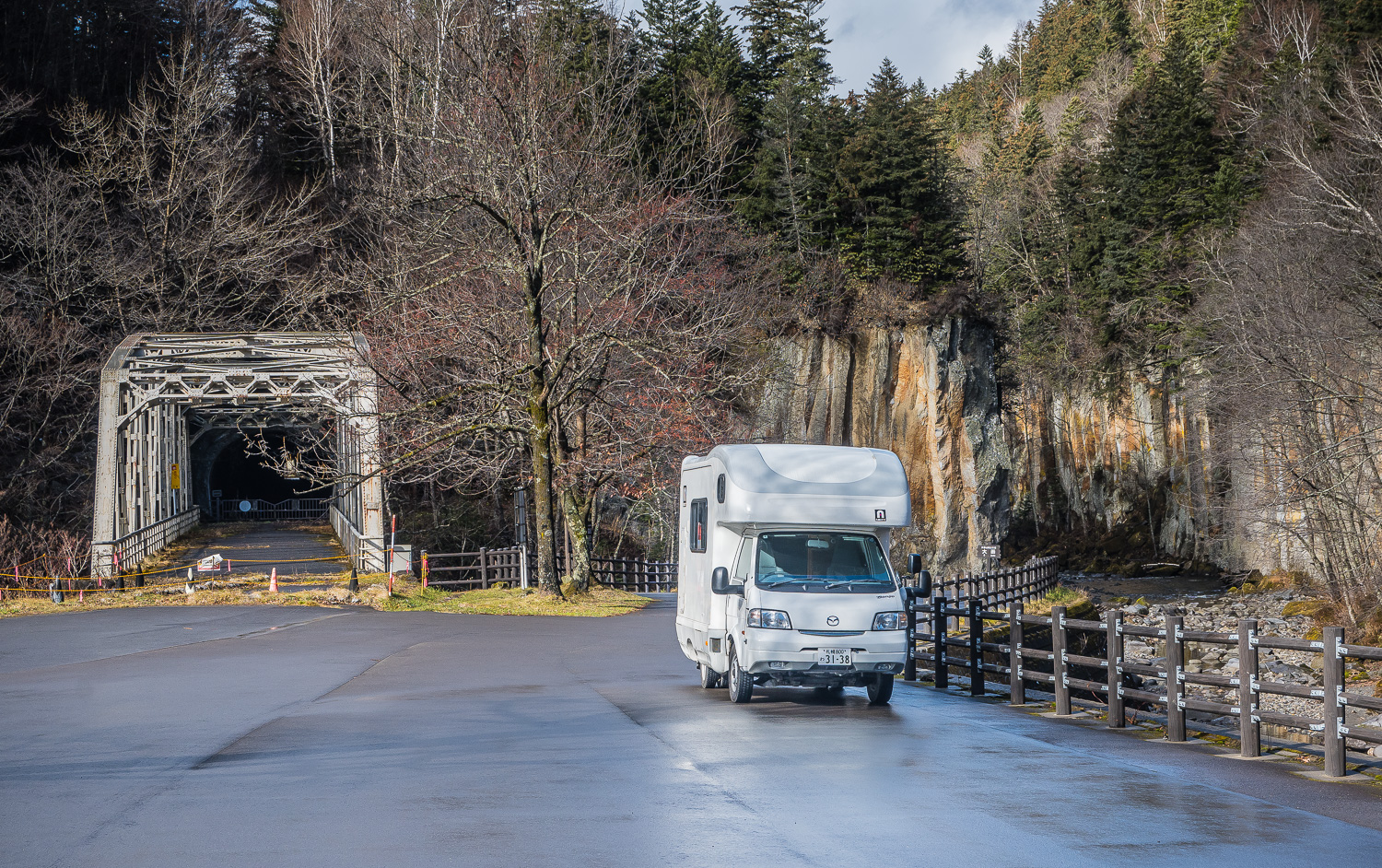
I expected little sleep at Toma road station due to its proximity to the road and all of the trucks idling, but we moved the van away a little and slept ok. The weather was grim, with grey skies and cold rain the next morning, so we hit the Lawson for breakfast before driving to the Kurodake ropeway station in the Sounko Gorge after filling the thirsty van again.
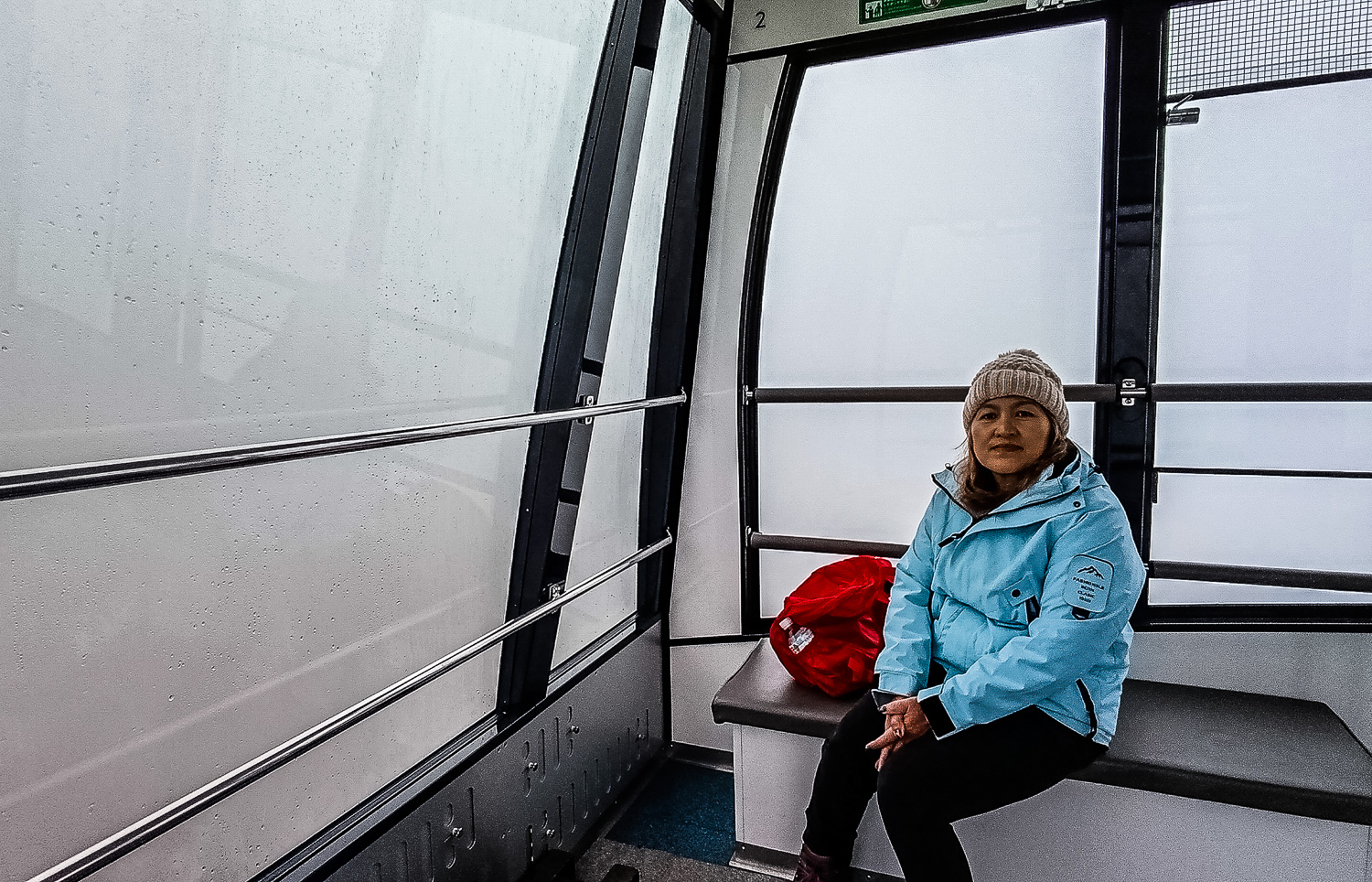
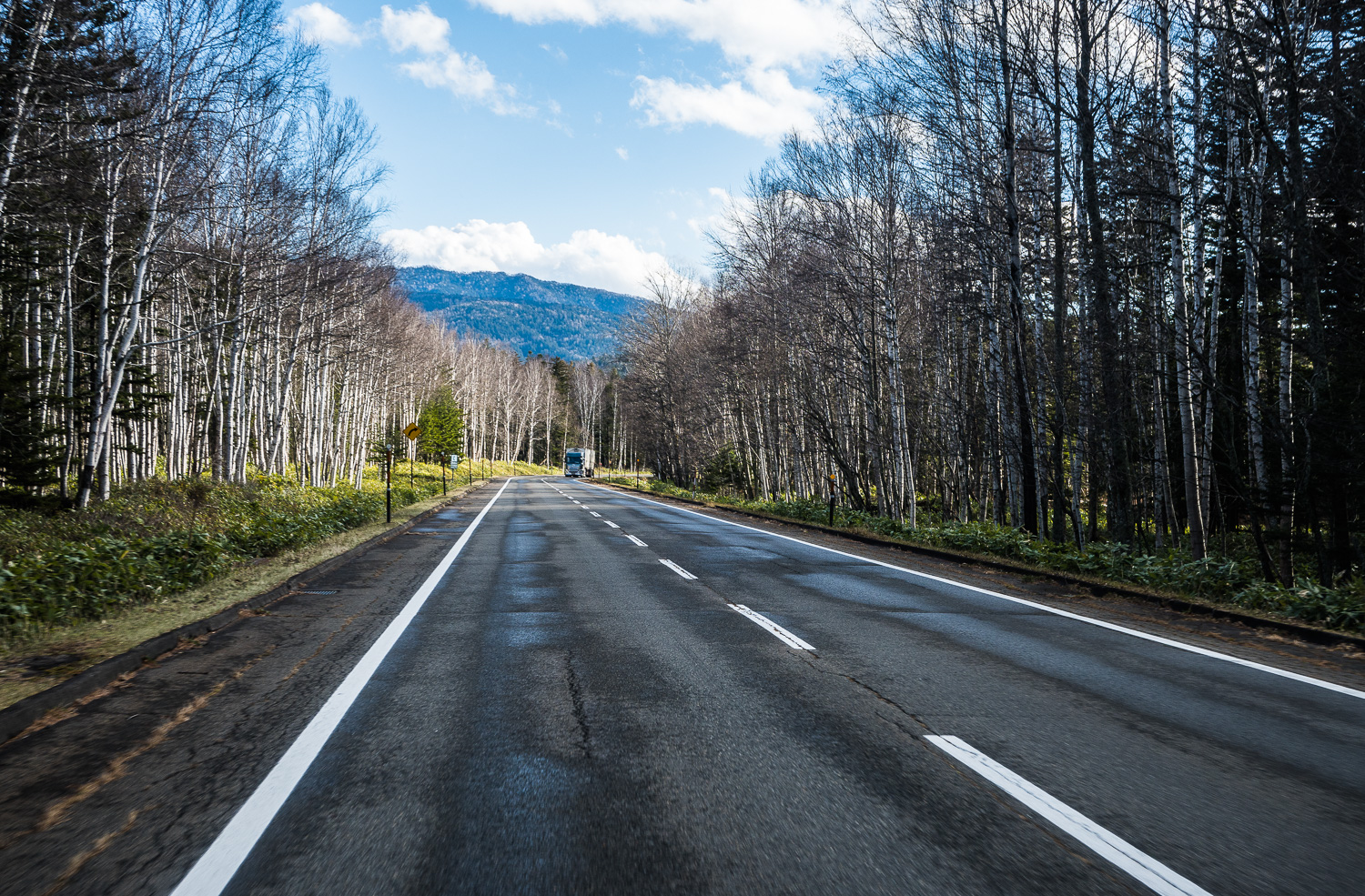
This ropeway took us to the first stage about halfway up Mount Kurodake for 3,000 yen each, where visibility was non-existent, and hiking trails were limited or closed. We spent about half an hour trudging through slushy paths before coming back down and motoring on to Route 273 as the skies started to clear. This would have been spectacular a month or so ago with foliage in full colour, but today it was a little drab.
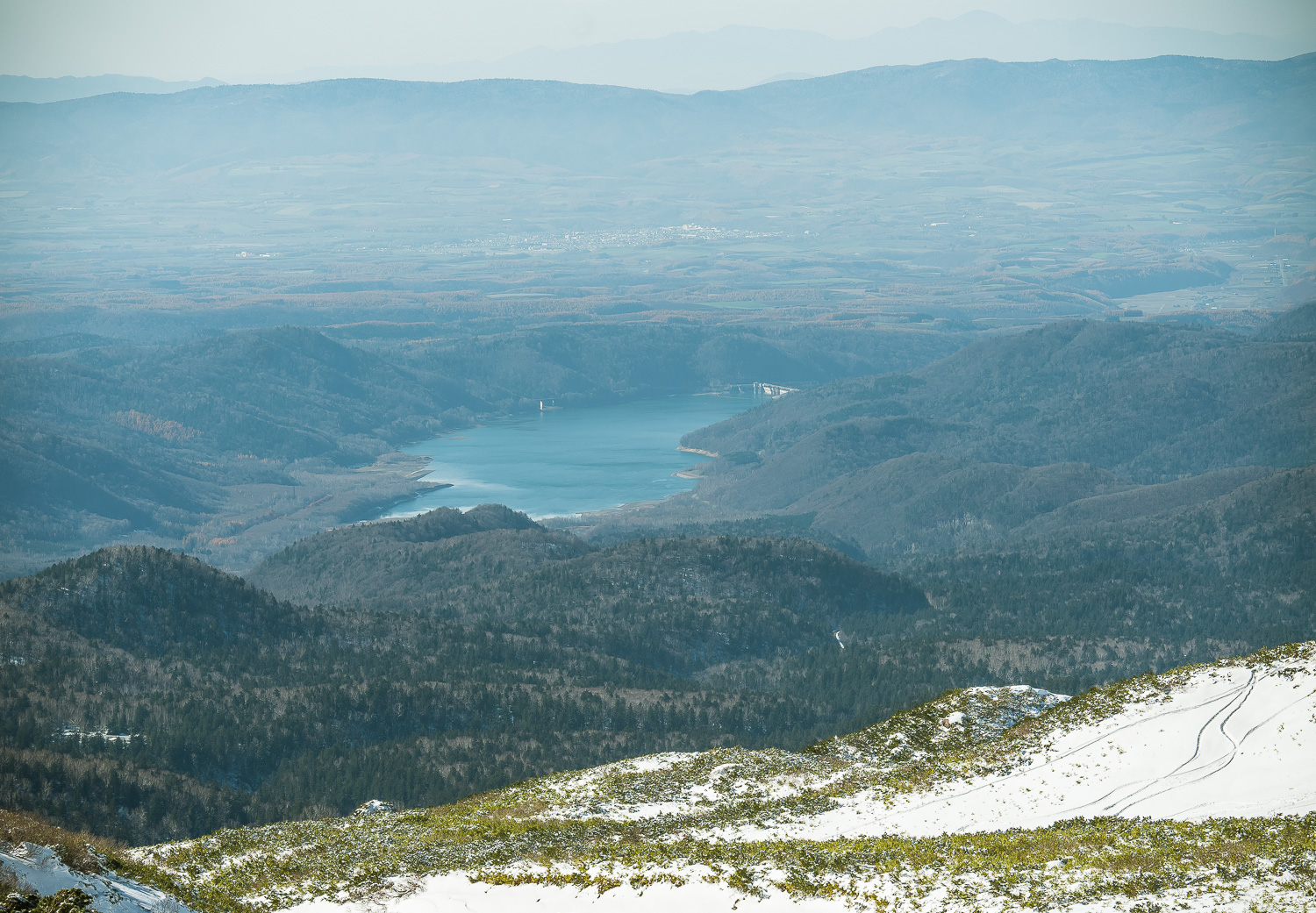
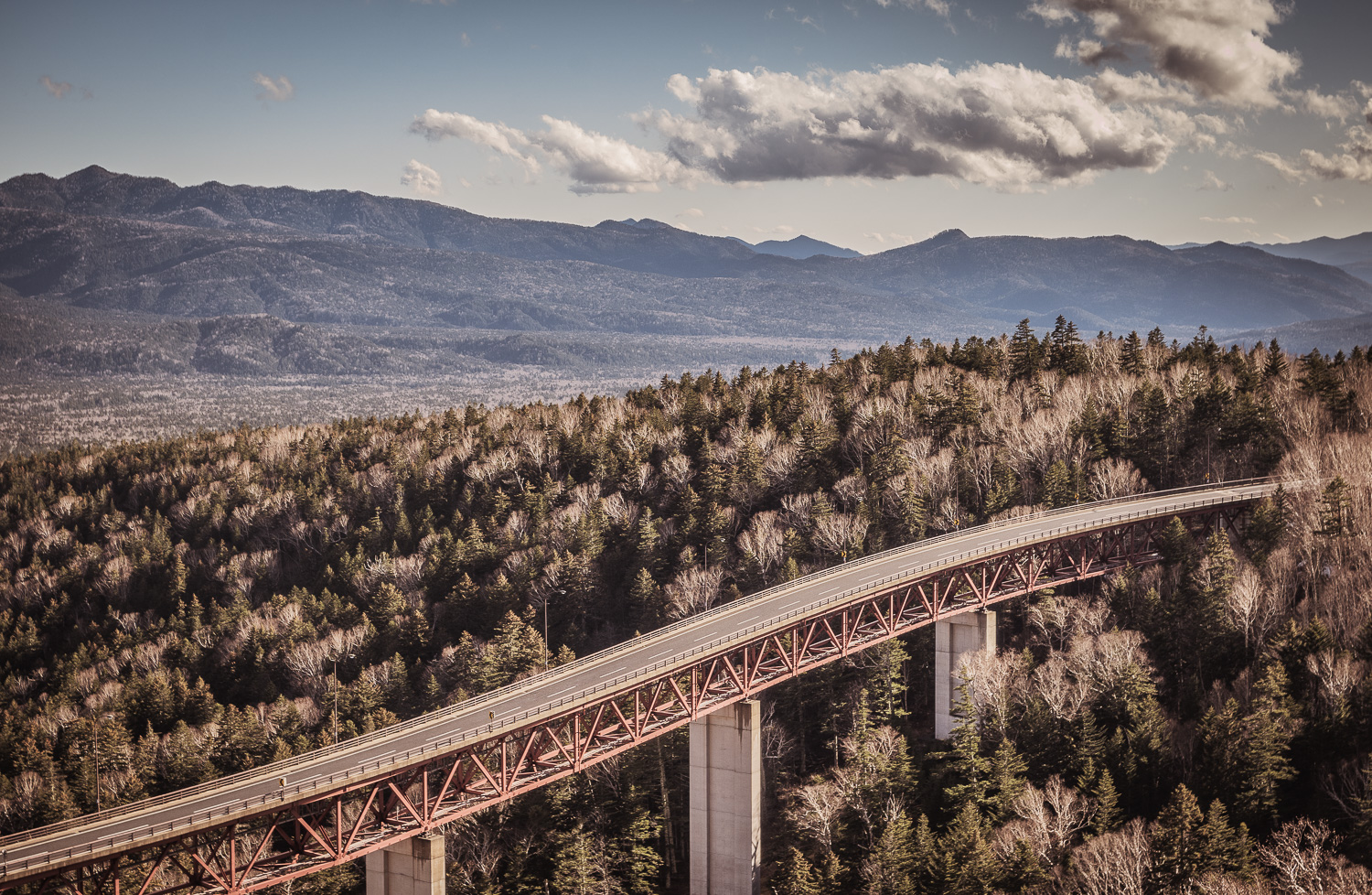
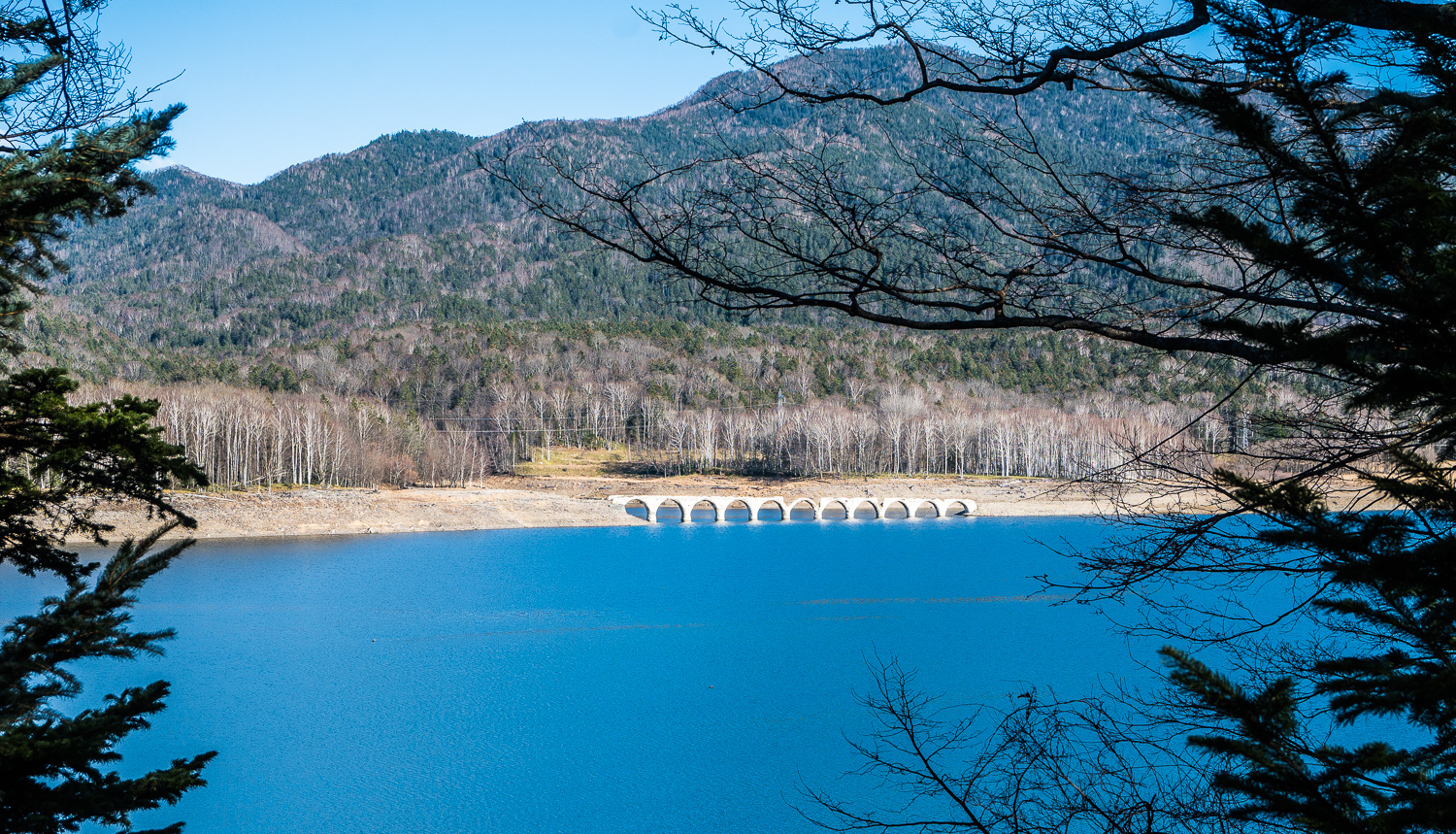
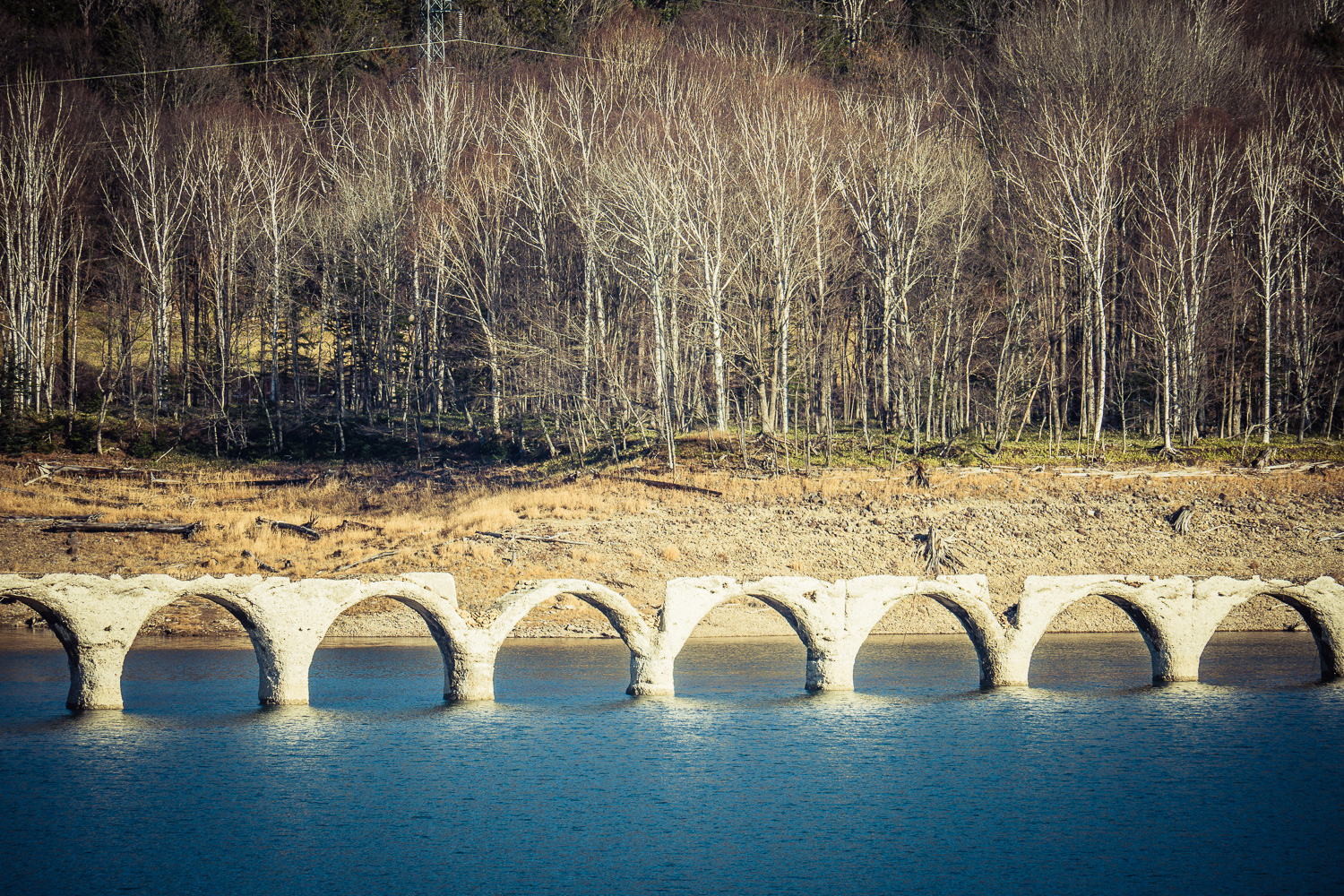
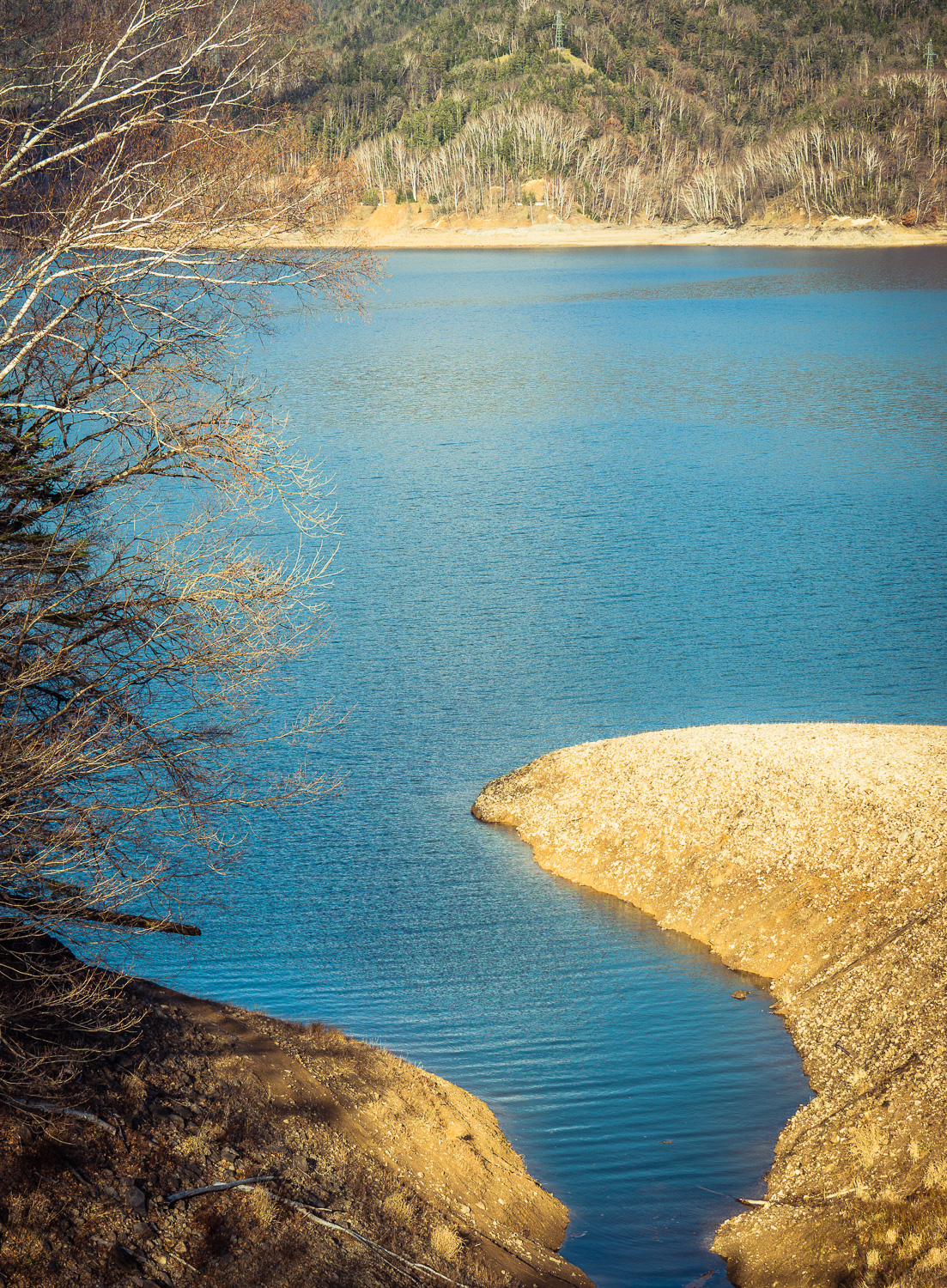
The Mikuni Pass provided some good views as we headed towards Lake Nukabira and a disused railway which had several old bridge lookout points.
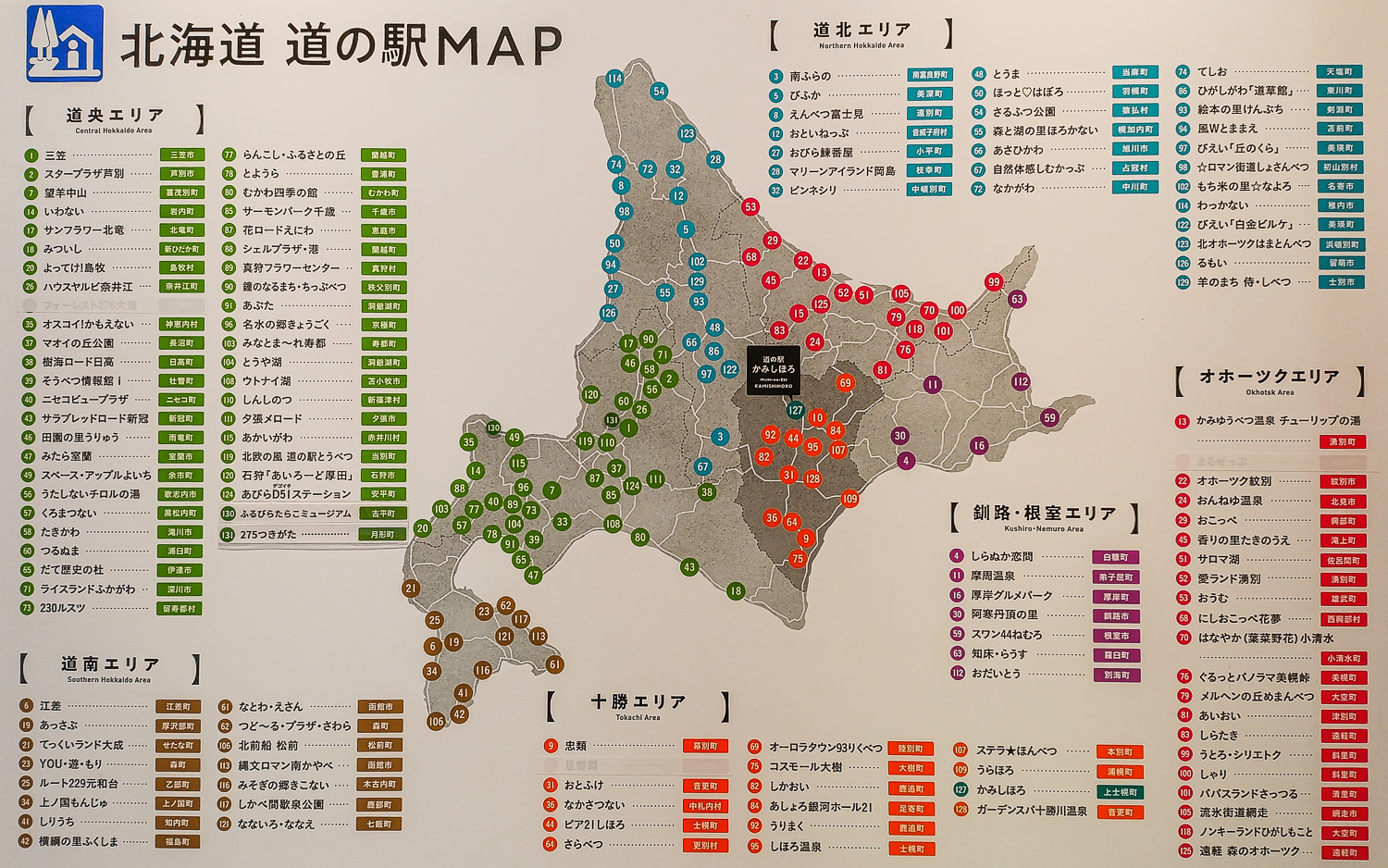
There were very few places to see along this route through the Daisetsuzan National Park, so we went straight to the Kamishihoro Road Station for a late lunch. The Shihoro Onsen Road Station, just 12km away, looked more appealing, but when we got there it was the opposite. The car park was full with people visiting the onsen, the foot bath was not functioning, and the toilets were a little feral, so we headed back the way we came to the PIA21 Shihoro Road Station, which was much more civilized.
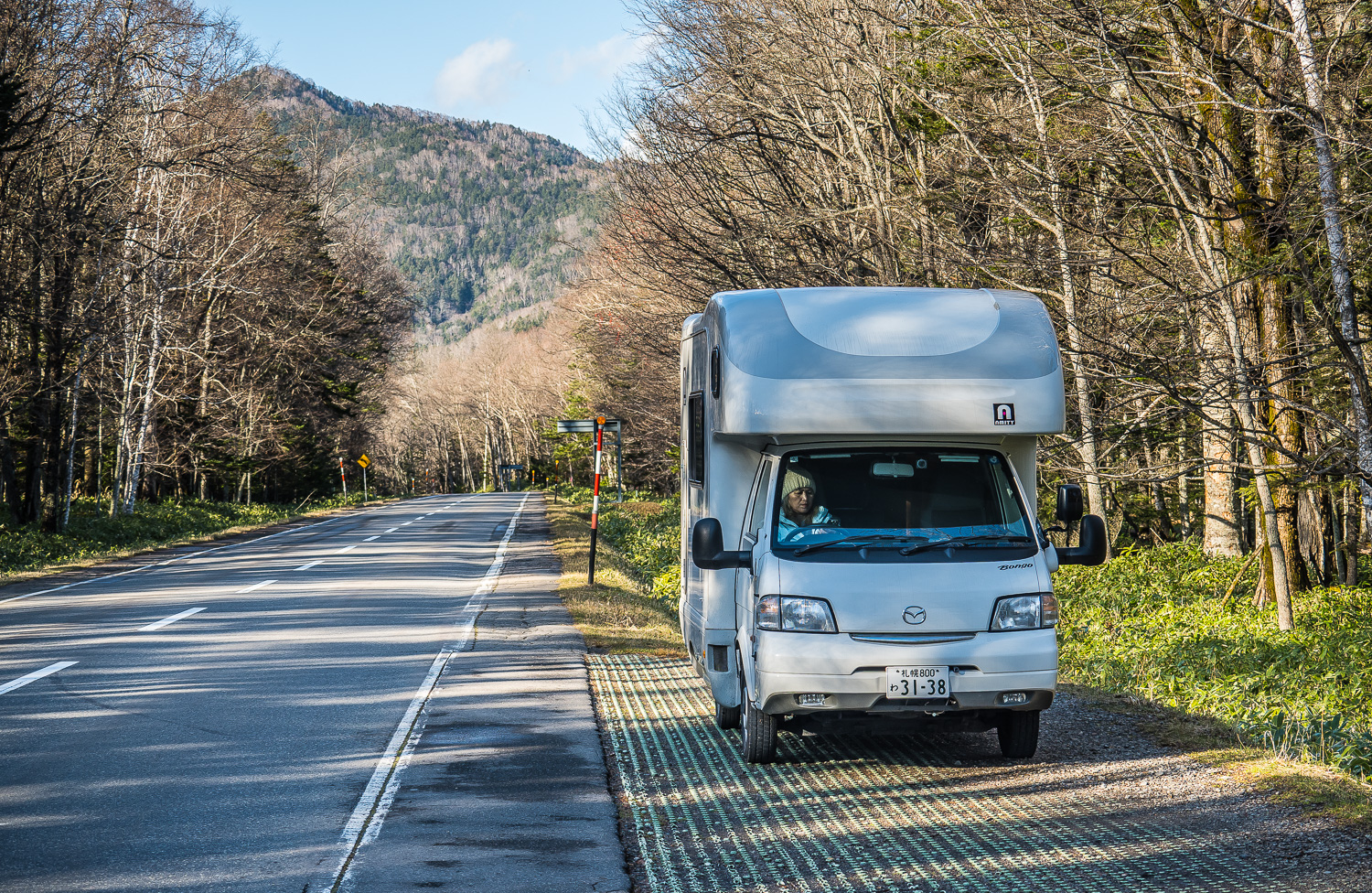
It gets dark very early in Hokkaido in November, so you’re spending a lot of time in the dark at road stations where everything is closed. Daylight is at a premium, so it becomes a balance of driving and sightseeing while trying to tackle the roads and distances. With its low population density, there is very little traffic, even in the cities, and driving is easy apart from the condition of the roads, which is not good on an ancient RV with cranky shocks!
Previous: Blue Pond and Shirogane Falls
Next: Akan-Mashu National Park