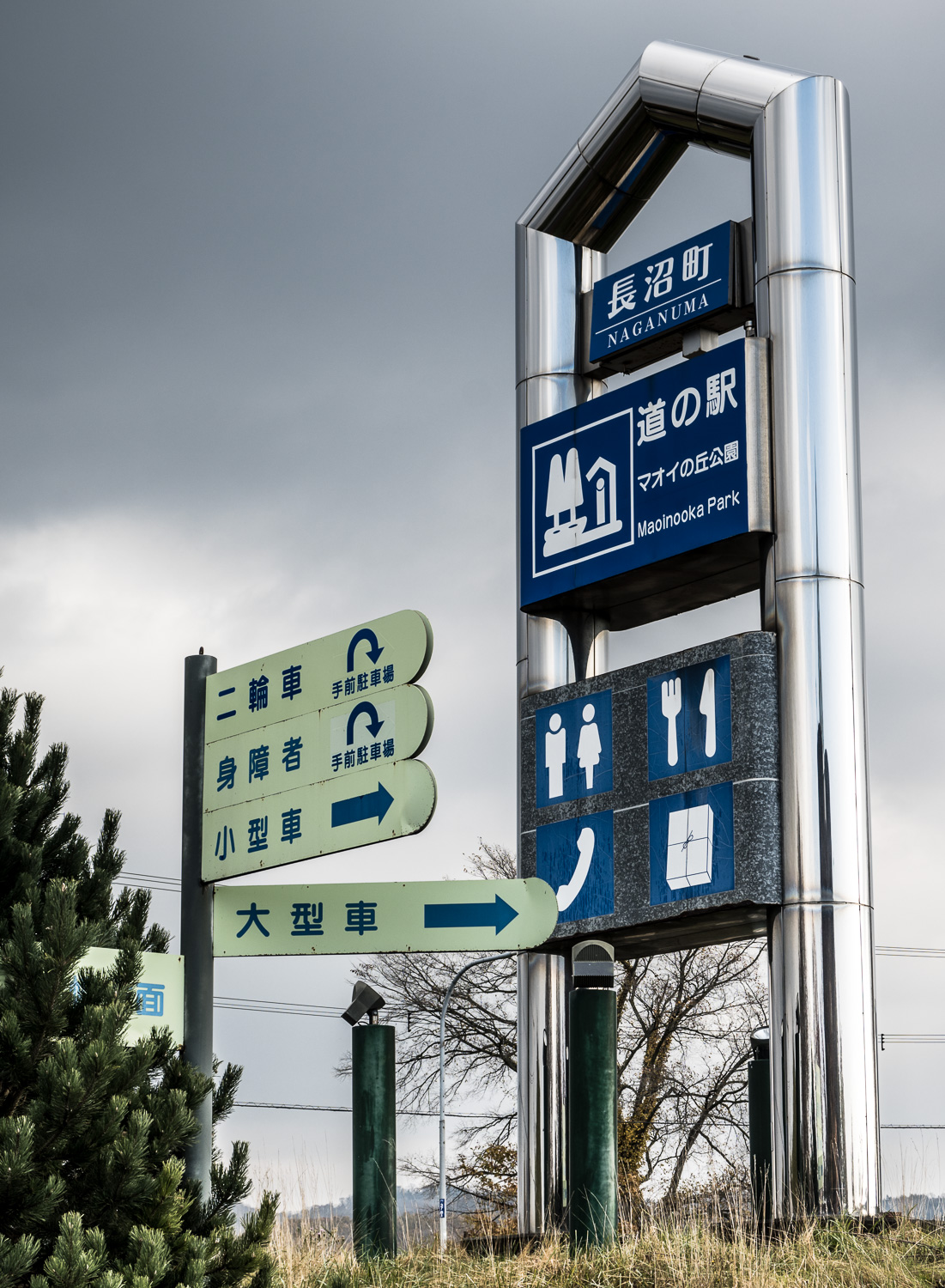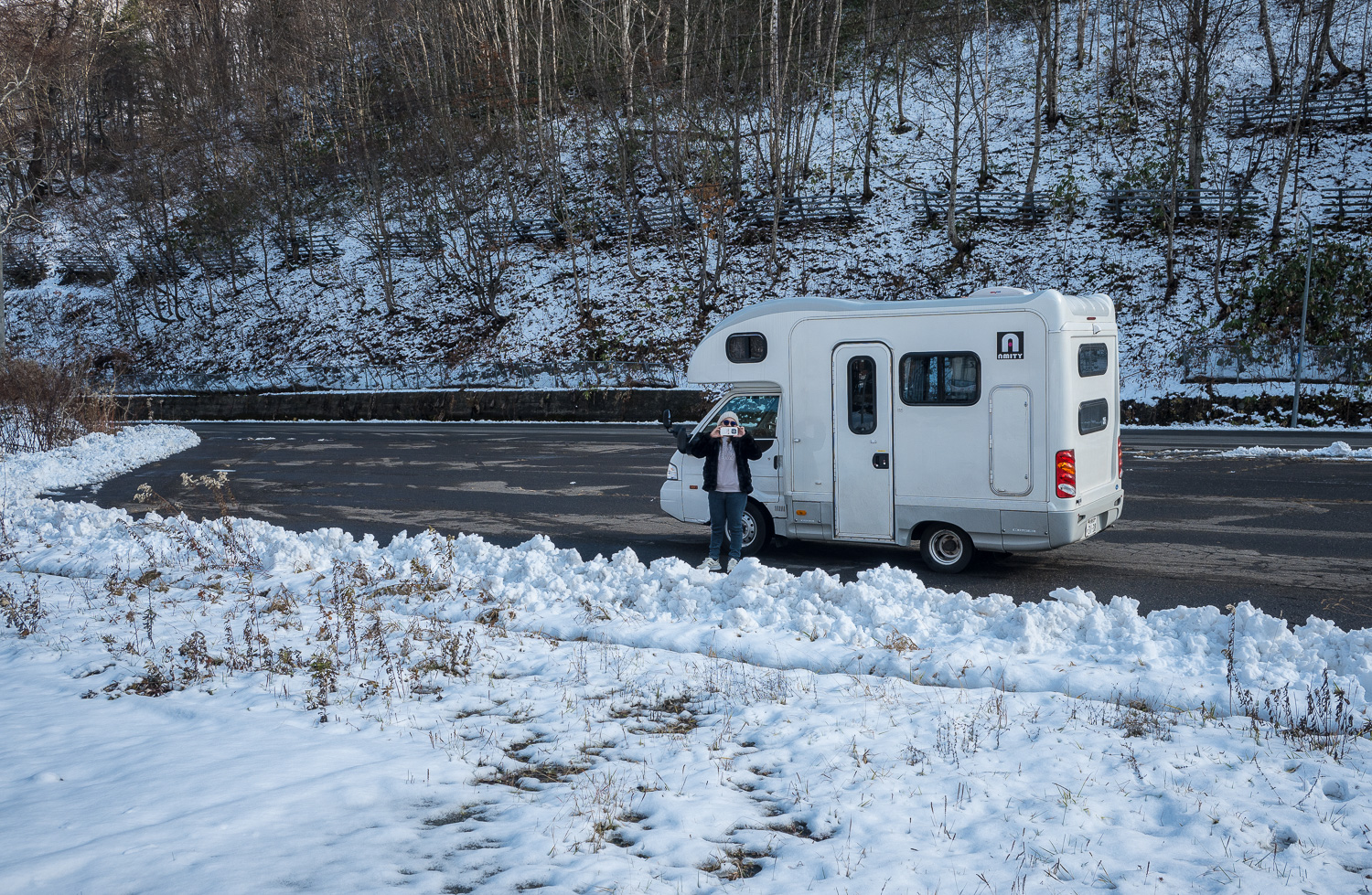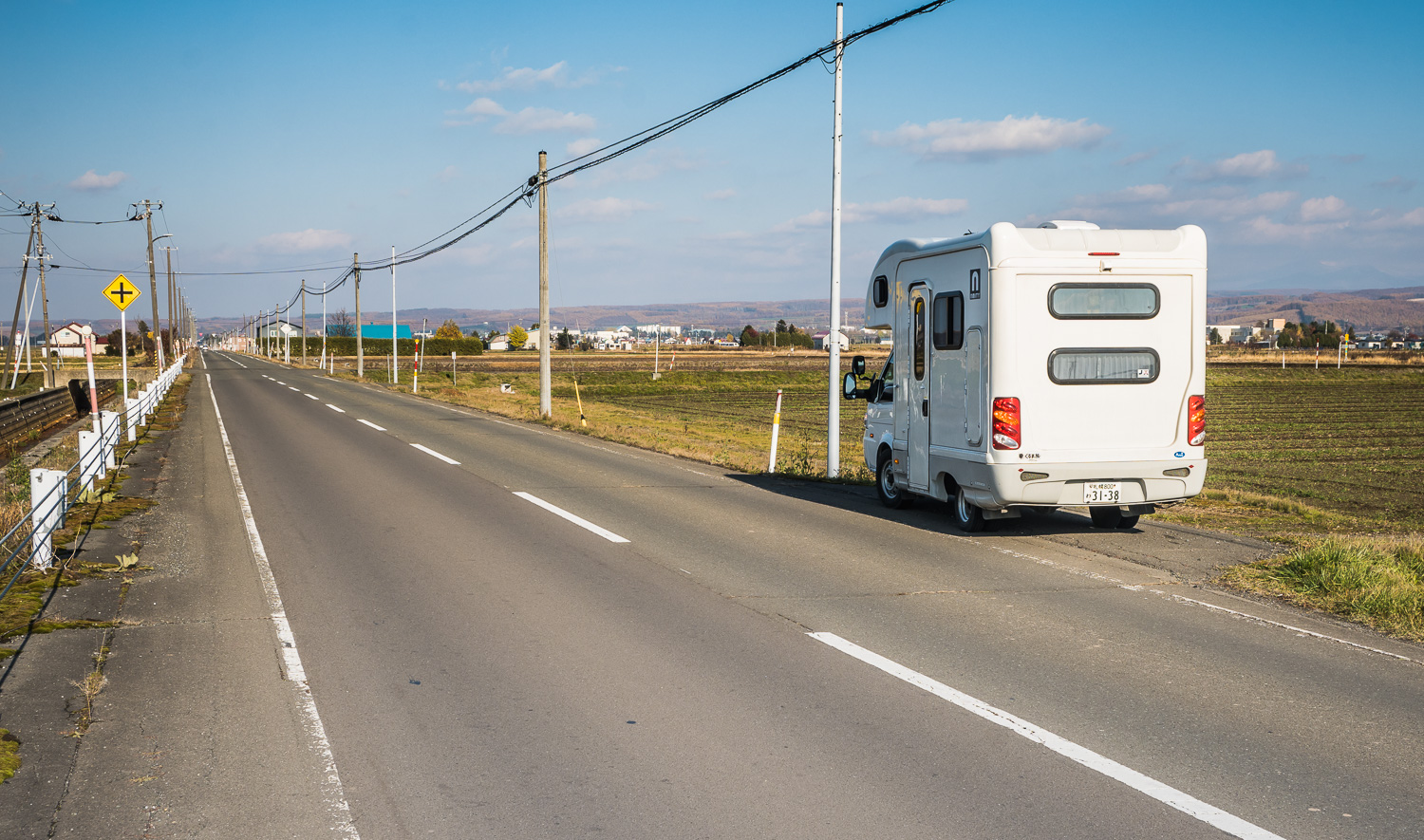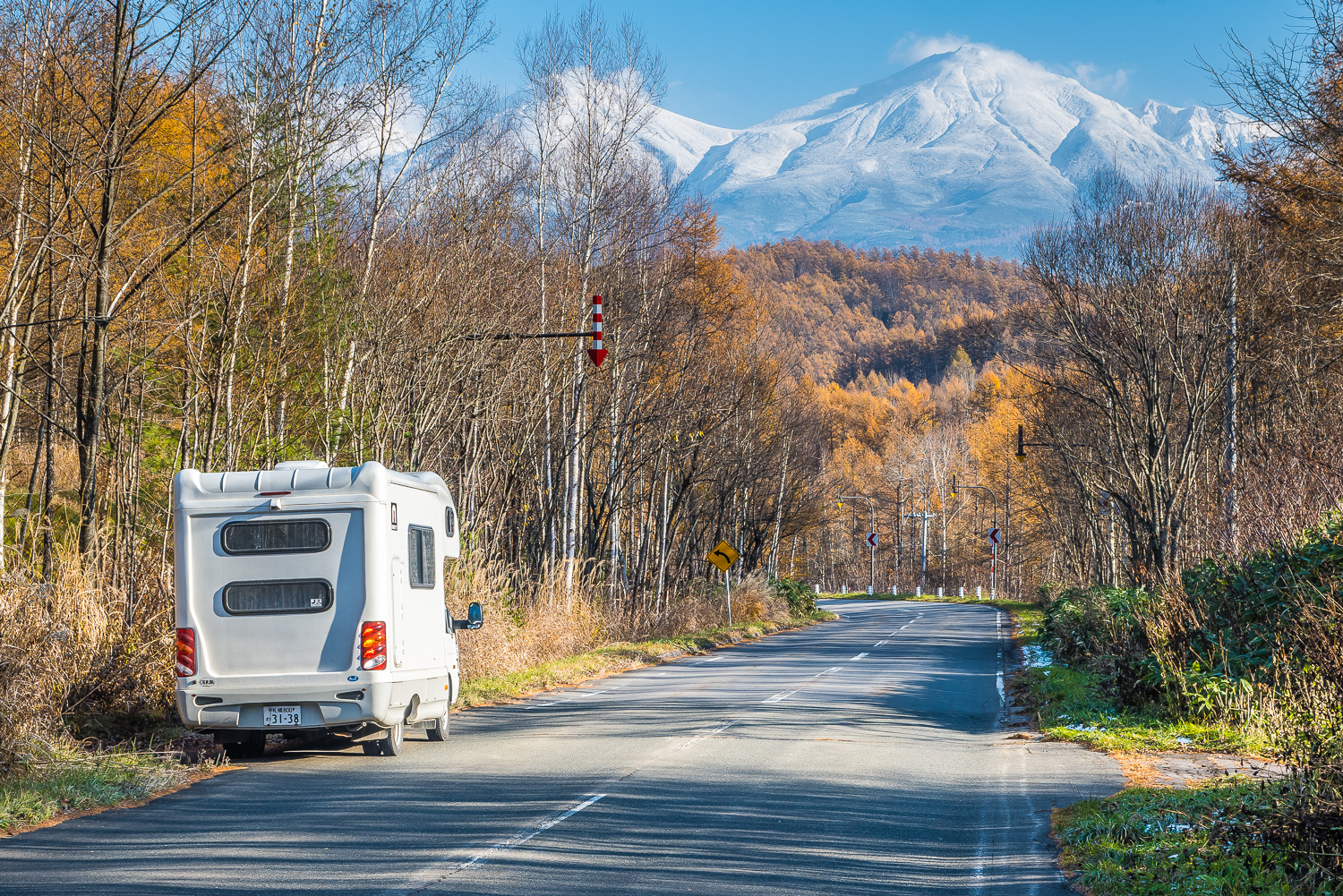
Sleep came easier last night as I moved to the back compartment, which was at least flat. After a coffee or two, we were on the road north, heading for the Mikasa Road Station before heading east across the mountains to Furano. Our original route had changed now, so we were taking Route 452 across the mountains instead of motoring north from Minamifurano.
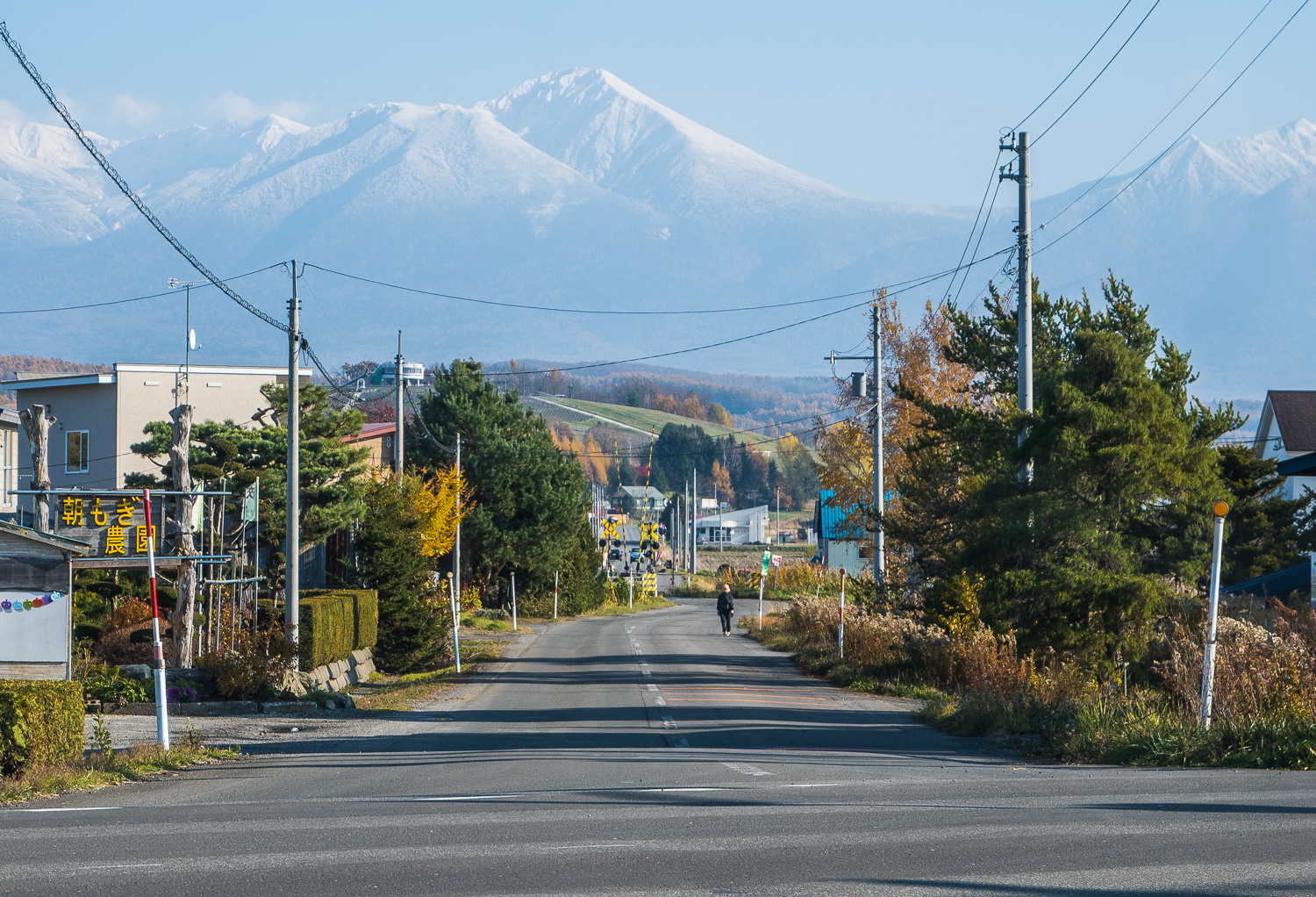
Hokkaido is an extremely fertile land with volcanic soil and farms everywhere growing all kinds of vegetables that reach considerable sizes. The houses are more modern and Western-looking and not traditional Japanese style since the island was colonized by the Yamato Japanese in the late 19th century after the establishment of Sapporo as the colonial headquarters in 1869. The colonization process led to the displacement of the indigenous Ainu population and the development of more modern-looking homes.
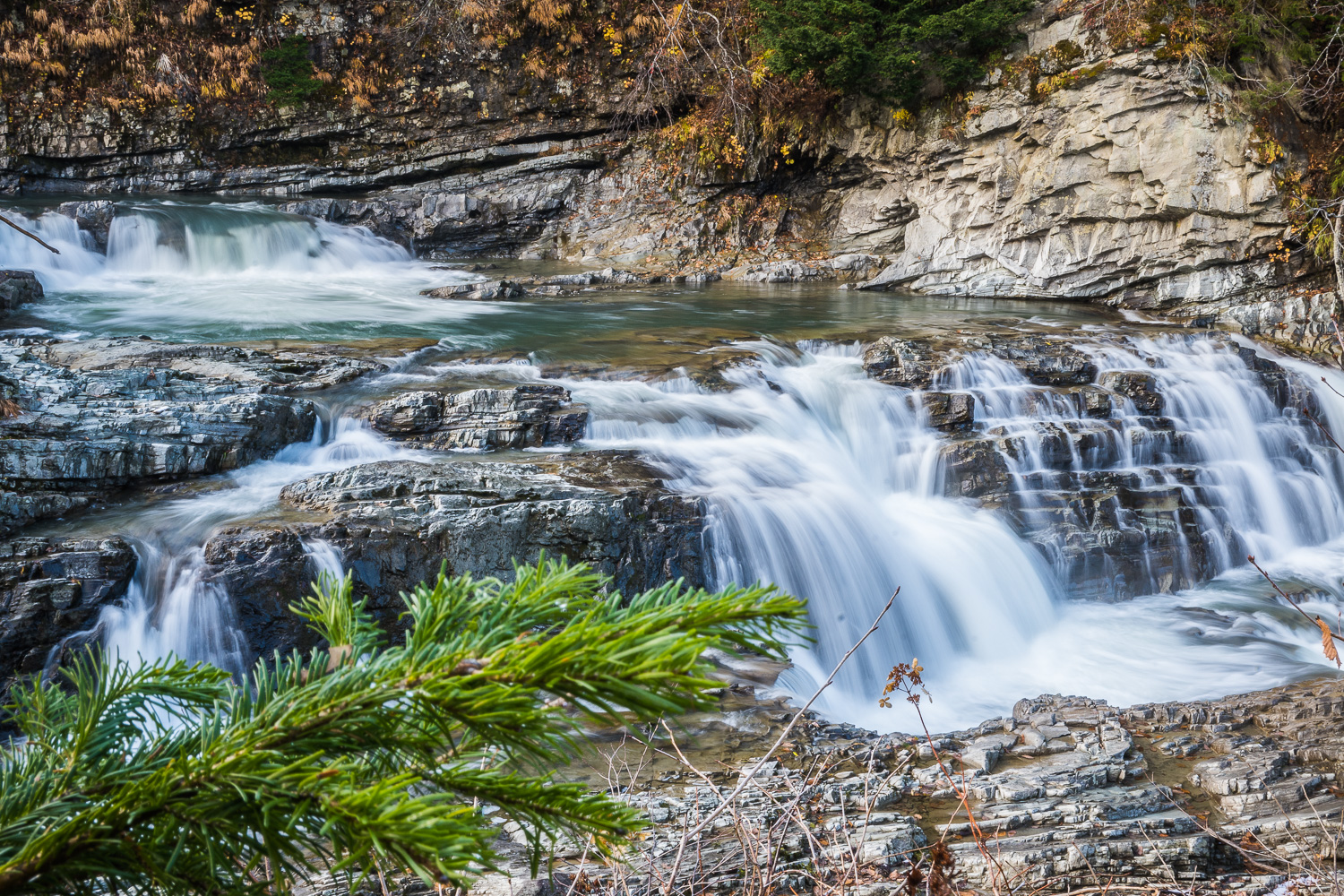
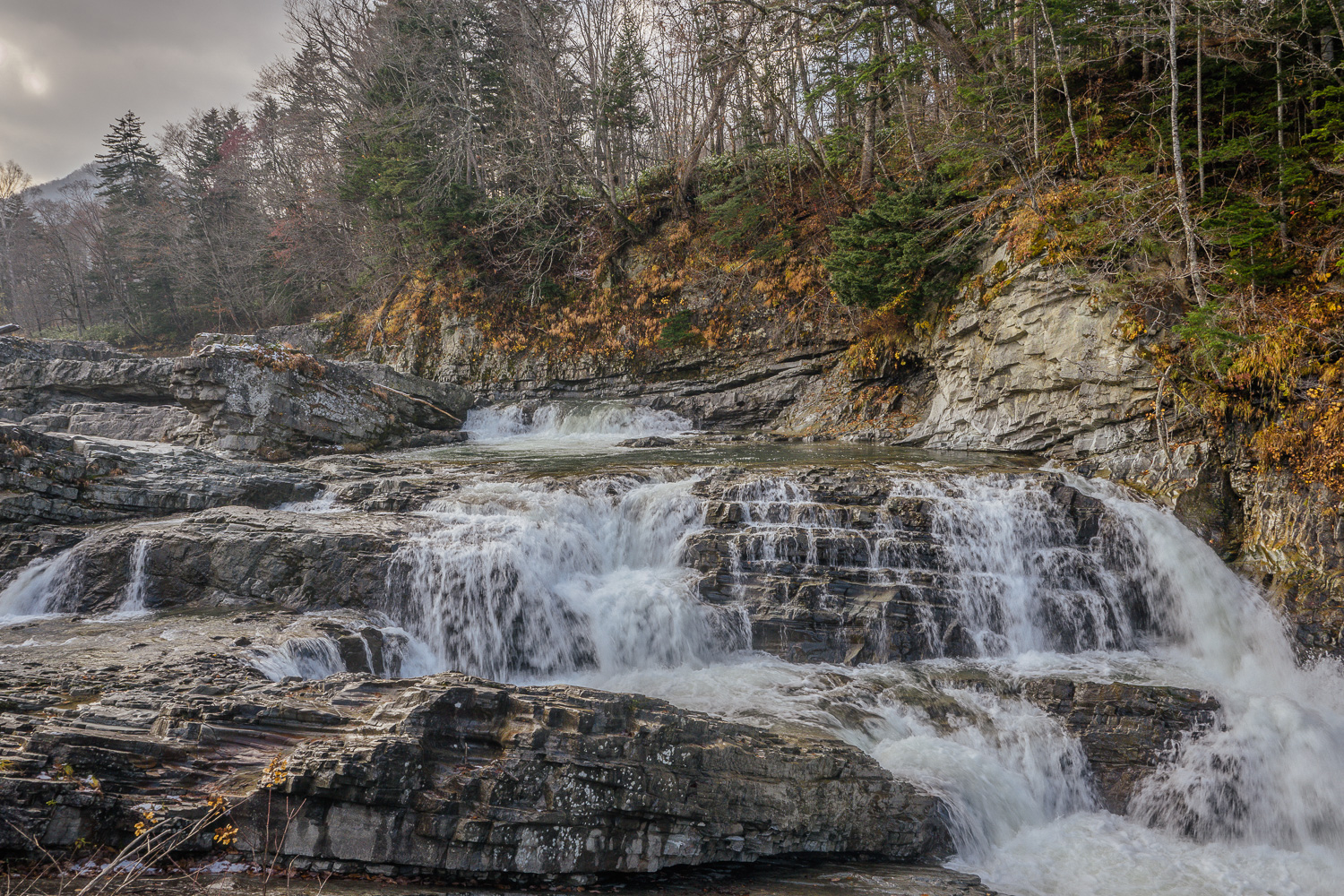
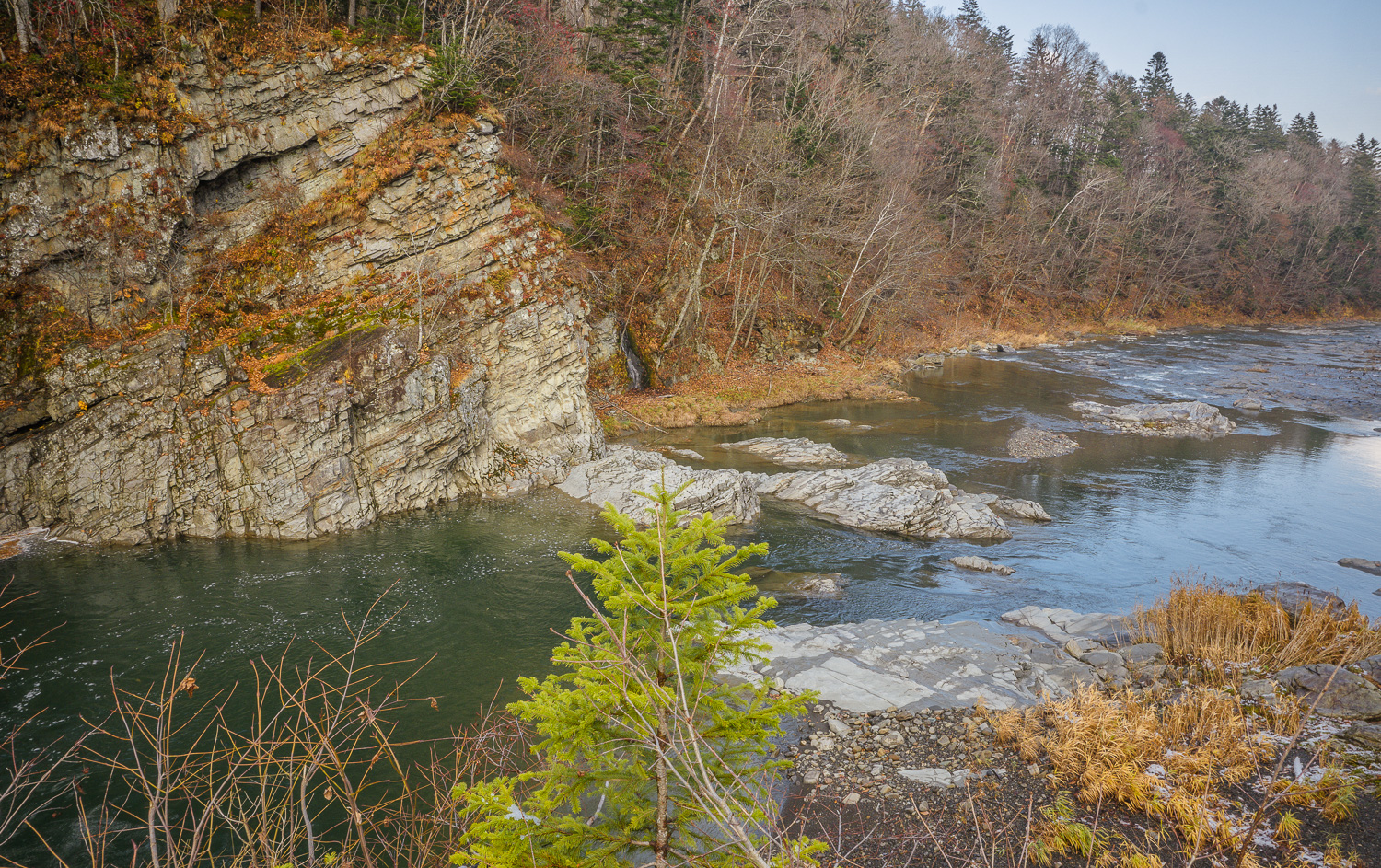
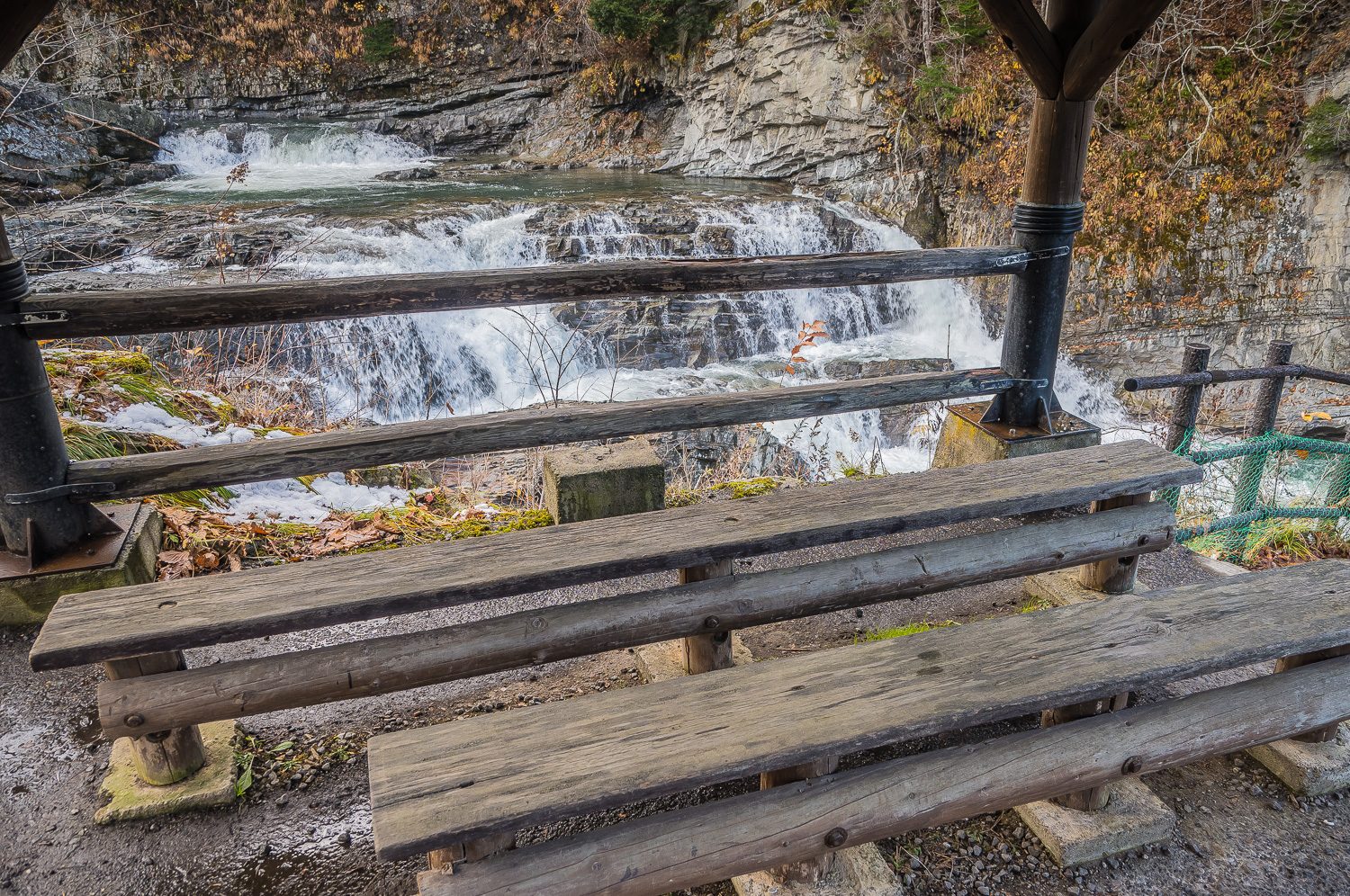
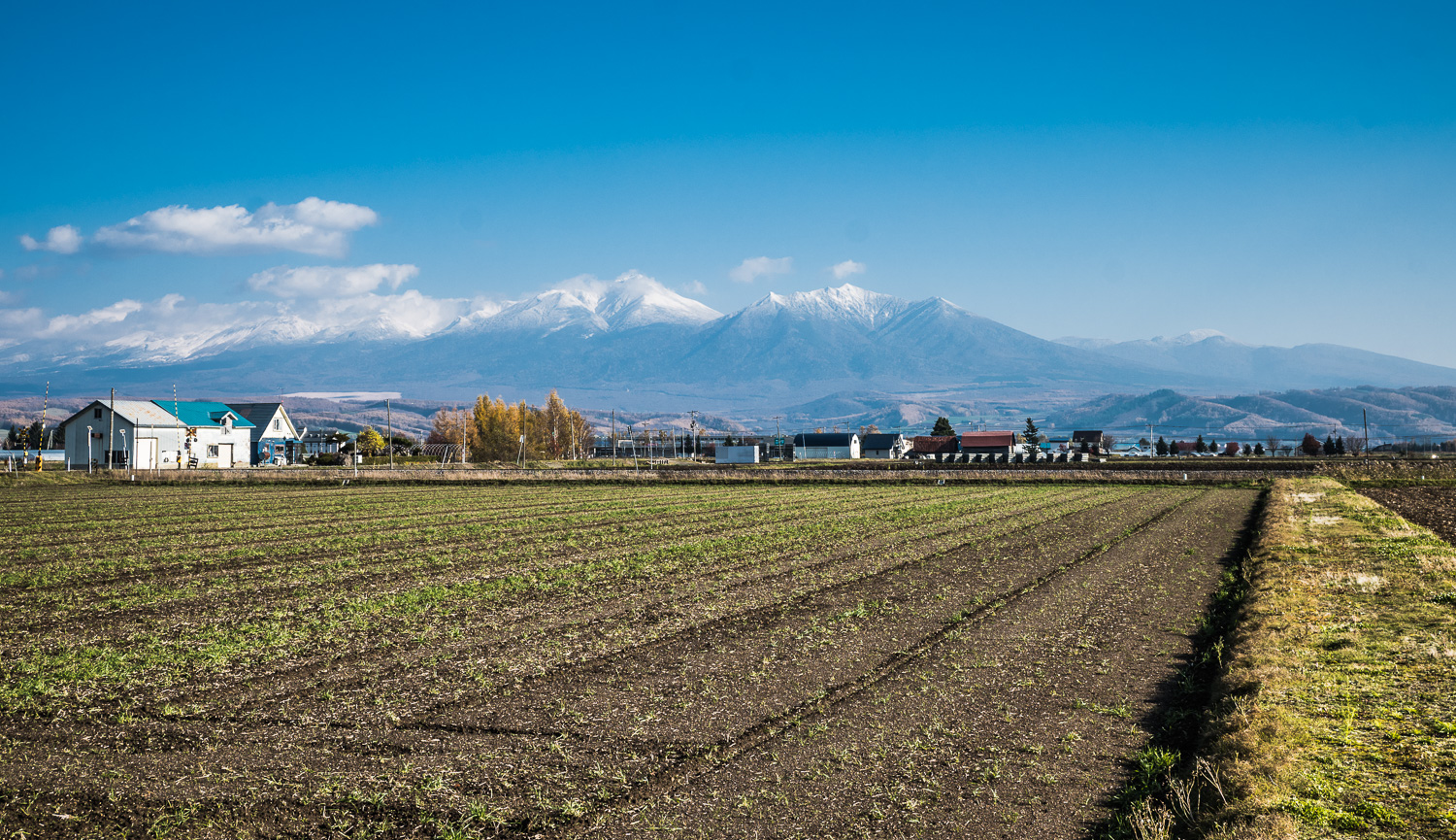
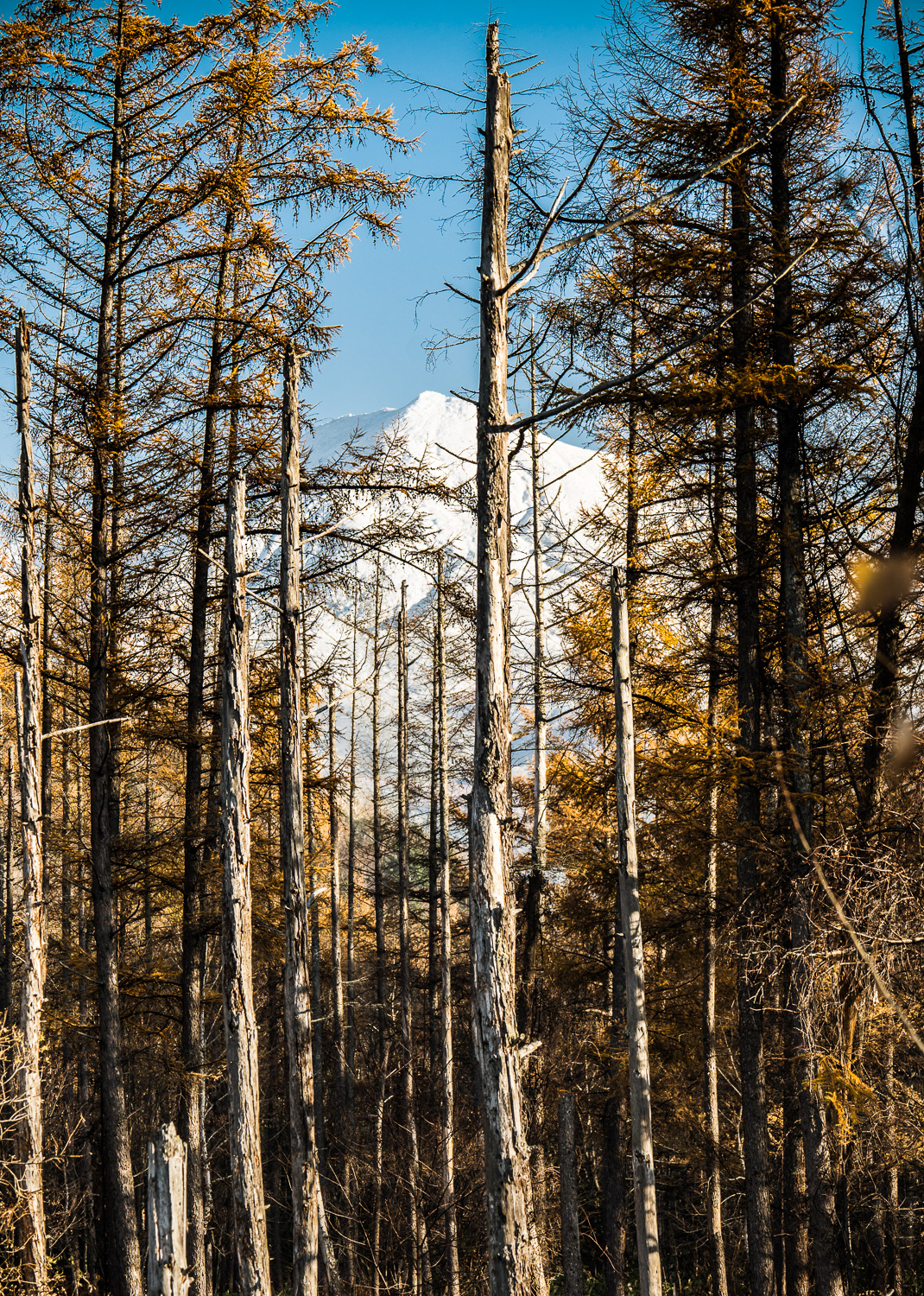
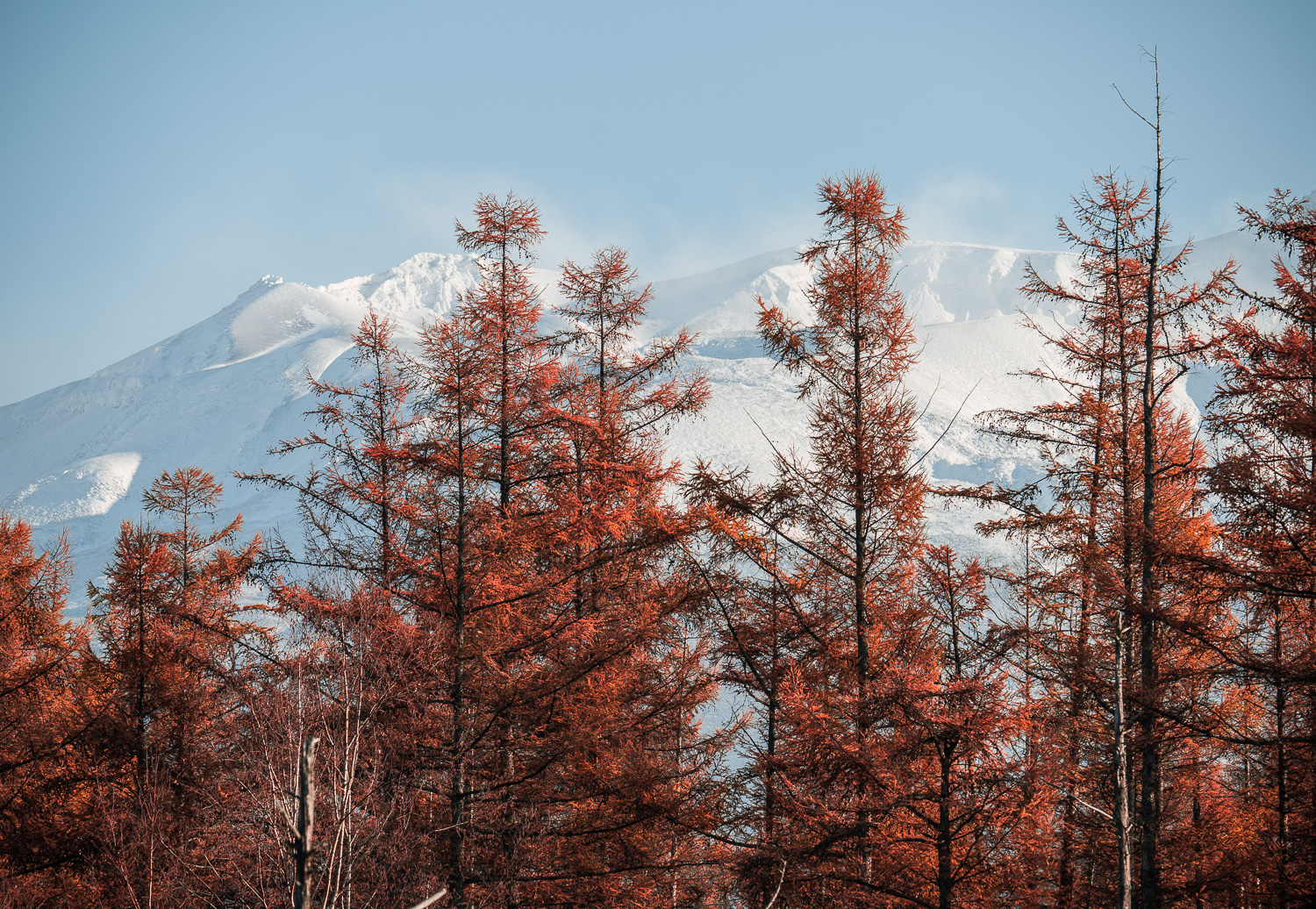
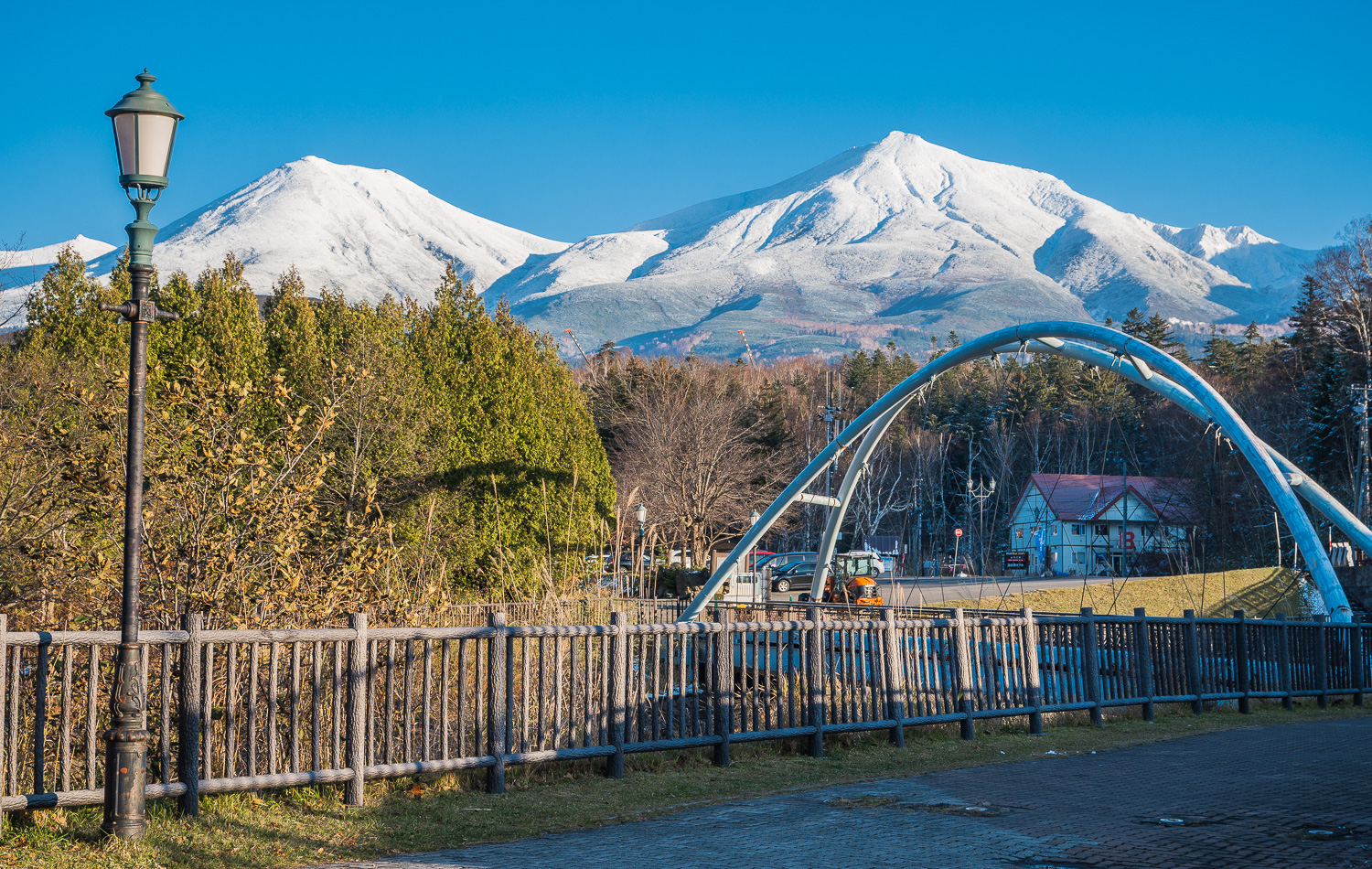
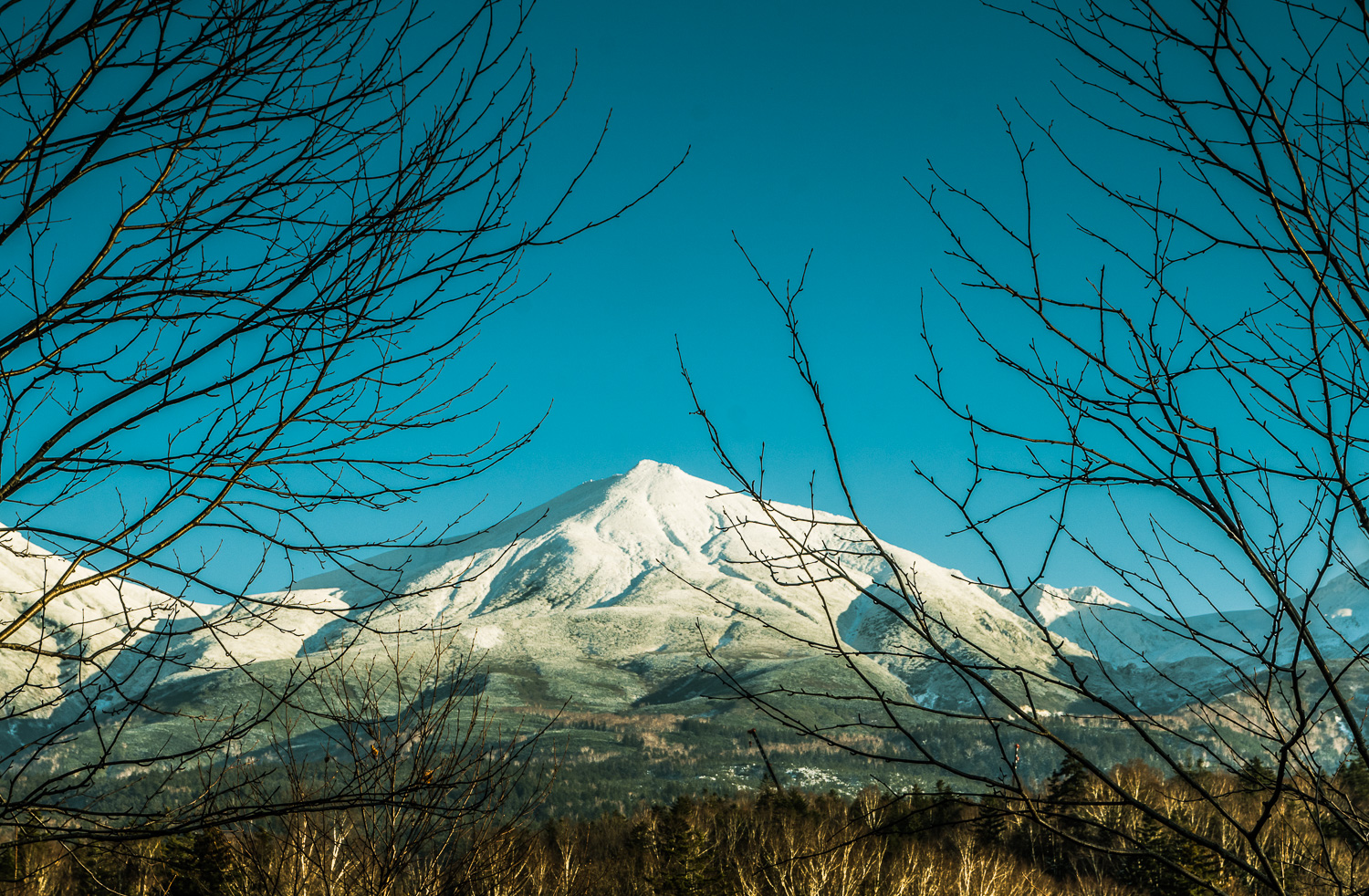
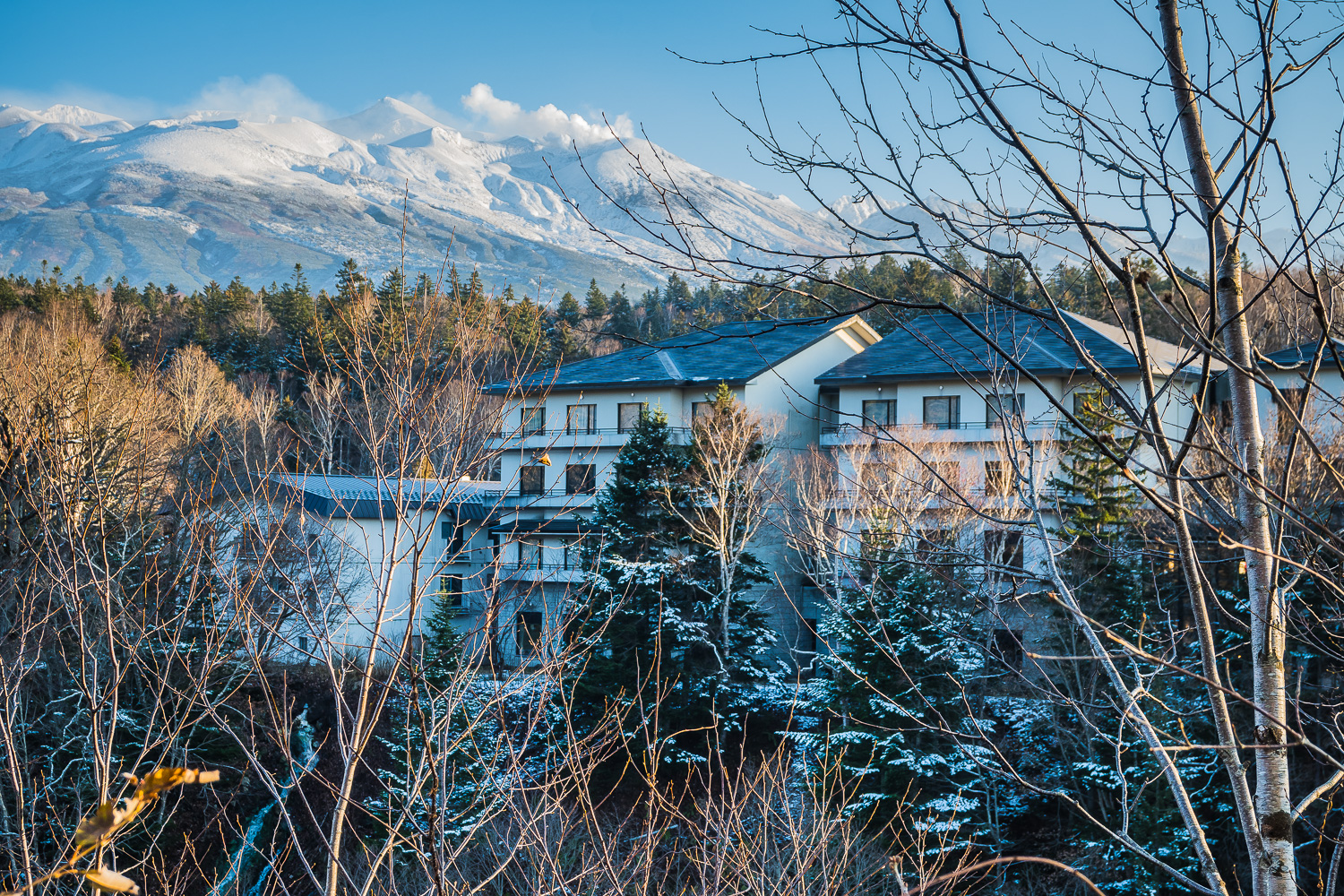
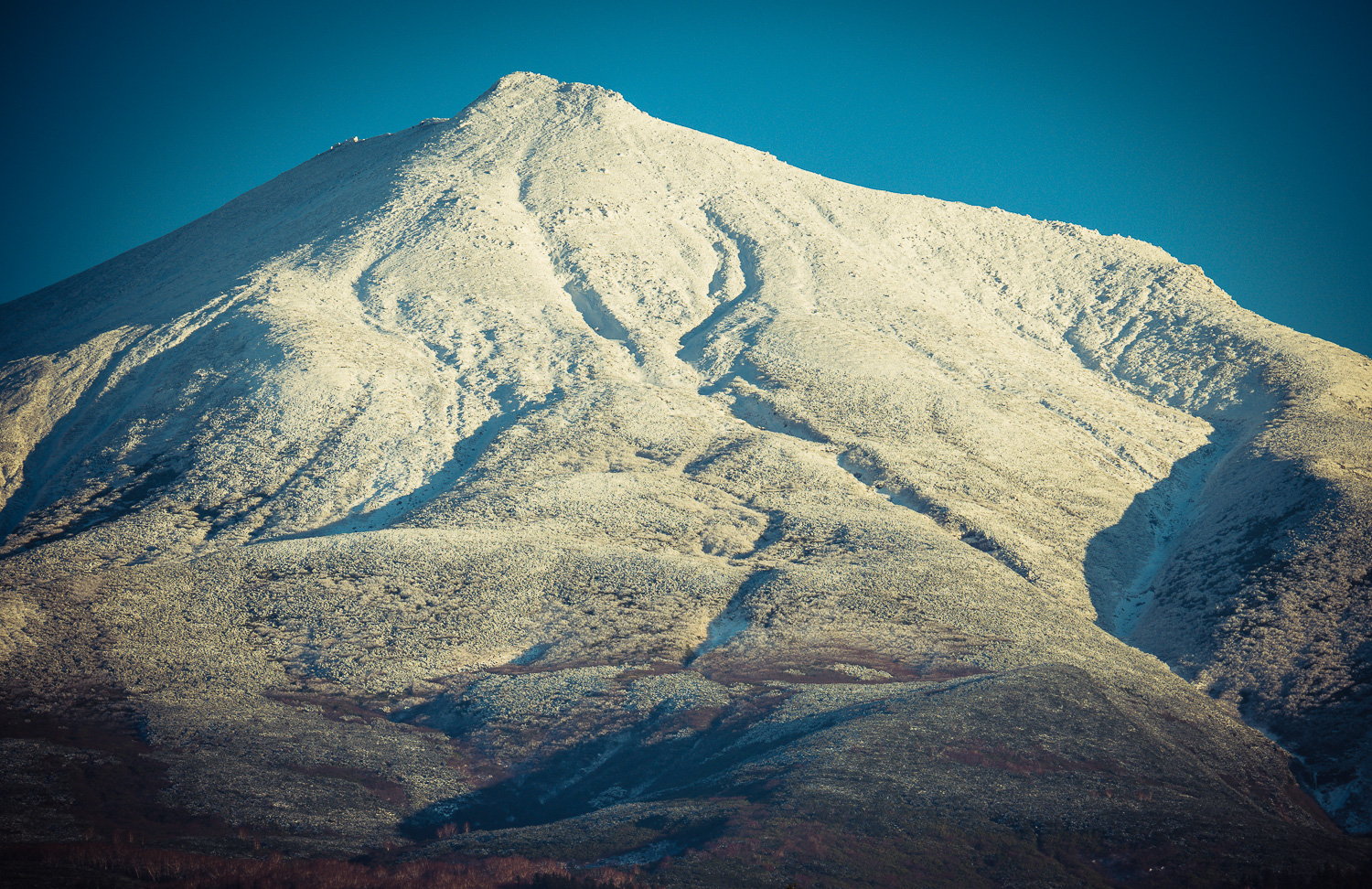
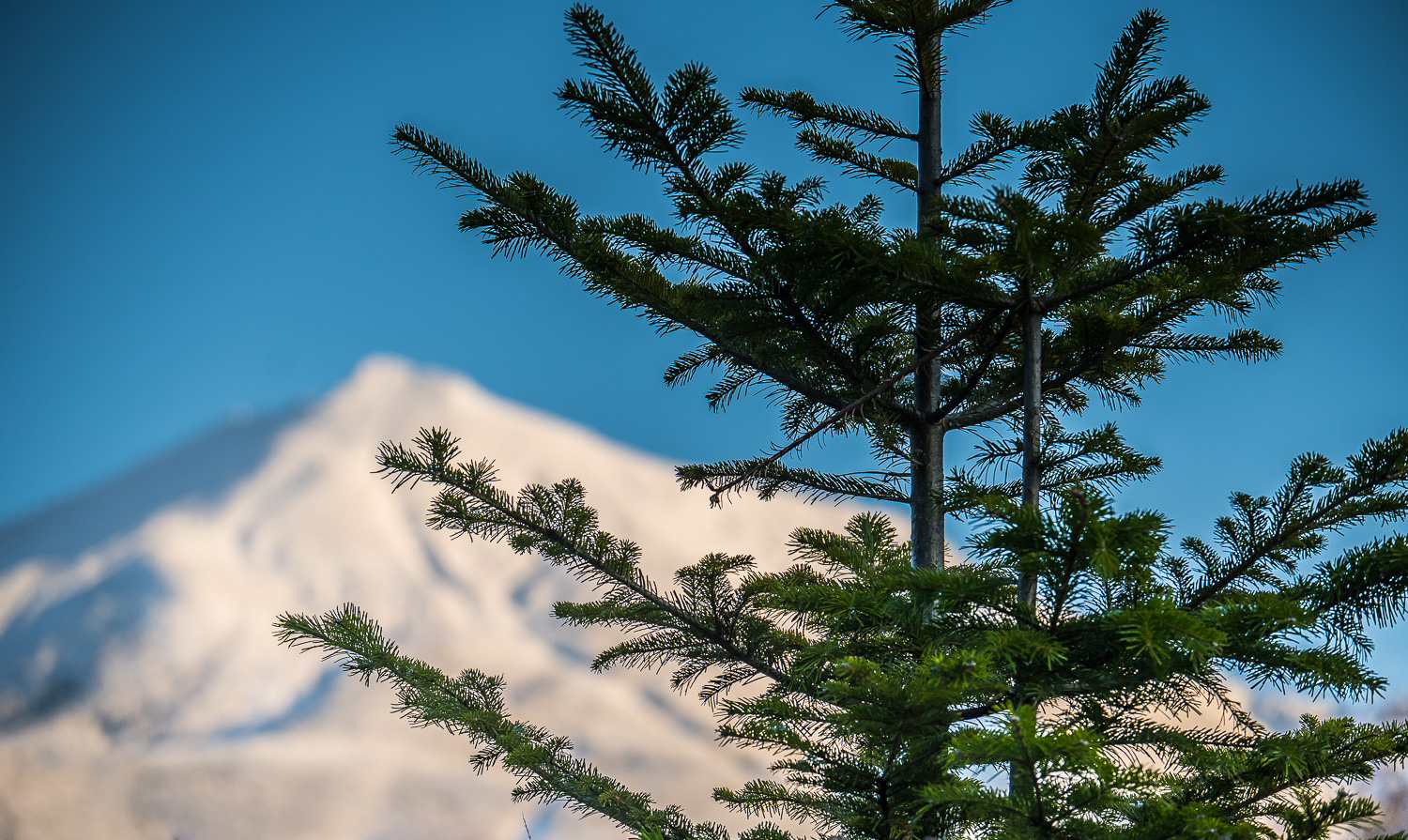
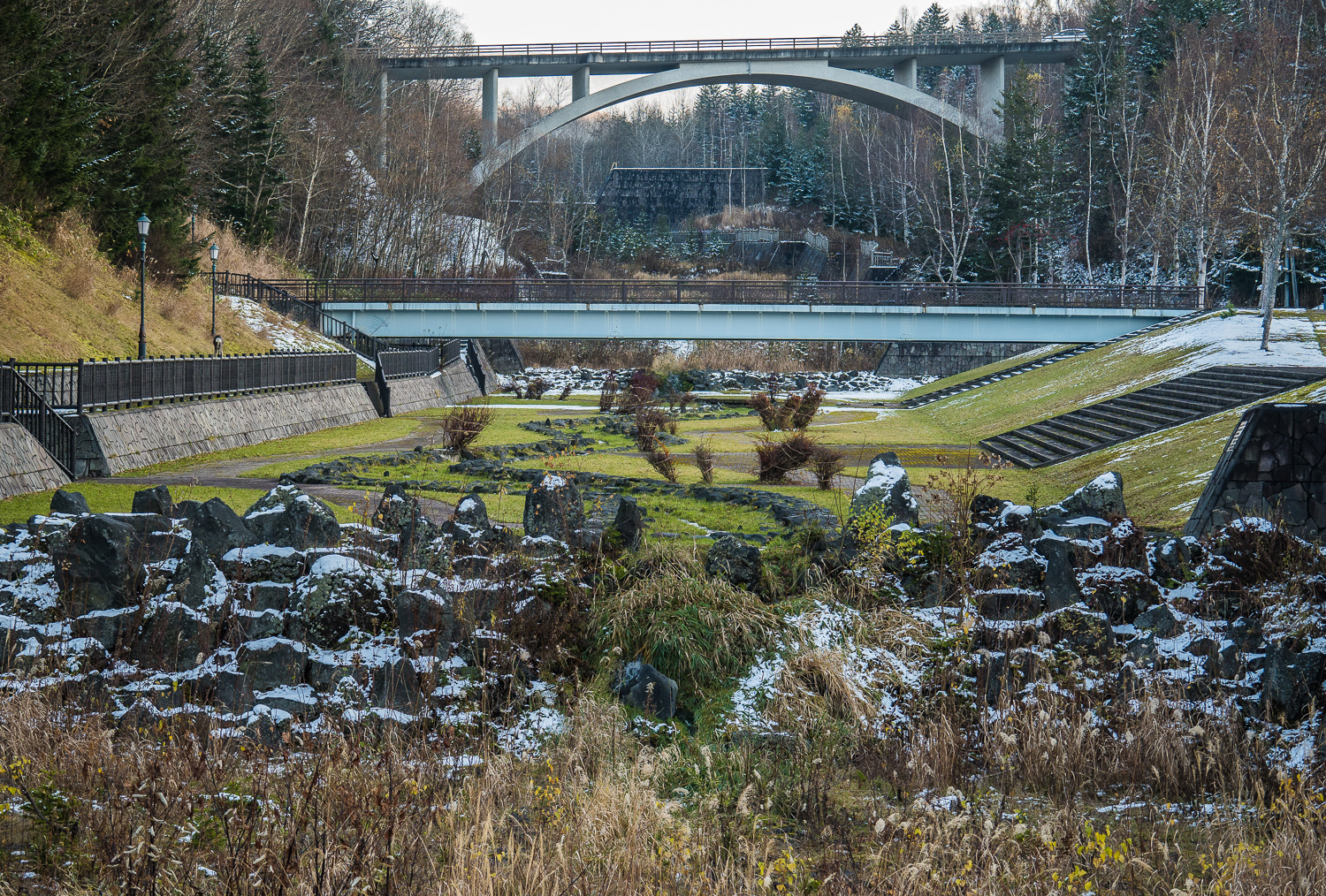
The mountain road to Furano was very scenic, with all the hues of autumn at lower levels and fresh snowfall at the top. We stopped at Sandan Falls and were the only ones there before reaching Furano and turning north. The area is famed for its flower farms, but being November, there was nothing in bloom. Nevertheless, the view across to the snow-covered peaks of the Daisetsuzan National Park was spectacular.
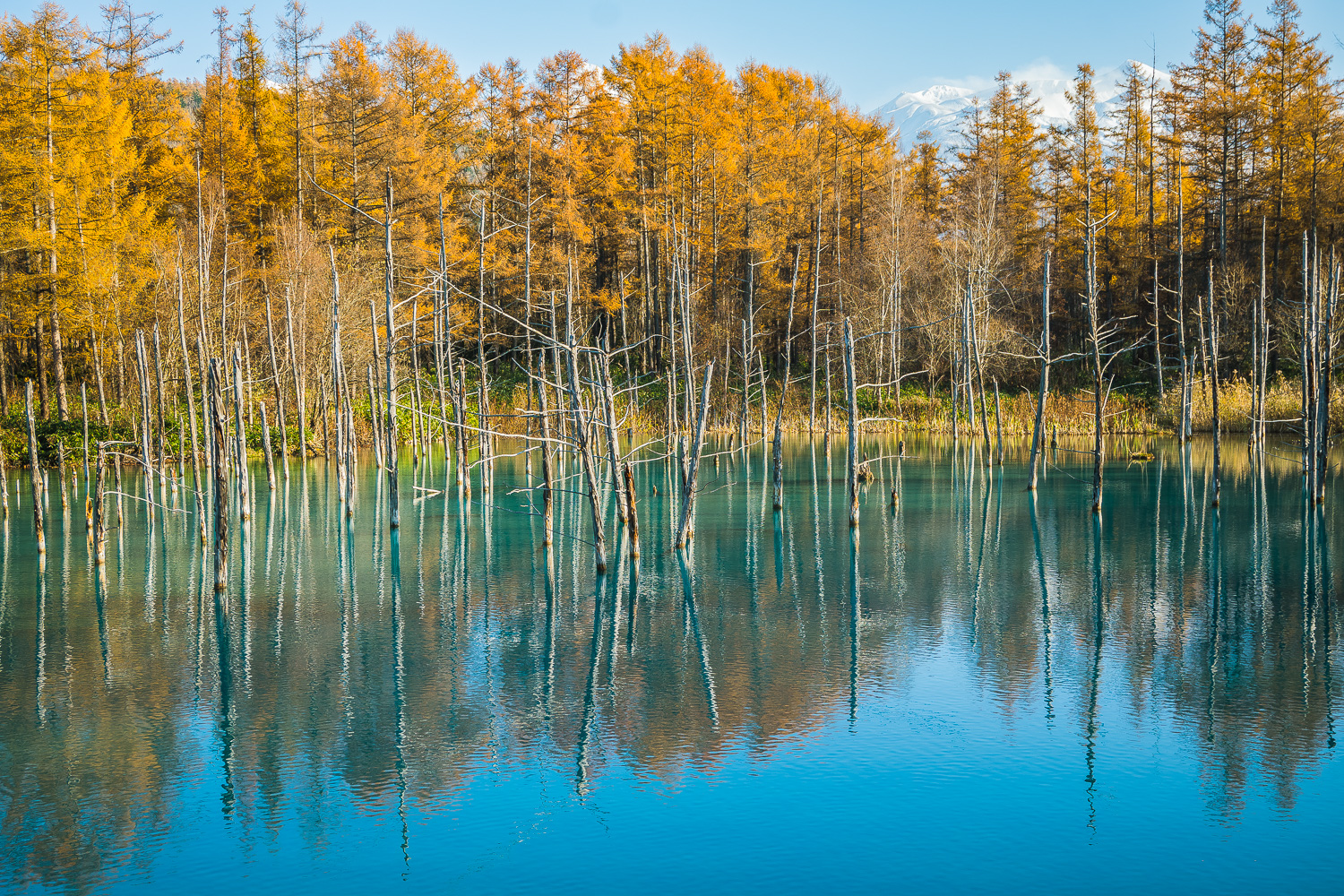
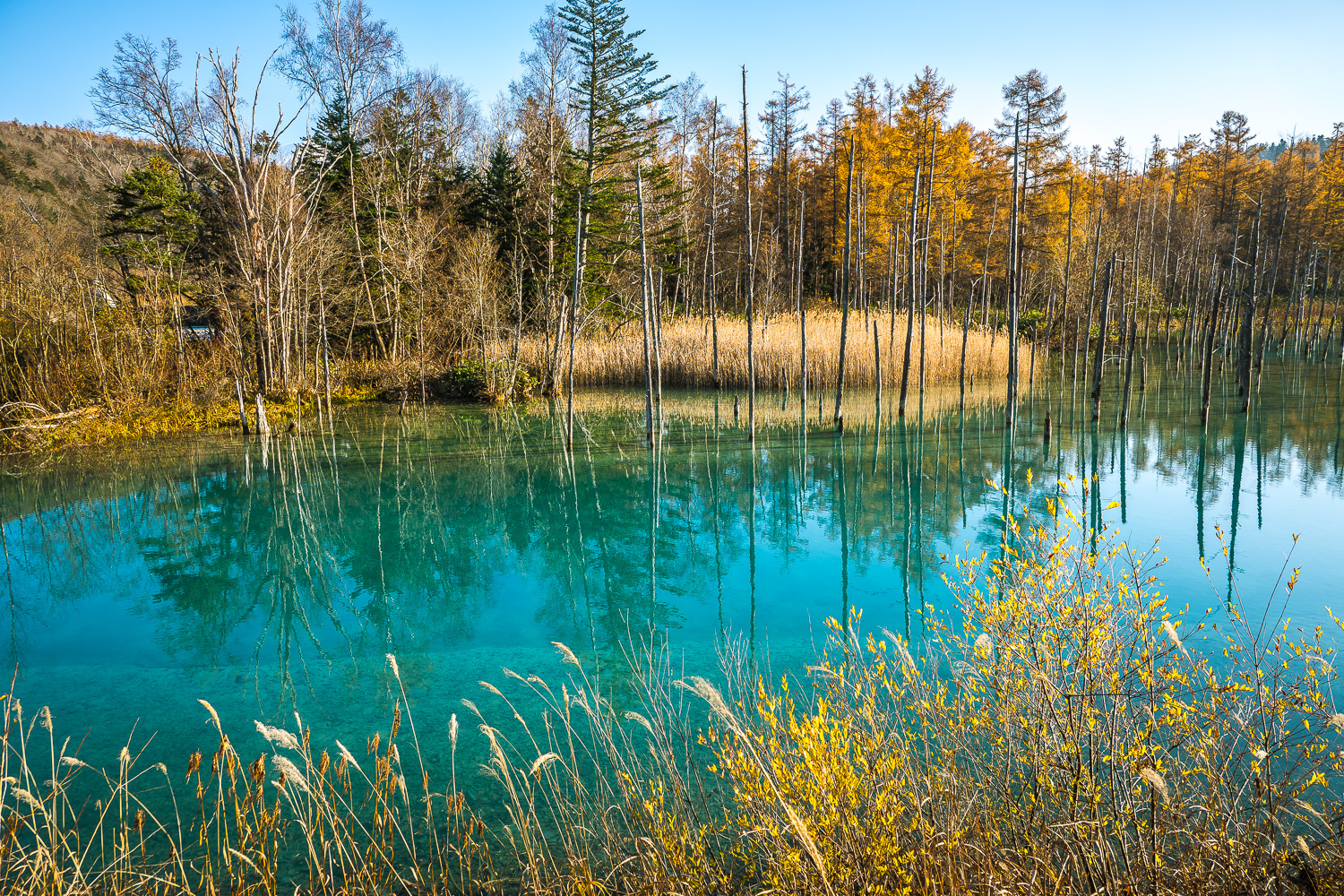
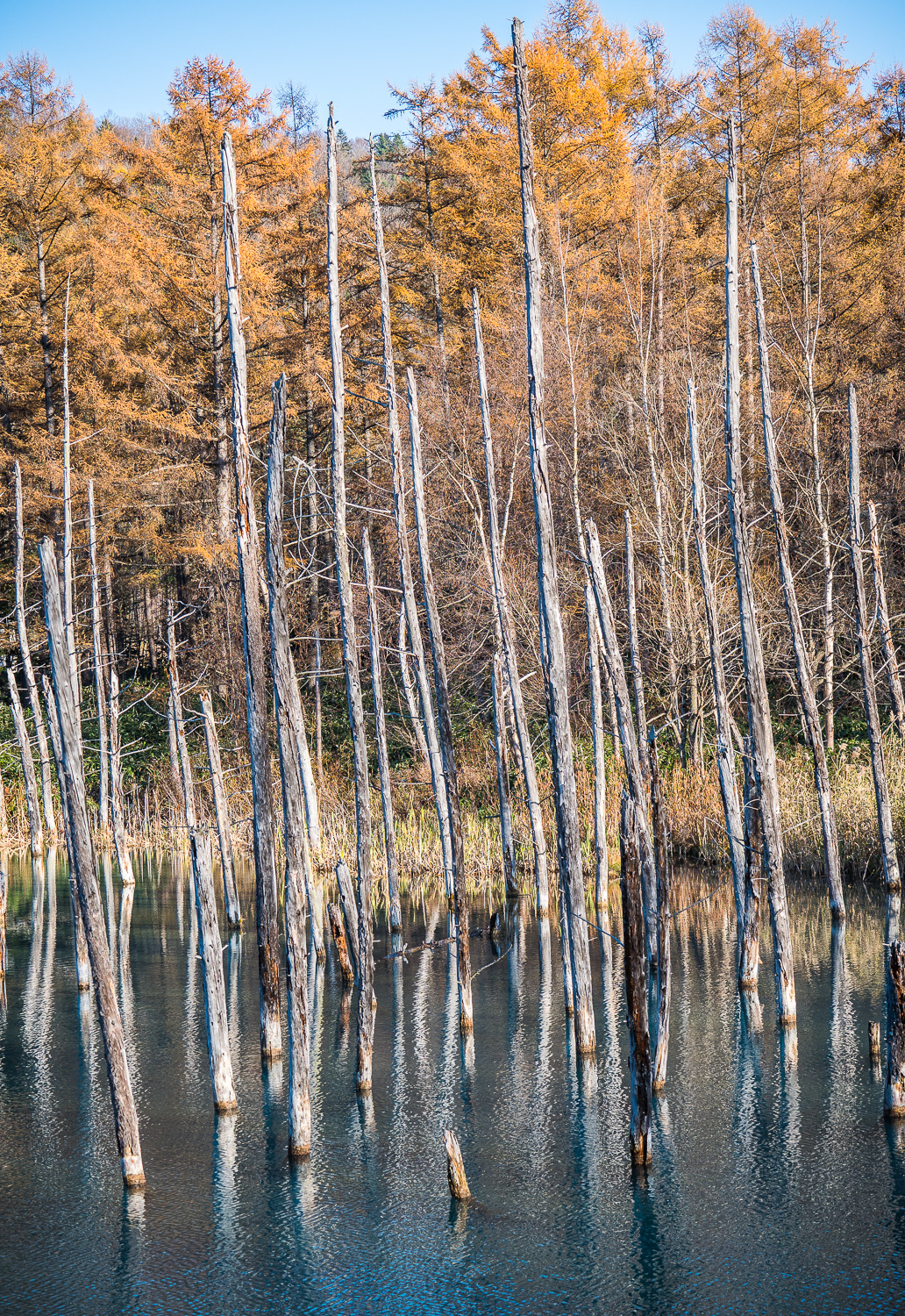
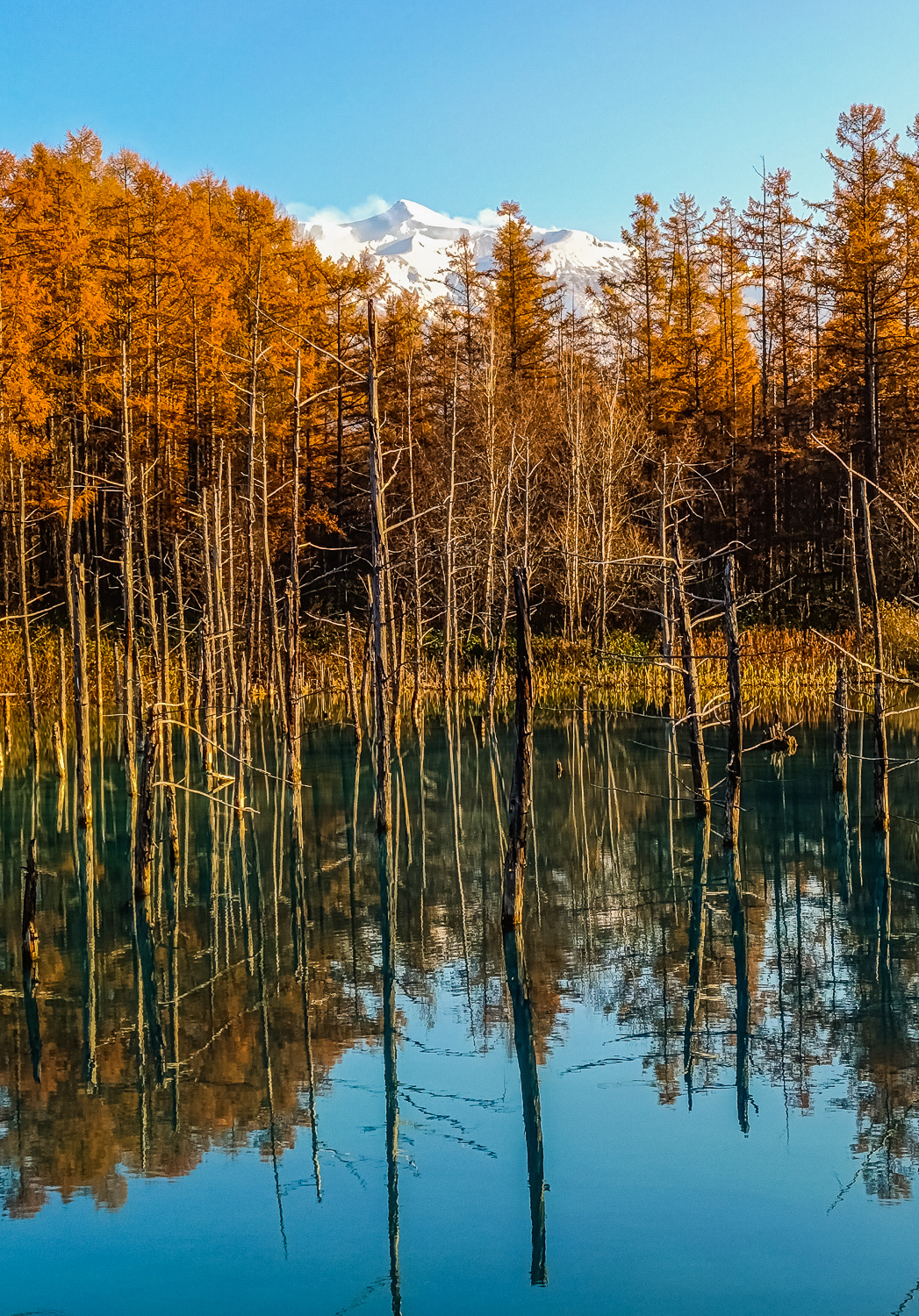
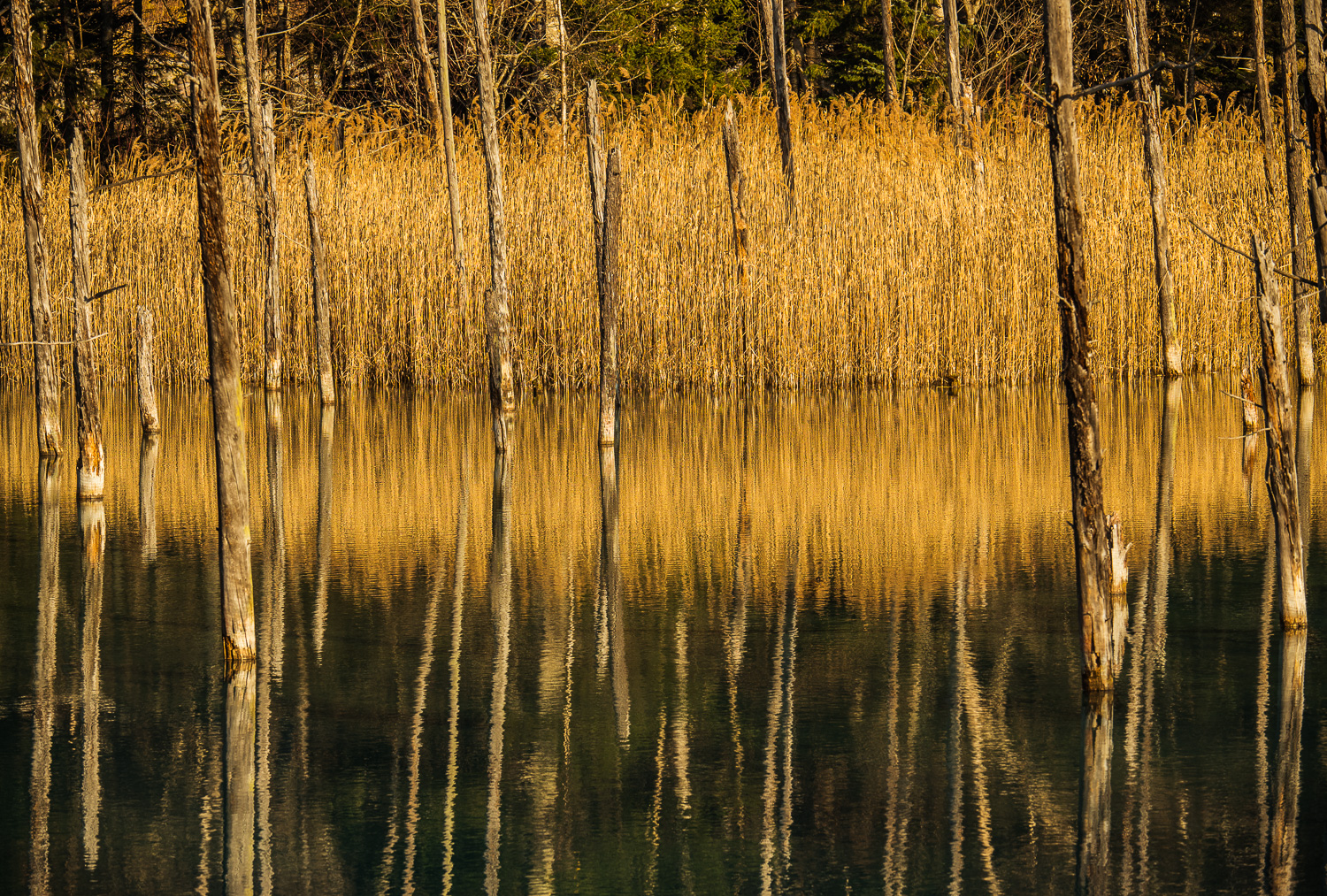
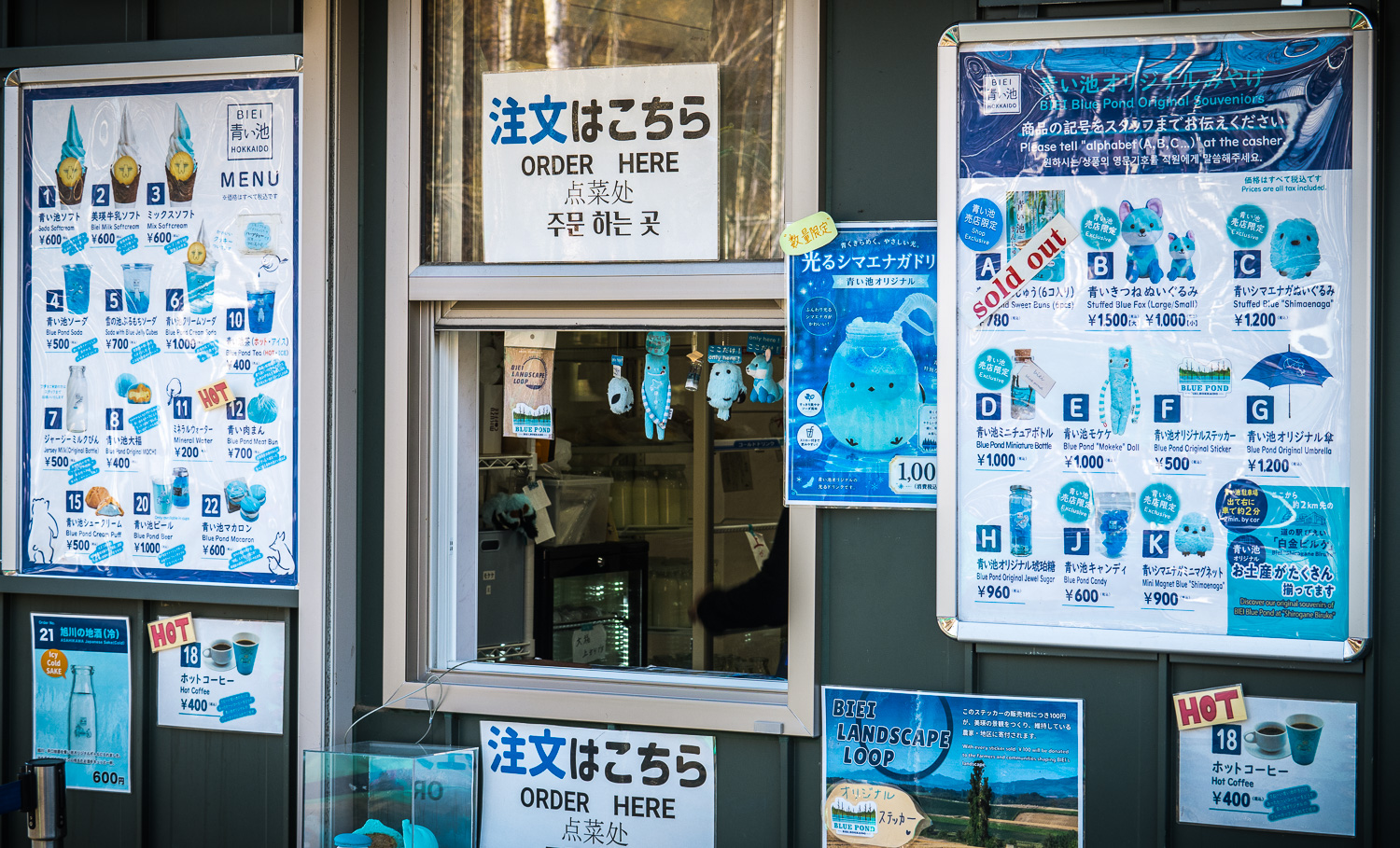
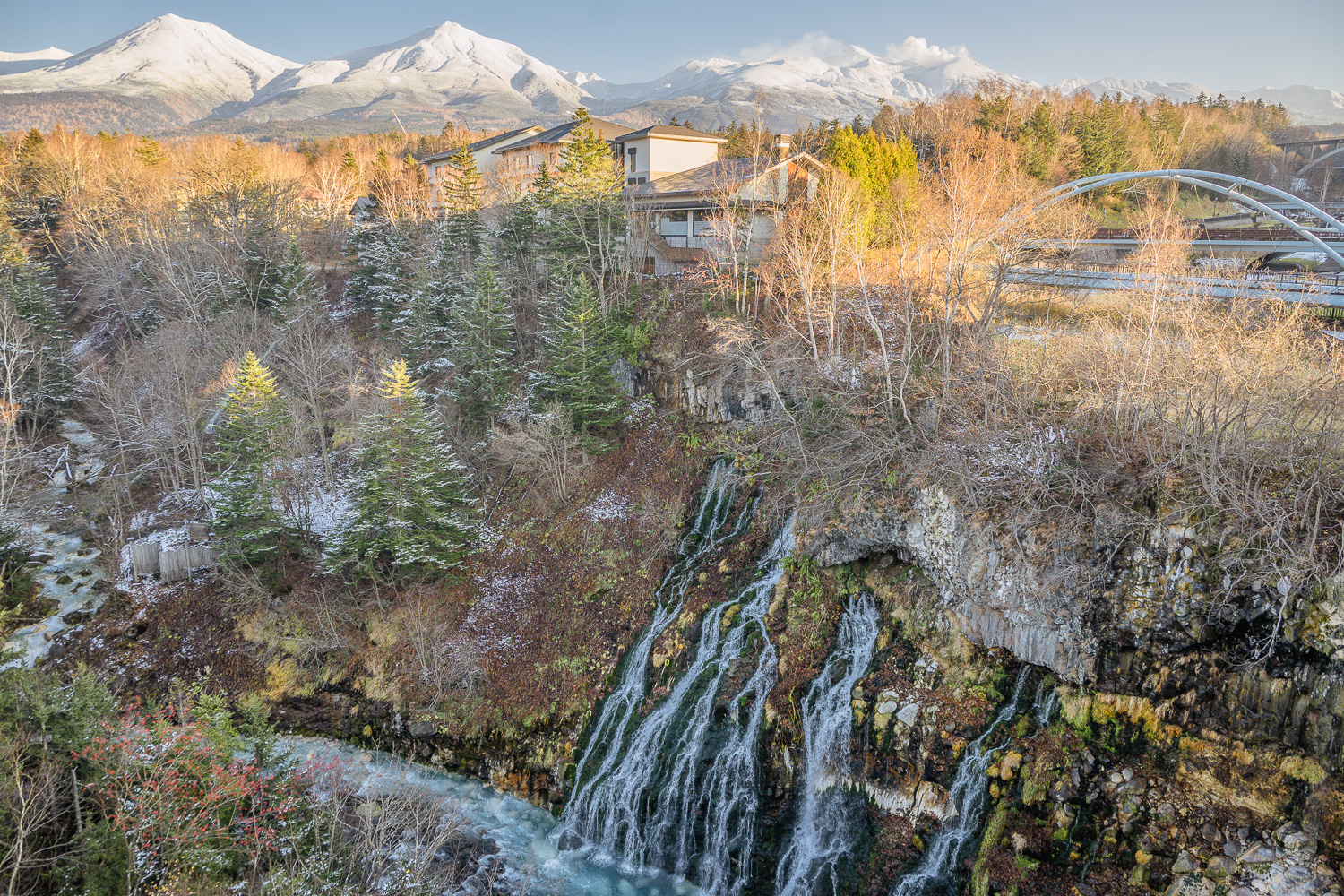
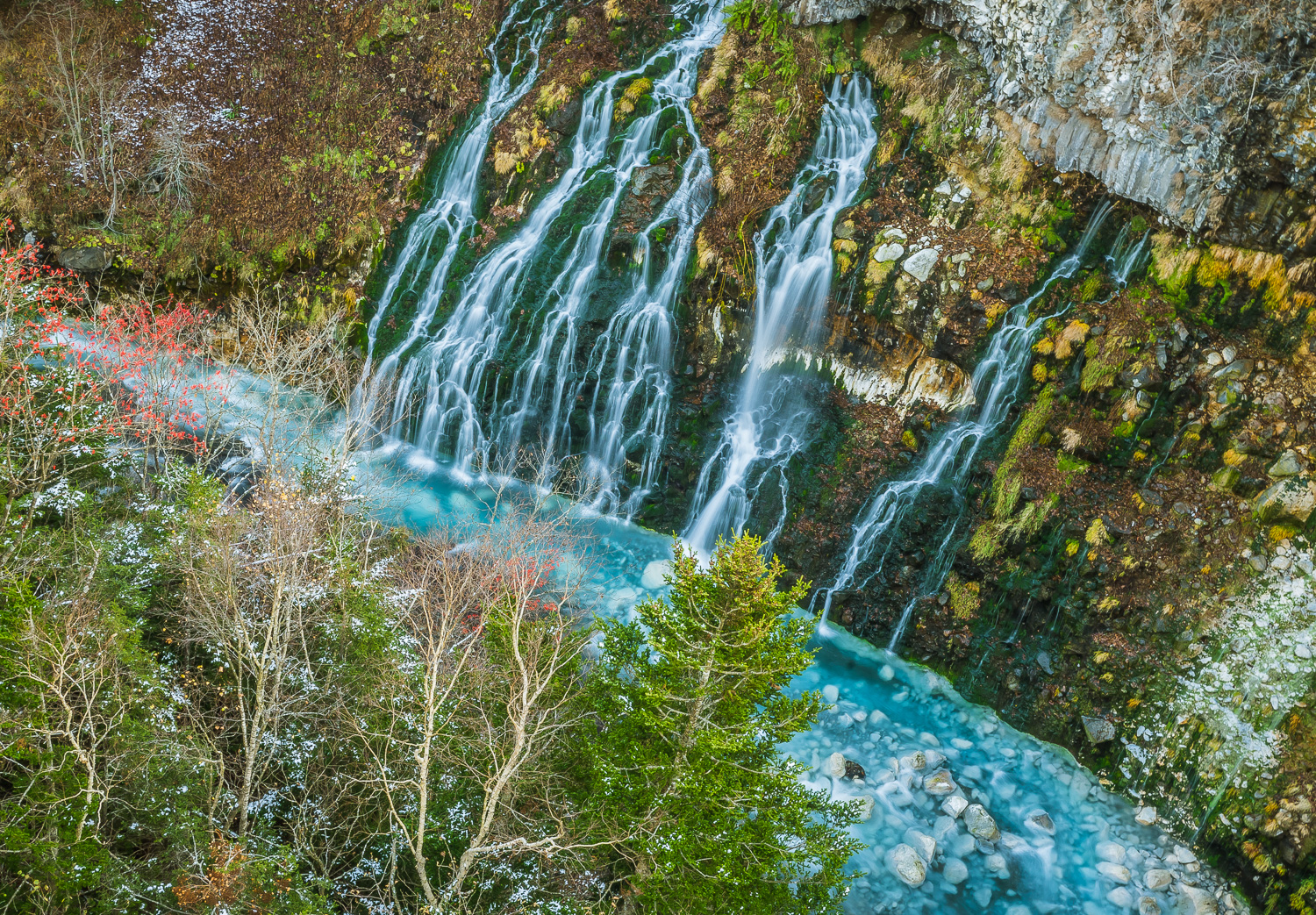
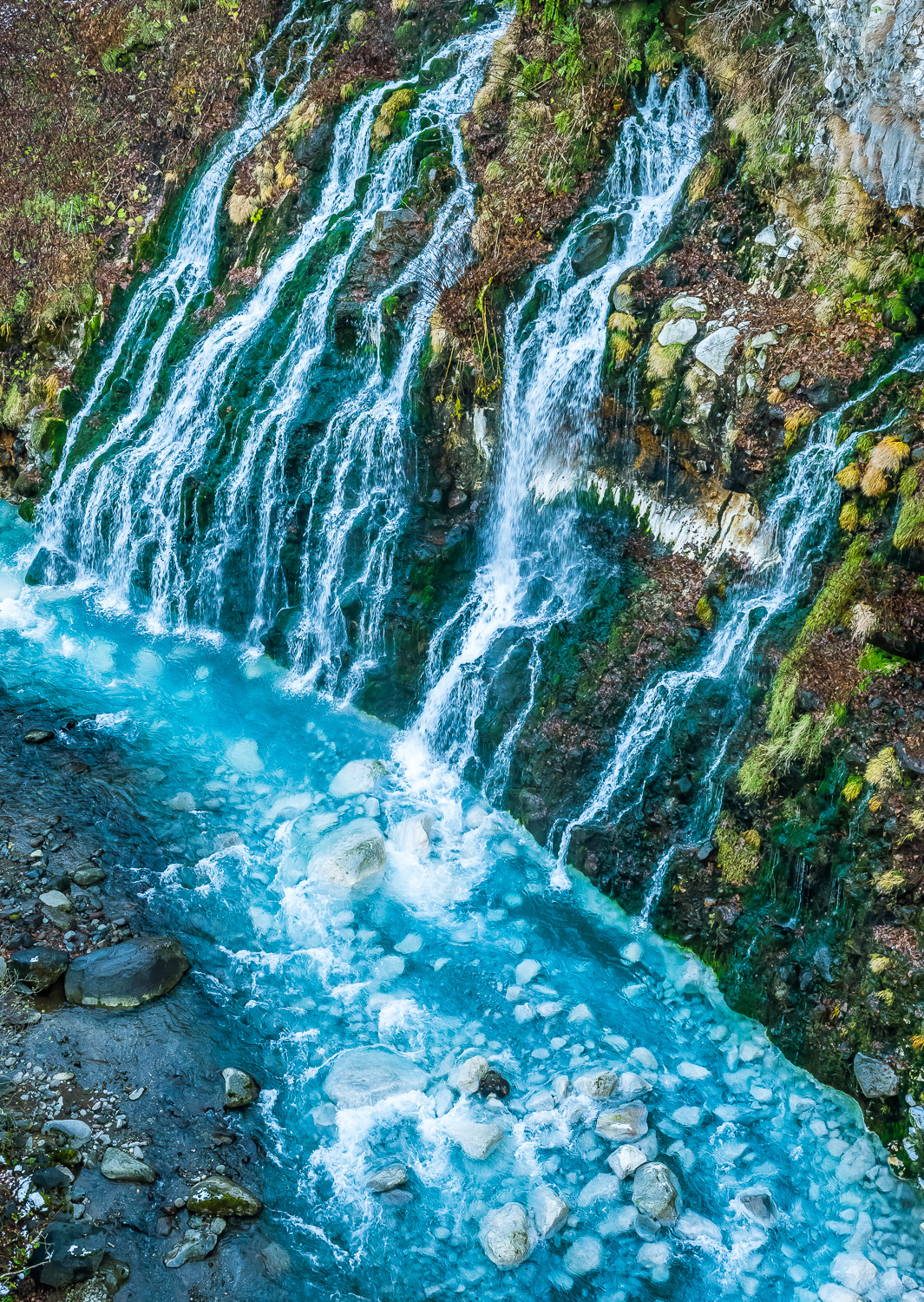
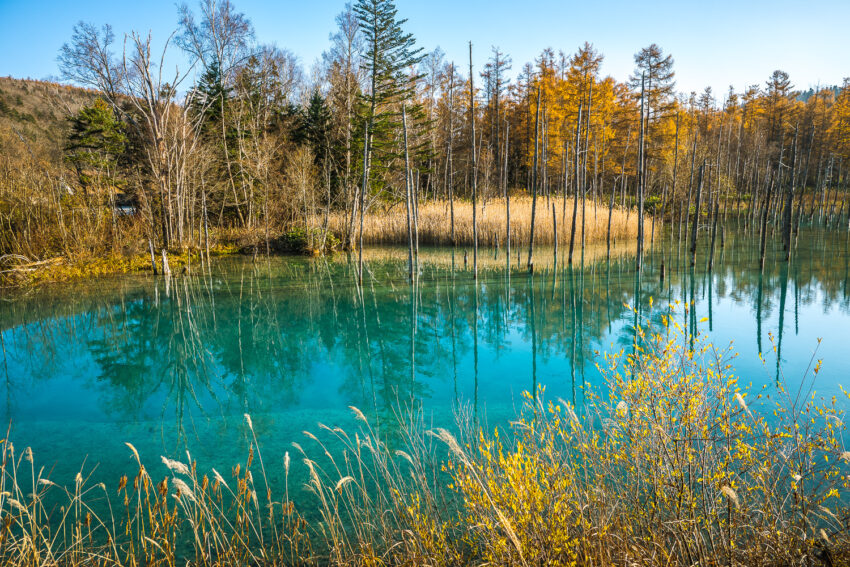
Our destination was the Blue Pond (Aoiike), a popular tourist attraction. The crystal-clear lake shines in hues of cobalt depending on the light and weather, but the backdrop of the mountains appeared more impressive to me. From there, it was a short drive to Shirogane Falls, white cascades plunging into the vivid cobalt-blue Biei River.
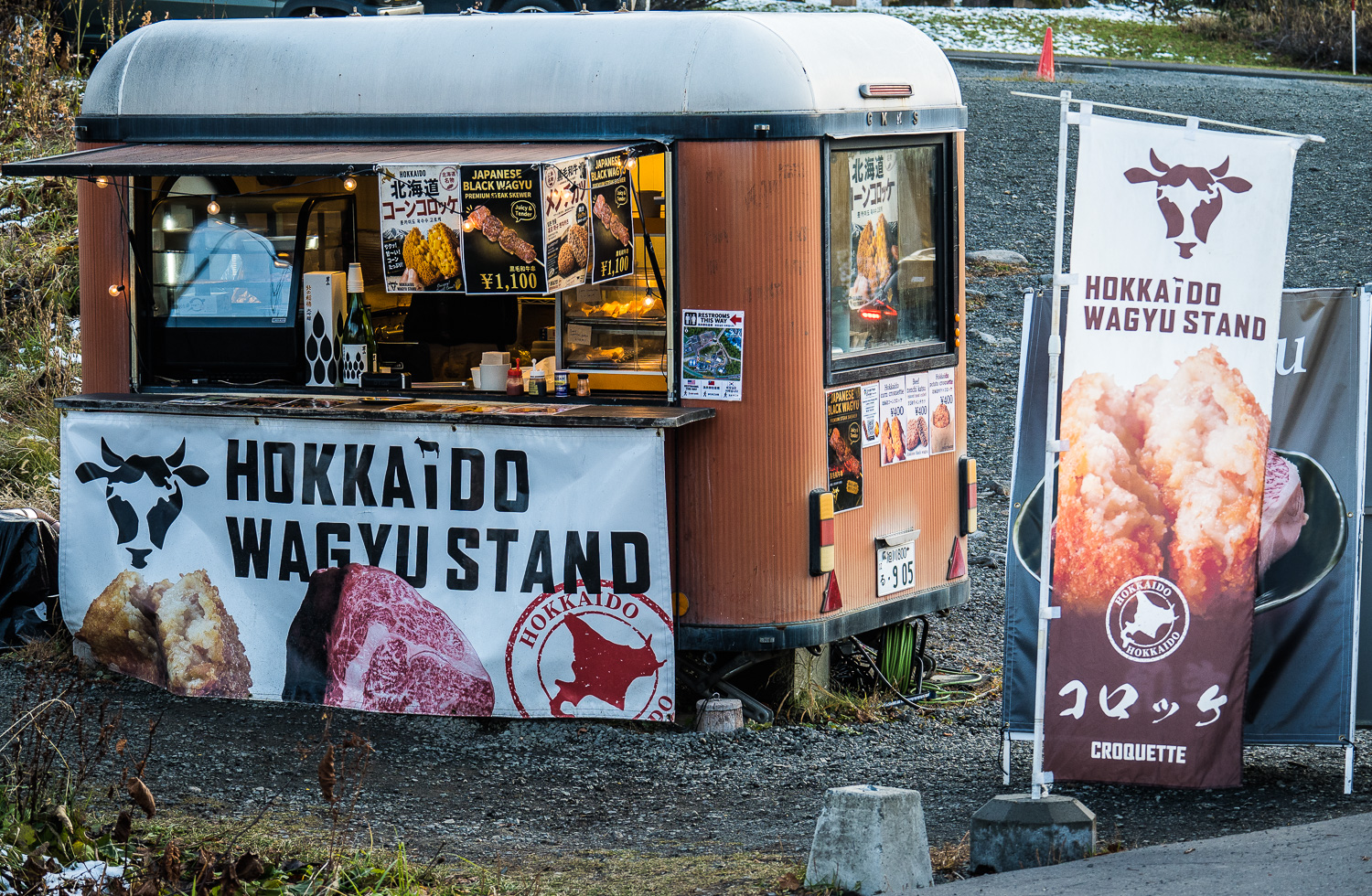
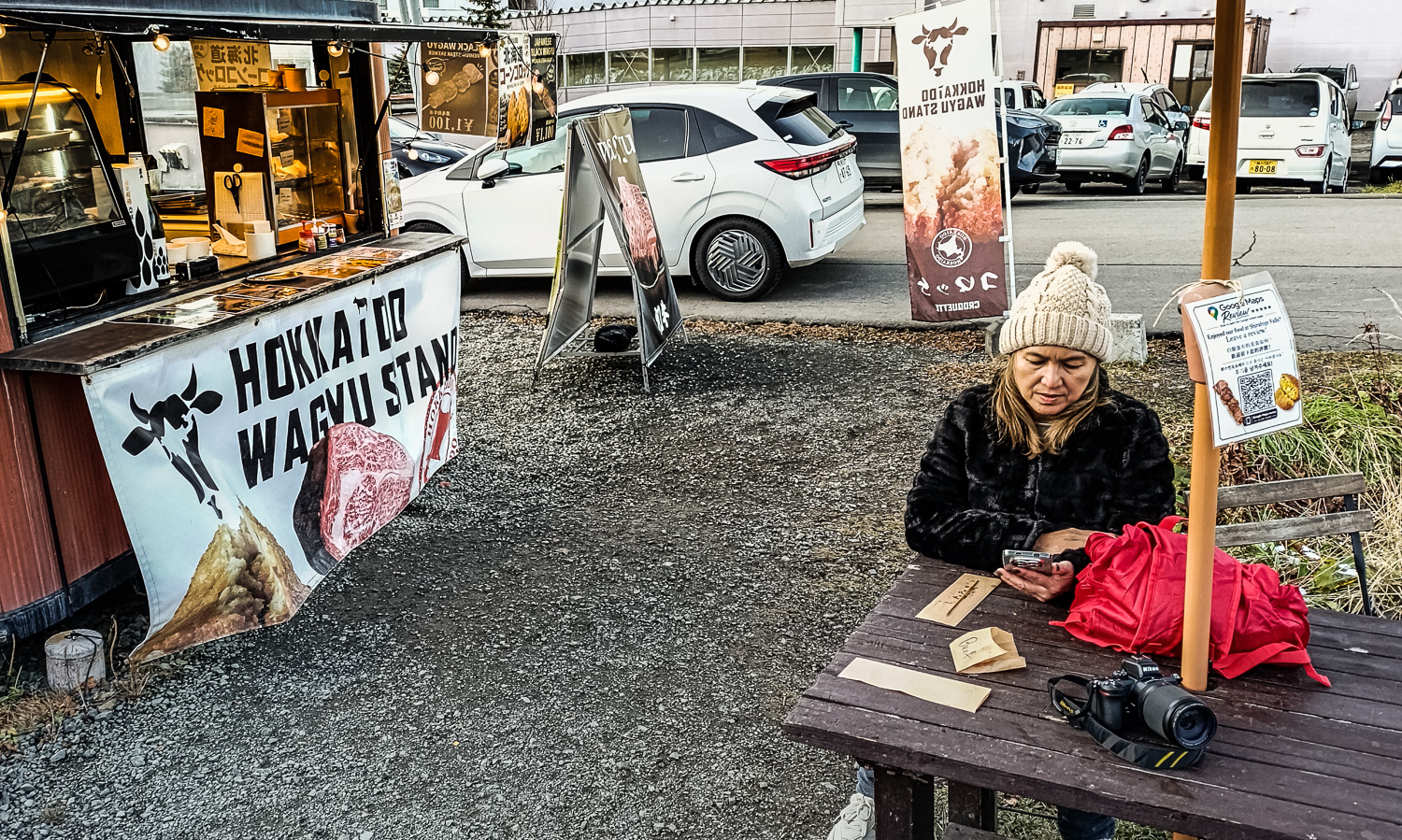
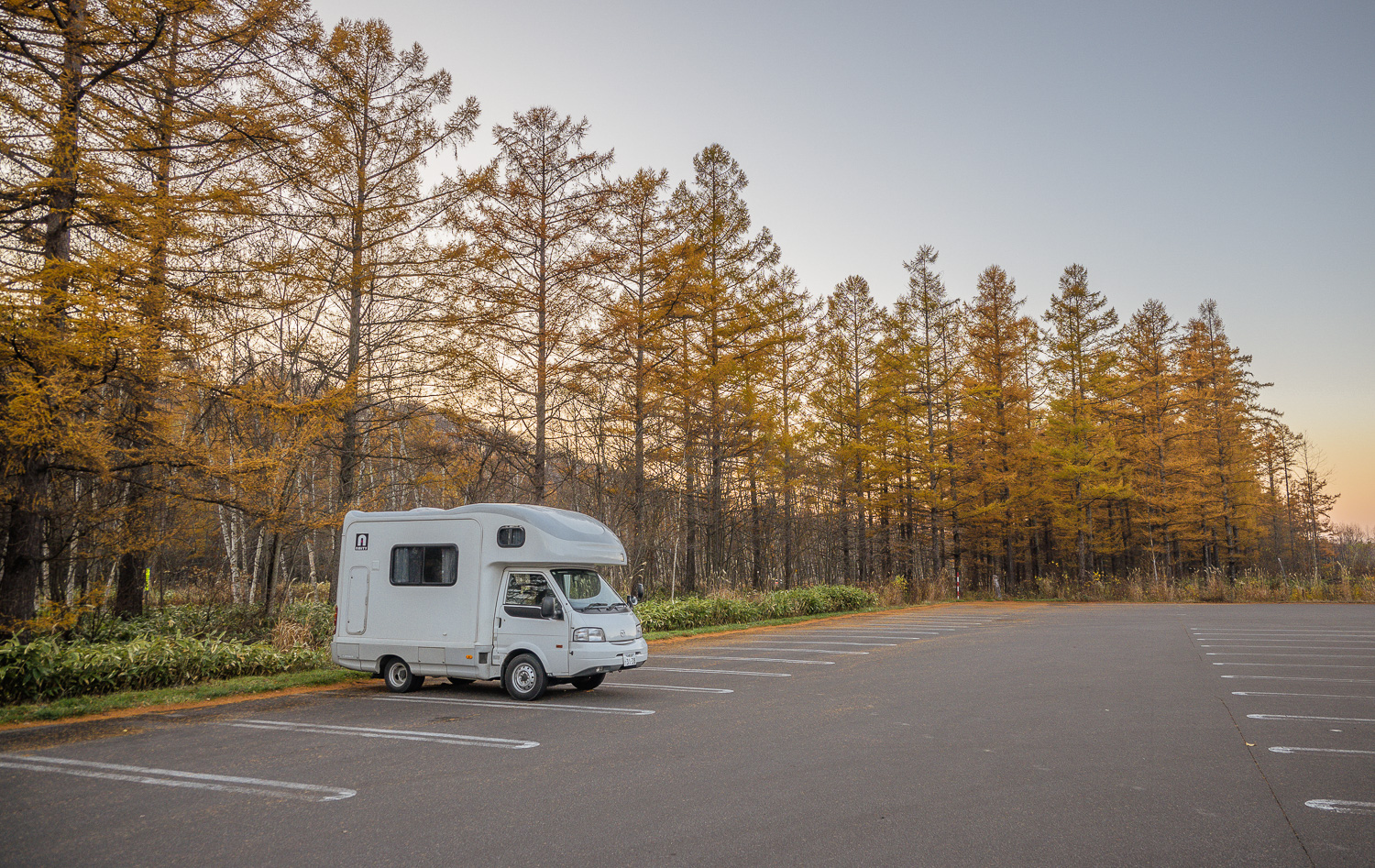
There were no shops or restaurants in this area, which was a little strange considering how touristy it was. As the light began to fade, we headed for the deserted Biei Shirogane Biruke Road Station to have a beer after the long drive and settle in for the night as the temperatures plunged below freezing. It was our coldest night so far.
Previous: Jigokudani and Lake Toya
Next: Mount Asahidake